
While electric vehicles, or EVs, have not quite taken over the Australian motoring landscape just yet, the shift is clearly coming.
EVs took some years to gain a foothold in the Australian market, but the tide has certainly turned.
More commercial and private buyers are going electric year after year.
Several European countries have already set dates in the not-too-distant future to ban the sale of traditional combustion engine vehicles.
Norway is leading the charge, with a stated plan to go all-electric by 2025.
Toyota was the first car company to introduce Australians to the idea of EVs, with the launch of the hybrid-powered Prius back in 2001.
In the two decades since, the Japanese automaker has sold well over 100,000 hybrid-powered cars to Australians.
Other global car manufacturers have also pledged to move towards 100% EV manufacturing in the coming years, including Jaguar as early as 2025, followed by Volvo and Mazda in 2030.
Demand for EVs has surged in Australia in recent years, particularly due to rising fuel prices that significantly impacted motorists in 2022.
Australia’s uptake of EVs accelerated rapidly in 2021.
With more manufacturers catering to this growing market, battery-powered vehicles are becoming the cars of the future, giving buyers more choices in the coming years.
At the start of 2022, 31 different EV models were available for purchase in Australia.
A range of new EV designs from various manufacturers was also expected to reach Australian shores by the end of 2022.
The number of electric models available for sale was expected to almost double by the end of the year.
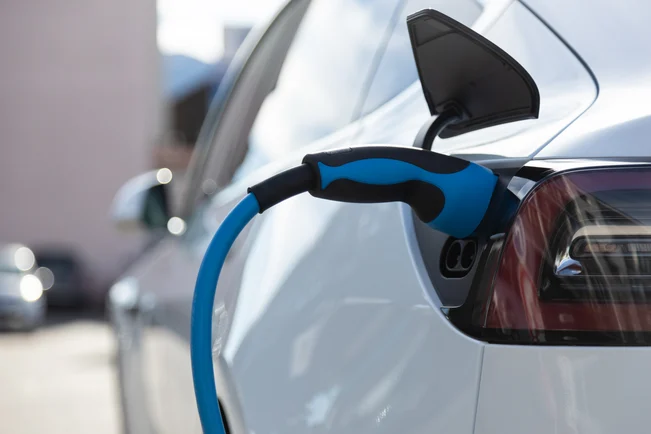
EVs often appeal to the same people who embrace solar power.
These are people who are willing to adapt to new technologies and support the move towards a cleaner, greener future.
A big part of the appeal of owning an EV is the ability to charge it at home.
For many households, a private home solar power system with battery storage, an inverter, and an EV charging station is the renewable energy dream.
However, buyers need to be aware that not all EV chargers are compatible with solar power systems.
In fact, a standard EV charger may still charge a car battery using fossil-fuel-generated power, even when solar-generated power is available.
This can be frustrating for users who specifically purchase EVs and invest in private solar power systems to reduce their reliance on coal-based energy.
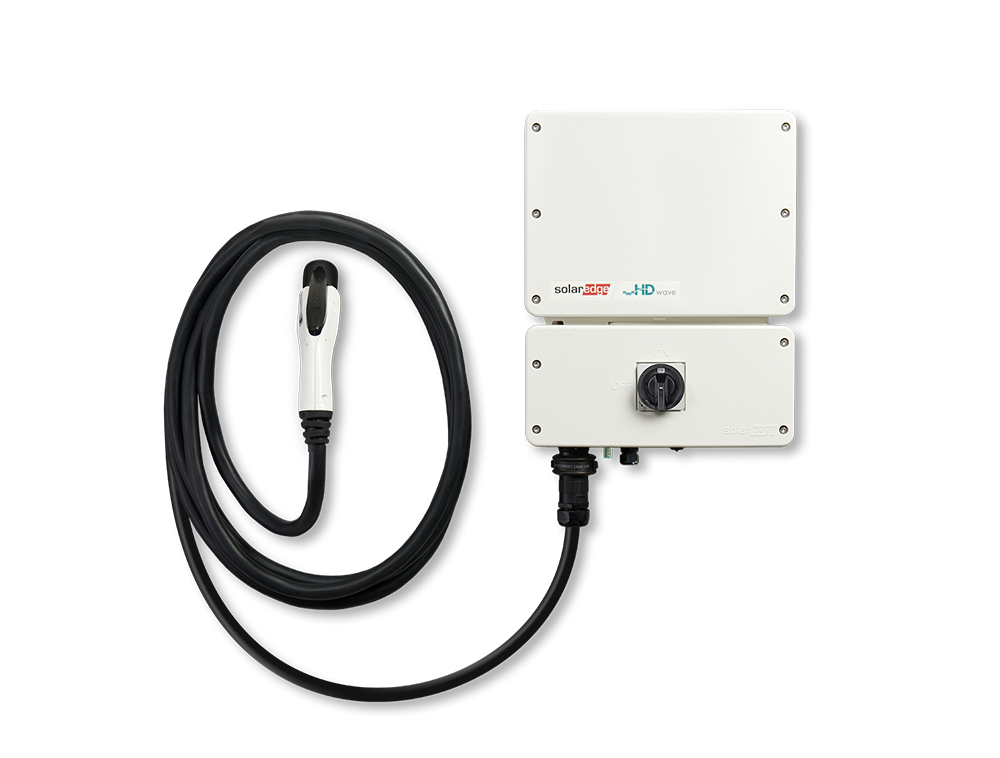
SolarEdge is one of the most well-regarded manufacturers in the industry and once again demonstrated its reputation for innovation with the development of the world’s first EV charging inverter.
This product is ideal for households and businesses that want to ensure their vehicles can be charged using renewable energy.
The device is easy to use, charges quickly, and includes a monitoring app that provides instant and accurate information.
SolarEdge EV Charging Inverters are available in 3 kW and 5 kW single-phase versions.
They can also be incorporated into larger systems by coupling with one or more standard SolarEdge inverters, combining available power to charge your EV while also powering your home or business.
These sleek units offer Wi-Fi communication functionality and come with a 12-year product warranty for added peace of mind.
SolarEdge EV Charging Inverters can charge up to four times faster than a typical Level 1 EV charger.
Installing one may also help avoid the need to upgrade your switchboard compared with installing a separate stand-alone charger.
Read more: SolarEdge EV Charging Inverters.
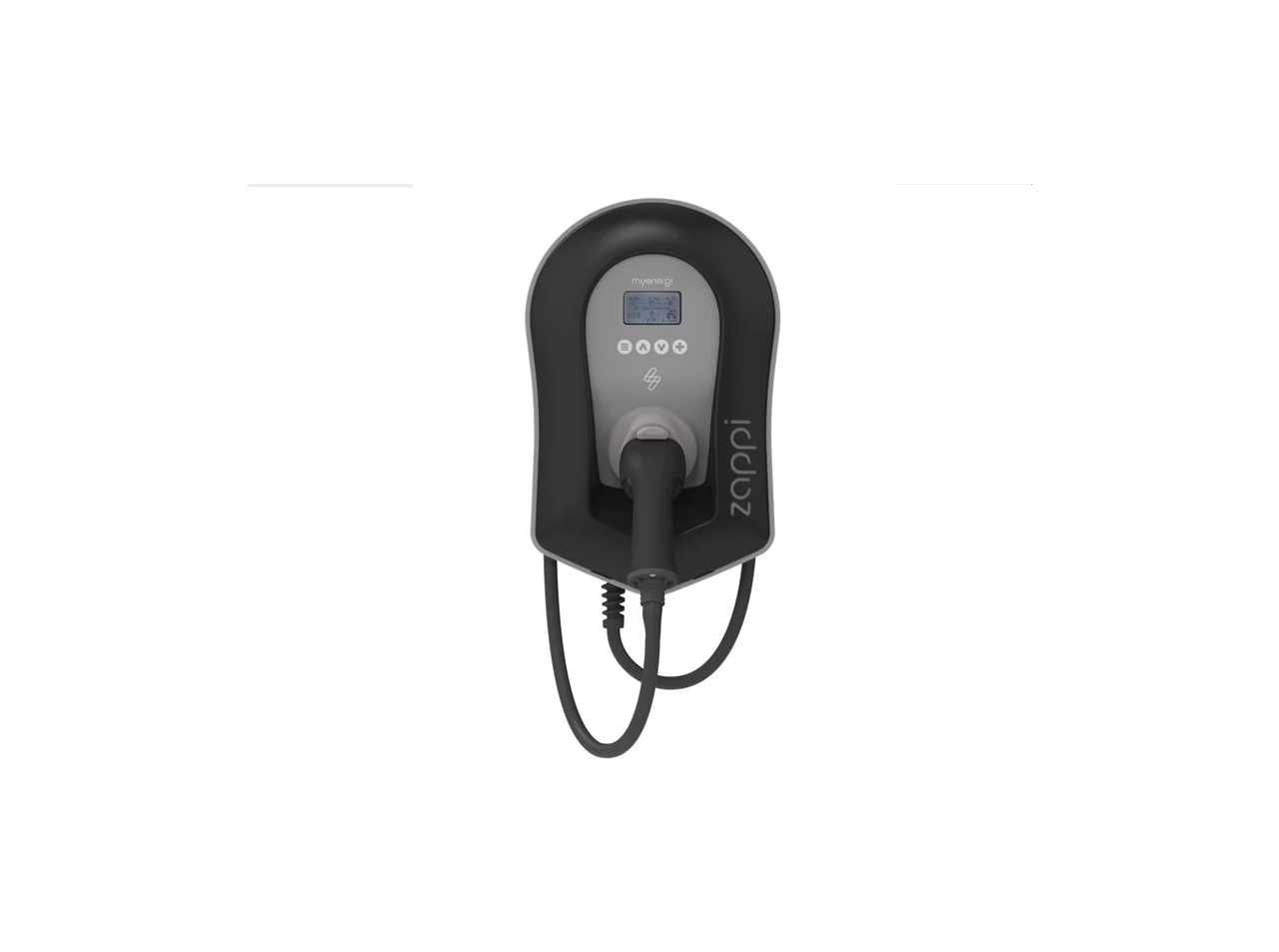
Installing a Zappi EV Charger is an ideal solution for those looking to charge an EV at home while using energy generated from a private solar power system.
Zappi EV Chargers provide users with excellent flexibility, with 7 kW single-phase and 22 kW three-phase models available.
Each variant is available with either a tethered or untethered connector, and comes in black or white.
There are eight total models in the range.
The units have three separate charging modes: ECO, ECO+, and FAST.
ECO+ mode is the most environmentally friendly charging mode. Charge power is continually adjusted in response to changes in energy generation or power consumption elsewhere in the home.
Charging will pause if too much imported power is being used and will continue only when surplus free power is available.
ECO mode also adjusts charge power in response to changes in generation or power consumption around the home.
Charging will continue until the vehicle is fully charged, drawing power from the grid if necessary.
FAST mode prioritises charging the vehicle as quickly as possible using maximum power.
In this mode, the Zappi EV Charger functions like an ordinary Mode 3 charging point.
Zappi EV Chargers are available with tethered or untethered connectors and include a range of impressive features.
Read more: Zappi EV Charger model specifications.
Considering fitting a Zappi EV Charger at home, or looking for an optimised solar power system with EV charging capability?