
Can You Charge an EV with Solar Power Alone? Here’s What You Need to Know
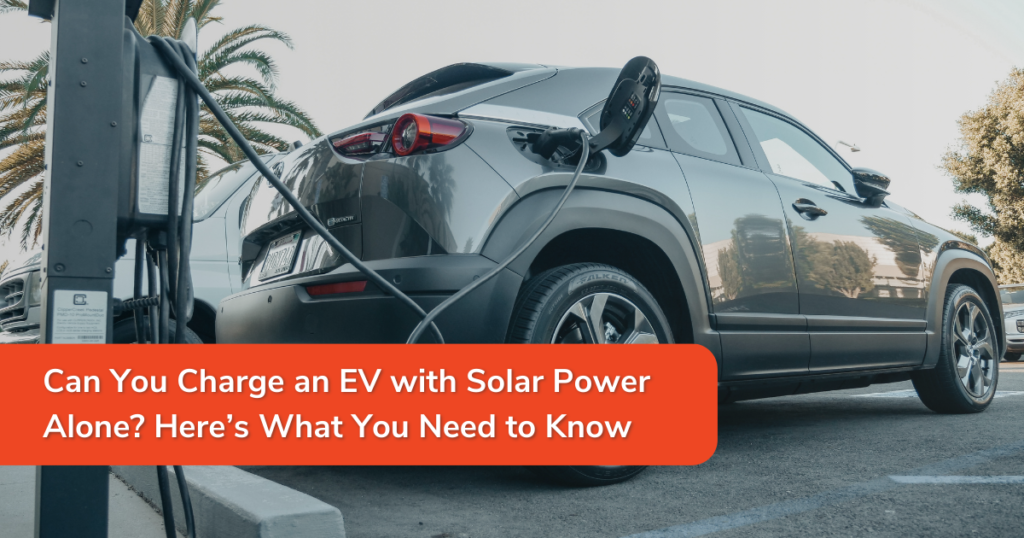
Can You Charge an EV with Solar Power Alone? Here’s What You Need to Know Smart Energy Answers June 3, 2026 With the rise of electric vehicles (EVs) and increasing interest in renewable energy, many homeowners wonder whether they can rely entirely on solar power to charge their EVs. The short answer is yes, charging an EV with solar panels alone is possible. However, factors like solar system size, battery storage, and energy consumption patterns play a crucial role in determining feasibility. In this guide, we explore how you can charge your EV with solar power and what you need to make it work efficiently. How Solar Charging Works for EVs? Solar panels generate electricity from sunlight, which can either be used immediately, stored in a home battery, or fed into the grid. To charge an EV using solar power alone, you need to ensure that your solar system produces enough electricity during the day to meet both your household and vehicle charging needs. This often requires a system with adequate capacity, ideally paired with battery storage to allow charging at night or on cloudy days. Key Factors to Consider Solar System Size and Energy Production The size of your solar panel system determines how much electricity you can generate. A standard EV requires around 15–20 kWh for a full charge, depending on the vehicle’s battery size and efficiency. To cover both home energy use and EV charging, an average household might need a solar system between 6 kW and 10 kW, though this varies based on location, sunlight exposure, and daily energy consumption. Battery Storage for Round-the-Clock Charging If you want to charge your EV at night, a home battery, such as the Tesla Powerwall 3, SolarEdge Battery, or Sungrow SBR, is essential. Batteries store excess solar energy during the day, allowing you to charge your EV when the sun isn’t shining. This maximises your solar usage and reduces reliance on the grid, helping you save on energy costs. Smart Charging and Energy Management Smart EV chargers, such as those compatible with solar systems, can optimise charging by prioritising solar energy use. Features like dynamic load balancing ensure that your EV charges when solar production is highest, reducing grid dependency. Some advanced systems even allow scheduling to align charging times with peak solar generation hours, further improving efficiency. Can Solar Power Alone Meet Your EV Charging Needs? For some homeowners, a well-sized solar system with battery storage can provide sufficient power for daily EV charging. However, those with high energy consumption or living in areas with limited sunlight may still need occasional grid support. The effectiveness of solar-only EV charging depends on several factors: Daily driving habits: If you drive long distances daily, your EV may require more energy than your solar panels can generate. Weather conditions: Cloudy days and seasonal variations can impact solar production, making backup energy sources necessary. Charging speed requirements: A Level 2 home EV charger requires more power than a standard wall outlet, influencing the feasibility of solar-only charging. Maximising Solar for EV Charging To make the most of your solar power for EV charging, consider upgrading to a high-efficiency solar system, investing in a home battery, and using a smart EV charger that integrates with solar energy management. Additionally, participating in a Virtual Power Plant (VPP) program can allow you to sell excess stored energy back to the grid, further offsetting costs and enhancing financial returns. Conclusion Charging an EV with solar power alone is achievable with the right setup. A properly sized solar system, battery storage, and smart energy management tools can help you maximise renewable energy use while reducing reliance on the grid. If you’re considering making the switch, Smart Energy Answers can help design a tailored solar and EV charging solution to suit your needs. Get in touch today to start your journey toward energy independence!
SEA Analysis: Amber Acquires Charge HQ to Evolve EV Charging in Australia

SEA Analysis: Amber Acquires Charge HQ to Evolve EV Charging in Australia Smart Energy Answers February 17, 2025 Amber’s Acquisition of Charge HQ: What It Means for EV Charging in Australia Amber’s recent acquisition of Charge HQ marks a significant milestone in the electric vehicle, or EV, charging industry in Australia. This strategic move has the potential to revolutionise the way EV owners manage their charging costs and optimise their use of renewable energy. As a leading provider of smart energy solutions, Smart Energy Answers has conducted an in-depth analysis of this development to provide valuable insights for our readers. Smart Energy Answers has also partnered with Amber Electric, sharing a common mission to help shift Australia to 100% renewable energy. This collaboration aims to empower solar and battery customers to earn greater rewards for their excess solar energy and accelerate their payback period. With fully automated systems, customers can store energy and sell it back to the grid at peak times, generating extra income. The Significance of the Acquisition Amber’s primary objective is to seamlessly integrate Charge HQ’s advanced smart charging technology into its existing energy retail model. By combining Charge HQ’s cloud-based platform with Amber’s real-time wholesale pricing, EV owners will be able to: Optimise their charging schedules based on electricity prices, leading to significant cost savings. Charge their vehicles directly from their rooftop solar or during off-peak hours when renewable energy is more readily available on the grid. Enjoy automated convenience through the set-and-forget functionality, eliminating the need for constant manual intervention. Compatibility and User-Centric Features One of the key strengths of Charge HQ’s platform is its broad compatibility with Open Charge Point Protocol, or OCPP, EV chargers, which are widely used across Australia. This ensures that a large majority of EV owners can benefit from the integrated solution without additional hardware investments. Furthermore, as Amber continues to refine the platform, users can expect: Expanded compatibility with additional EV models. Introduction of new demand-side management features aimed at further increasing cost savings and efficiency. A user-friendly and intuitive interface that simplifies the management of charging needs. In addition to EV charging, Amber offers attractive solutions for solar and battery customers. With Amber, these customers can earn greater rewards for their excess solar energy and turbocharge their payback period through a fully automated system that stores energy and sells it back to the grid during peak price periods. Amber for Batteries Amber’s battery programme accelerates the payback time for battery investments through wholesale rates, smart automation, and enhanced control via the Amber app. This offering caters to various customer segments: New to Solar and Batteries Energy independence with solar and batteries allows customers to reduce or eliminate power bills, earn extra money by generating, storing, and selling their own energy, and rely less on the grid while using clean, renewable energy. Considering Adding a Battery to Existing Solar Adding a battery with Amber to a current solar system can enhance return on investment by accessing feed-in tariffs, or FiTs, that can reach $15/kWh. Customers can store energy for self-use when it is worth more or send it to the grid when a premium can be earned. Already Have Solar and Batteries Amber for Batteries offers a tailored battery plan that gets the battery working smarter for the customer, not the energy retailer. It eliminates falling fixed-rate FiTs, provides access to wholesale rates, and offers more control with no lock-in, manual charge and discharge controls, and the ability to turn battery automation on or off. Amber for EV Charging Amber for EVs is a software-based intelligent EV charging solution that connects to the car remotely, optimising charging to automatically take advantage of the lowest-cost and lowest-emission times. For those with solar, or solar and a battery, Amber is the first energy retailer to deliver the added benefit of charging the car from any excess solar energy the system might be producing without requiring additional hardware. This holistic solution makes the most of the home energy setup. With Amber for EV Charging, customers can: Charge when it is best for both them and the grid, taking advantage of excess renewable energy and getting paid to charge when the grid has too much supply. Unlock free kilometres by using solar energy to power the car instead of selling it for less. Enjoy smart, price-aware EV charging that automatically ensures charging at the lowest-cost and lowest-emission times. Benefit from effortless, set-and-forget functionality with easy access to excess solar charging for EV owners with solar, with no additional hardware needed. Track costs and impacts, allowing them to see and share the EV’s effects on their bottom line and the planet. Complementing Amber’s Existing Services The integration of Charge HQ is set to complement and enhance the functionality of Amber’s existing Amber for EVs platform, rather than replacing it. Charge HQ’s features, such as FiT-aware solar charging and refined demand window management, will likely be incorporated into Amber’s ecosystem, providing users with a more comprehensive and efficient charging solution. For existing Amber customers, this means: No longer needing to manually track wholesale electricity prices or adjust charging schedules. The integrated platform will intelligently optimise charging sessions on their behalf. A simplified user experience that seamlessly combines home energy management with EV charging. The Future Outlook for Smart EV Charging As the adoption of EVs continues to rise in Australia, the demand for smart and efficient charging solutions will only continue to grow. Amber’s acquisition of Charge HQ positions them at the forefront of this rapidly evolving industry, setting a new standard for smart EV charging that aligns financial savings with sustainable energy practices. Amber’s offerings, such as SmartShift and Amber for Batteries, contribute to a more sustainable and cost-effective future for EV owners while helping accelerate the transition to renewable energy. By enabling customers to optimise their energy usage, maximise the value of their solar and battery investments, and charge their EVs with clean, low-cost electricity, Amber is driving the shift towards a
Tips for Integrating Solar Panels with Home EV Charging

Tips for Integrating Solar Panels with Home EV Charging Smart Energy Answers June 3, 2026 Australia boasts ample sunshine and is swiftly moving toward sustainable practices. As solar energy systems and electric vehicles (EVs) gain popularity, the natural next step for forward-thinking Australians is to integrate the two, reducing the carbon footprint of travel and home energy consumption. This trend is indicative of a broader shift toward sustainable living practices, reflecting a growing concern for the environment and a desire for greater energy independence. Here’s a guide for all Australians seeking to marry their home’s solar power with the growing trend of electric cars, to not only enhance sustainability but also enjoy financial and environmental benefits. In this article, we’ll provide insights and tips for making the most of this integrated approach. Benefits of Integrating Solar Panels with Home EV Charging Reduced Electricity Costs Integrating solar panels with home EV charging can significantly reduce electricity bills. By producing your own energy from the sun during peak charging times, you effectively cut or eliminate costs associated with traditional grid power. This is especially beneficial if your EV charging demands align with daylight hours when solar generation is at its highest. Environmental Sustainability The environmental benefits of solar energy and EVs are well-established. Solar power is a clean, renewable energy source that minimises greenhouse gas emissions. When used to charge EVs, the reduction in tailpipe emissions further contributes to a healthier environment. This integrated system serves as a tangible way for individuals to combat climate change and lower their ecological impact. Increased Energy Independence By generating and storing your own electricity, you reduce reliance on the traditional energy grid. This added level of energy independence is not only beneficial during power outages but also provides a sense of security and control over your home energy needs. Considerations for Integration Assessing Energy Needs and Requirements Start by evaluating your household’s energy requirements and the potential demand that an electric vehicle would add. A professional energy assessment can provide insights into your specific situation, helping you to understand the size and type of solar PV system needed. Evaluating Solar Panel Capacity The capacity of your solar panels should be sufficient to cover both household energy consumption and the additional load of EV charging. It’s advised to consider a slight overcapacity to account for future energy needs and system degradation over time. Selecting the Right EV Charging Equipment It’s crucial to choose an EV charging solution that is compatible with your solar PV system and meets both your current and future charging needs. This includes considering the charging speed, portability, and any additional features like smart or off-grid capabilities. Installation Process Finding Qualified Installers Work with accredited solar and electric vehicle charging system installers to ensure professional and safe integration. Companies with experience in both solar and EV technologies are well-placed to provide effective solutions. Obtaining Necessary Permits and Approvals The installation of solar panels and EV charging equipment may require permits from local councils or energy authorities. Ensure that all necessary approvals are obtained before the installation process begins. Ensuring Proper Electrical Connections Electricity generated by solar panels and used for EV charging will need to be safely connected to your home’s electrical system. This may necessitate upgrades to your existing wiring or the addition of new circuits, tasks best left to the professionals. Optimising Efficiency Time-of-Use Charging Leverage time-of-use (TOU) tariffs for EV charging, if available in your area. These tariffs align with solar generation peaks, enabling you to charge your EV when electricity is cheapest or when excess solar energy is being produced. Maximising Solar Generation and Consumption Use power-diverter systems or smart home energy solutions to direct excess solar energy toward EV charging or other household appliances. This maximises the use of self-generated power and further reduces grid reliance. Monitoring and Managing Energy Usage Invest in a home energy management system that can track and optimise your energy usage, ensuring that solar generation is efficiently utilised and that EV charging does not interfere with other priority loads. Financial Incentives and Rebates Government Incentives for Solar and EVs in Australia Australia offers various federal and state-level incentives to support the adoption of both solar energy and electric vehicles. These can include grants, tax credits, and low-interest loans. Available Rebates and Subsidies Research the rebates and subsidies that may be available for the purchase and installation of solar PV systems and EV charging infrastructure. These incentives can make the upfront costs more manageable and provide a significant return on investment. Potential Challenges and Solutions Grid Connection Limitations In some regions, there may be restrictions on the amount of energy that one can feed back into the grid. Potential solutions include using more of your solar energy on-site or exploring options for energy storage through home batteries. Battery Storage Options Home battery storage, such as a solar battery or EV battery, can store energy for later use, particularly during peak charging times when solar generation is minimal. Investigate the benefits of battery solutions and their compatibility with your integrated solar and EV system. Managing Peak Demand Peak energy demand, particularly during peak solar production and EV charging, can strain the system. To mitigate this, consider smart charging solutions that can adjust charging rates based on energy availability and usage patterns. Conclusion The integration of solar panels with home EV charging in Australia is an exciting frontier, offering the promise of sustainable and economical energy practices. By carefully considering system capacity, selecting the right equipment, optimising usage, and leveraging available incentives, you can create a harmonious system that benefits both your wallet and the environment. As you embark on this energy journey, remember that every kilowatt-hour saved and every bit of cleaner air matters. The sun is shining, and your EV is waiting to be charged with sustainable power. Are you ready to make the switch? Contact us today at Smart Energy Answers.
Going Green: Promoting Eco-Friendly Transportation Methods in Communities
Going Green: Promoting Eco-Friendly Transportation Methods in Communities Smart Energy Answers June 3, 2026 Discover the Importance of Promoting Eco-Friendly Transportation Methods in Communities Discover the importance of promoting eco-friendly transportation methods in communities and how collaborative efforts can make a difference. Significance of Promoting Sustainable Transportation Methods in Communities Promoting sustainable transportation methods in communities is of great significance to address the environmental challenges we face today. By encouraging the use of eco-friendly transportation options, we can reduce air pollution, decrease traffic congestion, and minimise our carbon footprint. Sustainable transportation not only benefits the environment but also enhances the overall quality of life in communities by promoting healthier lifestyles and improving public health. It is crucial for communities to actively promote and adopt sustainable transportation methods to create a cleaner and more sustainable future. Importance of Promoting a Diverse Range of Sustainable Transportation Options In order to effectively promote sustainable transportation in communities, it is important to recognise and cater to the diverse needs of community members. Different individuals have different transportation preferences and requirements, and promoting a diverse range of sustainable transportation options can ensure that everyone has access to convenient and eco-friendly transportation. This may include options such as walking and cycling infrastructure, public transit systems, carpooling programmes, and electric vehicle, or EV, charging stations. By providing a variety of sustainable transportation options, communities can meet the unique needs of their residents and encourage widespread adoption of eco-friendly transportation methods. Understanding the Benefits of Widespread EV Charging Infrastructure for Communities One of the key components of promoting sustainable transportation in communities is the development of widespread EV charging infrastructure. Electric vehicles are a promising solution to reduce greenhouse gas emissions and dependence on fossil fuels. By having a comprehensive network of EV charging stations in public spaces, workplaces, and residential areas, communities can encourage the transition to electric transportation. This not only supports the adoption of EVs but also enhances the overall convenience and accessibility of sustainable transportation options. Widespread EV charging infrastructure helps address range anxiety and ensures that EV owners have the necessary resources to travel and commute efficiently. Understanding Community Needs, Preferences, and Barriers To effectively promote sustainable transportation methods within a community, it is crucial to understand the needs, preferences, and barriers that individuals may face. Conducting surveys, focus groups, and community forums can provide valuable insights into the transportation challenges and requirements of community members. By identifying and addressing these needs and preferences, communities can develop transportation initiatives that are tailored to their specific circumstances. Additionally, it is important to identify and overcome the barriers that may hinder the adoption of sustainable transportation methods, such as lack of infrastructure, affordability issues, or lack of awareness. By understanding and addressing these factors, communities can create an environment where sustainable transportation becomes the preferred choice for residents. Designing Educational Materials and Awareness Campaigns Raising awareness about eco-friendly transportation options and their associated benefits is essential for promoting sustainable transportation in communities. Designing educational materials, such as brochures, pamphlets, and online resources, can provide valuable information about the various transportation options available and their positive impacts on the environment and community. Additionally, campaigns can be organised to engage community members and encourage them to adopt sustainable transportation methods. These campaigns can highlight the advantages of walking, cycling, using public transit, and driving electric vehicles. By effectively communicating the benefits and feasibility of eco-friendly transportation, communities can inspire individuals to make sustainable choices. Advocating for EV Charging Infrastructure Development Advocacy plays a crucial role in promoting sustainable transportation in communities, particularly in terms of EV adoption. It is vital for community members and organisations to advocate for the development of EV charging infrastructure in public spaces, workplaces, and residential areas. By engaging with local authorities, businesses, and community leaders, communities can emphasise the need for EV charging stations and the benefits they bring. This advocacy can help secure funding for infrastructure development and create partnerships to accelerate the expansion of charging networks. By actively advocating for the integration of EV charging infrastructure, communities can facilitate the transition to electric transportation and contribute to a greener future. Implementing Incentives and Rewards Programmes To encourage EV adoption and usage, communities can implement incentives and rewards programmes that make electric transportation more attractive and accessible. These programmes can include financial incentives such as tax credits or rebates for purchasing EVs, discounted charging rates, or free parking for electric vehicles. Additionally, rewards programmes can be designed to recognise and appreciate individuals who actively choose eco-friendly transportation methods. By providing incentives and rewards, communities can motivate residents to switch to electric vehicles and embrace sustainable transportation options. Facilitating Community Forums, Focus Groups, and Advisory Committees Involving community members in the decision-making process is essential for the successful promotion of sustainable transportation. By facilitating community forums, focus groups, and advisory committees, communities can gather input and feedback on transportation initiatives. These platforms provide opportunities for residents to voice their opinions, share their ideas, and contribute to the development of transportation strategies. By actively involving the community, decision-makers can ensure that transportation initiatives align with the needs and aspirations of the residents. This collaborative approach fosters a sense of ownership and empowers community members to actively participate in creating a sustainable transportation system. Using Data and Feedback to Improve Transportation Initiatives Data and feedback play a crucial role in refining and improving promotion strategies and initiatives related to sustainable transportation. By analysing data on transportation patterns, usage, and preferences, communities can gain valuable insights into the effectiveness of their existing initiatives and identify areas for improvement. Feedback from community members, collected through surveys or public consultations, can provide valuable perspectives and suggestions for enhancing transportation programmes. This iterative process of using data and feedback helps communities continuously refine their strategies and ensure that promotion efforts are well-targeted and impactful. Call to Action for Collective Efforts Achieving widespread adoption of eco-friendly transportation methods requires collective efforts from individuals, communities, and organisations. A call
Choosing the Right Home Charging Technology for Your EV
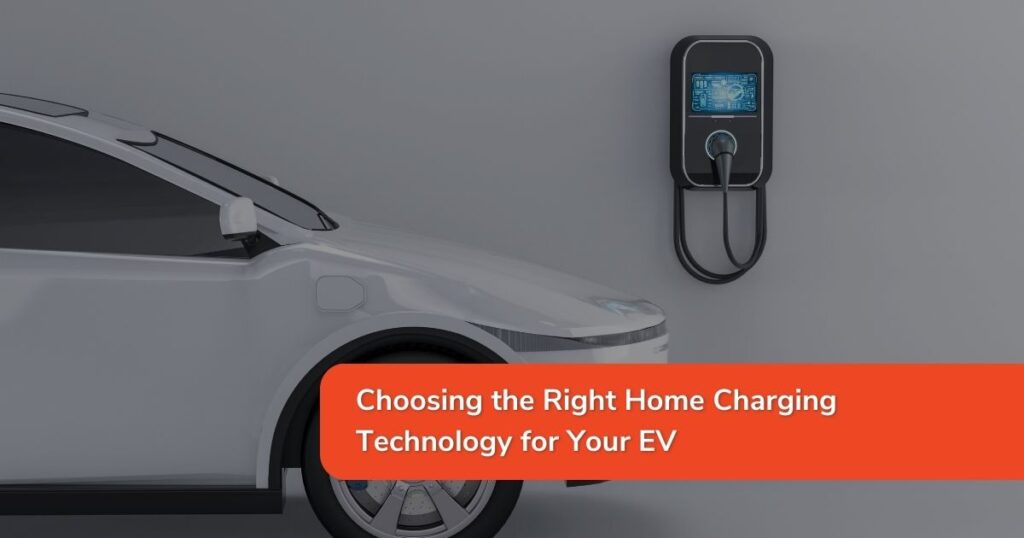
Choosing the Right Home Charging Technology for Your EV Smart Energy Answers June 3, 2026 As the world pivots towards sustainable transportation, the electric vehicle, or EV, movement is gaining significant traction. Australia, with its vast landscape and budding green initiatives, is a prime market for EVs. For EV owners Down Under, the decision to make the switch to an electric car is often just the first step in a journey towards a greener, more energy-efficient lifestyle. Equally important is the careful selection of home charging technology, a decision that can significantly impact convenience, daily routine, and long-term satisfaction with your electric vehicle. The Importance of Home Charging While public charging stations are increasingly available, the convenience of home charging cannot be overstated. Imagine the simplicity of waking up to a fully charged vehicle every morning. It’s the promise of EV ownership that makes daily commutes or impromptu trips hassle-free. But with a growing range of charging technologies, how do you determine what’s best for your EV and lifestyle? Understanding the Options Australian EV owners are presented with three primary home charging options: Level 1, Level 2, and DC Fast Charging. Each comes with its own set of characteristics and caters to different needs. Level 1 Charging: The Entry Point Level 1 charging is the most basic home charging option, utilising standard 120-volt outlets. It’s the slowest method, delivering about 2 to 5 miles of range per hour of charging. This option is typically included with your EV purchase, requiring no additional installation beyond an outlet adapter. Pros of Level 1 Charging No extra equipment needed; typically included with your EV Suitable for overnight charging and topping off Cons of Level 1 Charging Slow charging rate can be impractical for longer commutes or larger battery EVs May require a dedicated 15-amp circuit for safety and efficiency Level 2 Charging: A Step Up Level 2 charging operates on 240 volts, offering a much faster pace at around 10–60 miles of range per hour. It often requires professional installation and the purchase of a home charging station, also known as Electric Vehicle Supply Equipment, or EVSE. For EV owners with daily driving needs or larger battery vehicles, Level 2 charging can be a game-changer. Pros of Level 2 Charging Faster than Level 1, providing more miles of range per hour Customisable features like timers and Wi-Fi connectivity for added control Cons of Level 2 Charging Requires a home charging station and professional installation, adding to initial cost and setup time May have location limitations based on where it can be installed on your property DC Fast Charging: On the Go DC Fast Charging, also called Level 3, is not a home-based solution but is pivotal for Australian drivers needing quick charges during long trips. This technology can provide up to 150 miles of range in just 30 minutes, significantly reducing wait time at charging stations. Pros of DC Fast Charging Rapid charge times make it ideal for longer journeys Access to statewide and national EV networks with fast-charging stations Cons of DC Fast Charging Typically more expensive to use than Level 1 and Level 2 charging Not suitable for regular daily charging due to potential battery wear over time Factors to Consider When Choosing a Home Charger Before committing to a home charging technology, several factors warrant your attention. These include the upfront cost, installation requirements, compatibility, and personal or household charging needs. Cost and Installation Level 1 chargers are the most cost-effective, requiring little beyond a standard outlet. Level 2 chargers, on the other hand, can range from a few hundred to several thousand dollars, factoring in the cost of the unit and professional installation. DC Fast Charging, often an outdoor solution, could cost several thousand to install but may provide rebates or incentives, particularly if you live in an apartment or do not have dedicated parking. Compatibility with Your EV Not all EVs are engineered to charge at the same rate. Ensure that the home charging technology you choose aligns with your vehicle’s capabilities. You’ll want to consider your car’s onboard charger and its maximum input power to optimise the charging experience. Charging Speed and Convenience While Level 1 charging is slower, it can be incredibly convenient for some owners, providing ample charge overnight. Level 2 charging is a good middle ground, offering swift charging that can cover most daily commutes and activities. The convenience of DC Fast Charging lies in its ability to rapidly recharge for longer journeys or in emergency situations. Available Infrastructure Consider the current and future landscape of charging infrastructure in your area. As Australia continues to invest in EV technology, the accessibility of public chargers may influence your home charging system choice. The Power of Informed Decision-Making Selecting the right home charging technology is a significant component of your electric vehicle ownership. It’s not a decision to be taken lightly, nor is there a one-size-fits-all solution. By considering the factors outlined above, you can ensure that your home charging setup aligns with your lifestyle, vehicle, and environmental goals. Take the time to research and make an informed choice. Your daily driving experience and overall EV satisfaction depend on it. As you navigate through the available charging technology, remember that the environmental benefits of EVs go hand in hand with the responsible use and sourcing of energy. It’s a commitment to both the planet and a burgeoning eco-friendly community. Conclusion Move forward on your path to a brighter future by reaching out to Smart Energy Answers for all your EV charging requirements. Our dedicated team is here to assist you in making well-informed choices that align with your home and sustainability objectives.
Promoting Sustainable Practices: EV Charging Station Awareness
Promoting Sustainable Practices: EV Charging Station Awareness Smart Energy Answers June 3, 2026 Explore Innovative Ways to Raise Awareness About Electric Vehicle Charging Stations Explore innovative ways to raise awareness about electric vehicle charging stations and promote sustainable practices. Importance of EV Charging Infrastructure in Supporting Electric Vehicle Adoption Electric vehicle charging infrastructure plays a crucial role in supporting the adoption of electric vehicles, or EVs. Without a robust network of charging stations, the transition to electric mobility would be hindered. EV charging infrastructure provides the necessary support for EV owners to conveniently charge their vehicles, thereby alleviating range anxiety and encouraging more people to switch to electric vehicles. Moreover, the presence of charging stations is essential for the growth of the EV market. It instils confidence in potential buyers, knowing that they will have access to charging facilities wherever they go. This infrastructure is vital in expanding the reach of EVs, making them a viable option for long-distance travel and ensuring their widespread adoption. How EV Charging Stations Facilitate EV Charging and Adoption EV charging stations serve as the backbone of electric vehicle charging infrastructure. These stations are equipped with charging points that allow EV owners to recharge their vehicles’ batteries. They come in different types, including Level 1, Level 2, and DC fast chargers, offering varying charging speeds and capabilities. By providing a convenient and accessible means of charging, EV charging stations facilitate the adoption of electric vehicles. They eliminate the need for EV owners to rely solely on home charging, as they can charge their vehicles while on the go. This accessibility boosts the confidence of potential EV buyers, knowing that they can easily find charging stations when needed. Contributing to Reductions in Greenhouse Gas Emissions and Air Pollution One of the significant benefits of EV charging infrastructure is its contribution to reducing greenhouse gas emissions and air pollution. As electric vehicles produce zero tailpipe emissions, the more EVs on the road, the cleaner the air we breathe. By promoting the adoption of electric vehicles through the availability of charging stations, we can accelerate the transition to a greener and more sustainable transportation system. Additionally, EV charging infrastructure encourages the use of renewable energy sources for charging. By integrating renewable energy into the grid and utilising it for charging EVs, we can further reduce greenhouse gas emissions and dependence on fossil fuels. This synergy between EVs and renewable energy is crucial for achieving a carbon-neutral future. Educating the Public About the Availability and Benefits of EV Charging Infrastructure Raising public awareness about the availability and benefits of EV charging infrastructure is essential for driving its adoption. Many people may not be aware of the extensive network of charging stations already in place, which can deter them from considering an electric vehicle. Therefore, it is crucial to educate the public about the convenience and accessibility of EV charging stations. By highlighting the benefits of EV charging infrastructure, such as cost savings, reduced environmental impact, and increased convenience, we can encourage more people to make the switch to electric vehicles. Public outreach campaigns, informational materials, and targeted advertising can all play a role in spreading awareness and dispelling any misconceptions about EV charging infrastructure. Educating Drivers and Consumers About the Convenience and Affordability of EV Charging Educating drivers and consumers about the convenience and affordability of EV charging is key to increasing EV adoption. Many people may be hesitant to switch to electric vehicles due to concerns about charging time and cost. However, by showcasing the advancements in charging technology and the decreasing costs of EV charging, we can address these concerns and encourage more people to embrace electric mobility. EV charging has become increasingly convenient with the introduction of fast charging technologies and the growing network of charging stations. Additionally, the cost of charging an electric vehicle is typically lower than the cost of refuelling a petrol-powered car. By emphasising these advantages, we can overcome barriers to EV adoption and promote the widespread use of electric vehicles. Creating Informational Materials About EV Charging Station Locations and Features Creating informational materials about EV charging station locations and features is crucial for helping EV owners and potential buyers navigate the charging infrastructure. These materials can include maps or mobile applications that provide real-time information about the nearest charging stations, their availability, and the types of chargers they offer. By making this information easily accessible, EV owners can plan their routes and charging stops more efficiently, ensuring they have access to charging facilities throughout their journey. Furthermore, highlighting the features of different charging stations, such as fast charging capabilities or the availability of renewable energy sources, can help users make informed decisions and choose the stations that best suit their needs. Offering Training and Support for Businesses and Organisations To further promote the adoption of EV charging infrastructure, offering training and support for businesses and organisations interested in installing charging stations is crucial. Many companies may be interested in providing charging facilities for their employees or customers but may face challenges in understanding the installation process, requirements, and potential benefits. By offering comprehensive training and support, we can simplify the process of installing charging infrastructure and provide guidance on selecting the most suitable charging solutions for different needs. This support can include information on available incentives, technical assistance, and guidance on maintenance and operation. By empowering businesses and organisations to install charging stations, we can expand the network of EV charging infrastructure and promote its accessibility. Collaborating with Utility Companies to Provide Discounted Electricity Rates Collaborating with utility companies to provide discounted electricity rates for EV charging can incentivise the use of electric vehicles and support the growth of EV charging infrastructure. By offering lower electricity rates during off-peak hours or specific charging programmes, utility companies can encourage EV owners to charge their vehicles when the demand for electricity is lower, optimising the use of the grid. These discounted rates make EV charging more affordable for consumers and reduce the
Economic Advantages of EV Charging Stations
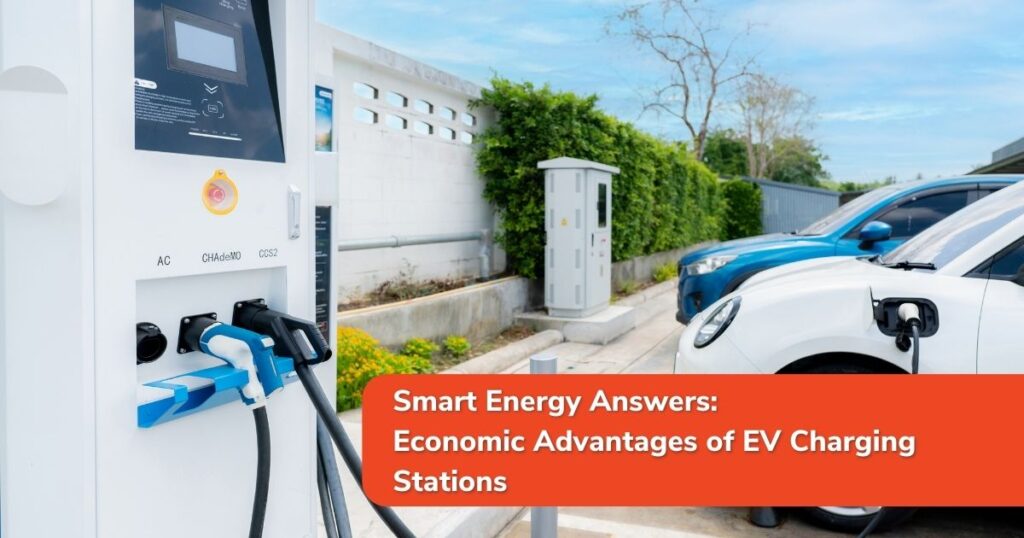
Economic Advantages of EV Charging Stations Smart Energy Answers June 3, 2026 Explore the Economic Benefits That EV Charging Stations Bring to the Table Significance of EV Charging Stations in the Transition to Electric Vehicles EV charging stations play a crucial role in the transition to electric vehicles, or EVs. As the demand for EVs continues to rise, the availability of charging infrastructure becomes essential. Charging stations provide a convenient and reliable source of power for EV owners, allowing them to travel longer distances without worrying about running out of battery. By investing in charging stations, we can encourage more people to switch to EVs and contribute to a greener and more sustainable future. Attracting EV Drivers to Local Businesses and Commercial Areas Having EV charging stations in local businesses and commercial areas can be a significant advantage. EV drivers often look for places where they can charge their vehicles while they shop, dine, or attend to other activities. By offering charging services, businesses can attract a new customer base and increase foot traffic. This presents an opportunity for local businesses to boost sales and revenue. Moreover, it promotes the growth of sustainable transportation options and showcases the commitment of businesses towards environmental responsibility. Creating Job Opportunities in the EV Industry The rise of EV charging stations creates various job opportunities in the EV industry. From the installation of charging infrastructure to its maintenance and support services, there is a growing demand for skilled workers. Electricians, technicians, and engineers are needed to ensure the smooth operation of charging stations. This not only creates employment opportunities but also contributes to the growth of the local economy. By investing in EV charging infrastructure, we can support job creation and foster the development of a skilled workforce. Offering Charging Services as a Source of Revenue EV charging stations can serve as a source of revenue for businesses and property owners. By offering charging services, they can generate income from EV drivers who require a place to charge their vehicles. This additional revenue stream can contribute to the financial sustainability of businesses and property owners. Furthermore, it incentivises the installation of charging stations and encourages more establishments to provide charging facilities. By capitalising on the growing market of EVs, businesses and property owners can tap into a new source of income. Increasing Property Value with EV Charging Amenities Commercial and residential properties with EV charging amenities have a competitive edge in the real estate market. As the demand for EVs rises, so does the demand for convenient and accessible charging infrastructure. Properties that offer EV charging facilities become more attractive to potential buyers or tenants who own or plan to own EVs. This increases the property value and can lead to higher rental or selling prices. By incorporating EV charging amenities, property owners can enhance their property’s appeal and attract a wider range of prospective customers. Optimising Fleet Operations and Logistics For businesses that operate fleets of electric vehicles, efficient charging infrastructure management is crucial. EV charging stations enable businesses to optimise their fleet operations and logistics. By strategically locating charging stations and implementing smart charging technologies, businesses can minimise downtime and maximise the utilisation of their EV fleet. This results in improved productivity, cost savings, and a more streamlined operation. Investing in robust charging infrastructure is essential for businesses that rely on electric vehicles for their daily operations. Establishing Partnerships to Promote Sustainable Transportation Collaboration and partnerships between local businesses and organisations are key to promoting sustainable transportation solutions. By joining forces, they can advocate for the adoption of EVs and the expansion of charging infrastructure. This can involve initiatives such as offering incentives for EV owners, organising events to raise awareness, and collaborating on the installation of charging stations. By working together, businesses and organisations can create a supportive ecosystem that encourages the transition to cleaner and greener transportation options. Fostering Innovation and Research The deployment of EV charging stations fosters innovation and research in renewable energy, battery technology, and smart grid integration. As the demand for EVs and charging infrastructure grows, there is a need for advancements in renewable energy sources to power these stations. Additionally, research and development in battery technology are essential to improve charging speed, capacity, and efficiency. Furthermore, integrating charging infrastructure with smart grids enables better management of energy resources and promotes energy efficiency. By investing in EV charging stations, we can drive innovation and contribute to the development of sustainable energy solutions. Promoting Public Health and Quality of Life Improvements EV charging stations play a significant role in promoting public health and improving the quality of life in our communities. By encouraging the adoption of EVs, we can reduce air pollution caused by traditional combustion vehicles. EVs produce zero tailpipe emissions, resulting in cleaner air and a healthier environment. Additionally, EVs are quieter than internal combustion engine vehicles, reducing noise pollution in our cities. By embracing EV charging infrastructure, we can create cleaner and quieter communities, leading to a better quality of life for everyone. Conclusion It is crucial for businesses, property owners, and communities to invest in EV infrastructure. By installing EV charging stations, they can contribute to the growth of the EV market and support sustainable transportation options. Businesses can attract more customers, generate additional revenue, and showcase their commitment to environmental responsibility. Property owners can increase the value of their properties and appeal to a wider range of prospective buyers or tenants. Communities can create a cleaner and greener environment, improving public health and quality of life. Let us join hands and invest in EV infrastructure to shape a sustainable future for generations to come.
Decoding Media Influence on Public Opinion of EVs
Decoding Media Influence on Public Opinion of EVs Smart Energy Answers June 3, 2026 Uncover the Impact of Media on How the Public Views Electric Vehicles Uncover the impact of media on how the public views electric vehicles and explore ways to navigate through biased narratives. Overview of the Guide’s Focus on Decoding Media Influence on EVs’ Public Image The guide aims to provide an in-depth analysis of how the media influences the public perception of electric vehicles, or EVs. By decoding media coverage, readers will gain a better understanding of the factors that shape the image of EVs in the minds of the public. Through this guide, readers will discover the power of the media in shaping public opinion and the importance of critically engaging with EV coverage. By examining various media outlets, including news, social media, and advertisements, readers will gain insights into how EVs are portrayed in these platforms. Furthermore, the guide will explore the influence of balanced or biased coverage on public perception of EVs. It will delve into the ways in which stakeholders such as automakers, environmental organisations, and policymakers shape the narrative around EVs. The guide will also assess public opinion trends and shifts in attitudes towards EVs over time. By understanding these trends, readers will be able to identify the factors that contribute to changing perceptions of EVs and the implications for EV adoption rates, policy decisions, and industry developments. In addition, the guide will identify common misconceptions and myths propagated by media coverage of EVs. By debunking these misconceptions, readers will be able to navigate through biased narratives and form a more informed opinion about EVs. Moreover, the guide will analyse online communities, influencers, and viral content related to EVs. It will examine the role of these platforms in shaping public perception and influencing attitudes towards EVs. Finally, the guide will call for action for media professionals, stakeholders, and the public to critically engage with EV coverage. By encouraging active participation and critical thinking, readers will be empowered to question narratives and seek out reliable information about EVs. Significance of Media in Shaping Public Perception and Attitudes Towards Electric Vehicles The media plays a significant role in shaping public perception and attitudes towards electric vehicles. Through various forms of media, such as news articles, social media posts, and advertisements, individuals are exposed to information and narratives that shape their understanding and opinion of EVs. Media coverage can influence public perception by highlighting the benefits and drawbacks of EVs, showcasing success stories, or perpetuating misconceptions. The way EVs are portrayed in the media can impact their perceived reliability, affordability, and environmental impact, among other factors. Moreover, the media has the power to shape public attitudes towards EVs by framing the narrative around these vehicles. Positive coverage can create a favourable perception and encourage adoption, while negative or biased coverage can generate scepticism and hinder adoption rates. Given the media’s significant influence, it is crucial to critically evaluate the information presented and consider the potential biases or agendas behind the narratives. By understanding the significance of media in shaping public perception, individuals can make more informed decisions about EVs and contribute to a more accurate and balanced understanding of these vehicles. How EVs Are Portrayed in Different Media Outlets Different media outlets, including news sources, social media platforms, and advertisements, play a crucial role in shaping public perception of electric vehicles. Each outlet presents EVs in a unique way, influencing how they are perceived by the public. News articles often provide detailed information about the latest developments in the EV industry, highlighting advancements in technology, government policies, and market trends. Social media platforms, on the other hand, offer a more interactive and personal approach, allowing users to share their own experiences and opinions about EVs. Advertisements, both online and offline, contribute to the public image of EVs by showcasing their features, benefits, and environmental impact. They often aim to create a positive perception and generate interest in these vehicles. Analysing how EVs are portrayed in different media outlets is crucial to understanding the various narratives surrounding these vehicles. It allows individuals to recognise potential biases, misinformation, or misconceptions, and form a more comprehensive and informed opinion about EVs. Influence of Balanced or Biased Coverage on Public Perception of EVs The balance or bias in media coverage of electric vehicles has a significant influence on public perception. Balanced coverage presents a fair and objective view of EVs, providing information about both their advantages and limitations. This allows the public to make informed decisions based on a comprehensive understanding of the technology and its implications. On the other hand, biased coverage can skew public perception by emphasising certain aspects while downplaying or omitting others. Biased coverage may stem from various factors, including commercial interests, political agendas, or preconceived notions about EVs. Biased coverage can lead to the propagation of misconceptions and myths about EVs, contributing to scepticism and hindering adoption rates. It is essential for the public to critically evaluate the balance or bias in media coverage and seek out reliable sources to ensure they are well-informed about EVs. By recognising the influence of balanced or biased coverage, individuals can avoid falling prey to misinformation and form their opinions based on accurate and trustworthy information. How Stakeholders Influence EV Coverage Stakeholders such as automakers, environmental organisations, and policymakers play a significant role in influencing the coverage of electric vehicles in the media. These stakeholders have their own interests and agendas, which can shape the narratives surrounding EVs. Automakers, for instance, may promote their EV models through advertisements and press releases, highlighting the features and benefits of their vehicles. Environmental organisations often advocate for EV adoption as a means to reduce carbon emissions and combat climate change, shaping the narrative around the environmental impact of EVs. Policymakers also have a significant influence on EV coverage through the development of regulations, incentives, and infrastructure support. Their decisions and actions can impact the public perception of EVs by
The Benefits of Residential EV Charging Stations
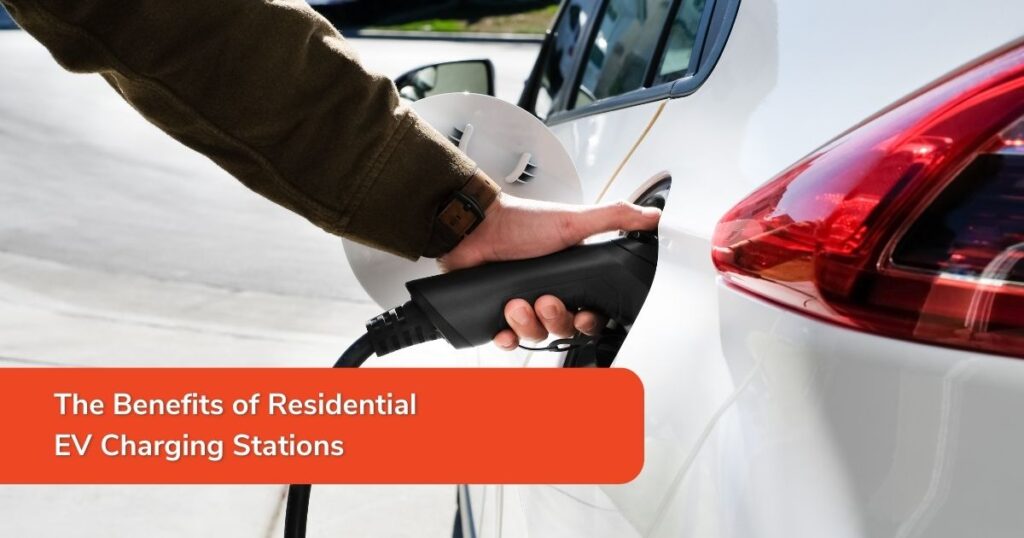
The Benefits of Residential EV Charging Stations Smart Energy Answers June 3, 2026 Electric vehicles have surged in popularity across the globe, and Australia is no exception. As the country inches towards a sustainable transportation system, the role of residential EV charging stations becomes increasingly pivotal. This article delves into the various advantages homeowners, EV enthusiasts, and the environment at large can reap from adopting this green technology. Australian Homeowners: A Charged-Up Lifestyle Convenience at Your Doorstep One of the most compelling reasons for homeowners to install a residential EV charging station is the sheer convenience it offers. No more queuing at public charging stations or the nagging worry of running out of charge. With a charging station right at home, topping up your EV becomes as simple as plugging in at the end of the day. Fuel Your Savings Charging your electric vehicle, or EV, at home offers not only convenience but also significant cost savings. By powering your vehicle at home, you can save on fuel expenses and have the assurance of knowing exactly how much you’re paying to keep your EV running smoothly. Value Addition to Your Property Investing in a residential EV charging station isn’t just about energy saving. It’s also a long-term investment in your property. In Australia’s rapidly evolving real estate market, having a charging facility increases the desirability and resale value of your home, appealing to the growing eco-conscious buyer demographic. EV Owners: A Charge of Speed and Flexibility Quicker Refuelling, Fewer Pit Stops With a home charging station, the downtime that comes with recharging your EV is greatly reduced. Compared to the traditional trip to the petrol station, EV owners enjoy faster and more efficient charging right in their garage. Set Your Own Pace The flexibility of when to charge is invaluable. With a home station, you dictate the charge. Need a quick boost before that impromptu weekend getaway? No problem. Charged with Assurance No more range anxiety. With a dedicated charger, you’ll always set out with a full tank, metaphorically speaking. Enjoy the extra assurance on those spontaneous road trips or daily commutes. Environmental Benefits and the Road to a Greener Future Clearing the Air By utilising solar-powered EV charging, owners can greatly minimise their carbon footprint. Electric vehicles generate zero exhaust emissions, leading to a healthier environment with cleaner air. Towards Sustainability Your choice to install a residential EV charging station aligns with Australia’s targets for renewable energy and sustainable living practices. Every kilometre driven on electric power is a step towards a more sustainable future. Walking the Talk Owning an electric vehicle is more than a statement about the environment. It’s a commitment to sustainability. Charging at home completes the eco-circle, ensuring that your EV is powered by clean energy from start to finish. Supporting the National EV Infrastructure Driving Adoption With residential EV charging, homeowners become early adopters by providing the necessary infrastructure. This fuels the overall acceptance and integration of EVs into the mainstream Australian transportation system. Alleviating Public Charging Pressure Public charging stations are often in high demand. By installing a home EV charger, you can contribute to reducing the load on public infrastructure, ensuring that they are available for those who need them most. Synergising the Eco-Chain Harnessing the power of your home rooftop solar panels to charge your EV creates a self-sustaining and eco-friendly ecosystem. It’s a small but significant step towards a cohesive and integrated green energy network. Drive Forward with Residential EV Charging The move towards electric vehicles is undeniably gaining traction in Australia. As a homeowner, your role in this transition is vital. By embracing residential EV charging, you’re not only enhancing your lifestyle but also contributing to larger environmental and infrastructural goals. The call to action is clear: for a more sustainable future, why not start in your own garage? Sustainable energy solutions are at the forefront of our commitment to a cleaner, greener planet. Take the next step in your journey towards a better future by getting in touch with Smart Energy Answers for your EV charging needs. Our team will help you make informed decisions tailored to your home and sustainability goals. The ride towards an environmentally conscious lifestyle starts with simple yet impactful choices, like owning a residential EV charging station in Australia.
Installing a Home EV Charging Station: Step-by-Step Guide in Australia
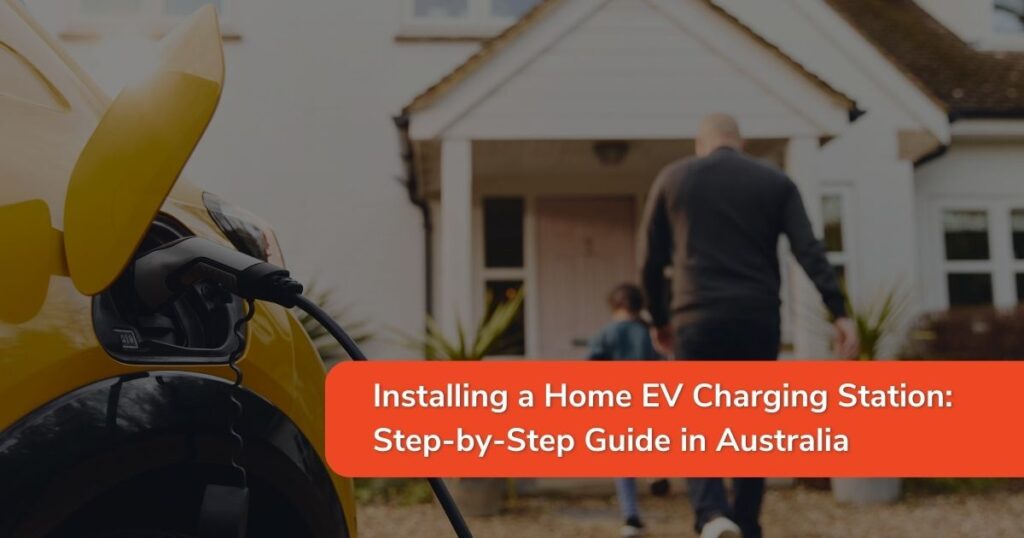
Installing a Home EV Charging Station: Step-by-Step Guide in Australia Smart Energy Answers June 3, 2026 With the electrification of the automotive industry accelerating, Australia is quickly becoming a major player in the transition to electric vehicles, or EVs. As the number of EVs on Australian roads continues to climb, the need for infrastructure, especially home charging solutions, has become paramount. Get ready to dive into the world of green commitments as we guide you, step by step, through the process of installing a home charging station for your EV. From selecting the perfect station to powering up your electric ride, we’ve got you covered. Assessing Your EV’s Thirst Before diving into the installation process, let’s consider an important factor for your home charging station: your EV’s thirst for power. Take into account your vehicle’s battery capacity, anticipated range, and charging speeds. Remember, it’s always wise to choose a charging station that can handle faster charging speeds to future-proof your setup. Choose the Right Station Australia offers a diverse selection of home EV charging stations. When shopping for your charging unit, look for models that comply with Australian standards and regulations. From standard Level 1 chargers to the more robust Level 2 options, you’ll find a range of power outputs designed to cut down on charging times. Don’t forget to consider connectivity options, whether it’s plug-and-play, hardwired, or Wi-Fi enabled for smart connectivity. Safety features should never be overlooked. Look for units with integrated ground fault protection and over-current shut-offs for peace of mind. Preparing the Site Down Under Now it’s time to power up your preparations by ensuring that your home’s electrical system can handle the demands of your charging station. You may need to upgrade your home’s electrical panel to accommodate the necessary amperage. Next, navigate the bureaucratic landscape by checking if your local council requires any permits or approvals. Once the paperwork is squared away, focus on the physical site, whether it’s your garage or an outdoor space. Ample ventilation and accessibility are non-negotiables for a smooth charging experience. The Installation Process When it comes to installation, always enlist the services of a licensed electrician or solar energy provider with expertise in EV charging. They’ll handle the complex wiring and compliance details to ensure your installation not only powers your EV but also meets safety standards. Installing your charging station involves working with high voltages, so it’s crucial to leave it to the professionals. They will conduct tests to confirm correct operation and provide an overview of the station’s functionality. Testing and Commissioning Once the installation is complete, it’s time to test the equipment. Ensure that the charging station is properly connected to your EV and capable of delivering the promised charging speeds. Conduct a few cycles of charging to verify reliability and consistent performance. It’s always a good idea to double-check before relying on your new charging station. Maintenance and Troubleshooting Keep the power flowing smoothly by adhering to a regular maintenance schedule for your home charging station. This typically involves visual checks, cleaning the unit, and ensuring the electrical connections remain tight. In the event of any issues, troubleshooting can range from simple fixes like resetting a tripped circuit to diagnosing more complex internal faults. Always refer to your user manual for guidance and safety precautions before attempting any repairs. Conclusion As you embark on your home EV charging station journey, remember that you’re making a significant contribution to the environmental health of your community. Home charging not only saves you trips to the pump or public chargers but also reduces your carbon footprint. By diligently following the steps provided, you’re not just installing a charging station. You’re plugging into the future of transportation in Australia. Let’s power up together. Contact Smart Energy Answers today.
The State of EV Charging Stations in Australia
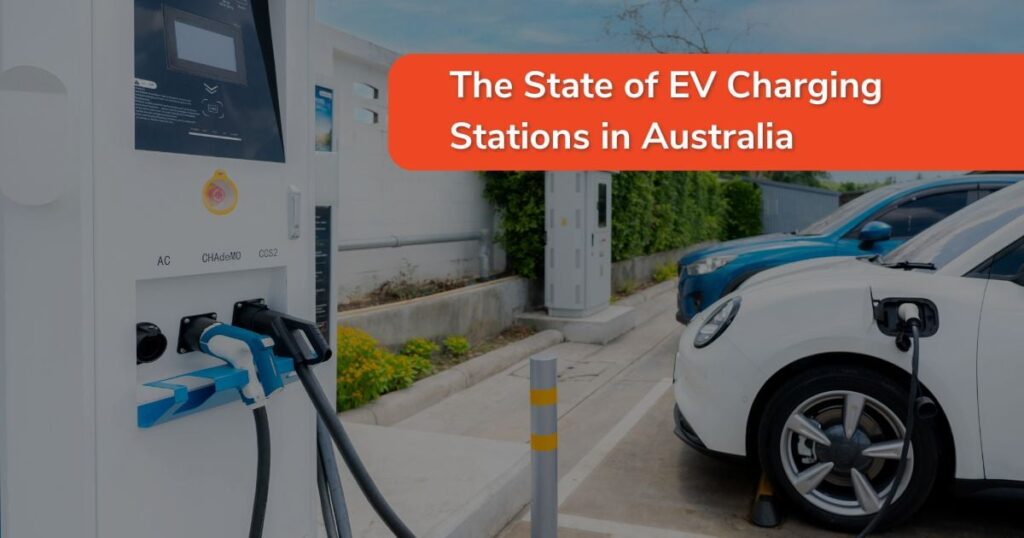
The State of EV Charging Stations in Australia Smart Energy Answers June 3, 2026 Australia, often lauded for its vast plains and incredible biodiversity, is now on the cusp of an eco-friendly revolution. As electric vehicles, or EVs, roll into the mainstream, their silent motors whisper the promise of a cleaner, greener future. But for this future to fully charge up, it’s the charging stations that need to be powered up. Today, we delve into the current state of EV charging infrastructure across the continent, exploring the landscape and the journey ahead for this burgeoning sector. The EV Surge Down Under The automotive industry in Australia is witnessing a monumental shift with the burgeoning popularity of electric vehicles. This movement is fuelled by a heightened global consciousness about climate change and a rigorous government push towards carbon neutrality. But beyond the hype, there’s a tangible surge, with Australians snapping up electric cars at a never-before-seen pace. As the demand accelerates, so too must the infrastructure that powers these vehicles, literally. Importance of EV Charging Stations EV charging stations stand at the fulcrum of the electric mobility revolution. They play a vital role in assuaging the range anxiety that potential EV buyers face. For existing EV owners, they represent a gateway to a lifestyle less dependent on traditional fuels, offering convenience and cost savings. On a grander scale, each station facilitates a reduction in emissions and a step closer to sustainable urban transport. The Role of Infrastructure in Adoption The mere existence of EVs is not enough to sway the hearts of Australian motorists. It’s the charging infrastructure, the lifeblood of EV usage, that is predominant in the adoption narrative. The more citizens encounter charging stations in their daily travels, the more they will likely consider EVs as a viable alternative. This creates a positive feedback loop, where infrastructure begets EVs and EVs beget infrastructure. Benefits for the Environment and EV Owners For every kilometre that an EV drives charged from renewable sources, there’s a win for the environment. These are clean miles, free from the smog-producing tailpipe emissions of traditional vehicles. Moreover, owning an EV can significantly lower the cost of transportation, especially when charged at off-peak times or with solar energy, further bolstering the economic case for a switch. The Current Landscape of EV Charging Stations in Australia Stepping into the present, the landscape of EV charging stations in Australia is a patchwork, emblematic of a system still in its nascent stages. In major cities like Sydney, Melbourne, and Brisbane, one might find an EV charging station nestled in a shopping centre car park or located at a highway service stop, a testament to the growing urban presence of these charge points. Overview of the Existing EV Charging Network The existing network is densely concentrated in urban hubs and along major arterial roads. On a numeric scale, there’s been significant growth in the number of charging stations, especially fast chargers capable of juicing up an EV in minutes rather than hours. However, when juxtaposed with the vast distances between city centres and the remoteness of the Australian Outback, the network appears somewhat localised and inbuilt for urban-centric travel. Accessibility in Major Cities and Regional Areas Sydney, Melbourne, and Perth boast the lion’s share of Australia’s public chargers, with an increase in on-street charging options tailored to urban dwellers. The story changes, however, in regional towns and remote areas, where accessibility to charging infrastructure dwindles. This urban-rural divide presents a stark contrast and could be a barrier for rural residents considering EV adoption. Challenges and Limitations The charge towards a robust EV charging network isn’t without setbacks. The Australian terrain is unforgiving, and auto manufacturers are still building the charging stations’ capacity to weather the elements. Other obstacles include the compatibility issues encountered when attempting to charge various EV models and the inherent challenge of long distances in a country renowned for its expansive landmass. Insufficient Charging Infrastructure in Remote Lands Outback Australia, while enchanting in its vastness, presents a daunting prospect for an EV driver. With distant towns and kilometres of uninhabited terrain, the lack of charging infrastructure is palpable. This deficit reframes the narrative, highlighting the indispensable need for destination charging solutions en route to regional landmarks and essential services. Compatibility Issues and Variability The existing web of charging stations is still being threaded to standardise protocols and voltage outputs. Ensuring that each EV, be it Tesla, Nissan, or Hyundai, can pull into any charging station without a hitch is essential for user experience and the trust that the system will deliver. Cost as a Barrier The installation costs for new EV charging stations can be exorbitant, deterring prospective hosts in rural or lower-income areas. Then there’s the trickle-down effect on the consumer, where the cost of operating these stations may translate to higher charging rates, potentially off-putting to new EV drivers. Government Initiatives and Policies Recognising the pivotal role of EVs and their charging stations, the Australian government has introduced a suite of policies and programmes aimed at fostering development. These initiatives span financial incentives, research and development grants, and public-private partnerships, providing a tailwind for the nascent industry. Overview of Government Programmes and Incentives At the federal level, programmes like the Future Fuels Strategy are aligned towards strategic investment in low-emission vehicle technologies, promising a multi-pronged approach that includes supporting charging infrastructure. Conversely, states like Queensland have unveiled specific EV policies, including funding for fast-charging corridors along the coastline. The Role of Public-Private Partnerships Real progress is often the product of collaboration, and the EV charging industry is no exception. Through partnerships with energy companies, local councils, and private investors, public funding can be leveraged to achieve more extensive and effective outcomes. This can help create a network of chargers that is both publicly accessible and privately sustainable. Future Outlook and Opportunities The road ahead is electrifying, with the EV market poised for exponential growth. This trajectory propels a concomitant need for expanded charging infrastructure,
Maximising Electric Vehicle Incentives for Adoption
Maximising Electric Vehicle Incentives for Adoption Smart Energy Answers June 4, 2026 Discover How to Make the Most of Electric Vehicle Incentives Discover how to make the most of electric vehicle incentives to drive adoption and sustainability. Understanding Electric Vehicle Incentives Electric vehicle incentives are financial benefits provided to encourage the adoption of electric vehicles. These incentives can come in various forms, such as tax credits, rebates, grants, or discounts on vehicle purchases. Understanding the different types of incentives available is crucial for maximising their benefits. By educating yourself on electric vehicle incentives, you can take advantage of the savings and support offered to make the switch to electric vehicles more affordable and appealing. Types of Incentives Available There are several types of incentives available for electric vehicle owners. These can include federal tax credits, state rebates, utility company discounts, and special programmes for low-income households. Each type of incentive serves a different purpose and can help offset the initial cost of purchasing an electric vehicle. By researching and understanding the various types of incentives available, you can determine which ones you qualify for and make the most of the financial benefits they offer. Maximising Federal Government Incentives Federal government incentives for electric vehicles play a significant role in promoting adoption. These incentives, such as the Federal Electric Vehicle Tax Credit, can provide substantial savings for eligible vehicle owners. By understanding the requirements and limitations of federal incentives, you can maximise the financial benefits and make electric vehicles more accessible. Consulting with a tax professional or researching the current federal incentives can help you take full advantage of the savings offered by the government. Utilising State and Local Incentives In addition to federal incentives, many states and local governments offer their own incentives for electric vehicle adoption. These can include rebates, grants, free parking, or access to HOV lanes. By researching the incentives available in your area, you can further reduce the cost of owning an electric vehicle and enjoy additional perks that make the transition more convenient. Stay informed about state and local incentive programmes to take advantage of the benefits they provide and make the most of your electric vehicle ownership experience. Incorporating Incentives Into EV Marketing Strategies For businesses and organisations promoting electric vehicle adoption, incorporating incentives into marketing strategies can help drive interest and encourage more people to make the switch. By highlighting the financial savings and benefits of incentives in promotional materials, you can attract potential customers and showcase the advantages of choosing electric vehicles. Collaborating with incentive providers and showcasing success stories of incentive recipients can further strengthen the marketing impact and inspire others to take advantage of the available benefits.
7 Key Benefits of EV Chargers for Aussie Homes and Businesses
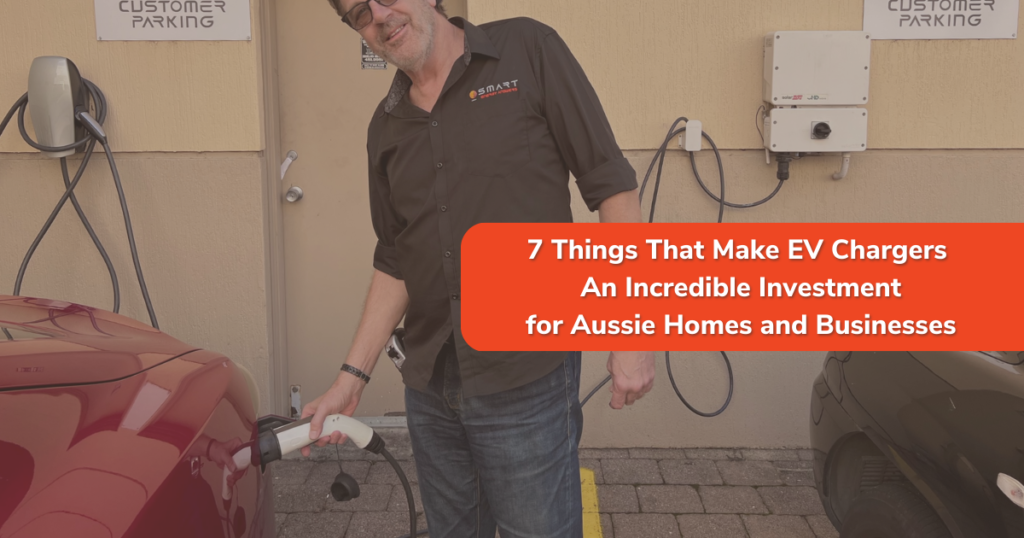
7 Key Benefits of EV Chargers for Aussie Homes and Businesses Smart Energy Answers March 21, 2023 7 Biggest Advantages of EV Chargers As the use of electric vehicles, or EVs, continues to grow, the demand for EV charging infrastructure is also increasing. EV chargers offer many advantages over traditional petrol stations, making them a convenient and eco-friendly option for charging your vehicle. Here are the seven biggest advantages of EV chargers. 1. Convenience One of the biggest advantages of having an EV charger at your home or business is convenience. Instead of searching for charging locations at shopping centres, grocery stores, or petrol stations while you are out and about, you can charge your EV from a location that works best for you. 2. Faster Charging Most EV chargers can charge an electric vehicle battery much faster than a standard household power outlet. This means you can spend less time waiting and get back on the road faster. 3. Variety of Charging Options EV chargers come in different sizes and styles, allowing you to choose the option that best fits your needs. Some chargers are designed for home use, while others are built for public or commercial charging locations. 4. Environmentally Friendly Electric vehicles produce zero tailpipe emissions, and using an EV charger to power your vehicle can help reduce your carbon footprint. By switching to EV charging, you can support cleaner transport and help protect the environment. 5. Cost Savings Although the initial cost of installing an EV charger may require an upfront investment, EV charging can offer lower operating costs over time. Many utility providers and government programmes may also offer rebates or incentives for installing an EV charger. These savings can help make EV charging a cost-effective option for homes and businesses. 6. Improved Customer Reputation for Businesses Providing an EV charging option for your team or customers demonstrates your commitment to sustainability. It also helps meet the growing demand for eco-friendly charging solutions. This can help attract customers who own electric vehicles, boost your business reputation, and increase customer loyalty. 7. Future-Proof As the use of electric vehicles continues to grow, having an EV charger at your home or business will become increasingly important. EV chargers offer many benefits and provide a convenient, eco-friendly way to charge your electric vehicle. Investing in an EV charger now helps ensure you are ready for the future of transport while supporting a cleaner and more sustainable planet. Conclusion Installing an EV charger at your home or business is a smart move towards a more sustainable future. With the increasing popularity of electric vehicles, offering EV charging options can enhance your reputation as an environmentally conscious homeowner, business, or organisation. It can also provide a convenient and valuable service to the growing number of EV owners, helping increase satisfaction, loyalty, and long-term value. Whether you are a homeowner or a business owner, investing in an EV charger is a valuable and forward-thinking decision.
Smart Energy Answers: A Tesla Premium Installer for 2023
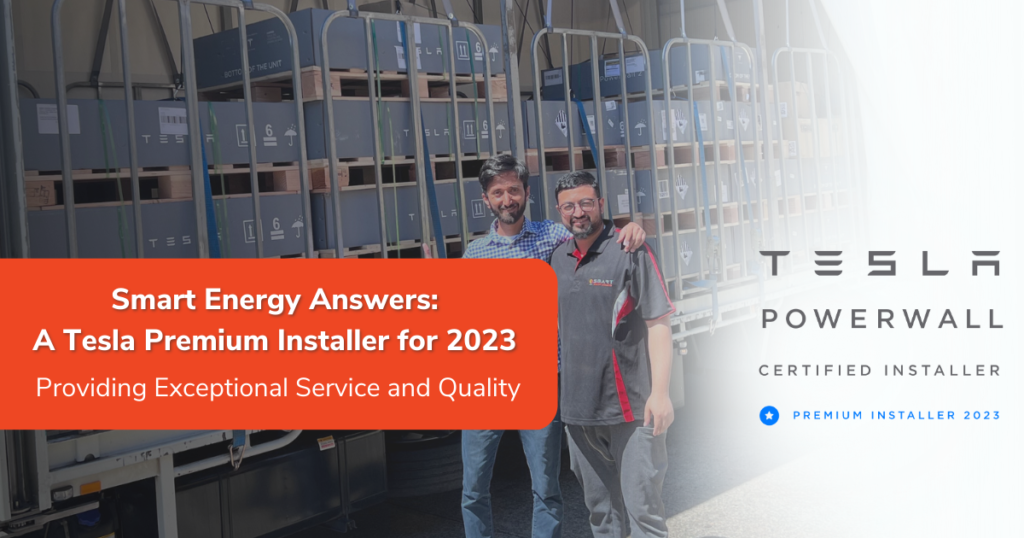
Smart Energy Answers: A Tesla Premium Installer for 2023 Smart Energy Answers January 24, 2023 Smart Energy Answers: Your Trusted Tesla Powerwall Premium Installer for 2023 We are thrilled to announce that Smart Energy Answers will continue to be a Tesla Powerwall Premium Installer for 2023. This certification is a testament to our commitment to providing customers with outstanding service, exceptional installation quality, and extensive product knowledge. As a Tesla Powerwall Premium Installer, we have the honour of working with some of the most advanced technology in the renewable energy industry. Our team of certified installers is trained to install and maintain Tesla Powerwall battery systems for both residential and commercial properties. Our customers can trust that our dedicated team will provide a high level of customer service from start to finish. We ensure every installation is completed to the highest and safest standards, with the goal of delivering complete customer satisfaction. We are proud to continue our partnership with Tesla and are excited to help even more customers make the switch to clean energy in 2023. Choosing Smart Energy Answers as your Tesla Powerwall Premium Installer means you can expect high-quality service, expert product knowledge, and a professional installation completed to industry-leading standards. We take pride in helping our clients reduce their carbon footprint and increase their energy independence by providing efficient and reliable Tesla Powerwall systems. Talk to our energy expert today to learn more about Tesla Powerwall and how it can support your home or business energy needs.
Solar Power & Electric Vehicle Charging
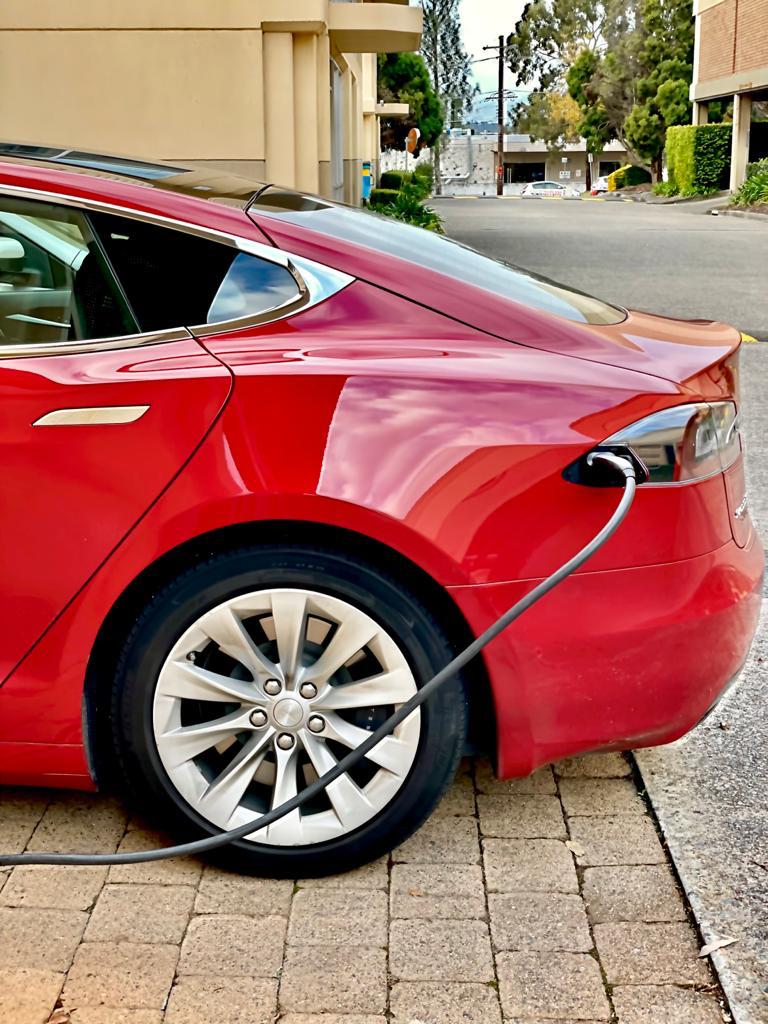
Solar Power & Electric Vehicle Charging Smart Energy Answers January 17, 2022 Can You Charge an EV with Solar Power? With Australia’s share of electric vehicles, or EVs, continuing to increase and more private rooftop solar power systems in use than ever before, it is natural that energy-conscious homeowners are starting to look at how these two technologies can work together. The transport sector is Australia’s third-largest source of greenhouse gas emissions, and these emissions have been increasing faster than any other sector. The large-scale uptake of EVs can clearly make a significant impact. EVs are a cleaner option for the environment, even when powered fully by energy from the grid. Using solar power to charge EV batteries is an even greater improvement and can help homeowners reduce reliance on traditional energy sources. CSIRO Supported One of the challenges that must be addressed for large-scale EV adoption in Australia is the need for widespread charging infrastructure. A collaboration between CSIRO, Nissan Australia, and Delta Electronics, with funding from the Victorian Government, is trialling a renewable energy system in Victoria. The system links solar photovoltaic, or PV, panels, batteries, and smart charging technology. According to CSIRO, this creates a solar-powered EV charging system that can use renewable energy to charge a vehicle at any time of day and in different weather conditions, while placing minimal impact on the electricity grid. CSIRO researchers developed and tested the system and implemented the thermal management controls. Three solar charging modules have been installed at Nissan Headquarters in Dandenong, with each module capable of charging four vehicles at a time. The modules will be evaluated over 200 days, including the peak summer period, before the project partners determine the next steps for this technology. Charging Your EV at Home As owners of private solar power systems understand, meaningful change in renewable energy adoption often begins at home. Just as it is possible to install solar panels and a storage battery at home, it is also possible to use your solar power system to charge your EV. The simplest way to charge your EV is to plug it in at home during the day while the sun is shining and solar energy is being generated. If the capacity of your home solar power system is greater than the charging input required by your EV, no additional energy from the grid may be needed. Grid power can still be used to make up any shortfall, which can be useful on cloudy days or during periods when household energy usage is particularly high. The amount of energy used to power an EV over a certain distance is known as kilowatt-hours per kilometre, or kWh per km. This rate varies between EV models, although on average, many EVs can achieve around 6 km of range from 1 kWh of energy in their battery pack. An average Australian driver is said to drive around 50 km per day, which would require approximately 8 kWh of electricity. Solar power system owners could offset the charging needs of an EV driven 50 km per day by installing an additional 2 kW of solar panels, which is roughly around eight panels depending on the panel size. EV Charger Levels 1, 2 & 3 In reality, most energy-conscious EV owners will charge their vehicles primarily at home for everyday driving needs. However, they may still rely on external charging facilities from time to time when driving longer distances. There are three different levels of EV chargers currently available, with Level 1 being the slowest and Level 3 being the fastest. Level 1 charging uses a standard power point and charges an EV battery pack at the slowest commonly available rate. On average, Level 1 chargers can add around 20 km of range per hour of charging time. This means charging an EV for 24 hours using a Level 1 charger could add around 480 km of range. Level 2 charging is achieved by installing a specialised EV charger. These chargers are around twice as powerful as basic Level 1 chargers and can add approximately 40 km of range in an hour. Over 24 hours, this could add approximately 960 km of range. The cost of installing a Level 2 charger at home can vary, but has been trending downwards in recent years. Most of the cost is usually the hardware itself, which can range from around $1,000 to $2,500. Level 3 charging refers to rapid EV charging using specialised public chargers, such as Tesla Superchargers. These high-powered chargers are capable of adding around 400 km of range per hour of charging. Level 3 chargers are ideal for drivers travelling longer distances than usual. However, users should be aware of where public Level 3 chargers are located, as the network is not yet widely distributed throughout Australia. Smart Energy Answers EV Charging Offer Smart Energy Answers has played a key role in the development and testing of the SolarEdge inverter with built-in EV charging. This unit comes with all the features of standard SolarEdge inverters, as well as a powerful EV charging feature, making it ideal for current and future EV owners. The device is plug and play, easy to use, and quick to charge. It also includes a monitoring app that provides instant and accurate system information. The inverter is available in 3 kW and 5 kW single-phase versions. It can also be combined with one or two standard SolarEdge inverters to integrate with larger solar systems. Buyers are protected with an impressive 12-year warranty on the inverter and charger, as well as a 25-year warranty on the individual power optimisers installed under each panel. Interested in This Unique Solar EV Charging Solution? If you are interested in a quote for this unique solar EV charging solution offered by Smart Energy Answers, contact our team today. Our energy experts can help assess your home, solar system, and EV charging needs to recommend the right solution for you.