
Sydney to Tokyo: Smart Energy Answers’ Journey Through Energy Expos
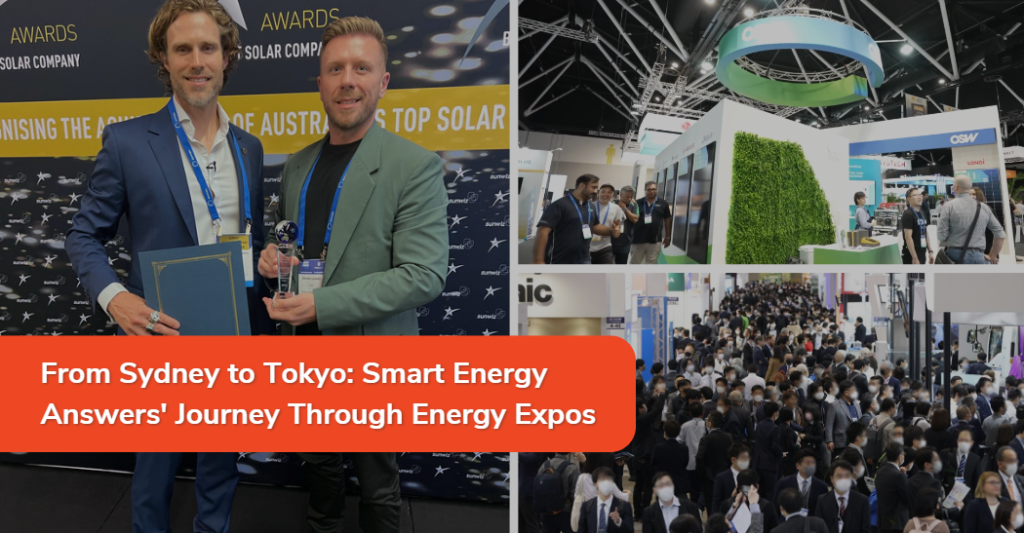
Sydney to Tokyo: Smart Energy Answers’ Journey Through Energy Expos Smart Energy Answers May 19, 2024 Renewable Energy Momentum Across Sydney and Tokyo The renewable energy sector is experiencing a period of explosive growth, driven by a global push for sustainability and advancements in clean technology. This excitement was evident at two recent prestigious energy expos: the Smart Energy Council Conference & Exhibition in Sydney and World Smart Energy Week in Tokyo. These events brought together industry leaders, showcased cutting-edge innovations, and highlighted the immense potential of renewable energy to power a more sustainable future. Smart Energy Answers: Success at the Sydney Conference Smart Energy Answers is proud to have participated in these back-to-back energy events. However, the real highlight for Smart Energy Answers was achieving outstanding recognition from SunWiz as a Local Solar Hero for 2023 at the Sydney conference. We’re incredibly proud to announce that we were awarded the #1 retailer title in not just one, but two Sydney locations: the Eastern Suburbs and Ryde. We also secured 2nd place in Inner West and Inner South. This remarkable achievement is a tangible example of our core values of dedication and integrity in serving our customers. Recognised as one of the best solar installers, we ensure our customers experience peace of mind and guaranteed satisfaction with every installation. Top Solar Company This isn’t the first time Smart Energy Answers has been recognised for its excellence. In fact, we were honoured with a total of four Top Solar Installer awards from SunWiz last year. These awards solidify our position as a leader in the Sydney clean energy market, consistently exceeding customer expectations and delivering exceptional service. We are dedicated to staying at the forefront of the industry, and these awards fuel our passion to continue providing customers with the best possible clean energy solutions. World Smart Energy Week Tokyo 2024 Our journey began on the global stage at World Smart Energy Week, held at Tokyo Big Sight in Japan from 28 February to 1 March 2024. This major event featured over 1,500 exhibitors representing the entire clean energy spectrum and welcomed a global audience. Here, we had the privilege of witnessing the latest advancements shaping the future of clean energy. From breakthroughs in solar PV systems and wind energy technologies to the exciting potential of biomass power, the event showcased solutions paving the way for a more sustainable world. Our CEO, Daniel Lanzetta, actively participated in this global exchange of knowledge and networking with industry leaders. Unveiling the Future: Technologies Shaping a Sustainable World The key themes at World Smart Energy Week resonated deeply with our mission at Smart Energy Answers. Renewable powerhouses: The ever-increasing efficiency of solar PV systems and wind energy technologies offers immense potential for clean energy generation. Smart grid and energy storage revolution: The integration of smart grid technology and rechargeable battery storage allows for optimal energy distribution and better utilisation of excess renewable energy. Efficiency first: Energy-saving technologies and the concept of Virtual Power Plants, or VPPs, are crucial for reducing overall energy consumption and creating a more sustainable energy landscape. Smart Energy Council Conference & Exhibition Sydney 2024 Transitioning back to the energy landscape in Australia, the Smart Energy Council Conference & Exhibition in Sydney from 6 to 7 March 2024 provided valuable insights tailored to the unique opportunities and challenges of the Australian energy market. Charting the Course for a Sustainable Future in Australia The focus on the Australian context at the Smart Energy Council Conference & Exhibition highlighted key areas that Smart Energy Answers is actively engaged in: Policy and leadership: The participation of Australian policymakers and industry leaders at the event underscored the importance of shaping renewable energy policy and fostering innovation for the nation’s energy future. Cutting-edge technologies: The event showcased the latest breakthroughs in renewable energy technologies, with a focus on solar advancements particularly suitable for Australian conditions. Networking and collaboration: The event served as a valuable platform for forging connections and fostering collaboration within the Australian clean energy sector. Knowledge sharing and education: Side events and training sessions on microgrids and EV charging provided a wealth of knowledge. https://www.youtube.com/watch?v=FwsWAEZi_Tk Smart Energy Answers: A Champion for Clean Energy Solutions Smart Energy Answers’ participation and recognition at both expos were not just prestigious achievements. They reflect our commitment to driving innovation and delivering sustainable energy solutions. Leveraging the knowledge and advancements showcased at these events, Smart Energy Answers is continuously innovating to empower our customers. We translate cutting-edge concepts into tangible solutions. We stay updated on the latest advancements in solar PV systems and battery storage to ensure our customers receive efficient and reliable solar solutions. Most importantly, we take a personalised approach, tailoring clean energy solutions to your specific needs and budget. By bridging the gap between global innovation and local needs, Smart Energy Answers empowers you to make a positive impact on the environment. We invite you to partner with Smart Energy Answers. Contact us to learn more about how we can help you embrace clean energy solutions and contribute to a sustainable future for all.
Green Living: Incorporating Solar Energy into our Lifestyle
Green Living: Incorporating Solar Energy into our Lifestyle Smart Energy Answers June 3, 2026 Embracing sustainability isn’t just a trend anymore. It’s a lifestyle revolution gaining traction globally. As eco-conscious consumers, sustainable living enthusiasts, and homeowners looking to cut their carbon footprint, the move toward renewable energy sources has never been more appealing. In Australia, where the sun is plentiful, the integration of solar power can be a game-changer. This comprehensive guide is designed for those looking to make a meaningful shift to a more eco-friendly existence through the adoption of solar energy. The Solar Shift: Why It’s Worth Embracing The decision to incorporate solar power into your lifestyle goes beyond reducing your electricity bill. It’s about making a marked difference in the environment by harnessing clean, renewable energy. Let’s delve into the myriad benefits that come with the solar shift. Environmental Benefits It’s no secret that solar energy is clean and inexhaustible. By relying on the sun to power your life, you significantly reduce your carbon emissions, making a substantial contribution to combatting climate change. With every kilowatt-hour of solar power generated, we’re a step closer to a greener planet. Financial Gains Investing in a solar system can lead to impressive long-term savings on your energy bills. With the right setup, it’s not uncommon for homeowners to see their electricity costs plummet. Additionally, many governments offer incentives, rebates, and feed-in tariffs that can offset the initial installation costs, further sweetening the financial deal. Energy Independence When you produce your own electricity, you become less reliant on traditional power grids. This independence isn’t just about autonomy. It’s about resilience. In the face of power outages or grid failures, your solar system keeps giving, ensuring a consistent power supply for your home. Taking the Solar Plunge: Getting Started with Solar Energy Delving into solar power can be an exciting but daunting journey. To make it more manageable, we break down the process of getting started with this green technology into a few key steps. Assessing Your Energy Needs The first step toward going solar is understanding how much energy you consume and when. This assessment is crucial to finding the right-sized solar system for your lifestyle and ensuring that your investment is optimised to meet your household’s needs. Choosing the Right Solar System Not all solar systems are created equal. Different panel types, inverters, and mounting systems can impact the efficiency and aesthetics of your setup. Doing thorough research and consulting with solar experts will help you select a system that’s both effective and complementary to your home’s design. Exploring Financing Options The initial cost of a solar system can be a significant upfront investment. Fortunately, there are several financing options available, from purchase and outright ownership to leasing and power purchase agreements, or PPAs. Each has its pros and cons, so it’s essential to weigh them against your financial goals and preferences. Let the Sunshine In: Installation and Maintenance Once you’ve secured your solar system, the next steps are installation and ongoing maintenance. Proper installation and regular care are key to the long-term success of your solar investment. Finding a Reputable Solar Installer Choosing the right installer is as important as selecting the system itself. An experienced and certified professional ensures that your system is installed correctly, adhering to local regulations and industry standards. Navigating Permitting and Paperwork The process of getting your solar system online involves obtaining the necessary permits and approvals. Your solar installer can guide you through this maze of paperwork, ensuring a smooth transition from plan to operation. Monitoring and Maintaining the Solar System Regular monitoring and maintenance are essential for keeping your solar system running efficiently. This means checking for any system malfunctions, cleaning the panels, and ensuring that all components are in working order. Thankfully, many modern systems come equipped with monitoring technology that can make upkeep a breeze. Solar Integration: Making It Routine Incorporating solar energy into your daily life is about more than just installing the panels. It’s an ongoing commitment to using the sun’s power wisely. Using Solar Power for Household Needs From lighting and heating to cooling and cooking, there are numerous ways to integrate solar power into your home’s daily functions. By aligning your energy use with sunlight availability, you can maximise your system’s efficiency and minimise grid reliance. Solar-Powered Appliances and Gadgets The market is brimming with solar-powered gadgets that can add a dash of eco-friendliness to your everyday activities. Think solar chargers for your devices, solar ovens for alfresco cooking, and even solar-powered sound systems for your backyard. Tips for Maximising Solar Energy Usage Simple adjustments, such as timing the use of high-energy devices for peak sunlight hours or ensuring that your appliances are energy-efficient, can go a long way in getting the most out of your solar investment. You can also look into adding a solar battery to store excess energy for use during nighttime or cloudy days. Conclusion: It’s Time to Go Solar In an age where environmental concerns are top of mind, and the call for sustainable living is louder than ever, solar energy stands out as a beacon of hope and practical action. By integrating solar power into your lifestyle, you’re not only reaping the personal rewards of a cleaner, more cost-effective energy source, but you’re also contributing to a global movement toward a more sustainable future. To those considering the solar leap, now is the time to act. The path to a greener home and a better world starts with a single click. If you’re an Australian looking to take the first step towards a solar transformation, our top-tier solar solutions and expert advice are just a call away. Reach out to us today to begin your solar journey and be a part of the renewable revolution.
Combining Solar with Wind Energy
Combining Solar with Wind Energy Smart Energy Answers June 3, 2026 In an age where the shift to renewable energy sources is more critical than ever, homeowners are increasingly looking for ways to reduce their carbon footprint while cutting down on their energy bills. Traditional methods like solar power have seen widespread adoption, but as technology progresses, it’s becoming increasingly clear that a multi-faceted approach to renewable energy can yield even more substantial benefits. This is where combining the commendable might of solar energy with the impressive prowess of wind energy comes into play. The Synergy of Green Energy The harmonious coexistence of solar and wind energy is not just a theoretical ideal. It’s a practical, implementable reality for many homeowners today. By procuring energy from two different sources, which often work at their best under opposing weather conditions, a renewable hybrid system can offer round-the-clock power, high energy yield, and, significantly, a more substantial reduction in reliance on the electrical grid. In examining how to effectively integrate these two powerful resources, we’ll not only delve into the individual benefits of solar and wind energy but also shed light on the strategic synergy that proponents of renewable energy are now capitalising on to create greener, more sustainable homes. Unveiling the Individual Benefits of Solar and Wind Undoubtedly, both solar and wind energy have distinct advantages that have led to their widespread recognition and use in the renewable energy sector. The Sun: A Renewable Powerhouse The allure of solar energy is attributed to its availability and simplicity. Installing photovoltaic, or PV, panels on your home roof, or on the ground if space allows, can convert sunlight into electricity with almost no moving parts. Solar energy systems are lauded for: Enormous Cost Savings: With declining installation costs and government incentives, the financial barrier to entry has been significantly reduced. Pronounced Environmental Impact: Drastically reducing your household’s carbon emissions and supporting a cleaner environment. Reliability: The sun reliably rises each day, delivering energy when you need it. Wind: Nature’s Offer You Can’t Refuse Conversely, wind energy is a more dynamic and geographically specific resource, where significant benefits include: High Energy Production: Wind turbines, particularly in the right locations, can generate a considerable amount of energy, especially during peak usage times. Suitable Locations: Even slightly elevated areas or open plains can be suitable for wind turbines. They remain highly efficient in most weather conditions. Grid Independence: A well-placed on-site wind turbine can make a home mostly independent of the grid, especially useful for rural homes or off-grid properties. The Impact of a Combined System When solar and wind power are united, the resultant hybrid system can mitigate many of the limitations that each energy source faces when standalone. Advantages of a Hybrid System A hybrid system can handle varying weather conditions, producing electricity not just during the day for the most part through solar, but also when the sun dips or clouds gather, with wind filling the gaps. This offers homeowners: Enhanced Reliability: By utilising two variables, the combined system is far more reliable in providing power. This spells security, especially during intense weather events. Complementary Energy Production: The daily and seasonal profiles of solar and wind energy typically complement each other. Solar works best at noon, while wind often peaks in the late afternoon and at night. Balanced Costs: By spreading operation and maintenance costs over both systems, the overall cost of producing power can be more consistent and predictable. The Priorities of Integration Integrating these systems is a complex process that requires careful consideration and planning. Homeowners must evaluate several factors to ensure a successful hybrid setup. Key Factors for a Harmonious Coexistence Selecting an appropriate location for your wind turbine and optimising the design and placement of your solar panels to work in conjunction with your wind energy system is crucial. Wind Turbine Siting: Analyse wind speed and direction patterns to secure the best placement for your wind turbine, which often involves the hiring of experts to ensure safety and performance. Solar Synergy: Ensure your PV panels and wind turbine work together to provide maximum return. This includes setting up battery storage systems for excess energy or connecting to the grid for net metering. Financial Considerations: Balancing initial investment with long-term savings is a critical component. Homeowners should conduct thorough cost-benefit analyses and be realistic about what they can afford. The DIY Path to a Greener Home For those with a penchant for hands-on projects, the DIY route for solar and wind integration at home is an attainable goal with the right information and dedication. Navigating the DIY Energy Domain With kits and tutorials more accessible than ever, the DIY community is taking charge. Homeowners can engage in: DIY Solar Panel Installation: Assembly and installation of PV panels, including roof or ground mounts, and electrical system connections, often with simpler on-grid systems. DIY Wind Turbine Integration: Design, fabrication, and erection of small to mid-sized wind turbines, focusing on safety and efficiency while handling potentially more complex factors, such as zoning considerations. Integration Tips: Ensure the systems are compatible, that wiring is done professionally to uphold safety standards, and that all regulations and codes are adhered to. Illuminating the Path with Case Studies Nothing beats learning from real-world examples. Let’s consider a few stories of successful solar-wind hybrids to inspire and inform future ventures. Real-Life Success Stories By examining case studies from different climates and environments, homeowners can gain insights into the challenges and triumphs of hybrid energy. Coastal Solutions: Homes that face strong coastal winds can combine wind with solar for robust and consistent energy. Rural Retreats: Off-grid properties can utilise the best of both worlds to provide for all their energy needs, often with remarkable self-sufficiency. The Future of Renewable Energy at Home As renewable technology becomes more accessible, the future looks bright for homeowners who aspire to be energy independent and environmentally conscious. Looking Ahead to Tomorrow’s Green Home The integration of solar and wind systems is expected
Net-Zero Homes: Pioneering Sustainable Living with Solar Energy
Net-Zero Homes: Pioneering Sustainable Living with Solar Energy Smart Energy Answers June 3, 2026 Home to some of the sunniest regions on the planet, Australia’s potential for solar energy is unparalleled. As the country strides towards a future powered by clean, renewable resources, homeowners are transforming their living spaces into what can be termed as net-zero homes. These abodes generate as much renewable energy as they consume, contributing to a significant reduction in greenhouse gas emissions and playing a pivotal role in averting the climate crisis. Unveiling the Benefits of Net-Zero Homes The move towards net-zero homes is not merely an environmental gesture. It’s a paradigm shift in how we live and consume energy. By embracing solar power, homeowners can unlock a myriad of benefits: Decreased Carbon Footprint Net-zero homes significantly curb the carbon emissions associated with traditional energy sources like coal and natural gas. Solar energy, being renewable and clean, provides a sustainable alternative that doesn’t contribute to climate change. Reduced Energy Bills Equipping your home with solar panels leads to a drastic reduction or complete elimination of your electricity bills. With the rising costs of utility services, investing in solar can translate to substantial savings over the long term. Energy Independence and Security Generating your own energy means you are less reliant on external energy suppliers. Not only does this independence bring financial benefits, but it also offers enhanced security, particularly during periods of grid instability or disruption. The Solar Potential of Australia: A Shining Beacon Australia’s vast deserts and high solar radiation make it a hotbed for solar energy projects. Federal and State governments have implemented various incentives and rebates to accelerate the adoption of solar technology, making it more accessible for homeowners. Components That Power Net-Zero Homes Net-zero homes don’t achieve their energy goals through solar panels alone. They are an integration of various systems designed for maximum efficiency and energy conservation. Notable components include: High-Efficiency Solar Panels High-efficiency solar panels are the cornerstone of net-zero homes. These panels have higher conversion rates, turning more sunlight into usable electricity. Cutting-edge technologies in photovoltaic cells and inverters contribute to cleaner energy production and better performance even on cloudy days. Battery Storage Solutions To maintain energy sufficiency during periods of low sunlight, battery storage solutions like SolarEdge Home Battery and Tesla Powerwall are indispensable. These advanced batteries store surplus energy for later use, ensuring a constant power supply. Energy-Efficient Appliances and Smart Technology The use of energy-efficient appliances and smart home systems optimises internal energy consumption, minimising waste and enhancing savings. Case Studies: Illuminating Success With Solar Net-zero homes in Australia aren’t just theoretical examples but a growing reality, with noteworthy case studies highlighting their feasibility and benefits. In progressive neighbourhoods, homeowners showcase their commitment to sustainability through the integration of advanced solar systems, energy-efficient designs, and smart technologies that collectively redefine modern living. These real-world examples serve as a blueprint for more widespread adoption of net-zero living, reflective of Australia’s potential to be a leader in renewable energy and sustainable home design. Overcoming Challenges: Sustainably and Affordably Transitioning to net-zero homes, while revolutionary, does come with its set of hurdles. Affordability remains a primary concern for many homeowners, as the upfront cost of solar panels and battery storage can be significant. Cost Considerations and Return on Investment, ROI Though the initial investment in solar technology can be significant, the long-term savings and various incentives provide an attractive return on investment, with many homeowners recouping their costs within a few years. Grid Integration and Storage Challenges Integrating solar power systems into the national grid presents technical challenges, such as managing the variability in energy supply and ensuring grid stability. Energy storage systems play a critical role in mitigating these concerns, enabling excess energy produced during peak sun hours to be stored and used when solar input is low. To optimise grid integration, constant advancements in battery technology and smart grid solutions are essential, allowing for a smoother transition to widespread renewable energy use. Maintenance and Longevity Solar systems are robust and require minimal maintenance. However, regular monitoring and upkeep are critical to ensure optimal performance and longevity. Fortunately, many solar companies offer excellent warranty options, providing peace of mind for homeowners. Embarking on the Journey to Net-Zero Transitioning to a net-zero home is an enduring process that starts with the first step. Conduct an Energy Audit Begin by understanding your current energy usage. An audit will help identify areas of improvement and the optimal system size for your home. Design and Retrofit for Efficiency Maximise energy savings by ensuring your home is well-insulated, draft-sealed, and equipped with energy-efficient appliances. Select the Right Solar System With expert guidance, choose the solar system and components that best match your energy consumption patterns and financial considerations. Monitor and Optimise Use monitoring tools to track and optimise your energy usage, ensuring your net-zero home operates at peak efficiency. Conclusion: A Brighter Future With Solar Net-zero homes are not only the way of the future, but they also offer significant benefits for homeowners and the environment. As Australia continues to lead in solar adoption, we can look forward to a cleaner, more sustainable future powered by the sun. So why wait? Join the renewable energy revolution. Begin your path towards net-zero living today and reach out to Smart Energy Answers for a personalised solar energy solution for your home. Together, let’s shape a more sustainable and thriving future for Australia and the world.
Harnessing Renewable Energy Storage through Solar Batteries
Harnessing Renewable Energy Storage through Solar Batteries Smart Energy Answers June 3, 2026 Discover How Solar Batteries Are Revolutionising Renewable Energy Storage Discover how solar batteries are revolutionising renewable energy storage and paving the way for energy independence. Significance of Solar Batteries in Achieving Energy Independence Solar batteries play a crucial role in achieving energy independence by allowing us to rely on renewable energy sources. As we transition away from fossil fuels and towards renewable energy, it becomes essential to find effective ways to store and utilise the energy generated from sources like solar power. Solar batteries provide the backbone of energy independence by storing excess energy produced during periods of high sunlight and making it available for use during low sunlight periods or when demand exceeds supply. This ability to store and distribute renewable energy is a game-changer in our journey towards a sustainable future. Furthermore, solar batteries help to reduce our dependence on the traditional electrical grid. By storing energy locally, we can provide electricity to areas without access to grid infrastructure, such as remote communities or disaster-stricken regions. This decentralisation of energy production and distribution not only enhances energy independence but also improves the resilience and reliability of our energy systems. In addition, solar batteries support load-shifting strategies, allowing us to align our energy usage with solar production. This means we can prioritise using stored solar energy when the sun is not shining, reducing our reliance on non-renewable energy sources during peak demand times. By implementing load-shifting strategies, we can optimise our energy consumption and minimise our carbon footprint. Overall, the significance of solar batteries in achieving energy independence cannot be overstated. They enable us to harness the power of renewable energy sources like solar power, store excess energy, and distribute it when needed. Solar batteries are the key to unlocking the full potential of renewable energy and paving the way towards a sustainable and independent energy future. Overview of Different Types of Solar Batteries Solar batteries come in various types, each with its own set of advantages and characteristics. Two commonly used types of solar batteries are lithium-ion batteries and lead-acid batteries. Lithium-Ion Batteries Lithium-ion batteries are known for their high energy density, long lifespan, and fast charging capabilities. They are commonly used in portable electronic devices and electric vehicles. When it comes to solar energy storage, lithium-ion batteries are preferred for their efficiency in storing and releasing energy. They are also lightweight and require minimal maintenance. Lead-Acid Batteries Lead-acid batteries have been used for decades and are known for their reliability and affordability. They are suitable for applications that require deep cycling, such as solar energy storage. While lead-acid batteries have a lower energy density compared to lithium-ion batteries, they make up for it with their lower cost and wide availability. It’s important to consider the specific requirements of your solar energy system when choosing between different types of solar batteries. Factors such as energy storage capacity, lifespan, cost, and maintenance requirements should be taken into account to ensure optimal performance and longevity of your solar battery system. Ability to Store Excess Solar Energy for Low Sunlight Periods One of the key advantages of solar batteries is their ability to store excess solar energy for use during periods of low sunlight. Solar power generation is dependent on sunlight availability, which can vary throughout the day and across seasons. During times of high solar power generation, such as sunny days, the excess energy can be stored in solar batteries instead of being wasted. When sunlight is limited or not available, such as during nighttime or cloudy days, the stored solar energy can be utilised to power homes and businesses. This ensures a consistent and reliable energy supply, even when direct solar power generation is insufficient. By storing excess solar energy, solar batteries help to maximise the utilisation of renewable energy and reduce reliance on non-renewable energy sources. Additionally, solar batteries enable homeowners and businesses to become more self-sufficient by reducing their dependence on the electrical grid. With a properly sized solar battery system, it is possible to meet a significant portion of energy needs through stored solar power, reducing electricity bills and providing energy security. Implementing Load-Shifting Strategies Load-shifting strategies involve adjusting energy usage patterns to align with solar production. By shifting energy-intensive activities to times when solar power generation is high, we can maximise the utilisation of solar energy and reduce reliance on non-renewable energy sources. For example, using appliances such as washing machines, dishwashers, or charging electric vehicles during daytime hours when solar power generation is at its peak can help to optimise energy consumption. By utilising solar energy directly, rather than relying on grid electricity, we can reduce our carbon footprint and lower energy costs. Load-shifting strategies can be implemented through smart energy management systems that monitor solar power generation and adjust energy usage accordingly. These systems can prioritise using stored solar energy and automatically switch to grid electricity only when necessary. By implementing load-shifting strategies, we can make the most of our solar energy production and contribute to a more sustainable and efficient energy system. Providing Electricity in Areas Without Traditional Grid Infrastructure One of the significant benefits of solar batteries is their ability to provide electricity in areas without access to traditional grid infrastructure. Remote communities, off-grid locations, and disaster-stricken regions often face challenges in accessing reliable electricity sources. Solar batteries offer a solution by storing solar energy and providing a consistent power supply even in the absence of grid connections. By installing solar panels and batteries, these communities can generate their own electricity and become self-sufficient. Solar power systems combined with batteries can power essential appliances, such as lights, refrigeration, and communication devices, improving the quality of life and enabling economic activities. Additionally, solar batteries can serve as a backup power source during emergencies, ensuring critical services such as healthcare facilities, schools, and community centres remain operational. The ability of solar batteries to provide electricity in areas without access
Breaking Down the Types of Solar Panels Available in Australia
Breaking Down the Types of Solar Panels Available in Australia Smart Energy Answers June 3, 2026 Australia is sunny for much of the year, making it an ideal location for harnessing solar energy. As households and businesses move towards more sustainable energy practices, the solar industry continues to boom, offering consumers a range of options to capture the power of the sun. But with the variety of solar panels on the market, choosing the best one for your situation can be overwhelming. Let’s delve into the different types of solar panels available in Australia to help you make an informed decision about your transition to renewable energy. Monocrystalline Solar Panels Monocrystalline solar panels are recognisable by their black hue and rounded corners. They are made from silicon ingots that are cut into thin slices to produce the individual cells. These panels are known for their high efficiency and sleek aesthetics, making them a popular choice for many Australian consumers. Characteristics of Monocrystalline Panels Efficiency: These panels are amongst the most efficient, converting a higher percentage of sunlight into energy. Space: They typically require less space than other types due to their high efficiency, which is ideal for rooftop installations with limited space. Longevity: Monocrystalline panels are incredibly durable and often come with a 25-year power output warranty. Pros High efficiency Long lifespan High performance in low-light conditions Cons Higher cost compared to other types Performance can be affected by shade or dirt more than others Polycrystalline Solar Panels Polycrystalline solar panels, often referred to as poly panels, are a more recent development. They are made from silicon fragments that are melted together to form the cells, giving them their characteristic blue speckled appearance. Characteristics of Polycrystalline Panels Efficiency: These panels have a lower efficiency than monocrystalline, but technological advancements are closing the gap. Cost-Effectiveness: Poly panels are often more affordable due to a simplified production process. Heat Tolerance: They perform better than monocrystalline panels in high temperatures. Pros Lower cost compared to monocrystalline Better performance in high-temperature environments Cons Generally lower efficiency than monocrystalline Require a larger installation area Thin-Film Solar Panels Thin-film solar panels are lighter and more flexible than their crystalline counterparts, making them easier to install in a wider range of settings. This type of panel can be installed without glass, reducing weight and cost. Characteristics of Thin-Film Panels Aesthetics: They can be made semi-transparent, allowing for creative applications like solar windows and skylights. Low-Light Performance: They work well in diffuse light and perform better in high-temperature conditions than crystalline panels. Low Production Cost: Their manufacturing process is simpler and uses fewer materials, making them a cost-effective option. Pros Lightweight and flexible Good performance in high temperatures Cons Lower efficiency than crystalline panels Require more space for the same power output PERC Solar Panels Passivated Emitter and Rear Cell, or PERC, technology is a relatively new innovation in solar panel design. It improves on traditional monocrystalline structures by adding a passivation layer at the backside of the cell, which helps to capture more photons and increase efficiency. Characteristics of PERC Panels Efficiency Enhancement: PERC technology reduces electron recombination, leading to an increase in the solar cell’s efficiency. Durability: These panels often have a longer lifespan due to the added protective layer. Cost-Effectiveness: As technology advances, the production costs of PERC panels are expected to decrease. Pros Increased efficiency compared to standard monocrystalline panels Longevity and durability due to the passivation layer Cons Typically more expensive than traditional monocrystalline panels Still relatively new, so long-term performance data may not be as abundant Factors to Consider When Choosing Solar Panels Efficiency The efficiency of a solar panel refers to how well it converts sunlight into electricity. High-efficiency panels may cost more initially but can lead to greater long-term savings by producing more power from the same amount of sunlight. Cost The cost of solar panels is typically a significant consideration for consumers. While it’s essential to consider the upfront cost, it’s also crucial to think about the long-term value, including energy savings and any potential government incentives or rebates. Durability Solar panels are an investment meant to last for decades. Durable panels can withstand harsh weather conditions and require less maintenance over time. Look for panels with a robust frame and a warranty that reflects their expected lifespan. Maintenance Regular maintenance can extend the life of your solar panels and ensure they operate at maximum efficiency. Consider the accessibility of your panels, the local climate, and the manufacturer’s recommended maintenance schedule when selecting a type. Conclusion In conclusion, with sustainability and energy efficiency becoming ever more critical, the choice of solar panel is a decision that should be made with careful thought and consideration. Each type of solar panel has its own set of advantages and limitations, and the best option for you will depend on your unique circumstances and priorities. If you’re still unsure which type of solar panel is right for you, it’s best to consult with a professional. Smart Energy Answers is here to guide you through the process and provide tailored solutions for your renewable energy journey. Embrace the power of the sun and take control of your energy future. Don’t just go solar. Go smart with Smart Energy Answers.
How Solar Energy Reduces Your Carbon Footprint: A Comprehensive Guide
How Solar Energy Reduces Your Carbon Footprint: A Comprehensive Guide Smart Energy Answers June 4, 2026 Australia, at the forefront of the renewable energy revolution, is embracing sustainable solutions to combat climate change. Did you know that as of the latest data, Australia ranks among the top nations for installed solar capacity, with over 30% of households harnessing the power of the sun? Aussies are leading the charge towards a cleaner, greener future, and in this comprehensive guide, we’ll explore how solar energy can significantly minimise your carbon footprint. Understanding Carbon Footprint Before we delve into the positive impacts of solar energy, let’s get a grip on what a carbon footprint is. Simply put, it’s the total amount of greenhouse gases, particularly carbon dioxide, that is directly or indirectly produced by an individual, organisation, event, or product. The bad effects of a high carbon footprint include contributing to global warming, climate change, and environmental degradation. Australians are becoming increasingly aware of their carbon footprints and are seeking ways to minimise their environmental impact. Solar Energy: A Clean and Renewable Power Source Australia’s commitment to renewable energy is evident in the rapid adoption of solar power. With over 3.6 million solar installations nationwide, Australia is not only reducing its reliance on traditional energy sources but is also making significant strides towards the national goal of achieving net-zero emissions by 2050. Smart Energy Answers is at the forefront of this movement, transforming roofs into powerhouses of green energy and providing a reliable, eco-friendly alternative to traditional electricity sources. Reducing Dependence on Fossil Fuels Addressing Australia’s historical reliance on fossil fuels for energy needs, which often includes sources like coal, oil, and natural gas, solar panels emerge as a crucial catalyst in breaking free from this dependency. By transforming sunlight into electricity, solar panels actively reduce the demand for these non-renewable resources, mitigating the carbon footprint associated with their extraction and combustion. For instance, coal, a prevalent fossil fuel in Australia, not only contributes to greenhouse gas emissions when burned but also poses environmental challenges during extraction and transportation. Embracing solar energy not only curtails reliance on such sources but also champions a sustainable path towards a cleaner, greener future. Lowering Greenhouse Gas Emissions Solar power systems stand out for their ability to generate electricity with significantly fewer greenhouse gas emissions than traditional power sources. Greenhouse gases, such as carbon dioxide, methane, and nitrous oxide, trap heat in the Earth’s atmosphere, contributing to the greenhouse effect and global warming. Unlike conventional energy sources that release substantial amounts of these gases, solar energy production produces minimal emissions, making it a key player in mitigating climate change. Financial Incentives and Savings Opting for solar energy not only brings environmental benefits but also offers substantial financial advantages. By generating electricity that offsets or eliminates the need for grid-supplied power, solar panels can significantly reduce monthly electricity bills, providing a shield against potential future price increases. The Australian government’s financial incentives and rebates further enhance the economic appeal of transitioning to solar power. Beyond cost savings, the installation of solar panels adds value to homes, attracting potential buyers with the promise of reduced operating costs and a positive environmental footprint. Conclusion In summary, the adoption of solar energy presents Australians with an opportunity to play a vital role in environmental conservation by significantly diminishing their carbon footprint. By tapping into the sun’s energy, individuals not only contribute to fostering a sustainable future but also reap financial rewards. Take the first step towards a greener and cleaner Australia with Smart Energy Answers, your trustworthy solar energy solutions provider. Together, let’s create a brighter, more sustainable future for generations to come.
Cutting-Edge Solar Tech: What’s New in Home Solar Systems?
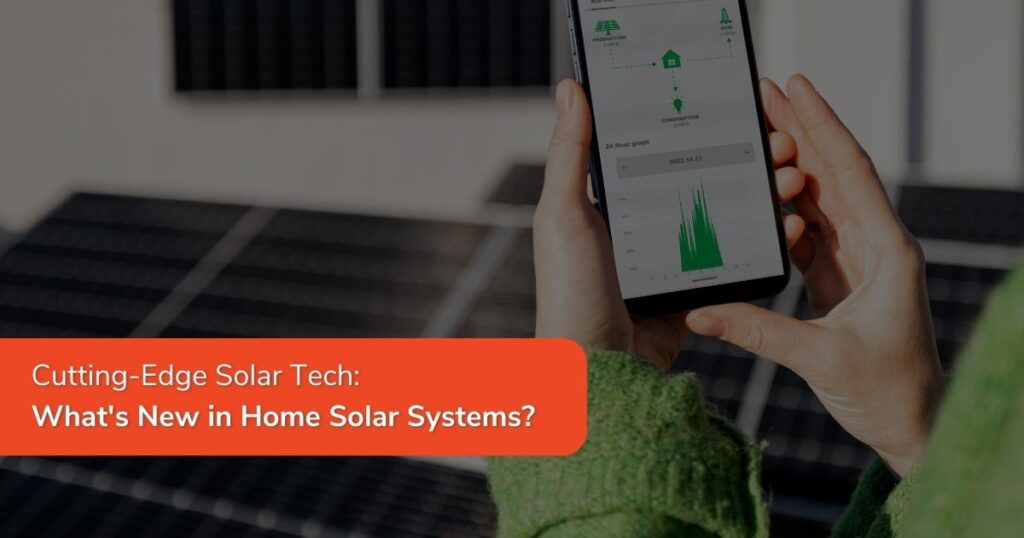
Cutting-Edge Solar Tech: What’s New in Home Solar Systems? Smart Energy Answers June 4, 2026 Australia, at the forefront of the global solar revolution, is seeing remarkable advancements in home solar systems. This article explores innovations that are making solar energy more accessible and efficient for residents, while shaping the future of solar power in Australian homes. Advancements in Solar Panel Technology Solar panels are the heart of any solar energy system, and recent breakthroughs have focused on enhancing their efficiency. Monocrystalline panels, known for their higher efficiency, are now competing with polycrystalline counterparts. Additionally, Passivated Emitter Rear Cell, or PERC, technology has emerged, improving the efficiency of solar cells by optimising light absorption. Flexible solar panels have also gained attention, offering lightweight and versatile options. These can be easily integrated into unique roof structures, expanding possibilities for solar installations. Energy Storage Innovations As solar panels generate energy, efficient storage becomes crucial. Next-generation lithium-ion batteries are extending energy density and lifespan, ensuring consistent power supply even during cloudy days. Smart energy management systems, with artificial intelligence, or AI, integration, allow for optimal energy usage, with remote monitoring and control. Smart Inverters, Microinverters, and Module-Level Power Electronics Inverters play a pivotal role in converting direct current, or DC, generated by solar panels into usable alternating current, or AC. Smart inverters are now becoming commonplace, enhancing system efficiency. Microinverters, which optimise the performance of individual panels, offer increased system reliability. Furthermore, the integration of Module-Level Power Electronics, or MLPE, allows for greater control and efficiency at the panel level, ensuring maximum energy harvest. Solar Tracking Systems Solar tracking technology is evolving to maximise energy output. Dual-axis and single-axis tracking systems adjust the angle of solar panels to follow the sun’s path. These automated tracking systems are particularly beneficial for homes in Australia, where sunlight intensity varies throughout the day. Integration of Internet of Things The Internet of Things, or IoT, is revolutionising solar energy systems by enabling real-time monitoring and control through mobile apps. Homeowners can track energy production, consumption patterns, and system health, empowering them to make informed decisions for optimal efficiency. Data analytics further contribute to improved performance over time. Solar Shingles and Building-Integrated Photovoltaics Aesthetics meet functionality with solar shingles and Building-Integrated Photovoltaics, or BIPV, seamlessly integrating solar technology into roofing materials. These solutions not only enhance the visual appeal of homes but also contribute to environmental sustainability. Solar Innovations for Harsh Australian Conditions Australia’s diverse climate demands solar solutions that can withstand extreme conditions. Resilient solar panels, equipped with heat tolerance and cooling mechanisms, ensure consistent performance in scorching temperatures. Dust and dirt-resistant coatings reduce maintenance costs while maintaining optimal efficiency. Community Solar Initiatives Community solar programmes are gaining popularity, allowing residents to share the benefits of solar energy. By participating in shared solar initiatives, homeowners can lower initial costs and collectively contribute to sustainable energy production. Future Trends in Home Solar Systems Looking ahead, the future of home solar systems in Australia is promising. Emerging technologies on the horizon, coupled with the integration of artificial intelligence and machine learning, are poised to reshape the solar landscape. These advancements not only enhance energy efficiency but also have positive environmental and economic implications. Conclusion In conclusion, the rapid evolution of home solar systems in Australia is marked by technological innovations that enhance efficiency, reliability, and sustainability. As we look towards the future, embracing these cutting-edge technologies will not only benefit individual homeowners but also contribute to the broader shift towards a greener and more sustainable energy landscape in Australia. It’s an exciting time for residential solar users as they witness and participate in the transformation of their energy systems for a brighter and more sustainable future. Ready to switch? Contact our energy experts for a customised solution and make an informed decision for your home’s sustainable future.
Its Time Foundation Partnership: Solar Power to Pacific Island Schools

Its Time Foundation Partnership: Solar Power to Pacific Island Schools Smart Energy Answers August 7, 2023 At Smart Energy Answers, we believe in harnessing the power of the sun to create a brighter and more sustainable future. That is why we are proud of our partnership with It’s Time Foundation, an organisation dedicated to bringing solar energy to remote schools in the Pacific Islands. For every successful solar system installation by Smart Energy Answers, our customers can choose to make a donation to It’s Time Foundation. These donations help provide solar panels and clean energy solutions to schools and communities across the Pacific region. Empowering Pacific Schools The recent update from It’s Time Foundation showcases the incredible impact of our partnership. During the second quarter of this year, they successfully commissioned 8 new school solar systems, bringing clean and reliable electricity to these educational institutions. These solar installations not only enhance the learning environment for students but also reduce the schools’ reliance on costly and polluting fossil fuels. Brightening Lives Through the generosity of our customers and the hard work of It’s Time Foundation, 7 of the schools have been fully wired, allowing for efficient distribution of solar energy to power classrooms and facilities. Additionally, the wiring of 6 boarding hostels and 41 teachers’ homes means that the benefits of solar energy extend beyond the school premises. This positively impacts the lives of both students and educators. Embracing Sustainable Technology To ensure a sustainable and efficient energy storage system, It’s Time Foundation replaced old battery technology in 6 early installations with new batteries. This upgrade significantly improves energy storage capacity, enabling schools to harness solar energy even during overcast days or nighttime. Embracing advanced technology helps ensure that these institutions have a reliable and continuous power supply. This fosters an ideal environment for learning and growth. Raffle for Solar Additionally, we are excited to share that It’s Time Foundation is running an exclusive raffle promotion. By purchasing a raffle ticket, you not only get the chance to win an incredible vacation in the Fiji Islands but also contribute to a truly meaningful cause. The funds raised through the raffle will directly support the installation of solar systems in the Pacific Islands, furthering the mission to bring sustainable energy to schools and communities in need. It is a win-win opportunity to experience paradise while making a positive impact on the environment and the lives of others. Click here to join this unique initiative and be part of creating a brighter and more sustainable future for everyone. Gratitude and Commitment We extend our heartfelt gratitude to all our customers and partners who have chosen to go solar with Smart Energy Answers. Every solar system installation not only benefits Australian households but also contributes to a noble cause in the Pacific Islands. By choosing renewable energy, our customers are actively participating in the mission to make a real difference in the lives of those who need it most. Smart Energy Answers is more than just a solar company; we are committed to making a positive impact on a global scale. https://vimeo.com/848257295 Our partnership with It’s Time Foundation allows us to extend the benefits of solar energy beyond Australian borders and brighten the future for schools and communities in the Pacific Islands. Together, we are creating a cleaner, greener, and more sustainable world, one solar panel at a time. Thank you for being part of this journey towards a brighter and more promising future.
Solar Victoria Moves From Rebates to Interest-Free Loans For Batteries
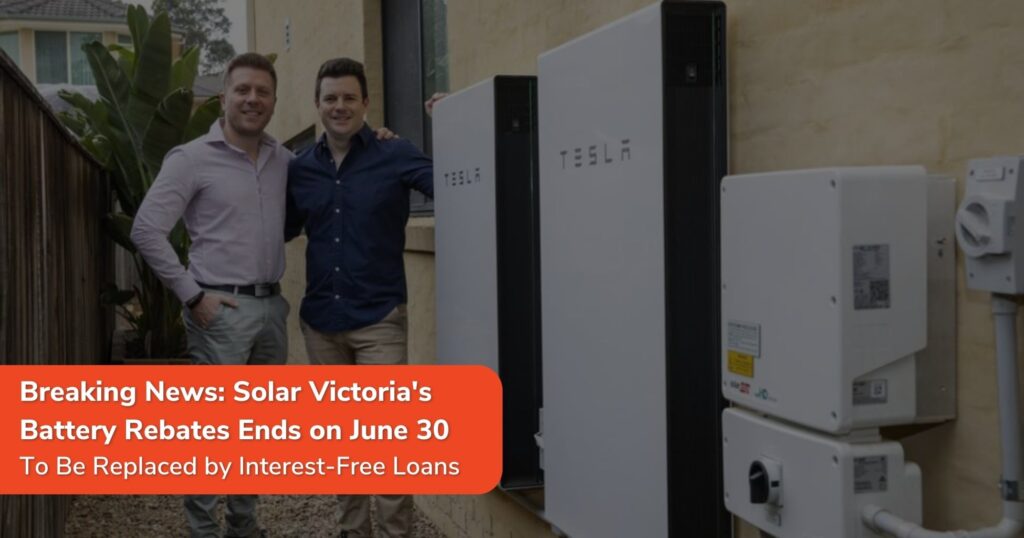
Solar Victoria Moves From Rebates to Interest-Free Loans For Batteries Smart Energy Answers May 29, 2023 Solar Victoria’s Transition: From Rebates to Interest-Free Loans for Home Batteries Solar Victoria is ushering in a significant change to its incentive programme. By 30 June, the battery rebate worth up to $2,950 will come to an end, making way for interest-free loans of up to $8,800 starting from 1 July. This new Solar Homes Program is only open to the first 4,500 Victorian households. With the shift from the battery rebate to interest-free loans, Solar Victoria aims to enhance the affordability and accessibility of renewable energy storage systems. While the rebate offered a grant or discount on battery purchases, the interest-free loan opens the door to a larger funding option. This means homeowners can now explore more high-quality battery choices and overcome the upfront cost barrier. The Solar Homes Program remains focused on making renewable energy accessible to Victorians. Whether through the rebate or the interest-free loan, the goal is to enable individuals to harness the power of battery storage. By utilising battery storage, consumers can reduce their energy bills and protect themselves against rising electricity prices. Battery systems can also provide reliable backup during power outages, helping ensure an uninterrupted energy supply. Additionally, households can sell excess power back to the grid and earn credits or money from it. Solar Victoria’s incentive programme plays a crucial role in promoting sustainable energy practices. By encouraging the adoption of battery storage, the programme aims to reduce reliance on fossil fuel-based power generation, decrease greenhouse gas emissions, and help protect our planet. Conclusion Solar Victoria’s upcoming transition from the battery rebate to interest-free loans presents an exciting opportunity for Victorian households. To receive the state government grant, it is essential to act fast. The battery rebate worth $2,950 will only be available until 30 June. After that, interest-free loans of up to $8,800 will take effect from 1 July. Do not miss out on securing your preferred choice through this progressive initiative that promotes renewable energy adoption and empowers you to create a greener, more sustainable future. Talk to our energy experts today to get a personalised quote and guidance on the available battery storage systems. Our team can help you navigate the options available and choose the right solution for your home.
Smart Energy Expo 2023: Smart Energy Answers Wins Top Awards
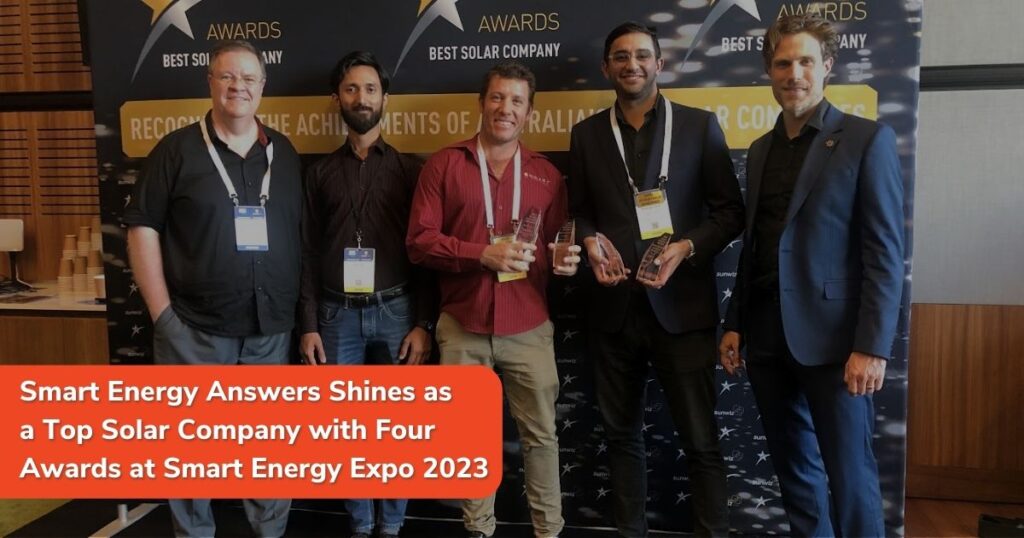
Smart Energy Expo 2023: Smart Energy Answers Wins Top Awards Smart Energy Answers May 5, 2023 Smart Energy Answers: Award-Winning Solar Company at Smart Energy Expo 2023 We are thrilled to announce that Smart Energy Answers has been awarded four prestigious awards at the Smart Energy Expo 2023, held at ICC Sydney. We are honoured to be recognised as a top solar company in Australia by SunWiz market intel. We received the following awards from John Grimes, CEO of the Smart Energy Council, and Warwick Johnston, Director of SunWiz: Top 10 Solar Retailer in NSW. Top 10 Solar Retailer in ACT. Top 20 Solar Retailer for Residential and Commercial STCs Nationwide. Top 20 Solar Residential Installations Nationwide. The SunWiz Top Solar Company Awards distinguish companies with exceptional reviews and strong installation volumes. These awards reflect our commitment to providing Australians with high-quality, affordable, and sustainable energy solutions through smart solar and battery technology. The Smart Energy Expo 2023 is the 61st annual conference and exhibition of the Smart Energy Council. The event brings together industry leaders, experts, and innovators to showcase the latest developments and trends in the energy sector. This year’s event provided a platform for companies like Smart Energy Answers to showcase their solutions, exchange ideas, and explore opportunities for collaboration. We sincerely thank our customers, partners, and employees for their continued support and for helping us achieve this milestone. At Smart Energy Answers, we pride ourselves on our dedication, integrity, enthusiasm, and innovation. These values are at the core of everything we do. Our goal is to provide Australians with access to clean and affordable energy solutions that are tailored to meet their specific needs. Our dedication to our customers sets us apart from other solar companies in Australia. We work closely with our clients to design and install solar systems that are customised for their homes and businesses. We are committed to honesty and transparency in all our dealings, from the initial consultation to installation and ongoing maintenance of our products. This commitment to integrity has earned us the trust and respect of our customers and the broader community. Enthusiasm is contagious, and we believe in spreading our passion for renewable energy. Our enthusiasm inspires us to constantly strive for excellence in everything we do. We are proud to be part of the movement towards a cleaner and more sustainable future for all Australians. We are extremely proud to have an in-house team of energy experts and installers who are committed to delivering the best possible service to our customers. Our guarantees provide peace of mind, so customers can rest easy knowing they are in good hands. The cutting-edge technology we use also helps ensure that our customers get the best possible return on their investment. At the same time, it helps reduce their carbon footprint and contribute to a cleaner, more sustainable future for us all. This recent recognition at the Smart Energy Expo 2023 is a testament to our commitment to these values. We are honoured to be recognised as a Top Solar Company in Australia. We will continue to work hard to provide high-quality, affordable, and sustainable solar energy solutions to our customers.
Reduce Energy Consumption: Key Steps Before Going Solar
Reduce Energy Consumption: Key Steps Before Going Solar Smart Energy Answers April 6, 2023 Before Going Solar: Key Steps to Reduce Energy Consumption As families and businesses seek to reduce their carbon footprint and lower energy costs, many are considering the installation of solar panels as a practical solution. While solar power can provide a significant reduction in energy costs and carbon emissions, it is important to note that it should not always be the first step in reducing energy consumption. Before you start considering solar as an option, it is important to ensure that you have taken steps to reduce your energy consumption as much as possible. This can be achieved through a number of simple changes, including improving air conditioning efficiency, replacing lights with LED bulbs, and improving insulation. By reducing energy consumption, you will not only lower your carbon footprint but also save money on energy costs. This can make the investment in solar panels and batteries even more financially viable. Improve Air Conditioning Efficiency Improving air conditioning efficiency is an easy way to reduce energy consumption. By regularly servicing your air conditioning system, you can help ensure it runs efficiently and does not waste energy. You may also want to consider installing programmable thermostats. These can automatically adjust the temperature of your home or building based on occupancy patterns, helping save energy when the space is unoccupied. Replace Traditional Light Bulbs with LED Bulbs Replacing traditional light bulbs with LED bulbs is another easy way to reduce energy consumption. LED bulbs use significantly less energy than traditional bulbs and last much longer, making them a cost-effective investment in the long run. In addition to replacing bulbs, consider installing motion sensors or timers to automatically turn off lights in areas that are not frequently used. Improve Insulation Improving insulation is also an important step in reducing energy consumption. By ensuring that your home or building is well insulated, you can help prevent energy from escaping through cracks and gaps in your walls and roof. This not only reduces energy consumption but also makes the space more comfortable for employees, customers, and occupants. Consider Solar and Batteries After Reducing Energy Use Once you have taken steps to reduce your energy consumption, it is time to consider solar and batteries as viable options. Solar panels can provide a significant reduction in energy costs and carbon emissions. Batteries allow you to store excess solar energy generated during the day and use it at night or during periods of low solar generation. You may also potentially generate additional income from your battery by selling excess energy back to the grid. Solar and battery systems can provide greater energy independence and help reduce your reliance on the grid. However, it is important to note that they require a significant upfront investment. By reducing your energy consumption first, you can help ensure that your investment in solar panels and batteries is as cost-effective as possible. Happily tearing his electricity bill. Conclusion Solar power and batteries can be a great way for your home or business to reduce energy costs and carbon emissions. However, it is important to note that they should be considered after taking steps to reduce energy consumption first. Before investing in solar and batteries, homes and businesses should consider improving air conditioning efficiency, replacing lights with LED bulbs, and improving insulation. By reducing energy consumption first, you can help ensure that your investment in solar panels and batteries is as cost-effective as possible should you decide to proceed.
7 Key Benefits of EV Chargers for Aussie Homes and Businesses
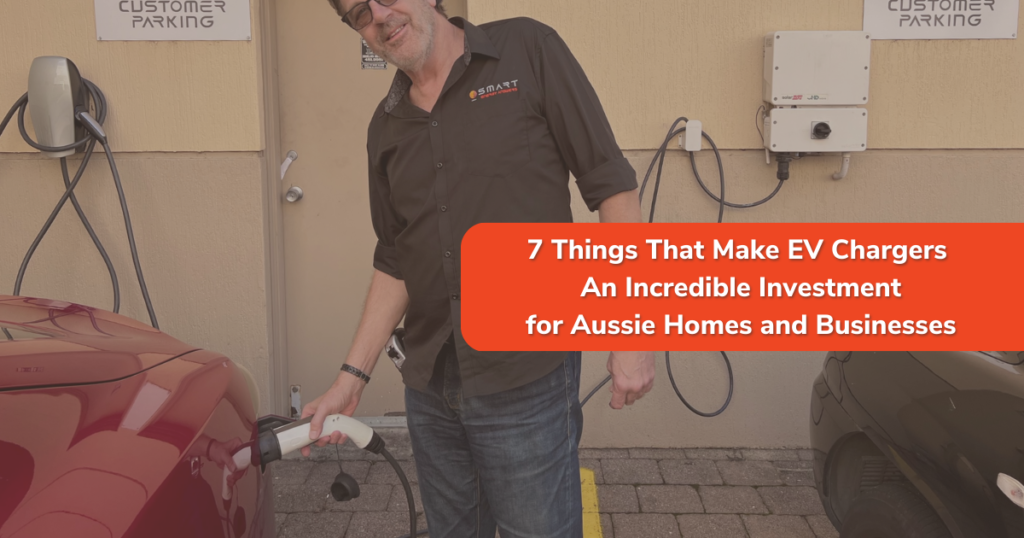
7 Key Benefits of EV Chargers for Aussie Homes and Businesses Smart Energy Answers March 21, 2023 7 Biggest Advantages of EV Chargers As the use of electric vehicles, or EVs, continues to grow, the demand for EV charging infrastructure is also increasing. EV chargers offer many advantages over traditional petrol stations, making them a convenient and eco-friendly option for charging your vehicle. Here are the seven biggest advantages of EV chargers. 1. Convenience One of the biggest advantages of having an EV charger at your home or business is convenience. Instead of searching for charging locations at shopping centres, grocery stores, or petrol stations while you are out and about, you can charge your EV from a location that works best for you. 2. Faster Charging Most EV chargers can charge an electric vehicle battery much faster than a standard household power outlet. This means you can spend less time waiting and get back on the road faster. 3. Variety of Charging Options EV chargers come in different sizes and styles, allowing you to choose the option that best fits your needs. Some chargers are designed for home use, while others are built for public or commercial charging locations. 4. Environmentally Friendly Electric vehicles produce zero tailpipe emissions, and using an EV charger to power your vehicle can help reduce your carbon footprint. By switching to EV charging, you can support cleaner transport and help protect the environment. 5. Cost Savings Although the initial cost of installing an EV charger may require an upfront investment, EV charging can offer lower operating costs over time. Many utility providers and government programmes may also offer rebates or incentives for installing an EV charger. These savings can help make EV charging a cost-effective option for homes and businesses. 6. Improved Customer Reputation for Businesses Providing an EV charging option for your team or customers demonstrates your commitment to sustainability. It also helps meet the growing demand for eco-friendly charging solutions. This can help attract customers who own electric vehicles, boost your business reputation, and increase customer loyalty. 7. Future-Proof As the use of electric vehicles continues to grow, having an EV charger at your home or business will become increasingly important. EV chargers offer many benefits and provide a convenient, eco-friendly way to charge your electric vehicle. Investing in an EV charger now helps ensure you are ready for the future of transport while supporting a cleaner and more sustainable planet. Conclusion Installing an EV charger at your home or business is a smart move towards a more sustainable future. With the increasing popularity of electric vehicles, offering EV charging options can enhance your reputation as an environmentally conscious homeowner, business, or organisation. It can also provide a convenient and valuable service to the growing number of EV owners, helping increase satisfaction, loyalty, and long-term value. Whether you are a homeowner or a business owner, investing in an EV charger is a valuable and forward-thinking decision.
The 5 Biggest Myths of Solar Energy: Debunking Misconceptions
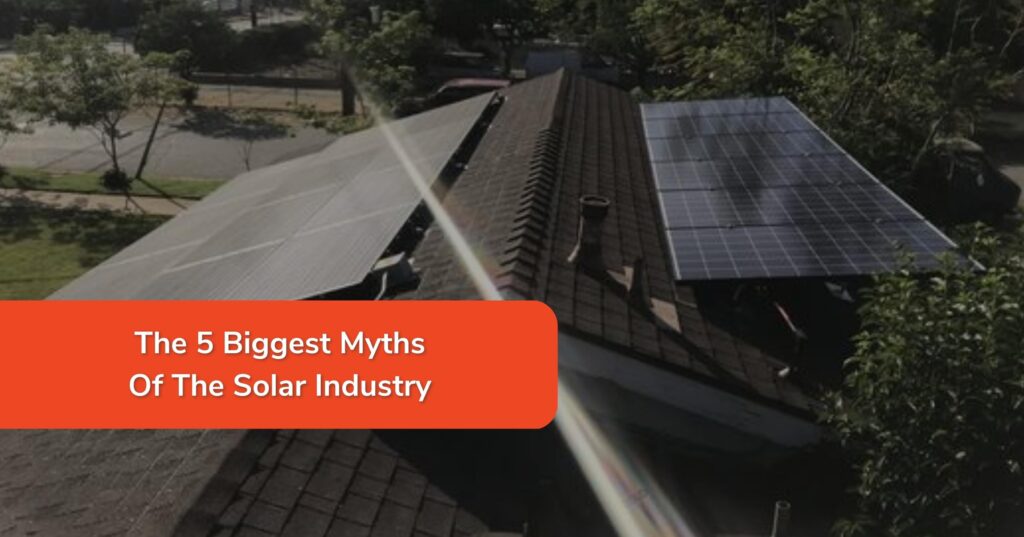
The 5 Biggest Myths of Solar Energy: Debunking Misconceptions Smart Energy Answers February 7, 2023 Debunking 5 Common Solar Energy Myths The solar industry has grown rapidly in recent years. With that growth has come a number of misconceptions and myths about how solar energy works and the benefits it can provide. Here are the five biggest myths in the solar industry, along with the facts that debunk them. Myth 1: Solar Panels Only Work in Sunny Locations Fact: Solar panels are actually quite efficient at converting sunlight into electricity, even on cloudy days. In fact, some studies have shown that solar panels can produce up to 25% of their rated capacity on a cloudy day. So, even if you live in a location with less-than-ideal weather, you can still benefit from solar energy. Myth 2: Solar Energy Is Too Expensive Fact: The cost of solar energy has dropped significantly in recent years, making it a more affordable option for homeowners and businesses. In addition, many government incentives and rebates are available for installing solar panels, which can help offset the initial cost. With the savings on monthly energy bills, a solar energy system can pay for itself over time. Myth 3: Solar Panels Will Ruin the Appearance of Your Home Fact: Solar panels are available in a variety of styles and sizes to suit the appearance of different homes. Many homeowners find that adding solar panels can increase the value of their property while also giving the home a more eco-friendly look, depending on the design. Solar panels can also be installed on the roof or on the ground, allowing you to choose the location that works best for your home. Myth 4: Solar Energy Is Unreliable During a Power Outage Fact: Solar energy systems are reliable and can provide a steady supply of electricity to your home during normal operation. For power outages, many solar systems can be paired with battery backup solutions to keep essential appliances and devices running. With the right solar and battery setup, you can have greater peace of mind knowing you may still have access to stored electricity during an emergency. Image: CHOICE Australia has chosen Smart Energy Answers as their preferred solar energy provider, helping customers achieve more than $1 million in lifetime savings. Myth 5: Solar Energy Is Only for Homeowners, Not Businesses Fact: Solar energy can be a great option for businesses as well as homeowners. Many businesses are turning to solar energy to reduce their energy costs and improve their sustainability. As of 2023, more than 7,000 businesses have switched to solar, with IBISWorld showing 8.1% annualised growth in businesses adopting solar energy. With various incentives and rebates available for commercial solar installations, solar can be a cost-effective choice for businesses of all sizes. Conclusion Overall, solar energy is a clean, renewable, and affordable option for powering your home or business. Do not be fooled by the myths. The facts about solar energy speak for themselves.
Smart Energy Answers: A Tesla Premium Installer for 2023
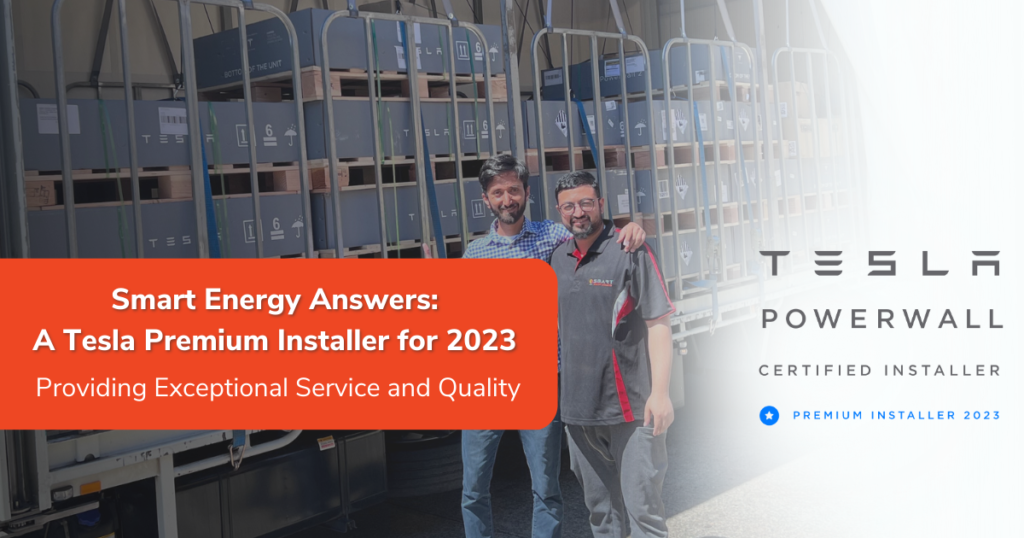
Smart Energy Answers: A Tesla Premium Installer for 2023 Smart Energy Answers January 24, 2023 Smart Energy Answers: Your Trusted Tesla Powerwall Premium Installer for 2023 We are thrilled to announce that Smart Energy Answers will continue to be a Tesla Powerwall Premium Installer for 2023. This certification is a testament to our commitment to providing customers with outstanding service, exceptional installation quality, and extensive product knowledge. As a Tesla Powerwall Premium Installer, we have the honour of working with some of the most advanced technology in the renewable energy industry. Our team of certified installers is trained to install and maintain Tesla Powerwall battery systems for both residential and commercial properties. Our customers can trust that our dedicated team will provide a high level of customer service from start to finish. We ensure every installation is completed to the highest and safest standards, with the goal of delivering complete customer satisfaction. We are proud to continue our partnership with Tesla and are excited to help even more customers make the switch to clean energy in 2023. Choosing Smart Energy Answers as your Tesla Powerwall Premium Installer means you can expect high-quality service, expert product knowledge, and a professional installation completed to industry-leading standards. We take pride in helping our clients reduce their carbon footprint and increase their energy independence by providing efficient and reliable Tesla Powerwall systems. Talk to our energy expert today to learn more about Tesla Powerwall and how it can support your home or business energy needs.
3 Key Considerations for Installing Solar Panels
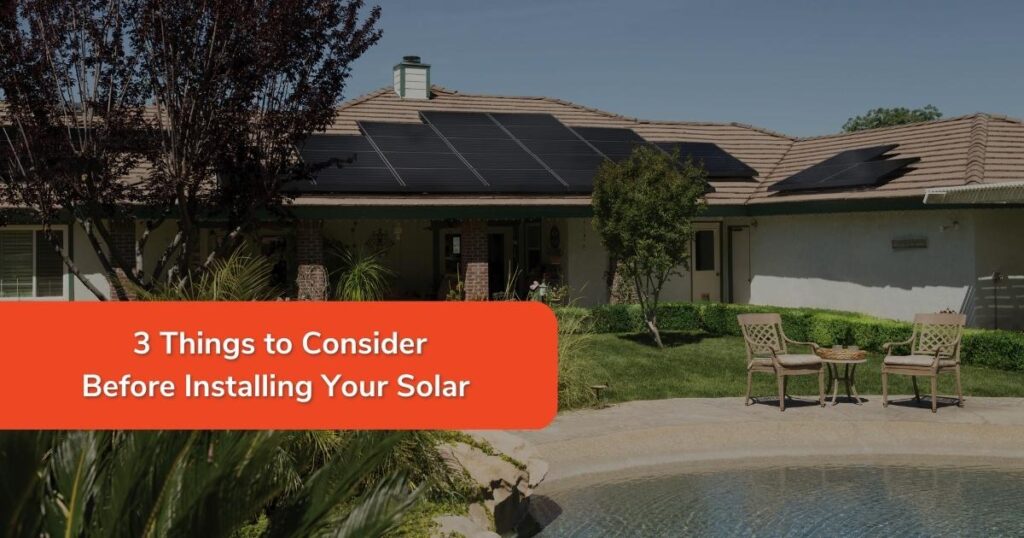
3 Key Considerations for Installing Solar Pane Smart Energy Answers January 19, 2023 3 Things to Keep in Mind When Installing Solar Installing solar panels on your property is a smart way to save on energy costs and reduce your carbon footprint. However, before making the investment, it is essential to consider a few key factors to ensure you are getting the most out of your solar panels. In this blog post, we will discuss three important things to keep in mind when installing solar: shading and performance, tilting and orientation, and the size of the system. Shading & Performance The electricity generated by your solar system is impacted by the amount of sunlight your panels receive. The more your panels are covered by shade, the less energy your system will generate. The effectiveness of your solar system also depends on where you live and how much sunlight your property receives throughout the year. If your property receives a decent amount of sun for most of the year, it is worth getting an assessment from a solar provider. A qualified solar provider should be able to estimate how much energy your system could produce and how much shading may affect its performance. Tip: Using microinverters or power optimisers on the panels, instead of relying on a single string inverter, can help reduce the impact of shading issues. Speak with your solar provider to see whether this could be a suitable solution for your solar system if you are concerned about shade. Tilting & Orientation For properties in the southern hemisphere, a north-facing roof is generally optimal for solar production. This orientation helps maximise the amount of usable sunlight your solar panels can receive throughout the day. Tilt frames may cost a little extra, depending on how many panels are included in the system and how the installer prices the labour and parts required. In most cases, panels are installed at the existing angle of the roof unless the roof is completely flat. For flat roofs, panels should usually be installed with a tilt to help improve performance and allow rain to wash away dust and debris more effectively. Flat installation is possible; however, dust and debris are less likely to be washed off when the panels are not tilted. Solar System Size Guide There are several factors to consider when deciding on the size of your solar system, including your budget, roof space, energy consumption patterns, and future plans. If you are looking to expand your system in the future, consider choosing a solar solution with expansion capability for batteries and electric vehicles. This can give you greater flexibility as your energy needs change over time. It is not always easy to calculate the exact capacity you will need for your solar panels. While the guide below can provide a rough starting point, it is still best to speak with a solar provider for a proper assessment tailored to your property and energy usage. Conclusion By considering these three factors, you can make an informed decision about whether to install solar and how to set up your system for the best possible performance. You can also reach out to our friendly energy experts to get customised solar solutions designed for your exact needs.
Solar Scams Exposed: Companies Promising 2-Week Installations
Solar Scams Exposed: Companies Promising 2-Week Installations Smart Energy Answers November 30, 2022 Beware of Solar Scams: Spotting Companies Promising Unrealistic 2-Week Installations It is that time of year again when some solar companies start promising quick and easy installations just in time for the end of the year. While going solar is a great way to save money on your power bill, it is important to be careful of scams and unrealistic promises. In this blog post, we will outline a common solar scam to look out for, so you can make an informed decision before going solar. What Has Been Happening with Solar Scams? Solar scams are unfortunately becoming more common as the industry continues to grow. Some solar companies take advantage of homeowners who are not familiar with the process or who are eager to save money on their energy bills. One of the most common warning signs is a company promising a 2-week installation time frame. In most cases, this is unrealistic for a quality solar installation. A reputable solar company will usually need around 4 to 6 weeks to properly design, approve, and install a solar system. Rushing the process can result in a poor-quality installation that may not function as intended and could even create safety risks. Watch Out for Unqualified Installers Another scam to watch out for is companies that use unqualified installers. These installers may not have the proper training, certification, or experience required to install a solar system safely and correctly. This can lead to property damage, poor system performance, and even voided warranties that you thought were included with your purchase. When this happens, homeowners can be left with expensive repair bills and a solar panel system that does not work as expected. How to Avoid Solar Scams The best way to avoid getting scammed is to do your research ahead of time. Make sure you understand the solar installation process and what a quality installation should involve. Get multiple quotes from different companies before making a decision, and always read the fine print carefully. If a solar company is pressuring you to sign a contract or make a deposit for an installation scheduled only a few weeks away, that is a warning sign. Do not risk your home or your investment for a few tempting promises. How Do I Know If I’m Speaking with a High-Quality Solar Installer? Solar panels are a great way to save money on your energy bill and do your part for the environment. However, not all solar companies are created equal. To make sure you are choosing a high-quality solar installer and panel system, there are a few key things you should look for. 1. Look for an Established Company with a Good Reputation Check how many reviews the company has on Google or ProductReview.com.au. Look at what customers are saying about their experience, installation quality, communication, and after-sales support. Do not rely on just one review. Read at least a dozen to get a clearer picture of the company’s reputation. 2. Make Sure the Company Uses High-Quality Products Solar technology has evolved significantly over the years, so it is important to understand what products and system design options are being recommended for your home. Some solar companies may offer basic string inverter systems because they can be cheaper upfront. However, the cheapest option is not always the best long-term solution, especially if your property has shading, complex roof layouts, or future energy needs to consider. If a company discusses technologies such as power optimisers or microinverters, this may be a sign that they are considering a more advanced and tailored solar solution for your home. These technologies can help improve system performance, monitoring, and long-term reliability, giving you greater peace of mind. Choosing up-to-date, high-quality solar technology can help your system stand the test of time while saving you money, time, and stress in the future. 3. Check That the Company Has a Solid Warranty Policy Most reputable solar companies will provide a 25-year performance warranty on solar panels. However, warranty length is not the only thing that matters. A solar company can close down, and when that happens, the support you expected from that warranty may become difficult to access. That is why it is important to choose a solar company with long-term interests and a proven track record. If an issue occurs 10 or 15 years down the road, you want to feel confident that the company is still operating and able to support you. 4. Ask for References from Past Clients Make sure to look through the company’s social media and customer reviews before making a decision. See if you can find examples of where they have installed solar systems and how many installations they have completed. This can give you a better understanding of their experience, workmanship, and consistency. At Smart Energy Answers, we have a dedicated page for completed installations, where we collect and display examples of our solar projects. Conclusion Solar scams are becoming more common as the industry grows. With so many options available, it is important to do your research before signing any contracts or making any payments. If something sounds too good to be true, it probably is. The best way to avoid solar scams is to get multiple quotes from different companies and compare more than just pricing. Make sure you also compare the terms, reputation, installation method, product quality, and level of technology before making a decision. Be aware of common scams, such as companies promising unrealistic installation timelines. You can protect yourself by doing your research ahead of time, reading trusted resources, and asking the right questions before committing. A little bit of knowledge can go a long way in helping you avoid solar scammers and choose a reputable installer.
5 Tips to Maximise Your Solar Energy and Save Money
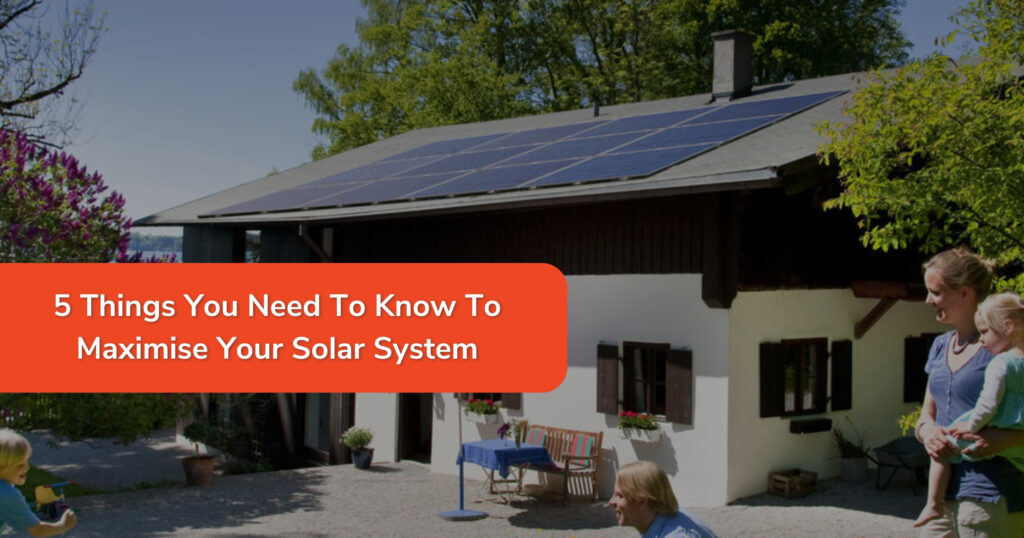
5 Tips to Maximise Your Solar Energy and Save Money Smart Energy Answers November 23, 2022 You’ve Got Solar, Now What? It is time to get the most out of it. Solar panels are a great way to reduce your carbon footprint, save money on your energy bills, and power your home in a more sustainable way. The amount of energy your solar panels produce can be maximised by using them alongside other energy-saving measures. With these tips, you can make the most of your solar energy and run your home more efficiently. It is important to have an idea of how much electricity each appliance and device in your home uses. This can help you plan your electricity usage more effectively and make better use of the solar energy your system produces. 1. Take Advantage of Daytime Get the most out of your solar system when the sun is out. Use appliances that require a lot of electricity during the daytime, when your solar panels are generating the most power. 2. Stagger Your Use of High-Energy Appliances Avoid using high-energy appliances and devices all at once, as this can increase your electricity demand and cause you to draw power from the grid. This includes appliances such as washing machines, dishwashers, and tumble dryers. By staggering their use throughout the day, you can make better use of the solar energy your system is generating. 3. Maintain and Monitor Your Solar System Regularly It is important to keep your solar panels clean and free of debris so they can operate at maximum efficiency. Regularly check your panels and arrange cleaning when needed to help ensure your system is working properly. You should also monitor your solar system’s performance so you can quickly identify any issues and keep your energy production on track. 4. Invest in a Solar Battery Another way to get the most out of your solar panels is to store unused energy in a solar battery. Solar batteries allow you to keep excess energy generated by your solar panels and use it when needed, such as at night or during periods with less sunlight. This can help reduce your dependence on the grid and may help you save more on your energy bills over time. 5. Get a Heat Pump One way to optimise your solar panels is to install a heat pump hot water system. Heat pump hot water systems use a heat exchange process that absorbs heat from the surrounding air and uses it to heat your water. These electric water heaters can provide hot water very efficiently in most climates. Compared with a standard resistive element heater, a heat pump hot water system can help reduce energy use and may save up to 78% on hot water running costs. Conclusion Solar panels are a great way to help power your home and save on energy costs. By following these tips, you can maximise the amount of energy your solar panels produce and make your investment in solar power work even harder for you. Best of all, using solar energy helps create a better and more sustainable world for everyone.
Choosing Between Blue, Black, or Smart Solar Panels: What You Need to Know
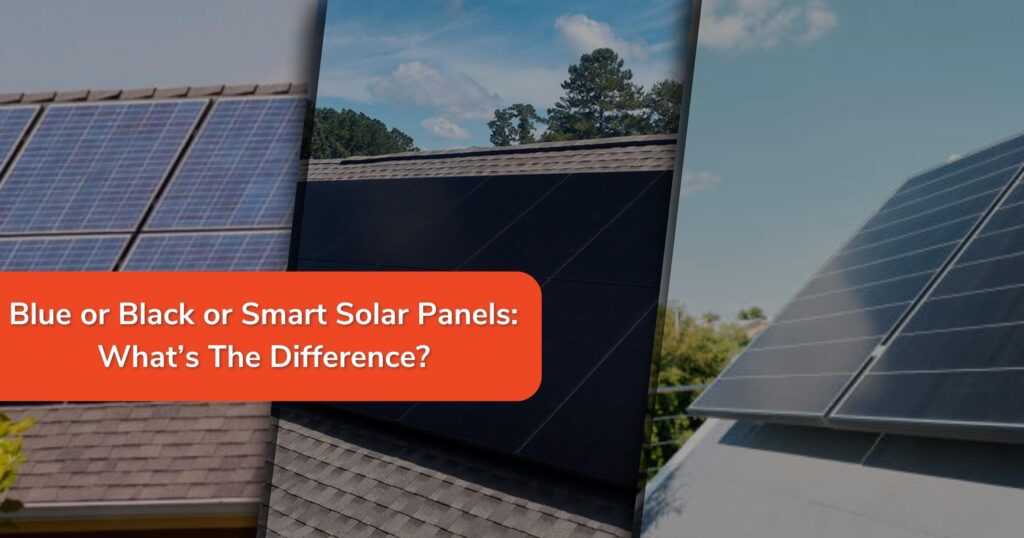
Choosing Between Blue, Black, or Smart Solar Panels: What You Need to Know Smart Energy Answers September 26, 2022 Choosing the Right Solar Panel Colour: Blue, Black, or Smart Panels For homeowners who have made the decision to switch to solar power, the benefits are clear. Clean energy, reduced grid consumption, and lower energy bills all make solar an attractive investment. However, choosing the right solar panel system is essential to getting the best long-term result. Some homes feature blue solar panels, while others use black panels, which can leave many homeowners wondering whether there is a real difference between the two. Understanding the difference between each panel starts with how they are manufactured and the materials used. Modern solar panels rely heavily on silicon because of its ability to effectively absorb sunlight and convert it into usable electricity. The colour and appearance of solar panels are influenced by the manufacturing process, including the use of anti-reflective coatings and how the panel reacts when exposed to light. The type of material used in a panel also affects its colour, giving it either a shiny blue appearance or a sleek black finish. Generally speaking, blue solar panels are often less expensive than black panels, but there can be trade-offs between heat performance and efficiency. Black panels tend to perform better in low-light conditions and warmer temperatures. Recent advancements in design and manufacturing have also led to the development of PERC monocrystalline smart panels. What Are Smart Panels? The latest energy research and innovation have used technology and connectivity to develop a new generation of smart all-black solar panels. These panels bring distinct advantages, combining a sleek and modern appearance with high efficiency and robust performance. Each panel is designed to deliver a more aesthetic look while remaining strong, reliable, and efficient. Constructed with PERC monocrystalline technology and aerospace-grade components, these high-spec panels are designed to withstand extreme weather conditions, including high winds. Their all-black finish also helps them blend seamlessly into almost any roof design. As a top performer for reliability, PERC panels are rigorously tested for strength and lasting durability. Longevity is a key consideration for homeowners, and with a 25-year full replacement warranty, PERC panels can offer greater peace of mind. Which Panels Are Better for Homes? One of the questions homeowners often ask is which type of solar panel is better for a home solar system. Due to their light-absorbing properties and efficient performance, many homeowners prefer black panels. In a typical installation, fewer black panels may be needed compared with blue panels, helping reduce the amount of roof space required. Although black panels can be more expensive upfront, they may deliver better long-term value through improved efficiency and performance. However, if cost is the main factor and the installation needs to stay within a limited budget, blue panels can require less upfront investment. While they may not be as efficient as black panels, blue panels can still be suitable for home solar systems and smaller commercial applications. What to Consider When Selecting Solar Panels When selecting solar panels, it is useful to have some key information at hand, such as: Which direction the sun travels over your home and when the peak sunlight hours occur. How much energy your household consumes. Whether efficiency and clean energy are key priorities. Whether your main goal is a lower upfront investment or stronger long-term savings. No matter which panels are chosen, some performance degradation will still occur over time due to weather, use, and environmental factors. This means solar panels may generate slightly less power as they age. However, most solar panels are designed to last for 25 years or more, and many can continue performing well beyond that period. Start Your Solar Journey Today Our expert consultants can help you make an informed decision based on your household needs, energy goals, and budget.
SEA Visits The Future Energy Show Philippines
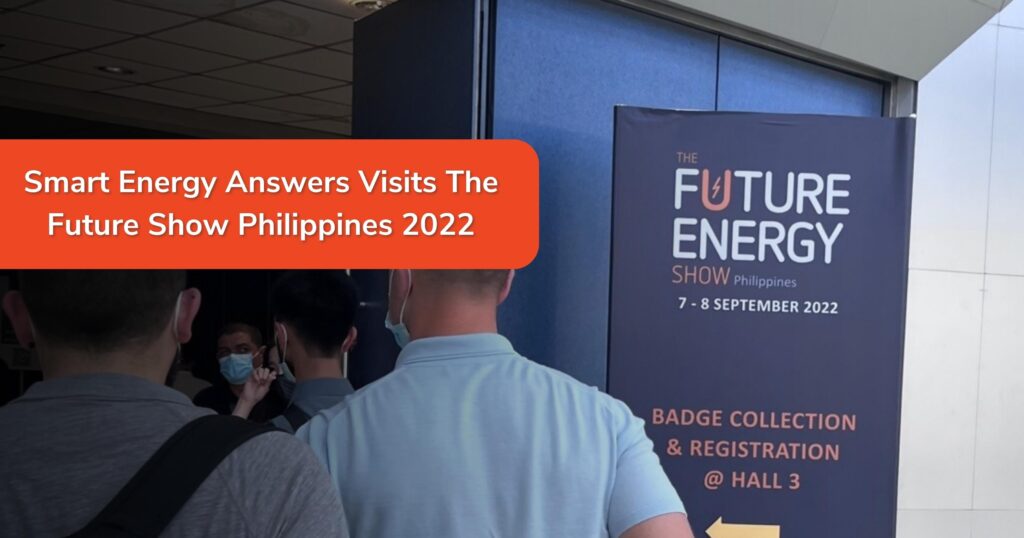
SEA Visits The Future Energy Show Philippines Smart Energy Answers September 26, 2022 Exploring Renewable Energy Innovations at The Future Energy Show Philippines Australia is one of the world leaders in renewable energy, but we are still far from achieving true global transformation. That is why it is always valuable to explore the solar practices, technologies, and innovations being developed in other countries. As a business, our goal is to stay at the cutting edge of global innovation. This helps ensure that families and homes across Australia have access to some of the greenest and most sustainable energy options at the best possible value. Earlier this month, on 7 September 2022, our team flew to Manila, Philippines, to attend The Future Energy Show Philippines 2022. The event gave us the opportunity to explore the country’s sustainable energy vision, learn about market disruptors, discover new trends, review solar innovations, and meet colleagues across the renewable energy industry. Insights from Industry Leaders Several of the country’s officials, developers, and technology leaders shared their insights on important topics such as large-scale solar, wind energy, alternative renewables, and energy storage. The concept of energy storage is especially important for us in Australia, as more households look for smarter ways to manage their energy usage and reduce their power bills. As more families become aware of this practical and effective solution, energy storage is expected to play an even greater role in the future of renewable energy. Among the exhibitors at the event were some of Smart Energy Answers’ valued partners, including Clenergy, Enphase, and Canadian Solar. The event was also a great opportunity to network, meet key players in the renewable energy industry, and explore potential future collaborations and partnerships. A Promising Future for Solar Energy Geographically, the Philippines has a strong advantage when it comes to harvesting solar energy. It is exciting to see the country moving towards more sustainable and renewable energy solutions. The future of energy in the Philippines is promising and could become a model for other nations to follow. We certainly enjoyed our time at the event and are returning home with valuable new relationships, fresh innovations, and new ideas on how to better serve our customers across Australia.
Smart Energy Answers Awarded by SolarEdge: 1000+ Installations
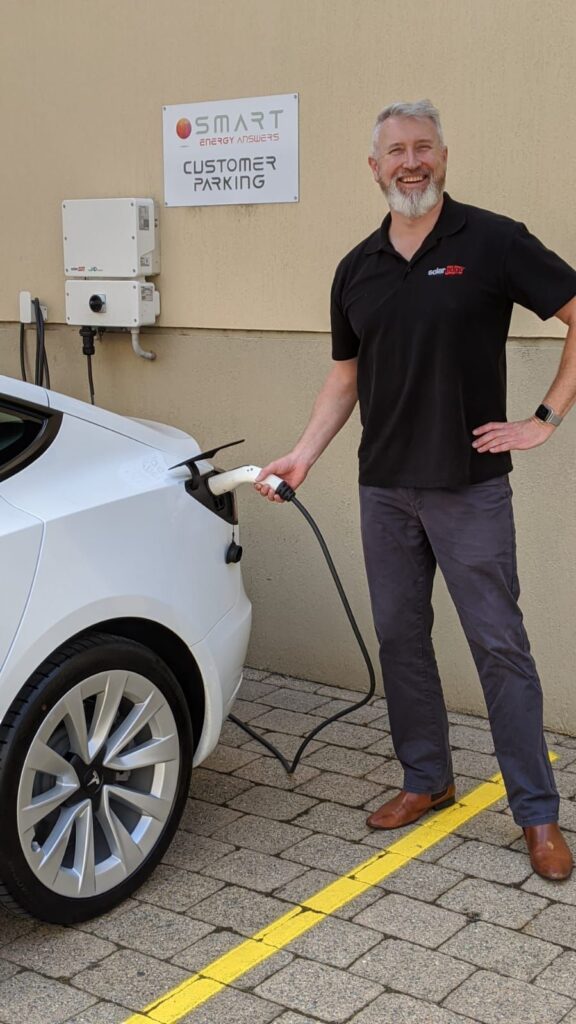
Smart Energy Answers Awarded by SolarEdge: 1000+ Installations Smart Energy Answers December 9, 2021 Smart Energy Answers Receives SolarEdge Recognition for 1,000+ Installations Brent Heber, New South Wales Manager at SolarEdge, visited Smart Energy Answers’ headquarters in Castle Hill to present the award. During his visit, Brent also took the opportunity to charge his new Tesla Model 3 at one of Smart Energy Answers’ EV charging stations, using the one-of-a-kind SolarEdge solar inverter with integrated EV charging. Smart Energy Answers is extremely proud to have been recognised by SolarEdge for completing more than 1,000 installations. As a preferred partner of SolarEdge, we are one of only a few solar retailers across Australia to receive this honour. Our strong alliance with a global expert in the solar industry adds to our long list of accreditations and reflects our ongoing commitment to quality solar solutions. What This Means for Our Customers Being a preferred partner of SolarEdge provides additional benefits and reassurance for our customers, including: Increased levels of support. Access to the latest SolarEdge technologies first. Access to SolarEdge’s wealth of knowledge from years of global solar experience. Who Are SolarEdge? SolarEdge is a global photovoltaic, or PV, inverter manufacturer, with over 1 million inverters shipped worldwide and PV installations monitored across more than 130 countries. SolarEdge provides a portfolio of solar power system components, including power optimisers, inverters, and a web platform for module-level monitoring. The company is also a leader in smart home technologies and innovation, including its unique EV charging-ready inverter. Utilises power optimisers to maximise power generation. Provides an excellent solution for properties with shade issues and complex roof designs. Offers highly efficient solar optimisation and monitoring systems. Includes built-in Wi-Fi for individual panel-level monitoring. Moving Forward with SolarEdge One of the great advantages of SolarEdge is that they are creating future-ready systems that can adapt to new technologies as they become available. With the growing adoption of electric vehicles, we strongly recommend speaking with Smart Energy Answers about a future-proof smart energy solution. Get a quote below to find out more.
SEA To Feature In Channel 9’s Renovate Or Rebuild

SEA To Feature In Channel 9’s Renovate Or Rebuild Smart Energy Answers June 4, 2026 Smart Energy Answers Teams Up With Channel 9’s Renovate or Rebuild for Sustainable Home Makeovers Smart Energy Answers features in the exciting new Channel 9 series Renovate or Rebuild, a 60-minute lifestyle programme with a strong sustainability focus. The show is hosted by James Treble and features popular characters from The Block, including Andy and Deb, Carlene and Michael, Jimmy and Tam, Jesse and Mel, Bec and George, and Norm and Jess. Each episode sees two teams compete to convince a family that they have the best plan to increase the space and comfort of their house while reducing their energy bills. One team provides plans to retrofit the property, while the other offers a new residential design concept. The episodes are filmed in different locations across New South Wales, Victoria, and Queensland and will appeal to a broad cross-section of viewers. The programme offers compelling viewing as the design teams balance the family’s brief and budget while creating a unique and memorable design that will lead to a beautiful, modern, efficient, and sustainable home. Team Renovate Team Renovate needs to bring the best renovation ideas to the table while coming up with a plan to suit the family. Their plan needs to cover bathroom and kitchen design, additional home improvements, and how to make use of existing building materials in order to create a home that’s warm and inviting yet modern, energy efficient, and thoroughly sustainable. Their goal will be to use solar power and home battery power storage to meet all energy requirements. Team Rebuild Team Rebuild will be suggesting that the best move to create the ultimate energy-efficient home will be to knock down the existing structure and start from scratch. Their brand-new design will take into account the orientation of the home, passive solar design, and the selection of energy-efficient appliances. Team Rebuild will also be planning a design for a home that can be powered solely through solar power and home battery power storage. Sustainable Design Residential sustainable design is the primary focus of the show. Residential housing remains a significant contributor to Australia’s greenhouse gas emissions, partially due to poorly planned property design leading to high electricity bills. The series aims to shine a light on the possibilities opened up by smart property design and to encourage Australian viewers and homeowners to make better choices leading to healthier, more energy-efficient homes. The highly watchable reality TV format is key to spreading the sustainable housing message to a broader audience. It’s expected that the show will attract a minimum audience reach of 2.8 million. The first episode of the eight-week series premiered at 9pm on October 4. Be sure to tune in from 8:30pm each Monday evening from October 11 on 9Life to catch the rest of the season. Solar Donation Smart Energy Answers is teaming up with manufacturers LONGi and FIMER to donate a free solar panel and battery installation for a demountable home in the Blue Mountains. The installation is for a family that tragically lost their home in the 2019 and 2020 bushfires. See how much you can save on your next electricity bill with the Savings Calculator. Know your savings based on your unit. Discover what rebates and incentives are available with SEA’s Solar Rebate Calculator.
The Game-Changer – Set To Make New Houses More Energy Efficient
The Game-Changer – Set To Make New Houses More Energy Efficient Smart Energy Answers September 16, 2021 The Game-Changer: Revolutionising Energy Efficiency in New Australian Homes New houses across Australia are set to be better built to withstand climate change, incorporating solar power, water and energy efficiency features, and minimal toxins under a world-first agreement. The new scheme, acclaimed as a national game-changer in the housing market, could mean buyers have much healthier homes and see their energy bills reduced by as much as 75%, or more than $2,000 per year, according to one study. “This is a real game-changer for the industry, bringing more liveable, affordable homes to all Australians,” said Davina Rooney, Chief Executive of the Green Building Council of Australia, or GBCA. The Green Star Home Standard certification system, the world’s first mass-market residential climate-positive certification, has already been accepted by some of the construction industry’s major players. These companies have vowed to produce houses to higher specifications. This means many more homes built in the future by companies signing up to the standard will be well-ventilated, insulated, fully electric, and powered by renewables. Industry Leaders Supporting Sustainable Homes Leading residential developer Stockland is already a stakeholder in the initiative. “We’re seeing people spending more time at home and they’re really concerned about the health and well-being impacts of the houses they live in,” said Andrew Whitson, Stockland’s Group Executive and CEO Communities. “They’re starting to wonder how they can live more healthily and more sustainably environmentally and reduce their carbon footprint. It was something already happening, but COVID-19 has really amplified it, and we felt we wanted to show leadership in the country in these issues.” Australia’s largest volume builder, Metricon, has also joined the initiative. “This is the way the industry and the world are moving, towards more sustainable living,” said David McKibbin, National Product Development Manager of Metricon Homes. “We saw this as an opportunity to get involved and help the industry evolve in this area, and further educate our customers and help drive the whole sustainability issue. As consumers see the benefits, they’re likely to promote it to family and friends as well.” Why Energy-Efficient Homes Matter Research has found that the residential sector accounts for 57% of Australia’s building emissions. Australians also spend around 90% of their time indoors under normal circumstances, with two-thirds of that time spent at home. During pandemic lockdowns, this increased even further. To meet the new Green Star certification, homes will need to be more comfortable to live in and include smarter air conditioning, LED lights, and efficient electric appliances. These features can help make homes far cheaper to run. The GBCA is now working with the federal government to bring the scheme into the regulatory framework. Currently, the National Construction Code requires a 6-star NatHERS rating, which describes the level of insulation in the home. “Getting the volume builders of housing on board will give the scheme so much more momentum going forward rather than just going with architect-designed, bespoke buildings,” said Kerryn Wilmot, Research Principal at the Institute for Sustainable Futures at the University of Technology Sydney. “This is where most Australians get their housing from, so signing up volume builders is a brilliant idea with a great chance of shifting the market.” Start Your Solar Journey with Smart Energy Answers Smart Energy Answers is one of Australia’s leading solar solutions providers, based in Sydney. We are proud to have attained one of the highest accreditation levels in Australia and remain committed to helping communities gain energy independence through the latest technologies and high-quality services. To get started on your solar journey, contact Smart Energy Answers today on 1300 948 619 or get in touch with our team below.
Understanding the Urgency: Decoding the ‘Code Red’ Climate Change Warning

Understanding the Urgency: Decoding the ‘Code Red’ Climate Change Warning Smart Energy Answers September 13, 2021 Cracking the Code: Understanding the “Code Red” Climate Change Warning Prime Minister Scott Morrison’s widely criticised refusal to commit to a national net zero emissions target by 2050 came amid growing international concern over the “code red” climate change situation. The Prime Minister’s comments followed the release of the Intergovernmental Panel on Climate Change, or IPCC, Sixth Assessment Report, Climate Change 2021: The Physical Science Basis. The IPCC is the United Nations body responsible for assessing the science related to climate change. It is made up of hundreds of international scientists and experts and is widely recognised as one of the world’s most authoritative bodies on climate science. The comprehensive report provided evidence and timelines for reaching a number of critical climate change milestones, leading United Nations Secretary-General António Guterres to describe it as “a code red for humanity”. 1.5°C Increase by 2030 The IPCC report shows new evidence that the Earth could be on track to see an average temperature increase of 1.5°C within just 10 years. In 2015, under the Paris Agreement, world governments identified a 1.5°C increase as a key milestone and agreed to try to limit global warming to this point. The IPCC stated that scientists are observing changes in the Earth’s climate in every region and across the whole climate system. Many of these changes are unprecedented in thousands, if not hundreds of thousands, of years. Some changes already set in motion, such as continued sea level rise, are expected to be irreversible over hundreds to thousands of years. The report shows evidence of an average global temperature increase of 1.1°C since 1850 to 1900, caused by greenhouse gas emissions from human activities. Averaged over the next two decades, global temperatures are predicted to reach or exceed the 1.5°C warming milestone. “This report is a reality check,” said IPCC Working Group I Co-Chair Valérie Masson-Delmotte. She explained that the report gives a much clearer picture of the past, present, and future climate, helping people understand where we are headed, what can be done, and how we can prepare. Act Now Australia is expected to bear a significant share of the impacts of continued climate change, according to evidence and timelines outlined in the report. Coastal areas are expected to see continued sea level rise throughout the 21st century. More frequent and severe coastal flooding could impact low-lying regions, resulting in worsening coastal erosion. The report warned that extreme sea level events that previously occurred once in 100 years could happen every year by the end of this century. Bushfires are predicted to worsen and become more frequent, with fire seasons lasting longer, as seen during the devastating 2019 season. More frequent and intense flooding is also expected in certain regions. The report explains that climate change is intensifying the water cycle, bringing more intense rainfall and associated flooding, as well as more intense drought in many regions. Climate change is also affecting rainfall patterns, with precipitation likely to increase in high latitudes and decrease across large parts of the subtropics. Increased frequency and severity of drought are predicted to impact the east coast and southern parts of Australia, particularly if total warming reaches 2°C. Time for Change While the impact of the report is worrying, there is hope that it can become a catalyst for change nationally and internationally. At a grassroots level, there is more promising news. The Clean Energy Council’s Clean Energy Australia 2021 report highlighted significant growth in the renewable energy sector across Australia. Almost 30% of the country’s electricity generated in 2020 came from renewable sources. If a similar trajectory is maintained, Australia is well on its way to reaching 50% renewable energy in the coming years. The Smart Energy Ambassador Program We have a job to do by 2050, and everyone has a part to play in helping the world transition to renewable energy. Through the Smart Energy Ambassador Program, you can spread the word about renewables and be rewarded for your efforts. Smart Energy Answers is supporting the Smart Energy Ambassador Program with generous cash incentives for both existing and new customers. For existing customers: Refer friends and neighbours to the programme and get rewarded with generous cash incentives. For new customers: Join the Smart Energy Ambassador Program and take advantage of generous cash incentives of up to $2,000 on a range of new smart energy systems installed by Smart Energy Answers. Once you begin making your own referrals, you can continue to earn cash rewards into the future. It is time to join the Smart Energy Ambassador Program. See how much you could save on your next electricity bill with our Savings Calculator. You can also discover which rebates and incentives may be available to you with the Smart Energy Answers Solar Rebate Calculator.
ScoMo’s refusal to commit to net zero emissions target falls flat.

ScoMo’s refusal to commit to net zero emissions target falls flat. Smart Energy Answers September 1, 2021 ScoMo’s Refusal to Commit to Net Zero Emissions Target Sparks Public Outcry Prime Minister Scott Morrison’s refusal in August to commit to an Australian target of net zero emissions was met with strong public criticism, sparking protests at Parliament House and the Prime Minister’s residence. Mr Morrison’s refusal to commit to the target came after world leaders issued a “code red” warning on the global climate change situation. The Intergovernmental Panel on Climate Change, or IPCC, widely recognised as one of the world’s most authoritative bodies on climate science, released a major report described by United Nations Secretary-General António Guterres as “a code red for humanity”. Mr Guterres warned that greenhouse gas emissions from fossil fuel burning and deforestation are placing the planet and billions of people at immediate risk. He also stated that the report should serve as a strong warning about the need to move away from coal and fossil fuels before they cause further damage to the planet. Wake-Up Call While UK Prime Minister Boris Johnson described the report as a wake-up call for world leaders to act while there is still time, Mr Morrison did not commit to a net zero target. He cited concerns about increased taxes and a reliance on future technological advances. “I won’t be signing a blank cheque on behalf of Australians to targets without plans,” said Mr Morrison. “Blank cheque commitments you always end up paying for, and you always end up paying in higher taxes.” In a February address to the National Press Club, Mr Morrison stated that getting to net zero should be about technology, not taxes and high prices. He also referred to the government’s $18 billion technology investment roadmap, including a $1.9 billion commitment to develop clean energy technologies such as hydrogen, green steel, and carbon capture and storage. Mr Morrison was expected to further outline the government’s plans for emissions reductions by 2030 at the UN Climate Change Conference in Glasgow, Scotland. Act Now While government hesitation on one of the most pressing environmental issues of our generation can be disheartening, millions of Australian households and businesses are already doing their part. Many have committed to a cleaner, greener future by reducing their reliance on harmful fossil fuels and investing in renewable energy solutions. According to the Clean Energy Council’s Clean Energy Australia Report 2021, the renewable energy sector showed strong growth throughout 2020. The industry passed a significant milestone, with more than a quarter of the country’s total electricity generation coming from renewable sources for the first time. Almost 30% of Australia’s total electricity generated in 2020 came from renewable sources, with small and medium-scale solar systems producing a quarter of the country’s clean energy total. The Smart Energy Ambassador Program We have a job to do by 2050, and everyone has a part to play in helping the world transition to renewable energy. Through the Smart Energy Ambassador Program, you can help spread the word about renewables and be rewarded for your efforts. Smart Energy Answers is supporting the Smart Energy Ambassador Program by offering cash incentives for referrals. Refer like-minded friends and family members to the programme and get rewarded with cash incentives. It is time to join the Smart Energy Ambassador Program. See how much you could save on your next electricity bill with our Savings Calculator. You can also discover which rebates and incentives may be available to you with the Smart Energy Answers Solar Rebate Calculator.