The Evolution of Metering in Solar Technology
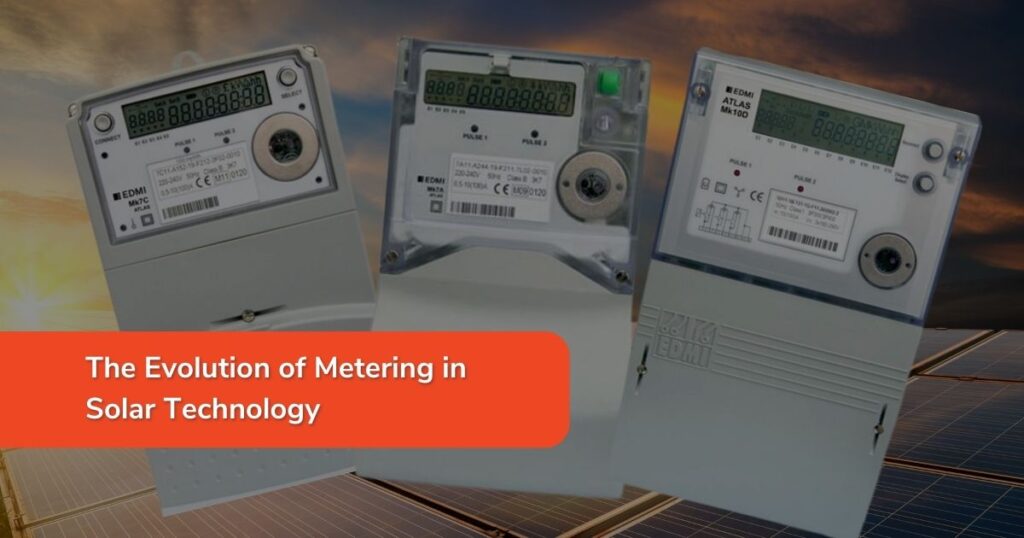
The Evolution of Metering in Solar Technology Smart Energy Answers June 3, 2026 In a country blessed with abundant sunshine, the role and relevance of solar technology in Australia’s energy landscape cannot be overstated. As the solar revolution continues to spread its wings across rooftops and vast paddocks, it is the evolution of ancillary technologies, such as solar metering, that underscores a critical advancement in the harnessing of solar power. Let’s explore how metering technology has evolved and what this means for energy consumers and the industry at large. Metering in Solar Technology: A Historical Perspective The inception of solar power in the Australian context harks back to modest systems that simply generated electricity during daylight hours but lacked comprehensive monitoring capabilities. Early inverters were equipped with basic measurement tools that provided limited insights into power production and consumption. Net metering, a breakthrough introduced in the late 80s, allowed solar system owners to feed excess power back into the grid for credits, but it still relied on conventional meters with minimal functionality. The turning point arrived with the advent of smart metering technology, which paved the way for more sophisticated monitoring and control options for solar installations. Systems no longer just interacted with the grid. They communicated, leading to a surge in granular data available to both users and service providers. The Benefits of Advanced Metering As smart metering technology matured, the benefits it brought to the table became increasingly apparent. Real-time monitoring and data collection enabled consumers to have a pulse on their energy usage like never before. This, in turn, empowered them to tweak consumption patterns, leading to increased energy efficiency and cost savings. On a broader scale, the integration of advanced meters with sophisticated energy management systems offered the potential for a more responsive and stable energy grid. Smart grid technology could capitalise on the variable nature of solar power, balancing supply and demand in near real time. Regulatory Framework and Policy Changes The meteoric rise of solar technology in Australia owes much to the supportive regulatory environment. Various government initiatives and policies have aimed to incentivise the adoption of solar energy and, more recently, to ensure that the benefits are equitably distributed among consumers. Policy adjustments, particularly in the area of feed-in tariffs and metering regulations, have a direct bearing on the financial returns for solar system owners. The commitment to promoting renewable energy sources has significantly shaped the evolution of metering technology, with many utilities investing in smart grid infrastructure to accommodate distributed energy resources. Challenges and Limitations Despite the clear advantages, the path to widespread adoption of advanced solar metering systems has not been without its hurdles. Compatibility issues have arisen with legacy metering infrastructure, requiring careful integration or phased upgrades. Moreover, concerns over data privacy and security have surfaced as smart meters collect and transmit sensitive information. Of particular note are the cost implications for end users. While the long-term benefits are well documented, the upfront investment in smart metering technology can be a deterrent, especially for residential consumers seeking to reduce their carbon footprint without breaking the bank. The Future of Solar Metering Looking ahead, the trajectory of solar metering technology in Australia is poised for further innovation. Emerging technologies such as blockchain-based metering and artificial intelligence are on the horizon, promising even higher levels of efficiency and transparency. These advancements are expected to not only advance the cause of renewable energy but also democratise energy production on an unprecedented scale. Conclusion The evolution of metering in solar technology is a testament to human ingenuity and the relentless pursuit of sustainable solutions. By tracing the historical progression from rudimentary monitoring to the latest smart systems, it is evident that we are on the cusp of a new era in solar energy. As we continue to refine our approach to monitoring and managing solar power, we must be mindful of the ongoing changes in legislation and be prepared for the exciting possibilities that lie in the future. Maximised solar energy benefits are well within reach, and advanced metering technology is the key that will unlock them.
Real-Time Energy Monitoring: The Future of Solar
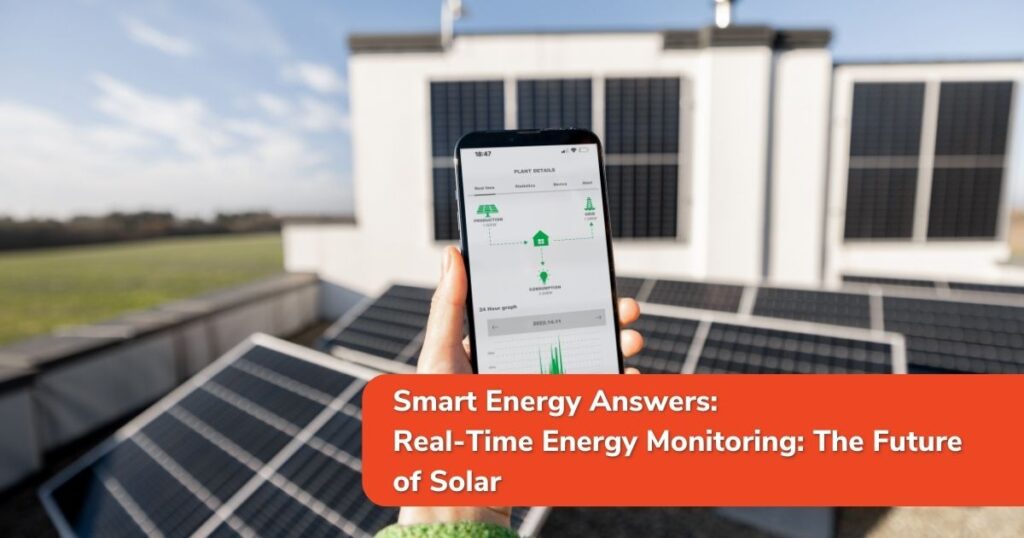
Real-Time Energy Monitoring: The Future of Solar Smart Energy Answers June 3, 2026 Discover How Real-Time Energy Monitoring Systems Are Revolutionising the Solar Industry and Shaping the Future of Renewable Energy Significance of Real-Time Energy Monitoring in Optimising Solar Energy Usage Real-time energy monitoring plays a crucial role in optimising solar energy usage. By continuously monitoring the energy production and consumption in real time, solar system owners can identify areas of inefficiency and make necessary adjustments to maximise energy generation and utilisation. This ensures that the solar panels are operating at their full potential, allowing for the most efficient use of solar energy. Moreover, real-time energy monitoring provides valuable insights into the performance of the solar system, allowing users to track the effectiveness of their energy-saving measures and make informed decisions to optimise energy consumption. With real-time data, solar system owners can identify patterns and trends in energy usage, enabling them to implement strategies to reduce energy waste and increase overall efficiency. Overall, real-time energy monitoring is essential for ensuring the optimal use of solar energy, reducing reliance on traditional power sources, and maximising the benefits of solar technology. Data-Driven Insights for Maximising Solar Efficiency and Performance Real-time energy monitoring systems provide data-driven insights that are instrumental in maximising solar efficiency and performance. By analysing real-time data on energy production and consumption, solar system owners can gain a deep understanding of how their system is performing and identify opportunities for improvement. These insights allow users to identify the most productive times for energy generation and consumption, enabling them to adjust their energy usage habits accordingly. By aligning energy usage with peak production periods, solar system owners can optimise their energy consumption and minimise reliance on the grid. Furthermore, data-driven insights enable users to identify potential issues or inefficiencies in their solar system. By monitoring key performance indicators, such as energy generation efficiency and system uptime, solar system owners can proactively address any issues and ensure that their system is operating at its highest capacity. In summary, data-driven insights provided by real-time energy monitoring systems empower solar system owners to make informed decisions, optimise energy usage, and maximise the efficiency and performance of their solar systems. Overview of Monitoring Devices, Sensors, and Technologies Used in Real-Time Energy Monitoring Real-time energy monitoring relies on a range of monitoring devices, sensors, and technologies to accurately measure and track energy production and consumption. These devices and sensors are designed to provide precise and reliable data for effective monitoring and control of solar energy systems. One commonly used device in real-time energy monitoring is the smart meter. Smart meters are advanced energy meters that record energy consumption data at regular intervals and transmit it to the energy provider in real time. They provide accurate and up-to-date information on energy usage, allowing users to monitor and manage their energy consumption effectively. In addition to smart meters, real-time energy monitoring systems often incorporate sensors that measure solar irradiance, ambient temperature, and other environmental factors that can affect energy generation. These sensors provide valuable data for assessing the performance of solar panels and optimising energy production. Furthermore, real-time energy monitoring systems rely on connectivity technologies, such as Internet of Things, or IoT, devices and wireless communication protocols, to transmit data between the monitoring devices and the central monitoring system. This ensures that the data is accessible in real time and facilitates remote monitoring and control of solar energy systems. Overall, real-time energy monitoring systems leverage a combination of monitoring devices, sensors, and technologies to provide accurate and timely data for effective monitoring and control of solar energy systems. Immediate Visibility into Solar Energy Production and Usage Patterns One of the key advantages of real-time energy monitoring systems is the immediate visibility they provide into solar energy production and usage patterns. By monitoring energy production in real time, solar system owners can quickly identify any issues or deviations from expected performance. For example, if the energy production suddenly drops, it could indicate a malfunctioning solar panel or a problem with the system. With real-time visibility, users can promptly address the issue and prevent any further loss of energy generation. Similarly, real-time energy monitoring systems provide immediate visibility into energy usage patterns. Users can track their energy consumption in real time and identify areas of high usage or wastage. This allows for timely adjustments to energy usage habits and the implementation of energy-saving measures. Immediate visibility into solar energy production and usage patterns enables solar system owners to take proactive measures to optimise energy generation and consumption, ensuring the most efficient use of solar energy. Compatibility with Smart Home Automation Systems for Seamless Integration Real-time energy monitoring systems are designed to be compatible with smart home automation systems, enabling seamless integration and enhanced control over energy usage. By integrating real-time energy monitoring with smart home automation systems, users can automate energy-saving measures and optimise energy consumption based on real-time data. For example, the system can automatically adjust the temperature settings of the HVAC system based on energy production and usage patterns, ensuring optimal comfort while minimising energy waste. Furthermore, the integration of real-time energy monitoring with smart home automation systems allows for remote monitoring and control of energy usage. Users can access real-time energy data and control energy-consuming devices from their smartphones or other connected devices, providing convenience and flexibility in managing energy consumption. The compatibility of real-time energy monitoring systems with smart home automation systems offers users greater control and flexibility in optimising energy usage, leading to increased energy efficiency and cost savings. Leveraging IoT Devices and Connectivity for Real-Time Monitoring and Control Real-time energy monitoring systems leverage Internet of Things, or IoT, devices and connectivity to enable real-time monitoring and control of solar energy systems. IoT devices, such as smart meters and sensors, are interconnected through wireless communication protocols, allowing for seamless data transmission between the devices and the central monitoring system. This enables real-time monitoring of energy production, consumption, and other key performance indicators. The connectivity
How Smart Meters Transform Solar Energy Management
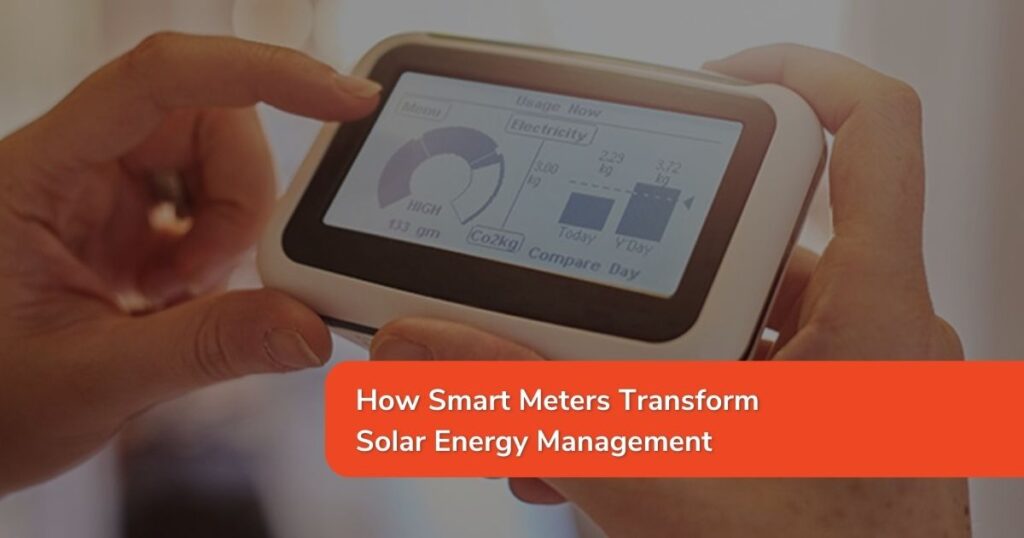
How Smart Meters Transform Solar Energy Management Smart Energy Answers June 3, 2026 Australia’s abundant sunshine makes it an ideal environment for harnessing solar power, and the country has seen remarkable growth in the adoption of solar energy systems. However, reaping the full benefits of solar technology requires more than just installing panels. Smart meters are becoming crucial tools in revolutionising how households and businesses manage their solar energy production and consumption. This article explores the impact of smart meters on solar energy management in the land down under. Understanding Smart Meters and Their Role in Solar Energy Management Smart meters are advanced energy meters that not only measure your electricity usage but also communicate that information back to your energy provider in real time. This real-time data empowers consumers to make informed decisions about their energy consumption and production. When combined with solar technologies, smart meters can lead to more efficient energy usage and management. Smart meters make it possible for homeowners and businesses to see precisely when and how much electricity they are using or exporting to the grid. This level of insight allows for better energy planning and a more seamless integration with renewable energy systems, such as solar panels and home battery storage technologies. Benefits of Smart Meters in Solar Energy Management The introduction of smart meters in Australia has brought several key advantages to solar energy management. Real-Time Monitoring of Energy Consumption Gone are the days of waiting for your bi-monthly bill to understand your energy consumption patterns. With a smart meter, you can track your usage in real time using your smartphone or computer. This immediate feedback helps in identifying energy-hungry appliances and behaviours, enabling you to make adjustments that can lead to substantial savings on your energy bill. Improved Energy Efficiency Understanding your consumption patterns is the first step to enhancing your home’s energy efficiency. Smart meters allow for the identification of energy leaks, indicating when electricity is being used unnecessarily or at peak times. This knowledge can drive the implementation of energy-saving practices and the use of appliances during off-peak times when electricity is generally cheaper. Accurate Billing and Cost Savings Smart meters ensure that your energy bills are accurate, reflecting precisely the amount of electricity used or fed back into the grid. This feature is particularly beneficial for solar power system owners, as it guarantees they are credited properly for the excess energy they generate. It also eliminates the risk of overcharging, which can happen sometimes with conventional meters due to estimated readings. Integration with Renewable Energy Sources Smart meters are essential for efficiently integrating solar panels and battery storage systems. They can detect when it’s optimal to use solar energy, store it, or feed it back into the grid, promoting a more robust and sustainable energy supply. Challenges and Considerations While the benefits of smart meters in the context of solar energy management are significant, there are also challenges to consider. Cost of Installation and Implementation Upfront installation costs can be a barrier for some consumers. While smart meters can lead to long-term savings, the initial outlay can be a deterrent, especially for those who have recently invested in solar panel systems. Privacy and Data Security Concerns Smart meters collect a wealth of data about your energy consumption, and this information must be kept secure. There have been concerns raised about data privacy in relation to smart meters, and it’s important for consumers to understand how their data is being used and protected. Regulatory and Policy Considerations The integration of smart meters into the energy network requires clear regulations and policies to ensure fair usage and data sharing. It also involves issues of network stability and grid management, which require careful consideration. Future Outlook As technology continues to evolve, the role of smart meters in Australia’s solar energy landscape is set to expand even further. Emerging Trends in Smart Meter Technology In the coming years, smart meters will likely become more sophisticated, incorporating new technologies such as artificial intelligence and Internet of Things, or IoT, connectivity. This could lead to even more precise energy consumption insights and more advanced control over energy use. Potential Impact on the Solar Energy Industry in Australia Smart meters can potentially stream energy consumption and solar production data to renewable energy service providers, fostering the growth of innovative energy service models. This could lead to a more dynamic and competitive solar energy market, benefiting both consumers and service providers alike. Conclusion Smart meters are an indispensable part of the modern solar energy ecosystem in Australia, offering a range of benefits from detailed energy insights to efficient energy usage. While there are challenges, as with any new technology, the potential for smart meters to transform the way Australians manage their solar energy is immense. As households and businesses continue to adopt solar technologies, the integration of smart meters will be a key driver in maximising the economic and environmental benefits of solar power. As we look to a future powered more and more by renewable energy, it’s clear that smart meters will play a pivotal role in shaping how we all interact with and manage our energy consumption. For those on the fence about investing in a smart meter, the long-term potential for saving money and contributing to a more sustainable energy future is certainly worth considering.
Unleashing IoT Applications in Smart Metering
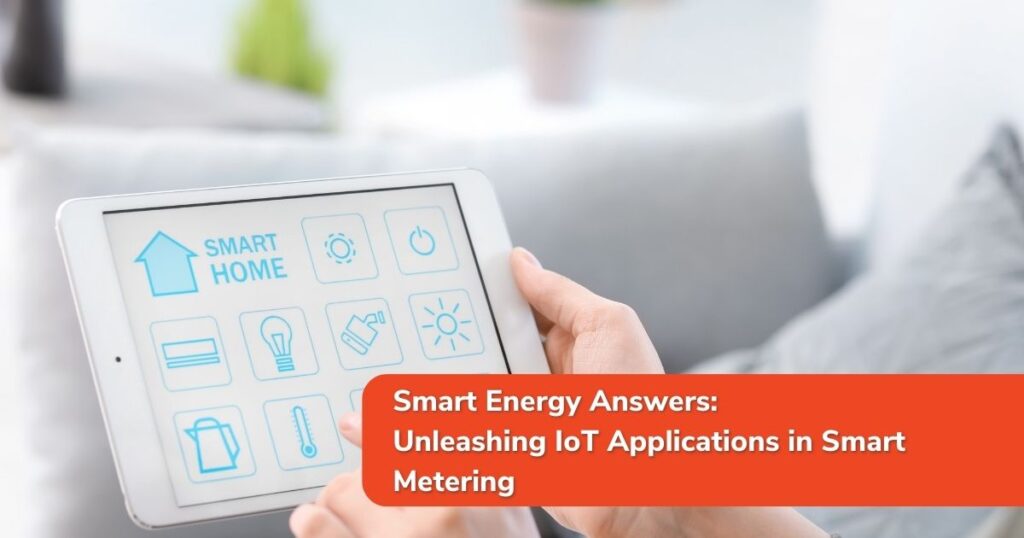
Unleashing IoT Applications in Smart Metering Smart Energy Answers June 3, 2026 Discover the latest advancements in Internet of Things, or IoT, technology and how they are revolutionising smart metering in Australia. Significance of Internet of Things, IoT, in Revolutionising Smart Metering Systems The Internet of Things, or IoT, has brought about significant advancements in the field of smart metering systems. IoT technology enables the seamless integration of various devices, sensors, and networks, allowing for efficient monitoring and management of energy consumption. By connecting smart meters to the internet, utility providers and consumers can access real-time data on energy usage, enabling them to make informed decisions and optimise energy consumption. Overview of the Guide’s Focus on Unleashing IoT Applications in the Realm of Smart Metering This guide aims to explore the various IoT applications in the realm of smart metering and shed light on their potential benefits. It will delve into the role of IoT in enabling real-time monitoring, proactive maintenance, and demand response programs. By providing an overview of IoT-enabled interfaces and interoperability between different devices and platforms, this guide aims to showcase the vast potential of IoT technology in revolutionising the field of smart metering. Explanation of Smart Metering Systems and Their Role in Tracking Energy Consumption Smart metering systems play a crucial role in tracking energy consumption. These systems utilise advanced technologies to measure and record energy usage at regular intervals. By collecting accurate and real-time data, smart meters enable utility providers and consumers to gain insights into their energy consumption patterns. This information can then be used to identify areas of improvement and implement energy-saving measures. Importance of Integrating IoT Sensors, Devices, and Networks into Smart Metering Infrastructure Integrating IoT sensors, devices, and networks into smart metering infrastructure is of utmost importance. These IoT components enable seamless communication and data exchange between smart meters and other devices, creating a connected ecosystem. By integrating IoT technology, smart metering systems can achieve greater accuracy, efficiency, and reliability in monitoring and managing energy consumption. Importance of Real-Time Monitoring for Proactive Energy Management and Optimisation Real-time monitoring is vital for proactive energy management and optimisation. With IoT-enabled smart metering systems, utility providers and consumers can access real-time data on energy consumption. This allows for immediate identification of abnormal energy usage patterns or potential issues, enabling proactive measures to be taken. Real-time monitoring also empowers consumers to make informed decisions regarding their energy usage, leading to optimised energy consumption and cost savings. Allowing Utility Providers and Consumers to Monitor Energy Usage and Performance from Anywhere One of the key benefits of IoT-enabled smart metering systems is the ability to monitor energy usage and performance from anywhere. Through connected interfaces and mobile applications, utility providers and consumers can access real-time data on energy consumption, even when they are not physically present at the premises. This remote monitoring capability provides convenience, flexibility, and greater control over energy management. Importance of Proactive Maintenance in Ensuring the Reliability and Longevity of Smart Metering Systems Proactive maintenance plays a crucial role in ensuring the reliability and longevity of smart metering systems. By leveraging IoT technology, smart meters can be continuously monitored for performance and potential issues. This allows for timely maintenance and repairs, reducing the risk of system failures and ensuring uninterrupted energy monitoring. Proactive maintenance also contributes to the overall reliability and efficiency of smart metering infrastructure. Implementing Demand Response Programs Facilitated by IoT-Enabled Smart Meters IoT-enabled smart meters enable the implementation of demand response programs, which are crucial for balancing energy supply and demand. By integrating IoT technology, utility providers can communicate with smart meters to manage and control energy consumption during peak demand periods. This helps to alleviate strain on the electrical grid and prevent blackouts. Demand response programs also empower consumers to actively participate in energy conservation efforts. Providing Customers with Access to Detailed Energy Usage Information Through IoT-Enabled Interfaces IoT-enabled interfaces provide customers with access to detailed energy usage information. Through user-friendly interfaces and mobile applications, consumers can view real-time data on their energy consumption, allowing for better understanding and control of their energy usage. This transparency promotes energy conservation and empowers consumers to make informed decisions regarding their energy consumption habits. Ensuring Interoperability Between Different IoT Devices, Protocols, and Platforms for Seamless Integration Ensuring interoperability between different IoT devices, protocols, and platforms is crucial for seamless integration in smart metering systems. By standardising communication protocols and promoting compatibility between devices and platforms, the full potential of IoT technology in the field of smart metering can be realised. This calls for collaboration and cooperation among stakeholders to establish common standards and ensure interoperability. Conclusion IoT technology is transforming smart metering by making energy monitoring more connected, accurate, and actionable. With real-time insights, remote access, proactive maintenance, demand response capabilities, and seamless integration between devices, smart metering systems can help utilities and consumers manage energy more efficiently. As Australia continues to modernise its energy infrastructure, IoT-enabled smart metering will play an important role in creating a more reliable, transparent, and sustainable energy future.
Automating Smart Homes for Maximum Solar Energy Utilisation
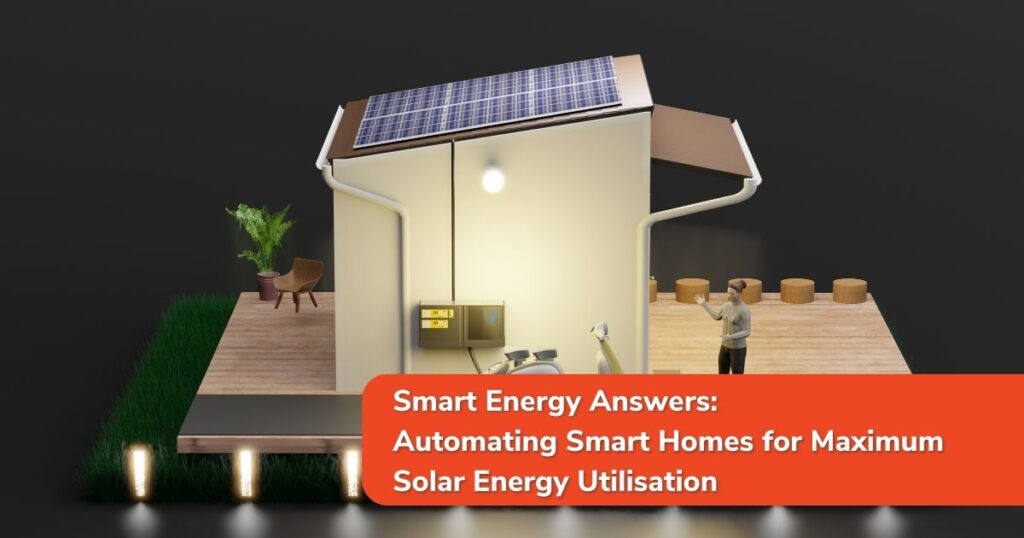
Automating Smart Homes for Maximum Solar Energy Utilisation Smart Energy Answers June 3, 2026 Discover How to Efficiently Automate Smart Homes to Make the Most Out of Solar Energy Utilisation Significance of Energy Monitoring in Optimising Solar Usage Energy monitoring plays a crucial role in optimising solar usage in smart homes. By constantly tracking and analysing energy consumption patterns, homeowners can gain valuable insights into their solar energy utilisation. This information allows them to make informed decisions and adjustments to maximise the efficiency of their solar energy systems. With energy monitoring, homeowners can identify areas where energy is being wasted or under-utilised, enabling them to take appropriate steps to optimise their solar usage. How Smart Energy Monitors Track Solar Usage Smart energy monitors are sophisticated devices that track and measure solar energy usage in smart homes. These monitors are connected to the solar energy system and provide real-time data on the amount of energy being generated and consumed. They use advanced algorithms to analyse the data and provide insights into solar energy usage patterns. Smart energy monitors can track the energy generated by the solar panels, energy consumed by different appliances, and overall energy usage trends. This information helps homeowners understand how their solar energy system is performing and identify opportunities for optimisation. Identifying Opportunities for Optimising Energy Usage and Efficiency By monitoring and analysing energy usage data, homeowners can identify opportunities for optimising energy usage and improving efficiency. They can identify appliances or devices that consume excessive energy and take steps to reduce their usage or replace them with more energy-efficient alternatives. Homeowners can also adjust their energy usage patterns based on solar energy availability to make the most out of the free energy generated by their solar panels. By identifying and implementing these optimisation opportunities, homeowners can significantly increase their solar energy utilisation and reduce their reliance on grid power. Monitoring Household Energy Usage and Appliance Consumption Smart energy monitoring systems enable homeowners to monitor their household energy usage and track the consumption of individual appliances. This information provides valuable insights into energy consumption patterns and helps homeowners identify energy-intensive appliances or devices. By monitoring appliance consumption, homeowners can make informed decisions about their energy usage and identify opportunities for energy-saving measures. They can also identify malfunctioning appliances or devices that may be consuming excessive energy and take corrective actions. Importance of Interoperability and Open Communication Standards Interoperability and open communication standards are crucial for the efficient automation of smart homes for solar energy utilisation. These standards ensure that different smart devices and systems can seamlessly communicate and exchange data. By adopting interoperable devices and systems, homeowners can integrate their smart energy monitoring systems with other smart devices, such as smart thermostats and smart lighting systems. This integration allows for better coordination and control of energy usage, leading to optimised solar energy utilisation. Adjusting Energy Settings and Schedules from Anywhere for Optimal Usage One of the key benefits of smart energy monitoring systems is the ability to adjust energy settings and schedules from anywhere for optimal usage. Homeowners can remotely control their smart devices and appliances based on solar energy availability and their energy usage preferences. For example, they can schedule their appliances to run during peak solar energy production hours, thereby maximising the utilisation of solar energy. This flexibility and control enable homeowners to make the most out of their solar energy systems and optimise their energy usage. Empowering Users to Implement Energy-Saving Measures for Long-Term Benefits Smart energy monitoring systems empower users to implement energy-saving measures for long-term benefits. By providing real-time energy usage data and insights, these systems enable homeowners to monitor their energy consumption and identify areas for improvement. Homeowners can make informed decisions about their energy usage and implement energy-saving measures, such as adjusting thermostat settings, using energy-efficient appliances, or installing energy-saving features. By adopting these measures, homeowners can not only maximise their solar energy utilisation but also enjoy long-term energy cost savings and reduce their environmental impact. Importance of Historical Data for Evaluating System Performance Historical data plays a crucial role in evaluating the performance of the smart energy monitoring system and identifying areas for improvement. By analysing historical energy usage data, homeowners can identify trends, patterns, and anomalies in their energy consumption. This information helps them evaluate the effectiveness of their solar energy system and identify areas where further optimisation is required. Historical data also enables homeowners to track the impact of their energy-saving measures and make data-driven decisions for continuous improvement. Compliance with Data Protection Regulations and Standards Compliance with data protection regulations and standards is essential when implementing smart energy monitoring systems. Homeowners must ensure that their data is protected and handled in accordance with relevant privacy laws and regulations. This includes implementing robust security measures to safeguard the data collected by the monitoring system. By complying with data protection regulations and standards, homeowners can have peace of mind knowing that their energy usage data is secure and their privacy is protected. Recap of the Benefits and Features of Smart Energy Monitoring for Solar Usage In summary, smart energy monitoring systems offer numerous benefits and features for optimising solar usage in smart homes. They provide real-time energy usage data and insights, enable remote control of energy settings, empower users to implement energy-saving measures, and facilitate the evaluation of system performance. By maximising solar energy utilisation, homeowners can reduce their reliance on grid power, save on energy costs, and contribute to a more sustainable future. Take the first step towards efficient solar energy utilisation by implementing a smart energy monitoring system in your smart home today.
The Basics of Solar Energy and Smart Metering
The Basics of Solar Energy and Smart Metering Smart Energy Answers June 3, 2026 Australia, with its abundant sunshine and growing interest in renewable energy, is in an ideal position to harness the power of the sun. For Australian homeowners and eco-conscious consumers, understanding the basics of solar energy and smart metering can be a gateway to a more sustainable lifestyle and, in many cases, significant cost savings. Here, we delve into the essentials of solar energy and how smart metering is transforming the way we use it. A Glance at Solar Energy and Its Significance in Australia Renewable energy, and specifically solar power, is gaining substantial traction in Australia’s energy landscape. With vast areas of the country benefiting from high solar irradiance, it’s no wonder that solar energy is surging ahead. About 32% of Australia’s electricity is generated from renewable sources, with solar leading the charge. The Growth of Solar Energy in Australia As of 30 September 2023, Australia has over 3.60 million PV installations, with a combined capacity of 32.9 GW. Solar energy in Australia has seen remarkable growth, with a 15% market growth between 2001 and 2010. The period between 2010 and 2013 experienced rapid growth, driven by decreasing solar technology costs and government incentives like feed-in tariffs and rebates. Benefits for Homeowners For homeowners, the benefits of solar energy are multifold. Not only does solar power reduce reliance on the grid, but it can also lead to significant reductions in electricity bills, add value to the home, and contribute to the reduction of greenhouse gas emissions. Understanding Solar Technology Before delving into smart metering’s role, it’s important to comprehend the underlying technology of solar panels. How Solar Energy Works Solar photovoltaic, or PV, systems work by capturing the sun’s energy using photovoltaic cells that convert sunlight into electricity. This direct current, or DC, electricity is then converted to alternating current, or AC, power, the standard for residential and commercial electrical systems, utilising an inverter. Additionally, solar batteries can be used to store excess electricity generated by the PV system for later use, providing a reliable and sustainable source of power even when the sun is not shining. Types of Solar Panels and Their Efficiency The most common types of solar panels include monocrystalline, polycrystalline, and thin-film. Each has its own set of characteristics and efficiencies. Monocrystalline panels are typically the most efficient and durable, but also the most expensive. Polycrystalline panels are slightly less efficient but more cost-effective. Thin-film panels are the least expensive and flexible, making them suitable for certain applications but with lower efficiencies. Smart Metering’s Role in Solar Energy Smart meters play an essential role in maximising the benefits of solar energy. These devices measure and record electricity usage in real time, providing accurate data that enables households and businesses to monitor their energy consumption and make more informed decisions about when to use electricity from the grid or from their solar PV system. Exploring Solar Systems and Their Variants There are three primary types of solar energy systems that you can install, each catering to different energy needs and circumstances. Grid-Connected Systems Grid-connected systems are the most common, allowing for energy storage in the grid thanks to a two-way connection that enables the export of surplus energy and the import of power when solar availability is limited. Off-Grid Systems Off-grid, or standalone solar systems, are independent of the main electricity grid and are used in remote areas where grid connection is either unavailable or too expensive. Hybrid Systems A hybrid solar system combines the best of both worlds: the convenience of grid energy and the independence of off-grid systems. They are increasingly popular with homeowners looking for a more balanced approach to their energy needs. The Role of Smart Metering in Solar Power Smart metering is an integral part of the energy transition, enabling more efficient monitoring, management, and use of solar energy. What Is Smart Metering? A smart meter is a digital device that records energy usage in short intervals and communicates this information to your energy provider for billing and system balancing. Advantages of Smart Metering Smart metering brings several advantages, including accurate billing, the ability to track real-time energy consumption, and access to time-of-use tariffs that incentivise energy use during solar peak times. Enabling Efficient Solar Energy Management For homes with solar installations, smart metering provides insights into when energy generation is at its peak, allowing for the optimisation of energy usage and storage to reduce dependency on the grid. Government Support and Incentives for Solar Adoption In Australia, there are various financial incentives designed to encourage the uptake of solar energy. Overview of Government Programs The Australian government offers several programmes, such as the Small-scale Renewable Energy Scheme, which provides financial incentives to support the installation of solar PV systems. Feed-In Tariffs and Rebates Solar feed-in tariffs enable homeowners to be paid for the surplus energy they export to the grid. Additionally, there are government rebates that provide upfront financial assistance for the purchase and installation of solar systems. In Closing, The Future is Bright with Solar Energy The adoption of solar energy in Australia has a positive impact on the environment and is economically beneficial for homeowners. With the integration of smart metering, the future of solar power looks brighter than ever before. As technology continues to advance and government initiatives evolve, there has never been a better time for Australians to consider the sun as a reliable and sustainable source of energy. Contact us today at Smart Energy Answers and we’ll help you get started on your solar journey and make an informed decision.
Understanding Smart Metering in Solar Systems
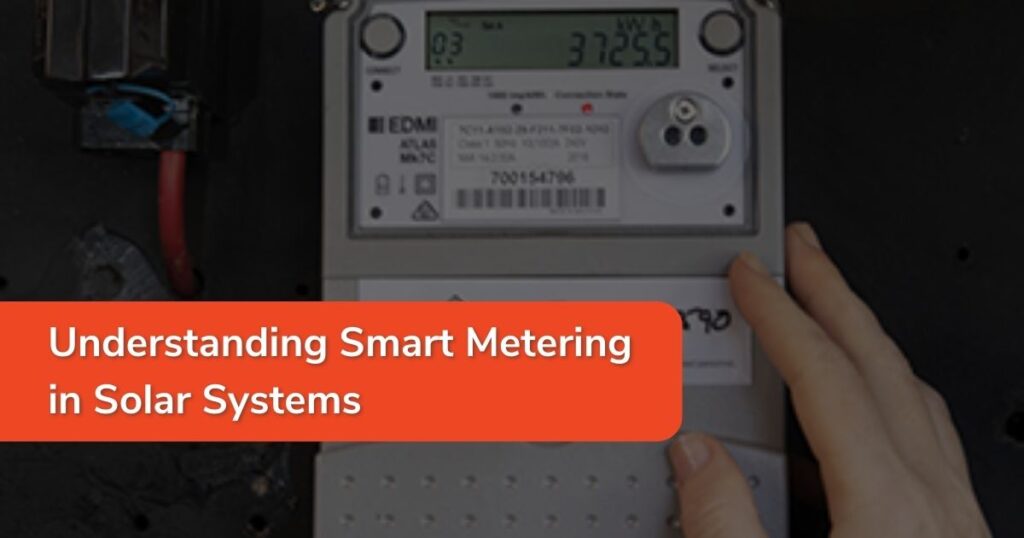
Understanding Smart Metering in Solar Systems Smart Energy Answers June 3, 2026 Australia, the land of sunshine and stunning beaches, is also embracing a brighter future with the rapid adoption of solar panels. But harnessing the sun’s power isn’t just about installing panels. It’s about understanding how you use and manage that energy. That’s where smart metering comes in, playing a crucial role in empowering homeowners like you to make informed choices and maximise the benefits of your solar investment. Unveiling the Mystery of Smart Meters Imagine a traditional meter as a silent observer, simply recording your total electricity consumption. Now, envision a smart meter as an informative companion, consistently offering insights into your energy utilisation. This digital marvel measures both the electricity you consume from the grid and the solar energy you generate, providing real-time data on a two-way street. It’s like having a transparent window into your home’s energy flow, allowing you to see where your power comes from and where it goes. Types of Smart Meters in Australia Just like smartphones come in different models, so do smart meters. In Australia, you’ll typically encounter single-phase meters for most homes and three-phase meters for larger properties. Some advanced meters offer additional functionalities like time-of-use monitoring, giving you even deeper insights into your energy habits. Whether you’re a tech enthusiast or simply value control, there’s a smart meter out there that fits your needs. How Smart Meters and Net Metering Work Together Think of net metering as a cosmic barter system. Your solar panels generate electricity, and the excess you don’t use gets sent back to the grid. Your smart meter acts as a meticulous accountant, keeping track of this surplus energy. This exported solar power is then credited to you, reducing your electricity bill. It’s a win-win situation: you save money, and the grid gets a clean energy boost. Feed-In Tariffs: Another Sunshine Bonus Some states in Australia offer feed-in tariffs, essentially paying you for every unit of solar energy you generate that gets sent back to the grid. Your smart meter becomes your personal accountant in this case, meticulously tracking your solar production and potential earnings. Think of it as a bonus thank you from the sun for embracing its clean energy. Unlocking the Benefits of Smart Metering With smart meter data at your fingertips, you gain superpowers over your energy consumption. Here’s how: Transparency and Control: See your energy usage in real time, understand peak consumption periods, and identify areas for optimisation. Cost Savings: Maximise solar self-consumption to reduce grid reliance and potentially lower your electricity bills. Smart meters help you identify opportunities to shift energy usage to off-peak hours, taking advantage of lower tariffs where available. Comfort and Convenience: Remotely monitor and manage your energy usage through apps or online platforms. Imagine turning on your washing machine when the sun is at its peak, or automatically pre-cooling your home before you arrive. Smart meters make you the master of your energy domain. Addressing Common Concerns While smart metering offers incredible benefits, some concerns might cloud your sunny outlook. Privacy is paramount, and Australian regulations ensure your data is secure and protected. You have control over what data is shared and with whom. Regarding costs, installation of basic smart meters is often covered by your energy provider. Advanced features or monitoring services might incur additional charges, but the long-term cost savings often outweigh these initial investments. Conclusion Understanding smart metering unlocks the full potential of your solar investment. It’s like having a roadmap to a brighter, more sustainable future. By harnessing the power of data and technology, you can make informed choices, optimise your energy usage, and enjoy the financial and environmental benefits of going solar. Ready to take the next step? Talk to our energy experts today. They can provide expert guidance and help you make informed decisions about smart metering and solar solutions for your home. Together, let’s turn sunshine into empowered energy choices.
Optimising Energy Consumption with Solar Smart Metering
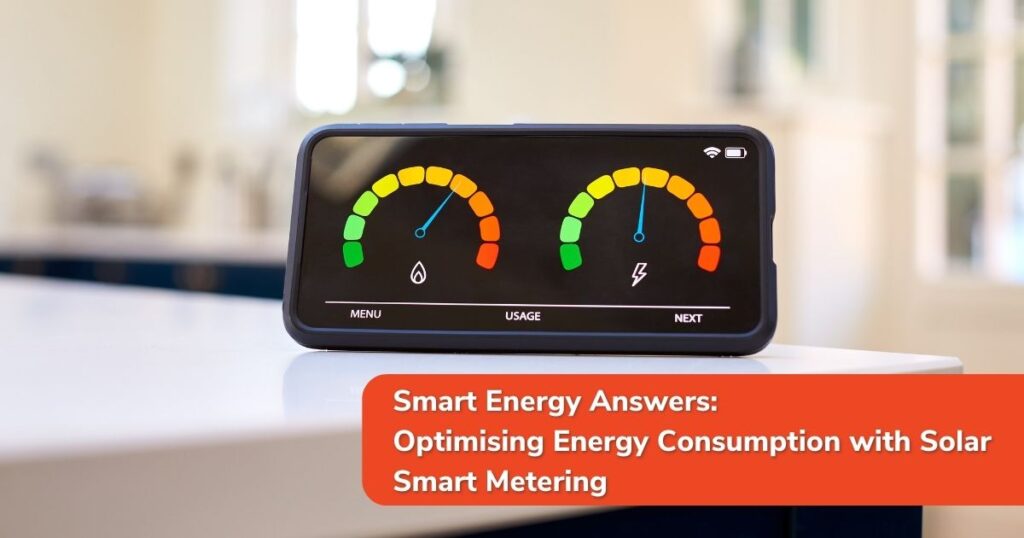
Optimising Energy Consumption with Solar Smart Metering Smart Energy Answers June 4, 2026 Discover How Solar Smart Metering Can Revolutionise Energy Consumption Discover how solar smart metering can revolutionise energy consumption and promote sustainable living. Understanding Solar Smart Metering Technology Solar smart metering technology involves the use of advanced meters that track energy consumption in real time. These meters are equipped with communication capabilities to provide detailed insights into solar energy generation and usage patterns. By understanding solar smart metering technology, users can monitor their energy consumption more efficiently, leading to better management of energy resources and cost savings. Benefits of Solar Smart Metering One of the key benefits of solar smart metering is the ability to accurately measure solar energy generation and consumption. This data helps users optimise their energy usage, reduce waste, and lower electricity bills. Additionally, solar smart metering promotes sustainability by encouraging the adoption of renewable energy sources and reducing reliance on non-renewable resources. Challenges and Solutions in Implementing Solar Smart Metering While solar smart metering offers numerous advantages, there are challenges in its implementation, such as initial costs, compatibility issues, and data security concerns. However, these challenges can be addressed through proper planning, investment in technology, and data encryption protocols. By overcoming these challenges, the implementation of solar smart metering can be smooth and beneficial for both consumers and energy providers. Case Studies on Energy Consumption Reduction with Solar Smart Metering Several case studies have shown significant reductions in energy consumption through the use of solar smart metering. For example, households and businesses that have adopted this technology have reported up to a 20% decrease in their energy bills and a more efficient use of solar-generated electricity. These real-life examples demonstrate the positive impact of solar smart metering on energy consumption and highlight its potential for widespread adoption. Future Prospects of Solar Smart Metering The future of solar smart metering looks promising, with advancements in technology and increasing awareness about energy conservation. As more countries and communities embrace renewable energy solutions, solar smart metering is expected to play a crucial role in achieving sustainable energy goals. With ongoing research and development, solar smart metering is poised to revolutionise energy consumption patterns and contribute to a greener, more environmentally friendly future.