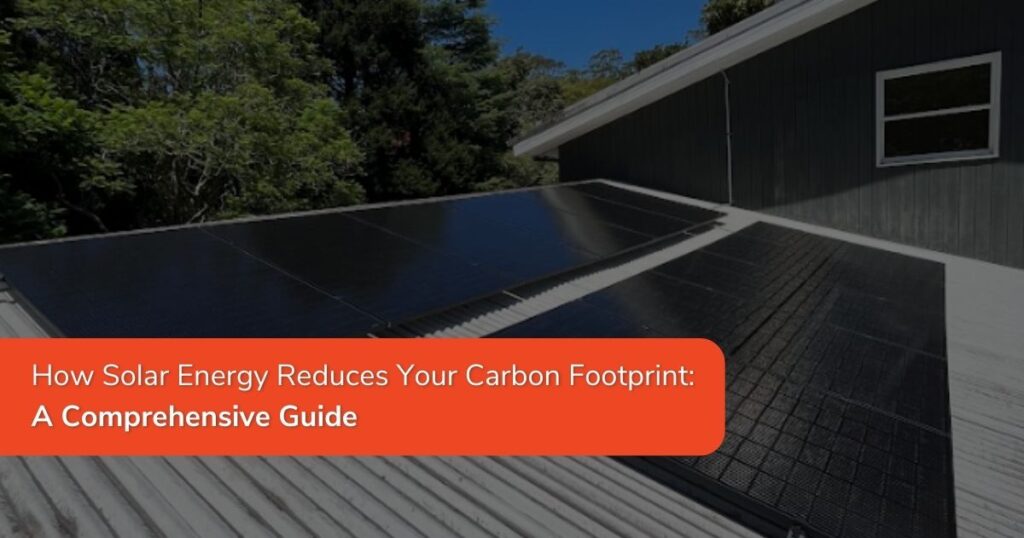
How Solar Energy Reduces Your Carbon Footprint: A Comprehensive Guide
How Solar Energy Reduces Your Carbon Footprint: A Comprehensive Guide Smart Energy Answers June 4, 2026 Australia, at the forefront of the renewable energy revolution, is embracing sustainable solutions to combat climate change. Did you know that as of the latest data, Australia ranks among the top nations for installed solar capacity, with over 30% of households harnessing the power of the sun? Aussies are leading the charge towards a cleaner, greener future, and in this comprehensive guide, we’ll explore how solar energy can significantly minimise your carbon footprint. Understanding Carbon Footprint Before we delve into the positive impacts of solar energy, let’s get a grip on what a carbon footprint is. Simply put, it’s the total amount of greenhouse gases, particularly carbon dioxide, that is directly or indirectly produced by an individual, organisation, event, or product. The bad effects of a high carbon footprint include contributing to global warming, climate change, and environmental degradation. Australians are becoming increasingly aware of their carbon footprints and are seeking ways to minimise their environmental impact. Solar Energy: A Clean and Renewable Power Source Australia’s commitment to renewable energy is evident in the rapid adoption of solar power. With over 3.6 million solar installations nationwide, Australia is not only reducing its reliance on traditional energy sources but is also making significant strides towards the national goal of achieving net-zero emissions by 2050. Smart Energy Answers is at the forefront of this movement, transforming roofs into powerhouses of green energy and providing a reliable, eco-friendly alternative to traditional electricity sources. Reducing Dependence on Fossil Fuels Addressing Australia’s historical reliance on fossil fuels for energy needs, which often includes sources like coal, oil, and natural gas, solar panels emerge as a crucial catalyst in breaking free from this dependency. By transforming sunlight into electricity, solar panels actively reduce the demand for these non-renewable resources, mitigating the carbon footprint associated with their extraction and combustion. For instance, coal, a prevalent fossil fuel in Australia, not only contributes to greenhouse gas emissions when burned but also poses environmental challenges during extraction and transportation. Embracing solar energy not only curtails reliance on such sources but also champions a sustainable path towards a cleaner, greener future. Lowering Greenhouse Gas Emissions Solar power systems stand out for their ability to generate electricity with significantly fewer greenhouse gas emissions than traditional power sources. Greenhouse gases, such as carbon dioxide, methane, and nitrous oxide, trap heat in the Earth’s atmosphere, contributing to the greenhouse effect and global warming. Unlike conventional energy sources that release substantial amounts of these gases, solar energy production produces minimal emissions, making it a key player in mitigating climate change. Financial Incentives and Savings Opting for solar energy not only brings environmental benefits but also offers substantial financial advantages. By generating electricity that offsets or eliminates the need for grid-supplied power, solar panels can significantly reduce monthly electricity bills, providing a shield against potential future price increases. The Australian government’s financial incentives and rebates further enhance the economic appeal of transitioning to solar power. Beyond cost savings, the installation of solar panels adds value to homes, attracting potential buyers with the promise of reduced operating costs and a positive environmental footprint. Conclusion In summary, the adoption of solar energy presents Australians with an opportunity to play a vital role in environmental conservation by significantly diminishing their carbon footprint. By tapping into the sun’s energy, individuals not only contribute to fostering a sustainable future but also reap financial rewards. Take the first step towards a greener and cleaner Australia with Smart Energy Answers, your trustworthy solar energy solutions provider. Together, let’s create a brighter, more sustainable future for generations to come.
Cutting-Edge Solar Tech: What’s New in Home Solar Systems?
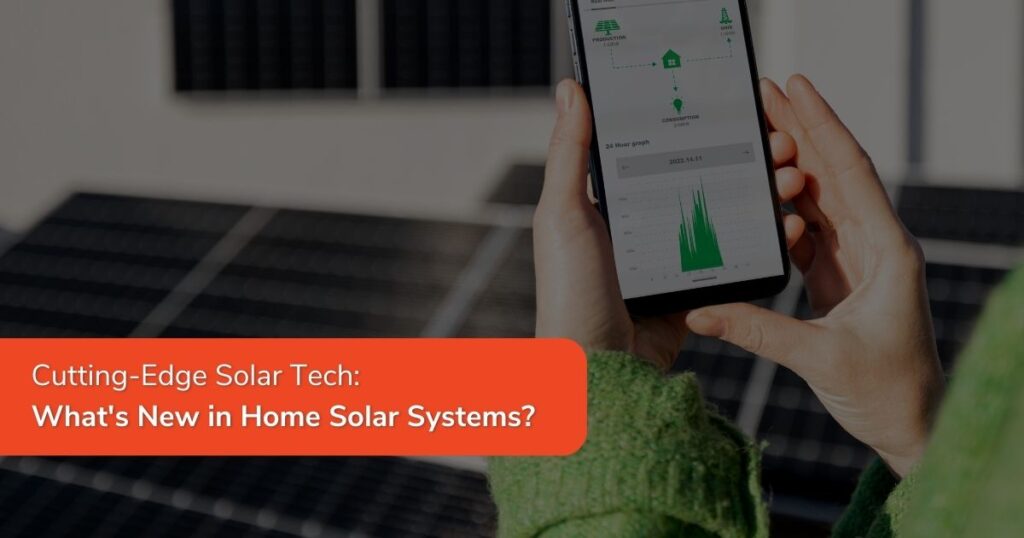
Cutting-Edge Solar Tech: What’s New in Home Solar Systems? Smart Energy Answers June 4, 2026 Australia, at the forefront of the global solar revolution, is seeing remarkable advancements in home solar systems. This article explores innovations that are making solar energy more accessible and efficient for residents, while shaping the future of solar power in Australian homes. Advancements in Solar Panel Technology Solar panels are the heart of any solar energy system, and recent breakthroughs have focused on enhancing their efficiency. Monocrystalline panels, known for their higher efficiency, are now competing with polycrystalline counterparts. Additionally, Passivated Emitter Rear Cell, or PERC, technology has emerged, improving the efficiency of solar cells by optimising light absorption. Flexible solar panels have also gained attention, offering lightweight and versatile options. These can be easily integrated into unique roof structures, expanding possibilities for solar installations. Energy Storage Innovations As solar panels generate energy, efficient storage becomes crucial. Next-generation lithium-ion batteries are extending energy density and lifespan, ensuring consistent power supply even during cloudy days. Smart energy management systems, with artificial intelligence, or AI, integration, allow for optimal energy usage, with remote monitoring and control. Smart Inverters, Microinverters, and Module-Level Power Electronics Inverters play a pivotal role in converting direct current, or DC, generated by solar panels into usable alternating current, or AC. Smart inverters are now becoming commonplace, enhancing system efficiency. Microinverters, which optimise the performance of individual panels, offer increased system reliability. Furthermore, the integration of Module-Level Power Electronics, or MLPE, allows for greater control and efficiency at the panel level, ensuring maximum energy harvest. Solar Tracking Systems Solar tracking technology is evolving to maximise energy output. Dual-axis and single-axis tracking systems adjust the angle of solar panels to follow the sun’s path. These automated tracking systems are particularly beneficial for homes in Australia, where sunlight intensity varies throughout the day. Integration of Internet of Things The Internet of Things, or IoT, is revolutionising solar energy systems by enabling real-time monitoring and control through mobile apps. Homeowners can track energy production, consumption patterns, and system health, empowering them to make informed decisions for optimal efficiency. Data analytics further contribute to improved performance over time. Solar Shingles and Building-Integrated Photovoltaics Aesthetics meet functionality with solar shingles and Building-Integrated Photovoltaics, or BIPV, seamlessly integrating solar technology into roofing materials. These solutions not only enhance the visual appeal of homes but also contribute to environmental sustainability. Solar Innovations for Harsh Australian Conditions Australia’s diverse climate demands solar solutions that can withstand extreme conditions. Resilient solar panels, equipped with heat tolerance and cooling mechanisms, ensure consistent performance in scorching temperatures. Dust and dirt-resistant coatings reduce maintenance costs while maintaining optimal efficiency. Community Solar Initiatives Community solar programmes are gaining popularity, allowing residents to share the benefits of solar energy. By participating in shared solar initiatives, homeowners can lower initial costs and collectively contribute to sustainable energy production. Future Trends in Home Solar Systems Looking ahead, the future of home solar systems in Australia is promising. Emerging technologies on the horizon, coupled with the integration of artificial intelligence and machine learning, are poised to reshape the solar landscape. These advancements not only enhance energy efficiency but also have positive environmental and economic implications. Conclusion In conclusion, the rapid evolution of home solar systems in Australia is marked by technological innovations that enhance efficiency, reliability, and sustainability. As we look towards the future, embracing these cutting-edge technologies will not only benefit individual homeowners but also contribute to the broader shift towards a greener and more sustainable energy landscape in Australia. It’s an exciting time for residential solar users as they witness and participate in the transformation of their energy systems for a brighter and more sustainable future. Ready to switch? Contact our energy experts for a customised solution and make an informed decision for your home’s sustainable future.
Introduction to Smart Homes and Solar Energy
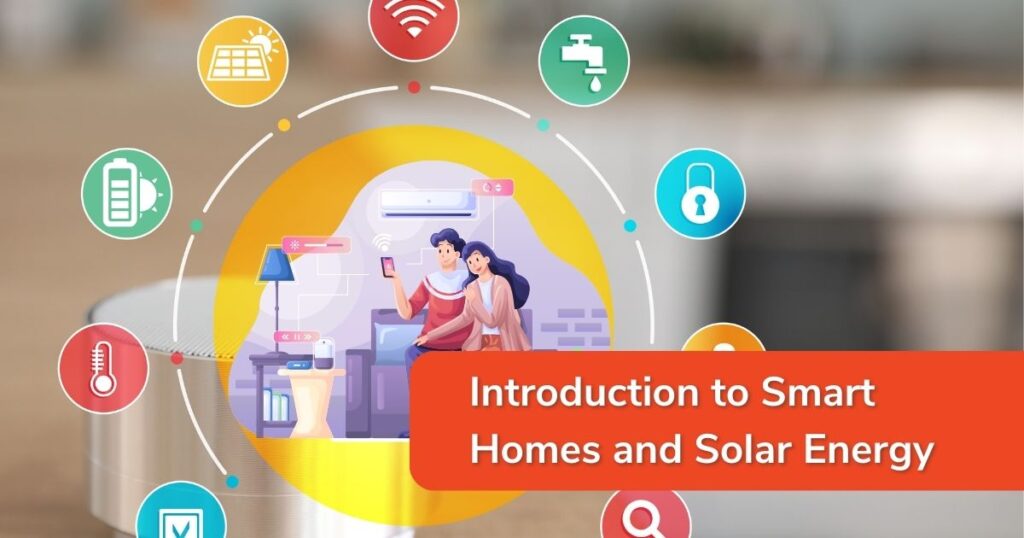
Introduction to Smart Homes and Solar Energy Smart Energy Answers June 4, 2026 The advent of smart homes and the increasing focus on sustainable living have transformed the way Australians approach residential living. In recent years, the integration of smart home technology with solar energy solutions has gained significant traction, offering residents a more efficient and environmentally conscious lifestyle. This article provides an insightful overview of these innovative technologies, emphasising their benefits and considerations for residential users in Australia. Understanding Smart Homes Smart homes, a concept steadily gaining popularity, refer to residences equipped with advanced automation systems that enhance the overall living experience. Key components include home automation, security systems, energy management, and entertainment systems. The integration of these technologies enables residents to control and monitor various aspects of their homes remotely. From adjusting the thermostat to enhancing security through smart locks, the possibilities are vast. The benefits of adopting smart home technology are manifold. Not only does it enhance convenience and security, but it also contributes to energy efficiency. Residents can automate lighting, heating, and cooling systems, ensuring optimal energy usage. Smart homes foster a more streamlined and interconnected living space, ultimately enhancing the quality of life for occupants. Solar Energy in Australia Australia, renowned for its abundant sunlight, holds immense potential for harnessing solar energy. With a climate conducive to solar power generation, residential users in Australia can tap into this renewable resource to meet their energy needs. Solar energy systems consist primarily of solar panels, which convert sunlight into electricity, and battery storage, enabling efficient energy management. The importance of embracing renewable energy sources, such as solar power, cannot be overstated. As the world grapples with the consequences of climate change, adopting sustainable energy solutions becomes imperative. Solar energy, being a clean and renewable resource, plays a crucial role in mitigating environmental impact. Integration of Smart Homes and Solar Energy The synergy between smart home technology and solar energy systems is evident in the way they complement each other. Smart home devices allow users to monitor and control their energy consumption, providing a granular understanding of usage patterns. This integration facilitates more informed decision-making, promoting efficient energy use. Solar-powered smart homes boast several advantages. By harnessing solar energy, residents can reduce their carbon footprint, contributing to a greener environment. Additionally, the integration of smart devices optimises energy consumption, leading to long-term cost savings. The ability to monitor and control energy usage empowers residents to adopt a more sustainable and economically viable lifestyle. Key Components of a Solar-Powered Smart Home The foundation of a solar-powered smart home relies on its key components, each playing a crucial role in creating an efficient and sustainable energy system. Solar panels, strategically positioned to capture sunlight, effortlessly convert solar energy into electricity. Battery storage ensures surplus energy is carefully stored for later use, providing a consistent and reliable power supply. Smart metres contribute to efficient energy management by monitoring consumption patterns, offering valuable insights for optimal usage. Additionally, module-level power electronics act as a critical component within the solar system, enhancing performance and ensuring that each solar panel operates at its maximum potential. Lastly, smart appliances further augment the system’s optimisation capabilities, collectively forming a comprehensive solution for residential users. Environmental and Cost Benefits One of the significant advantages of solar-powered smart homes is the reduction in carbon footprint. By relying on solar energy, residents contribute to a cleaner environment, decreasing dependence on traditional, non-renewable energy sources. Long-term cost savings are another compelling factor. While the initial investment may seem substantial, the reduction in energy bills over time significantly offsets these costs. Moreover, government incentives and rebates further encourage homeowners to invest in solar energy solutions. Challenges and Considerations While the benefits are clear, it’s essential to consider the challenges associated with solar-powered smart homes. Initial costs and return on investment are common concerns. However, it’s crucial to view these investments as long-term commitments with substantial environmental and financial returns over time. Maintenance and durability of solar panels also require careful consideration. Regular maintenance ensures optimal performance and longevity, addressing concerns about system sustainability. Compatibility and security concerns with smart home devices should not be overlooked. However, advancements in technology are continuously addressing these issues, making smart homes and solar energy systems more secure and user-friendly. Conclusion In conclusion, the integration of smart home technology with solar energy solutions is a transformative step towards a sustainable and efficient lifestyle for residential users in Australia. From enhanced convenience and security to substantial reductions in carbon footprint and long-term cost savings, the advantages are undeniable. As we anticipate further technological advancements in smart homes and solar energy, residents are encouraged to explore these options for a more environmentally conscious and economically viable living experience. To embark on this journey, enquire with Smart Energy Answers for personalised solutions that empower you to make informed decisions. Embrace the future of sustainable living and enjoy the benefits of smart solar energy solutions tailored to your unique needs.
Solar Energy for Beginners: A Simple Guide to Getting Started
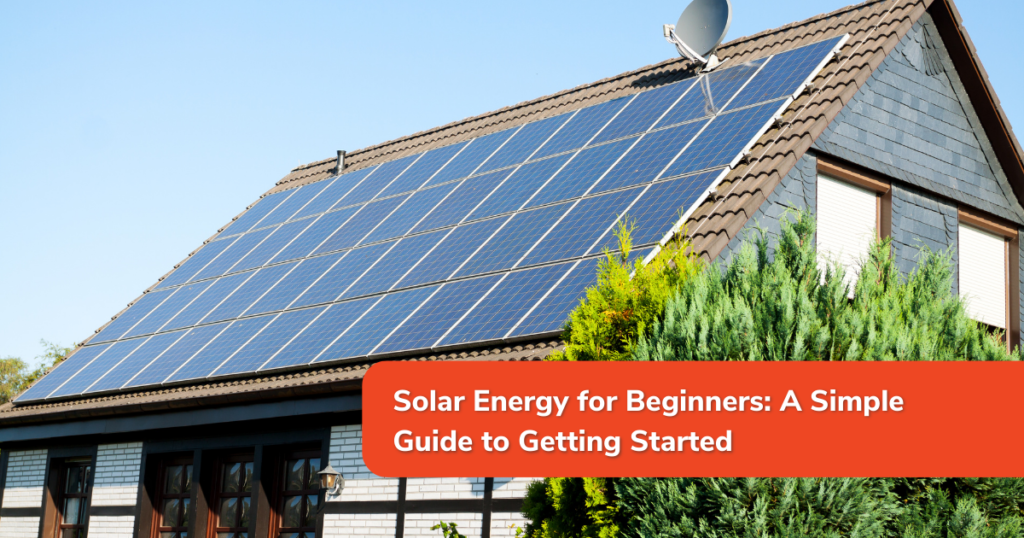
Solar Energy for Beginners: A Simple Guide to Getting Started Smart Energy Answers June 4, 2026 In the heart of Australia’s sun-drenched landscape, solar energy emerges as a beacon of sustainability and cost efficiency for homeowners. This clean energy solution, powered by the sun’s endless rays, stands at the forefront of an eco-friendly revolution, redefining residential energy consumption. With the urgency of environmental conservation and the allure of reduced utility bills, understanding solar energy’s basics becomes indispensable for those considering a greener alternative. What Is Solar Energy? Solar energy represents the pinnacle of harnessing the sun’s power, transforming sunlight into electricity through two primary methods: photovoltaics, or PV, and concentrated solar power, or CSP. This renewable energy source plays a critical role in curbing carbon emissions and reducing our reliance on fossil fuels. Its adoption is a step toward a sustainable future, mitigating the impacts of climate change. Benefits in Australia Australia’s unique geographical position, bathed in abundant sunshine, creates an ideal setting for solar power generation. Homeowners stand to gain substantially, with benefits including reduced electricity bills, enhanced property value, and a significant contribution to environmental preservation. The nation’s solar-friendly climate is not just a matter of convenience but a call to action for sustainable living. The Basics of Solar Power Systems For those new to the solar energy journey, grasping the fundamentals of solar power systems is essential. These systems are marvels of engineering, designed to convert sunlight into electrical power with remarkable efficiency. Components of Solar Systems A typical solar power setup comprises several key components: solar panels, an inverter, battery storage, and a monitoring system. Each element plays a pivotal role in the seamless conversion of solar energy into electricity, ensuring that homes are powered sustainably and efficiently. How Solar Power Works The process begins with solar panels capturing sunlight and converting it into direct current, or DC, electricity. The inverter then transforms this DC into alternating current, or AC, the form of electricity used to power homes. Surplus energy can either be stored in batteries for later use or fed back into the grid, often yielding credits on electricity bills. Evaluating Solar Potential Before taking the leap into solar, assessing your home’s solar potential is a step you cannot skip. This evaluation ensures that your investment is not only wise but tailored to your specific needs. Assessing Your Location Key factors such as roof space, orientation, and potential shading must be considered. In Australia, north-facing roofs are prime real estate for solar panels, capturing maximum sunlight throughout the year. Sunlight Availability in Australia Australia’s generous sunlight hours make it a veritable goldmine for solar energy production. Understanding the sunlight patterns specific to your region can significantly enhance the efficiency of your solar panel installation. Types of Solar Energy Systems Solar energy systems come in two main varieties, each suited to different residential needs and circumstances. Grid-Connected Systems Connected to the national electricity grid, these systems allow homeowners to feed excess energy back, often receiving a credit. This setup is ideal for those looking to reduce their energy bills while staying connected to the grid. Standalone Systems For those in remote locations or preferring complete independence from the grid, standalone or off-grid systems are the answer. These systems require battery storage to ensure a continuous power supply, regardless of sunlight availability. Financial Considerations The decision to go solar is as much a financial consideration as it is environmental. Costs and Savings Though the initial setup cost can be substantial, the long-term savings on energy bills and the added value to your property make solar systems a sound investment. Government Incentives in Australia To encourage the adoption of solar energy, the Australian government offers various incentives, including rebates and feed-in tariffs, reducing the financial burden on homeowners. Choosing the Right Solar Panels The efficiency of your solar system hinges on selecting the appropriate solar panels. Panel Types and Efficiency Solar panels come in different types, such as monocrystalline and polycrystalline, each with its efficiency levels. Choosing the right type depends on your energy needs and budget considerations. Size and Placement The efficiency of solar panels is also influenced by their size and placement. Professional assessment is recommended to ensure optimal installation, maximising energy production. Installation Process The installation of solar panels is a critical process that should ideally be entrusted to professionals. Professional vs DIY Installation Though the DIY route may seem appealing for its cost-saving potential, professional installation guarantees safety, efficiency, and regulatory compliance, safeguarding your investment. Permits and Regulations Navigating local regulations and obtaining the necessary permits is a crucial step in the installation process, ensuring that your solar system is legally compliant and operationally safe. Maintenance and Care The longevity and efficiency of your solar system depend on regular maintenance and care. Regular Maintenance Tips Routine cleaning of solar panels and system check-ups are vital for optimal performance, ensuring that your system operates at peak efficiency year-round. Troubleshooting Common Issues Being familiar with common issues and their solutions, or consulting a professional when necessary, can help maintain your system’s performance and longevity. Environmental Impact The environmental benefits of solar energy cannot be overstated. Reduction in Carbon Footprint By switching to solar, homeowners can significantly reduce their reliance on fossil fuels, leading to a substantial decrease in greenhouse gas emissions. Sustainable Living Solar energy is at the heart of sustainable living, offering a clean, renewable energy source that minimises environmental impact and promotes a healthier planet. Future of Solar Energy in Australia The landscape of solar energy in Australia is rapidly evolving, promising an even brighter future. Trends and Developments Ongoing technological advancements are making solar energy more efficient and affordable, paving the way for wider adoption and innovative applications. Community Solar Projects For those unable to install individual solar systems, community solar projects offer a shared solution, democratising access to clean energy. Case Studies Real-life success stories of residential solar energy adoption underscore the tangible benefits of going solar, from environmental impact to
Best Solar Panels Australia 2024
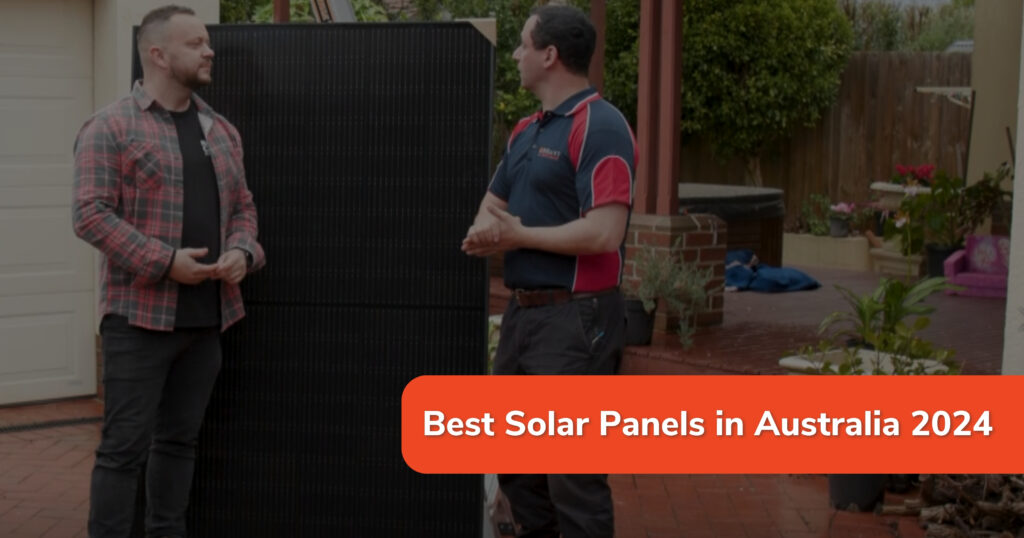
Best Solar Panels Australia 2024 Smart Energy Answers January 8, 2024 Australia’s Transition to Renewable Energy Australia’s transition to renewable energy has gained significant traction in recent years. This shift is driven by the nation’s commitment to combat climate change and achieve a more sustainable future. With abundant sunlight and a growing awareness of the environmental and economic benefits, more households and businesses are turning to solar energy as a practical and accessible solution. The demand for the best solar panels in Australia continues to rise, with homeowners and businesses seeking cutting-edge technologies to maximise energy generation. At Smart Energy Answers, we have always been driven by our belief in providing customers with nothing but the highest quality products. We are constantly striving to stay at the forefront of the industry, offering cutting-edge solar panels and systems that surpass industry standards. Our commitment to innovation and excellence has led us to carefully select the top solar panels that we firmly believe are among the best in the market. Let’s explore our top 5 picks for the best solar panels in Australia for 2024. HT Smart All-Black 475 W N-Type Key Features 21.9% module efficiency. Bloomberg Tier 1 module manufacturer. 25-year product warranty. 25-year warranty on power output. TOPCon optimised multi-busbar technology for maximum light absorption. Double EL tested to ensure reliability and help avoid microcracks. The HT Smart solar panel stands out as one of the best in the market due to its exceptional features and reliability. With a legacy dating back to 1960, HT has a long history of driving innovation and sustainability in the solar industry. Their expertise in developing solar cells for multiple applications, including earth satellites, is reflected in the superior performance of their panels. HT Smart panels use Half-Cut PERC technology to help reduce internal power loss and increase overall component power for improved efficiency. Their aerospace-grade connections enhance durability and compactness, while the sleek all-black design adds aesthetic appeal to rooftop installations. This panel also offers strong product and power output warranty coverage, demonstrating confidence in its long-term performance. Additionally, the HT Smart solar panel is exclusively made for Smart Energy Answers. It combines quality design with a highly competitive price point, providing our customers with an affordable yet reliable solar solution. Hyundai 400 W Key Features 20.4% module efficiency. Bloomberg Tier 1 module manufacturer. 25-year product warranty. PERC shingled technology. More power generation in low light. High tolerance for hot weather. Corrosion resistant. Anti-LID, or Light Induced Degradation, protection. Hyundai Energy Solutions has tailored this panel to suit Australia’s often hot weather conditions. The standout feature of Hyundai’s panels lies in their PERC shingled technology, which significantly reduces the electrical current running through the cells compared to traditional square cells found in common panels. This reduction in current translates to lower heat generation, resulting in reduced performance degradation and enhanced tolerance for hot weather conditions. The impressive 400 W capacity of the panels means more power can be generated, even on smaller roofs. Furthermore, the all-black surface and frame contribute to the panel’s uniform aesthetic appeal while also enhancing its suitability for Australia’s hot climate. Coupled with a 25-year product warranty, Hyundai aims to provide customers with a reliable, high-performance solution that optimises their solar investment. Canadian Solar Key Features 21.5% module efficiency. Bloomberg Tier 1 module manufacturer. 12-year product warranty. 25-year power performance warranty. Monocrystalline technology. Up to 5.6% lower system cost. Heavy snow load up to 5400 Pa and wind load up to 2400 Pa. Better shading tolerance. Canadian Solar, a company originally founded in Canada, has grown to become a major player in the global solar industry. While most of its production takes place in China, Canadian Solar also operates two manufacturing facilities in Ontario, Canada. With strong manufacturing capabilities, Canadian Solar has achieved the distinction of having the fifth-largest solar panel manufacturing capacity worldwide, as recognised by Bloomberg NEF. The Canadian Solar HiKu 6 Mono PERC 550 is a high-quality solar panel that offers exceptional performance and efficiency. With its monocrystalline PERC cell technology, this panel maximises the absorption of sunlight and effectively converts it into clean electricity. Its robust design and durable construction help ensure long-lasting reliability, making it a great choice for commercial solar installations. REC Alpha Pure Series Key Features Up to 22.2% module efficiency. Bloomberg Tier 1 module manufacturer. 20-year product warranty. 25-year warranty on power output. Advanced cell connection technology reduces current congestion for improved energy flow. Heterojunction, or HJT, cell technology generates up to 16% more power on your roof compared to conventional panels. Allows extreme loads up to 7000 Pa. REC solar panels have been highly recommended in the past. Originally founded in Norway, REC made a significant impact in the solar industry with its innovative split-module design using half-cut cells. This design provided improved efficiency and performance compared to standard full-size square cells. The innovation has since become an industry standard, with many manufacturers adopting similar half-cut cell technology. However, it is worth noting that REC has undergone mergers and acquisitions. REC is now owned by Reliance New Energy Solar, with manufacturing operations based in Asia. Based in Mumbai, Reliance is the largest private sector company in India, engaging in a diverse range of activities including hydrocarbon exploration and production, petroleum refining and marketing, petrochemicals, retail, and digital services. Despite these changes, REC remains committed to providing a 20 to 25-year warranty and incorporates advanced high-efficiency PERC cell architecture in its TwinPeak panels. Although REC panels were once highly recommended, we currently do not offer them, as we believe in products that match exceptional quality with competitive pricing to ensure our customers receive the best value for their solar energy solutions. At Smart Energy Answers, we prioritise providing our customers with high-quality solar panels that offer strong value for their investment. SunPower Key Features 22.8% module efficiency. Bloomberg Tier 1 module manufacturer. 40-year product, power, and service warranty. Factory-integrated microinverter. Interdigitated Back Contact, or IBC, monocrystalline N-type technology. With a
Solar Batteries Decoded : Top FAQs & Insights for Savvy Consumers
Solar Batteries Decoded : Top FAQs & Insights for Savvy Consumers Smart Energy Answers September 6, 2023 Understanding Solar Batteries In an era where sustainability meets innovation, the demand for solar with batteries has increased significantly. More families in Australia want to use cleaner energy and take greater control of their power, which is why solar batteries are becoming increasingly popular. At Smart Energy Answers, we are excited to explain solar batteries in this blog. We are also here to share some of our customers’ top questions to help you make informed decisions about your energy future. Solar Battery FAQs FAQ 1: How Can Solar Batteries Save Me Money on Electricity Bills? Solar batteries offer potential savings on electricity bills by capturing surplus energy produced by your solar panels during sunny periods. This stored energy becomes available during less sunny hours, including nights, rainy days, and cloudy weather. By reducing reliance on grid power during peak periods, you can cut down on costly electricity expenses and move closer to energy independence. With a properly sized solar and battery system, some customers can aim for $0 electricity bills. FAQ 2: Do Solar Batteries Qualify for Incentives or Rebates in Australia? Yes, incentives are available in different states across Australia. In addition, some of our partners also offer special Virtual Power Plant, or VPP, rebates for specific networks and territories. FAQ 3: What Size Solar Battery Do I Need for My Home? The size of the solar battery you need for your home in Australia depends on several factors, including the following: Energy consumption: Understand your household’s daily energy consumption. Review your past electricity bills to see how much energy you use on average. A larger battery may be suitable if you have higher energy needs. Solar panel system size: The capacity of your solar panel system matters. A larger system can produce more surplus energy, which can then be stored in the battery. Usage patterns: Consider when you use the most electricity. If you typically consume more energy in the evening, a larger battery can help you rely less on grid power during those times. Grid connectivity: If you are aiming for energy independence and want to reduce grid reliance, a larger battery may be beneficial. Smaller batteries are often used for backup power during outages. Budget: Larger batteries tend to be more expensive. Balance your energy needs with your budget to find the right size that offers the best value. Future expansion: If you plan to expand your household or increase energy usage in the future, factor in potential changes when selecting the battery size. It is recommended to consult with a solar energy expert to determine the optimal battery size that aligns with your household’s needs and usage patterns. FAQ 4: What Factors Should I Consider When Selecting a Solar Battery for My Home? Capacity: Choose a battery with sufficient capacity to meet your energy needs. Efficiency: Look at how efficiently the battery stores and releases energy. Higher-efficiency batteries can save more of the energy generated by your solar panels. Installation and compatibility: Ensure the battery is compatible with your existing solar panel system and inverter. Consider installation requirements, space, and placement options. Scalability: If you plan to expand your solar system in the future, choose a battery that can be easily integrated with additional panels. Warranty and support: Research the manufacturer’s reputation, warranty terms, and customer support. A reliable warranty can provide peace of mind. Cost and value: Balance the upfront cost of the battery with the potential savings it can offer over its lifetime. Consider any available government incentives or rebates. Safety: Battery safety features are crucial. Look for batteries with built-in protection against overcharging, overheating, and other potential risks. Smart features: Some batteries come with smart management systems that optimise energy usage and enable remote monitoring and control, with the potential for additional revenue through VPPs. Brand and installer reputation: Choose well-established brands and installers known for quality and reliability. Check customer product and service reviews from reputable websites. FAQ 5: Are Lithium-Ion Batteries the Best Choice for Residential Solar Systems in Australia? Yes, lithium-ion batteries are often considered one of the best choices for residential solar systems in Australia due to their high energy density, efficiency, long lifespan, and compact size. FAQ 6: How Long Do Solar Batteries Typically Last in the Australian Climate? Solar batteries typically last around 15 to 25 years in the Australian climate. Factors such as battery chemistry, usage patterns, maintenance, and manufacturer quality can influence their lifespan. Regular maintenance and proper usage can help extend the life of solar batteries. In addition, manufacturers typically offer warranties of up to 15 years. FAQ 7: Is It Necessary to Have an Existing Solar Panel System to Install Solar Batteries in Australia? No, it is not always necessary to have an existing solar panel system to install solar batteries in Australia. While many people choose to combine solar panels with batteries to maximise energy self-sufficiency, you can also install a solar battery system on its own. However, without solar panels, the battery will primarily charge from the grid, and its effectiveness in reducing electricity bills may be limited compared to when it is paired with solar panels. It is recommended to consult with experts to determine the most suitable setup based on your energy needs and goals. FAQ 8: What Are the Installation Requirements and Costs Associated with Solar Batteries in Australia? The costs and installation requirements for solar batteries in Australia can vary based on factors such as available space, inverter compatibility, electrical upgrades, permits, and ventilation needs. The expenses typically include the battery unit cost, installation labour, potential inverter upgrades, additional components, permits, and maintenance. The total cost can range from several thousand to tens of thousands of dollars, with government incentives and financing options available to help offset expenses. It is advisable to seek quotes from professional installers for accurate cost estimates based on your specific circumstances. FAQ 9:
Solar Victoria Moves From Rebates to Interest-Free Loans For Batteries
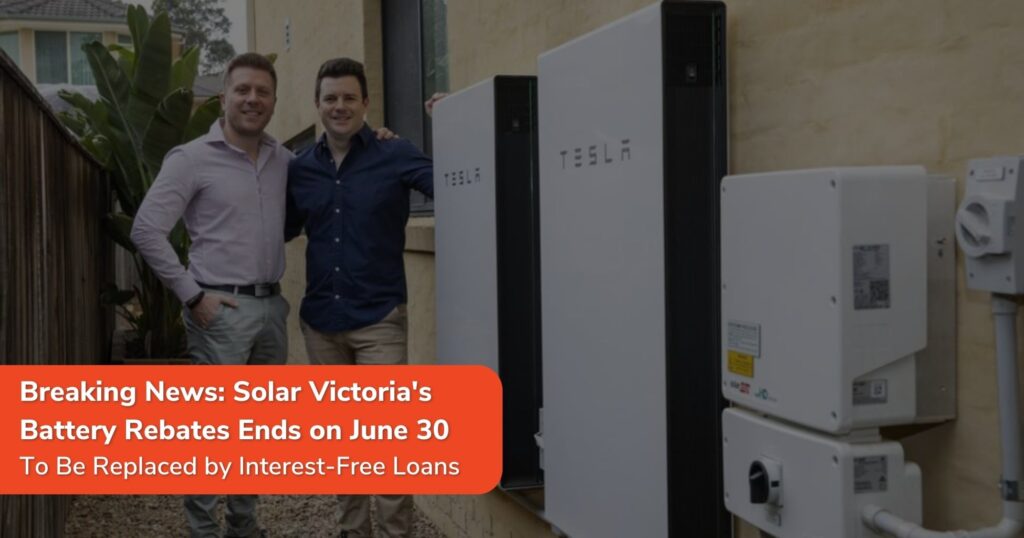
Solar Victoria Moves From Rebates to Interest-Free Loans For Batteries Smart Energy Answers May 29, 2023 Solar Victoria’s Transition: From Rebates to Interest-Free Loans for Home Batteries Solar Victoria is ushering in a significant change to its incentive programme. By 30 June, the battery rebate worth up to $2,950 will come to an end, making way for interest-free loans of up to $8,800 starting from 1 July. This new Solar Homes Program is only open to the first 4,500 Victorian households. With the shift from the battery rebate to interest-free loans, Solar Victoria aims to enhance the affordability and accessibility of renewable energy storage systems. While the rebate offered a grant or discount on battery purchases, the interest-free loan opens the door to a larger funding option. This means homeowners can now explore more high-quality battery choices and overcome the upfront cost barrier. The Solar Homes Program remains focused on making renewable energy accessible to Victorians. Whether through the rebate or the interest-free loan, the goal is to enable individuals to harness the power of battery storage. By utilising battery storage, consumers can reduce their energy bills and protect themselves against rising electricity prices. Battery systems can also provide reliable backup during power outages, helping ensure an uninterrupted energy supply. Additionally, households can sell excess power back to the grid and earn credits or money from it. Solar Victoria’s incentive programme plays a crucial role in promoting sustainable energy practices. By encouraging the adoption of battery storage, the programme aims to reduce reliance on fossil fuel-based power generation, decrease greenhouse gas emissions, and help protect our planet. Conclusion Solar Victoria’s upcoming transition from the battery rebate to interest-free loans presents an exciting opportunity for Victorian households. To receive the state government grant, it is essential to act fast. The battery rebate worth $2,950 will only be available until 30 June. After that, interest-free loans of up to $8,800 will take effect from 1 July. Do not miss out on securing your preferred choice through this progressive initiative that promotes renewable energy adoption and empowers you to create a greener, more sustainable future. Talk to our energy experts today to get a personalised quote and guidance on the available battery storage systems. Our team can help you navigate the options available and choose the right solution for your home.
Reduce Energy Consumption: Key Steps Before Going Solar
Reduce Energy Consumption: Key Steps Before Going Solar Smart Energy Answers April 6, 2023 Before Going Solar: Key Steps to Reduce Energy Consumption As families and businesses seek to reduce their carbon footprint and lower energy costs, many are considering the installation of solar panels as a practical solution. While solar power can provide a significant reduction in energy costs and carbon emissions, it is important to note that it should not always be the first step in reducing energy consumption. Before you start considering solar as an option, it is important to ensure that you have taken steps to reduce your energy consumption as much as possible. This can be achieved through a number of simple changes, including improving air conditioning efficiency, replacing lights with LED bulbs, and improving insulation. By reducing energy consumption, you will not only lower your carbon footprint but also save money on energy costs. This can make the investment in solar panels and batteries even more financially viable. Improve Air Conditioning Efficiency Improving air conditioning efficiency is an easy way to reduce energy consumption. By regularly servicing your air conditioning system, you can help ensure it runs efficiently and does not waste energy. You may also want to consider installing programmable thermostats. These can automatically adjust the temperature of your home or building based on occupancy patterns, helping save energy when the space is unoccupied. Replace Traditional Light Bulbs with LED Bulbs Replacing traditional light bulbs with LED bulbs is another easy way to reduce energy consumption. LED bulbs use significantly less energy than traditional bulbs and last much longer, making them a cost-effective investment in the long run. In addition to replacing bulbs, consider installing motion sensors or timers to automatically turn off lights in areas that are not frequently used. Improve Insulation Improving insulation is also an important step in reducing energy consumption. By ensuring that your home or building is well insulated, you can help prevent energy from escaping through cracks and gaps in your walls and roof. This not only reduces energy consumption but also makes the space more comfortable for employees, customers, and occupants. Consider Solar and Batteries After Reducing Energy Use Once you have taken steps to reduce your energy consumption, it is time to consider solar and batteries as viable options. Solar panels can provide a significant reduction in energy costs and carbon emissions. Batteries allow you to store excess solar energy generated during the day and use it at night or during periods of low solar generation. You may also potentially generate additional income from your battery by selling excess energy back to the grid. Solar and battery systems can provide greater energy independence and help reduce your reliance on the grid. However, it is important to note that they require a significant upfront investment. By reducing your energy consumption first, you can help ensure that your investment in solar panels and batteries is as cost-effective as possible. Happily tearing his electricity bill. Conclusion Solar power and batteries can be a great way for your home or business to reduce energy costs and carbon emissions. However, it is important to note that they should be considered after taking steps to reduce energy consumption first. Before investing in solar and batteries, homes and businesses should consider improving air conditioning efficiency, replacing lights with LED bulbs, and improving insulation. By reducing energy consumption first, you can help ensure that your investment in solar panels and batteries is as cost-effective as possible should you decide to proceed.
New Energy Tech Consumer Code : Solar Industry Consumer Protection
New Energy Tech Consumer Code : Solar Industry Consumer Protection Smart Energy Answers March 22, 2023 Raising the Bar for Consumer Protection in Solar and Energy Tech The New Energy Tech Consumer Code, or NETCC, has been introduced in Australia, replacing the Clean Energy Council’s Approved Solar Retailer programme. The NETCC aims to regulate the sales and marketing practices of new energy technology companies and protect consumers from misleading or deceptive practices. This code plays a key role in promoting transparency and building confidence in the new energy technology industry. Smart Energy Answers is an approved seller under the NETCC. Smart Energy Answers continues to lead by example as an approved seller under the NETCC. This recognition confirms our commitment to adhering to the highest sales and marketing standards and providing our customers with accurate information about our products and services. As an approved seller, Smart Energy Answers is committed to: Providing clear, accurate, and relevant information to help you make informed choices. Encouraging you to be aware of your rights under the law and the NETCC. Ensuring that our sales practices are responsible. Ensuring that products, systems, services, and documentation provided under the NETCC are suitable and fit for purpose. Supporting staff training and work processes that ensure we comply with the law and the NETCC. Ensuring that we are responsive to your needs and take prompt, appropriate action if you make a complaint. The introduction of the NETCC is a positive step for Australia’s new energy technology industry. It demonstrates the government’s commitment to promoting growth, transparency, and sustainability across the sector. Consumers are encouraged to look for the NETCC logo when making purchases. This helps ensure they are protected by the code’s standards and are dealing with reputable companies.
The 5 Biggest Myths of Solar Energy: Debunking Misconceptions
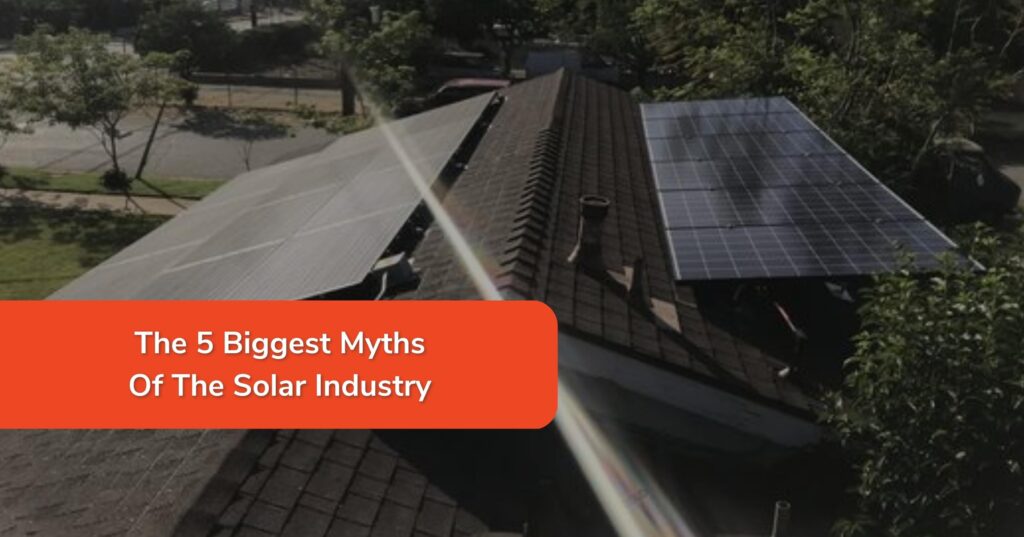
The 5 Biggest Myths of Solar Energy: Debunking Misconceptions Smart Energy Answers February 7, 2023 Debunking 5 Common Solar Energy Myths The solar industry has grown rapidly in recent years. With that growth has come a number of misconceptions and myths about how solar energy works and the benefits it can provide. Here are the five biggest myths in the solar industry, along with the facts that debunk them. Myth 1: Solar Panels Only Work in Sunny Locations Fact: Solar panels are actually quite efficient at converting sunlight into electricity, even on cloudy days. In fact, some studies have shown that solar panels can produce up to 25% of their rated capacity on a cloudy day. So, even if you live in a location with less-than-ideal weather, you can still benefit from solar energy. Myth 2: Solar Energy Is Too Expensive Fact: The cost of solar energy has dropped significantly in recent years, making it a more affordable option for homeowners and businesses. In addition, many government incentives and rebates are available for installing solar panels, which can help offset the initial cost. With the savings on monthly energy bills, a solar energy system can pay for itself over time. Myth 3: Solar Panels Will Ruin the Appearance of Your Home Fact: Solar panels are available in a variety of styles and sizes to suit the appearance of different homes. Many homeowners find that adding solar panels can increase the value of their property while also giving the home a more eco-friendly look, depending on the design. Solar panels can also be installed on the roof or on the ground, allowing you to choose the location that works best for your home. Myth 4: Solar Energy Is Unreliable During a Power Outage Fact: Solar energy systems are reliable and can provide a steady supply of electricity to your home during normal operation. For power outages, many solar systems can be paired with battery backup solutions to keep essential appliances and devices running. With the right solar and battery setup, you can have greater peace of mind knowing you may still have access to stored electricity during an emergency. Image: CHOICE Australia has chosen Smart Energy Answers as their preferred solar energy provider, helping customers achieve more than $1 million in lifetime savings. Myth 5: Solar Energy Is Only for Homeowners, Not Businesses Fact: Solar energy can be a great option for businesses as well as homeowners. Many businesses are turning to solar energy to reduce their energy costs and improve their sustainability. As of 2023, more than 7,000 businesses have switched to solar, with IBISWorld showing 8.1% annualised growth in businesses adopting solar energy. With various incentives and rebates available for commercial solar installations, solar can be a cost-effective choice for businesses of all sizes. Conclusion Overall, solar energy is a clean, renewable, and affordable option for powering your home or business. Do not be fooled by the myths. The facts about solar energy speak for themselves.
3 Key Considerations for Installing Solar Panels
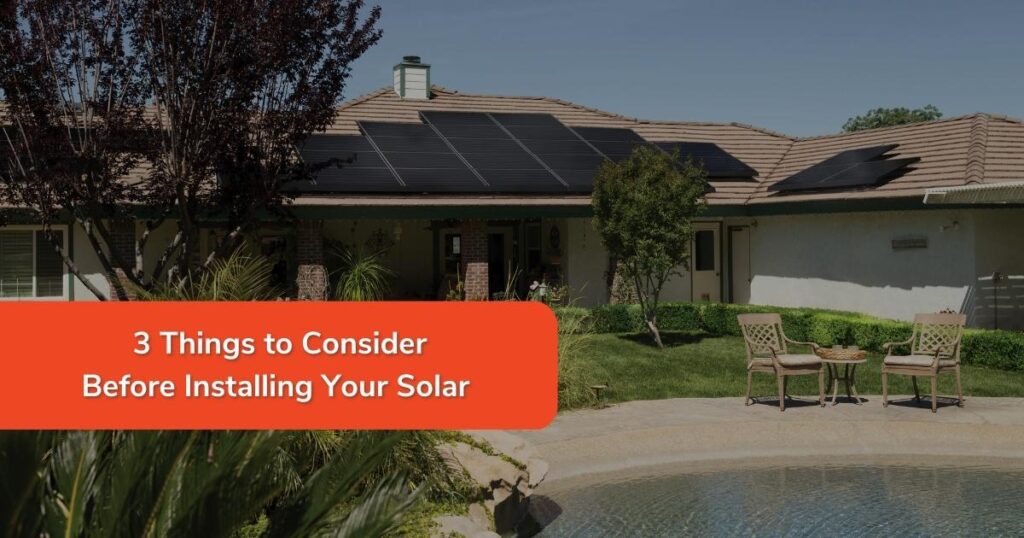
3 Key Considerations for Installing Solar Pane Smart Energy Answers January 19, 2023 3 Things to Keep in Mind When Installing Solar Installing solar panels on your property is a smart way to save on energy costs and reduce your carbon footprint. However, before making the investment, it is essential to consider a few key factors to ensure you are getting the most out of your solar panels. In this blog post, we will discuss three important things to keep in mind when installing solar: shading and performance, tilting and orientation, and the size of the system. Shading & Performance The electricity generated by your solar system is impacted by the amount of sunlight your panels receive. The more your panels are covered by shade, the less energy your system will generate. The effectiveness of your solar system also depends on where you live and how much sunlight your property receives throughout the year. If your property receives a decent amount of sun for most of the year, it is worth getting an assessment from a solar provider. A qualified solar provider should be able to estimate how much energy your system could produce and how much shading may affect its performance. Tip: Using microinverters or power optimisers on the panels, instead of relying on a single string inverter, can help reduce the impact of shading issues. Speak with your solar provider to see whether this could be a suitable solution for your solar system if you are concerned about shade. Tilting & Orientation For properties in the southern hemisphere, a north-facing roof is generally optimal for solar production. This orientation helps maximise the amount of usable sunlight your solar panels can receive throughout the day. Tilt frames may cost a little extra, depending on how many panels are included in the system and how the installer prices the labour and parts required. In most cases, panels are installed at the existing angle of the roof unless the roof is completely flat. For flat roofs, panels should usually be installed with a tilt to help improve performance and allow rain to wash away dust and debris more effectively. Flat installation is possible; however, dust and debris are less likely to be washed off when the panels are not tilted. Solar System Size Guide There are several factors to consider when deciding on the size of your solar system, including your budget, roof space, energy consumption patterns, and future plans. If you are looking to expand your system in the future, consider choosing a solar solution with expansion capability for batteries and electric vehicles. This can give you greater flexibility as your energy needs change over time. It is not always easy to calculate the exact capacity you will need for your solar panels. While the guide below can provide a rough starting point, it is still best to speak with a solar provider for a proper assessment tailored to your property and energy usage. Conclusion By considering these three factors, you can make an informed decision about whether to install solar and how to set up your system for the best possible performance. You can also reach out to our friendly energy experts to get customised solar solutions designed for your exact needs.
Smart Energy Answers Wins ProductReview Award 4th Year in a Row
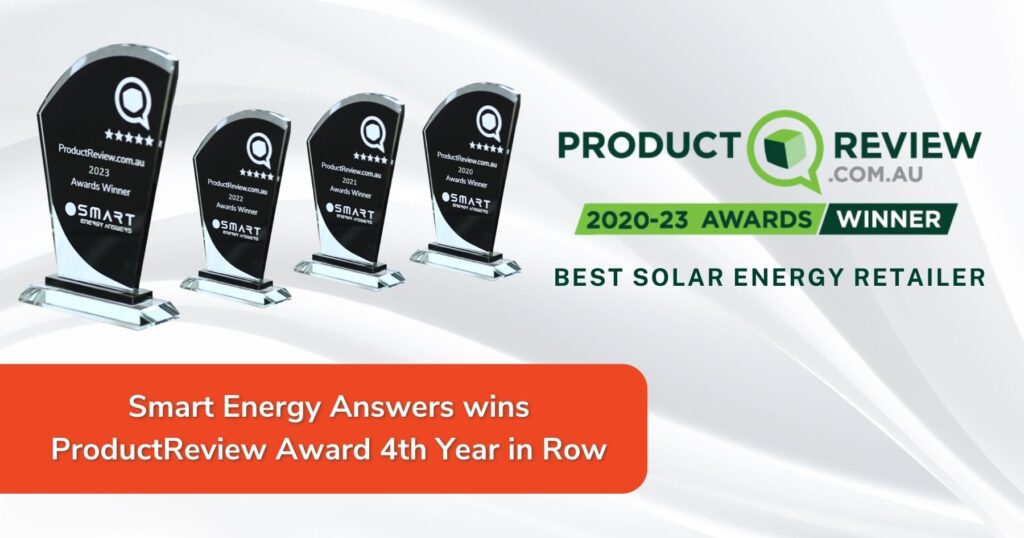
Smart Energy Answers Wins ProductReview Award 4th Year in a Row Smart Energy Answers December 1, 2022 Smart Energy Answers Celebrates 4th Consecutive Year as Best Solar Retailer in Australia Recognising exceptional customer service and commitment for the fourth year in a row, ProductReview.com.au has presented Smart Energy Answers with the 2023 Best Solar Retailer Award. This is a momentous occasion, especially as ProductReview.com.au is one of Australia’s most comprehensive consumer opinion sites. Its annual awards are recognised as a valuable guide to some of the best businesses from a customer viewpoint. Winning a ProductReview.com.au award carries a level of prestige that is highly respected by Australian companies. When presented with the award, Smart Energy Answers CEO Daniel Lanzetta expressed his gratitude for the acknowledgement of the high level of service the company provides. “We are truly proud of this achievement and, more importantly, immensely thankful for the numerous 5-star reviews from our happy customers. To win this award for four years straight means we must be doing things right,” he said. Sales Manager Rodrigo Candi also shared his excitement over the news. “We are extremely happy, as we work hard every day to surpass customer expectations, and this award is a true reward for our efforts as a team.” Looking back over the past 12 months, Operations Manager Basit Ali recalled how the team maintained motivation after winning the third award in 2021. “We stayed customer-focused, striving to provide that seamless customer experience. Even though we had grown substantially over the years, we never compromised on our quality and integrity.” Daniel summarised it best when asked what the future holds. “Going the extra mile to keep winning this award has become a matter of personal pride amongst our team members. Positive customer feedback is rewarding and infectious, and it drives our enthusiasm for what we do. If we continue to give our customers a delightful experience, they will continue to vote for us as the very best in the solar industry.” Sharing the Happiness The customer experience is at the core of this success. To celebrate, we are kicking off a 5-star solar journey for our next 50 customers with a $500 cashback offer starting today. Contact us now to speak with one of our energy experts.
5 Tips to Maximise Your Solar Energy and Save Money
5 Tips to Maximise Your Solar Energy and Save Money Smart Energy Answers November 23, 2022 You’ve Got Solar, Now What? It is time to get the most out of it. Solar panels are a great way to reduce your carbon footprint, save money on your energy bills, and power your home in a more sustainable way. The amount of energy your solar panels produce can be maximised by using them alongside other energy-saving measures. With these tips, you can make the most of your solar energy and run your home more efficiently. It is important to have an idea of how much electricity each appliance and device in your home uses. This can help you plan your electricity usage more effectively and make better use of the solar energy your system produces. 1. Take Advantage of Daytime Get the most out of your solar system when the sun is out. Use appliances that require a lot of electricity during the daytime, when your solar panels are generating the most power. 2. Stagger Your Use of High-Energy Appliances Avoid using high-energy appliances and devices all at once, as this can increase your electricity demand and cause you to draw power from the grid. This includes appliances such as washing machines, dishwashers, and tumble dryers. By staggering their use throughout the day, you can make better use of the solar energy your system is generating. 3. Maintain and Monitor Your Solar System Regularly It is important to keep your solar panels clean and free of debris so they can operate at maximum efficiency. Regularly check your panels and arrange cleaning when needed to help ensure your system is working properly. You should also monitor your solar system’s performance so you can quickly identify any issues and keep your energy production on track. 4. Invest in a Solar Battery Another way to get the most out of your solar panels is to store unused energy in a solar battery. Solar batteries allow you to keep excess energy generated by your solar panels and use it when needed, such as at night or during periods with less sunlight. This can help reduce your dependence on the grid and may help you save more on your energy bills over time. 5. Get a Heat Pump One way to optimise your solar panels is to install a heat pump hot water system. Heat pump hot water systems use a heat exchange process that absorbs heat from the surrounding air and uses it to heat your water. These electric water heaters can provide hot water very efficiently in most climates. Compared with a standard resistive element heater, a heat pump hot water system can help reduce energy use and may save up to 78% on hot water running costs. Conclusion Solar panels are a great way to help power your home and save on energy costs. By following these tips, you can maximise the amount of energy your solar panels produce and make your investment in solar power work even harder for you. Best of all, using solar energy helps create a better and more sustainable world for everyone.
Choosing Between Blue, Black, or Smart Solar Panels: What You Need to Know
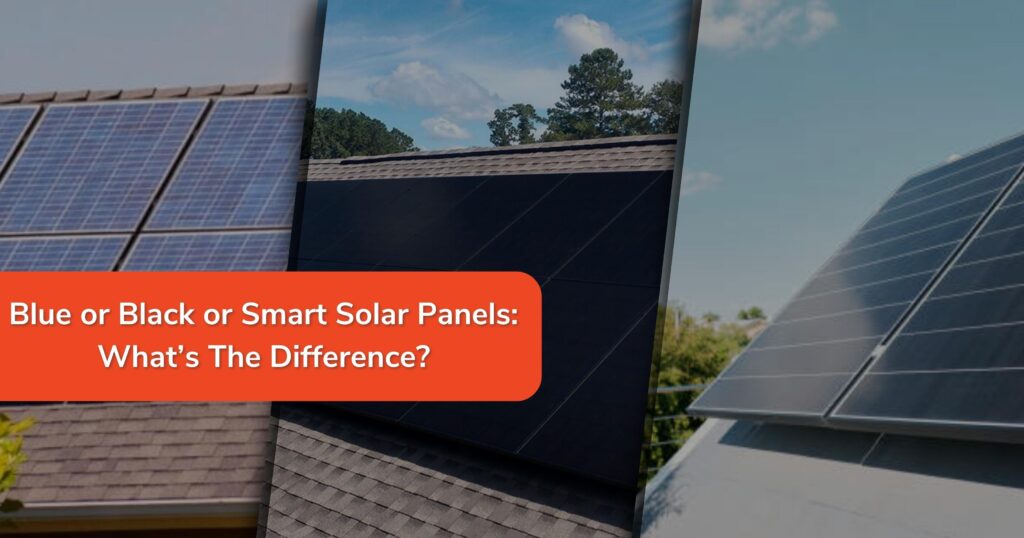
Choosing Between Blue, Black, or Smart Solar Panels: What You Need to Know Smart Energy Answers September 26, 2022 Choosing the Right Solar Panel Colour: Blue, Black, or Smart Panels For homeowners who have made the decision to switch to solar power, the benefits are clear. Clean energy, reduced grid consumption, and lower energy bills all make solar an attractive investment. However, choosing the right solar panel system is essential to getting the best long-term result. Some homes feature blue solar panels, while others use black panels, which can leave many homeowners wondering whether there is a real difference between the two. Understanding the difference between each panel starts with how they are manufactured and the materials used. Modern solar panels rely heavily on silicon because of its ability to effectively absorb sunlight and convert it into usable electricity. The colour and appearance of solar panels are influenced by the manufacturing process, including the use of anti-reflective coatings and how the panel reacts when exposed to light. The type of material used in a panel also affects its colour, giving it either a shiny blue appearance or a sleek black finish. Generally speaking, blue solar panels are often less expensive than black panels, but there can be trade-offs between heat performance and efficiency. Black panels tend to perform better in low-light conditions and warmer temperatures. Recent advancements in design and manufacturing have also led to the development of PERC monocrystalline smart panels. What Are Smart Panels? The latest energy research and innovation have used technology and connectivity to develop a new generation of smart all-black solar panels. These panels bring distinct advantages, combining a sleek and modern appearance with high efficiency and robust performance. Each panel is designed to deliver a more aesthetic look while remaining strong, reliable, and efficient. Constructed with PERC monocrystalline technology and aerospace-grade components, these high-spec panels are designed to withstand extreme weather conditions, including high winds. Their all-black finish also helps them blend seamlessly into almost any roof design. As a top performer for reliability, PERC panels are rigorously tested for strength and lasting durability. Longevity is a key consideration for homeowners, and with a 25-year full replacement warranty, PERC panels can offer greater peace of mind. Which Panels Are Better for Homes? One of the questions homeowners often ask is which type of solar panel is better for a home solar system. Due to their light-absorbing properties and efficient performance, many homeowners prefer black panels. In a typical installation, fewer black panels may be needed compared with blue panels, helping reduce the amount of roof space required. Although black panels can be more expensive upfront, they may deliver better long-term value through improved efficiency and performance. However, if cost is the main factor and the installation needs to stay within a limited budget, blue panels can require less upfront investment. While they may not be as efficient as black panels, blue panels can still be suitable for home solar systems and smaller commercial applications. What to Consider When Selecting Solar Panels When selecting solar panels, it is useful to have some key information at hand, such as: Which direction the sun travels over your home and when the peak sunlight hours occur. How much energy your household consumes. Whether efficiency and clean energy are key priorities. Whether your main goal is a lower upfront investment or stronger long-term savings. No matter which panels are chosen, some performance degradation will still occur over time due to weather, use, and environmental factors. This means solar panels may generate slightly less power as they age. However, most solar panels are designed to last for 25 years or more, and many can continue performing well beyond that period. Start Your Solar Journey Today Our expert consultants can help you make an informed decision based on your household needs, energy goals, and budget.
SEA Visits The Future Energy Show Philippines
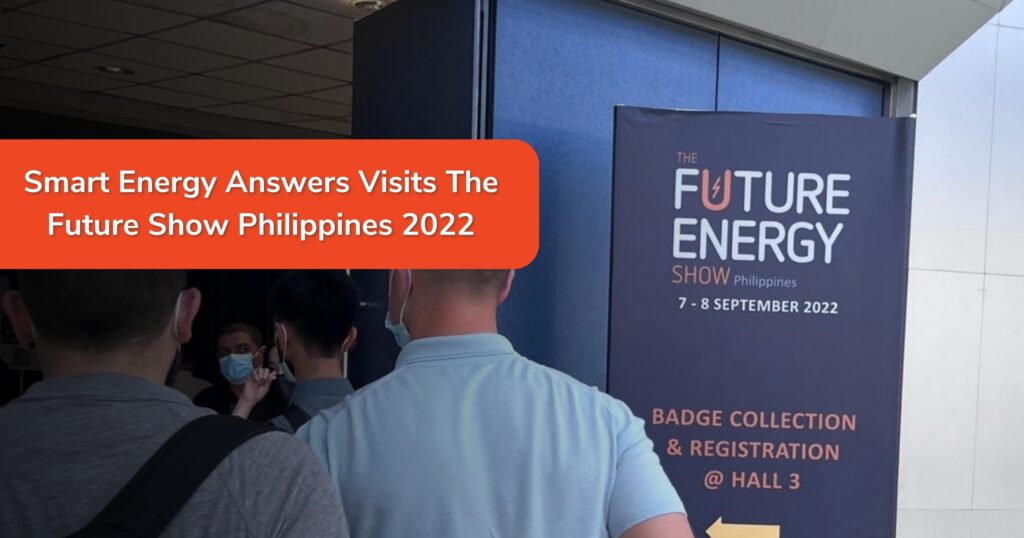
SEA Visits The Future Energy Show Philippines Smart Energy Answers September 26, 2022 Exploring Renewable Energy Innovations at The Future Energy Show Philippines Australia is one of the world leaders in renewable energy, but we are still far from achieving true global transformation. That is why it is always valuable to explore the solar practices, technologies, and innovations being developed in other countries. As a business, our goal is to stay at the cutting edge of global innovation. This helps ensure that families and homes across Australia have access to some of the greenest and most sustainable energy options at the best possible value. Earlier this month, on 7 September 2022, our team flew to Manila, Philippines, to attend The Future Energy Show Philippines 2022. The event gave us the opportunity to explore the country’s sustainable energy vision, learn about market disruptors, discover new trends, review solar innovations, and meet colleagues across the renewable energy industry. Insights from Industry Leaders Several of the country’s officials, developers, and technology leaders shared their insights on important topics such as large-scale solar, wind energy, alternative renewables, and energy storage. The concept of energy storage is especially important for us in Australia, as more households look for smarter ways to manage their energy usage and reduce their power bills. As more families become aware of this practical and effective solution, energy storage is expected to play an even greater role in the future of renewable energy. Among the exhibitors at the event were some of Smart Energy Answers’ valued partners, including Clenergy, Enphase, and Canadian Solar. The event was also a great opportunity to network, meet key players in the renewable energy industry, and explore potential future collaborations and partnerships. A Promising Future for Solar Energy Geographically, the Philippines has a strong advantage when it comes to harvesting solar energy. It is exciting to see the country moving towards more sustainable and renewable energy solutions. The future of energy in the Philippines is promising and could become a model for other nations to follow. We certainly enjoyed our time at the event and are returning home with valuable new relationships, fresh innovations, and new ideas on how to better serve our customers across Australia.