
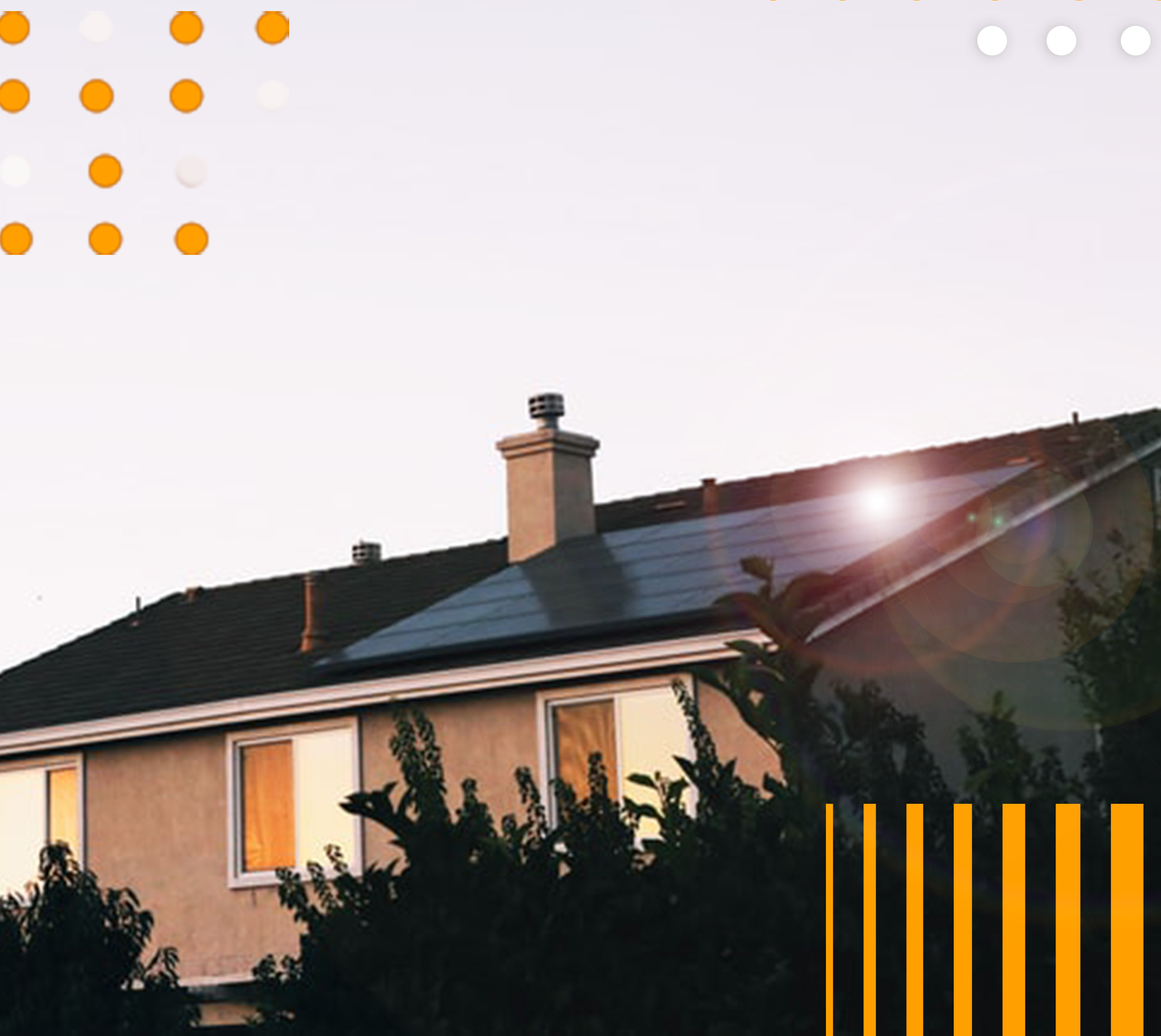
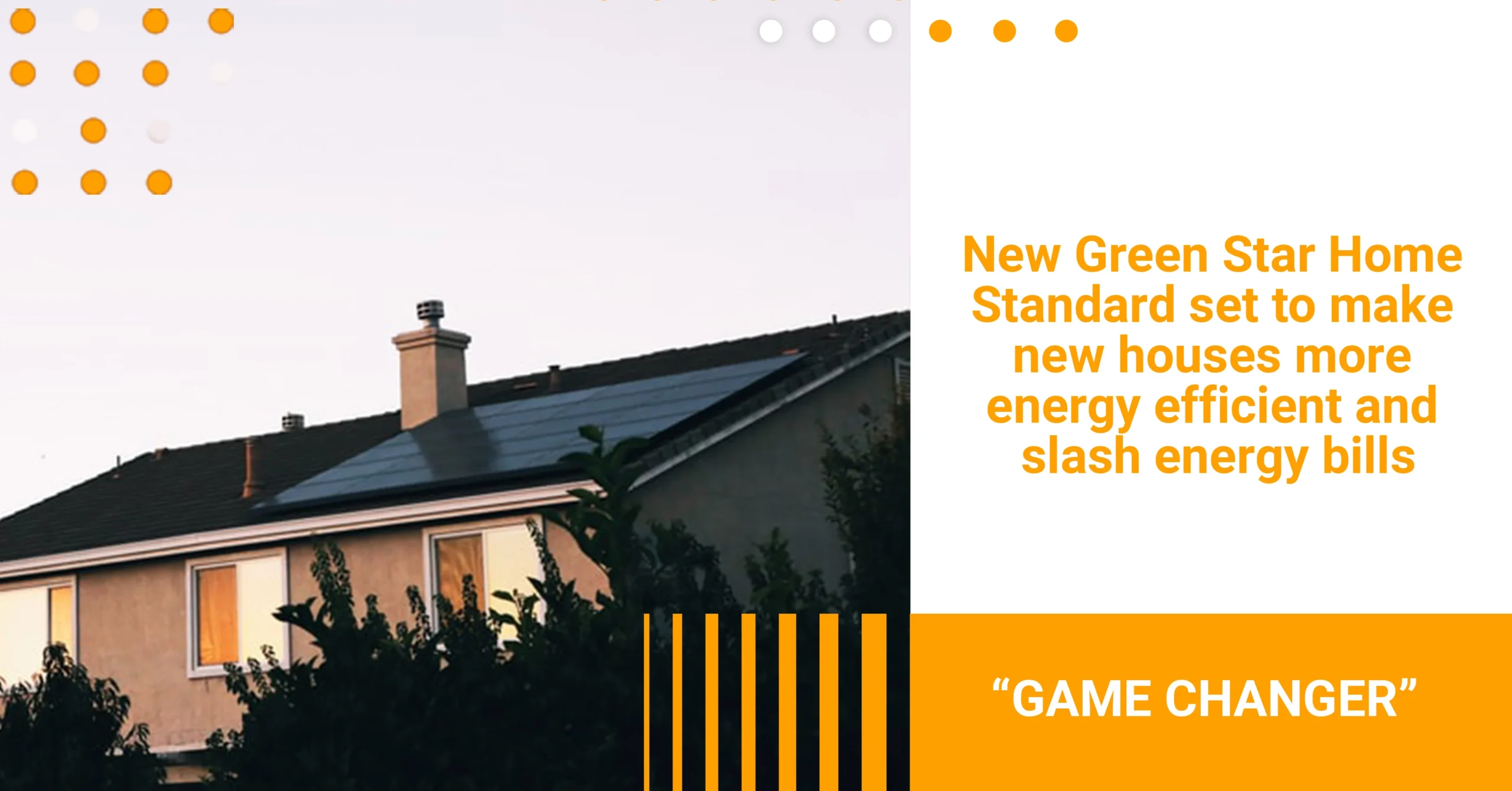
New houses across Australia are set to be better built to withstand climate change, incorporating solar power, water and energy efficiency features, and minimal toxins under a world-first agreement.
The new scheme, acclaimed as a national game-changer in the housing market, could mean buyers have much healthier homes and see their energy bills reduced by as much as 75%, or more than $2,000 per year, according to one study.
“This is a real game-changer for the industry, bringing more liveable, affordable homes to all Australians,” said Davina Rooney, Chief Executive of the Green Building Council of Australia, or GBCA.
The Green Star Home Standard certification system, the world’s first mass-market residential climate-positive certification, has already been accepted by some of the construction industry’s major players.
These companies have vowed to produce houses to higher specifications.
This means many more homes built in the future by companies signing up to the standard will be well-ventilated, insulated, fully electric, and powered by renewables.
Leading residential developer Stockland is already a stakeholder in the initiative.
“We’re seeing people spending more time at home and they’re really concerned about the health and well-being impacts of the houses they live in,” said Andrew Whitson, Stockland’s Group Executive and CEO Communities.
“They’re starting to wonder how they can live more healthily and more sustainably environmentally and reduce their carbon footprint. It was something already happening, but COVID-19 has really amplified it, and we felt we wanted to show leadership in the country in these issues.”
Australia’s largest volume builder, Metricon, has also joined the initiative.
“This is the way the industry and the world are moving, towards more sustainable living,” said David McKibbin, National Product Development Manager of Metricon Homes.
“We saw this as an opportunity to get involved and help the industry evolve in this area, and further educate our customers and help drive the whole sustainability issue. As consumers see the benefits, they’re likely to promote it to family and friends as well.”
Research has found that the residential sector accounts for 57% of Australia’s building emissions.
Australians also spend around 90% of their time indoors under normal circumstances, with two-thirds of that time spent at home.
During pandemic lockdowns, this increased even further.
To meet the new Green Star certification, homes will need to be more comfortable to live in and include smarter air conditioning, LED lights, and efficient electric appliances.
These features can help make homes far cheaper to run.
The GBCA is now working with the federal government to bring the scheme into the regulatory framework.
Currently, the National Construction Code requires a 6-star NatHERS rating, which describes the level of insulation in the home.
“Getting the volume builders of housing on board will give the scheme so much more momentum going forward rather than just going with architect-designed, bespoke buildings,” said Kerryn Wilmot, Research Principal at the Institute for Sustainable Futures at the University of Technology Sydney.
“This is where most Australians get their housing from, so signing up volume builders is a brilliant idea with a great chance of shifting the market.”
Smart Energy Answers is one of Australia’s leading solar solutions providers, based in Sydney.
We are proud to have attained one of the highest accreditation levels in Australia and remain committed to helping communities gain energy independence through the latest technologies and high-quality services.
To get started on your solar journey, contact Smart Energy Answers today on 1300 948 619 or get in touch with our team below.