
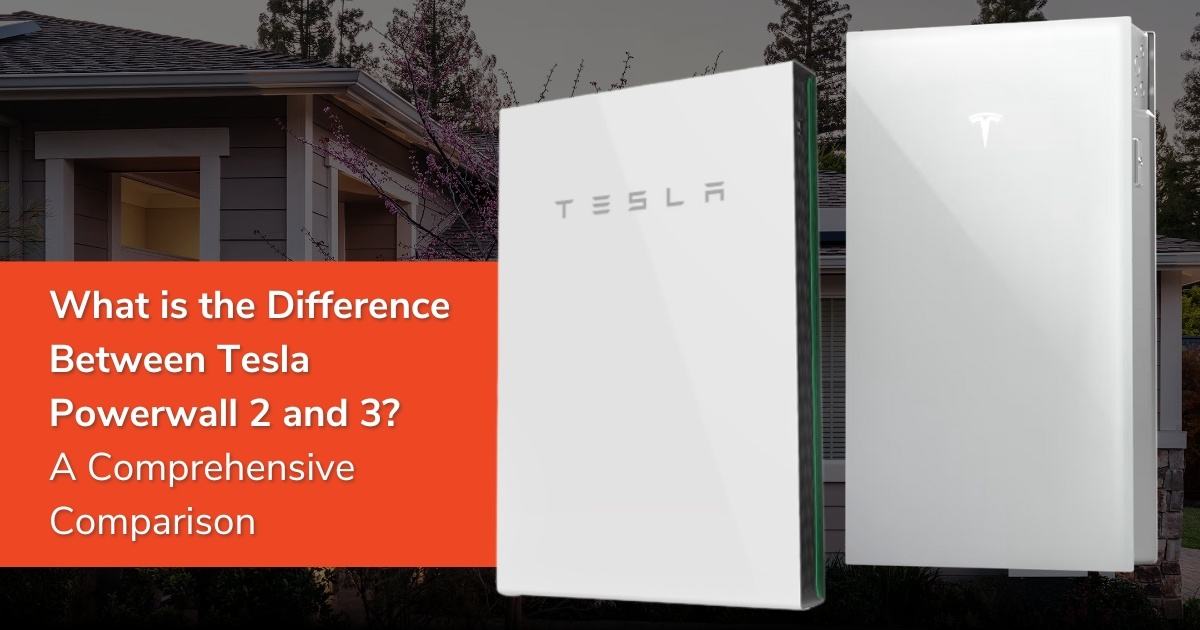
Tesla has been leading the charge in the home energy storage market with its innovative Powerwall systems.
With the recent release of the Tesla Powerwall 3, many homeowners are curious about the differences between this new iteration and its predecessor, the Powerwall 2.
In this article, we’ll provide a comprehensive comparison of the Tesla Powerwall 2 and Powerwall 3, highlighting the key upgrades and improvements that set them apart.
One of the most important factors to consider when comparing home battery systems is storage capacity.
In this regard, the Tesla Powerwall 2 and Powerwall 3 offer the following:
Both Powerwall 2 and Powerwall 3 maintain the same impressive storage capacity, allowing homeowners to store a significant amount of solar energy for use during peak periods or power outages.
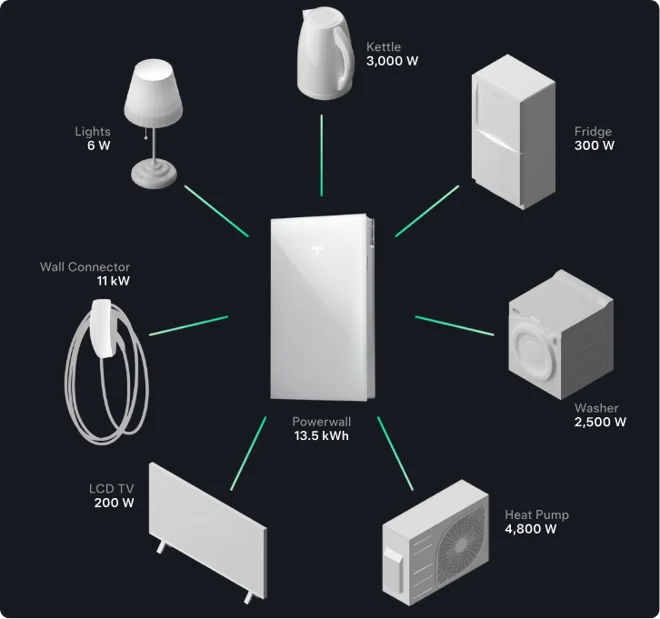
While the storage capacity remains the same, the Tesla Powerwall 3 offers a significant upgrade in terms of continuous power output:
The Powerwall 3’s increased continuous power output enables it to power more appliances and devices simultaneously, providing greater flexibility and energy independence for homeowners.
Another key difference between the Tesla Powerwall 2 and Powerwall 3 lies in their battery chemistry:
Tesla has made the switch to LFP battery cells for the Powerwall 3, offering improved safety, longevity, and performance compared to the NMC cells used in the Powerwall 2.
The Tesla Powerwall 3 introduces an integrated solar inverter, streamlining the installation process and reducing the need for additional components:
This integration simplifies the overall system design and can potentially reduce installation costs for homeowners.
Both the Tesla Powerwall 2 and Powerwall 3 offer flexibility in terms of compatibility and expansion:
Homeowners with Powerwall 2 systems can easily expand their storage capacity by adding Powerwall 3 units to their existing setup.
While the Tesla Powerwall 2 remains a powerful and reliable home battery solution, the Powerwall 3 offers several compelling reasons for homeowners to consider upgrading:
If you’re interested in upgrading to the Tesla Powerwall 3 or expanding your existing Powerwall 2 system, Smart Energy Answers can help.
As a trusted provider of home energy solutions in Australia, Smart Energy Answers has the expertise to guide you through the process of purchasing and installing your Powerwall 3.
Our team of certified professionals will work closely with you to assess your energy needs, provide tailored recommendations, and ensure a seamless installation process.
Don’t miss out on the opportunity to take your home energy storage to the next level with the Tesla Powerwall 3.
Contact Smart Energy Answers today to schedule your consultation and learn more about how the Powerwall 3 can help you achieve your energy goals and contribute to a more sustainable future.