
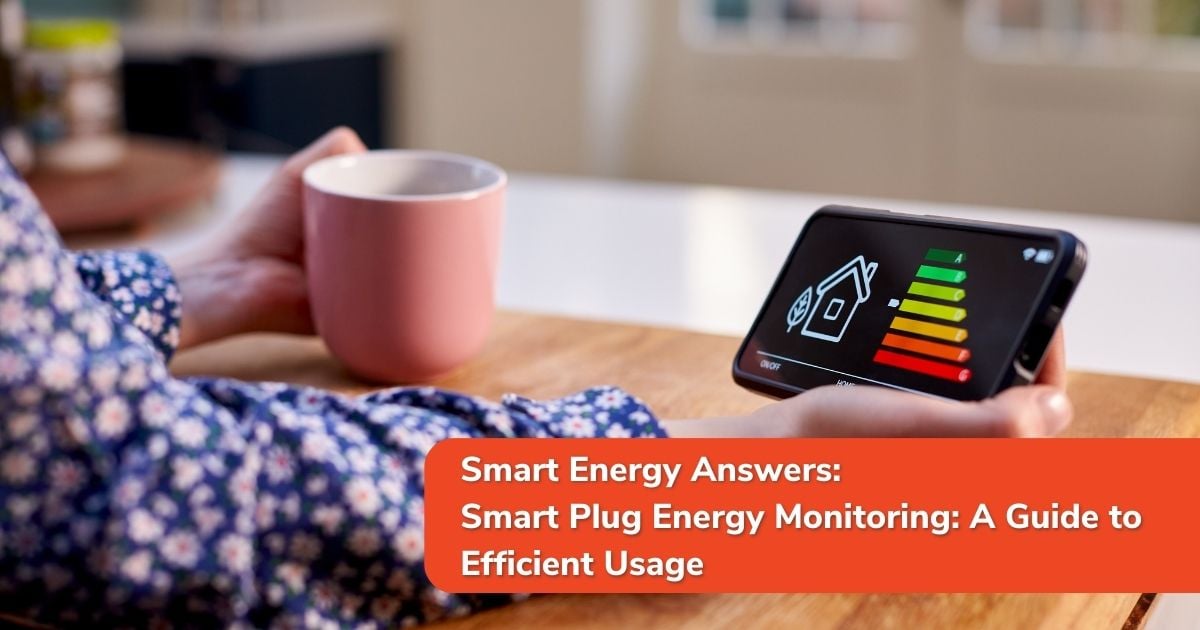
Energy monitoring plays a significant role in optimising electricity usage.
By keeping track of your energy consumption, you can identify areas where you can reduce energy waste and make more efficient choices.
Understanding how much energy your devices and appliances are using allows you to adjust your usage habits accordingly, resulting in potential cost savings and a more sustainable lifestyle.
Another important aspect of energy monitoring is the ability to identify energy-intensive devices.
By monitoring the energy consumption of individual devices, you can pinpoint which ones contribute the most to your overall energy usage.
Armed with this knowledge, you can make informed decisions about adjusting your usage habits or even upgrading to more energy-efficient alternatives.
Regular monitoring and adjustment are essential for continuous optimisation.
By regularly reviewing your energy consumption data and making necessary adjustments, you can ensure that you are consistently optimising your electricity usage.
This ongoing effort will not only help you save on energy costs but also contribute to a greener environment.
Smart plugs with energy monitoring capabilities offer a range of technologies and features to help you monitor and control your energy usage.
These smart plugs can be easily connected to your existing electrical outlets and provide real-time insights into the energy consumption of individual devices and appliances.
One of the key features of smart plugs with energy monitoring is the ability to track and analyse energy usage data.
This data can be accessed through a mobile app or a web interface, allowing you to view detailed information about the energy consumption of your connected devices.
Some smart plugs even provide historical data and trends, giving you a comprehensive overview of your energy usage over time.
In addition to energy monitoring, smart plugs often offer remote control and scheduling capabilities.
This means you can turn your devices on or off remotely, even when you’re not at home.
You can also create schedules to automate the usage of your devices, ensuring they are only active when needed and saving energy in the process.
Furthermore, interoperability and ecosystem compatibility are crucial factors to consider when choosing a smart plug.
Ensuring that your smart plug integrates seamlessly with your existing smart home ecosystem allows for a more connected and streamlined experience.
It enables you to control and monitor your energy usage alongside other smart devices in your home, providing a holistic approach to energy management.
Smart plugs with energy monitoring capabilities provide real-time insights into the energy consumption of individual devices and appliances.
This means that you can see exactly how much energy each device is using at any given moment.
By having this real-time data at your fingertips, you can make informed decisions about which devices to turn off or unplug when they are not in use.
For example, you may discover that leaving your computer on standby mode consumes a significant amount of energy.
With the real-time data, you can easily turn it off completely when you’re not using it, saving energy and reducing your electricity bills.
In addition, real-time insights into energy consumption allow you to identify any unusual or unexpected spikes in energy usage.
This can be an indication of a faulty device or appliance that may be consuming excessive energy.
By identifying and addressing such issues promptly, you can prevent energy waste and potentially avoid costly repairs or replacements.
Smart plugs with energy monitoring capabilities offer the convenience of remote control and scheduling for your connected devices.
Through a mobile app or a web interface, you can easily turn devices on or off from anywhere, at any time.
Remote control allows you to ensure that devices are not left on unnecessarily when you’re away from home.
For example, you can turn off lights, appliances, or electronics that may have been accidentally left on while you’re at work or on vacation.
This helps to reduce energy waste and saves you money on your electricity bill.
Scheduling is another useful feature that enables you to optimise the usage of your devices.
You can create schedules to automatically turn devices on or off at specific times of the day or week.
This can be particularly beneficial for devices that have a set usage pattern, such as lights or heating systems.
By scheduling their usage, you can ensure they are only active when needed, further maximising energy efficiency.
Interoperability and ecosystem compatibility are essential considerations when choosing a smart plug with energy monitoring capabilities.
Ensuring that your smart plug integrates seamlessly with your existing smart home ecosystem allows for a more connected and streamlined experience.
When your smart plug is compatible with other smart devices in your home, you can create automation routines and scenarios that optimise energy usage.
For example, you can set up a routine that turns off all lights and appliances when you leave the house, or schedule your heating system to adjust based on your daily routine.
Furthermore, interoperability allows for centralised control and monitoring of your energy usage.
Instead of managing each device individually, you can access and control all connected devices through a single interface.
This simplifies the management of your smart home and enhances the overall user experience.
By choosing a smart plug that is interoperable and compatible with your existing smart home ecosystem, you can unlock the full potential of energy monitoring and optimisation.
Installing and setting up smart plugs with energy monitoring capabilities is a straightforward process.
Here’s a general guide to help you get started:
By following these steps, you can easily install and set up your smart plug with energy monitoring capabilities, empowering you to track and optimise your energy usage.
One of the key benefits of smart plugs with energy monitoring capabilities is the ability to identify energy-intensive devices in your home.
By monitoring the energy consumption of individual devices, you can gain insights into which ones contribute the most to your overall energy usage.
Once you have identified energy-intensive devices, you can adjust your usage habits accordingly.
For example, if you discover that your air conditioner consumes a significant amount of energy, you can consider using it more sparingly or exploring energy-efficient alternatives.
Similarly, if you find that leaving your entertainment system on standby mode consumes unnecessary energy, you can make a conscious effort to turn it off completely when not in use.
By making these adjustments, you can effectively reduce your energy consumption and lower your electricity bills.
Additionally, you contribute to a more sustainable environment by minimising energy waste.
Regular monitoring and adjustment are essential for continuously optimising your energy usage.
By regularly reviewing your energy consumption data and making necessary adjustments, you can ensure that you are consistently maximising energy efficiency.
Monitoring your energy usage allows you to identify any changes or trends that may indicate opportunities for improvement.
For example, you may notice a sudden increase in energy consumption, which could be due to a malfunctioning device or a change in usage patterns.
By addressing these issues promptly, you can prevent energy waste and maintain optimal energy efficiency.
Additionally, regular monitoring enables you to track the effectiveness of any energy-saving measures you have implemented.
If you have made changes to your usage habits or upgraded to more energy-efficient devices, monitoring allows you to assess their impact on your overall energy consumption.
This information can guide future adjustments and help you achieve long-term energy savings.
In summary, regular monitoring and adjustment are key to continuously optimising your energy usage and ensuring maximum efficiency.
When utilising smart plugs with energy monitoring capabilities, it is essential to implement robust security measures to prevent unauthorised access and protect your privacy.
Here are some important security measures to consider:
By implementing these security measures, you can enjoy the benefits of smart plugs with energy monitoring capabilities while ensuring the privacy and security of your home network.
Real-time data plays a crucial role in driving energy savings and empowering individuals to make informed decisions about their energy usage.
By having access to real-time insights into your energy consumption, you can identify opportunities for energy optimisation and take immediate action.
For example, if you notice that a particular device is consuming excessive energy, you can turn it off or adjust its usage to save energy.
Similarly, if you observe a spike in energy usage during certain hours of the day, you can investigate the cause and make changes to reduce energy waste.
Real-time data also enables you to track the impact of your energy-saving efforts and measure your progress over time.
By regularly reviewing the data and adjusting your usage habits, you can achieve significant energy savings and contribute to a more sustainable future.
In conclusion, smart plugs with energy monitoring capabilities provide valuable real-time data that empowers you to make energy-efficient choices.
Take advantage of this technology, monitor your energy consumption, and optimise your usage for a greener and more cost-effective lifestyle.