
The Tesla Powerwall has been a game-changer in the world of home energy storage, and the latest iteration, the Powerwall 3, is set to take things to the next level.
With a remarkable 10kW of continuous power output, the Powerwall 3 is more than just a backup power solution.
It is a comprehensive energy management system that can help homeowners take control of their energy usage and costs.
The most significant upgrade in the Powerwall 3 is its power output.
At 10kW, it more than doubles the 5kW capacity of the Powerwall 2.
This increase in power output opens up a world of possibilities for homeowners, allowing them to:
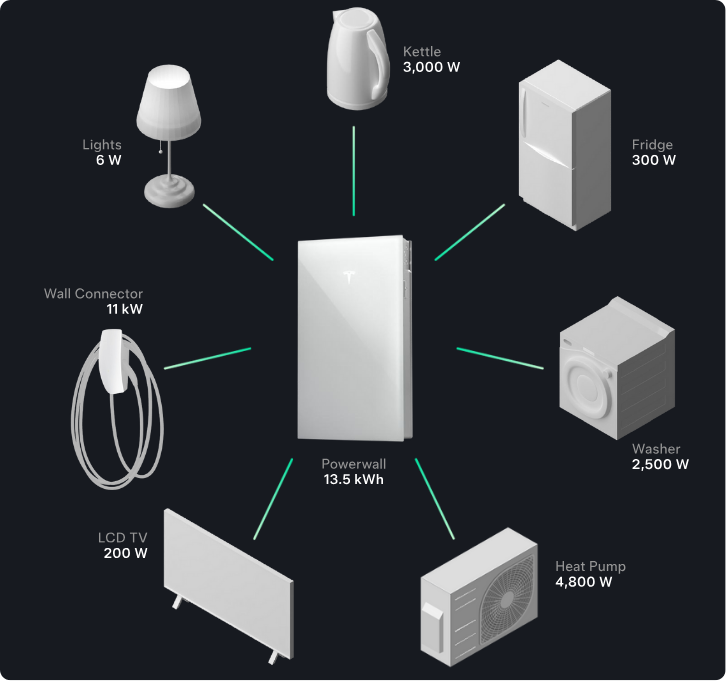
With the Powerwall 3, homeowners can have peace of mind knowing they have a robust and reliable energy storage system that can handle their power needs in almost any situation.
While the power output has increased significantly, the Powerwall 3 maintains the same storage capacity as its predecessor at 13.5kWh.
This means that although the Powerwall 3 can provide more power at a given moment, the duration of backup power will still depend on the household’s energy consumption.
In addition to its impressive power output, the Powerwall 3 comes with a range of advanced features that make it a truly smart energy management solution.
These include:
If you’re considering investing in a home battery system, the Tesla Powerwall 3 is definitely worth a closer look.
Its combination of high power output, advanced features, and integration with Tesla’s ecosystem makes it one of the most compelling options on the market.
However, it’s essential to assess your household’s energy needs and budget before making a decision.
At Smart Energy Answers, we specialise in helping homeowners find the perfect energy storage solution for their unique requirements.
The price, including the required Backup Gateway, is approximately AUD $13,600 before installation.
The final installed price depends on site requirements, installation complexity, and applicable state rebates.
Yes, the Powerwall 3 supports AC coupling, allowing it to be integrated with existing solar systems.
The key differences include the Powerwall 3’s higher power output, integrated solar inverter, and updated battery chemistry.
Powerwall 3 provides 10kW of continuous power output compared to Powerwall 2’s 5kW, while also offering a more streamlined system design.