
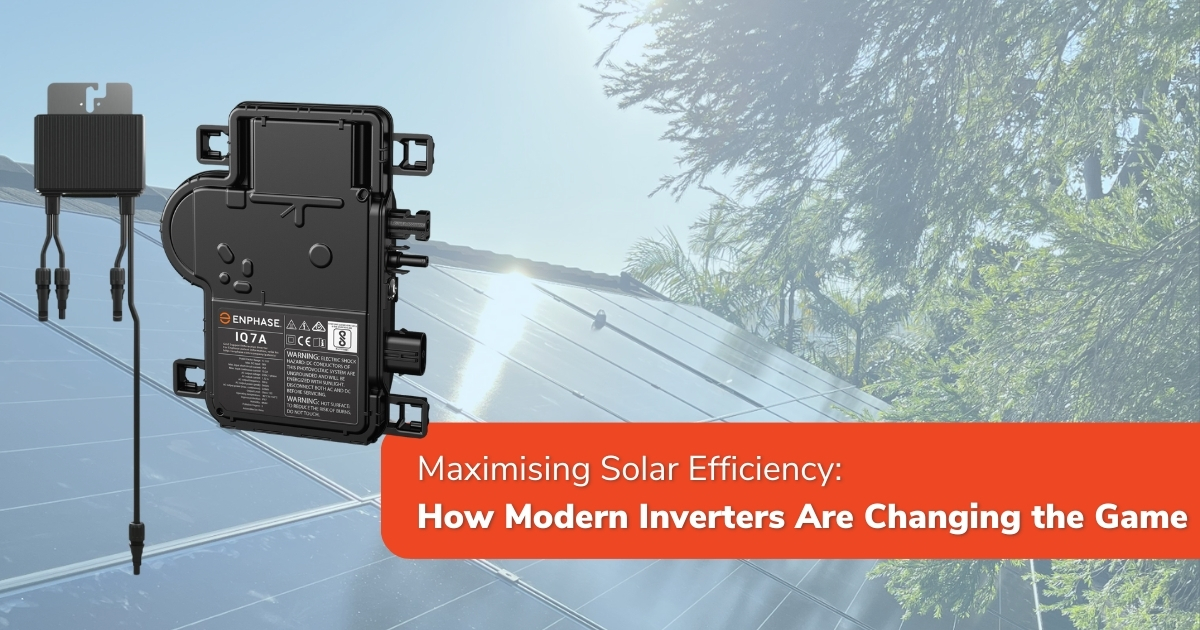
Solar energy has emerged as a game-changer in the field of renewable resources, and its viability continues to grow more promising every day.
At the heart of this green revolution are the silent heroes of the solar system: inverters.
In this informative piece, we’ll explore how modern inverters are playing a crucial role in maximising the efficiency of solar power generation.
They are helping pave the way for a future powered by the sun.
Before exploring the advancements in solar inverter technology, it is important to understand their basic function.
A solar inverter, also known as a PV inverter, is an essential component of a solar power system.
It is responsible for converting the variable direct current, or DC, output of a photovoltaic, or PV, solar panel into alternating current, or AC, that can be used by most household appliances.
The quality and efficiency of this conversion process are critical.
Any energy loss during conversion directly reduces the overall energy yield of the system.
Traditionally, inverters were designed to perform this conversion with as little loss as possible.
However, newer models have taken this concept to an entirely new level.
Historically, solar inverters were bulky and had limited capabilities.
They were built for function over form, which often meant a trade-off between size and efficiency.
Early inverters could suffer from significant energy losses due to the inherent inefficiencies of the conversion process.
In contrast, modern inverters use cutting-edge technologies to achieve efficiencies nearing 99%.
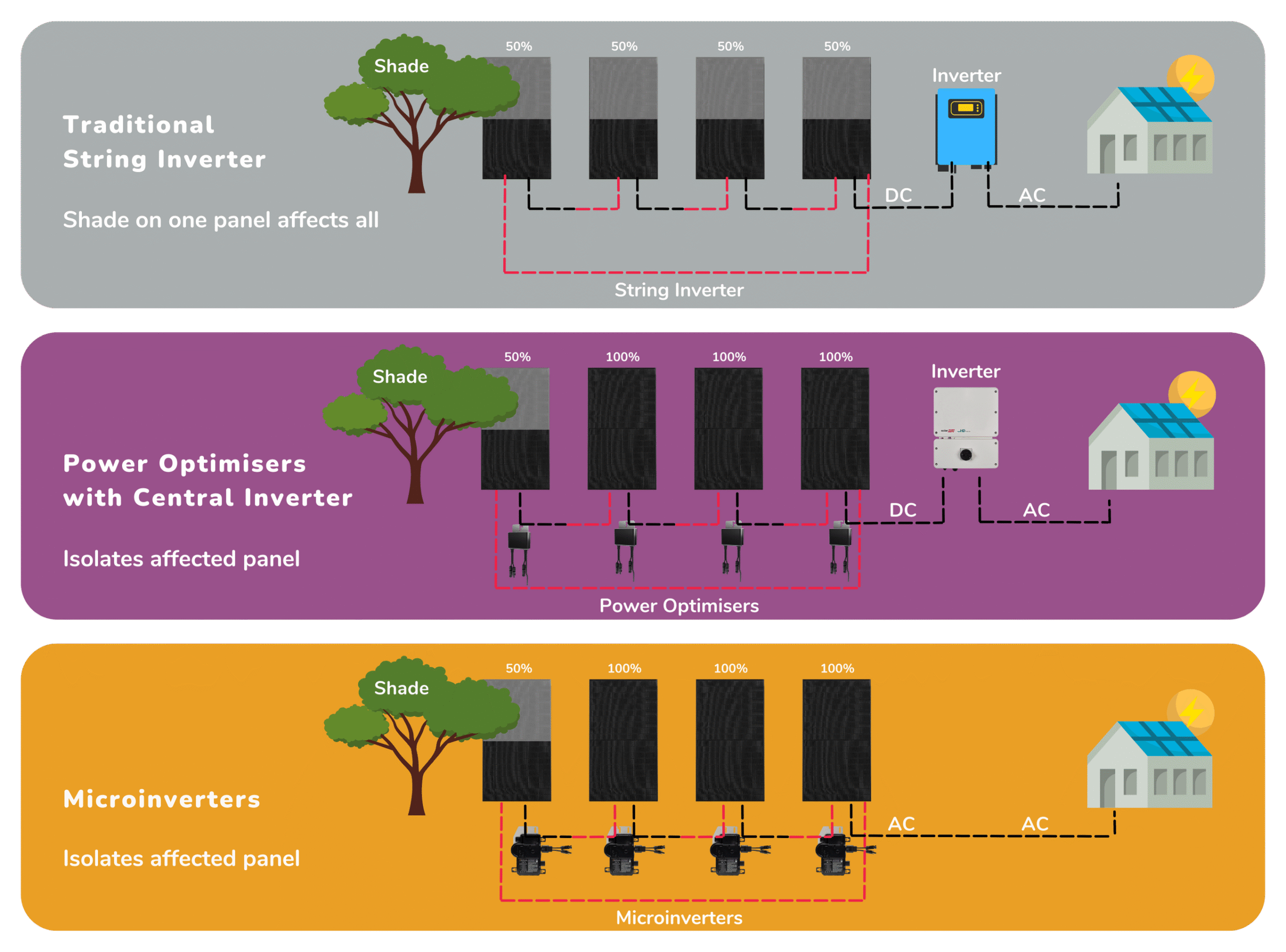
The shift from traditional string inverters to higher-performing Module-Level Power Electronics, or MLPE, such as microinverters and power optimisers, has revolutionised the solar industry.
These modern inverters are installed on a per-panel basis, helping ensure each solar panel operates at its optimal capacity, even if one panel is shaded or underperforming.
Furthermore, modern inverters are not just more efficient in converting DC to AC.
They also introduce smart features that enhance system reliability and overall performance.
These features include peak power tracking, where the inverter adjusts the system’s operating voltage and current to help maintain the maximum power point, even during shading or overcast conditions.
The move to modern inverters has resulted in a wide range of advantages that were once difficult to achieve with traditional models.
Let’s explore some of the key benefits that are making a measurable difference in solar energy systems.
The high-efficiency rating of modern inverters means they waste less energy during the conversion process.
Essentially, they help maximise every last electron your PV panels can produce.
This not only helps reduce your electricity bill, but also ensures you get the most out of every ray of sunlight.
Even optimally positioned and unshaded solar panels may receive direct sunlight for only part of the day.
During the remaining hours, they rely on diffuse light.
Advanced Maximum Power Point Tracking, or MPPT, algorithms in modern inverters allow the system to work more effectively with this type of light.
This helps maintain a high level of power generation, even when direct sunlight is limited.
Today’s inverters are equipped with sophisticated monitoring systems, allowing users to keep a precise eye on their system’s performance.
This real-time data empowers users to identify and address issues quickly, maximising overall system efficiency.
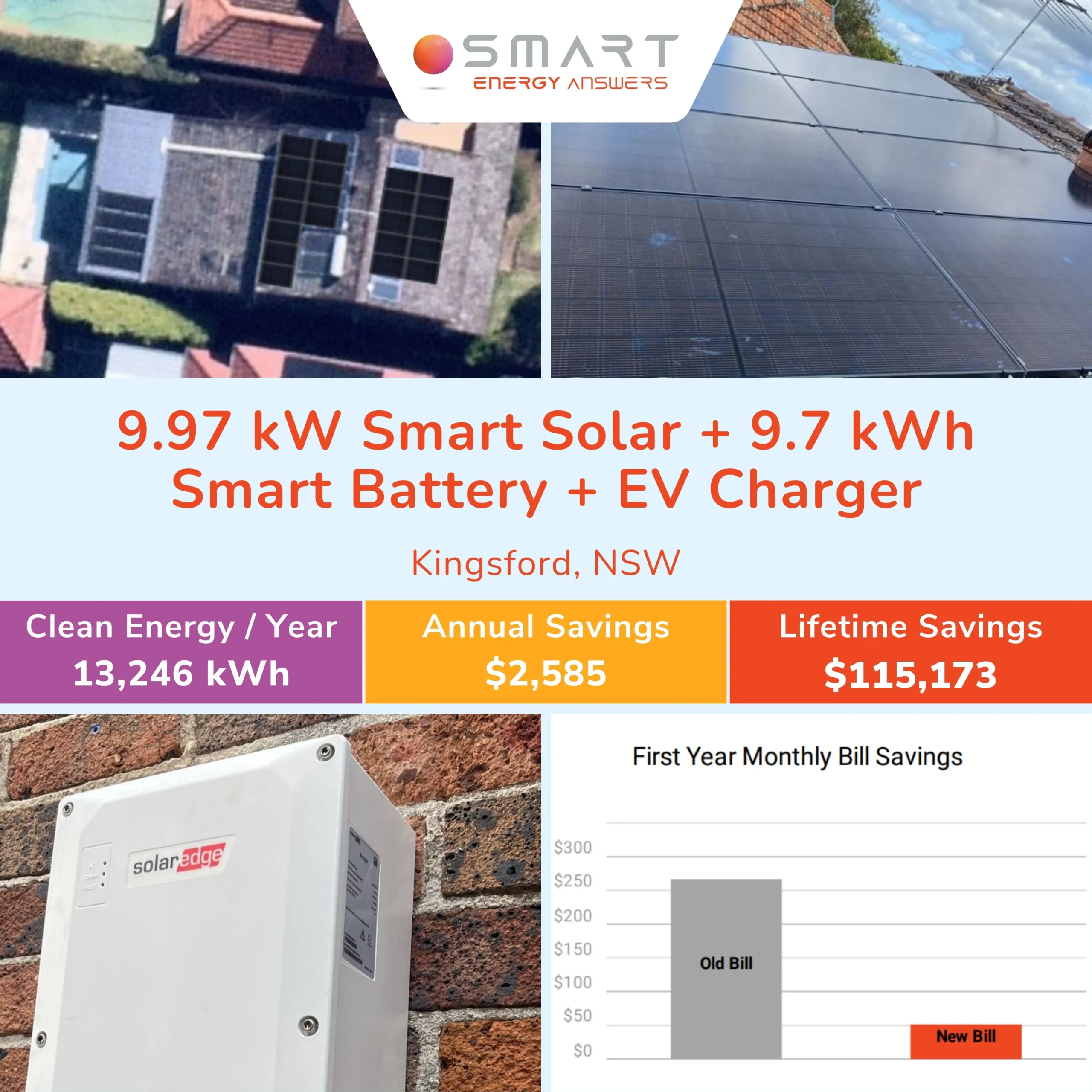
This project showcases the tangible difference that modern inverter technology can bring to solar energy systems.
With 13,246 kWh of clean energy generated per year, this family saves $2,585 annually with smart solar, inverter, and battery technology.
In a typical residential setting, an increase in energy production after upgrading to a system with modern inverters can directly translate into substantial savings.
These savings, combined with a reduction in greenhouse gas emissions, underline the environmental and economic value of modern inverters.
For manufacturing units, where energy consumption is significantly higher, optimising solar efficiency with modern inverters can deliver major benefits.
It not only helps cut costs but also stabilises energy prices, providing long-term financial predictability.
In the quest for ultimate solar efficiency, every small optimisation can make a big difference.
Here are some practical tips to help ensure you get the most out of your solar investment.
Ensure your solar panels are installed by accredited professionals and positioned optimally to receive the maximum amount of sunlight throughout the day.
This includes accounting for seasonal changes in the sun’s path.
Dirt, dust, and debris can accumulate on solar panels over time, reducing their effectiveness.
Regular cleaning and maintenance help keep your system operating at peak capacity.
Incorporating energy storage solutions and home energy management systems can further enhance the efficiency of your solar setup.
These systems allow you to store excess energy for use at night or during peak demand periods.
The solar industry has seen a surge in efficiency thanks to advancements in inverter technology.
With consistent sunlight as a renewable resource and increasingly efficient solar inverters, we are paving the way for a more sustainable energy landscape.
Modern inverters will remain at the forefront, helping homeowners and businesses harness the sun’s power more effectively.
For a greener tomorrow, discover the right smart energy solutions for you and your family.
Talk to our energy experts today.