
For homeowners who have made the decision to switch to solar power, the benefits are clear.
Clean energy, reduced grid consumption, and lower energy bills all make solar an attractive investment.
However, choosing the right solar panel system is essential to getting the best long-term result.
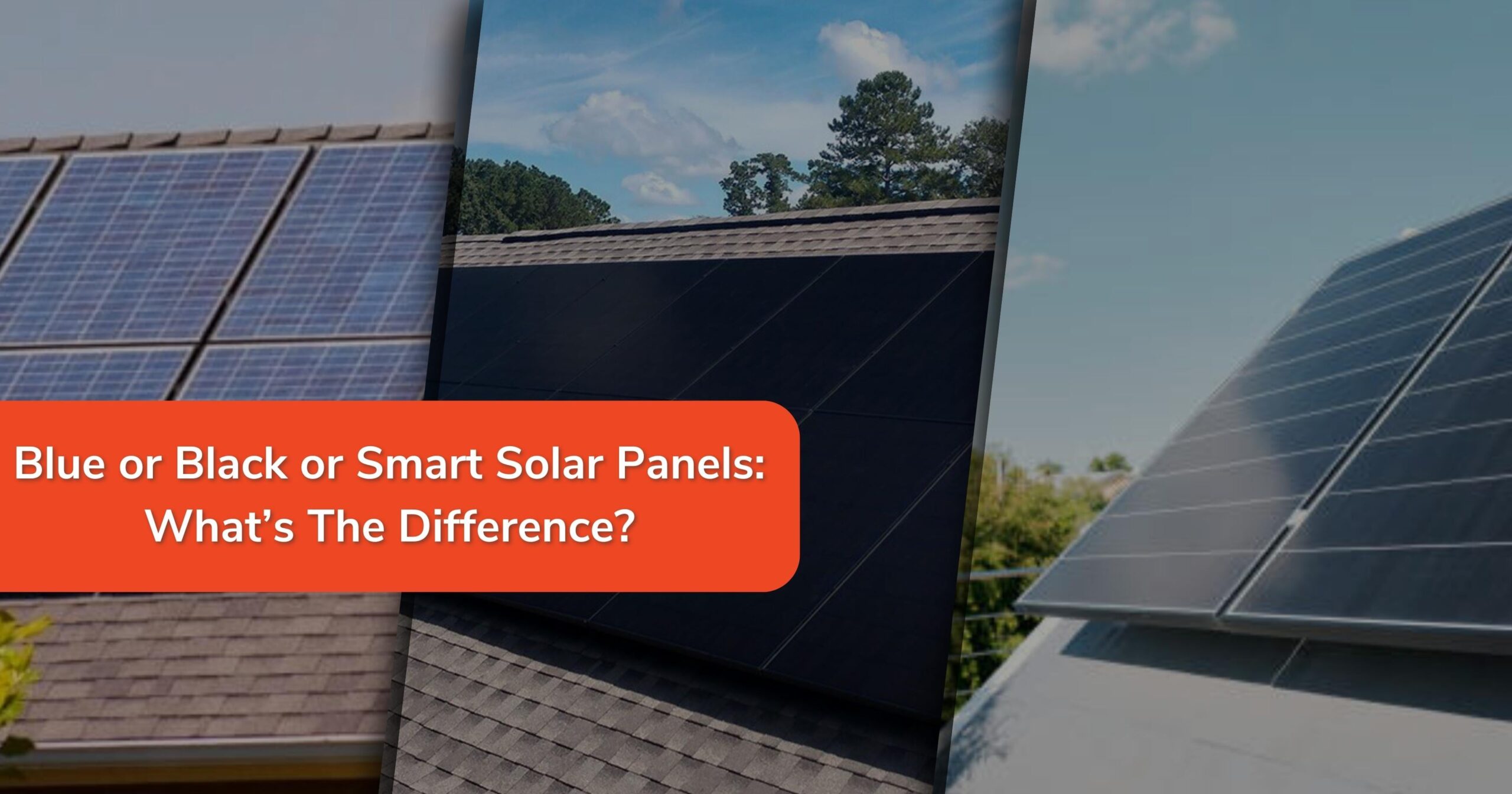
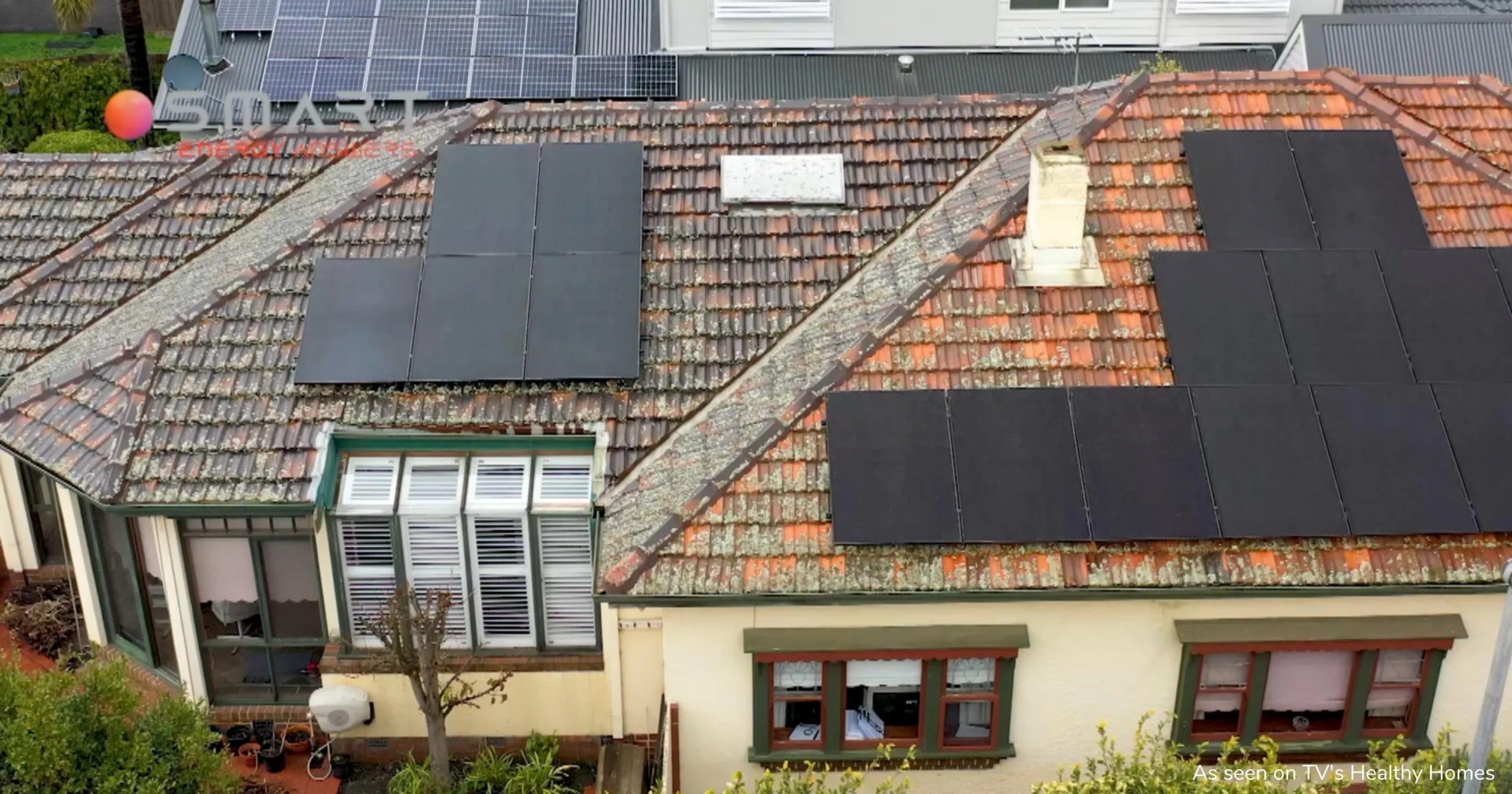
Some homes feature blue solar panels, while others use black panels, which can leave many homeowners wondering whether there is a real difference between the two.
Understanding the difference between each panel starts with how they are manufactured and the materials used.
Modern solar panels rely heavily on silicon because of its ability to effectively absorb sunlight and convert it into usable electricity.
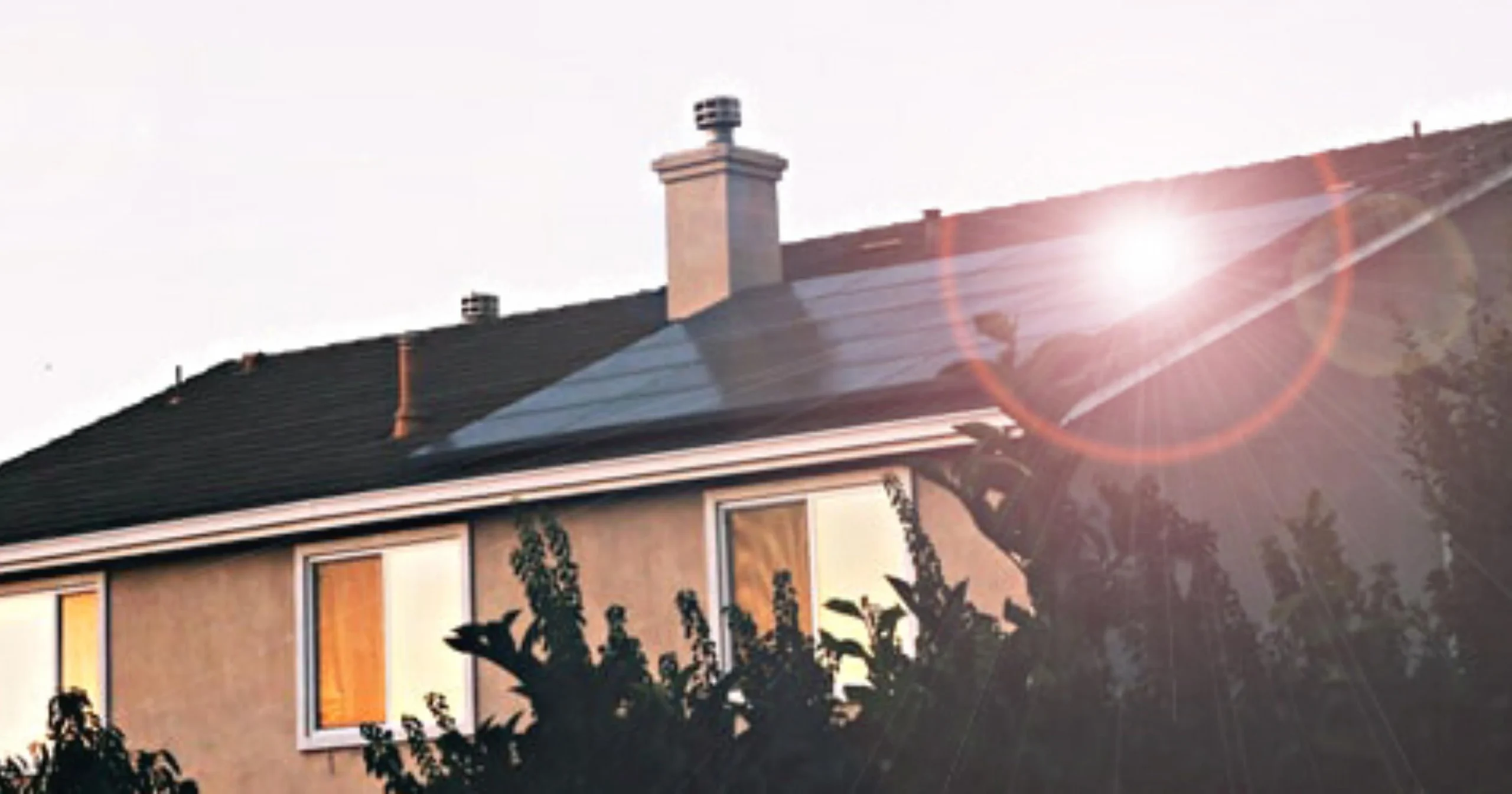
The colour and appearance of solar panels are influenced by the manufacturing process, including the use of anti-reflective coatings and how the panel reacts when exposed to light.
The type of material used in a panel also affects its colour, giving it either a shiny blue appearance or a sleek black finish.
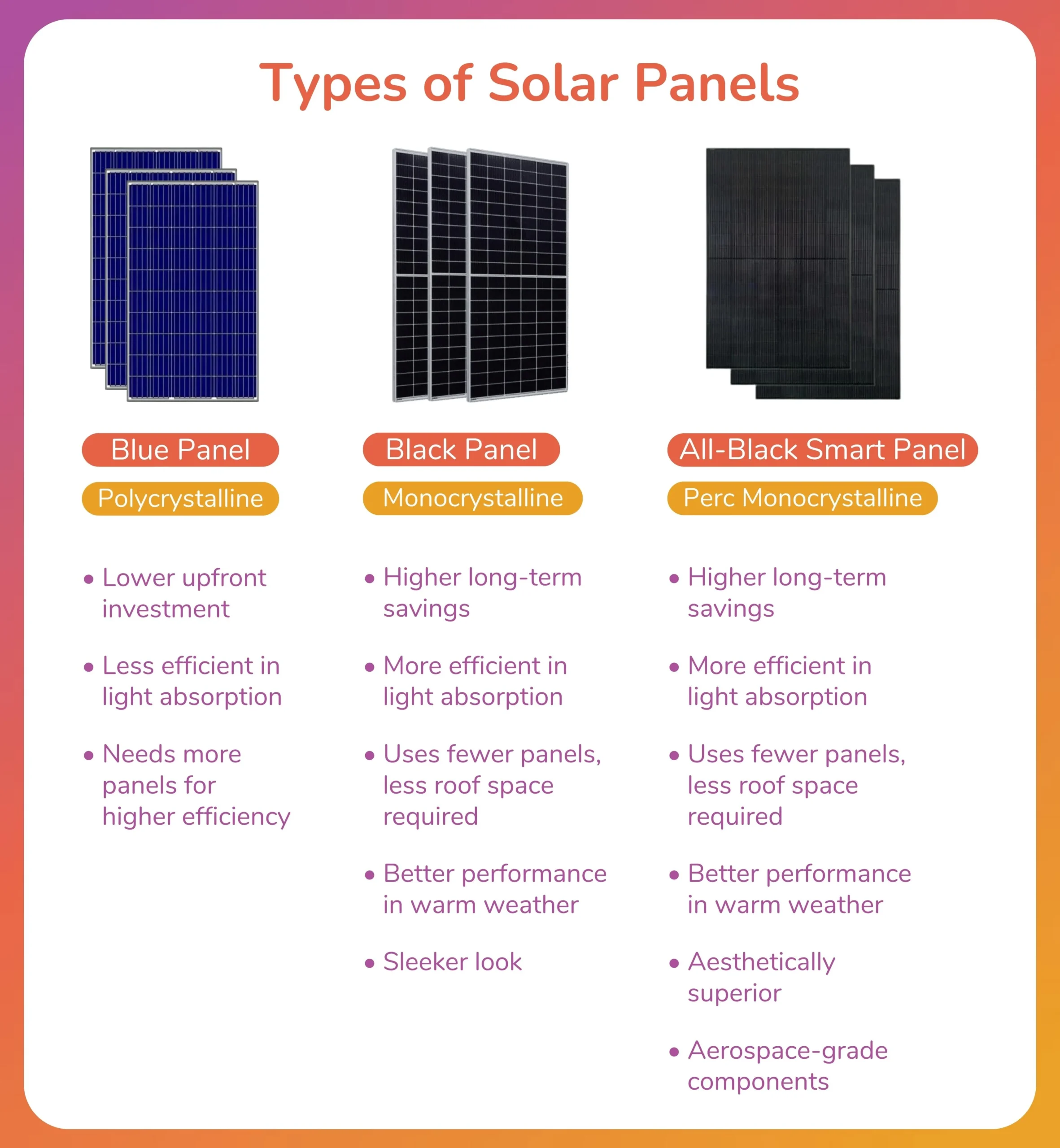
Generally speaking, blue solar panels are often less expensive than black panels, but there can be trade-offs between heat performance and efficiency.
Black panels tend to perform better in low-light conditions and warmer temperatures.
Recent advancements in design and manufacturing have also led to the development of PERC monocrystalline smart panels.
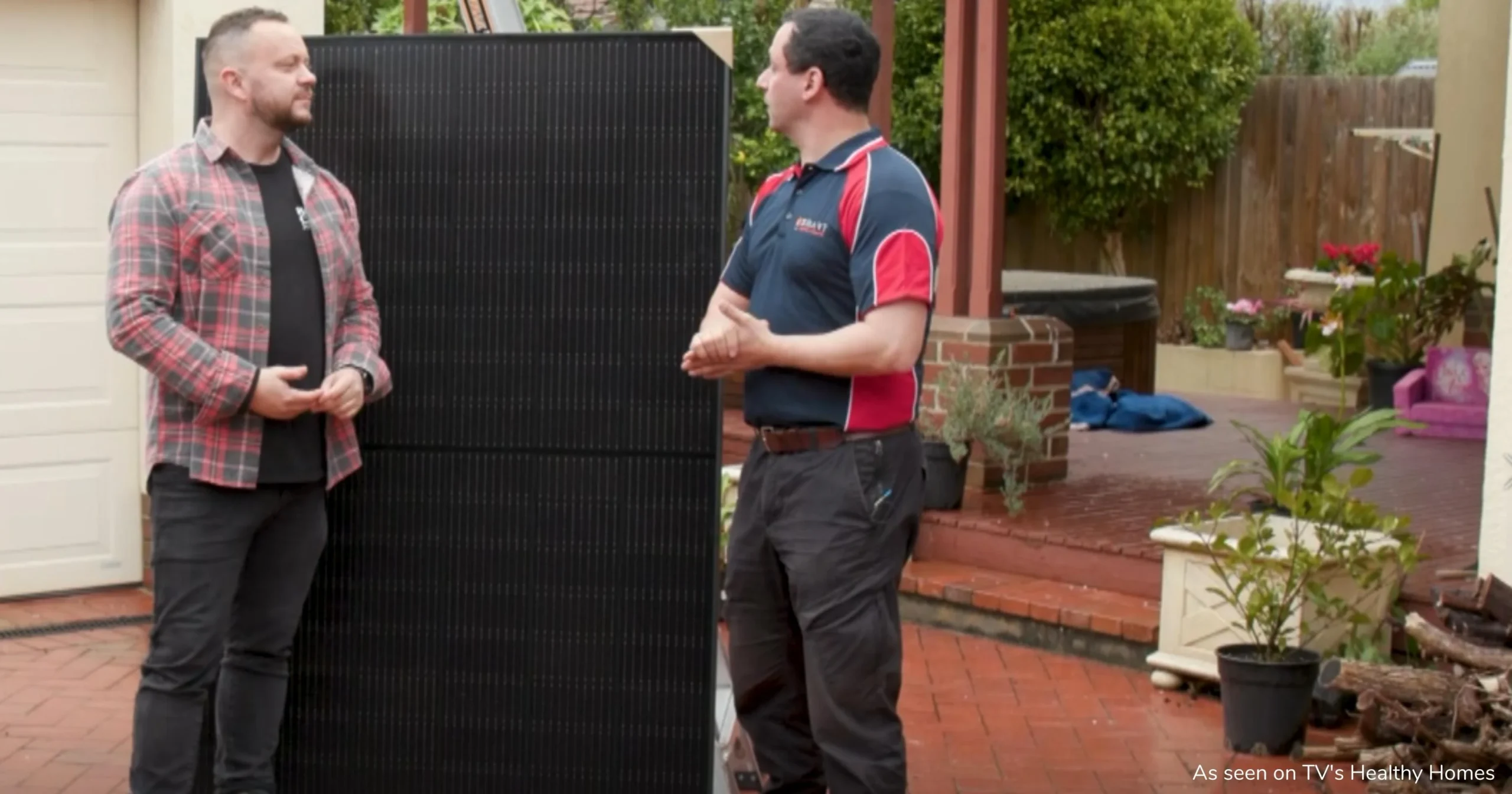
The latest energy research and innovation have used technology and connectivity to develop a new generation of smart all-black solar panels.
These panels bring distinct advantages, combining a sleek and modern appearance with high efficiency and robust performance.
Each panel is designed to deliver a more aesthetic look while remaining strong, reliable, and efficient.
Constructed with PERC monocrystalline technology and aerospace-grade components, these high-spec panels are designed to withstand extreme weather conditions, including high winds.
Their all-black finish also helps them blend seamlessly into almost any roof design.
As a top performer for reliability, PERC panels are rigorously tested for strength and lasting durability.
Longevity is a key consideration for homeowners, and with a 25-year full replacement warranty, PERC panels can offer greater peace of mind.
One of the questions homeowners often ask is which type of solar panel is better for a home solar system.
Due to their light-absorbing properties and efficient performance, many homeowners prefer black panels.
In a typical installation, fewer black panels may be needed compared with blue panels, helping reduce the amount of roof space required.
Although black panels can be more expensive upfront, they may deliver better long-term value through improved efficiency and performance.
However, if cost is the main factor and the installation needs to stay within a limited budget, blue panels can require less upfront investment.
While they may not be as efficient as black panels, blue panels can still be suitable for home solar systems and smaller commercial applications.
When selecting solar panels, it is useful to have some key information at hand, such as:
No matter which panels are chosen, some performance degradation will still occur over time due to weather, use, and environmental factors.
This means solar panels may generate slightly less power as they age.
However, most solar panels are designed to last for 25 years or more, and many can continue performing well beyond that period.
Our expert consultants can help you make an informed decision based on your household needs, energy goals, and budget.