

When Australia’s Small-scale Renewable Energy Scheme was introduced in 2011, homeowners were very limited by the solar technology available at the time.
The majority of solar panels had a capacity of less than 200 W, which has now been doubled by many of today’s models.
Solar panels have become progressively bigger and better, but for many years there was very little technological change to the other primary component of a solar system: the inverter.
The inverter is designed to do the heavy lifting of converting direct current, or DC, power from the panels into alternating current, or AC, power for use in the home.
In the past, the inverter was a relatively unsophisticated box that collected the accumulated power from all the panels for conversion.
If one panel was underperforming, that panel could reduce the output of all the other panels in the string.
However, homeowners would often never know because the inverter had no way of identifying the issue or pinpointing which panel was faulty.
These simple inverters also did not come with remote monitoring, meaning customers could go months before realising their solar system was not working or was severely underperforming.
We used to recommend that customers check the small LCD screen on the inverter at least once a week to make sure the system was operating.
Today, inverters have come a long way, with major improvements in technology, monitoring solutions, and reliability.
There are three types of inverters currently available for solar energy systems: string inverters, power optimised systems, and microinverters.
Power optimisers and microinverters are often collectively referred to as Module-Level Power Electronics, or MLPEs.
At Smart Energy Answers, we believe the smart way to install solar in 2022 is with MLPE technology.
We recommend two of the leading brands in this space: SolarEdge and Enphase.
Both are global technology companies listed on the New York market.
MLPE technology is one of the safest and best-performing solutions available, and it is expected to become increasingly common as regulations and standards continue to evolve.
String inverters remain the most widely deployed inverter option globally because they have been used for many years.
However, MLPE technologies have continued to gain market share over the last five years as costs have come down.
We understand that customers researching solar can feel confused by the many alternatives and quotes available from different companies promoting different products.
It can be overwhelming.
At Smart Energy Answers, we assist customers in making informed decisions when looking into solar, and our job is to make the process simple to understand.
To help simplify the comparison, we will use a strong analogy.
If you were buying a new phone today, in 2022, would you consider a phone from Option A or Option B below?

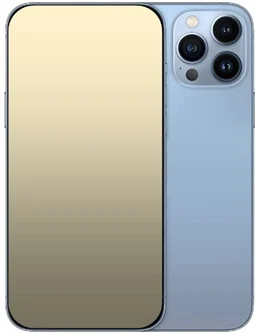
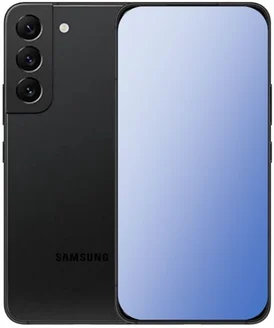
If you answered Option B, you can now better understand the difference in value between a string inverter and a solar energy solution powered by MLPE technology.
You may pay more upfront for Option B, but you also get much more value, performance, safety, and long-term monitoring capability from it.
Important note: Do not believe salespeople who say you do not need microinverters or power optimisers simply because you do not have trees around your house.
Solar panels can be affected by shade and obstruction in many ways, including trees, clouds, birds, dust, vent pipes, roof gables, chimneys, air-conditioning units, and other rooftop structures.
MLPE technology can provide a safer, more efficient, better-performing, more flexible, more innovative, and easier-to-monitor solar solution in many circumstances.
Simply smarter.