
Australia’s electricity grid has reached a major milestone.
For the first time in modern history, renewable energy sources, led by rooftop solar, wind farms, and utility-scale batteries, have contributed as much to the grid as coal.
This shift is not just a statistic for energy experts. It affects every household that pays an electricity bill.
In this post, we break down what is behind this change, what it means for Australian homes, and how you can benefit, especially if you are planning solar and battery upgrades in 2026.
In late January 2026, The Guardian reported that renewable electricity was contributing as much power to the grid as Australia’s coal plants.
This signals a major structural change, one that only a decade ago seemed aspirational.
It is not only large wind farms or utility-scale solar farms driving this shift.
Millions of homes with rooftop solar panels are collectively reshaping how Australia gets its power.
Rooftop generation now accounts for a significant portion of midday and early afternoon grid demand, reducing reliance on coal-burning generators.
Every kilowatt your panels produce is electricity that does not need to be generated by fossil fuels.
With renewable output rising, households are contributing directly to cleaner energy outcomes.
That is one reason panels such as AIKO solar panels, known for strong efficiency and output, are becoming a favoured choice for Australian roofs.
More solar generation means more energy offset from the grid.
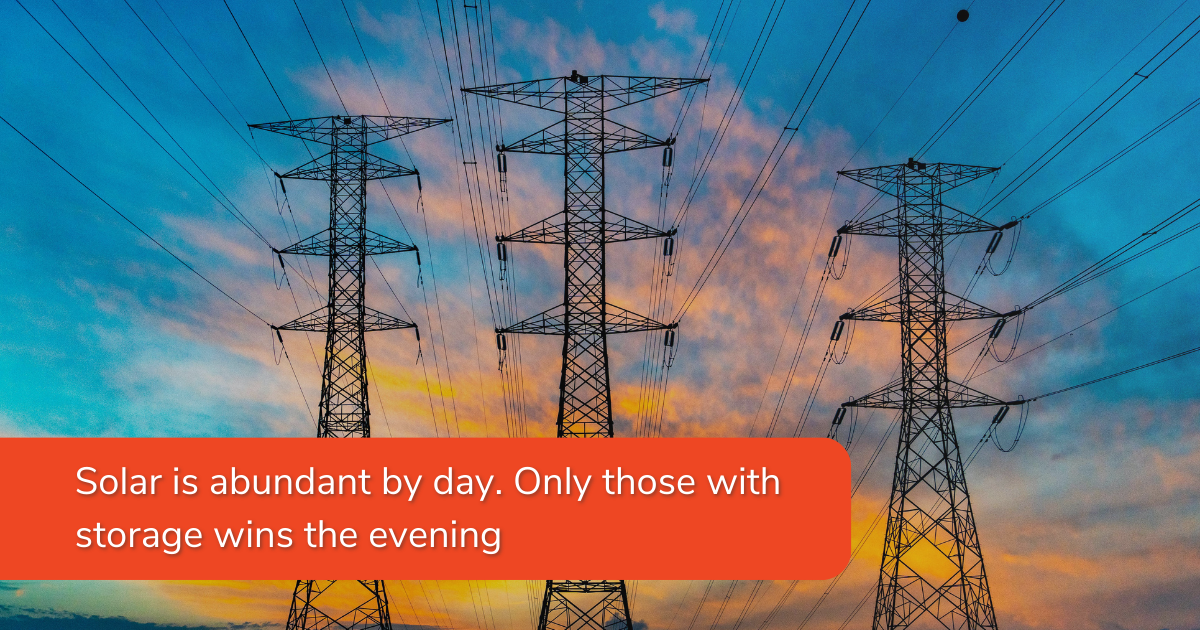
Renewable generation is variable. Sunshine peaks at midday, and wind speeds change daily.
This is where batteries become valuable.
This is also where policy comes into play.
The solar battery rebate 2026 is designed to help homeowners add storage to their solar systems, and maximising rebate eligibility can significantly improve payback and system value.
With the grid evolving, homeowners are increasingly asking which battery they should choose.
Here are the main considerations when exploring storage options.
There is not a single best battery for every home, but there are features that consistently matter.
Homeowners comparing systems should consider both cost and performance as part of the full value equation.
A popular premium option, the Tesla Powerwall 3 combines smart management with reliable output.
When evaluating a system, many people ask about Tesla Powerwall 3 price, which reflects both the hardware capabilities and integrated software features.
Powerwall systems are known for strong energy throughput and high platform integration, making them a common choice for solar and storage setups.
Another increasingly common choice is a Sigenergy battery system.
These systems often offer flexible modular capacity and strong performance while presenting a different value proposition compared with premium brands.
Sigenergy systems can be a practical alternative for homeowners who want scalable storage and solid day-to-day performance, especially when priced and sized correctly for the home’s solar output and energy usage patterns.
Recent market data shows that rooftop solar installations remain strong, while battery uptake continues to grow as households seek resilience and protection from peak pricing.
During the middle of the day, rooftop solar alone can supply a significant share of Australia’s electricity demand.
With batteries storing excess generation, households can shift power use to evening or peak periods.
This trend reduces reliance on fossil fuels and helps improve overall grid stability, creating benefits for both individual energy bills and national emissions goals.
If you are thinking about solar upgrades in 2026, understanding the grid’s transformation can help you make smarter decisions.
Even as the grid becomes greener overall, homes with solar and battery storage stand to benefit the most through lower bills, increased independence, and greater control of their energy supply.
Australia reaching parity between renewables and coal on the grid is not just a headline.
It is a structural change that affects everyday energy use.
Your household’s investment in solar and storage is not only about saving money. It is also part of a broader transition to a cleaner and more resilient energy future.
If you are planning to install or upgrade your system in 2026, now is a smart time to evaluate your options, understand rebates such as the solar battery rebate 2026, and choose panels and batteries that offer the best long-term value for your home.