
Can You Charge an EV with Solar Power Alone? Here’s What You Need to Know
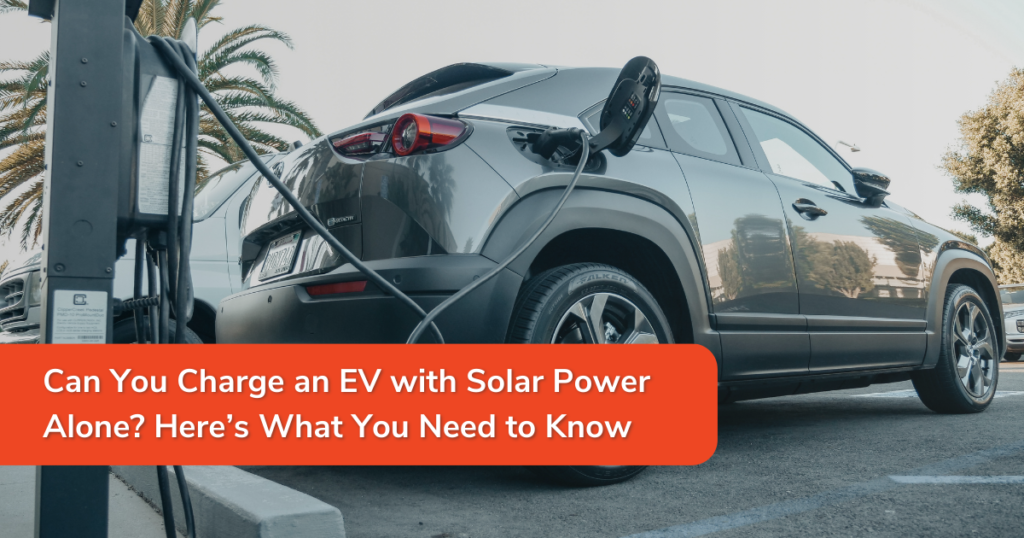
Can You Charge an EV with Solar Power Alone? Here’s What You Need to Know Smart Energy Answers June 3, 2026 With the rise of electric vehicles (EVs) and increasing interest in renewable energy, many homeowners wonder whether they can rely entirely on solar power to charge their EVs. The short answer is yes, charging an EV with solar panels alone is possible. However, factors like solar system size, battery storage, and energy consumption patterns play a crucial role in determining feasibility. In this guide, we explore how you can charge your EV with solar power and what you need to make it work efficiently. How Solar Charging Works for EVs? Solar panels generate electricity from sunlight, which can either be used immediately, stored in a home battery, or fed into the grid. To charge an EV using solar power alone, you need to ensure that your solar system produces enough electricity during the day to meet both your household and vehicle charging needs. This often requires a system with adequate capacity, ideally paired with battery storage to allow charging at night or on cloudy days. Key Factors to Consider Solar System Size and Energy Production The size of your solar panel system determines how much electricity you can generate. A standard EV requires around 15–20 kWh for a full charge, depending on the vehicle’s battery size and efficiency. To cover both home energy use and EV charging, an average household might need a solar system between 6 kW and 10 kW, though this varies based on location, sunlight exposure, and daily energy consumption. Battery Storage for Round-the-Clock Charging If you want to charge your EV at night, a home battery, such as the Tesla Powerwall 3, SolarEdge Battery, or Sungrow SBR, is essential. Batteries store excess solar energy during the day, allowing you to charge your EV when the sun isn’t shining. This maximises your solar usage and reduces reliance on the grid, helping you save on energy costs. Smart Charging and Energy Management Smart EV chargers, such as those compatible with solar systems, can optimise charging by prioritising solar energy use. Features like dynamic load balancing ensure that your EV charges when solar production is highest, reducing grid dependency. Some advanced systems even allow scheduling to align charging times with peak solar generation hours, further improving efficiency. Can Solar Power Alone Meet Your EV Charging Needs? For some homeowners, a well-sized solar system with battery storage can provide sufficient power for daily EV charging. However, those with high energy consumption or living in areas with limited sunlight may still need occasional grid support. The effectiveness of solar-only EV charging depends on several factors: Daily driving habits: If you drive long distances daily, your EV may require more energy than your solar panels can generate. Weather conditions: Cloudy days and seasonal variations can impact solar production, making backup energy sources necessary. Charging speed requirements: A Level 2 home EV charger requires more power than a standard wall outlet, influencing the feasibility of solar-only charging. Maximising Solar for EV Charging To make the most of your solar power for EV charging, consider upgrading to a high-efficiency solar system, investing in a home battery, and using a smart EV charger that integrates with solar energy management. Additionally, participating in a Virtual Power Plant (VPP) program can allow you to sell excess stored energy back to the grid, further offsetting costs and enhancing financial returns. Conclusion Charging an EV with solar power alone is achievable with the right setup. A properly sized solar system, battery storage, and smart energy management tools can help you maximise renewable energy use while reducing reliance on the grid. If you’re considering making the switch, Smart Energy Answers can help design a tailored solar and EV charging solution to suit your needs. Get in touch today to start your journey toward energy independence!
Installing a Home EV Charging Station: Step-by-Step Guide in Australia
Installing a Home EV Charging Station: Step-by-Step Guide in Australia Smart Energy Answers June 3, 2026 With the electrification of the automotive industry accelerating, Australia is quickly becoming a major player in the transition to electric vehicles, or EVs. As the number of EVs on Australian roads continues to climb, the need for infrastructure, especially home charging solutions, has become paramount. Get ready to dive into the world of green commitments as we guide you, step by step, through the process of installing a home charging station for your EV. From selecting the perfect station to powering up your electric ride, we’ve got you covered. Assessing Your EV’s Thirst Before diving into the installation process, let’s consider an important factor for your home charging station: your EV’s thirst for power. Take into account your vehicle’s battery capacity, anticipated range, and charging speeds. Remember, it’s always wise to choose a charging station that can handle faster charging speeds to future-proof your setup. Choose the Right Station Australia offers a diverse selection of home EV charging stations. When shopping for your charging unit, look for models that comply with Australian standards and regulations. From standard Level 1 chargers to the more robust Level 2 options, you’ll find a range of power outputs designed to cut down on charging times. Don’t forget to consider connectivity options, whether it’s plug-and-play, hardwired, or Wi-Fi enabled for smart connectivity. Safety features should never be overlooked. Look for units with integrated ground fault protection and over-current shut-offs for peace of mind. Preparing the Site Down Under Now it’s time to power up your preparations by ensuring that your home’s electrical system can handle the demands of your charging station. You may need to upgrade your home’s electrical panel to accommodate the necessary amperage. Next, navigate the bureaucratic landscape by checking if your local council requires any permits or approvals. Once the paperwork is squared away, focus on the physical site, whether it’s your garage or an outdoor space. Ample ventilation and accessibility are non-negotiables for a smooth charging experience. The Installation Process When it comes to installation, always enlist the services of a licensed electrician or solar energy provider with expertise in EV charging. They’ll handle the complex wiring and compliance details to ensure your installation not only powers your EV but also meets safety standards. Installing your charging station involves working with high voltages, so it’s crucial to leave it to the professionals. They will conduct tests to confirm correct operation and provide an overview of the station’s functionality. Testing and Commissioning Once the installation is complete, it’s time to test the equipment. Ensure that the charging station is properly connected to your EV and capable of delivering the promised charging speeds. Conduct a few cycles of charging to verify reliability and consistent performance. It’s always a good idea to double-check before relying on your new charging station. Maintenance and Troubleshooting Keep the power flowing smoothly by adhering to a regular maintenance schedule for your home charging station. This typically involves visual checks, cleaning the unit, and ensuring the electrical connections remain tight. In the event of any issues, troubleshooting can range from simple fixes like resetting a tripped circuit to diagnosing more complex internal faults. Always refer to your user manual for guidance and safety precautions before attempting any repairs. Conclusion As you embark on your home EV charging station journey, remember that you’re making a significant contribution to the environmental health of your community. Home charging not only saves you trips to the pump or public chargers but also reduces your carbon footprint. By diligently following the steps provided, you’re not just installing a charging station. You’re plugging into the future of transportation in Australia. Let’s power up together. Contact Smart Energy Answers today.
Maximising Electric Vehicle Incentives for Adoption
Maximising Electric Vehicle Incentives for Adoption Smart Energy Answers June 4, 2026 Discover How to Make the Most of Electric Vehicle Incentives Discover how to make the most of electric vehicle incentives to drive adoption and sustainability. Understanding Electric Vehicle Incentives Electric vehicle incentives are financial benefits provided to encourage the adoption of electric vehicles. These incentives can come in various forms, such as tax credits, rebates, grants, or discounts on vehicle purchases. Understanding the different types of incentives available is crucial for maximising their benefits. By educating yourself on electric vehicle incentives, you can take advantage of the savings and support offered to make the switch to electric vehicles more affordable and appealing. Types of Incentives Available There are several types of incentives available for electric vehicle owners. These can include federal tax credits, state rebates, utility company discounts, and special programmes for low-income households. Each type of incentive serves a different purpose and can help offset the initial cost of purchasing an electric vehicle. By researching and understanding the various types of incentives available, you can determine which ones you qualify for and make the most of the financial benefits they offer. Maximising Federal Government Incentives Federal government incentives for electric vehicles play a significant role in promoting adoption. These incentives, such as the Federal Electric Vehicle Tax Credit, can provide substantial savings for eligible vehicle owners. By understanding the requirements and limitations of federal incentives, you can maximise the financial benefits and make electric vehicles more accessible. Consulting with a tax professional or researching the current federal incentives can help you take full advantage of the savings offered by the government. Utilising State and Local Incentives In addition to federal incentives, many states and local governments offer their own incentives for electric vehicle adoption. These can include rebates, grants, free parking, or access to HOV lanes. By researching the incentives available in your area, you can further reduce the cost of owning an electric vehicle and enjoy additional perks that make the transition more convenient. Stay informed about state and local incentive programmes to take advantage of the benefits they provide and make the most of your electric vehicle ownership experience. Incorporating Incentives Into EV Marketing Strategies For businesses and organisations promoting electric vehicle adoption, incorporating incentives into marketing strategies can help drive interest and encourage more people to make the switch. By highlighting the financial savings and benefits of incentives in promotional materials, you can attract potential customers and showcase the advantages of choosing electric vehicles. Collaborating with incentive providers and showcasing success stories of incentive recipients can further strengthen the marketing impact and inspire others to take advantage of the available benefits.
7 Key Benefits of EV Chargers for Aussie Homes and Businesses
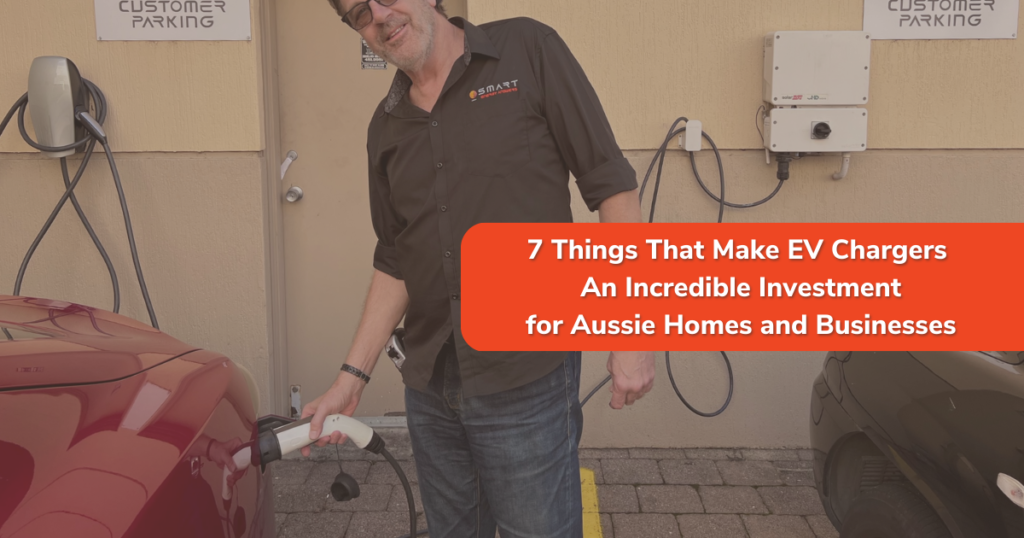
7 Key Benefits of EV Chargers for Aussie Homes and Businesses Smart Energy Answers March 21, 2023 7 Biggest Advantages of EV Chargers As the use of electric vehicles, or EVs, continues to grow, the demand for EV charging infrastructure is also increasing. EV chargers offer many advantages over traditional petrol stations, making them a convenient and eco-friendly option for charging your vehicle. Here are the seven biggest advantages of EV chargers. 1. Convenience One of the biggest advantages of having an EV charger at your home or business is convenience. Instead of searching for charging locations at shopping centres, grocery stores, or petrol stations while you are out and about, you can charge your EV from a location that works best for you. 2. Faster Charging Most EV chargers can charge an electric vehicle battery much faster than a standard household power outlet. This means you can spend less time waiting and get back on the road faster. 3. Variety of Charging Options EV chargers come in different sizes and styles, allowing you to choose the option that best fits your needs. Some chargers are designed for home use, while others are built for public or commercial charging locations. 4. Environmentally Friendly Electric vehicles produce zero tailpipe emissions, and using an EV charger to power your vehicle can help reduce your carbon footprint. By switching to EV charging, you can support cleaner transport and help protect the environment. 5. Cost Savings Although the initial cost of installing an EV charger may require an upfront investment, EV charging can offer lower operating costs over time. Many utility providers and government programmes may also offer rebates or incentives for installing an EV charger. These savings can help make EV charging a cost-effective option for homes and businesses. 6. Improved Customer Reputation for Businesses Providing an EV charging option for your team or customers demonstrates your commitment to sustainability. It also helps meet the growing demand for eco-friendly charging solutions. This can help attract customers who own electric vehicles, boost your business reputation, and increase customer loyalty. 7. Future-Proof As the use of electric vehicles continues to grow, having an EV charger at your home or business will become increasingly important. EV chargers offer many benefits and provide a convenient, eco-friendly way to charge your electric vehicle. Investing in an EV charger now helps ensure you are ready for the future of transport while supporting a cleaner and more sustainable planet. Conclusion Installing an EV charger at your home or business is a smart move towards a more sustainable future. With the increasing popularity of electric vehicles, offering EV charging options can enhance your reputation as an environmentally conscious homeowner, business, or organisation. It can also provide a convenient and valuable service to the growing number of EV owners, helping increase satisfaction, loyalty, and long-term value. Whether you are a homeowner or a business owner, investing in an EV charger is a valuable and forward-thinking decision.
Solar Power & Electric Vehicle Charging
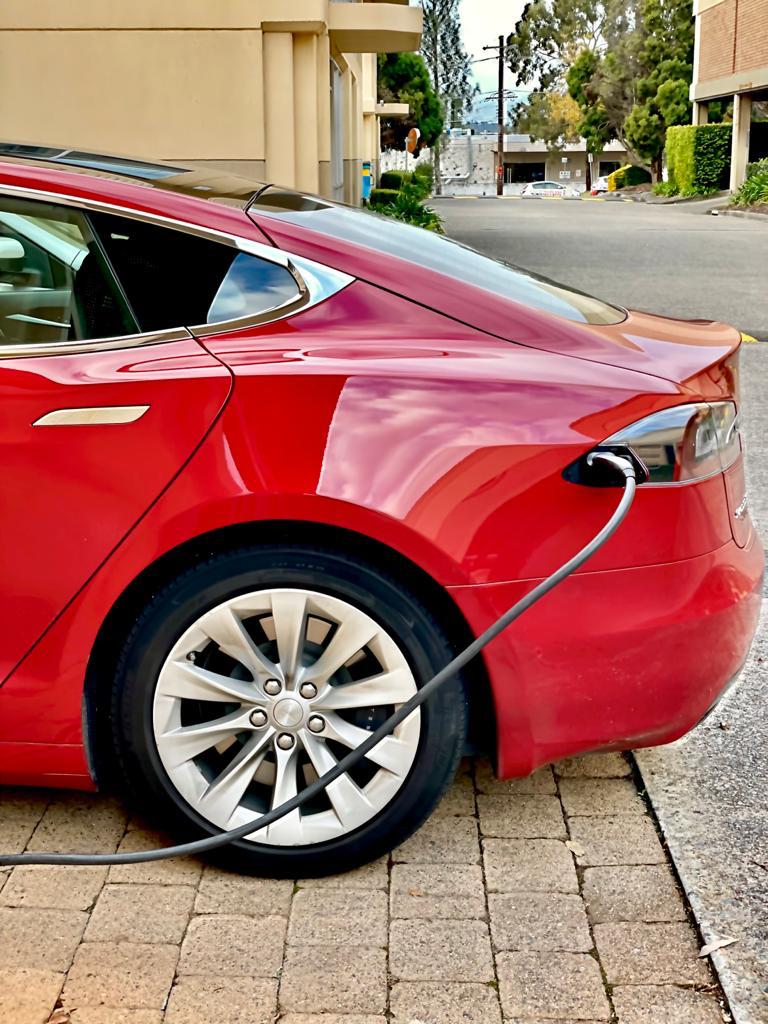
Solar Power & Electric Vehicle Charging Smart Energy Answers January 17, 2022 Can You Charge an EV with Solar Power? With Australia’s share of electric vehicles, or EVs, continuing to increase and more private rooftop solar power systems in use than ever before, it is natural that energy-conscious homeowners are starting to look at how these two technologies can work together. The transport sector is Australia’s third-largest source of greenhouse gas emissions, and these emissions have been increasing faster than any other sector. The large-scale uptake of EVs can clearly make a significant impact. EVs are a cleaner option for the environment, even when powered fully by energy from the grid. Using solar power to charge EV batteries is an even greater improvement and can help homeowners reduce reliance on traditional energy sources. CSIRO Supported One of the challenges that must be addressed for large-scale EV adoption in Australia is the need for widespread charging infrastructure. A collaboration between CSIRO, Nissan Australia, and Delta Electronics, with funding from the Victorian Government, is trialling a renewable energy system in Victoria. The system links solar photovoltaic, or PV, panels, batteries, and smart charging technology. According to CSIRO, this creates a solar-powered EV charging system that can use renewable energy to charge a vehicle at any time of day and in different weather conditions, while placing minimal impact on the electricity grid. CSIRO researchers developed and tested the system and implemented the thermal management controls. Three solar charging modules have been installed at Nissan Headquarters in Dandenong, with each module capable of charging four vehicles at a time. The modules will be evaluated over 200 days, including the peak summer period, before the project partners determine the next steps for this technology. Charging Your EV at Home As owners of private solar power systems understand, meaningful change in renewable energy adoption often begins at home. Just as it is possible to install solar panels and a storage battery at home, it is also possible to use your solar power system to charge your EV. The simplest way to charge your EV is to plug it in at home during the day while the sun is shining and solar energy is being generated. If the capacity of your home solar power system is greater than the charging input required by your EV, no additional energy from the grid may be needed. Grid power can still be used to make up any shortfall, which can be useful on cloudy days or during periods when household energy usage is particularly high. The amount of energy used to power an EV over a certain distance is known as kilowatt-hours per kilometre, or kWh per km. This rate varies between EV models, although on average, many EVs can achieve around 6 km of range from 1 kWh of energy in their battery pack. An average Australian driver is said to drive around 50 km per day, which would require approximately 8 kWh of electricity. Solar power system owners could offset the charging needs of an EV driven 50 km per day by installing an additional 2 kW of solar panels, which is roughly around eight panels depending on the panel size. EV Charger Levels 1, 2 & 3 In reality, most energy-conscious EV owners will charge their vehicles primarily at home for everyday driving needs. However, they may still rely on external charging facilities from time to time when driving longer distances. There are three different levels of EV chargers currently available, with Level 1 being the slowest and Level 3 being the fastest. Level 1 charging uses a standard power point and charges an EV battery pack at the slowest commonly available rate. On average, Level 1 chargers can add around 20 km of range per hour of charging time. This means charging an EV for 24 hours using a Level 1 charger could add around 480 km of range. Level 2 charging is achieved by installing a specialised EV charger. These chargers are around twice as powerful as basic Level 1 chargers and can add approximately 40 km of range in an hour. Over 24 hours, this could add approximately 960 km of range. The cost of installing a Level 2 charger at home can vary, but has been trending downwards in recent years. Most of the cost is usually the hardware itself, which can range from around $1,000 to $2,500. Level 3 charging refers to rapid EV charging using specialised public chargers, such as Tesla Superchargers. These high-powered chargers are capable of adding around 400 km of range per hour of charging. Level 3 chargers are ideal for drivers travelling longer distances than usual. However, users should be aware of where public Level 3 chargers are located, as the network is not yet widely distributed throughout Australia. Smart Energy Answers EV Charging Offer Smart Energy Answers has played a key role in the development and testing of the SolarEdge inverter with built-in EV charging. This unit comes with all the features of standard SolarEdge inverters, as well as a powerful EV charging feature, making it ideal for current and future EV owners. The device is plug and play, easy to use, and quick to charge. It also includes a monitoring app that provides instant and accurate system information. The inverter is available in 3 kW and 5 kW single-phase versions. It can also be combined with one or two standard SolarEdge inverters to integrate with larger solar systems. Buyers are protected with an impressive 12-year warranty on the inverter and charger, as well as a 25-year warranty on the individual power optimisers installed under each panel. Interested in This Unique Solar EV Charging Solution? If you are interested in a quote for this unique solar EV charging solution offered by Smart Energy Answers, contact our team today. Our energy experts can help assess your home, solar system, and EV charging needs to recommend the right solution for you.