
Optimising Solar Energy Output with Advanced Inverter Technology
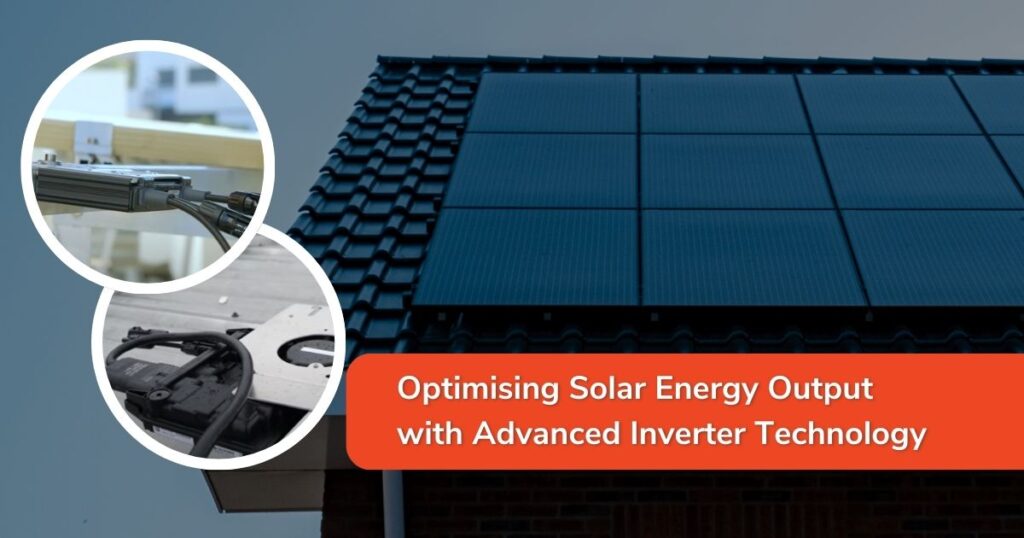
Optimising Solar Energy Output with Advanced Inverter Technology Smart Energy Answers June 3, 2026 Australia, with its abundant sunlight, is an ideal hub for harnessing solar energy. For homeowners and renewable energy enthusiasts, it’s crucial to stay abreast of advancements in technology that can amplify the benefits of solar power. In this article, we delve into the transformative role of advanced solar inverters, focusing on smart solar solutions such as module-level power electronics. Understanding Solar Energy Essentials To grasp the significance of advanced inverters, let’s first revisit the basics of solar energy. Solar panels convert sunlight into electricity, with inverters playing a vital role in transforming the generated direct current, or DC, into usable alternating current, or AC. The Evolution of Solar Inverter Technology The landscape of solar inverter technology is undergoing a remarkable transformation, marking a significant shift from conventional systems to the era of intelligent and efficient smart solar technology. Traditional inverters, while effective, are gradually making room for a new generation of advanced inverters that integrate cutting-edge features, particularly module-level power electronics. In this evolving scenario, advanced inverters are becoming the cornerstone of solar power systems, introducing a level of sophistication that enhances both efficiency and intelligence. Unlike their traditional counterparts, these advanced inverters are equipped with module-level power electronics, a revolutionary technology that optimises energy production at the level of individual solar panels. This is a game-changer, especially in scenarios where shading or panel mismatch might lead to energy losses. Module-level power electronics empower each solar panel within a system to function optimally, ensuring that even if one panel is affected by shading or doesn’t perfectly match the others, the overall energy output is maximised. This granular level of control and monitoring allows for a more precise and efficient utilisation of the available sunlight, significantly reducing the impact of external factors on the overall performance of the solar power system. The integration of module-level power electronics is akin to introducing a responsive and adaptive nervous system to a solar energy network. It allows the system to continuously assess and respond to variations in light conditions, making instantaneous adjustments to optimise energy production. This level of adaptability ensures that the solar power system operates at its peak efficiency, even in less-than-ideal environmental conditions. Furthermore, the mitigation of losses due to shading or panel mismatch is not just a theoretical advantage. It translates directly into tangible benefits for homeowners and solar enthusiasts. Improved energy production means more electricity generated from the same solar panels, providing a higher return on investment and contributing to a more sustainable and cost-effective energy solution. Key Considerations for Australian Homeowners As proud stewards of renewable energy, Australian homeowners should consider regional factors. Climate and geography significantly influence solar energy production. Moreover, navigating government incentives and rebates tailored for advanced solar technology can substantially offset upfront costs. Choosing the Right Solar Inverter for Your System When selecting a solar inverter, research and comparison are paramount. Smart solar inverters come in various models, each offering unique features. Tailor your choice based on your system’s size and capacity. Seeking guidance from reputable solar energy experts ensures personalised advice aligned with Australian conditions. Conclusion In summary, embracing advanced solar inverters marks a crucial stride in maximising solar energy output. Homeowners and enthusiasts stand to gain from heightened efficiency, real-time monitoring, and an extended system life. Uncover the potential of advanced solar inverters and module-level power electronics today. Reach out to Smart Energy Answers, your partner in shaping a more intelligent and sustainable energy landscape.
How Solar Inverters Contribute to Energy Savings in Your Home
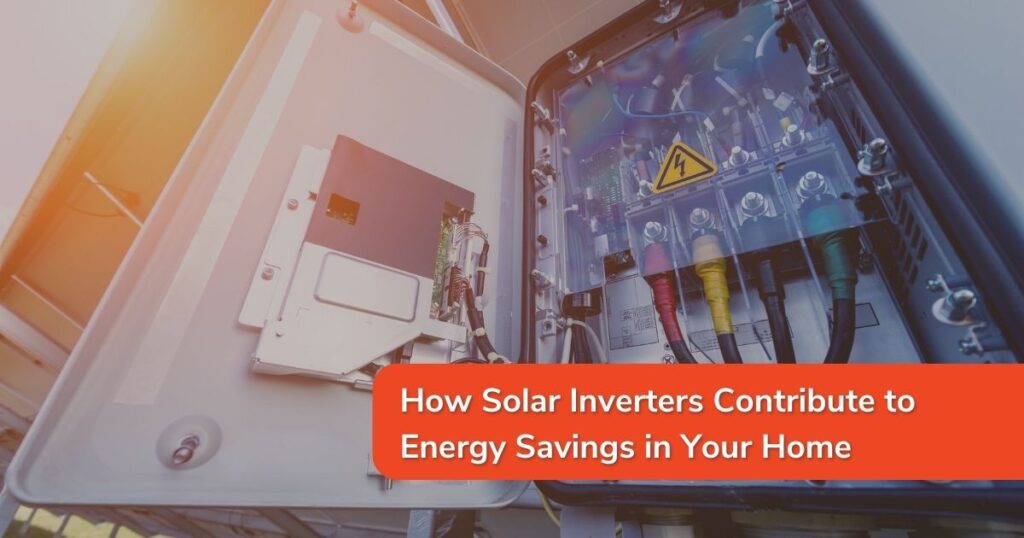
How Solar Inverters Contribute to Energy Savings in Your Home Smart Energy Answers June 3, 2026 As the Australian push for renewable energy gains strength, many homeowners are turning to solar power as a way to save money on their electricity bills and contribute positively to the environment. Central to any solar power system is the solar inverter, a vital component that converts the direct current, or DC, generated by solar panels into the alternating current, or AC, that powers the appliances in your home. But just how significant is the role of these small, boxy units in your quest for energy savings? Let’s shine a light on the sun-spun benefits that await within your home’s solar power system. Understanding Solar Inverters Solar inverters are the unsung heroes of residential solar power. They take the raw electricity generated by your solar panels and transform it into a usable form. Without them, the energy produced by the sun would be inaccessible to your regular household electronics. Their role is crucial not only for day-to-day energy consumption but also for feeding back into the grid, potentially earning you credit through feed-in tariffs, or FiTs. What Do They Do? Solar panels harvest sunlight and convert it into DC electricity. This energy flows through the solar inverter, where it’s turned into the AC electricity used by your appliances. Modern inverters with Module-Level Power Electronics, or MLPE, also harness Maximum Power Point Tracking, or MPPT, technology, enhancing energy production by ensuring that the system runs at its most efficient. Benefits of Solar Inverters The installation of a solar inverter in your home leads to a cascade of benefits, propelling your household toward a more sustainable and economical energy future. Increased Energy Efficiency By converting DC electricity to AC with minimal loss, solar inverters play a key role in your system’s overall efficiency. Newer models are designed to maximise the yield from your solar panels, ensuring that you make the most of every ray of sunshine. Reduction in Electricity Bills The Australian sun, a high yield, but earning you a high bill? A solar inverter could be the answer. By enabling the use of self-generated solar power, inverters can slash your dependence on the grid. If properly sized and optimally positioned, solar power systems could potentially eliminate your electricity bill. Environmental Impact and Sustainability Solar-powered homes significantly reduce their carbon footprint by cutting down on the greenhouse gas emissions associated with grid electricity. Solar inverters are a cornerstone of this eco-friendly approach, as they are instrumental in making solar energy a viable and greener choice. Different Types of Solar Inverters Not all solar inverters are created equal. Outdated models may not offer the efficiency and features of newer systems. Here’s a glimpse of the primary inverter types found in modern residential solar setups. String Inverters String inverters, the traditional workhorses of solar power systems, are connected to multiple solar panels wired in series, also known as strings. Despite being the oldest technology, they offer cost-effective and reliable performance for larger systems. However, a drawback is that if one panel fails, it affects the entire string. Microinverters Microinverters, on the other hand, are mounted on the back of individual solar panels. Unlike string inverters, each panel operates independently, which not only improves potential energy production but also reduces the risk of system-wide malfunctions. In the event of a panel failure, the other panels continue to operate at their maximum potential. Power Optimisers Power optimisers, similar to microinverters, work at the module level. However, instead of converting energy to AC, they optimise the DC power output. This offers some of the advantages of microinverters while still utilising a centralised inverter for energy conversion. In the case of a panel failure, the remaining panels can still operate at their maximum potential. Installation and Maintenance Thinking about going solar? The installation of your solar inverter is not a DIY project. Professional installers ensure the unit is not only placed correctly but also wired and programmed to suit your specific energy needs. Considerations for Installation The efficiency and longevity of your inverter depend on professional installation. Factors like shading, panel positioning, and the type of inverter chosen can all impact the performance of your solar power system. Regular Maintenance and Monitoring To squeeze the most value from your investment, regular maintenance is key. Monitoring your inverter and solar system performance can flag up issues early, and routine inspections can keep your solar power system running at peak efficiency. Case Studies and Success Stories Numbers speak volumes, and for Australian homeowners, the data often reveals substantial energy savings when a solar inverter enters the picture. Real-world examples like the Kingsford family in NSW, who documented annual savings of over $2,500, showcase the tangible impact of a Smart Solar Home on everyday electricity costs. Conclusion Solar inverters are more than just boxes on your wall. They’re the secret sauce that makes solar power systems hum with energy efficiency and financial savings. For anyone looking to bolster their home’s energy savings and take a powerful step toward environmental responsibility, a quality solar inverter is a non-negotiable part of the package. If you’re ready to harness the power of the sun in your home, Smart Energy Answers is here to guide you through the next steps. Our experts can help you navigate the world of solar energy solutions, ensuring you make an informed and beneficial choice for your household. Get in touch with us to learn more about how solar inverters can revolutionise your approach to home energy. Your brighter, greener tomorrow awaits.
Micro Inverters & DC optimisers versus traditional String Inverters

Micro Inverters & DC optimisers versus traditional String Inverters Smart Energy Answers March 11, 2022 The Evolution of Solar Inverter Technology When Australia’s Small-scale Renewable Energy Scheme was introduced in 2011, homeowners were very limited by the solar technology available at the time. The majority of solar panels had a capacity of less than 200 W, which has now been doubled by many of today’s models. Solar panels have become progressively bigger and better, but for many years there was very little technological change to the other primary component of a solar system: the inverter. The inverter is designed to do the heavy lifting of converting direct current, or DC, power from the panels into alternating current, or AC, power for use in the home. In the past, the inverter was a relatively unsophisticated box that collected the accumulated power from all the panels for conversion. If one panel was underperforming, that panel could reduce the output of all the other panels in the string. However, homeowners would often never know because the inverter had no way of identifying the issue or pinpointing which panel was faulty. These simple inverters also did not come with remote monitoring, meaning customers could go months before realising their solar system was not working or was severely underperforming. We used to recommend that customers check the small LCD screen on the inverter at least once a week to make sure the system was operating. Today, inverters have come a long way, with major improvements in technology, monitoring solutions, and reliability. The Three Main Types of Solar Inverters There are three types of inverters currently available for solar energy systems: string inverters, power optimised systems, and microinverters. Power optimisers and microinverters are often collectively referred to as Module-Level Power Electronics, or MLPEs. At Smart Energy Answers, we believe the smart way to install solar in 2022 is with MLPE technology. We recommend two of the leading brands in this space: SolarEdge and Enphase. Both are global technology companies listed on the New York market. MLPE technology is one of the safest and best-performing solutions available, and it is expected to become increasingly common as regulations and standards continue to evolve. String inverters remain the most widely deployed inverter option globally because they have been used for many years. However, MLPE technologies have continued to gain market share over the last five years as costs have come down. We understand that customers researching solar can feel confused by the many alternatives and quotes available from different companies promoting different products. It can be overwhelming. At Smart Energy Answers, we assist customers in making informed decisions when looking into solar, and our job is to make the process simple to understand. To help simplify the comparison, we will use a strong analogy. If you were buying a new phone today, in 2022, would you consider a phone from Option A or Option B below? Option A Option B If you answered Option B, you can now better understand the difference in value between a string inverter and a solar energy solution powered by MLPE technology. You may pay more upfront for Option B, but you also get much more value, performance, safety, and long-term monitoring capability from it. Important note: Do not believe salespeople who say you do not need microinverters or power optimisers simply because you do not have trees around your house. Solar panels can be affected by shade and obstruction in many ways, including trees, clouds, birds, dust, vent pipes, roof gables, chimneys, air-conditioning units, and other rooftop structures. MLPE technology can provide a safer, more efficient, better-performing, more flexible, more innovative, and easier-to-monitor solar solution in many circumstances. Simply smarter.