
Maximising Electric Vehicle Incentives for Adoption
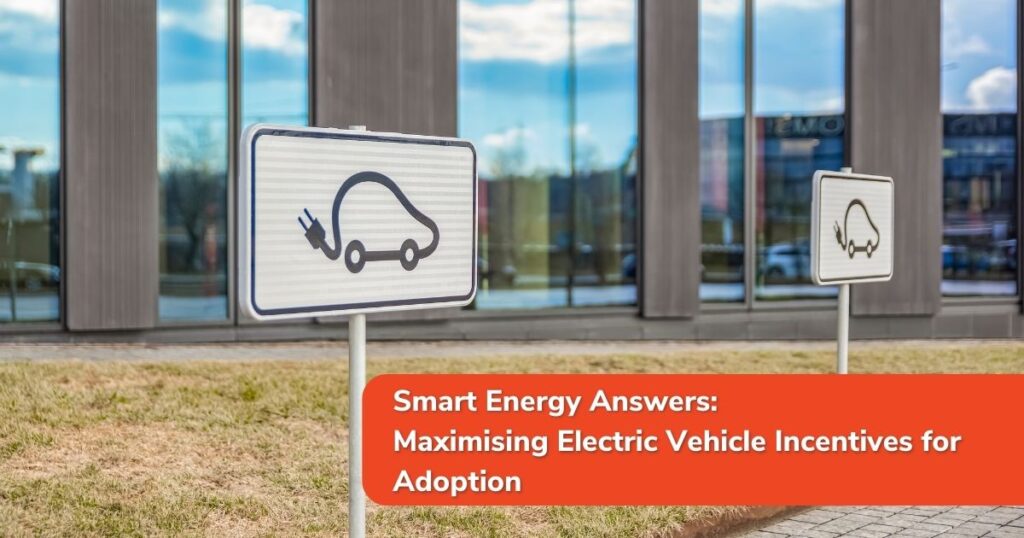
Maximising Electric Vehicle Incentives for Adoption Smart Energy Answers June 4, 2026 Discover How to Make the Most of Electric Vehicle Incentives Discover how to make the most of electric vehicle incentives to drive adoption and sustainability. Understanding Electric Vehicle Incentives Electric vehicle incentives are financial benefits provided to encourage the adoption of electric vehicles. These incentives can come in various forms, such as tax credits, rebates, grants, or discounts on vehicle purchases. Understanding the different types of incentives available is crucial for maximising their benefits. By educating yourself on electric vehicle incentives, you can take advantage of the savings and support offered to make the switch to electric vehicles more affordable and appealing. Types of Incentives Available There are several types of incentives available for electric vehicle owners. These can include federal tax credits, state rebates, utility company discounts, and special programmes for low-income households. Each type of incentive serves a different purpose and can help offset the initial cost of purchasing an electric vehicle. By researching and understanding the various types of incentives available, you can determine which ones you qualify for and make the most of the financial benefits they offer. Maximising Federal Government Incentives Federal government incentives for electric vehicles play a significant role in promoting adoption. These incentives, such as the Federal Electric Vehicle Tax Credit, can provide substantial savings for eligible vehicle owners. By understanding the requirements and limitations of federal incentives, you can maximise the financial benefits and make electric vehicles more accessible. Consulting with a tax professional or researching the current federal incentives can help you take full advantage of the savings offered by the government. Utilising State and Local Incentives In addition to federal incentives, many states and local governments offer their own incentives for electric vehicle adoption. These can include rebates, grants, free parking, or access to HOV lanes. By researching the incentives available in your area, you can further reduce the cost of owning an electric vehicle and enjoy additional perks that make the transition more convenient. Stay informed about state and local incentive programmes to take advantage of the benefits they provide and make the most of your electric vehicle ownership experience. Incorporating Incentives Into EV Marketing Strategies For businesses and organisations promoting electric vehicle adoption, incorporating incentives into marketing strategies can help drive interest and encourage more people to make the switch. By highlighting the financial savings and benefits of incentives in promotional materials, you can attract potential customers and showcase the advantages of choosing electric vehicles. Collaborating with incentive providers and showcasing success stories of incentive recipients can further strengthen the marketing impact and inspire others to take advantage of the available benefits.
5 Tips to Maximise Your Solar Energy and Save Money
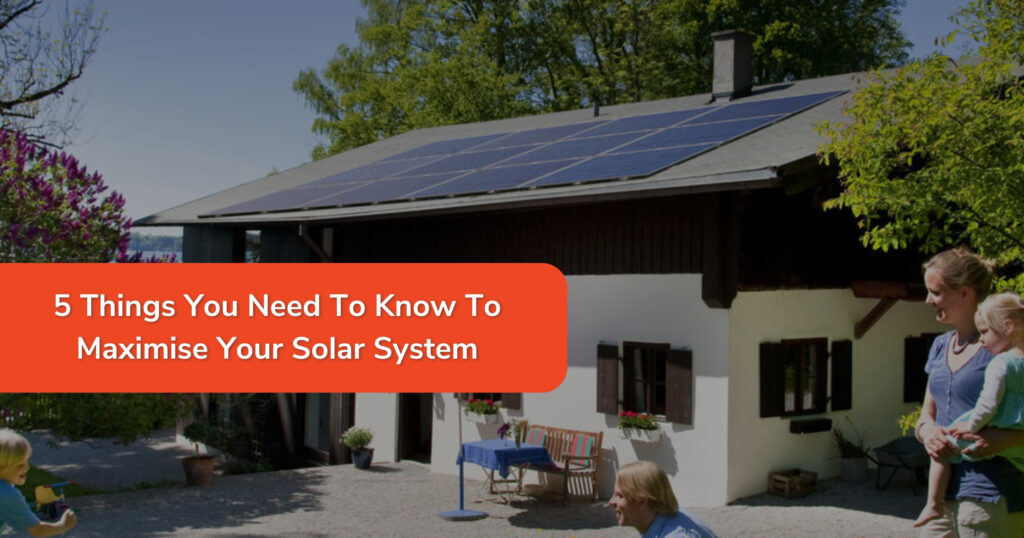
5 Tips to Maximise Your Solar Energy and Save Money Smart Energy Answers November 23, 2022 You’ve Got Solar, Now What? It is time to get the most out of it. Solar panels are a great way to reduce your carbon footprint, save money on your energy bills, and power your home in a more sustainable way. The amount of energy your solar panels produce can be maximised by using them alongside other energy-saving measures. With these tips, you can make the most of your solar energy and run your home more efficiently. It is important to have an idea of how much electricity each appliance and device in your home uses. This can help you plan your electricity usage more effectively and make better use of the solar energy your system produces. 1. Take Advantage of Daytime Get the most out of your solar system when the sun is out. Use appliances that require a lot of electricity during the daytime, when your solar panels are generating the most power. 2. Stagger Your Use of High-Energy Appliances Avoid using high-energy appliances and devices all at once, as this can increase your electricity demand and cause you to draw power from the grid. This includes appliances such as washing machines, dishwashers, and tumble dryers. By staggering their use throughout the day, you can make better use of the solar energy your system is generating. 3. Maintain and Monitor Your Solar System Regularly It is important to keep your solar panels clean and free of debris so they can operate at maximum efficiency. Regularly check your panels and arrange cleaning when needed to help ensure your system is working properly. You should also monitor your solar system’s performance so you can quickly identify any issues and keep your energy production on track. 4. Invest in a Solar Battery Another way to get the most out of your solar panels is to store unused energy in a solar battery. Solar batteries allow you to keep excess energy generated by your solar panels and use it when needed, such as at night or during periods with less sunlight. This can help reduce your dependence on the grid and may help you save more on your energy bills over time. 5. Get a Heat Pump One way to optimise your solar panels is to install a heat pump hot water system. Heat pump hot water systems use a heat exchange process that absorbs heat from the surrounding air and uses it to heat your water. These electric water heaters can provide hot water very efficiently in most climates. Compared with a standard resistive element heater, a heat pump hot water system can help reduce energy use and may save up to 78% on hot water running costs. Conclusion Solar panels are a great way to help power your home and save on energy costs. By following these tips, you can maximise the amount of energy your solar panels produce and make your investment in solar power work even harder for you. Best of all, using solar energy helps create a better and more sustainable world for everyone.
Scaled-Back Plans to Charge Solar Households for Exporting Energy
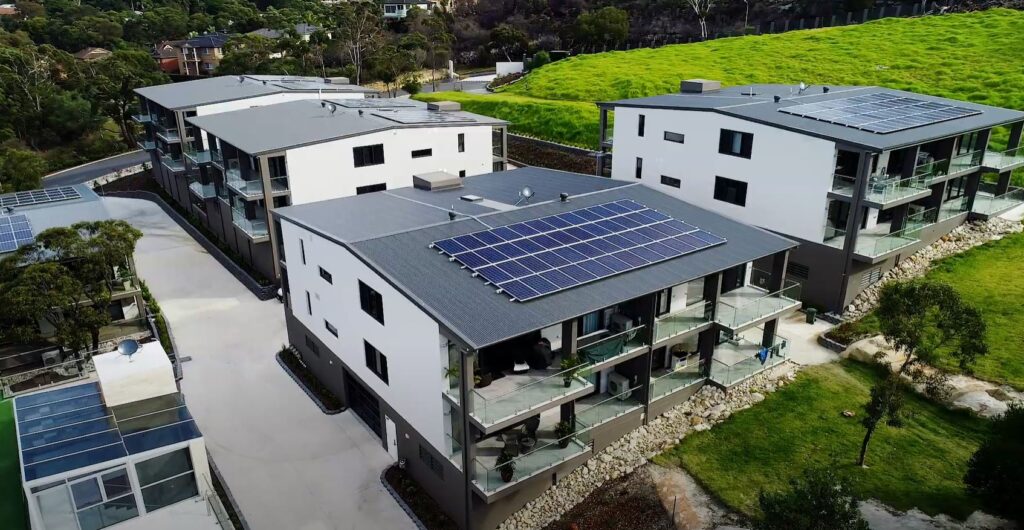
Scaled-Back Plans to Charge Solar Households for Exporting Energy Smart Energy Answers June 4, 2026 Securing Solar Futures: Revised Approach to Charging Solar Households for Energy Export Controversial plans by the Australian Energy Market Commission, or AEMC, to charge households using rooftop solar panel systems for exporting energy back into the power grid have been scaled back in order to protect the investments of current and future solar system owners. Plans to reduce the impact of the proposed reforms on solar users came in an announcement from the commission in August. The AEMC’s initial plans were outlined in a draft declaration back in March, with the goal of determining how to integrate more small-scale solar and other new energy technologies, such as batteries, into the electricity grid. In the draft declaration, AEMC Chief Executive Ben Barr claimed, “We can decarbonise the electricity sector faster and cheaper if we connect more small solar customers and make it worthwhile for them to install batteries. But to do that we need to make some changes to the power system.” The draft determination addressed the issue of traffic jams on the network, when energy was being exported back onto the grid during busy times. It included a package of reforms designed to change distribution networks’ existing incentives to help households send power back into the grid. This would allow networks to offer two-way pricing, rewarding solar households for sending power back to the grid when it was needed and charging for sending power back when the system was too busy. Solar Reforms Finalised In a statement released in August, the AEMC released the finalised details of the reforms. According to the statement, “the reforms will put tough new obligations on power network companies to make their networks smarter.” “They will now be accountable for getting their businesses solar- and battery-friendly so everyone benefits. A key part of the changes is removing the companies’ ability to put blanket bans on customers sending solar energy back to the grid.” The reform package means that power networks can offer solar households a range of options, including a free basic service, in order to encourage users to limit solar waste and save money while benefiting the grid. AEMC Chair Anna Collyer claimed, “These new measures to drive smart solar are fundamental to enabling a modern electricity grid that delivers out to 2030 and beyond.” “They represent a profound change to the way poles and wires businesses must think about how they manage their network and turn the current one-way street delivering power to people’s homes into a two-way superhighway where energy flows in both directions.” “Power network companies will need to deliver services to support solar, and they’ll be judged on their performance on how much solar exports they allow into the grid.” The reforms acknowledge the fact that Australia has the fastest uptake rate of household solar power systems in the world. They also address concerns from users requesting more certainty on what the changes will mean for current and future solar investments. “We’ve listened to the feedback we have received and have tightened protections for consumers to increase certainty,” said AEMC Chief Executive Benn Barr. “This means networks will have to offer a free basic service alongside any paid solar export plans, so people won’t have to pay if they don’t want to.” Solar Batteries Are Becoming the New Normal While the AEMC scaling back the severity of the reforms protects the interests of current solar users, the fact remains that the Australian renewable energy sector has progressed in leaps and bounds in recent years. While simple, small-scale solar panel systems were sufficient for the needs of many households through the early years of Australia’s solar power revolution, it’s clear that going forward, fully integrated solar power systems equipped with batteries will be a much more profitable option. Any residential or commercial users considering installing a solar system should do their research and consider having a battery installed at the same time. This can help pay off the investment as quickly as possible and maximise profits. Virtual Power Plants Are the Future Virtual power plants function as a collective of separate solar batteries that are networked together in a sophisticated system. This allows them to function individually while also working together to store energy and efficiently trade or sell it to the grid. A virtual power plant, or VPP, is software that connects a collection of batteries localised in a community and allows them to function as a local virtual power plant. Individual solar households can band together to pool their power generation and storage capacities. This can benefit each other and reduce reliance on purchasing expensive traditionally generated power from the grid. The Smart Community Program VPP Smart Energy Answers has launched The Smart Community Program, a virtual power plant designed to help empower solar households. The programme turns individual systems into potent energy generators, reducing household costs while adding extra credit to users’ power bills. During times of high power demand, the energy provider can access the excess storage capacity of the individual batteries within the VPP and feed the power back into the network. Moving to virtual power plants allows individual households and their communities to benefit by cutting costs, utilising locally sourced power, avoiding power outages altogether, and enjoying high feed-in tariffs of up to 45c. Interested in joining the Smart Community Program or want more information? Call us on 1300 948 619.