
SEA Analysis: Amber Acquires Charge HQ to Evolve EV Charging in Australia
SEA Analysis: Amber Acquires Charge HQ to Evolve EV Charging in Australia Smart Energy Answers February 17, 2025 Amber’s Acquisition of Charge HQ: What It Means for EV Charging in Australia Amber’s recent acquisition of Charge HQ marks a significant milestone in the electric vehicle, or EV, charging industry in Australia. This strategic move has the potential to revolutionise the way EV owners manage their charging costs and optimise their use of renewable energy. As a leading provider of smart energy solutions, Smart Energy Answers has conducted an in-depth analysis of this development to provide valuable insights for our readers. Smart Energy Answers has also partnered with Amber Electric, sharing a common mission to help shift Australia to 100% renewable energy. This collaboration aims to empower solar and battery customers to earn greater rewards for their excess solar energy and accelerate their payback period. With fully automated systems, customers can store energy and sell it back to the grid at peak times, generating extra income. The Significance of the Acquisition Amber’s primary objective is to seamlessly integrate Charge HQ’s advanced smart charging technology into its existing energy retail model. By combining Charge HQ’s cloud-based platform with Amber’s real-time wholesale pricing, EV owners will be able to: Optimise their charging schedules based on electricity prices, leading to significant cost savings. Charge their vehicles directly from their rooftop solar or during off-peak hours when renewable energy is more readily available on the grid. Enjoy automated convenience through the set-and-forget functionality, eliminating the need for constant manual intervention. Compatibility and User-Centric Features One of the key strengths of Charge HQ’s platform is its broad compatibility with Open Charge Point Protocol, or OCPP, EV chargers, which are widely used across Australia. This ensures that a large majority of EV owners can benefit from the integrated solution without additional hardware investments. Furthermore, as Amber continues to refine the platform, users can expect: Expanded compatibility with additional EV models. Introduction of new demand-side management features aimed at further increasing cost savings and efficiency. A user-friendly and intuitive interface that simplifies the management of charging needs. In addition to EV charging, Amber offers attractive solutions for solar and battery customers. With Amber, these customers can earn greater rewards for their excess solar energy and turbocharge their payback period through a fully automated system that stores energy and sells it back to the grid during peak price periods. Amber for Batteries Amber’s battery programme accelerates the payback time for battery investments through wholesale rates, smart automation, and enhanced control via the Amber app. This offering caters to various customer segments: New to Solar and Batteries Energy independence with solar and batteries allows customers to reduce or eliminate power bills, earn extra money by generating, storing, and selling their own energy, and rely less on the grid while using clean, renewable energy. Considering Adding a Battery to Existing Solar Adding a battery with Amber to a current solar system can enhance return on investment by accessing feed-in tariffs, or FiTs, that can reach $15/kWh. Customers can store energy for self-use when it is worth more or send it to the grid when a premium can be earned. Already Have Solar and Batteries Amber for Batteries offers a tailored battery plan that gets the battery working smarter for the customer, not the energy retailer. It eliminates falling fixed-rate FiTs, provides access to wholesale rates, and offers more control with no lock-in, manual charge and discharge controls, and the ability to turn battery automation on or off. Amber for EV Charging Amber for EVs is a software-based intelligent EV charging solution that connects to the car remotely, optimising charging to automatically take advantage of the lowest-cost and lowest-emission times. For those with solar, or solar and a battery, Amber is the first energy retailer to deliver the added benefit of charging the car from any excess solar energy the system might be producing without requiring additional hardware. This holistic solution makes the most of the home energy setup. With Amber for EV Charging, customers can: Charge when it is best for both them and the grid, taking advantage of excess renewable energy and getting paid to charge when the grid has too much supply. Unlock free kilometres by using solar energy to power the car instead of selling it for less. Enjoy smart, price-aware EV charging that automatically ensures charging at the lowest-cost and lowest-emission times. Benefit from effortless, set-and-forget functionality with easy access to excess solar charging for EV owners with solar, with no additional hardware needed. Track costs and impacts, allowing them to see and share the EV’s effects on their bottom line and the planet. Complementing Amber’s Existing Services The integration of Charge HQ is set to complement and enhance the functionality of Amber’s existing Amber for EVs platform, rather than replacing it. Charge HQ’s features, such as FiT-aware solar charging and refined demand window management, will likely be incorporated into Amber’s ecosystem, providing users with a more comprehensive and efficient charging solution. For existing Amber customers, this means: No longer needing to manually track wholesale electricity prices or adjust charging schedules. The integrated platform will intelligently optimise charging sessions on their behalf. A simplified user experience that seamlessly combines home energy management with EV charging. The Future Outlook for Smart EV Charging As the adoption of EVs continues to rise in Australia, the demand for smart and efficient charging solutions will only continue to grow. Amber’s acquisition of Charge HQ positions them at the forefront of this rapidly evolving industry, setting a new standard for smart EV charging that aligns financial savings with sustainable energy practices. Amber’s offerings, such as SmartShift and Amber for Batteries, contribute to a more sustainable and cost-effective future for EV owners while helping accelerate the transition to renewable energy. By enabling customers to optimise their energy usage, maximise the value of their solar and battery investments, and charge their EVs with clean, low-cost electricity, Amber is driving the shift towards a
Double Your Savings with Randwick Sustainability Rebate & NSW Battery Rebate
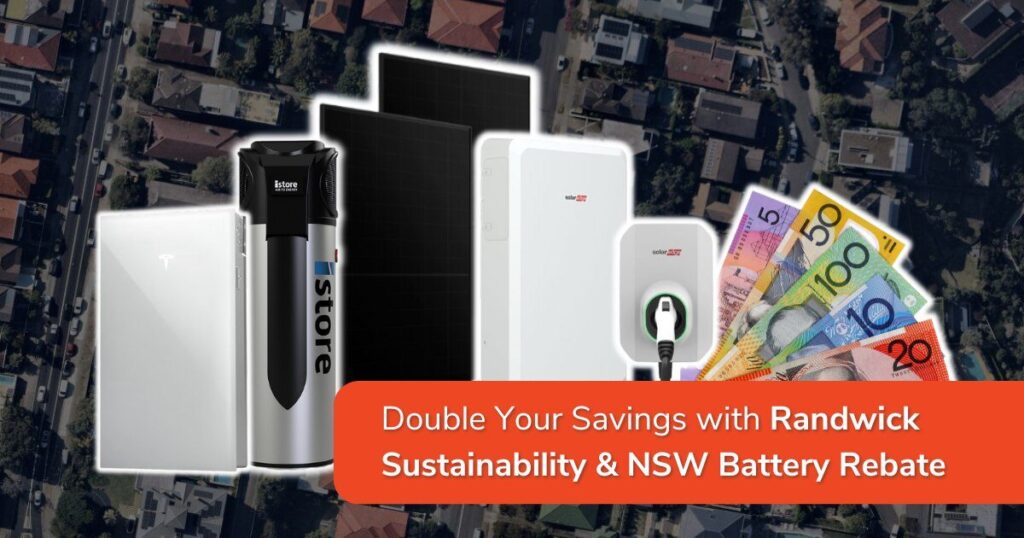
Double Your Savings with Randwick Sustainability Rebate & NSW Battery Rebate Smart Energy Answers November 4, 2024 With the NSW Solar Battery Rebate launching this November, Randwick residents are in a prime position to maximise their savings by combining state and local rebates. The NSW rebate offers up to $4,800 for solar battery installations, plus up to an additional $800 when you join a Virtual Power Plant (VPP). Pair this with Randwick City Council’s sustainability rebates—covering solar panels, batteries, heat pumps, and EV chargers—offering up to $2,250 in savings. Together, these rebates can provide homeowners with almost $7,500 in total savings, making solar, battery storage, and smart energy solutions more affordable than ever. Here’s how you can take full advantage of these incentives! Unlock Your Rebates and Savings Now.Find out how to qualify for up to $7,500 rebates with our energy experts. Get a Quote Randwick Sustainability Rebates Randwick City Council offers sustainability rebates to promote eco-friendly technologies and reduce carbon footprints. These incentives help residents afford solar panels, batteries, heat pumps, and EV chargers, making green energy more accessible. This initiative supports both individual households and a community shift towards renewable energy. Household EV Charger – Rebate Up to $250 Why install an EV Charger? Installing an EV charger at home offers unmatched convenience and helps future-proof your property for the growing electric vehicle market. Home charging provides flexibility and allows you to take advantage of lower electricity rates during off-peak hours. Randwick residents can claim up to $250 of the cost of installing an EV charger, making it an affordable way to prepare your home for the future of electric mobility. Eligibility: Only available in properties in the Randwick Local Government Area Must be an electric vehicle charger or EV infrastructure for apartment blocks Must be installed by a licensed electrician Installation must have occurred within the past 12 months Household Heat Pump – Rebate Up to $500 Why install a Heat Pump? Heat pumps are one of the most energy-efficient ways to heat water in your home, using far less electricity than traditional hot water systems. They help reduce your energy bills and your environmental impact, making them an excellent choice for sustainability. Randwick residents can claim up to $500 of the cost of an electric heat pump or rooftop solar hot water system. Additionally, you can benefit from the Federal Government’s Small-Scale Technology Certificates (STC) rebate and the State Government’s Energy Savings Scheme (ESC) rebate, organised by your installer. Eligibility: Only available in properties in the Randwick Local Government Area Must be a Clean Energy Council (CEC) accredited electric heat pump or rooftop solar hot water system Excludes swimming pool heat pumps Installation must have occurred within the past 12 months Unlock Your Rebates and Savings Now.Find out how to qualify for up to $7,500 rebates with our energy experts. Get a Quote Household Rooftop Solar – Rebate Up to $500 Why install Rooftop Solar? Rooftop solar allows you to generate clean energy for your home, reducing your reliance on the grid and cutting down your electricity bills. Solar power also increases the value of your property, and with the upcoming NSW Solar Battery Rebate in November, it’s a smart investment to pair solar with battery storage for even more savings. Randwick homeowners can claim 10% of the cost of installing rooftop solar, up to $500, making it easier than ever to adopt renewable energy. Eligibility: Only available in properties in the Randwick Local Government Area Must be a Clean Energy Council (CEC) accredited installer Must have minimum system capacity of 5kW Installation must have occurred within the past 12 months Household Solar Battery – Rebate Up to $1,000 Why install a Solar Battery? Installing a solar battery allows you to store excess energy generated by your solar panels and use it when the sun isn’t shining, helping you further reduce energy costs and become more independent from the grid. Solar battery systems also offer greater energy security during power outages. Randwick residents can claim 10% of the cost of installing a solar battery, up to $1,000, making energy storage a more affordable investment for long-term savings. Eligibility: Only available in properties in the Randwick Local Government Area Must be a Clean Energy Council (CEC) accredited installer Installation must have occurred within the past 12 months NSW Battery Rebate 2024 Starting November 1, 2024, the NSW government will offer new battery incentives for homes and businesses with rooftop solar systems. Part of the Peak Demand Reduction Scheme, these incentives support battery storage installation and Virtual Power Plant connections, helping reduce electricity bills and enhance solar energy use. NSW Battery Installation Incentive Amount: Up to $4,500 off the upfront installation costs, depending on the size of your battery of choice. Eligibility: Homes and businesses in NSW with existing solar system but without existing battery. Battery must be listed on an approved product list and battery capacity must be between 2 kWh and 28 kWh. Battery must be internet connectable and controllable by a Demand Response Aggregator. Must have a warranty of at least 10 years and guarantee that at least 70% of the Usable Capacity is retained 10 years from the date of installation. Warranty must define the normal use conditions as not being less than a minimum ambient temperature of -10°C to 50°C; and minimum warranted throughput of 3.65 MWh per kWh of Usable Battery Capacity. Note: Incentive is provided as an upfront discount by approved suppliers. For homes and businesses without existing solar, the incentive can be included in the quote for a new solar and battery system. NSW Virtual Power Plant (VPP) Connection Incentive Amount: Up to $800 incentive for connecting to a VPP. Frequency: Available twice, at least 3 years apart. Eligibility: Applies to both new and existing batteries that will join a VPP. Battery must be listed on an approved product list and battery capacity must be between 2 kWh and 28 kWh. Battery must have a minimum 6 years remaining
Efficient and Sustainable: Benefits of Solar Heating Water
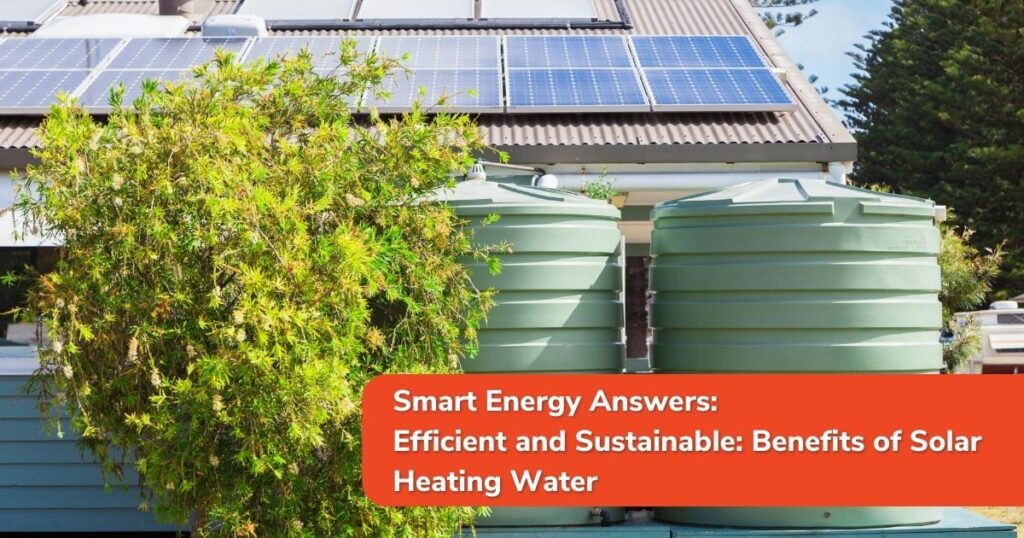
Efficient and Sustainable: Benefits of Solar Heating Water Smart Energy Answers June 3, 2026 Discover the Numerous Advantages of Utilising Solar Energy to Heat Water in Your Home The Advantages of Solar Water Heating Systems Solar water heating systems offer numerous advantages for homeowners. One of the key benefits is the significant reduction in energy costs. By harnessing the power of the sun to heat water, homeowners can save on their monthly utility bills. Additionally, solar water heating systems are environmentally friendly, as they reduce reliance on fossil fuels and decrease carbon emissions. Another advantage is the long-term cost savings. While the initial installation cost may be higher compared to traditional water heating systems, solar water heating systems have lower operating costs and can provide a return on investment over time. In addition to the cost savings, solar water heating systems also offer increased energy efficiency. These systems use the sun’s energy to heat water directly, eliminating the need to rely solely on electricity or gas. This makes them an ideal choice for homeowners looking to reduce their environmental impact and lower their carbon footprint. Furthermore, solar water heating systems require minimal maintenance and can last for decades with proper care. Overall, the advantages of solar water heating systems make them a smart choice for homeowners seeking an efficient and sustainable way to heat water in their homes. Understanding Solar Water Heating Technology Solar water heating technology utilises the energy from the sun to heat water for domestic use. The system consists of solar collectors, a heat transfer fluid, a storage tank, and a backup heating source. The solar collectors, typically mounted on the roof or ground, absorb sunlight and convert it into heat energy. The heat transfer fluid, which is often a mixture of water and antifreeze, circulates through the collectors and absorbs the heat. This heated fluid is then pumped into a storage tank, where it transfers the heat to the water supply. In cases where the solar energy is insufficient, a backup heating source, such as a gas or electric heater, can be used to ensure a constant supply of hot water. There are two main types of solar water heating systems: active and passive. Active systems use pumps to circulate the heat transfer fluid, while passive systems rely on natural convection to move the fluid. The choice between these two types depends on factors such as climate, available space, and budget. Understanding the technology behind solar water heating systems can help homeowners make an informed decision when considering this sustainable and efficient option for their homes. Lowering Energy Costs with Solar Water Heating One of the primary benefits of solar water heating is the significant reduction in energy costs. By using the sun’s energy to heat water, homeowners can decrease their reliance on traditional heating methods, such as electricity or gas. This can lead to substantial savings on monthly utility bills. Additionally, solar water heating systems have lower operating costs compared to conventional water heaters, as they require less energy to operate. The initial investment in installing a solar water heating system may be higher, but the long-term cost savings make it a financially wise choice for homeowners. In addition to the direct cost savings, solar water heating also has environmental benefits. By reducing the demand for electricity or gas, solar water heating systems help decrease carbon emissions and reliance on fossil fuels. This contributes to a cleaner and more sustainable future. Lowering energy costs with solar water heating not only benefits homeowners financially but also helps protect the environment. Environmental Benefits of Solar Water Heating Solar water heating systems offer significant environmental benefits. By utilising the sun’s energy to heat water, these systems reduce reliance on fossil fuels and decrease carbon emissions. This helps combat climate change and contributes to a cleaner and healthier environment. Solar water heating is a sustainable alternative to traditional water heating methods that rely on electricity or gas, which are often derived from non-renewable sources. In addition to reducing carbon emissions, solar water heating systems also conserve water. Conventional water heating methods often result in water wastage, as it takes time for the hot water to reach the desired temperature. With solar water heating, the water is heated directly, reducing the need for wasteful practices. By conserving water and reducing energy consumption, solar water heating systems play a crucial role in promoting sustainable living and protecting the planet for future generations. Exploring Different Types of Solar Water Heating Systems There are several different types of solar water heating systems available for homeowners to choose from. The most common types include flat plate collectors and evacuated tube collectors. Flat plate collectors consist of a dark-coloured metal plate that absorbs sunlight and transfers the heat to a heat transfer fluid. Evacuated tube collectors, on the other hand, use a series of glass tubes containing a heat transfer fluid, which absorbs the sunlight and transfers the heat to the water supply. Other types of solar water heating systems include batch collectors, which consist of a tank that directly heats the water, and heat pump systems, which use electricity to move heat from the surrounding air or ground to heat the water. Each type of system has its own advantages and considerations, such as efficiency, cost, and suitability for different climates. Exploring the different types of solar water heating systems can help homeowners determine the best option for their specific needs and preferences. Maximising Efficiency through Proper System Design Proper system design is crucial for maximising the efficiency of solar water heating systems. Factors such as the orientation and tilt of the solar collectors, the size of the storage tank, and the insulation of the system can all impact its performance. It is important to consider the local climate and solar radiation levels when designing a solar water heating system. Additionally, regular maintenance and care are essential to ensure optimal performance. This includes checking for any leaks or damage, cleaning the solar collectors,
Choosing the Right Solar Panels for Your Home
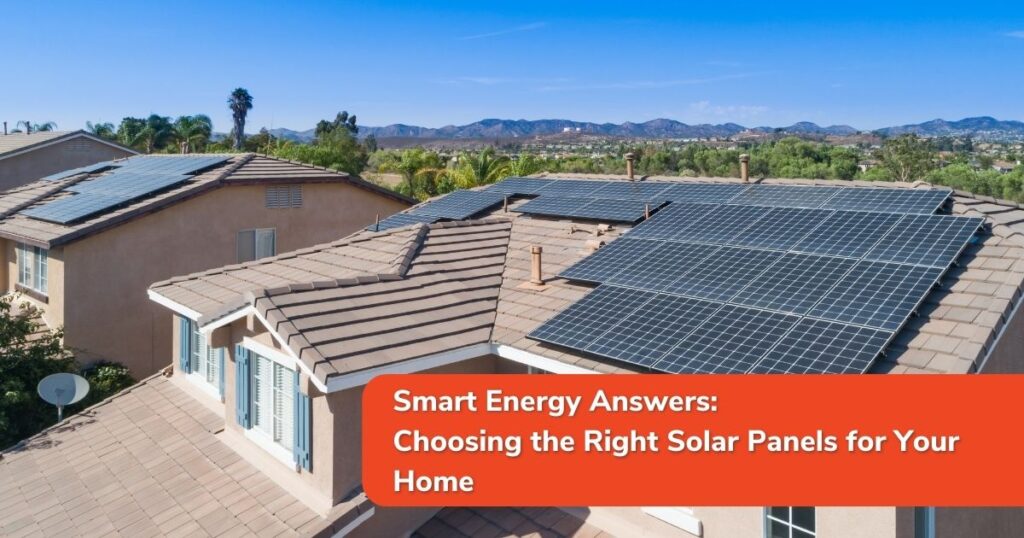
Choosing the Right Solar Panels for Your Home Smart Energy Answers June 3, 2026 Discover How to Select the Best Solar Panels for Your Home to Maximise Energy Efficiency and Savings Unveiling Solar Panel Diversity When it comes to solar panels for your home, there is a wide range of options available. Solar panel diversity is an important factor to consider when choosing the right panels for your specific needs. Different panels have different specifications, sizes, and materials, so it’s essential to understand the variety of options out there. One key aspect of panel diversity is the type of solar technology used. There are three main types: monocrystalline, polycrystalline, and thin-film. Each type has its own advantages and disadvantages, so it’s important to research and compare them to determine which one is best suited for your home. Additionally, solar panels come in different sizes and wattage capacities. The size of the panel will depend on the available space on your roof and the amount of electricity you want to generate. It’s crucial to assess your energy needs and the available space to ensure you choose the right size of solar panels for optimal performance. By unveiling the diversity of solar panels, you can make an informed decision and select the panels that best meet your energy requirements and budget. The Power of Panel Selection Selecting the right solar panels for your home is a powerful decision that can significantly impact your energy efficiency and savings. The quality and performance of the panels you choose will determine how much electricity they can generate and how long they will last. When selecting solar panels, it’s important to consider factors such as efficiency, durability, aesthetics, certifications, and cost. These aspects will ensure you make an informed decision and maximise the benefits of solar energy. By carefully evaluating and comparing different panel options, you can harness the power of panel selection and choose the ones that align with your goals and priorities. Efficiency Matters Efficiency is a crucial aspect to consider when choosing solar panels for your home. The efficiency of a solar panel refers to how effectively it converts sunlight into usable electricity. Higher efficiency panels can generate more electricity with the same amount of sunlight, allowing you to maximise your energy production and savings. When evaluating the efficiency of solar panels, look for their efficiency rating, typically expressed as a percentage. The higher the percentage, the more efficient the panel is. It’s important to strike a balance between efficiency and cost to ensure you get the best value for your investment. Choosing highly efficient solar panels will not only help you save money on your energy bills but also reduce your carbon footprint by generating more clean energy. Durability for Long-Term Performance Durability is another essential factor to consider when selecting solar panels for your home. Solar panels are designed to withstand various weather conditions, including rain, wind, and snow. Therefore, it’s important to choose panels that are built to last and can withstand the elements in your area. Look for panels with high-quality materials and a solid construction that can withstand potential wear and tear over time. Additionally, consider the warranty offered by the manufacturer, as it reflects their confidence in the panel’s durability and long-term performance. Investing in durable solar panels will ensure that your system operates efficiently for many years, providing you with a reliable source of clean energy. Aesthetics: More Than Meets the Eye While the primary function of solar panels is to generate electricity, their aesthetics also play a role in the overall appearance of your home. The design and look of solar panels can vary, so it’s important to choose panels that complement your home’s architecture and blend seamlessly with the roof. Some solar panels have a sleek and low-profile design, while others have a more traditional and visible appearance. Consider your personal preferences and the visual impact you want to achieve when selecting solar panels. Remember, solar panels can enhance the curb appeal of your home while harnessing the power of the sun, making them a practical and visually appealing addition. Calculating Cost and Return on Investment When choosing solar panels, it’s important to calculate the cost and assess the return on investment, or ROI. Solar panels can be a significant upfront investment, but they offer long-term savings on your energy bills and potential financial incentives. Consider the cost of the panels, installation, and maintenance, as well as any available government rebates or incentives. Calculate the payback period, which is the time it takes for your energy savings to cover the initial investment. Additionally, evaluate the potential increase in your home’s value with the addition of solar panels. By carefully analysing the cost and ROI, you can make an informed decision and determine the financial benefits of installing solar panels on your home. Certifications and Standards When selecting solar panels, it’s essential to consider certifications and standards. These certifications ensure that the panels meet specific quality and safety requirements. Look for panels that have been certified by reputable organisations such as the Clean Energy Council (CEC) or the International Electrotechnical Commission (IEC). These certifications guarantee that the panels have undergone rigorous testing and comply with industry standards. Choosing certified solar panels will give you peace of mind knowing that you’re investing in high-quality and reliable products for your home. Installation and Maintenance Considerations Installing solar panels requires careful planning and consideration. It’s important to consult with a professional solar installer to ensure the panels are properly installed and connected to your home’s electrical system. Consider factors such as the orientation and tilt of your roof, shading from nearby trees or structures, and the available space for the panels. A professional installer will assess these factors and design a system that maximises energy production. Additionally, solar panels require regular maintenance to ensure optimal performance. This includes cleaning the panels, checking for any damage or debris, and monitoring the system’s performance. Regular maintenance can prolong the
Sustainable Land Use Practices: Harnessing Solar Energy for a Greener Future
Sustainable Land Use Practices: Harnessing Solar Energy for a Greener Future Smart Energy Answers March 1, 2024 Discover how the integration of solar energy into sustainable land use practices can pave the way for a more environmentally friendly future. The Intersection of Sustainable Land Use and Solar Energy Sustainable land use practices and solar energy are two important aspects of creating a greener future. By combining these two elements, we can maximize the benefits for both the environment and society. Sustainable land use involves managing land resources in a way that meets the needs of the present generation without compromising the ability of future generations to meet their own needs. Solar energy, on the other hand, is a renewable and clean source of power that can help reduce our reliance on fossil fuels and mitigate climate change. The intersection of sustainable land use and solar energy offers numerous opportunities for innovation and sustainability. By harnessing solar energy on sustainable land, we can generate clean electricity while minimizing the environmental impact. This integration can contribute to a more sustainable and resilient energy system that supports the transition to a greener future. Understanding the Potential of Solar Energy in Land Use Planning Solar energy has immense potential when it comes to land use planning. Understanding this potential is crucial for developing effective strategies to harness solar power while maintaining sustainable land use practices. Solar energy can be harnessed through various methods, such as photovoltaic (PV) panels and solar thermal systems. These technologies can be integrated into buildings, infrastructure, and open spaces to generate clean electricity and heat. In land use planning, it is important to identify suitable sites for solar installations. Factors such as solar resource availability, land suitability, and proximity to electricity infrastructure play a crucial role in determining the feasibility of solar projects. By understanding the potential of solar energy and considering these factors, we can optimize the placement of solar installations to maximize energy generation and minimize environmental impacts. Identifying Suitable Sites for Solar Installations Identifying suitable sites for solar installations is a key step in integrating solar energy into sustainable land use practices. Several factors need to be considered during site selection, including solar resource availability, land characteristics, and environmental considerations. Solar resource availability refers to the amount of sunlight a site receives throughout the year. Sites with high solar resource availability are ideal for solar installations as they can generate more electricity. Land characteristics, such as slope, orientation, and shading, also play a role in determining the suitability of a site for solar installations. Flat and unshaded areas are generally more favorable for solar projects. Environmental considerations are crucial in order to minimize the impact of solar installations on natural ecosystems. It is important to avoid sensitive areas such as protected habitats, wetlands, and prime agricultural land. By identifying suitable sites that have high solar resource availability, favorable land characteristics, and minimal environmental impact, we can ensure the effective integration of solar energy into sustainable land use practices. Maximising Solar Energy Generation on Different Types of Land Solar energy generation can be maximized on different types of land by adopting appropriate strategies and technologies. The suitability of land for solar installations depends on its characteristics and existing land use. Here are some approaches to maximize solar energy generation on different types of land: Rooftop Solar: Installing solar panels on rooftops of buildings can utilize underutilized space and generate clean electricity without occupying additional land. Brownfield Solar: Converting brownfield sites, such as abandoned industrial areas, into solar power plants can repurpose underutilized land for renewable energy generation. Floating Solar: Installing solar panels on bodies of water, such as lakes and reservoirs, can maximize land use efficiency and reduce water evaporation. Agrivoltaics: Integrating solar panels with agricultural activities can optimize land use by utilizing the same area for both solar energy generation and crop cultivation. By adopting these approaches and technologies, we can maximize solar energy generation on different types of land while minimizing the use of additional land resources. Balancing Solar Development with Environmental Conservation Balancing solar development with environmental conservation is crucial to ensure the long-term sustainability of solar energy projects. While solar energy offers numerous environmental benefits, it is important to minimize any potential negative impacts on ecosystems and biodiversity. To achieve this balance, it is important to conduct thorough environmental assessments before initiating solar projects. These assessments can help identify potential risks and develop appropriate mitigation measures. Additionally, incorporating nature-friendly design features into solar installations can help minimize impacts on wildlife and their habitats. Collaboration between solar developers, environmental organizations, and local communities is key to achieving a balance between solar development and environmental conservation. By working together, we can ensure that solar energy projects contribute to a greener future without compromising the integrity of our natural ecosystems. Integrating Solar Energy into Agricultural and Rural Landscapes Integrating solar energy into agricultural and rural landscapes offers numerous benefits for farmers, landowners, and the environment. Solar installations can be strategically placed in agricultural areas to generate clean electricity while allowing for continued farming activities. Agrivoltaics, which combines solar energy generation and crop cultivation, is a promising approach to integrate solar energy into agricultural landscapes. By utilizing the same land for both solar panels and crops, agrivoltaics optimizes land use efficiency and provides additional income streams for farmers. In rural landscapes, solar installations can provide decentralized and renewable energy sources, reducing reliance on centralized power grids. This can lead to increased energy independence and resilience in rural communities. By integrating solar energy into agricultural and rural landscapes, we can promote sustainable land use practices while contributing to the development of a cleaner and more resilient energy system. Benefits of Solar Land Use Agreements for Landowners and Communities Solar land use agreements offer several benefits for landowners and communities. These agreements provide opportunities for landowners to generate income from their land while contributing to the transition to renewable energy. For landowners, solar land use agreements can provide long-term
Solar Panels 101: Understanding the Core of Smart Home Energy
Solar Panels 101: Understanding the Core of Smart Home Energy Smart Energy Answers June 3, 2026 Australia is basking in the brilliance of solar energy, and more homeowners are embracing the power of the sun to transform their homes into smart, eco-friendly havens. In this Solar Panels 101 guide, we’ll delve into the basics of solar energy, the heart of the system, solar panels, and explore how this technology integrates seamlessly into smart homes. Australia is witnessing a remarkable surge in the adoption of solar energy. As homeowners increasingly seek sustainable solutions, solar panels have emerged as the cornerstone of transforming ordinary residences into smart, energy-efficient homes. Basics of Solar Energy Solar energy, harnessed from the sun’s rays, offers a clean and renewable power source. At its essence, solar systems comprise vital components like solar panels, responsible for capturing sunlight, inverters converting it into usable electricity, and, in certain setups, battery storage ensuring surplus energy isn’t wasted. This harmonious blend transforms sunlight into a sustainable powerhouse, making solar energy an eco-conscious choice for powering homes. Solar Panels: The Heart of the System At the forefront of converting sunlight into viable energy for your home, solar panels are the pivotal starting point in the green revolution. Effective panel selection for capturing sunlight is crucial, and understanding the differences among the four main types is essential: Monocrystalline Panels: Known for high efficiency, making them ideal for limited spaces. Polycrystalline Panels: A cost-effective option that strikes a balance between cost and efficiency. Thin-Film Panels: Renowned for flexibility and versatility, suitable for various applications. PERC, Passivated Emitter Rear Cell, Panels: Maximising efficiency with enhanced light absorption, especially in low-light conditions. Choosing the right panel ensures optimal sunlight capture, setting the stage for transforming sunlight into a sustainable energy source. As the cornerstone of solar technology, these panels pave the way for a greener, eco-conscious future for your home. Benefits of Solar Energy for Australian Homeowners Aside from the obvious reduction in electricity bills, Australian homeowners can take advantage of government incentives and rebates, contribute to a greener environment, and enhance the resale value of their properties. Smart Home Integration Smart homes are the way of the future, and solar panels play a pivotal role in making homes smarter. Enabled by smart technology, homeowners can remotely monitor and control their panels, adjusting settings and receiving alerts for a connected, energy-efficient lifestyle. Smart solar panels revolutionise home energy management by constantly monitoring production and consumption, offering real-time insights for informed decision-making. Integrated with home automation, they efficiently distribute surplus energy to specific devices or store it for later use, preventing wastage. In some cases, appliances can automatically activate during peak production through smart apps connected to your solar system, therefore maximising solar-generated power. Conclusion As we wrap up our journey through Solar Panels 101, it’s evident that solar energy is not just a trend. It’s a sustainable solution that empowers homeowners. Embrace the power of the sun, and join the movement towards a brighter, greener future for Australia. Ready to make your home smarter and more eco-conscious? Explore smart solar energy options for your residence today. Talk to our energy experts at Smart Energy Answers and dive deeper into the world of sustainable living.
Improving Efficiency of Home Solar Systems
Improving Efficiency of Home Solar Systems Smart Energy Answers June 3, 2026 Discover How to Maximise the Efficiency of Your Home Solar System with Battery Storage Increasing Prevalence of Smart Home Technologies and Solar Energy Systems With the increasing prevalence of smart home technologies and solar energy systems, more and more homeowners are harnessing the power of the sun to meet their energy needs. Smart home technologies, such as solar panels and battery storage, allow homeowners to generate their own clean energy and reduce their reliance on the grid. One of the key benefits of smart home technologies is their ability to provide sustainable and cost-effective energy solutions. By utilising solar energy systems with battery storage, homeowners can maximise their energy efficiency and save on electricity costs. As the demand for renewable energy sources continues to grow, the integration of smart home technologies and solar energy systems is becoming increasingly common. It is important for homeowners to understand the benefits and potential of these systems in order to make informed decisions and take advantage of the available opportunities. Importance of Efficient Management for Cost Savings and Sustainability Efficient management of home solar systems with battery storage is crucial for both cost savings and sustainability. By effectively managing the energy output of your solar system, you can optimise its performance and reduce waste. One of the main advantages of efficient management is the ability to maximise cost savings. By tracking and analysing energy production in real time, homeowners can identify areas where energy can be saved and adjust their energy settings and schedules accordingly. This not only helps reduce electricity bills, but also contributes to a more sustainable future by minimising energy waste. In addition to cost savings, efficient management also plays a key role in sustainability. By utilising energy storage systems to store excess solar energy for later use, homeowners can reduce their reliance on the grid and promote the use of clean, renewable energy sources. Furthermore, by leveraging grid interaction features, homeowners can even sell excess energy back to the grid, further enhancing their cost savings and sustainability efforts. Therefore, efficient management of home solar systems is not only beneficial for homeowners in terms of cost savings, but also for the environment in terms of reducing carbon emissions and promoting a greener future. Utilising Smart Monitoring Systems to Track Solar Energy Production in Real Time Smart monitoring systems play a crucial role in optimising the performance of home solar systems. By tracking solar energy production in real time, homeowners can gain valuable insights into the efficiency and output of their system. These smart monitoring systems provide homeowners with detailed information about key performance metrics such as kilowatt-hour, or kWh, production and system efficiency. By understanding these metrics, homeowners can identify any issues or inefficiencies in their system and take appropriate actions to address them. Real-time tracking of solar energy production also allows homeowners to make data-driven decisions regarding their energy usage. By monitoring energy production throughout the day, homeowners can adjust their energy settings and schedules on the go to optimise solar energy output. This ensures that the maximum amount of solar energy is generated and utilised, resulting in greater cost savings and sustainability. Understanding Key Performance Metrics To effectively manage and optimise your home solar system, it is important to understand key performance metrics such as kilowatt-hour production and system efficiency. Kilowatt-hour production refers to the amount of energy generated by your solar system over a specific period of time. By tracking kWh production, homeowners can determine how much energy their system is producing and compare it to their energy consumption. System efficiency, on the other hand, measures how effectively your solar system converts sunlight into usable electricity. Higher system efficiency means more energy is being generated from the same amount of sunlight, resulting in greater cost savings and sustainability. By regularly monitoring and analysing these key performance metrics, homeowners can identify any underperforming areas in their system and take appropriate actions to improve its efficiency. This can include cleaning the solar panels, optimising their tilt and orientation, or even upgrading to more efficient technologies. Understanding and acting upon these key performance metrics is essential for maximising the efficiency and effectiveness of your home solar system. Utilising Energy Storage Systems to Store Excess Solar Energy One of the key advantages of home solar systems with battery storage is the ability to store excess solar energy for later use. By utilising energy storage systems, homeowners can maximise their energy efficiency and reduce their reliance on the grid. During periods of high solar energy production, when the energy generated exceeds the immediate energy needs of the home, the excess energy can be stored in the battery storage system instead of being wasted. This stored energy can then be used during periods of low solar energy production or high energy demand, ensuring a continuous and reliable power supply. By storing excess solar energy for later use, homeowners can significantly reduce their dependence on the grid and promote the use of clean, renewable energy sources. This not only helps reduce electricity bills but also contributes to a more sustainable and environmentally friendly future. Energy storage systems also provide homeowners with greater energy resilience, as they can continue to power their homes during grid outages or emergencies. This added peace of mind is another benefit of utilising energy storage systems in conjunction with home solar systems. Therefore, by incorporating energy storage systems into home solar systems, homeowners can maximise their energy efficiency, reduce their reliance on the grid, and contribute to a more sustainable future. Leveraging Grid Interaction Features to Sell Excess Energy Back to the Grid Home solar systems with battery storage not only allow homeowners to store excess solar energy for later use but also provide the opportunity to sell excess energy back to the grid. By leveraging grid interaction features, homeowners can participate in net metering programmes or feed-in tariffs, depending on their location and local regulations. Net metering
The Basics of Solar Technology in Smart Homes

The Basics of Solar Technology in Smart Homes Smart Energy Answers June 3, 2026 In the ever-evolving landscape of modern living, smart homes have emerged as a popular trend in Australia. These technologically advanced residences leverage innovative solutions to enhance convenience, security, and sustainability. One key element driving the shift towards smarter living is the integration of solar technology. This article aims to provide Australian residents with a comprehensive understanding of the basics of solar technology in smart homes. Understanding Solar Technology At the core of solar-powered smart homes are photovoltaic, or PV, panels. These panels harness the abundant sunlight in Australia to generate electricity. Through a process known as the photovoltaic effect, sunlight is converted into electrical power, offering a sustainable and clean energy source for residential use. It’s crucial for homeowners to explore the types of PV panels suitable for Australian conditions, considering factors such as efficiency and durability. Another essential component is the solar inverter, responsible for converting the direct current, or DC, generated by the PV panels into the alternating current, or AC, used in households. Inverters come in various types, including string inverters, microinverters, and power optimisers, each with its own set of applications and benefits. To enhance the efficiency of solar systems, battery storage systems play a vital role. These systems store excess energy generated during the day for use during periods of low sunlight or high energy demand. Homeowners have various battery technologies to choose from, such as lithium-ion and lead-acid batteries, each offering different performance characteristics. Integration with Smart Home Systems The synergy between solar technology and smart home systems is pivotal for maximising energy efficiency. Connecting solar systems to home automation allows for seamless control and monitoring. The integration ensures that energy consumption aligns with solar production, optimising the overall efficiency of the smart home. Smart controls enable homeowners to manage and regulate energy usage through intuitive interfaces. Whether it’s adjusting lighting levels, controlling heating and cooling systems, or monitoring appliance usage, these controls empower residents to make informed decisions for a more energy-efficient lifestyle. Advantages of Solar Technology in Australian Smart Homes The adoption of solar technology in smart homes brings forth a myriad of advantages, making it an appealing choice for Australian residents. One of the primary benefits is increased energy efficiency. By generating electricity onsite, smart homes reduce their reliance on the grid, resulting in lower electricity bills. This not only saves money in the long run but also contributes to a more sustainable and environmentally friendly lifestyle. Moreover, solar installations have been shown to increase property values. With a growing demand for eco-friendly homes in the Australian real estate market, prospective buyers are increasingly considering the long-term benefits of solar-powered residences. Australian residents can also take advantage of various government incentives and rebates aimed at promoting the adoption of solar technology. Environmental Impact The environmental impact of solar-powered smart homes extends beyond individual households. By harnessing clean energy from the sun, residential solar systems contribute significantly to reducing carbon emissions and mitigating the impact of climate change. The clean energy impact of these installations is substantial. As more homes transition to solar power, the overall carbon footprint of the residential sector decreases, aligning with global efforts to combat climate change. Additionally, adopting solar technology promotes sustainable practices among homeowners. It fosters a sense of responsibility towards the environment, encouraging individuals to make conscious choices that benefit not only their households but also the broader ecosystem. Potential Challenges and Solutions While the benefits of solar technology in smart homes are evident, it’s essential to address potential challenges that may arise. One common concern is the initial investment required for solar installations. Homeowners should be aware that, despite the upfront cost, the long-term financial benefits far outweigh the initial expenses. Together with government incentives and rebates, homeowners can now take advantage of pay-as-you-save schemes, providing a pathway to lower upfront costs and true zero-interest options. As technology advances, the cost of solar installations continues to decrease, making it a more accessible and cost-effective solution. Maintenance and durability are also key considerations. Solar systems, designed with minimal moving parts, require little maintenance. Ensuring the durability of components, especially in diverse weather conditions, involves selecting high-quality materials and arranging regular inspections. Choosing the Right Solar System for Your Home Selecting the right solar system for a home involves a thoughtful assessment of energy needs. Homeowners should determine the appropriate size of the solar system based on their energy requirements. Achieving a balance between energy production and consumption is essential for optimal results. Researching reliable installers is equally crucial. Choosing reputable solar installation companies ensures the proper setup and maintenance of the system. Checking certifications and customer reviews provides valuable insights for making an informed decision. Conclusion In conclusion, the integration of solar technology in smart homes is a transformative step towards a sustainable and energy-efficient future for Australian residents. The understanding of PV panels, inverters, battery storage systems, and their seamless integration with smart home systems empowers homeowners to make informed choices. The advantages of solar technology, from increased energy efficiency to positive environmental impact, make it a compelling option. While potential challenges exist, they can be mitigated through careful consideration and the ongoing development of solar technology. As the Australian real estate market continues to embrace eco-friendly living, solar-powered smart homes stand as a testament to the fusion of technology and sustainability. By adopting these innovations, residents not only enhance their quality of life but also contribute to a cleaner and greener future. Take the first step towards a greener tomorrow. Reach out to Smart Energy Answers now for tailored solar solutions, expert advice, and assistance in making environmentally conscious choices.