
Aiko Solar Leadership Visits SEA: Powering the Future of Premium Solar Panels in Australia
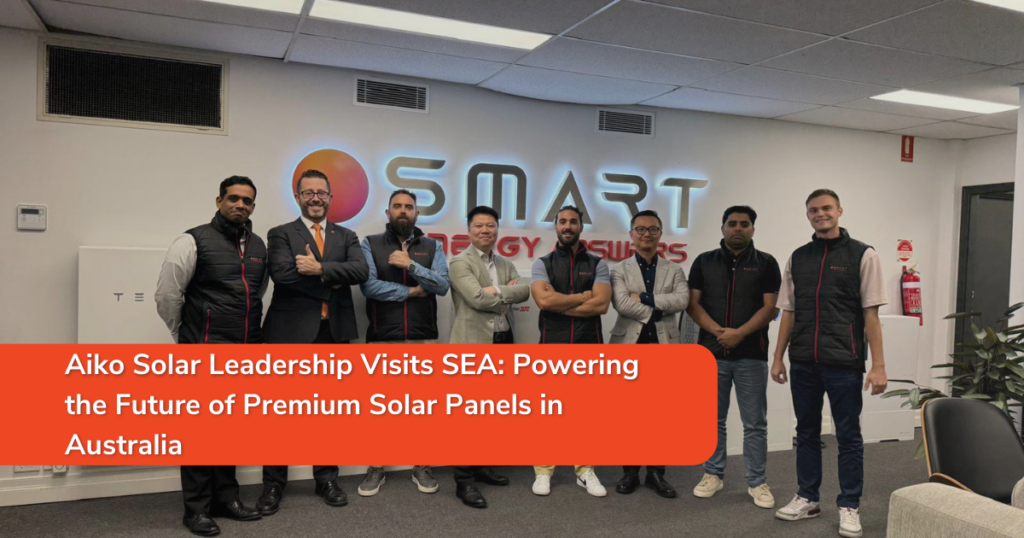
Aiko Solar Leadership Visits SEA: Powering the Future of Premium Solar Panels in Australia Smart Energy Answers May 2, 2025 Smart Energy Answers Welcomes Aiko Solar Leadership to Our Headquarters Smart Energy Answers was honoured to welcome the Vice President and Managing Director of Aiko Solar to our headquarters last month. This visit marks a significant milestone in our growing partnership and our shared commitment to bringing the world’s most advanced solar technology to Australian homes and businesses. Who Is Aiko Solar? Aiko Solar is a global leader in solar innovation, best known for producing some of the world’s most efficient solar panels. With a strong focus on research and development, Aiko solar panels are at the forefront of renewable energy technology, offering higher efficiency, sleek design, and exceptional durability. Their patented ABC, or All Back Contact, technology sets them apart as a top-tier solar manufacturer. Why This Visit Matters The visit of Aiko’s senior leadership to Smart Energy Answers reflects our close collaboration and mutual commitment to excellence. During the visit, we discussed strategic initiatives, upcoming technologies, and how we can continue to deliver exceptional value to Australian customers using Aiko panels. From cutting-edge solar panel technology to energy optimisation, the meeting showcased our shared vision for a smarter, cleaner energy future. “We’re proud to be working with Aiko, one of the most innovative companies in the solar industry. Their advanced products allow us to offer our customers unmatched performance and value,” said our CEO during the visit. A High-Level Exchange of Ideas and Direction The meeting brought together senior leadership from Aiko, creating a valuable opportunity to exchange ideas, discuss direction, and strengthen alignment for the Australian solar market. Henry Xia, Head of Global Sales at Aiko, shared his global vision, sparking inspiration across the room. His insights reaffirmed Aiko’s commitment to redefining solar excellence. Alex Hang, President of APAC, outlined a strategic roadmap for the region. He explained how Aiko aims to lead the solar market through product innovation and market responsiveness. Thomas Bywater brought a grounded local perspective tailored to the needs of the Australian market. His alignment with SEA’s mission created strong synergies for future growth. Ivan Zhang was also in attendance, adding depth to the discussion and ensuring all strategic points were explored in detail. The Future of Solar With Aiko Panels As one of the select partners offering Aiko solar panels in Australia, Smart Energy Answers is excited to integrate their latest technology into our residential and commercial solar solutions. Whether you’re looking for higher energy yields, stunning aesthetics, or future-ready solar systems, Aiko solar panel products deliver on every front. Ready to Upgrade? If you’re considering premium solar solutions for your home or business, now is the time to explore the benefits of Aiko solar panels. Reach out to our expert team for a free consultation and discover how Aiko’s technology can maximise your energy savings.
Aiko’s Neostar 480W: The Solar Panel That Just Made Your Roof Obsolete
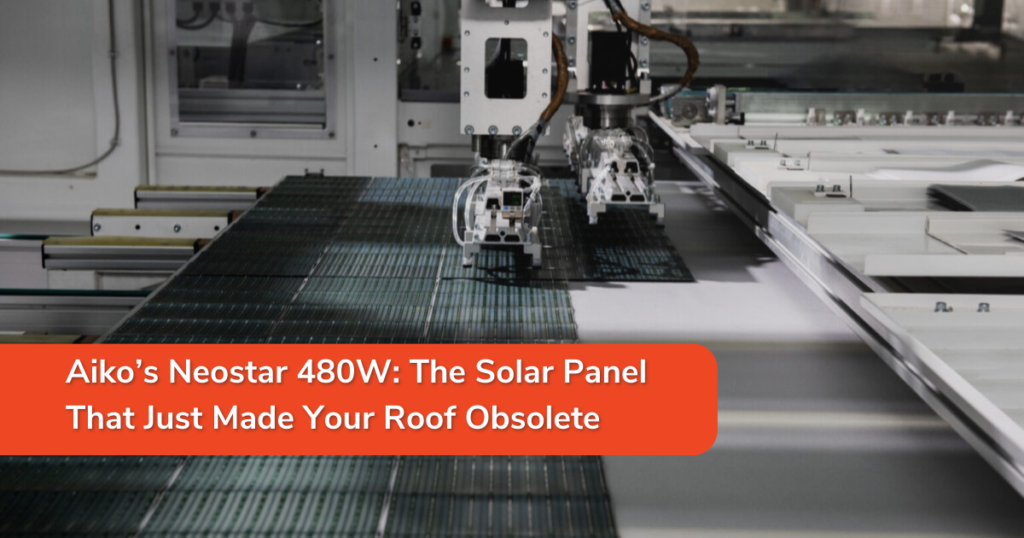
Aiko’s Neostar 480W: The Solar Panel That Just Made Your Roof Obsolete Smart Energy Answers June 3, 2026 Aiko Solar has just made a significant breakthrough with the release of the Neostar 480W panel. At Smart Energy Answers, we are excited to introduce this game-changing technology to our customers. Boasting an impressive 24.1% module efficiency, this panel sets a new record for residential solar technology. However, when considering investing in solar panels, efficiency is just one piece of the puzzle. As your trusted solar energy partner, Smart Energy Answers is here to help you understand other critical factors such as warranty, degradation rate, shading performance, and availability. In this in-depth article, we’ll explore each of these aspects in detail and compare Aiko’s latest innovation with other leading solar panels on the market. By the end, you’ll have a clear understanding of the Neostar 480W’s strengths, weaknesses, and how it stacks up against the competition. Let’s dive in! Understanding Warranty and Performance Degradation At Smart Energy Answers, we know that one of the most important considerations when investing in solar panels is their durability and long-term performance. After all, you want your investment to continue generating clean, efficient energy for decades to come. This is where warranty and performance degradation come into play. Aiko offers industry-leading warranty terms for the Neostar 480W panel: 25-year product warranty: This covers any defects in materials or workmanship, giving you peace of mind that your panels are built to last. 30-year performance warranty: Aiko guarantees that the Neostar 480W will retain at least 88.85% of its efficiency after three decades of use. This means that even after 30 years, your panels will still be operating at a high level of performance. To put this into perspective, let’s compare the Neostar 480W’s degradation rate with other leading solar panels: Panel Annual Degradation Rate Aiko Neostar 480W 0.35% Jinko Tiger Neo N-type 440W 0.4% Trina Solar Vertex S+ 440W 0.4% Longi Hi-MO X6 0.45% As you can see, while Aiko’s degradation rate isn’t the lowest, it’s still very competitive. Additionally, Aiko’s use of N-type ABC solar cells provides higher purity and reduced energy loss, contributing to greater long-term reliability. Now, let’s take a closer look at why Aiko’s N-type ABC solar cells are such a game-changer for long-term performance and reliability. Traditional solar cells are made from P-type silicon, which has a positive charge due to the presence of boron impurities. While P-type cells have been the standard for decades, they have some inherent limitations. One of the main issues is that the boron impurities can react with oxygen, forming defects that reduce the cell’s efficiency over time. This is a major contributor to performance degradation in standard solar panels. In contrast, Aiko’s N-type cells use phosphorus impurities, which have a negative charge. This difference in charge might seem small, but it has a massive impact on the cell’s long-term stability. N-type cells are far less susceptible to the oxygen-related defects that plague P-type cells, meaning they maintain their efficiency better over the years. But Aiko takes it a step further with their Advanced Back Contact (ABC) technology. In a standard solar cell, the metal contacts that collect the generated electricity are on the front of the cell, blocking some of the incoming sunlight. Aiko’s ABC design moves all the contacts to the back of the cell, allowing more sunlight to hit the active surface. This boost in light absorption translates to higher overall efficiency. So, how does this all tie into degradation rates? By combining the inherent stability of N-type cells with the enhanced light absorption of the ABC design, Aiko has created a solar panel that not only starts with high efficiency but also maintains that efficiency better over time. It’s like having a car that not only gets great mileage from the start but also has a slower rate of wear and tear on its engine. Of course, degradation rates aren’t the only factor in long-term performance. As we’ve seen, Aiko’s industry-leading warranty terms provide an extra layer of assurance. Think of it like an extended warranty on a car, even if something does go wrong, you’re covered. At Smart Energy Answers, we are excited to offer Aiko’s Neostar 480W panels to our customers. We believe that Aiko’s use of N-type ABC cells and their strong warranty terms combine to create a solar panel that’s built to last, maintaining high efficiency even as the years go by. It’s this dedication to long-term performance that sets the Neostar 480W apart from the competition. Shading Performance: How Well Does the Neostar 480W Handle Shade? Another crucial factor to consider is how well a solar panel performs in less-than-ideal conditions, particularly in the presence of shade. At Smart Energy Answers, we know that shading can significantly impact a panel’s efficiency, but we are impressed by the steps Aiko has taken to mitigate these losses with their Partial Shading Optimisation (PSO) technology. PSO includes several key features: Multi-Busbar (MBB) Cell Design: This design enhances current flow and reduces internal resistance, helping to minimise the impact of shading. Split Cell Architecture: By allowing the panel’s halves to operate independently, this architecture prevents total power loss when only part of the panel is shaded. Advanced Bypass Diodes: These diodes help to minimise energy loss by ensuring that shaded cells don’t reduce the overall performance of the panel. According to Aiko, “the Neostar 480W experiences a mere 1.85% power loss per shaded cell. In other words, even with minor shading, the panel still operates at an impressive 98.15% efficiency.” While some competitors, such as SunPower Maxeon, offer slightly better shading performance, Smart Energy Answers believes that Aiko remains highly competitive in this regard. Availability and Global Distribution When investing in solar panels, it’s important to consider not only the product itself but also its availability and ease of installation. At Smart Energy Answers, we are pleased to see that Aiko has made significant strides in expanding its global footprint, ensuring
Beating the Blackouts: The Smartest Solar Batteries for Australian Homes
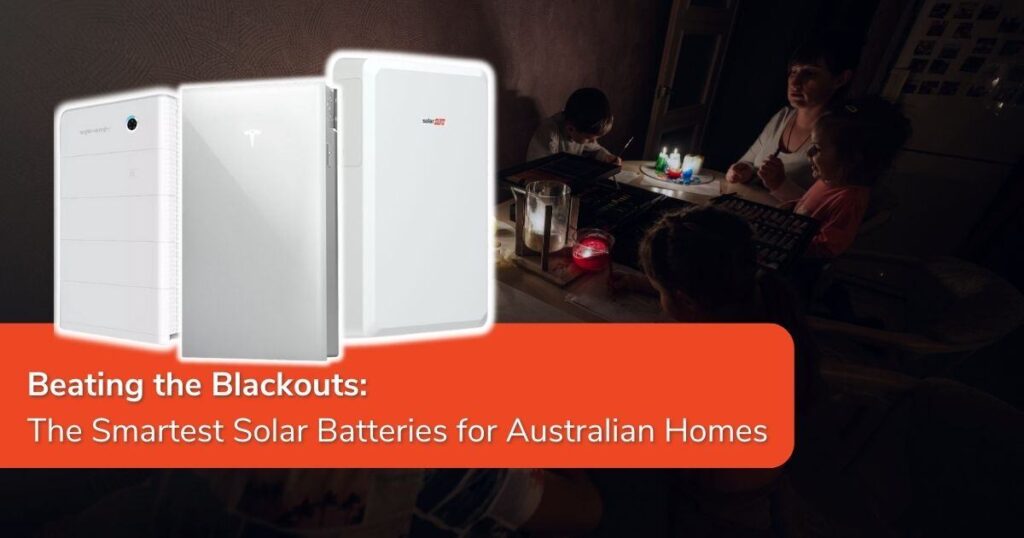
Beating the Blackouts: The Smartest Solar Batteries for Australian Homes Smart Energy Answers December 9, 2024 Australia is no stranger to blackouts, but with rising heat waves putting unprecedented pressure on the power grid, outages are becoming more frequent and severe. The traditional grid is struggling to meet demand, leaving homes and businesses powerless when they need electricity the most. The solution is smart solar batteries. Discover the best solar batteries for your home to stay powered and protected, no matter what the grid throws at you. These advanced energy storage systems keep your home powered during outages, optimise solar savings, and even provide financial benefits through Virtual Power Plants, or VPPs. With cutting-edge technology and government incentives like NSW Battery Rebates making batteries more accessible, there’s never been a better time to invest in energy independence. Why Solar Batteries Are a Must-Have Solar batteries are more than a luxury. They’re becoming a necessity for modern Australian households. Here’s why: Blackout protection: Solar batteries provide a reliable energy source during outages, ensuring essential appliances stay operational. Maximising solar power: Store excess energy generated during the day and use it during peak demand times to reduce your electricity bills. Grid stability and earnings: By participating in a Virtual Power Plant, or VPP, with your battery, you can sell stored energy to the grid during high-demand periods, earning money while supporting energy reliability. Future-ready energy solutions: Scalable and efficient, solar batteries are designed to meet the growing energy needs of households. The Best Solar Batteries to Power Through Blackouts Tesla Powerwall 2 The Tesla Powerwall 2 is a trusted choice for households looking to retrofit their existing solar systems with battery storage. Its proven track record, with over 700,000 installations globally, makes it one of the most reliable options available. Battery Capacity: 13.5kWh Backup Functionality: Full house backup on single-phase appliances. 7kW peak backup power. Quick backup transition. Other Features: Scalable up to 10 batteries. Seamless integration with existing solar systems. Trusted and tested global reputation for performance and reliability. Price: From $11,500 for add-on modules and from $12,500 for new installations, with the final price depending on site requirements, installation complexity, and applicable state rebates. Important Note: Production will cease by Q1 2025, making now the ideal time to secure this battery before it’s discontinued. Powerwall 2 is not compatible with Powerwall 3. Tesla Powerwall 3 The latest generation from Tesla, the Powerwall 3 is designed to meet the demands of modern solar systems. Its built-in solar inverter streamlines installations, while its enhanced capacity and efficiency help homes stay powered, even during prolonged outages. Battery Capacity: 13.5kWh Backup Functionality: Full house backup on single-phase appliances. Up to 10kW of backup power, depending on local conditions. Quick backup transition. Other Features: Built-in inverter simplifies setup and enhances efficiency. Handles up to 20kW of solar input and provides 10kW of continuous output. Scalable up to 54kWh. Price: From $13,500 to $16,500, with the final price depending on site requirements, installation complexity, and applicable state rebates. SolarEdge Home Battery Specifically tailored for SolarEdge setups, this battery enhances system efficiency while offering excellent value. The SolarEdge Home Battery delivers power when it’s needed most with its time-of-use algorithm. With record-setting system efficiency and sophisticated safety features, your energy needs are under control. Battery Capacity: 10kWh to 15kWh Backup Functionality: Up to 7.5kW peak backup power, which can run single-phase power-hungry appliances like HVAC. Weather Guard feature automatically charges your battery when severe weather is detected. Longer outage protection with 9.7kWh storage, scalable up to three batteries per inverter. Other Features: Up to 94.5% round-trip efficiency to maximise the return on your solar investment. Enhanced safety features for added reassurance, including the rigorous UL9540A fire safety test. Price: From $10,000 to $13,000, with the final price depending on site requirements, installation complexity, and applicable state rebates. Sigenergy SigenStor The Sigenergy SigenStor is a revolutionary energy solution, combining five key components into one sleek unit: a solar inverter, battery, energy management system, EV charger, and battery PCS. This all-in-one system is ideal for households looking for simplicity, scalability, and efficiency. Battery Capacity: 5kWh to 48kWh Backup Functionality: Unmatched backup power with full three-phase capability, which can run essential appliances, air conditioners, ovens, and more. Up to 15kW maximum backup power, depending on the number of batteries and controller. Quick and seamless transition to backup power with 0ms load-side disruption time. Other Features: AI-driven optimisation powered by GPT-4 for smarter energy management. EV DC bi-directional charging capability built into the system. Price: From $10,000 to $38,000, depending on how many modules are included, with the final price depending on site requirements, installation complexity, and applicable state rebates. Sungrow SBR For those seeking performance on a budget, the Sungrow SBR delivers high efficiency with advanced LFP technology. Its modular design and affordability make it an attractive option for households wanting reliable energy storage without breaking the bank. Battery Capacity: 9.6kWh to 25.6kWh Backup Functionality: Up to 10kW backup power. 10ms seamless switch without influencing the operation of appliances. 100% usable stored energy. Other Features: Up to 30A continuous charging and discharging current with high efficiency. Flexible and extendable for changing energy needs, supporting up to eight modules per unit. Multi-stage protection design and extensive safety certification. Price: From $9,000 to $20,000, depending on how many modules are included, with the final price depending on site requirements, installation complexity, and applicable state rebates. Rebates and Incentives Make It Easier Than Ever Take advantage of government rebates and incentives to make solar batteries more affordable in Australia. These incentives encourage renewable energy adoption, helping you transition to a sustainable and cost-effective energy system. In New South Wales, you can save up to $4,500 on your solar battery purchase, reducing upfront costs. An $800 Virtual Power Plant, or VPP, incentive can also lower expenses and allow you to earn by selling stored energy back to the grid during peak times. In Victoria, residents can access interest-free loans of up to $8,800,
Blackouts Are Coming and Relying on the Grid Is No Longer Enough
Blackouts Are Coming and Relying on the Grid Is No Longer Enough Smart Energy Answers December 2, 2024 As temperatures soar across Australia’s east coast, the country faces a harsh reality: the energy grid is failing to keep up. Heatwaves aren’t just testing our endurance. They’re exposing the fragility of our electricity infrastructure. Power outages are becoming alarmingly common, leaving families sweltering in the dark and businesses at a standstill. The question is: how long will you wait before taking control of your energy future? With the Tesla Powerwall 3, you can break free from the grid’s limitations and ensure your home stays powered, no matter the conditions. The Growing Risk of Blackouts in Australia As heatwaves intensify, electricity consumption skyrockets. Air conditioners and other cooling systems work overtime, creating demand that often exceeds the grid’s capacity. To prevent widespread failures, energy providers are often forced to implement rolling blackouts. These outages disrupt daily life in ways that go beyond inconvenience. Families lose refrigeration, causing food to spoil. Small businesses stop operations and lose productivity. Those relying on medical equipment may face critical risks. It’s clear: relying solely on the grid is no longer a sustainable option. It’s time to take control. Why Energy Independence Is Vital The days of trusting the grid to reliably meet your energy needs are over. A solar and battery system puts power back in your hands, offering a reliable and sustainable solution. Resilience during blackouts: Keep your home powered when the grid fails. Lower energy bills: Generate, store, and use your own solar energy for significant savings. Sustainability: Reduce your carbon footprint and contribute to a greener future. Energy independence isn’t just about convenience. It’s about security, savings, and sustainability. It future-proofs your home against rising energy costs and climate uncertainties. The Tesla Powerwall 3: Redefining Energy Storage The Tesla Powerwall 3 is the ultimate home battery system, packed with features designed to enhance energy independence and optimise performance. Built-In Solar Inverter The Powerwall 3 includes an integrated solar inverter, allowing for the efficient conversion of solar energy into stored electricity. This advanced feature ensures your system captures more solar energy and optimises every ray of sunlight. Best Value and Savings With customisable usage settings, the Powerwall 3 allows you to produce more solar energy and reduce your electricity bills. It’s engineered for maximum efficiency, giving you the best return on your investment. Reliable and Durable Design Built to endure even the harshest climates, the Powerwall 3 can be installed indoors or outdoors. Its robust design ensures consistent performance, regardless of environmental conditions. Whole-Home Backup Protection With the ability to provide up to 10kW of continuous power, the Powerwall 3 delivers increased backup capacity, allowing you to power multiple appliances simultaneously during outages. Say goodbye to partial coverage. This is whole-home protection. Easy System Expansion As your energy needs grow, the Powerwall 3 grows with you. Its modular design makes it easy to expand the system by stacking additional units, ensuring your home remains future-ready. Earn and Save With Virtual Power Plants The Powerwall 3 isn’t just a battery. It’s a smart investment. By participating in a Virtual Power Plant, or VPP, you can sell excess energy back to the grid, earning additional income while helping stabilise the grid during high-demand periods. Smart Energy Answers: Your Trusted Partner in Energy Solutions Smart Energy Answers is at the forefront of the energy revolution. As a Tesla Certified Premium Installer, we are helping Australians achieve independence with customised solar and battery systems. Expert guidance: Our team of professionals ensures a seamless journey from consultation to installation. Access to leading technology: We offer the latest solar and battery innovations, including the Tesla Powerwall 3. Tailored solutions: Whether you’re looking to save on bills, secure your home during blackouts, or embrace sustainability, we design systems to meet your unique needs. Take Control of Your Energy Future Today The grid isn’t built for the challenges we face today, but your home can be. Don’t wait for the next blackout to leave you powerless. With a solar and battery system, you can stay powered during blackouts, reduce energy costs, and contribute to a sustainable future. Contact Smart Energy Answers today for a free consultation and expert advice on customised energy solutions. Start your journey toward energy independence.
Future-Proofing Your Investment: Aiko Solar’s Compatibility with Emerging Technologies
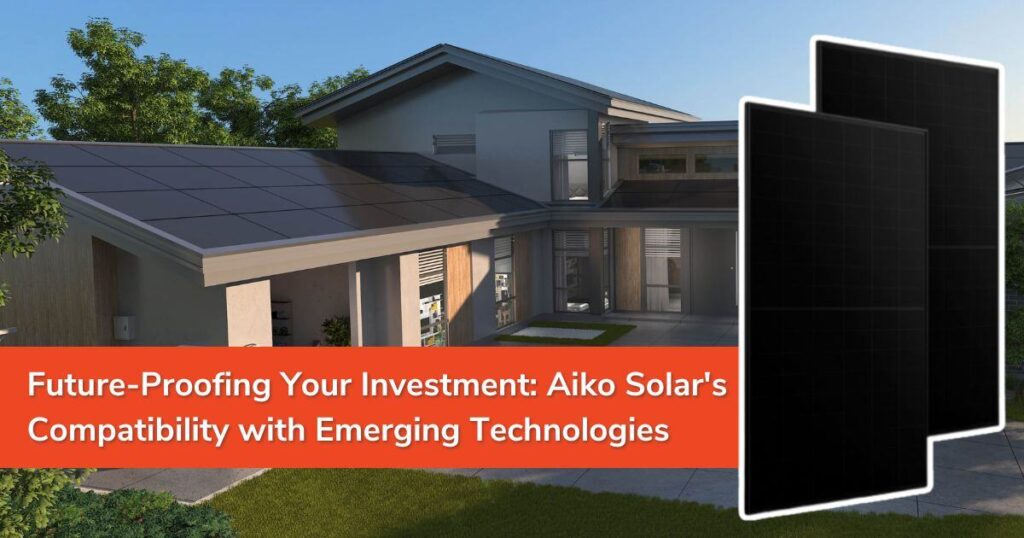
Future-Proofing Your Investment: Aiko Solar’s Compatibility with Emerging Technologies Smart Energy Answers November 28, 2024 Staying Ahead of the Curve in Solar Innovation In the fast-paced world of renewable energy, staying ahead of the curve is crucial. That’s why at Smart Energy Answers, we’re thrilled to spotlight Aiko Solar’s forward-thinking approach to panel design and technology. These aren’t just solar panels. They’re gateways to the future of energy management. From smart home integration to cutting-edge storage solutions, Aiko is ensuring your investment stays relevant for years to come. Let’s explore how Aiko Solar panels are paving the way for a smarter, more connected energy future. Cross-reference: Curious about the current performance of these future-ready panels? Check out our blog on Aiko Solar’s world-leading efficiency levels to see how they’re excelling today while preparing for tomorrow. The Current State of Solar Technology in Australia Before we jump into the future, let’s consider where we are. Australia is at the forefront of solar adoption, but the technology is evolving rapidly. From smart inverters to home batteries and Virtual Power Plants, or VPPs, the solar ecosystem is becoming increasingly sophisticated. With the NSW Solar Battery Rebate 2024 encouraging more homes to adopt integrated solar solutions, there’s never been a better time to invest in future-proof technology. Smart Home Solutions: The Hub of Future Energy Management At Smart Energy Answers, we see Aiko Solar panels as the cornerstone of a future-proof smart home. Here’s how they fit into an evolving energy ecosystem: Intelligent solar panels: Aiko’s ABC technology shifts all electrical contacts to the back of the panel, maximising light absorption, partial shading optimisation, and overall efficiency to deliver exceptional performance. Advanced inverters: With integrated Module-Level Power Electronics technology, your system optimises the performance of each individual solar panel, ensuring peak energy output even in challenging conditions such as shading or mismatched panels. Smart battery integration: Seamless connectivity with current and future storage technologies enables efficient energy storage and usage for your home or business. Home energy management systems: AI-driven solutions optimise energy production and consumption, ensuring your energy usage is smart, efficient, and sustainable. Aiko panels aren’t just part of your home. They’re the foundation of your smart energy future. The Path to Energy Independence: Compatibility Features Explained Let’s break down what makes Aiko Solar panels so adaptable to future technologies: Flexible communication protocols: Ready to integrate with various smart home systems. Modular design: Allows for easy upgrades and additions to your system. Grid support functions: Prepared for future grid stability requirements. Smart Energy Answers: Your Partner in Future-Proof Solar As Australia’s solar experts, we’re committed to keeping you ahead of the curve. Technology roadmap consultations: We’ll help you plan for future upgrades. Scalable system designs: Ensure your initial installation can grow with new technologies. Regular tech updates: Keep your system optimised with the latest software and hardware. Future tech integration support: Assistance in connecting new devices and services as they become available. Aiko Solar panels aren’t just a solution for today. They’re an investment in tomorrow’s energy landscape. By choosing Aiko, you’re not just installing solar panels. You’re laying the groundwork for a smarter, more connected, and more efficient energy future. In a world where technology evolves at lightning speed, Aiko Solar ensures your investment stays relevant, adaptable, and valuable for decades to come. Ready to future-proof your energy independence?
The Economics of Excellence: Long-Term Savings with Aiko Solar Panels
The Economics of Excellence: Long-Term Savings with Aiko Solar Panels Smart Energy Answers October 8, 2024 Investing in Tomorrow, Saving Today At Smart Energy Answers, we know that going solar isn’t just about being green. It’s also about saving money. That’s why we’re excited to break down the long-term economic benefits of choosing Aiko Solar panels. From initial investment to decades of returns, we’ll show you why Aiko’s cutting-edge technology isn’t just a cost. It’s a smart financial move. Let’s crunch the numbers and see how Aiko can power up your savings. The Current State of Solar Economics in Australia Before we dive into Aiko’s numbers, let’s look at the big picture. Solar adoption in Australia is booming, driven by falling costs and rising electricity prices. With the NSW Solar Battery Rebate 2024 adding extra incentive, it’s crucial to understand the long-term economics of your solar choice. Want to know how Aiko panels compare to traditional options? Explore our comparative analysis in our blog, “Comparing Apples to Oranges: Aiko Solar vs. Traditional PV Panels”. Smart Home Solutions: The Financial Ecosystem At Smart Energy Answers, we see Aiko Solar panels as the cornerstone of a financially smart home. Here’s how they fit into your economic picture: High-efficiency production: More energy generated means more savings. Smart energy management: Optimising consumption for maximum financial benefit. Battery integration: Storing energy to avoid peak rates. VPP participation: Potential earnings from grid services. The Path to Energy Independence: Initial Investment vs Long-Term Returns Let’s break down the numbers. Initial Investment Aiko Solar and Battery system cost: Typically 5% to 10% higher than standard systems. Potential rebates and incentives: Up to $4,500 off with the STC Incentive on solar, plus an additional $2,800 with applicable state or government rebates on solar and battery systems. Energy Production Over 30 Years Aiko panels: Guaranteed 88.85% output after 30 years. Standard panels: Typically 80% to 85% output after 25 years. Aiko offers a longer performance warranty compared to the standard 25 years. This means Aiko panels can retain nearly 90% of their power after 30 years, compared to the typical 80% to 85% output of many standard panels after 25 years. Efficiency Savings Higher efficiency means more energy produced per square metre. Potential for a smaller system size without sacrificing output. Aiko solar panels offer long-term financial benefits that go beyond the initial investment. Their higher efficiency ensures more energy is produced over the system’s lifetime, reducing reliance on the grid and lowering electricity costs. The ability to maintain 88.85% output after 30 years means homeowners can see greater returns over time, even as standard panels degrade faster. Additionally, with the potential for rebates and incentives, the upfront cost difference is minimised, making Aiko a competitive option for those prioritising long-term energy savings and sustainability. Earning From Surplus Energy: Long-Term Profit Potential Aiko’s superior performance opens up additional earning opportunities: Higher feed-in tariffs: Optimise your self-consumption with a battery and sell excess energy at a much higher rate during specific times. VPP earnings: Potential for $100 to $300 in annual earnings through Virtual Power Plant participation, with some high-performing systems earning up to $2,000 annually depending on spike events. Avoided costs: Less reliance on grid power during peak price periods. Carbon credit potential: Future possibilities for earning from carbon offset markets. Case Studies: Real-World Savings A recent solar upgrade in Keysborough highlights the long-term savings and efficiency of Aiko Neostar 2S panels. The homeowners invested in a 13kW solar system paired with a 9.7kWh battery and EV charger, all integrated with Origin’s Loop Virtual Power Plant, or VPP. As a result, they are saving over $3,000 annually on electricity bills and also received a $400 signup cashback from Origin. This case study demonstrates how Aiko’s high-efficiency panels, combined with modern energy solutions, can deliver significant savings and energy independence. It makes Aiko a smart choice for long-term investment. Smart Energy Answers: Maximising Your Financial Benefits As Australia’s solar experts, we’re here to help you get the most value from your investment. Customised financial modelling: We’ll project your specific long-term savings. Rebate optimisation: We help ensure you capitalise on all available incentives. Ongoing performance monitoring: Regular check-ins help ensure your system is meeting financial targets. Future upgrade planning: We help you strategise for additional savings as technology evolves. The Future Is Bright and Profitable Looking ahead, Aiko’s economic advantages are set to grow. Rising energy prices: Increasing the value of self-generated power. Technological advancements: Potential for even higher efficiencies and lower costs. Grid services markets: Expanding opportunities for earning from energy trading. Property value increase: Solar is becoming a more valued home feature. Conclusion Investing in Aiko Solar panels through Smart Energy Answers isn’t just an expense. It’s a long-term financial strategy. With superior efficiency, durability, and performance guarantees, Aiko offers a compelling economic case that goes beyond simple payback periods. In a world where every dollar counts, Aiko Solar panels provide a path to significant long-term savings and potential earnings. They’re not just powering your home. They’re powering your financial future. Ready to make a solar investment that keeps paying dividends for decades? Supercharge Your Savings With Smart Energy Answers Ready to see how Aiko Solar panels can boost your bottom line for years to come? Smart Energy Answers is here to provide a comprehensive financial analysis. Free long-term savings projection: We’ll calculate your potential 30-year savings with Aiko panels. Customised financial plan: Get a detailed breakdown of costs, savings, and potential earnings. ROI-optimised installation: Ensure your system is designed for maximum financial benefit. Remember, with Aiko Solar and Smart Energy Answers, you’re not just installing panels. You’re making a smart financial decision that pays off for decades. Let’s make your roof work for your wallet.
Comparing Apples to Oranges: Aiko Solar vs. Traditional PV Panels
Comparing Apples to Oranges: Aiko Solar vs. Traditional PV Panels Smart Energy Answers June 3, 2026 When it comes to choosing solar panels, the options can be as vast as the Aussie outback. At Smart Energy Answers, we believe in cutting through the complexity to help you make an informed choice. That’s why we’re excited to put Aiko Solar panels head-to-head with traditional PV panels. From efficiency to aesthetics, durability to long-term value, we’ll shine a light on what sets Aiko apart in the crowded solar market. Let’s dive into this solar showdown! The Current State of Solar Panel Technology in Australia Before we jump into the comparison, let’s set the scene. Australia’s solar market is booming, with options ranging from budget panels to premium high-efficiency modules. As the Australian Solar Battery Rebate 2024 makes advanced solar systems more accessible, it’s crucial to understand what you’re getting for your investment. Smart Home Solutions: The Panel’s Role in Your Energy Ecosystem At Smart Energy Answers, we see solar panels as the foundation of a smart energy home. Here’s how Aiko and traditional panels compare in this context: Energy Production: Aiko’s high-efficiency vs. standard output Smart Integration: Aiko’s advanced monitoring capabilities vs. basic systems Aesthetic Integration: Aiko’s sleek design vs. conventional appearances Future-Readiness: Aiko’s compatibility with emerging tech vs. limited adaptability The Path to Energy Independence: Key Specifications Compared Let’s break down the crucial differences: Efficiency Aiko: Up to 25.2% efficiency Traditional: Typically 15–20% efficiency Temperature Coefficient Aiko: -0.35%/°C, superior performance in heat Traditional: Often -0.45%/°C or higher Durability Aiko: Enhanced resistance to degradation Traditional: Standard degradation rates Warranty Aiko: 30-year performance warranty Traditional: Usually 25-year warranty Earning from Surplus Energy: Performance in Real-World Scenarios Let’s compare how these panels stack up in various situations: Partial Shading Aiko: Optimised performance, up to 30% more power in shade Traditional: Significant output reduction in partial shade High-Temperature Days Aiko: Maintains higher efficiency in extreme heat Traditional: More pronounced efficiency drop Low-Light Conditions Aiko: Better performance in early morning and late afternoon Traditional: Typically lower output in suboptimal light Environmental Impact: Beyond Energy Production Comparing the broader environmental footprint: Manufacturing Process Aiko: Lower carbon footprint production Traditional: Varies, often higher carbon footprint Materials Used Aiko: Focus on sustainable and recyclable materials Traditional: Standard industry materials End-of-Life Considerations Aiko: Enhanced recyclability Traditional: Standard recycling options Smart Energy Answers: Guiding Your Choice As Australia’s solar experts, we’re here to help you navigate these differences: Personalised Comparison: We’ll analyse how each option fits your specific needs ROI Calculations: Custom projections for Aiko vs. traditional panels for your situation Future-Proofing Assessment: Evaluating long-term value and adaptability Environmental Impact Analysis: Helping you understand the broader implications of your choice The Future is Bright, But Some Panels Shine Brighter! Looking ahead, the gap between Aiko and traditional panels may widen: Technological Advancements: Aiko’s commitment to innovation vs. traditional improvement rates Grid Integration: Aiko’s readiness for future smart grid technologies Energy Storage Compatibility: Aiko’s optimised performance with emerging battery tech Sustainable Manufacturing: Aiko’s trajectory towards even greener production methods Conclusion While traditional PV panels have served Australia well, Aiko Solar panels represent a significant leap forward in solar technology. From superior efficiency and performance to enhanced durability and future-readiness, Aiko offers a compelling package for those looking to maximise their solar investment. In the solar world, not all panels are created equal. Aiko Solar stands out as a premium choice that delivers value across efficiency, aesthetics, durability, and environmental considerations. Ready to elevate your solar experience with a truly next-generation panel? Upgrade Your Solar Experience with Smart Energy Answers! Ready to see how Aiko Solar panels can outperform traditional options for your specific needs? Smart Energy Answers is here to provide a comprehensive comparison: Free Comparative Assessment: We’ll analyse how Aiko and traditional panels would perform on your property Customised ROI Projection: Get a detailed breakdown of long-term savings and benefits Future-Ready Installation Plan: Ensure your solar investment is optimised for both current and future energy landscapes
Shading No Longer a Concern: Aiko Solar’s Innovative Partial Shading Optimisation Explained
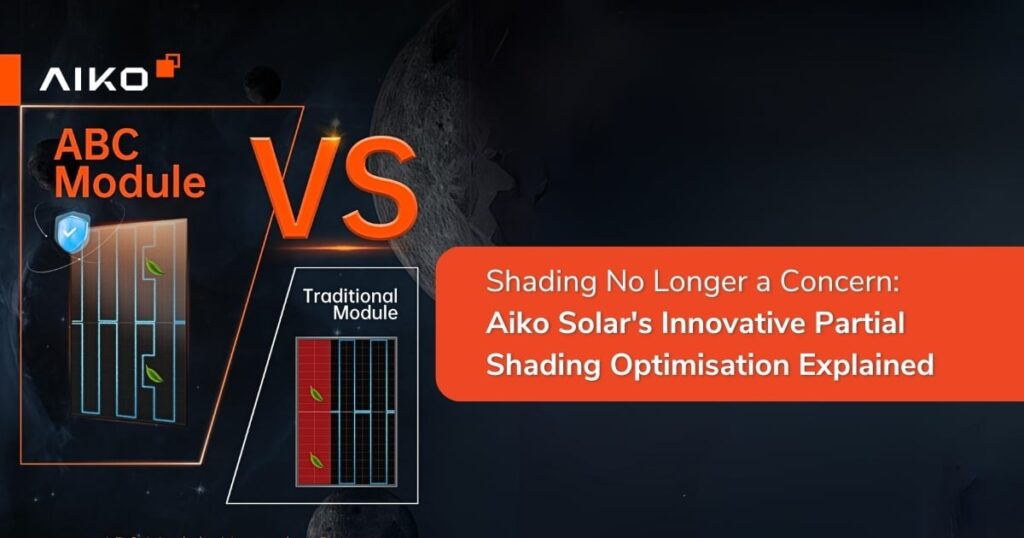
Shading No Longer a Concern: Aiko Solar’s Innovative Partial Shading Optimisation Explained Smart Energy Answers July 18, 2024 Shedding Light on Shadow Solutions Ever noticed how a single shadow can affect the performance of your solar setup? Aiko Solar has introduced a smarter way to manage this common challenge. As Australia’s #1 solar retailer, Smart Energy Answers is thrilled to introduce you to Aiko’s groundbreaking Partial Shading Optimisation technology. This innovation is set to revolutionise how your panels perform, even when the odds and shadows are stacked against them. Let’s explore how this technology is turning shade from a solar challenge into a manageable part of your energy system. The Current State of Solar Shading in Australia Before we explore Aiko’s innovation, let’s look at the shading challenge in the Australian context. Our sunburnt country may be blessed with abundant sunshine, but urban living, trees, nearby buildings, and even occasional cloudy days can cast shadows on solar performance. According to the Clean Energy Council, while over 3 million Australian homes have embraced solar, many still deal with less-than-ideal conditions. Partial shading from nearby structures, vegetation, or even accumulated dust can significantly impact a system’s performance, reducing energy output by up to 30% in some cases. This issue has been a persistent challenge for solar adoption, particularly in densely populated urban areas. Smart Home Solutions: The Connected Approach At Smart Energy Answers, we believe in a holistic approach to energy management. Our smart home solutions integrate various components to create a seamless and efficient energy ecosystem: Solar panels: The heart of your energy production system. Battery storage: Store excess energy for use when the sun is not shining. Inverters and optimisers: Convert and manage your solar power efficiently. EV chargers: Power your electric vehicle with clean solar energy. Smart heating solutions: Optimise your home’s climate control. Aiko Solar’s Partial Shading Optimisation technology fits perfectly into this ecosystem. It enhances the performance of your solar panels, even in less-than-ideal conditions, while maximising the benefits of your entire smart home setup. The Path to Energy Independence: Understanding Partial Shading To truly appreciate Aiko’s innovation, we need to understand the problem it solves. Partial shading occurs when a portion of a solar panel or array is obstructed from direct sunlight. This can happen due to: Nearby structures, such as chimneys, antennas, and neighbouring buildings. Vegetation, including trees and shrubs. Temporary obstructions, such as leaves, bird droppings, and dust. Cloud cover affecting part of the array. In traditional solar panels, shading on even a small portion of a panel can disproportionately affect the entire system’s output. This is because solar cells in a panel are typically connected in series, and like a chain, the system is only as strong as its weakest link. Aiko’s Partial Shading Optimisation: How It Works Now, let’s shed some light on Aiko’s clever solution: Smart cell design: Aiko’s panels incorporate an innovative cell layout that minimises the impact of partial shading. Bypass diodes: Advanced bypass diodes are strategically placed to isolate shaded areas, allowing unshaded portions to continue operating at full capacity. Intelligent power routing: The system dynamically routes power around shaded cells, ensuring maximum energy harvest from the unaffected areas. Real-time monitoring: Sophisticated software continuously assesses panel performance, adjusting for changing shadow patterns throughout the day. Real-World Scenarios: Partial Shading Optimisation in Action Let’s look at some common scenarios where Aiko’s technology makes a real difference: The urban jungle: In densely packed suburbs, neighbouring buildings often cast shadows on rooftop solar arrays. With Aiko’s technology, panels can still perform strongly in unshaded areas, minimising energy loss. The tree-change dream: For Australians embracing a greener lifestyle, trees are a must. Aiko’s panels help ensure that dappled shade from nearby gum trees does not significantly impact energy production. The cloudy conundrum: On partly cloudy days, when shadows rapidly move across your array, Aiko’s panels can adapt in real time, helping maintain consistent energy output. The dusty dilemma: In Australia’s dry climate, dust accumulation is common. Aiko’s technology helps reduce the impact of uneven dust distribution on panel performance. Quantifying the Benefits: 30% More Power in Partially Shaded Conditions Aiko Solar’s Partial Shading Optimisation technology is not just a marginal improvement. It is a game-changer. In partially shaded conditions, these innovative panels can produce up to 30% more power than traditional panels. Here’s what this means for you: Increased energy yield: More power from the same roof space, even in less-than-ideal conditions. Improved ROI: Faster payback on your solar investment, regardless of your roof’s orientation or surrounding obstacles. Greater flexibility: Expand your options for panel placement, making solar viable for more homes and businesses. Enhanced reliability: More consistent energy production throughout the day, reducing reliance on grid power. Earning From Surplus Energy: Optimised Panels and Virtual Power Plants The increased efficiency of Aiko’s panels doesn’t just mean lower electricity bills. It could also boost your earning potential through Virtual Power Plants, or VPPs. Here’s how: More consistent output: Even on partially cloudy days, your system can contribute reliably to the VPP network. Increased surplus energy: Higher efficiency in all conditions means more excess power to feed into VPPs. Grid stability: By maintaining output during variable conditions, these panels help stabilise the grid during peak demand periods. Smart Energy Answers: Leading the Charge With Aiko’s Innovation As Australia’s leading solar retailer, Smart Energy Answers is proud to offer Aiko Solar’s cutting-edge technology to our customers. Our commitment to providing advanced and efficient solar solutions aligns perfectly with Aiko’s innovative approach. By integrating these optimised panels into our comprehensive solar and battery packages, we’re helping Australians overcome traditional solar challenges and take a major step towards true energy independence. Whether you’re dealing with a shady backyard or a less-than-ideal roof orientation, Aiko’s technology offers a powerful solution. The Future Is Bright, Even in the Shade As we look to the future, it’s clear that innovations like Aiko Solar’s Partial Shading Optimisation will play a crucial role in Australia’s energy future. By overcoming traditional
Beyond Efficiency: The Holistic Benefits of Choosing Aiko Solar Panels
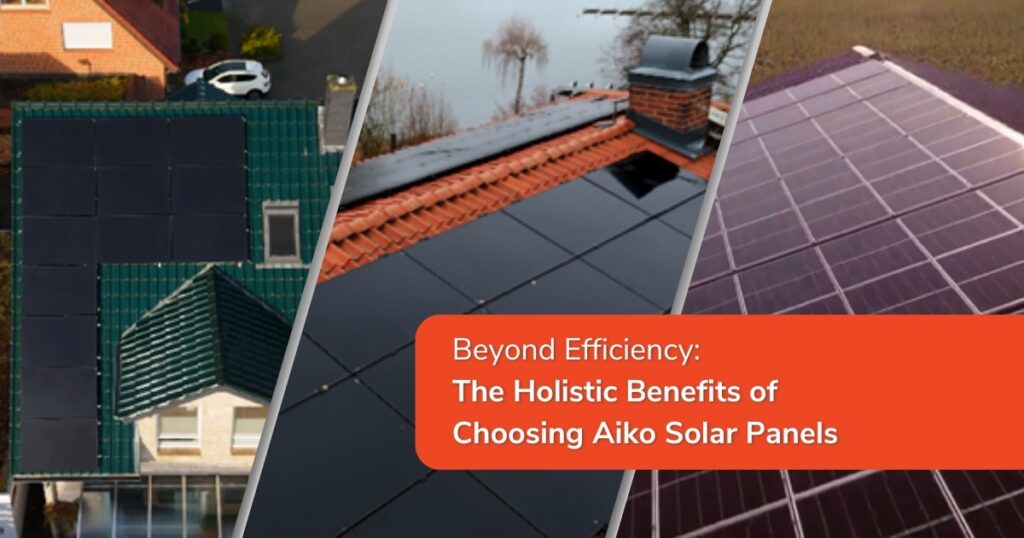
Beyond Efficiency: The Holistic Benefits of Choosing Aiko Solar Panels Smart Energy Answers July 18, 2024 Powering a Brighter Future, One Panel at a Time At Smart Energy Answers, we believe that choosing solar panels is about more than just watts and dollars. That’s why we’re excited to explore the holistic benefits of Aiko Solar panels. From cutting-edge technology to environmental stewardship and long-term economic advantages, Aiko is redefining what it means to go solar. Let’s explore how these panels are not just powering homes, but empowering a sustainable future for Australia and beyond. The Current State of Solar in Australia Before we explore Aiko’s comprehensive benefits, let’s set the scene. Australia is a solar powerhouse, with over 3 million rooftop installations nationwide. But as we face climate challenges and energy uncertainties, the need for solar solutions that go beyond simple efficiency has never been greater. With the NSW Solar Battery Rebate 2024 making advanced solar systems more accessible, it’s the perfect time to consider the wider impact of your solar choice. Smart Home Solutions: A Holistic Approach to Energy At Smart Energy Answers, we see Aiko Solar panels as the cornerstone of a comprehensive smart energy ecosystem: High-efficiency solar panels: Aiko’s top-tier performance as the foundation. Intelligent energy management: Optimising production and consumption. Sustainable battery storage: Enhancing self-sufficiency and grid support. Eco-friendly home integration: Aligning your entire home with sustainable principles. Aiko panels don’t just generate electricity. They help catalyse a complete green energy lifestyle. The Path to Energy Independence: Technological Advantages Let’s break down Aiko’s technological edge: All Back Contact, or ABC, technology: Maximising efficiency and aesthetics. Low temperature coefficient: Maintaining performance in Australia’s harsh climate. Advanced monitoring capabilities: Providing insights for optimised energy use. Durability and longevity: Ensuring reliable performance for decades. Earning From Surplus Energy: Economic Advantages Aiko’s superior technology translates to tangible economic benefits: Higher energy yield: More power generation means greater savings and potential earnings. Increased property value: High-quality solar installations can boost home resale value. Long-term cost effectiveness: Durable panels mean fewer replacements and repairs. VPP readiness: Potential for additional income through grid services. Environmental Benefits: A Cleaner, Greener Future Aiko Solar’s commitment to sustainability extends beyond energy production. Low carbon manufacturing: Reduced environmental impact from production. Efficient resource use: Maximising energy output per panel means fewer raw materials are needed. End-of-life recyclability: Commitment to responsible disposal and recycling. Biodiversity consideration: Panels designed to minimise impact on local ecosystems. Smart Energy Answers: Your Partner in Holistic Solar Solutions As Australia’s solar experts, we’re here to help you maximise the full spectrum of Aiko’s benefits. Comprehensive home assessment: Evaluating your entire energy ecosystem. Customised sustainability plans: Tailoring solutions to your environmental goals. Ongoing performance optimisation: Ensuring your system continues to deliver holistic benefits. Community impact guidance: Helping you leverage your solar choice for broader positive change. The Future Is Bright and Sustainable Looking ahead, Aiko’s holistic approach is setting new standards for the solar industry. Advancing circular economy principles: Pushing for fully recyclable solar solutions. Enhancing grid resilience: Contributing to a more stable and sustainable energy network. Fostering energy communities: Enabling localised energy sharing and independence. Driving technological innovation: Pushing the boundaries of what is possible in solar energy. Conclusion Choosing Aiko Solar panels through Smart Energy Answers isn’t just a purchase. It’s a statement. It’s a commitment to technological excellence, environmental stewardship, and long-term economic wisdom. By embracing Aiko’s holistic benefits, you’re not just powering your home. You’re contributing to a cleaner, more sustainable future for all. In a world where every choice matters, Aiko Solar panels offer a comprehensive solution that aligns with your values and vision for a better tomorrow. Ready to make a solar choice that benefits you, your community, and the planet? Step Into the Light With Smart Energy Answers Embrace Holistic Solar Benefits With Smart Energy Answers Ready to experience the full spectrum of advantages that Aiko Solar panels offer? Smart Energy Answers is here to guide you through a solar journey that goes beyond simple energy production. Free holistic solar assessment: Discover how Aiko panels can benefit your home, wallet, and the environment. Customised sustainability plan: We’ll create a solar solution that aligns with your values and goals. Future-ready installation: Ensure your system is prepared to adapt and grow with emerging technologies and opportunities. Don’t settle for just any solar panels. Contact us today to start your journey towards a holistically beneficial solar future.
From Rooftops to Power Plants: The Versatility of Aiko Solar Panels
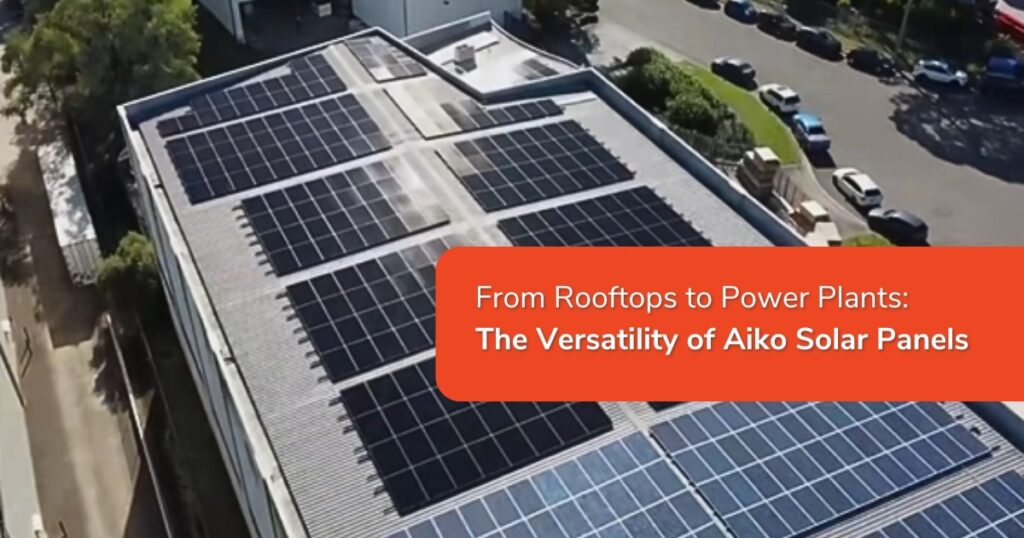
From Rooftops to Power Plants: The Versatility of Aiko Solar Panels Smart Energy Answers July 18, 2024 Powering Australia, One Panel at a Time Whether you’re a homeowner looking to slash your energy bills or a business owner aiming to power a factory, Aiko Solar has you covered. At Smart Energy Answers, we’re excited to showcase the incredible versatility of Aiko’s solar panel range. From the Neostar series for homes to the Comet series for commercial giants, Aiko is proving that one size doesn’t fit all when it comes to solar power. Let’s explore how Aiko is lighting up Australia, from suburban rooftops to sprawling solar farms. The Current State of Solar Diversity in Australia Before we dive into Aiko’s range, let’s look at the big picture. Australia’s solar needs are as diverse as its landscape, from sun-soaked suburban homes to energy-hungry industrial complexes. This diversity demands a flexible approach to solar technology, and that’s where Aiko shines. With the NSW Solar Battery Rebate 2024 making solar more accessible than ever, there’s never been a better time to find the perfect solar solution for your needs. Smart Home Solutions: The Right Panel for Every Roof At Smart Energy Answers, we believe in tailored solutions. Here’s how Aiko’s diverse range fits into various smart energy ecosystems: Residential rooftops: Neostar series for optimal home energy production. Commercial buildings: Comet series for high-output business applications. Industrial complexes: High-power modules for energy-intensive operations. Solar farms: Utility-scale solutions for massive energy production. No matter the scale, Aiko has a panel to power your needs. The Path to Energy Independence: Aiko’s Product Range Explained Let’s break down Aiko’s versatile product lineup: Neostar Series Ideal for residential use. High efficiency in a compact design. Perfect for maximising limited roof space. Comet Series Designed for commercial and industrial applications. Higher power output for increased energy demands. Robust design for durability in various environments. Utility-Scale Solutions Engineered for large-scale solar farms. Optimised for maximum energy yield over vast areas. Built to withstand diverse environmental conditions. Earning From Surplus Energy: Scale Matters The versatility of Aiko panels opens up various opportunities for energy production and savings: Residential VPP participation: Even small-scale Neostar installations can contribute to Virtual Power Plants. Commercial energy trading: Larger Comet installations can generate significant surplus for grid feed-in. Industrial self-sufficiency: High-power modules can dramatically reduce reliance on grid power. Utility-scale revenue: Massive solar farms can become significant energy providers. Smart Energy Answers: Tailored Solutions for Every Need As Australia’s solar experts, we’re equipped to help you find the perfect Aiko solution: Comprehensive site assessment: Determining the ideal panel series for your specific needs. Scalable system design: From single-family homes to multi-site businesses. Future-proof installations: Systems designed to grow with your energy needs. Ongoing optimisation: Ensuring your system performs optimally, regardless of scale. The Future Is Bright and Infinitely Scalable Aiko’s versatile range is shaping the future of solar in Australia. Urban solar revolution: Making solar viable for even the most challenging city installations. Commercial energy independence: Empowering businesses to take control of their energy future. Grid transformation: Contributing to a more resilient and distributed energy network. Renewable domination: Accelerating Australia’s transition to clean energy across all sectors. Conclusion From the smallest residential rooftop to the largest solar farm, Aiko Solar’s versatile panel range is powering Australia’s clean energy future. This adaptability ensures that no matter your energy needs, there is an Aiko solution that fits. In the world of solar, one size doesn’t fit all, and Aiko Solar proves that you don’t have to compromise. Ready to find the perfect solar solution for your energy needs, big or small? Get the Highest Efficiency Panels for Your Home With Smart Energy Answers Scale Your Solar Ambitions With Smart Energy Answers Ready to harness the sun’s power, whether for your home, business, or utility-scale project? Smart Energy Answers is here to bring Aiko’s versatile solar solutions to life. Free scalability assessment: Discover the ideal Aiko panel series for your specific needs. Custom system design: We’ll tailor an Aiko Solar solution to match your energy goals, no matter the scale. Future-proof installation: Ensure your system can grow with your energy demands.
Breaking Records: Aiko Solar’s World-Leading Efficiency Levels & What They Mean for You
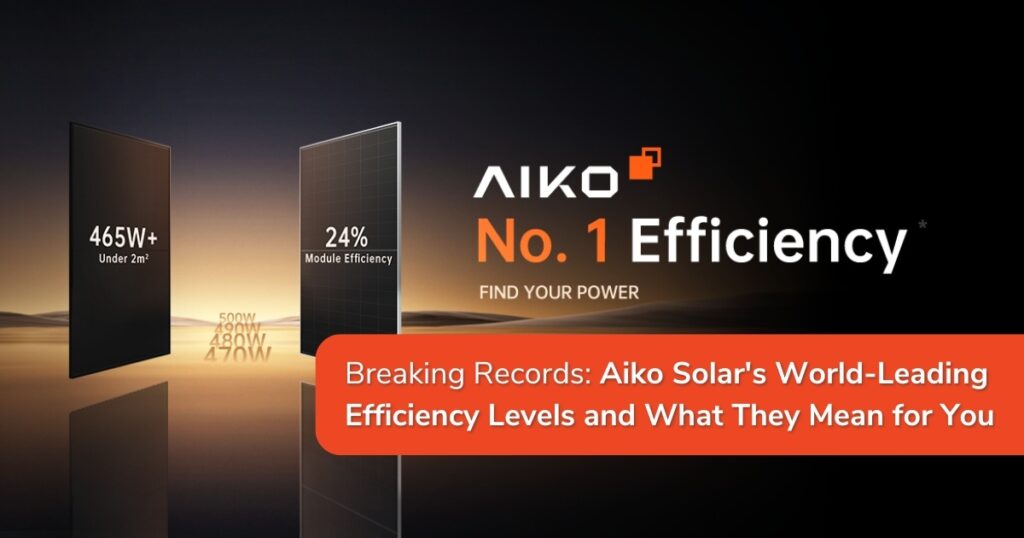
Breaking Records: Aiko Solar’s World-Leading Efficiency Levels & What They Mean for You Smart Energy Answers July 18, 2024 Harnessing More Sun for Your Buck Ready to shine a light on the cutting edge of solar technology? At Smart Energy Answers, we’re thrilled to introduce you to Aiko Solar’s record-breaking efficiency levels. With a 25.2% efficiency rating, these panels are changing the game in solar power. But what does this mean for you and your energy bills? Let’s dive in and unpack the sunny side of high-efficiency solar. The Current State of Solar Efficiency in Australia Before we explore Aiko’s performance, let’s set the scene. The average solar panel efficiency in Australia hovers around 15% to 20%. This means that for every 100 watts of sunlight hitting your panels, around 15 to 20 watts are converted into usable electricity. That is already a strong result, but Aiko Solar is taking efficiency to the next level. With energy prices on the rise and roof space at a premium, getting more power from every ray of sunshine has never been more important. That’s where Aiko’s world-leading efficiency comes into play, offering a game-changing solution for Australian homes and businesses. Smart Home Solutions: The High-Efficiency Advantage At Smart Energy Answers, we believe in a holistic approach to energy management. Here’s how Aiko’s high-efficiency panels fit into the smart home puzzle: High-efficiency solar panels: Aiko’s 25.2% efficient panels capture maximum sunlight. Smart battery storage: Store more energy with less roof space. Intelligent inverters: Convert more solar power efficiently. Energy management systems: Optimise your abundant solar yield. With Aiko panels, you’re starting your energy journey with a powerful efficiency advantage. The Path to Energy Independence: Efficiency Explained Let’s break down what 25.2% efficiency really means: More power, same space: Generate up to 25% more energy than standard panels. Fewer panels needed: Achieve your energy goals with a smaller system. Future-proof investment: Stay ahead of the curve as energy demands increase. Faster ROI: Higher energy production means quicker payback on your investment. Earning From Surplus Energy: Efficiency Meets VPPs High efficiency isn’t just about saving money. It’s about earning potential too. Greater surplus energy: More power to feed into Virtual Power Plants, or VPPs. Higher feed-in tariffs: Potentially earn more from your excess energy. Increased self-sufficiency: Power more of your home, even during peak times. Smart Energy Answers: Leading the Charge With Cutting-Edge Tech As Australia’s solar experts, we’re excited to offer Aiko’s high-efficiency solutions. Customised high-performance systems: Tailored to maximise your roof’s potential. Expert installation: Ensuring optimal placement for peak efficiency. Future-ready setups: Designed to integrate with emerging technologies. Ongoing optimisation: Regular check-ins to ensure your system is performing at its best. The Future Is Bright and Highly Efficient Looking ahead, Aiko’s high-efficiency panels are set to revolutionise the solar landscape. Urban solar solutions: Power high-energy homes with limited roof space. Commercial powerhouses: Maximise energy production for businesses. Grid support: Contribute more clean energy to Australia’s power network. Technological advancements: Pave the way for even higher efficiencies in the future. Conclusion Aiko Solar’s world-record 25.2% efficiency isn’t just a number. It’s a leap towards a more sustainable, energy-independent future. By harnessing more of the sun’s power, these panels offer increased savings, greater energy autonomy, and a smaller carbon footprint. In the world of solar, efficiency is king, and Aiko Solar wears the crown. Ready to take control of your energy bills with the power of high-efficiency solar? Get the Highest Efficiency Panels for Your Home With Smart Energy Answers Ready to harness the power of world-record efficiency? Smart Energy Answers is here to bring Aiko’s cutting-edge technology to your rooftop. Free efficiency assessment: Discover how much more you could save with high-efficiency panels. Custom system design: We’ll tailor an Aiko Solar solution to maximise your energy production. Future-proof installation: Ensure your system is ready for the next generation of energy technology. Don’t settle for average when you can have record-breaking efficiency. Contact us today to start your high-efficiency solar journey.
The ABC of Efficiency: How Aiko Solar’s All Back Contact Technology Revolutionises Solar Panels
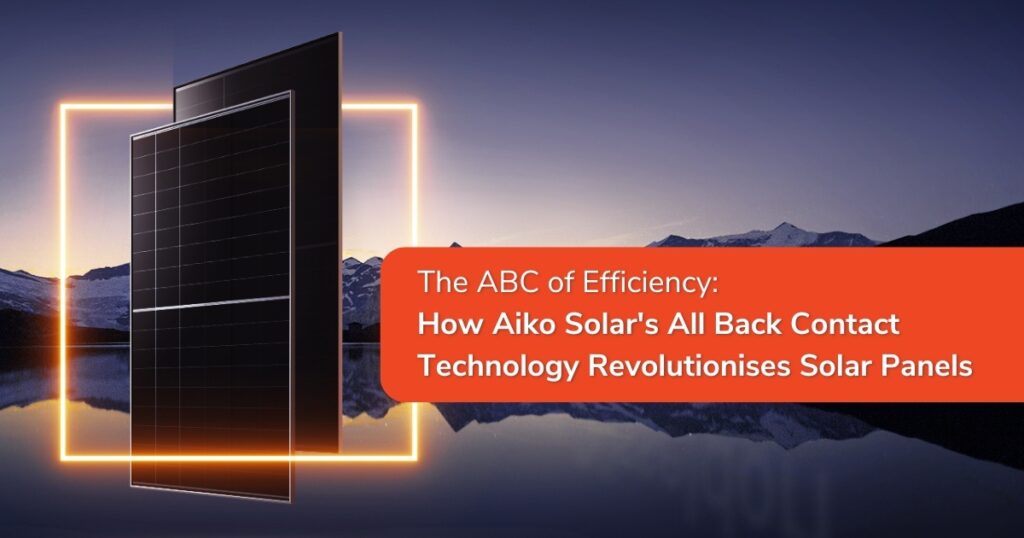
The ABC of Efficiency: How Aiko Solar’s All Back Contact Technology Revolutionises Solar Panels Smart Energy Answers July 17, 2024 Powering the Future, One Cell at a Time Ever wondered how we could squeeze more power from the sun without expanding your roof space? Aiko Solar’s All Back Contact, or ABC, technology is helping change what is possible in solar panel performance. As Australia’s #1 solar retailer, Smart Energy Answers is always looking for groundbreaking innovations that can help you achieve true energy independence. Today, we’re diving deep into the ABC of efficiency and how this technology can help maximise your solar potential. The Current State of Solar in Australia Before we explore ABC technology, let’s take a quick look at where Australia stands with solar. Australia’s love for solar power is no secret. We are blessed with abundant sunshine, and according to the Clean Energy Council, over 3 million Australian homes have embraced solar PV systems, making the country a global leader in residential solar adoption. But as more households join the solar revolution, the pressure is on to make every ray of sunshine count. That is where cutting-edge technologies like Aiko Solar’s ABC technology come into play, helping boost solar panel performance and extract more energy from the sun. Smart Home Solutions: The Connected Approach At Smart Energy Answers, we believe in a holistic approach to energy management. Our smart home solutions integrate various components to create a seamless and efficient energy ecosystem: Solar panels: The heart of your energy production system. Battery storage: Store excess energy for use when the sun is not shining. Inverters and optimisers: Convert and manage your solar power efficiently. EV chargers: Power your electric vehicle with clean solar energy. Smart heating solutions: Optimise your home’s climate control. Aiko Solar’s ABC technology fits perfectly into this ecosystem. It enhances the performance of your solar panels and helps maximise the benefits of your entire smart home setup. The Path to Energy Independence: ABC Technology Explained Now, let’s explore the main innovation: All Back Contact, or ABC, technology. ABC is a revolutionary approach to solar cell design that is set to change the game for solar efficiency. Here’s how it works: Relocating contacts: Traditional solar cells have electrical contacts on both the front and back. ABC technology moves all contacts to the rear of the cell. Maximising light absorption: By eliminating front-side metallisation, ABC cells present a clean, unobstructed surface to incoming sunlight. This means more photons can be captured and converted into electricity. Reducing resistive losses: The optimised contact layout on the rear of the cell leads to lower resistive losses, meaning less energy is wasted as heat. Improving aesthetics: ABC cells offer a sleeker, more uniform appearance without visible gridlines, enhancing the visual appeal of your solar array. Comparing Apples and Oranges: ABC vs Traditional Cells To truly appreciate the ABC advantage, let’s compare it directly with traditional solar cell designs. Features ABC Cells Traditional Cells Light absorption Can absorb up to 95% of incoming light thanks to the unobstructed front surface. Typically absorb 80% to 90% of incoming light due to front-side metallisation. Efficiency Push the boundaries with efficiencies reaching 22% to 24% or even higher. Commercial panels usually offer 15% to 20% efficiency. Temperature performance Better temperature coefficient, meaning they maintain higher efficiency even on scorching Australian summer days. Efficiency drops as temperature rises. Durability More resilient structure with reduced risk of microcracks. Prone to microcracks along the front-side metallisation. Earning From Surplus Energy: ABC and Virtual Power Plants The increased efficiency of ABC panels doesn’t just mean lower electricity bills. It could also boost your earning potential through Virtual Power Plants, or VPPs. Here’s how: Greater surplus energy: Higher efficiency means more excess power to feed into VPPs. Increased reliability: Better performance in varying conditions makes ABC panels ideal VPP contributors. Enhanced grid support: The superior output of ABC panels can help stabilise the grid during peak demand periods. By participating in VPPs with your ABC-equipped solar system, you’re not just saving money. You’re actively contributing to a more stable and sustainable energy future for Australia. Smart Energy Answers: Leading the Charge With ABC Technology As Australia’s leading solar retailer, Smart Energy Answers is thrilled to be at the forefront of bringing Aiko Solar’s ABC technology to Australian homes and businesses. Our commitment to providing cutting-edge, connected smart home solutions aligns perfectly with the advanced capabilities of ABC panels. By integrating ABC panels into our comprehensive solar and battery packages, we’re helping Australians take a major step towards true energy independence. Whether you’re a family looking to reduce power bills or a business aiming to boost your green credentials, ABC technology offers a powerful solution. The Future Is Bright and Efficient As we look to the future, it’s clear that innovations like Aiko Solar’s ABC technology will play a crucial role in Australia’s energy future. With abundant sunshine and a strong national appetite for new technology, Australia is perfectly positioned to lead the world in solar adoption and efficiency. The impact of ABC technology on overall panel performance and energy output is significant: Increased energy yield: ABC panels can produce up to 10% more energy than traditional panels of the same size. Better low-light performance: Improved light absorption means better performance during cloudy days, early mornings, and late afternoons. Reduced heat-related losses: The superior temperature coefficient of ABC cells supports better performance in hot Australian summers. Longer lifespan: With reduced stress on the cell structure, ABC panels may enjoy a longer operational life, providing better long-term value. Conclusion From the ABCs of preschool to the ABC of solar efficiency, we’ve come a long way in harnessing the power of the sun. Aiko Solar’s All Back Contact technology represents a significant leap forward in solar panel design, offering increased efficiency, improved aesthetics, and better performance in the harsh Australian climate. As we continue to push the boundaries of what is possible in solar energy, Smart Energy Answers remains committed to
Beating the Heat: How Aiko Solar Panels Maintain Performance in High Temperatures
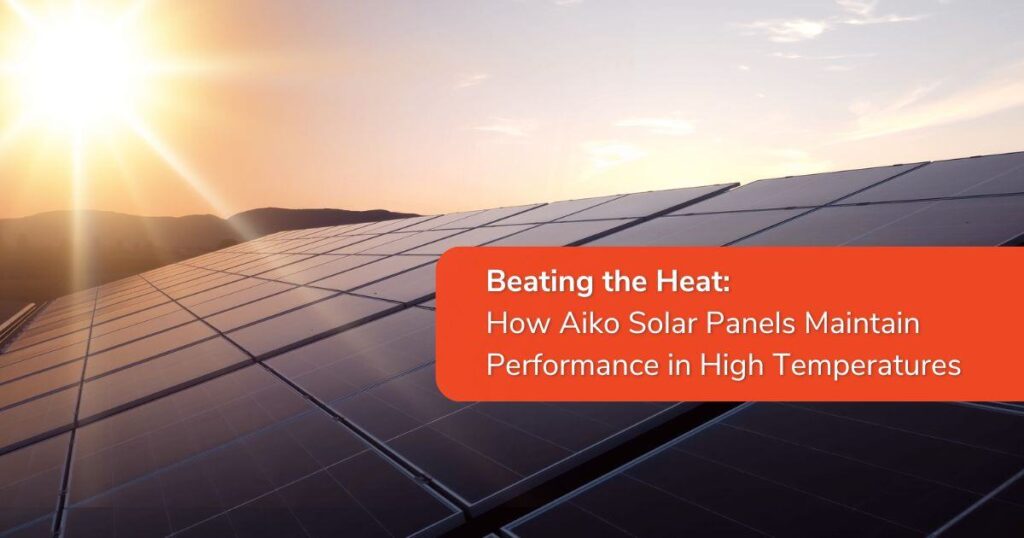
Beating the Heat: How Aiko Solar Panels Maintain Performance in High Temperatures Smart Energy Answers July 15, 2024 High-Temperature Solar Performance for Australia When it comes to solar power, Australia has a major advantage with its abundant sunshine. But there is one important challenge: traditional solar panels can lose efficiency when temperatures rise. That is where Aiko Solar steps in with heat-resistant technology designed for strong performance in hot conditions. At Smart Energy Answers, we’re thrilled to showcase how Aiko panels help maintain performance even when temperatures soar. Let’s explore the sizzling world of high-temperature solar performance. The Current State of Solar in Australia’s Hot Climate Before we explore Aiko’s technology, let’s set the scene. Australia’s climate is as harsh as it is sunny, with summer temperatures often rising above 40°C. Traditional solar panels can lose up to 0.5% efficiency for every degree above 25°C. That could mean a potential 10% loss on a scorching 45°C day. With climate change pushing temperatures even higher, the need for heat-resistant solar technology has never been more important. Smart Home Solutions: Keeping Your Energy Production Cool At Smart Energy Answers, we believe in holistic energy solutions that stand up to real-world conditions. Here’s how Aiko’s heat-resistant panels fit into a smart, climate-adapted home: Heat-resistant solar panels: Aiko’s panels maintain efficiency in high temperatures. Smart inverters: Optimise power conversion even on the hottest days. Climate-controlled battery storage: Protect stored energy from heat degradation. Intelligent energy management: Adjust usage patterns to maximise hot-weather efficiency. With Aiko panels, your smart home can stay cool, calm, and energy-efficient all summer long. The Path to Energy Independence: Aiko’s Temperature Coefficient Explained Let’s break down the science behind Aiko’s heat-resistant technology: Low-temperature coefficient: Aiko panels have a temperature coefficient of -0.35%/°C, significantly better than the industry standard. Advanced cell design: Engineered to minimise heat absorption and maximise heat dissipation. High-quality materials: Use of premium components that maintain integrity in extreme temperatures. Innovative cooling technology: Proprietary designs that enhance airflow and reduce operating temperatures. Earning From Surplus Energy: Hot Days, Cool Profits Aiko’s heat-resistant technology doesn’t just maintain efficiency. It can also boost your earning potential. Consistent VPP contribution: Maintain reliable output for Virtual Power Plant, or VPP, participation, even on scorching days. Higher feed-in tariffs: Potentially earn more from excess energy when grid demand peaks on hot days. Reduced cooling costs: Use your consistently efficient solar power to run air conditioning with confidence. Smart Energy Answers: Leading the Charge in Climate-Adapted Solar As Australia’s solar experts, we’re equipped to help you beat the heat with Aiko’s technology. Climate-specific system design: Tailored solutions that account for your local temperature extremes. Heat-optimised installation: Strategic panel placement to minimise heat exposure. Thermal imaging analysis: Regular check-ups to ensure your system stays cool under pressure. Seasonal performance optimisation: Adjustments to maximise efficiency year-round. The Future Is Bright, but Not Too Hot Looking ahead, Aiko’s heat-resistant technology is setting new standards for solar in hot climates. Expanding solar viability: Making solar more effective in traditionally challenging hot regions. Increased grid stability: Providing more reliable solar contribution during heatwaves. Advancing material science: Pushing the boundaries of heat-resistant solar technology. Climate change resilience: Ensuring solar remains a viable solution as global temperatures rise. Conclusion In the land of sweeping plains and scorching summers, Aiko Solar’s heat-resistant panels are a game-changer. By maintaining strong performance even when temperatures soar, these panels help ensure your investment in solar continues to pay off in demanding Australian conditions. With climate change making heatwaves more frequent and intense, choosing solar panels that can handle the heat is not just smart. It is essential. Ready to equip your roof with solar panels that work hard, no matter how hot it gets? Stay Cool and Powered Up With Smart Energy Answers Ready to harness the sun’s power without breaking a sweat? Smart Energy Answers is here to bring Aiko’s heat-resistant solar solutions to your rooftop. Free heat performance assessment: Discover how much more you could save with heat-resistant panels in your climate. Custom hot-climate system design: We’ll tailor an Aiko Solar solution to maximise your energy production, even on the hottest days. Climate-optimised installation: Ensure your system is set up to beat the heat for decades to come. Don’t let your solar investment melt away in the heat. Contact us today to start your climate-smart solar journey.
Choosing the Right Solar Panels for Your Home
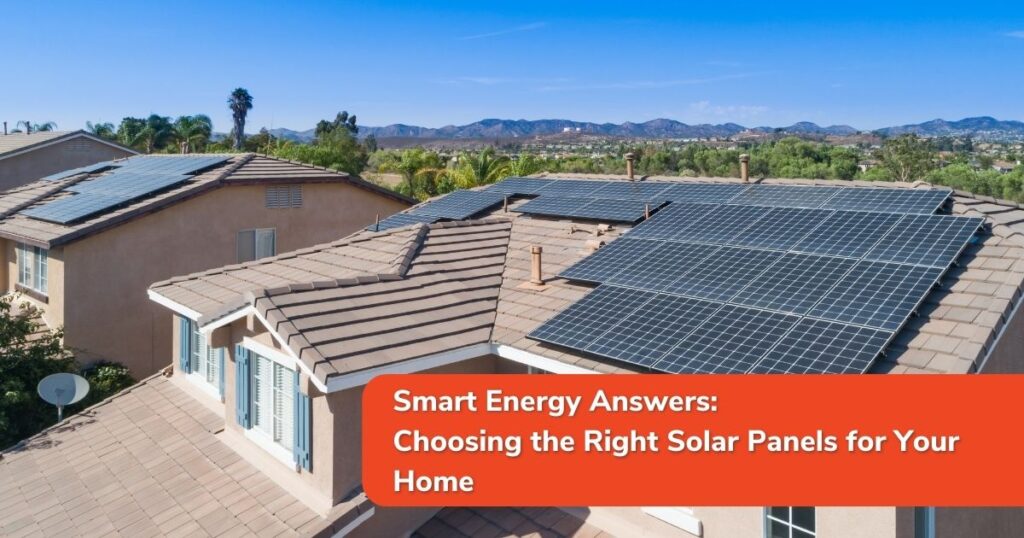
Choosing the Right Solar Panels for Your Home Smart Energy Answers June 3, 2026 Discover How to Select the Best Solar Panels for Your Home to Maximise Energy Efficiency and Savings Unveiling Solar Panel Diversity When it comes to solar panels for your home, there is a wide range of options available. Solar panel diversity is an important factor to consider when choosing the right panels for your specific needs. Different panels have different specifications, sizes, and materials, so it’s essential to understand the variety of options out there. One key aspect of panel diversity is the type of solar technology used. There are three main types: monocrystalline, polycrystalline, and thin-film. Each type has its own advantages and disadvantages, so it’s important to research and compare them to determine which one is best suited for your home. Additionally, solar panels come in different sizes and wattage capacities. The size of the panel will depend on the available space on your roof and the amount of electricity you want to generate. It’s crucial to assess your energy needs and the available space to ensure you choose the right size of solar panels for optimal performance. By unveiling the diversity of solar panels, you can make an informed decision and select the panels that best meet your energy requirements and budget. The Power of Panel Selection Selecting the right solar panels for your home is a powerful decision that can significantly impact your energy efficiency and savings. The quality and performance of the panels you choose will determine how much electricity they can generate and how long they will last. When selecting solar panels, it’s important to consider factors such as efficiency, durability, aesthetics, certifications, and cost. These aspects will ensure you make an informed decision and maximise the benefits of solar energy. By carefully evaluating and comparing different panel options, you can harness the power of panel selection and choose the ones that align with your goals and priorities. Efficiency Matters Efficiency is a crucial aspect to consider when choosing solar panels for your home. The efficiency of a solar panel refers to how effectively it converts sunlight into usable electricity. Higher efficiency panels can generate more electricity with the same amount of sunlight, allowing you to maximise your energy production and savings. When evaluating the efficiency of solar panels, look for their efficiency rating, typically expressed as a percentage. The higher the percentage, the more efficient the panel is. It’s important to strike a balance between efficiency and cost to ensure you get the best value for your investment. Choosing highly efficient solar panels will not only help you save money on your energy bills but also reduce your carbon footprint by generating more clean energy. Durability for Long-Term Performance Durability is another essential factor to consider when selecting solar panels for your home. Solar panels are designed to withstand various weather conditions, including rain, wind, and snow. Therefore, it’s important to choose panels that are built to last and can withstand the elements in your area. Look for panels with high-quality materials and a solid construction that can withstand potential wear and tear over time. Additionally, consider the warranty offered by the manufacturer, as it reflects their confidence in the panel’s durability and long-term performance. Investing in durable solar panels will ensure that your system operates efficiently for many years, providing you with a reliable source of clean energy. Aesthetics: More Than Meets the Eye While the primary function of solar panels is to generate electricity, their aesthetics also play a role in the overall appearance of your home. The design and look of solar panels can vary, so it’s important to choose panels that complement your home’s architecture and blend seamlessly with the roof. Some solar panels have a sleek and low-profile design, while others have a more traditional and visible appearance. Consider your personal preferences and the visual impact you want to achieve when selecting solar panels. Remember, solar panels can enhance the curb appeal of your home while harnessing the power of the sun, making them a practical and visually appealing addition. Calculating Cost and Return on Investment When choosing solar panels, it’s important to calculate the cost and assess the return on investment, or ROI. Solar panels can be a significant upfront investment, but they offer long-term savings on your energy bills and potential financial incentives. Consider the cost of the panels, installation, and maintenance, as well as any available government rebates or incentives. Calculate the payback period, which is the time it takes for your energy savings to cover the initial investment. Additionally, evaluate the potential increase in your home’s value with the addition of solar panels. By carefully analysing the cost and ROI, you can make an informed decision and determine the financial benefits of installing solar panels on your home. Certifications and Standards When selecting solar panels, it’s essential to consider certifications and standards. These certifications ensure that the panels meet specific quality and safety requirements. Look for panels that have been certified by reputable organisations such as the Clean Energy Council (CEC) or the International Electrotechnical Commission (IEC). These certifications guarantee that the panels have undergone rigorous testing and comply with industry standards. Choosing certified solar panels will give you peace of mind knowing that you’re investing in high-quality and reliable products for your home. Installation and Maintenance Considerations Installing solar panels requires careful planning and consideration. It’s important to consult with a professional solar installer to ensure the panels are properly installed and connected to your home’s electrical system. Consider factors such as the orientation and tilt of your roof, shading from nearby trees or structures, and the available space for the panels. A professional installer will assess these factors and design a system that maximises energy production. Additionally, solar panels require regular maintenance to ensure optimal performance. This includes cleaning the panels, checking for any damage or debris, and monitoring the system’s performance. Regular maintenance can prolong the
Solar Panel Efficiency Explained: What You Need to Know
Solar Panel Efficiency Explained: What You Need to Know Smart Energy Answers June 3, 2026 When it comes to harnessing the power of the sun, understanding solar panel efficiency is crucial in determining just how effective your renewable energy system will be. As an Australian homeowner looking to make an eco-friendly investment and contribute to your own savings, the decision to go solar isn’t just about getting panels on your roof. It’s about getting the right panels for your needs. Below, we delve into the depths of solar efficiency and how you can optimise your solar setup to make the most of this green technology. Understanding Solar Panel Efficiency Solar panel efficiency refers to the amount of sunlight that is converted into electricity by a photovoltaic (PV) system. In simple terms, it’s a measure of how well your panels can do their job. For homeowners considering a switch to solar, this metric is paramount. It can not only influence the initial cost of installation but also your long-term savings. Factors Affecting Solar Panel Efficiency The efficiency of solar panels is influenced by a myriad of factors, including the technology used, the surface area of the panel, the quality of materials, the temperature the panels operate at, and the type of inverter used. These elements work in harmony to either amplify or dampen the effectiveness of capturing and converting sunlight into usable energy. Why Solar Panel Efficiency Matters Investing in high-efficiency solar panels means you can squeeze more power out of every ray of sunshine. This has cascading benefits, notably increasing your energy independence, reducing your electricity bills, and lessening your home’s carbon footprint. Benefits of High Solar Panel Efficiency High-efficiency solar panels can be a game-changer for homeowners. They promise not just vague environmental benefits but tangible financial rewards that can elevate your home into a beacon of modern, efficient living. Increased Energy Production A more efficient panel means more power for your home. With cutting-edge technology available, it’s possible to generate a significant amount of energy even with limited roof space. Cost Savings The more energy you produce, the less you need to buy from your utility company. High-efficiency panels allow you to get more savings over the life of your system, making them a worthwhile investment. Environmental Impact By generating more clean energy per panel, high-efficiency systems offer a more powerful way to reduce greenhouse gas emissions. Long-Term Investment Solar panels are a long-term investment, and high-efficiency ones hold their value better over time. They generally have longer lifespans, meaning more years of green energy and return on investment. Factors Affecting Solar Panel Efficiency Unlike direct current (DC) electricity generated by solar panels themselves, the topic of efficiency is anything but straightforward. There are numerous variables that can impact how well your panels perform, and understanding them can aid you in making informed choices for your home. Type and Technology of Solar Panels Different types of solar panels, including monocrystalline, polycrystalline, and thin film, come with varying degrees of efficiency. Researching these technologies is essential to match the right type to your situation. Temperature and Weather Conditions Solar panels work best in cold, direct sunlight. The harsh Australian summer can actually decrease efficiency, making the selection of the right brand a regional consideration. Orientation and Tilt Angle The direction your panels face and the angle at which they’re installed can significantly impact the amount of sunlight they receive and, in turn, their efficiency. Maintenance and Cleaning Dirt, dust, and even bird droppings can accumulate and reduce the amount of light that enters the solar cells. Regular cleaning and maintenance are essential to keep your system operating at peak efficiency. Inverter Efficiency and Solar Performance In a solar PV system, the inverter plays a crucial role by converting DC from solar panels to AC for household use or grid connection. Traditional string inverters have limitations, as the system’s overall performance is limited by the weakest panel. However, advancements in module-level power electronics like microinverters and power optimisers have gained popularity. These modern inverters optimise the performance of each solar module individually, increasing system efficiency and enabling detailed monitoring of panel health and performance. Case Studies and Real-Life Examples Case studies and real-life examples offer tangible proof of the benefits of high-efficiency solar systems. By hearing from other homeowners who have successfully made the switch, you gain valuable validation and insight into the potential savings and environmental impact. These firsthand accounts showcase the practicality and effectiveness of solar technology in reducing energy bills and carbon footprints. Beaming with Solar Potential The realm of solar panel efficiency is rich with potential for eco-conscious homeowners like you. It offers a dual reward of environmental stewardship and practical savings. It’s time to embrace smart energy solutions and make the switch to solar. Contact us at Smart Energy Answers to begin your solar journey and unlock the full potential of solar technology. By partnering with us, you’re taking the first step toward a brighter, greener future.
Sustainable Materials in Solar Panel Manufacturing
Sustainable Materials in Solar Panel Manufacturing Smart Energy Answers June 3, 2026 As the sun continues to be our most potent source of renewable energy, solar technology’s rapid evolution is expanding the power and potential to create a more sustainable future. Yet, the path to sustainability is more than harnessing that bright, boundless energy. It’s about the materials we use to capture it. With a growing interest in environmental responsibility, the demand for solar panels made of sustainable materials is soaring. In this blog post, we’re diving into the importance of choosing eco-friendly materials in solar technology for homeowners eager to reduce their carbon footprint, and for the tech-savvy enthusiasts exploring renewable energy innovations. Here’s a comprehensive guide on how sustainable materials in solar panel manufacturing contribute to a greener planet and brighter energy solutions for your home. Benefits of Sustainable Materials in Solar Panels The use of sustainable materials in solar panels provides multifaceted advantages. As we shift from fossil fuels to renewable energy sources, materials that are environmentally friendly play a pivotal role in: Reducing environmental impact: Sustainable materials lower the carbon footprint of solar panel production, addressing concerns related to greenhouse gas emissions and resource depletion. Increasing energy efficiency: Enhanced performance from sustainable materials means more energy production per square metre of panel space. Extending the lifespan of solar panels: Durable, eco-friendly elements translate to longer-lasting panels, reducing waste over time. Key Materials in Solar Panel Manufacturing As the solar industry marches towards greater sustainability, innovations in the materials used are gaining traction. Silicon Silicon remains the cornerstone of most solar cells, but there’s an increasing emphasis on utilising recycled silicon to diminish the environmental impact tied to mining and refining processes. Additionally, the emergence of perovskite solar cells offers an alternative that can be produced at a lower cost and energy input than traditional silicon cells, promising a more sustainable and accessible solar future. Glass The use of recycled glass in solar panel production helps reduce waste and energy use, contributing to a circular economy. Moreover, advancements in anti-reflective coatings applied to glass surfaces improve light absorption and enhance overall solar panel efficiency. Aluminium The adoption of responsibly sourced aluminium for solar panel frames is crucial since aluminium production can be energy-intensive and ecologically taxing. Alongside this, research is pioneering lightweight alternatives to decrease transportation emissions and make installation easier and more cost-effective. Other Materials In the realm of solar panel components, there is continuous progress toward sustainable encapsulants and backsheets. Eco-friendly alternatives such as bio-based or recyclable materials are being incorporated into new designs to reduce the reliance on petroleum-based products and to support the end-of-life recyclability of solar panels. These transformative steps not only advance solar technology but also safeguard our environment. Challenges and Innovations in Sustainable Solar Panel Manufacturing While sustainable options offer tremendous promise, they are not without obstacles: Cost Considerations: Historically, sustainable panels have been more expensive to produce. However, advancements in processes and scale are rapidly driving down costs. Recycling and Waste Management: Ensuring end-of-life sustainability and minimising waste are critical areas that industry leaders are working on to support the entire life cycle of solar products. Emerging Sustainable Materials: The field is continually advancing with new materials such as perovskite, which promise even greater efficiencies with a reduced environmental impact. How to Choose Sustainable Solar Panels for Your Home Selecting solar panels for your home is a significant step in embracing sustainability. Consider these factors: Research and Certifications: Look for manufacturers with a proven commitment to using and promoting sustainable materials. Comparing Environmental Footprints: Manufacturers often offer Environmental Product Declarations, or EPDs, that you can compare. Financial Incentives and Rebates: The broader benefits of switching to sustainable solar technology often include government incentives and rebates that can offset the initial costs. Conclusion: Let the Sun Shine on Sustainable Energy By opting for solar panels made from sustainable materials, you’re not just investing in cleaner energy for your home. You’re contributing to a green economy, protecting the environment, and creating a legacy of responsible energy use for future generations. As technology advances and consumer awareness grows, the adoption of solar-powered solutions underscores a collective commitment to a sustainable vision. Whether you’re driven by environmental stewardship or financial savings, the time to transition to sustainable solar technology is now, and the future is as bright as the sun itself.
Understanding Solar Energy Storage: A Beginner’s Guide
Understanding Solar Energy Storage: A Beginner’s Guide Smart Energy Answers June 3, 2026 As climate change and environmental concerns push the world towards more sustainable energy solutions, the solar power industry has experienced a significant uptick in interest and innovation. For Australians looking to harness the abundant sunshine for their energy needs, understanding solar energy storage is pivotal. Home solar energy storage systems, such as the SolarEdge Home Battery and the Tesla Powerwall, are redefining the relationship between households and renewable energy. They offer the capacity to store energy produced by solar panels, relying less on the electricity grid and ensuring power during outages. If you’re new to solar power, this comprehensive guide will walk you through the essentials of solar energy storage and introduce you to the cutting-edge products transforming the energy landscape. The Basics of Solar Energy Storage Solar energy storage involves capturing energy from the sun during peak hours and storing it for later use. This means you can power your home during the night or on overcast days using energy generated and stored from your solar panels. The process is at the heart of achieving energy independence and optimising the benefits of solar technology. How Solar Energy is Stored The storage of solar energy for residential use primarily relies on batteries. These are connected to the solar panel system and charge throughout the day. When the solar panels generate electricity, the excess power is used to charge the battery. Once charged, the battery can supply stored electricity to the house. Why Storage Matters Energy storage is crucial as it allows homeowners to consume solar energy at times when they need it most, aligning usage with generation. It’s particularly important for Australians due to the uneven solar exposure across different regions and the necessity of having power reserves during grid failures or blackouts. Understanding Solar Batteries Solar batteries, like the SolarEdge Home Battery and the Tesla Powerwall, are the cornerstone of solar energy storage systems. They are designed to efficiently store the electrical energy produced by a solar panel system for later use. Key Features of Solar Batteries Round Trip Efficiency: This denotes how efficiently the battery can store and retrieve solar energy. For instance, a SolarEdge Home Battery offers a round-trip efficiency of up to 94.5%, ensuring minimal energy loss during the process. Battery Life: Both the SolarEdge Home Battery and the Tesla Powerwall feature warranties that cover their expected operational lifespan, providing peace of mind for long-term use. Scalability: The ability to stack multiple batteries allows for customisation of storage capacity to meet varying energy demands. The SolarEdge Home Battery, for instance, can stack up to three batteries per inverter. Integration: These batteries are designed to integrate seamlessly with home solar systems, providing easy installation and improving overall system efficiency. Choosing the Right Solar Battery for Your Home Selecting a solar battery involves considering several factors, including the size and energy capacity of the battery, compatibility with your existing solar panel system, and the warranty. Manufacturers provide a spectrum of battery solutions optimised for different home setups. SolarEdge Home Battery vs. Tesla Powerwall The SolarEdge Home Battery stands out with its high round-trip efficiency and stackable design, which caters to larger energy storage needs. Meanwhile, the Tesla Powerwall features a more significant energy capacity and is known for its sleek, wall-mounted design and integration with the Tesla app for seamless management. Compatibility and Solar Battery Inverters When selecting a solar battery, ensuring compatibility with your inverter is critical. SolarEdge Home Batteries work hand-in-hand with SolarEdge inverters, which offer a high degree of DC efficiency and are ideal for larger solar system configurations. On the other hand, the Tesla Powerwall can be integrated with a variety of inverters. Installation and Maintenance Both the SolarEdge Home Battery and the Tesla Powerwall have user-friendly installations, with the former designed to work with SolarEdge single-phase Home Hub and Genesis Inverters and the latter featuring floor or wall mounting options for indoor or outdoor use. Regular maintenance, typically consisting of system check-ups, is important to ensure optimal performance and longevity. Getting Started with Solar Energy Storage Embarking on your solar energy storage journey starts with evaluating your energy needs, understanding your home’s energy consumption patterns, and assessing the solar energy potential of your location. Site Evaluation and Solar Potential Analysis Before choosing a solar battery, it’s essential to conduct a site evaluation to determine the feasibility of installing a solar panel system, as well as the solar potential of your location. Tools like SolarEdge’s or Tesla’s solar calculators can help estimate the energy production and potential savings from a solar installation. Financial Considerations and Incentives The financial aspect is critical when investing in solar energy storage. Consider the upfront cost of the system, available incentives or rebates, and potential long-term savings. Financial institutions, like Nectr, often provide financing options to make solar technology more accessible. Selecting an Installer Engaging with a reputable and experienced solar energy company is vital. Smart Energy Answers, for example, offers end-to-end services, including consultation, installation, and ongoing support to ensure a smooth transition to solar energy storage. Managing Your Solar Energy Storage System Once your solar energy storage system is in place, effective management is key to reaping the full rewards of this sustainable technology. Monitoring Your Solar System Both SolarEdge and Tesla provide intuitive apps that enable you to monitor your solar system’s energy production and consumption, track your battery status, and make adjustments on the go. Optimising Battery Usage Utilise your solar battery’s smart algorithms or self-service capabilities to match energy consumption patterns, forecast peak electricity rates, and maximise the use of stored solar energy. Ensuring System Efficiency Regularly check your battery’s performance and ensure that all components of your solar system are operating efficiently. Any deviations in performance should be promptly addressed to maintain optimal energy savings. The Future of Solar Energy Storage As technology advances and the demand for clean energy solutions grows, we can expect further innovations in solar
Cost vs. Benefit Analysis of Solar Panels for Your Home
Cost vs. Benefit Analysis of Solar Panels for Your Home Smart Energy Answers June 3, 2026 Australia is witnessing a surge in interest in solar energy, fuelled by a shared commitment to sustainability and financial responsibility. Before delving into the world of solar panels, homeowners must conduct a comprehensive cost vs. benefit analysis. Let’s explore the environmental and financial advantages, potential costs, and how to make an informed decision. The Benefits of Solar Panels Investing in solar panels for your Australian home brings forth an array of compelling advantages that extend beyond the conventional realms of cost savings. Let’s delve deeper into the multifaceted benefits that solar energy has to offer: Environmental Impact At the forefront of solar advantages lies its profound positive impact on the environment. Solar panels harness the power of the sun, a clean and renewable resource, to generate electricity. By opting for solar energy, you significantly reduce your carbon footprint, mitigating the harmful effects of traditional energy sources. This conscientious choice contributes directly to a cleaner and more sustainable future, aligning with global efforts to combat climate change. Financial Advantages Beyond the altruistic benefits, embracing solar power translates into tangible financial gains. One of the most immediate perks is the substantial reduction in electricity bills. Solar panels convert sunlight into electricity, providing a reliable and renewable source that diminishes your reliance on grid-supplied power. As a result, your monthly energy expenses decrease, offering homeowners a consistent and long-term solution to rising energy costs. Furthermore, governments recognise the importance of solar energy adoption and often provide enticing incentives and rebates for solar installations. These financial rewards not only offset initial setup costs but also accelerate the overall return on investment, making solar energy an economically viable and financially prudent choice. Energy Independence Solar panels herald a paradigm shift towards energy independence. By harnessing the sun’s power directly on your property, you reduce dependence on traditional energy sources, such as coal or natural gas. This newfound autonomy empowers homeowners with increased control over their energy production and consumption. Solar-equipped households can generate their electricity, thereby mitigating the impact of external factors, such as energy price fluctuations or grid failures. The ability to produce clean and sustainable energy at your doorstep not only provides peace of mind but positions you as an active contributor to a more resilient and decentralised energy landscape. The Costs Associated with Solar Panels While the prospect of harnessing solar power for your home is undoubtedly appealing, it’s essential to navigate the associated costs with a clear understanding. Let’s explore the financial considerations involved in adopting solar panels and how they unfold over time: Initial Investment Undoubtedly, the initial cost of acquiring and installing solar panels can be a substantial investment. However, it’s crucial to view this expenditure not just as an expense but as a strategic investment in a sustainable future. Fortunately, various financing options exist to alleviate the upfront financial burden. From government-backed solar incentives to flexible financing plans or pay-as-you-save payment schemes offered by solar providers, homeowners have access to avenues that make the transition to solar energy financially viable. Maintenance and Operational Costs While the promise of clean energy is enticing, it’s important to acknowledge that solar panels do require regular maintenance to ensure optimal performance. Cleaning and occasional checks are necessary to keep the system operating efficiently. The good news is that these maintenance costs are relatively low compared to the potential savings on your electricity bills. Additionally, the expected lifespan of solar panels is impressive, making them a worthwhile, long-term investment. With proper care and maintenance, solar panels can continue to generate clean energy for your home for well over two decades. This longevity not only justifies the initial investment but also positions solar energy as a reliable and enduring solution. The Return on Investment, ROI, Analysis Calculating the Payback Period A crucial aspect of the financial equation is understanding the payback period, the time it takes to recoup your initial investment through energy savings. Assessing energy savings over time helps determine how quickly you’ll start seeing a return on your solar investment. Government incentives and rebates further expedite this process, enhancing the financial appeal of solar panels. Long-Term Financial Benefits Solar panels offer more than just immediate financial relief. They contribute to long-term financial stability. Beyond reducing your monthly electricity bills, solar-equipped homes often experience an increase in property value. The investment in renewable energy adds a valuable asset to your property, appealing to environmentally conscious buyers and providing a competitive edge in the real estate market. Moreover, as energy costs continue to rise, solar panels act as a safeguard against future increases. By generating your electricity, you insulate yourself from the impact of fluctuating energy prices, ensuring a consistent and controlled energy expenditure over the years. Understanding Your Energy Consumption Analysing Past Electricity Bills Dive into your previous electricity bills, dissecting the detailed information they provide. Look for patterns in energy consumption, considering both daily and seasonal fluctuations. Identify peak usage periods and scrutinise any major appliances or activities contributing significantly to your energy consumption. By scrutinising historical data, you’ll gain insights into how your household consumes energy, enabling you to make informed decisions when transitioning to solar power. Estimating Future Energy Needs Once armed with a comprehensive understanding of your historical energy usage, you can make informed projections for the future. Consider any upcoming changes in your household, such as the addition of new appliances, changes in occupancy, or plans for energy-intensive activities. Factor in seasonal variations, accounting for increased energy usage during hotter or colder months. Evaluating future energy needs ensures that your solar panel system is tailored to meet the demands of your evolving lifestyle, providing an optimal and cost-effective solution. Making an Informed Decision Weighing the Benefits Against the Costs: Consider the environmental and financial benefits against the initial and operational costs. Seeking Professional Advice: Consult with solar experts to receive personalised advice and quotes tailored to your home. Taking Advantage of
Advancements in Solar Panel Technology: What’s on the Horizon
Advancements in Solar Panel Technology: What’s on the Horizon Smart Energy Answers June 3, 2026 Amid a growing global interest in renewable energy, solar power stands out as a beacon of eco-friendly and sustainable technology. As we look to reduce our carbon footprint, understanding and embracing the emerging technologies in solar panels is critical for both consumers and industry leaders. But what does the future hold for solar technology, and how might it impact you as a homeowner or a business owner considering the switch to solar energy? Let’s delve into the horizon of solar panel advancements and uncover what lies ahead. The Solar Landscape Today Today’s solar market offers a range of photovoltaic technologies, including monocrystalline and polycrystalline silicon cells, which dominate the industry. These technologies are known for their reliability and are widely deployed on rooftops and in utility-scale solar parks. However, they still face challenges around efficiency and energy storage. Efficiency and Cost While the efficiency of solar panels has steadily improved over the years, there is still a need for more cost-effective solutions. Current technology is pushing the boundaries, but the balance between efficiency gains and increased costs is delicate. Limitations Traditional solar panels are rigid and require a considerable amount of space for installation. This means they may not be suitable for every roof type or in cases where space is limited. Upcoming Innovations: The Future is Bright The research and development in solar panel technology are promising, with several innovative solutions on the brink of mainstream adoption. Perovskite Solar Cells Perovskites are a class of materials that have shown significant potential for solar applications. They offer the promise of higher efficiency and lower manufacturing costs than traditional silicon-based panels. One of the most exciting aspects of perovskite solar cells is their ability to be flexible, which could open up new applications in building-integrated photovoltaics and portable devices. Bifacial Solar Panels Bifacial solar panels capture sunlight on both the front and back of the module, effectively doubling the energy output. This technology is especially useful in environments with high levels of reflected sunlight, such as rooftops with white membranes or snow-covered ground. Solar Paint Imagine turning any surface into a solar energy generator. This is the concept behind solar paint, which contains light-sensitive compounds that generate electricity when exposed to sunlight. While still in the experimental phase, solar paint could revolutionise the possibilities for solar installations. Solar Roof Tiles Solar roof tiles are a type of solar panel that mimics the look of traditional roof materials. This aesthetic solution is attractive to homeowners who are concerned about the appearance of their rooftops. As an advanced technology, it’s expected to integrate higher efficiency rates and durability. Benefits of Advanced Solar Panels Embracing these new solar technologies promises several advantages, not just for the environment but also for consumers and businesses. Increased Efficiency and Energy Production The next generation of solar panels is poised to significantly increase efficiency, meaning they can generate more power per square metre. This could result in systems that take up less space while producing more electricity, a valuable proposition for many properties. Reduced Costs and Payback Period With innovations in materials and manufacturing processes, the cost of advanced solar panels is expected to decrease. As a result, the payback period, the time it takes for the energy savings to offset the cost of the system, will also shorten, making solar energy more affordable for a wider audience. Environmental Sustainability The overarching benefit of all advances in the solar industry is the positive impact on the environment. Higher efficiency means less land is required for large-scale solar projects, and lower costs make it easier for individuals to make the switch to clean energy. Challenges and Considerations in Adoption While these advancements are promising, there are still challenges to address before they become the standard in solar energy. Manufacturing Scalability For new solar technologies to make a significant impact, they must be able to be manufactured at scale cost-effectively. Currently, many of these emerging technologies are produced at a small scale in research laboratories. Durability and Reliability Solar panels are expected to have a long lifespan, usually around 25 to 30 years. Any new technology must establish a track record for durability and reliability to ensure it can withstand the rigours of real-world weather conditions. Integration with Existing Infrastructure New solar technologies need to fit into the existing energy infrastructure. This includes ensuring compatibility with inverters, batteries, and other components, as well as navigating regulatory hurdles. Implications for Homeowners and Businesses The advancement of solar panel technology will have a direct impact on those looking to invest in renewable energy solutions. Potential Savings on Electricity Bills As advanced solar panel systems become more efficient and cost-effective, homeowners can expect increased savings on their electricity bills. These savings, along with potential government subsidies, make the transition to solar increasingly attractive. Increased Property Value Properties with advanced solar panel technology are likely to have a higher market value. As solar systems become more commonplace, they may even become an expectation among homebuyers. Government Incentives and Subsidies Government policies to promote renewable energy may play a crucial role in supporting the adoption of advanced solar technologies. These incentives can range from tax credits to feed-in tariffs. Conclusion: Embracing a Solar Future The journey to a fully renewable future is an evolving one, and advancements in solar panel technology represent significant strides in that direction. While challenges remain, the potential benefits for the environment and consumers alike are too promising to ignore. As a homeowner or business owner, staying informed and working with a trusted solar provider can help you tap into the latest solar innovations. By considering these emerging technologies, you can play a part in harnessing the abundant power of the sun to create a sustainable, clean energy future. The horizon of solar panel technology is not just a distant aspiration. It’s a tangible path forward that we can take, one advancement at a time.
Solar Power in Cold Climates: The Potential
Solar Power in Cold Climates: The Potential Smart Energy Answers June 3, 2026 As the global community intensifies efforts to curb climate change, renewable energy stands at the forefront of the transition to a sustainable future. Among these alternatives, solar power has come to symbolise environmental innovation, shedding its once niche allure to become a pivotal component in modern power grids. Yet, a lingering misconception remains: the idea that solar power is only effective in sunny, temperate climates. Enter Smart Energy Answers, Australia’s beacon of expertise in the solar industry. With you, we’ll address these myths surrounding solar power in cold regions. We’ll uncover technological advancements that are maximising solar efficiency in harsh climates, offering a compelling argument for solar’s heavyweight status across all geographies. Reversing the Perception: Solar Thrives in the Cold Contrary to popular belief, solar photovoltaic, or PV, systems function impressively well in cold environments. Cold temperatures are actually friendlier to solar panel performance than scorching heat. The chemistry behind solar cells prefers cold. The electrons flow better in cooler temperatures, leading to a more efficient production of electricity. Smart Energy Answers goes beyond highlighting this scientific fact. We exemplify it with case studies showcasing solar’s success in sub-zero locales. Next-Gen Technology: Tailoring Panels to Blizzard Conditions Smart Energy Answers believes in the power of adaptation. We champion advanced solar panel designs that incorporate anti-reflective coatings, which not only boost absorption of light in low sun conditions but also prevent snow build-up. With cells that are held in place by the strength of their geometry rather than traditional, potentially damage-prone adhesives, snow slides off cleanly, revealing unobstructed panels. This approach elevates efficiency and ensures continuous power generation, even during the coldest winters. Economic Sense: Bills Freezing Over, Not Climbing The financial argument for solar in cold climates rings louder than ever. With our expert solutions, homes and businesses now experience a double win during cold seasons: lower energy bills and a reliable source of power when main grids are under strain. Smart Energy Answers puts forth comprehensive economic analyses highlighting the rapid return on investment that solar offers, thus dispelling the myth that it’s an energy extravagance reserved solely for those in sun-kissed oases. Environmental Upside: Chilling Attrition of the Carbon Footprint Smart Energy Answers underscores the significance of solar power in cold regions not just for personal benefit, but for the planet. By advocating for solar integration in these areas, we promote the reduction of greenhouse gas emissions that are typically amplified by energy demands during winters. Our installations are tailor-made to support environmental conscientiousness, positioning solar as a pivotal solution in the broader sustainability landscape. Embracing the Storm: A Cross-Continent Commitment With a firm stance on the viability of solar in cold climates, Smart Energy Answers sees beyond the potential of individual households or local communities. We envisage an interconnected web of solar producers spanning the globe, with the promise of bolstering renewable energy reserves and tipping the scales toward a less carbon-dependent world. Our commitment to this vision is unwavering, with each new installation serving as a testament to solar’s adaptability and resiliency. Futuristic Technology, Timeless Values: Smart Energy’s Legacy As we forge ahead, Smart Energy Answers remains the torchbearer for sustainable energy solutions. Our legacy is not just in our premium products or cutting-edge installations. It’s in the legacy of leadership we instil in our customers, empowering them to make choices that resonate with a cleaner, greener tomorrow. The future of renewable energy is being written today, with cold climates offering a new and exciting chapter in the unfolding narrative of solar power.
Breaking Down the Types of Solar Panels Available in Australia
Breaking Down the Types of Solar Panels Available in Australia Smart Energy Answers June 3, 2026 Australia is sunny for much of the year, making it an ideal location for harnessing solar energy. As households and businesses move towards more sustainable energy practices, the solar industry continues to boom, offering consumers a range of options to capture the power of the sun. But with the variety of solar panels on the market, choosing the best one for your situation can be overwhelming. Let’s delve into the different types of solar panels available in Australia to help you make an informed decision about your transition to renewable energy. Monocrystalline Solar Panels Monocrystalline solar panels are recognisable by their black hue and rounded corners. They are made from silicon ingots that are cut into thin slices to produce the individual cells. These panels are known for their high efficiency and sleek aesthetics, making them a popular choice for many Australian consumers. Characteristics of Monocrystalline Panels Efficiency: These panels are amongst the most efficient, converting a higher percentage of sunlight into energy. Space: They typically require less space than other types due to their high efficiency, which is ideal for rooftop installations with limited space. Longevity: Monocrystalline panels are incredibly durable and often come with a 25-year power output warranty. Pros High efficiency Long lifespan High performance in low-light conditions Cons Higher cost compared to other types Performance can be affected by shade or dirt more than others Polycrystalline Solar Panels Polycrystalline solar panels, often referred to as poly panels, are a more recent development. They are made from silicon fragments that are melted together to form the cells, giving them their characteristic blue speckled appearance. Characteristics of Polycrystalline Panels Efficiency: These panels have a lower efficiency than monocrystalline, but technological advancements are closing the gap. Cost-Effectiveness: Poly panels are often more affordable due to a simplified production process. Heat Tolerance: They perform better than monocrystalline panels in high temperatures. Pros Lower cost compared to monocrystalline Better performance in high-temperature environments Cons Generally lower efficiency than monocrystalline Require a larger installation area Thin-Film Solar Panels Thin-film solar panels are lighter and more flexible than their crystalline counterparts, making them easier to install in a wider range of settings. This type of panel can be installed without glass, reducing weight and cost. Characteristics of Thin-Film Panels Aesthetics: They can be made semi-transparent, allowing for creative applications like solar windows and skylights. Low-Light Performance: They work well in diffuse light and perform better in high-temperature conditions than crystalline panels. Low Production Cost: Their manufacturing process is simpler and uses fewer materials, making them a cost-effective option. Pros Lightweight and flexible Good performance in high temperatures Cons Lower efficiency than crystalline panels Require more space for the same power output PERC Solar Panels Passivated Emitter and Rear Cell, or PERC, technology is a relatively new innovation in solar panel design. It improves on traditional monocrystalline structures by adding a passivation layer at the backside of the cell, which helps to capture more photons and increase efficiency. Characteristics of PERC Panels Efficiency Enhancement: PERC technology reduces electron recombination, leading to an increase in the solar cell’s efficiency. Durability: These panels often have a longer lifespan due to the added protective layer. Cost-Effectiveness: As technology advances, the production costs of PERC panels are expected to decrease. Pros Increased efficiency compared to standard monocrystalline panels Longevity and durability due to the passivation layer Cons Typically more expensive than traditional monocrystalline panels Still relatively new, so long-term performance data may not be as abundant Factors to Consider When Choosing Solar Panels Efficiency The efficiency of a solar panel refers to how well it converts sunlight into electricity. High-efficiency panels may cost more initially but can lead to greater long-term savings by producing more power from the same amount of sunlight. Cost The cost of solar panels is typically a significant consideration for consumers. While it’s essential to consider the upfront cost, it’s also crucial to think about the long-term value, including energy savings and any potential government incentives or rebates. Durability Solar panels are an investment meant to last for decades. Durable panels can withstand harsh weather conditions and require less maintenance over time. Look for panels with a robust frame and a warranty that reflects their expected lifespan. Maintenance Regular maintenance can extend the life of your solar panels and ensure they operate at maximum efficiency. Consider the accessibility of your panels, the local climate, and the manufacturer’s recommended maintenance schedule when selecting a type. Conclusion In conclusion, with sustainability and energy efficiency becoming ever more critical, the choice of solar panel is a decision that should be made with careful thought and consideration. Each type of solar panel has its own set of advantages and limitations, and the best option for you will depend on your unique circumstances and priorities. If you’re still unsure which type of solar panel is right for you, it’s best to consult with a professional. Smart Energy Answers is here to guide you through the process and provide tailored solutions for your renewable energy journey. Embrace the power of the sun and take control of your energy future. Don’t just go solar. Go smart with Smart Energy Answers.
Value of Solar Batteries in Off-Grid Systems
Value of Solar Batteries in Off-Grid Systems Smart Energy Answers June 3, 2026 The waves of sustainability are crashing, and it’s not just a trend. It’s an ethos that’s reshaping how we live, from the food we eat to the way we power our homes. In the pursuit of self-sufficiency and environmental stewardship, off-grid solar systems are becoming an increasingly attractive option. For eco-conscious homeowners and renewable energy aficionados, the term off-grid beckons visions of independence, relying solely on the sun’s abundant energy. Yet, with such freedom comes the need for reliable energy storage, a role that solar batteries step up to fulfil. Solar batteries are pivotal in ensuring that the power harvested during peak hours is not simply consumed but stored for use during the night or periods of low sunlight. They act as the reservoirs for the sun’s energy, a silent partner in the orchestra of renewable power. This piece delves into the why and how of solar batteries, highlighting their significance and their place in our march toward a green future. Lighting Up the Australian Skies: A Beacon of Solar Potential Australia is home to some of the most intense and abundant solar resources globally, making it the perfect canvas for the solar renaissance. With the cost of solar plummeting and the benefits of self-sufficient living rising, Australians find themselves in the ideal environment to embrace solar technology. As the sun-bathed land adopts an increasingly greener outlook, understanding the central role of solar batteries is crucial for harnessing untapped potential. Australia’s solar battery market stands at the forefront of the renewable energy movement. Driven by advancements in technology and an ever-growing awareness of climate change, these batteries have become more than just a complementary addition to solar panels. They’re the linchpin of the off-grid experience. The Australian Dream, Powered by the Sun The Australian dream has long been synonymous with vast open spaces and freedom, but as landscapes change, the dream adapts, incorporating tech-savvy solutions that meld nature and innovation. A quintessential part of the contemporary Australian dream is a home powered by solar energy, and integral to this vision are high-quality solar batteries like the SolarEdge Home Battery and the Tesla Powerwall. Eco-conscious homeowners and renewable energy enthusiasts are setting their sights on systems that offer a seamless integration of solar generation and energy storage. By opting for a SolarEdge Home Battery, users are equipped with not only a durable and reliable storage solution but an innovation that boasts outstanding features, from its industry-leading round-trip efficiency to its top-notch safety in unit level tests for residential batteries. Efficiency That Shines: The Role of Solar Batteries One of the key virtues of a solar battery is its ability to enhance energy efficiency. In the face of erratic grid supply, a battery ensures that the solar system functions at its optimum potential. This level of control over energy consumption is not just about saving money. It’s about respecting the sun’s energy by using it efficiently and effectively. SolarEdge Home Batteries, in particular, introduce a new standard in efficiency, with a groundbreaking 94.5% round-trip efficiency, ensuring minimal energy loss between storage and discharge. The direct DC coupling technology avoids the triple conversion penalty, offering up to 30 extra days of power per year when compared to traditional AC coupling. Safety in Energy Storage: A Non-Negotiable Advantage Safety should never be an afterthought when it comes to energy storage, particularly in residential settings. The SolarEdge Home Battery’s adherence to the rigorous UL9540A unit level test for fire safety is a testament to its design and construction, allowing for safe and reliable indoor installations. This achievement sets a milestone for the industry, demonstrating that safety and energy efficiency need not be at odds. Moreover, SolarEdge’s commitment to safety extends to the SolarEdge Home Backup Interface, ensuring that residential systems provide emergency power capabilities. It operates seamlessly to keep homes running in the event of a grid outage. This level of reliability during unpredictable events is priceless, marking the transition from dependence on the grid to a more controlled and secure energy future. Beyond the Darkness: A Battery That Powers Hope In the context of unpredictable grid conditions, such as in the face of natural disasters or power disturbances, the role of solar batteries transcends convenience. It becomes vital to maintaining a functional living environment. The SolarEdge Home Battery, in these scenarios, not only provides a backup power solution but a robust support system for keeping essential appliances running, minimising disruption to everyday life. The promise of off-grid living powered by the sun is the embrace of a more harmonious existence, balancing the independence of self-sufficient energy production with the reliability of advanced energy storage technologies. Australians at the helm of the renewable revolution can look to solar batteries like the SolarEdge Home Battery to anchor their green aspirations with tangible, dependable solutions. Embrace the Sun Today: A Call to Sustainable Action The path to a sustainable future is one we tread with each decision, big or small, that we make. Choosing to harness the power of the sun, with the addition of solar batteries, is more than an investment in long-term savings. It’s an investment in the preservation of our planet. For those considering a transition to solar, the time is now, and the solution is SolarEdge technology. By exploring options like the SolarEdge Home Battery, individuals can take a significant step towards a greener, more resilient future. By bringing SolarEdge to your home, you’re not just adopting solar technology. You’re engaging with a community committed to driving positive change through renewable energy solutions. If you’re ready to take the first step in your solar journey, or if you’re looking to enhance your existing system with cutting-edge solar battery technology, we’re here to help. Conclusion In conclusion, as Australia’s solar landscape continues to evolve, embracing the potential of solar batteries is not just an option. It’s an imperative. The confluence of environmental stewardship, technological prowess, and the everyday quest for
The Role of Solar Panels in Australia’s Renewable Energy Goals
The Role of Solar Panels in Australia’s Renewable Energy Goals Smart Energy Answers June 3, 2026 Australia, known for its vast landscapes and abundance of sunshine, has a natural bounty well-suited for the renewable energy revolution. As the country grapples with the need to reduce greenhouse gas emissions and secure its energy future, solar power stands as a beacon of possibility, offering not only environmental benefits but also economic advantages. This comprehensive blog post will delve into the multifaceted role that solar panels play in Australia’s quest for sustainable energy, from individual benefits to national initiatives, technological advancements, and overcoming challenges. Harnessing the Sun: Solar Panels Benefits The installation of solar panels provides a host of personal, social, and environmental perks, making it an attractive proposition for households and businesses alike. Reduced Carbon Footprint Australia, with its unique biodiversity, is particularly vulnerable to the consequences of climate change. Solar energy, as a clean and renewable source, has the potential to significantly reduce the carbon emissions that come from traditional fossil fuel-based electricity generation. Cost Savings on Electricity Bills Investing in solar power systems translates to immediate and long-term financial gains through reduced electricity bills. This shift towards self-generation of electricity means that individuals and companies are less susceptible to the volatile changes in energy market prices. Energy Independence As an island continent, Australia faces logistical challenges with energy distribution. Solar power, particularly when combined with energy storage solutions, promotes a degree of independence, allowing users to rely less on the grid and more on their own energy production. Australia’s Ambitious Renewable Energy Targets The Australian government has set some of the most ambitious renewable energy targets in the world, acknowledging the vital role that solar power will play in achieving these goals. Overview of Renewable Energy Objectives With plans to achieve 33 terawatt hours of renewable electricity by 2020 and a long-term objective to reduce emissions by at least 26–28% by 2030, Australia is striving to make a substantial shift towards clean energy, and solar power is integral to this strategic vision. Solar Power’s Strategic Significance Solar photovoltaic, or PV, technology accounts for a significant portion of existing renewable energy infrastructure, and its role will only grow as innovations make it an increasingly competitive option for green electricity production. Government Initiatives and Incentives: Encouraging Solar Adoption In recognition of solar energy’s potential, the Australian government has implemented various programmes and financial incentives to encourage the uptake of solar panels across the nation. Subsidies and Rebates A range of subsidies and rebates are available, such as the Small-scale Renewable Energy Scheme, or SRES, which provides financial incentives to individuals and small businesses who install eligible small-scale renewable energy systems. Feed-In Tariffs Feed-in tariffs ensure that the electricity generated from small-scale renewable energy systems, including solar panels, is financially rewarded when it is fed back into the grid, offering another avenue for users to benefit financially from their solar energy production. Solar Panel Technology Advancements: Efficiency and Affordability The realm of solar panel technology is evolving at a rapid pace, with advancements aimed at making solar power more efficient and cost-effective. Enhanced Efficiency Recent developments have improved the efficiency of solar panels, increasing their ability to convert sunlight into electricity. Higher efficiency panels mean more power is produced from the same amount of sunlight, making solar systems more productive, especially during low-light conditions. Affordability and Accessibility Decreases in the cost of solar panels, coupled with improvements in their longevity and performance, are making solar power more accessible to a broader range of consumers. Additionally, financing options and innovative business models like solar leases are reducing the barriers to entry for many households and businesses. Addressing Challenges in Solar Panel Adoption While the outlook for solar energy in Australia is bright, the road to full-scale adoption is not without its shadows. Several challenges must be addressed to ensure a smooth transition to a solar-powered future. Overcoming High Initial Costs The upfront investment for a solar power system can be a deterrent for some. However, options like solar loans, leasing programmes, and third-party ownership models offer consumers alternative ways to afford solar installations. Tackling Space Limitations Not every property has an ideal roof for solar. Community solar projects and technology like solar double-sided panels are emerging as creative solutions to this space limitation, allowing a broader swath of the population to reap the benefits of solar energy. Building a Skilled Workforce The rapid growth in the solar industry necessitates a skilled labour force capable of installing, maintaining, and repairing solar power systems. Investments in education and training are crucial to ensure the industry’s sustainable growth. The Call to Action: Embracing Solar Power in Australia As we stand at the crossroads of energy transformation, the collective action of individuals, businesses, and the government will determine how effectively Australia harnesses the potential of solar energy to meet its renewable energy goals. It is imperative that we take advantage of the abundant resource that the sun provides and forge a path towards a sustainable and resilient energy future. By educating ourselves on the benefits of solar power, taking advantage of available incentives, keeping abreast of technological advancements, and advocating for supportive policies, we can contribute to a cleaner, greener Australia for future generations. Whether you are a homeowner considering a solar installation or a business leader exploring renewable energy options, the time to act is now. Solar power is not just a part of the solution. It is a shining cornerstone in the foundation of Australia’s renewable energy future.
Solar Energy for Beginners: A Simple Guide to Getting Started
Solar Energy for Beginners: A Simple Guide to Getting Started Smart Energy Answers February 21, 2024 In the heart of Australia’s sun-drenched landscape, solar energy emerges as a beacon of sustainability and cost-efficiency for homeowners. This clean energy solution, powered by the sun’s endless rays, stands at the forefront of an eco-friendly revolution, redefining residential energy consumption. With the urgency of environmental conservation and the allure of reduced utility bills, understanding solar energy’s basics becomes indispensable for those considering a greener alternative. What is Solar Energy? Solar energy represents the pinnacle of harnessing the sun’s power, transforming sunlight into electricity through two primary methods: photovoltaics (PV) and concentrated solar power (CSP). This renewable energy source plays a critical role in curbing carbon emissions and slashing our reliance on fossil fuels. Its adoption is a step toward a sustainable future, mitigating the impacts of climate change. Benefits in Australia Australia’s unique geographical position, bathed in abundant sunshine, creates an ideal setting for solar power generation. Homeowners stand to gain substantially, with benefits including slashed electricity bills, enhanced property value, and a significant contribution to environmental preservation. The nation’s solar-friendly climate is not just a matter of convenience but a call to action for sustainable living. The Basics of Solar Power Systems For those new to the solar energy journey, grasping the fundamentals of solar power systems is essential. These systems are marvels of engineering, designed to convert sunlight into electrical power with remarkable efficiency. Components of Solar Systems A typical solar power setup comprises several key components: solar panels, an inverter, battery storage, and a monitoring system. Each element plays a pivotal role in the seamless conversion of solar energy into electricity, ensuring that homes are powered sustainably and efficiently. How Solar Power Works The process begins with solar panels capturing sunlight and converting it into direct current (DC) electricity. The inverter then transforms this DC into alternating current (AC), the form of electricity used to power homes. Surplus energy can either be stored in batteries for later use or fed back into the grid, often yielding credits on electricity bills. Evaluating Solar Potential Before taking the leap into solar, assessing your home’s solar potential is a step you cannot skip. This evaluation ensures that your investment is not only wise but tailored to your specific needs. Assessing Your Location Key factors such as roof space, orientation, and potential shading must be considered. In Australia, north-facing roofs are prime real estate for solar panels, capturing maximum sunlight throughout the year. Sunlight Availability in Australia Australia’s generous sunlight hours make it a veritable goldmine for solar energy production. Understanding the sunlight patterns specific to your region can significantly enhance the efficiency of your solar panel installation. Types of Solar Energy Systems Solar energy systems come in two main varieties, each suited to different residential needs and circumstances. Grid-Connected Systems Connected to the national electricity grid, these systems allow homeowners to feed excess energy back, often receiving a credit. This setup is ideal for those looking to reduce their energy bills while staying connected to the grid. Standalone Systems For those in remote locations or preferring complete independence from the grid, standalone or off-grid systems are the answer. These systems require battery storage to ensure a continuous power supply, regardless of sunlight availability. Financial Considerations The decision to go solar is as much a financial consideration as it is environmental. Costs and Savings Though the initial setup cost can be substantial, the long-term savings on energy bills and the added value to your property make solar systems a sound investment. Government Incentives in Australia To encourage the adoption of solar energy, the Australian government offers various incentives, including rebates and feed-in tariffs, reducing the financial burden on homeowners. Choosing the Right Solar Panels The efficiency of your solar system hinges on selecting the appropriate solar panels. Panel Types and Efficiency Solar panels come in different types, such as monocrystalline and polycrystalline, each with its efficiency levels. Choosing the right type depends on your energy needs and budget considerations. Size and Placement The efficiency of solar panels is also influenced by their size and placement. Professional assessment is recommended to ensure optimal installation, maximizing energy production. Installation Process The installation of solar panels is a critical process that should ideally be entrusted to professionals. Professional vs. DIY Installation Though the DIY route may seem appealing for its cost-saving potential, professional installation guarantees safety, efficiency, and regulatory compliance, safeguarding your investment. Permits and Regulations Navigating local regulations and obtaining the necessary permits is a crucial step in the installation process, ensuring that your solar system is legally compliant and operationally safe. Maintenance and Care The longevity and efficiency of your solar system depend on regular maintenance and care. Regular Maintenance Tips Routine cleaning of solar panels and system check-ups are vital for optimal performance, ensuring that your system operates at peak efficiency year-round. Troubleshooting Common Issues Being familiar with common issues and their solutions, or consulting a professional when necessary, can help maintain your system’s performance and longevity. Environmental Impact The environmental benefits of solar energy cannot be overstated. Reduction in Carbon Footprint By switching to solar, homeowners can significantly reduce their reliance on fossil fuels, leading to a substantial decrease in greenhouse gas emissions. Sustainable Living Solar energy is at the heart of sustainable living, offering a clean, renewable energy source that minimizes environmental impact and promotes a healthier planet. Future of Solar Energy in Australia The landscape of solar energy in Australia is rapidly evolving, promising an even brighter future. Trends and Developments Ongoing technological advancements are making solar energy more efficient and affordable, paving the way for wider adoption and innovative applications. Community Solar Projects For those unable to install individual solar systems, community solar projects offer a shared solution, democratizing access to clean energy. Case Studies Real-life success stories of residential solar energy adoption underscore the tangible benefits of going solar, from environmental impact to financial savings. Overcoming Common Concerns
The Science of Solar: How Photovoltaic Cells Work
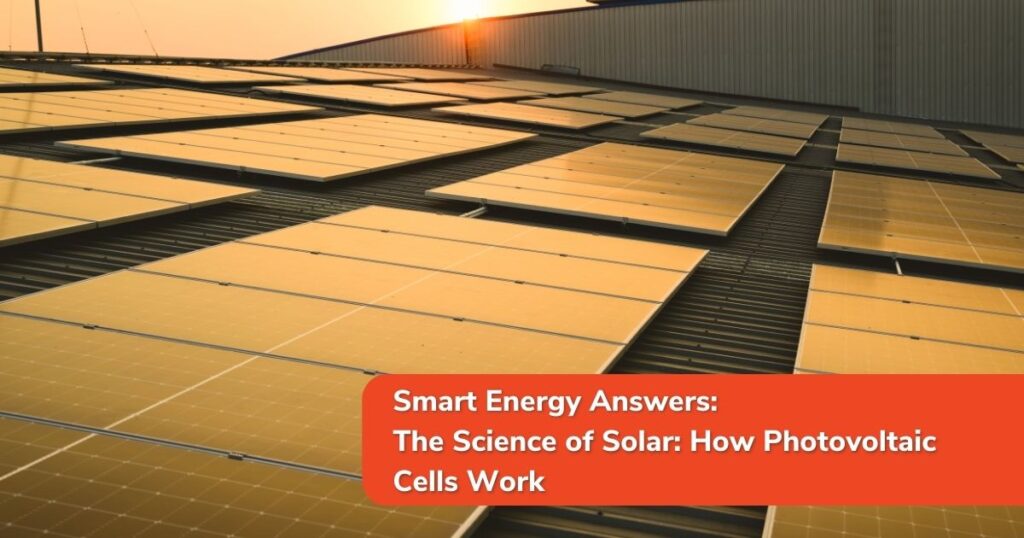
The Science of Solar: How Photovoltaic Cells Work Smart Energy Answers June 4, 2026 Australia, blessed with abundant sunshine, has seen a significant rise in the adoption of solar energy, particularly among residential users. This surge is driven by the desire to reduce electricity bills and contribute to a greener environment. Solar power, harnessing energy from the sun, provides a sustainable and cost-effective solution for homeowners. Understanding Photovoltaic Cells The heart of solar technology lies in photovoltaic, or PV, cells. These cells are responsible for converting sunlight into electrical energy. Comprising mainly of semiconductor materials like silicon, PV cells activate upon exposure to sunlight, creating an electrical current. The Science Behind Solar Cells When sunlight hits a solar cell, it knocks electrons loose in the silicon, creating a flow of electricity. This process, known as the photovoltaic effect, is the cornerstone of solar cell technology. The efficiency of this conversion is a key factor in the overall performance of a solar panel. Types of Photovoltaic Cells There are three primary types of solar cells: monocrystalline, polycrystalline, and thin-film. Each type has its own advantages and suitability depending on the application and location. Monocrystalline cells, known for their high efficiency, are ideal for areas with limited space. Solar Panels for Residential Use Choosing the right solar panels for your home involves considering factors like roof space, orientation, and local climate conditions. The installation process should be handled by professional installers to ensure safety and optimal performance. Maximising Efficiency of Solar Panels The efficiency of solar panels can be maximised by proper positioning and regular maintenance. Panels should be placed at an angle that captures the maximum amount of sunlight and kept clean to prevent any reduction in efficiency. Energy Storage Solutions For times when the sun isn’t shining, battery storage systems can store excess energy generated by solar panels. Additionally, grid connection allows for the selling of surplus electricity, often at a profit for the homeowner. Cost-Benefit Analysis of Solar Energy in Australia While the initial investment in solar technology can be significant, the long-term savings on electricity bills and the availability of government rebates make it a financially viable option for many Australians. Environmental Impact and Sustainability Adopting solar energy significantly reduces your carbon footprint and contributes to a more sustainable future. It’s a clean, renewable source of energy that lessens reliance on fossil fuels. Advancements in Solar Technology The field of solar technology is rapidly evolving, with new advancements increasing the efficiency and reducing the cost of solar cells. These innovations promise an even brighter future for solar energy in Australia. Common Myths and Misconceptions Despite its popularity, there are still many myths surrounding solar energy. It’s important to distinguish fact from fiction to understand the true capabilities and limitations of solar power. Case Studies: Successful Solar Implementations Numerous Australian households have successfully adopted solar power, demonstrating its effectiveness and benefits. These real-life examples serve as a testament to the potential of solar energy in residential settings. Choosing a Solar Provider Selecting the right solar provider is crucial. Factors such as experience, reputation, and customer service should be considered to ensure a smooth and successful solar installation. Solar Energy in the Australian Climate The effectiveness of solar panels can vary across different regions in Australia. Understanding how local climate conditions affect solar efficiency is essential for optimising the performance of your solar system. Government Policies and Regulations Federal and state governments in Australia have various policies and regulations in place to promote the adoption of solar energy. These policies not only incentivise solar installations but also ensure safe and compliant practices. Financing Solar Installations There are various financing options available for solar installations, making it accessible to a wider range of households. Understanding these options and the potential return on investment is key to making an informed decision. Future Trends in Solar Energy The future of solar energy in Australia looks promising, with ongoing research and development paving the way for more efficient and affordable solar solutions. Conclusion and Call to Action The transition to solar energy is not just a step towards reducing electricity bills. It’s a move towards a more sustainable and environmentally friendly future. Now is the time to embrace solar power and make a positive impact.
Optimising Energy Consumption with Solar Smart Metering
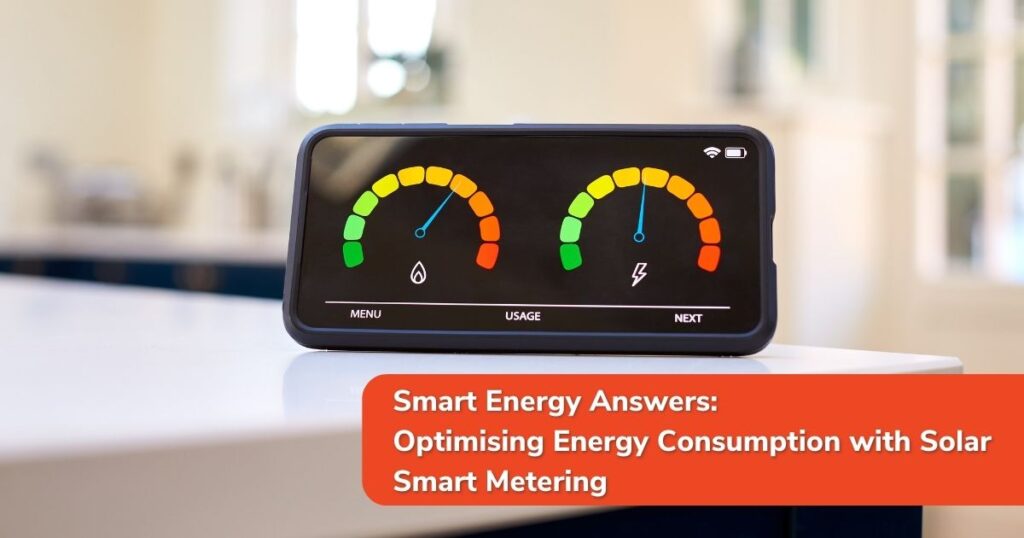
Optimising Energy Consumption with Solar Smart Metering Smart Energy Answers June 4, 2026 Discover How Solar Smart Metering Can Revolutionise Energy Consumption Discover how solar smart metering can revolutionise energy consumption and promote sustainable living. Understanding Solar Smart Metering Technology Solar smart metering technology involves the use of advanced meters that track energy consumption in real time. These meters are equipped with communication capabilities to provide detailed insights into solar energy generation and usage patterns. By understanding solar smart metering technology, users can monitor their energy consumption more efficiently, leading to better management of energy resources and cost savings. Benefits of Solar Smart Metering One of the key benefits of solar smart metering is the ability to accurately measure solar energy generation and consumption. This data helps users optimise their energy usage, reduce waste, and lower electricity bills. Additionally, solar smart metering promotes sustainability by encouraging the adoption of renewable energy sources and reducing reliance on non-renewable resources. Challenges and Solutions in Implementing Solar Smart Metering While solar smart metering offers numerous advantages, there are challenges in its implementation, such as initial costs, compatibility issues, and data security concerns. However, these challenges can be addressed through proper planning, investment in technology, and data encryption protocols. By overcoming these challenges, the implementation of solar smart metering can be smooth and beneficial for both consumers and energy providers. Case Studies on Energy Consumption Reduction with Solar Smart Metering Several case studies have shown significant reductions in energy consumption through the use of solar smart metering. For example, households and businesses that have adopted this technology have reported up to a 20% decrease in their energy bills and a more efficient use of solar-generated electricity. These real-life examples demonstrate the positive impact of solar smart metering on energy consumption and highlight its potential for widespread adoption. Future Prospects of Solar Smart Metering The future of solar smart metering looks promising, with advancements in technology and increasing awareness about energy conservation. As more countries and communities embrace renewable energy solutions, solar smart metering is expected to play a crucial role in achieving sustainable energy goals. With ongoing research and development, solar smart metering is poised to revolutionise energy consumption patterns and contribute to a greener, more environmentally friendly future.
Harnessing Solar Power: A Conversion Process
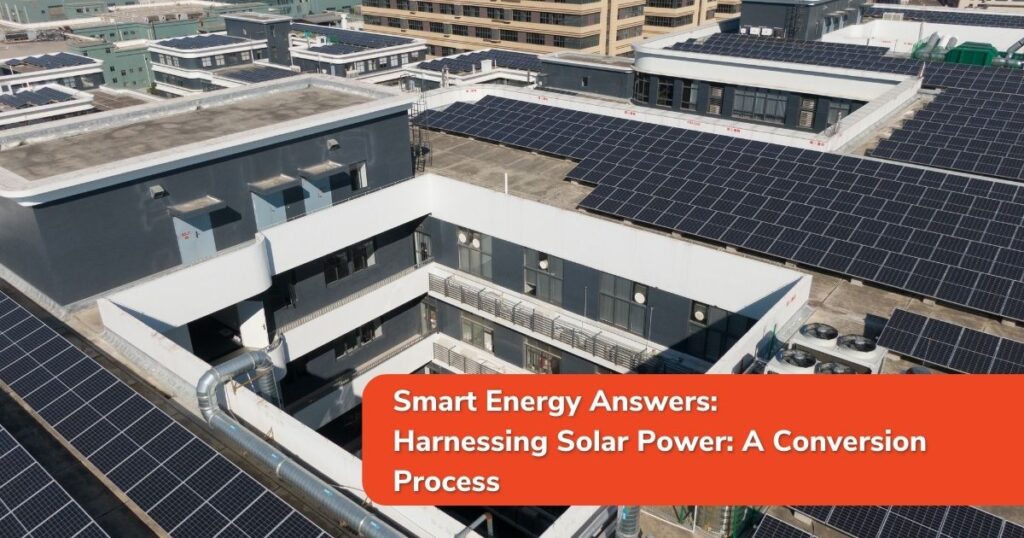
Harnessing Solar Power: A Conversion Process Smart Energy Answers June 4, 2026 Delve Into the Fascinating World of Solar Energy Conversion Delve into the fascinating world of solar energy conversion and learn how solar panels transform sunlight into usable electricity. Introduction to Solar Energy in Australia Australia, with its abundant sunshine, is a prime location for harnessing solar energy. The country has been actively adopting solar power as a renewable energy source to reduce its carbon footprint and dependence on traditional fossil fuels. The government in Australia has been promoting the use of solar energy through various incentive programmes and rebates, making it an attractive option for homeowners and businesses alike. Basics of Solar Energy Solar energy is derived from the sun’s radiation and can be converted into electricity using photovoltaic cells. These cells are typically made of silicon and generate electricity when sunlight hits them. The amount of energy produced depends on factors such as the angle of sunlight, weather conditions, and the efficiency of the solar panels. Solar Power Systems: Components and Functionality A solar power system consists of solar panels, inverters, and a mounting structure. The panels capture sunlight and convert it into electricity, which is then fed into the inverters to be converted into usable power. The mounting structure helps position the panels at an optimal angle to maximise sunlight exposure and energy production. Installation Process of Solar Panels The installation of solar panels involves assessing the roof for suitability, positioning the panels for maximum sunlight exposure, and connecting them to the electrical system of the property. Professional installers ensure that the panels are securely mounted and wired correctly to generate electricity efficiently. Government Incentives and Rebates The Australian government offers various incentives and rebates to encourage the adoption of solar energy. These can include rebates on the purchase and installation of solar panels, feed-in tariffs for excess electricity generated, and tax credits for renewable energy investments. By taking advantage of these incentives, homeowners and businesses can save money while contributing to a more sustainable future. Understanding Solar Panel Efficiency Solar panel efficiency refers to the amount of sunlight that is converted into electricity. Higher-efficiency panels can produce more power with less sunlight, making them a cost-effective choice for energy generation. Factors such as panel quality, technology, and maintenance can all impact the efficiency of solar panels. Maintenance and Care of Solar Panels Regular maintenance of solar panels is essential to ensure optimal performance and longevity. This includes cleaning the panels, checking for any damage, and monitoring energy production levels. By maintaining your solar panels properly, you can maximise their efficiency and lifespan, ultimately saving on energy costs. Impact on Property Value Installing solar panels can increase the value of your property by making it more energy-efficient and environmentally friendly. Potential buyers are often attracted to properties with solar power systems, seeing them as a long-term investment in sustainable living. Additionally, properties with solar panels may command higher resale prices and sell more quickly than those without. The Future of Solar Energy in Australia The future of solar energy in Australia looks bright, with continued advancements in technology and an increasing focus on renewable energy sources. As the cost of solar power continues to decrease and efficiency improves, more Australians are expected to adopt solar energy in the years to come. With ongoing support from the government and a growing awareness of climate change, solar power is set to play a vital role in Australia’s energy transition. Conclusion In conclusion, harnessing solar power through the conversion process offers a sustainable and reliable source of electricity for both residential and commercial properties. By understanding the basics of solar energy, the components of solar power systems, and the benefits of solar panel efficiency, individuals can make informed decisions about adopting solar energy. With the future looking promising for solar energy in Australia, now is the perfect time to consider making the switch to clean, renewable power. Take the first step towards a greener future by exploring the possibilities of solar energy for your property today.
Solar Energy for Beginners: A Simple Guide to Getting Started
Solar Energy for Beginners: A Simple Guide to Getting Started Smart Energy Answers June 4, 2026 In the heart of Australia’s sun-drenched landscape, solar energy emerges as a beacon of sustainability and cost efficiency for homeowners. This clean energy solution, powered by the sun’s endless rays, stands at the forefront of an eco-friendly revolution, redefining residential energy consumption. With the urgency of environmental conservation and the allure of reduced utility bills, understanding solar energy’s basics becomes indispensable for those considering a greener alternative. What Is Solar Energy? Solar energy represents the pinnacle of harnessing the sun’s power, transforming sunlight into electricity through two primary methods: photovoltaics, or PV, and concentrated solar power, or CSP. This renewable energy source plays a critical role in curbing carbon emissions and reducing our reliance on fossil fuels. Its adoption is a step toward a sustainable future, mitigating the impacts of climate change. Benefits in Australia Australia’s unique geographical position, bathed in abundant sunshine, creates an ideal setting for solar power generation. Homeowners stand to gain substantially, with benefits including reduced electricity bills, enhanced property value, and a significant contribution to environmental preservation. The nation’s solar-friendly climate is not just a matter of convenience but a call to action for sustainable living. The Basics of Solar Power Systems For those new to the solar energy journey, grasping the fundamentals of solar power systems is essential. These systems are marvels of engineering, designed to convert sunlight into electrical power with remarkable efficiency. Components of Solar Systems A typical solar power setup comprises several key components: solar panels, an inverter, battery storage, and a monitoring system. Each element plays a pivotal role in the seamless conversion of solar energy into electricity, ensuring that homes are powered sustainably and efficiently. How Solar Power Works The process begins with solar panels capturing sunlight and converting it into direct current, or DC, electricity. The inverter then transforms this DC into alternating current, or AC, the form of electricity used to power homes. Surplus energy can either be stored in batteries for later use or fed back into the grid, often yielding credits on electricity bills. Evaluating Solar Potential Before taking the leap into solar, assessing your home’s solar potential is a step you cannot skip. This evaluation ensures that your investment is not only wise but tailored to your specific needs. Assessing Your Location Key factors such as roof space, orientation, and potential shading must be considered. In Australia, north-facing roofs are prime real estate for solar panels, capturing maximum sunlight throughout the year. Sunlight Availability in Australia Australia’s generous sunlight hours make it a veritable goldmine for solar energy production. Understanding the sunlight patterns specific to your region can significantly enhance the efficiency of your solar panel installation. Types of Solar Energy Systems Solar energy systems come in two main varieties, each suited to different residential needs and circumstances. Grid-Connected Systems Connected to the national electricity grid, these systems allow homeowners to feed excess energy back, often receiving a credit. This setup is ideal for those looking to reduce their energy bills while staying connected to the grid. Standalone Systems For those in remote locations or preferring complete independence from the grid, standalone or off-grid systems are the answer. These systems require battery storage to ensure a continuous power supply, regardless of sunlight availability. Financial Considerations The decision to go solar is as much a financial consideration as it is environmental. Costs and Savings Though the initial setup cost can be substantial, the long-term savings on energy bills and the added value to your property make solar systems a sound investment. Government Incentives in Australia To encourage the adoption of solar energy, the Australian government offers various incentives, including rebates and feed-in tariffs, reducing the financial burden on homeowners. Choosing the Right Solar Panels The efficiency of your solar system hinges on selecting the appropriate solar panels. Panel Types and Efficiency Solar panels come in different types, such as monocrystalline and polycrystalline, each with its efficiency levels. Choosing the right type depends on your energy needs and budget considerations. Size and Placement The efficiency of solar panels is also influenced by their size and placement. Professional assessment is recommended to ensure optimal installation, maximising energy production. Installation Process The installation of solar panels is a critical process that should ideally be entrusted to professionals. Professional vs DIY Installation Though the DIY route may seem appealing for its cost-saving potential, professional installation guarantees safety, efficiency, and regulatory compliance, safeguarding your investment. Permits and Regulations Navigating local regulations and obtaining the necessary permits is a crucial step in the installation process, ensuring that your solar system is legally compliant and operationally safe. Maintenance and Care The longevity and efficiency of your solar system depend on regular maintenance and care. Regular Maintenance Tips Routine cleaning of solar panels and system check-ups are vital for optimal performance, ensuring that your system operates at peak efficiency year-round. Troubleshooting Common Issues Being familiar with common issues and their solutions, or consulting a professional when necessary, can help maintain your system’s performance and longevity. Environmental Impact The environmental benefits of solar energy cannot be overstated. Reduction in Carbon Footprint By switching to solar, homeowners can significantly reduce their reliance on fossil fuels, leading to a substantial decrease in greenhouse gas emissions. Sustainable Living Solar energy is at the heart of sustainable living, offering a clean, renewable energy source that minimises environmental impact and promotes a healthier planet. Future of Solar Energy in Australia The landscape of solar energy in Australia is rapidly evolving, promising an even brighter future. Trends and Developments Ongoing technological advancements are making solar energy more efficient and affordable, paving the way for wider adoption and innovative applications. Community Solar Projects For those unable to install individual solar systems, community solar projects offer a shared solution, democratising access to clean energy. Case Studies Real-life success stories of residential solar energy adoption underscore the tangible benefits of going solar, from environmental impact to
Solar Panel Maintenance: Keeping Your Home System in Top Shape
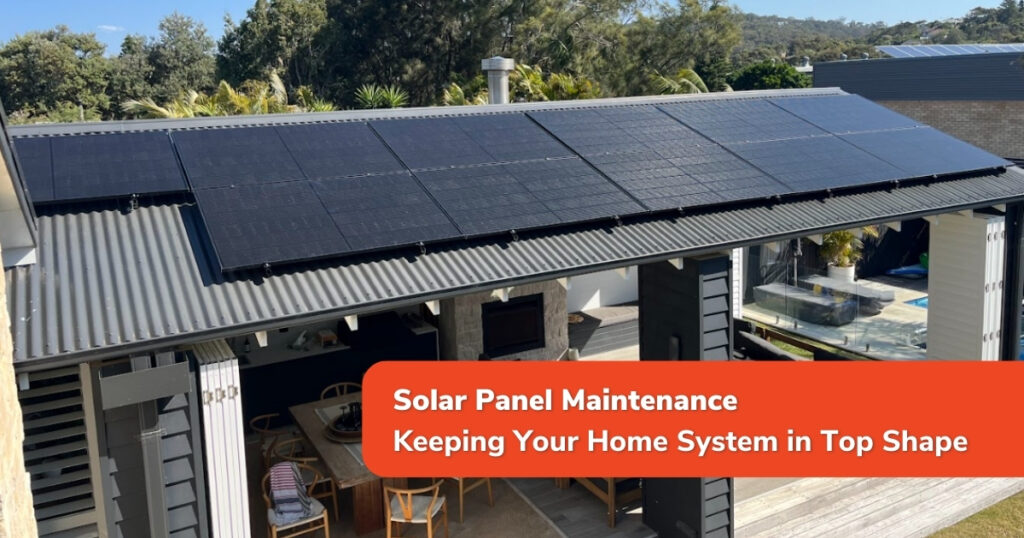
Solar Panel Maintenance: Keeping Your Home System in Top Shape Smart Energy Answers June 4, 2026 Solar energy is a beacon of sustainable energy in an era defined by environmental concerns. In Australia, the abundant sunshine presents an exceptional opportunity for homeowners to harness the power of the sun and reduce their carbon footprint. But installing solar panels is just the first step. Regular maintenance is crucial to ensure your solar system continues to perform efficiently, saving you money and supporting the green initiative. Why Solar Panel Maintenance Is a Must Solar panels are designed to be durable, but they are also constantly exposed to the elements, which can take a toll over time. Regular maintenance not only keeps your system performing optimally but also extends its lifespan, which can be around 25 years or more. Proper upkeep can also save you the headache of more expensive repairs down the line. The longevity of your solar investment hinges on how well you maintain it. Neglecting your panels can result in a noticeable drop in your energy output, which directly impacts your savings. Benefits of Proper Maintenance Increased Energy Efficiency Routine solar panel maintenance enhances your system’s energy production. By keeping your panels clean and free of obstructions, sunlight can be efficiently converted into electricity. Prolonged Lifespan Maintaining your system ensures that each component, from panels to inverters, operates within manufacturers’ specifications, minimising wear and tear and extending their life. Cost Savings The saying “prevention is better than cure” is particularly true for solar panel care. Consistent maintenance helps you avoid hefty repair costs and maximises your return on investment. Essential Maintenance Tasks Here is a rundown of what you should be doing to keep your solar system in top condition: Cleaning and Debris Removal Clean your panels regularly to prevent dirt and grime from diminishing sunlight absorption. Debris, such as leaves and bird droppings, should also be promptly removed to avoid shading. Inspection for Damage or Wear Performing a visual inspection of your panels can reveal issues like cracks or hot spots, which indicate a cell is not functioning properly. Any damage should be repaired immediately. Monitoring Performance Metrics Keep an eye on your system’s performance data. A significant decrease in energy output could signal a problem that requires attention. Inverter Maintenance The inverter is a critical component that converts the solar energy captured by panels into a usable form. Check for signs of damage, and ensure proper ventilation with no encroaching pests. Battery Maintenance If you have a solar battery system, regular checks for electrolyte levels and proper venting are essential to keep it working safely and efficiently. Seasonal Maintenance Tips Different seasons bring varying challenges and considerations for solar panel maintenance: Winter Considerations Watch for snow accumulation on panels and ensure you have a plan for clearing it. Additionally, check that any foliage shading your panels has not grown back. Summer Precautions High temperatures can increase the risk of electrical fires. Keep an eye on your system during heatwaves and make sure it’s well ventilated. Common Issues and Troubleshooting Here are some common problems with solar panels and potential solutions: Panel Malfunctions If your system is underperforming, it could be due to a panel not functioning. With advanced module-level power electronics inverters, the system can pinpoint which panel is not performing and ensure that the malfunctioning panel does not affect the others. This helps ensure that the remaining panels continue operating at optimal performance. Wiring Problems Faulty wiring can lead to short circuits or fires. Look out for exposed or damaged wires and have them repaired by a professional. Inverter Issues Inverters tend to have a shorter lifespan than solar panels. Be prepared for an eventual replacement and ensure you’re familiar with the signs of inverter failure. DIY vs Professional Maintenance The decision to handle maintenance on your own or hire a professional will depend on your comfort and skill level, as well as the complexity of the task. Here are a few things to consider: Pros and Cons of Each Approach DIY maintenance can save you money, but there’s a risk of making mistakes. Professionals have the expertise, but they can be an added cost. When to Seek Professional Help For complex issues or repairs covered by warranties, it’s always best to call in professionals to avoid voiding warranties or causing further damage. Conclusion Solar panel maintenance in Australia is not just about preserving equipment. It’s about maintaining a commitment to sustainable energy. By taking the time to ensure your system is well looked after, you’re investing in your financial future and the health of the planet. Don’t let a dirty or malfunctioning solar panel system overshadow the benefits of going solar. Stay proactive, stay vigilant, and your solar panels will shine for years to come.
Solar Panel Orientation: Maximising Sun Exposure in Australia
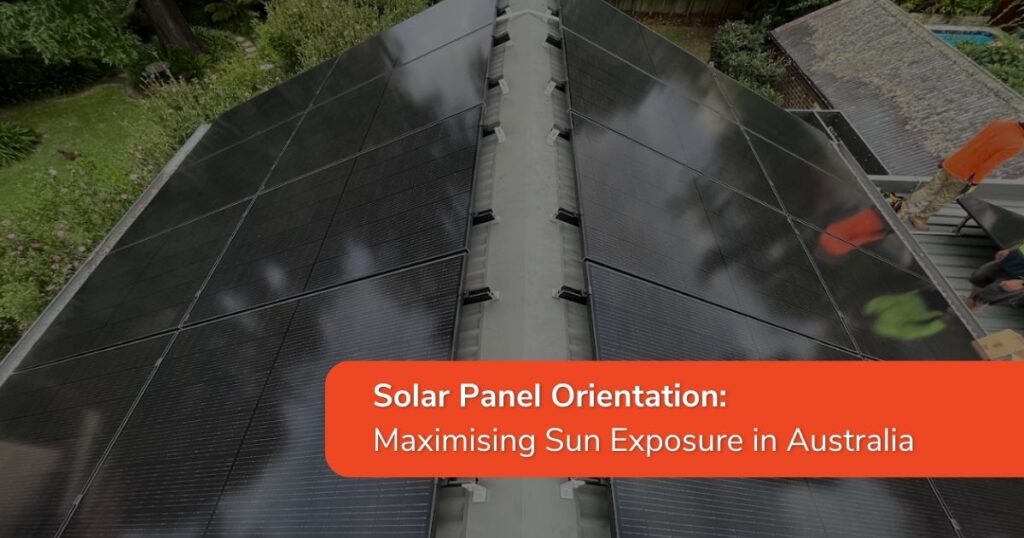
Solar Panel Orientation: Maximising Sun Exposure in Australia Smart Energy Answers June 3, 2026 As the demand for sustainable energy solutions grows, an increasing number of Australian homeowners are turning to solar panels to harness the power of the sun. However, a common myth often discourages potential adopters: the belief that solar panels only work when the sun is shining brightly. In this blog, we debunk this misconception, explore the optimal orientation for solar panels in Australia, and introduce advanced technologies that ensure panels operate efficiently even in less-than-ideal weather conditions. Debunking the Myth: Solar Panels and Sunlight One of the prevailing myths surrounding solar panels is that they are rendered useless on cloudy days or during overcast conditions. The truth is, solar panels can still generate power in diffuse sunlight. While direct sunlight is optimal, advancements in solar technology have made panels more efficient in converting sunlight into electricity, even in low-light situations. Real-life examples abound of solar panels continuing to produce energy on cloudy days, proving the resilience of this eco-friendly energy source. Optimal Solar Panel Orientation for Australian Homes To maximise sun exposure and energy production, homeowners must consider the optimal orientation for their solar panels. The angle and direction of panels, known as tilt and azimuth, play a crucial role in capturing sunlight efficiently. In the diverse climates across Australia, regional variations must be taken into account when determining the best orientation. Whether you reside in the sun-soaked regions of Queensland or the more temperate climates of Victoria, understanding the ideal panel orientation can significantly enhance your solar energy system’s performance. Smart Inverters: Module-Level Power Electronics To address concerns about shading or overcast conditions affecting solar panel efficiency, advanced technologies such as smart inverters with module-level power electronics have emerged. Innovations like power optimisers and microinverters optimise energy production by allowing each panel to operate independently, mitigating the impact of shading on the entire system. This means that even if part of your solar array is shaded, the unaffected panels can still generate power at their maximum potential, ensuring consistent energy output. Addressing Shading and Overcast: Case Studies Real-world examples illustrate the tangible benefits of incorporating smart inverters or module-level power electronics. Homeowners across Australia are experiencing increased energy production and efficiency despite occasional shading or overcast weather. By adopting these technologies, they not only optimise their solar panels’ performance but also contribute to a more sustainable and resilient energy infrastructure. Economic and Environmental Impact The economic advantages of investing in optimal solar panel orientation and advanced technologies are substantial. Higher energy production leads to greater savings on electricity bills, providing homeowners with a quicker return on their investment. Simultaneously, the environmental impact cannot be overstated. Harnessing more solar energy reduces reliance on conventional energy sources, lowering carbon footprints and contributing to a greener future. Tips for Eco-Conscious Homeowners For eco-conscious homeowners looking to maximise the benefits of their solar panels, a proactive approach is essential. Regular maintenance, monitoring, and consideration of advanced technologies can significantly impact overall system efficiency. By staying informed and taking advantage of innovative solutions, homeowners can ensure their solar panels operate at peak performance, even in less-than-ideal conditions. Conclusion In conclusion, with the right orientation and the incorporation of smart technologies, solar panels can operate efficiently in various weather conditions. By optimising solar panel performance, homeowners not only reap economic benefits but also contribute to a more sustainable and environmentally friendly energy landscape. Ready to maximise your solar panel’s potential and contribute to a cleaner, greener future? Contact Smart Energy Answers for personalised solutions tailored to your home. Visit our website or give us a call to start your journey towards a more efficient and sustainable energy solution today.