
Double Your Savings with Randwick Sustainability Rebate & NSW Battery Rebate
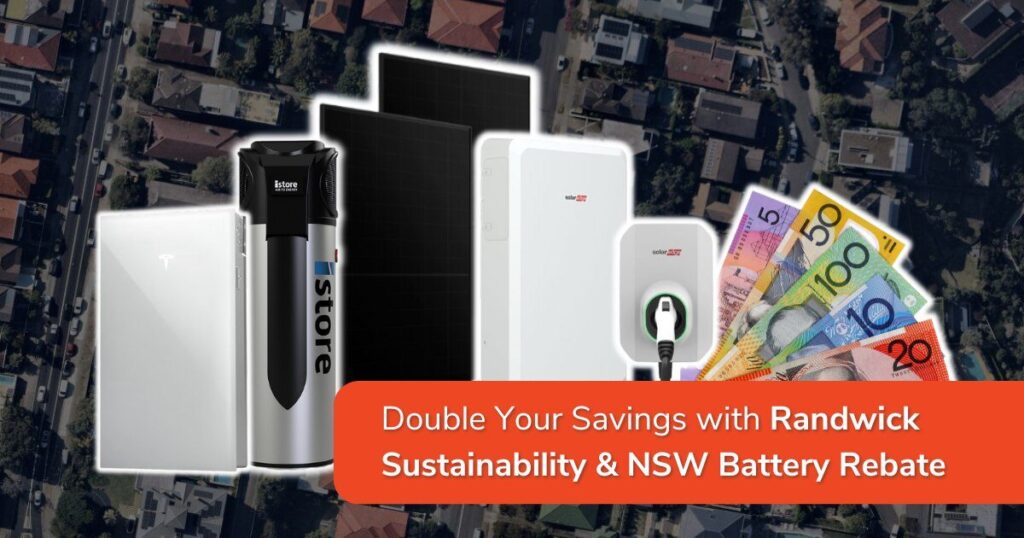
Double Your Savings with Randwick Sustainability Rebate & NSW Battery Rebate Smart Energy Answers November 4, 2024 With the NSW Solar Battery Rebate launching this November, Randwick residents are in a prime position to maximise their savings by combining state and local rebates. The NSW rebate offers up to $4,800 for solar battery installations, plus up to an additional $800 when you join a Virtual Power Plant (VPP). Pair this with Randwick City Council’s sustainability rebates—covering solar panels, batteries, heat pumps, and EV chargers—offering up to $2,250 in savings. Together, these rebates can provide homeowners with almost $7,500 in total savings, making solar, battery storage, and smart energy solutions more affordable than ever. Here’s how you can take full advantage of these incentives! Unlock Your Rebates and Savings Now.Find out how to qualify for up to $7,500 rebates with our energy experts. Get a Quote Randwick Sustainability Rebates Randwick City Council offers sustainability rebates to promote eco-friendly technologies and reduce carbon footprints. These incentives help residents afford solar panels, batteries, heat pumps, and EV chargers, making green energy more accessible. This initiative supports both individual households and a community shift towards renewable energy. Household EV Charger – Rebate Up to $250 Why install an EV Charger? Installing an EV charger at home offers unmatched convenience and helps future-proof your property for the growing electric vehicle market. Home charging provides flexibility and allows you to take advantage of lower electricity rates during off-peak hours. Randwick residents can claim up to $250 of the cost of installing an EV charger, making it an affordable way to prepare your home for the future of electric mobility. Eligibility: Only available in properties in the Randwick Local Government Area Must be an electric vehicle charger or EV infrastructure for apartment blocks Must be installed by a licensed electrician Installation must have occurred within the past 12 months Household Heat Pump – Rebate Up to $500 Why install a Heat Pump? Heat pumps are one of the most energy-efficient ways to heat water in your home, using far less electricity than traditional hot water systems. They help reduce your energy bills and your environmental impact, making them an excellent choice for sustainability. Randwick residents can claim up to $500 of the cost of an electric heat pump or rooftop solar hot water system. Additionally, you can benefit from the Federal Government’s Small-Scale Technology Certificates (STC) rebate and the State Government’s Energy Savings Scheme (ESC) rebate, organised by your installer. Eligibility: Only available in properties in the Randwick Local Government Area Must be a Clean Energy Council (CEC) accredited electric heat pump or rooftop solar hot water system Excludes swimming pool heat pumps Installation must have occurred within the past 12 months Unlock Your Rebates and Savings Now.Find out how to qualify for up to $7,500 rebates with our energy experts. Get a Quote Household Rooftop Solar – Rebate Up to $500 Why install Rooftop Solar? Rooftop solar allows you to generate clean energy for your home, reducing your reliance on the grid and cutting down your electricity bills. Solar power also increases the value of your property, and with the upcoming NSW Solar Battery Rebate in November, it’s a smart investment to pair solar with battery storage for even more savings. Randwick homeowners can claim 10% of the cost of installing rooftop solar, up to $500, making it easier than ever to adopt renewable energy. Eligibility: Only available in properties in the Randwick Local Government Area Must be a Clean Energy Council (CEC) accredited installer Must have minimum system capacity of 5kW Installation must have occurred within the past 12 months Household Solar Battery – Rebate Up to $1,000 Why install a Solar Battery? Installing a solar battery allows you to store excess energy generated by your solar panels and use it when the sun isn’t shining, helping you further reduce energy costs and become more independent from the grid. Solar battery systems also offer greater energy security during power outages. Randwick residents can claim 10% of the cost of installing a solar battery, up to $1,000, making energy storage a more affordable investment for long-term savings. Eligibility: Only available in properties in the Randwick Local Government Area Must be a Clean Energy Council (CEC) accredited installer Installation must have occurred within the past 12 months NSW Battery Rebate 2024 Starting November 1, 2024, the NSW government will offer new battery incentives for homes and businesses with rooftop solar systems. Part of the Peak Demand Reduction Scheme, these incentives support battery storage installation and Virtual Power Plant connections, helping reduce electricity bills and enhance solar energy use. NSW Battery Installation Incentive Amount: Up to $4,500 off the upfront installation costs, depending on the size of your battery of choice. Eligibility: Homes and businesses in NSW with existing solar system but without existing battery. Battery must be listed on an approved product list and battery capacity must be between 2 kWh and 28 kWh. Battery must be internet connectable and controllable by a Demand Response Aggregator. Must have a warranty of at least 10 years and guarantee that at least 70% of the Usable Capacity is retained 10 years from the date of installation. Warranty must define the normal use conditions as not being less than a minimum ambient temperature of -10°C to 50°C; and minimum warranted throughput of 3.65 MWh per kWh of Usable Battery Capacity. Note: Incentive is provided as an upfront discount by approved suppliers. For homes and businesses without existing solar, the incentive can be included in the quote for a new solar and battery system. NSW Virtual Power Plant (VPP) Connection Incentive Amount: Up to $800 incentive for connecting to a VPP. Frequency: Available twice, at least 3 years apart. Eligibility: Applies to both new and existing batteries that will join a VPP. Battery must be listed on an approved product list and battery capacity must be between 2 kWh and 28 kWh. Battery must have a minimum 6 years remaining
Efficient and Sustainable: Benefits of Solar Heating Water
Efficient and Sustainable: Benefits of Solar Heating Water Smart Energy Answers June 3, 2026 Discover the Numerous Advantages of Utilising Solar Energy to Heat Water in Your Home The Advantages of Solar Water Heating Systems Solar water heating systems offer numerous advantages for homeowners. One of the key benefits is the significant reduction in energy costs. By harnessing the power of the sun to heat water, homeowners can save on their monthly utility bills. Additionally, solar water heating systems are environmentally friendly, as they reduce reliance on fossil fuels and decrease carbon emissions. Another advantage is the long-term cost savings. While the initial installation cost may be higher compared to traditional water heating systems, solar water heating systems have lower operating costs and can provide a return on investment over time. In addition to the cost savings, solar water heating systems also offer increased energy efficiency. These systems use the sun’s energy to heat water directly, eliminating the need to rely solely on electricity or gas. This makes them an ideal choice for homeowners looking to reduce their environmental impact and lower their carbon footprint. Furthermore, solar water heating systems require minimal maintenance and can last for decades with proper care. Overall, the advantages of solar water heating systems make them a smart choice for homeowners seeking an efficient and sustainable way to heat water in their homes. Understanding Solar Water Heating Technology Solar water heating technology utilises the energy from the sun to heat water for domestic use. The system consists of solar collectors, a heat transfer fluid, a storage tank, and a backup heating source. The solar collectors, typically mounted on the roof or ground, absorb sunlight and convert it into heat energy. The heat transfer fluid, which is often a mixture of water and antifreeze, circulates through the collectors and absorbs the heat. This heated fluid is then pumped into a storage tank, where it transfers the heat to the water supply. In cases where the solar energy is insufficient, a backup heating source, such as a gas or electric heater, can be used to ensure a constant supply of hot water. There are two main types of solar water heating systems: active and passive. Active systems use pumps to circulate the heat transfer fluid, while passive systems rely on natural convection to move the fluid. The choice between these two types depends on factors such as climate, available space, and budget. Understanding the technology behind solar water heating systems can help homeowners make an informed decision when considering this sustainable and efficient option for their homes. Lowering Energy Costs with Solar Water Heating One of the primary benefits of solar water heating is the significant reduction in energy costs. By using the sun’s energy to heat water, homeowners can decrease their reliance on traditional heating methods, such as electricity or gas. This can lead to substantial savings on monthly utility bills. Additionally, solar water heating systems have lower operating costs compared to conventional water heaters, as they require less energy to operate. The initial investment in installing a solar water heating system may be higher, but the long-term cost savings make it a financially wise choice for homeowners. In addition to the direct cost savings, solar water heating also has environmental benefits. By reducing the demand for electricity or gas, solar water heating systems help decrease carbon emissions and reliance on fossil fuels. This contributes to a cleaner and more sustainable future. Lowering energy costs with solar water heating not only benefits homeowners financially but also helps protect the environment. Environmental Benefits of Solar Water Heating Solar water heating systems offer significant environmental benefits. By utilising the sun’s energy to heat water, these systems reduce reliance on fossil fuels and decrease carbon emissions. This helps combat climate change and contributes to a cleaner and healthier environment. Solar water heating is a sustainable alternative to traditional water heating methods that rely on electricity or gas, which are often derived from non-renewable sources. In addition to reducing carbon emissions, solar water heating systems also conserve water. Conventional water heating methods often result in water wastage, as it takes time for the hot water to reach the desired temperature. With solar water heating, the water is heated directly, reducing the need for wasteful practices. By conserving water and reducing energy consumption, solar water heating systems play a crucial role in promoting sustainable living and protecting the planet for future generations. Exploring Different Types of Solar Water Heating Systems There are several different types of solar water heating systems available for homeowners to choose from. The most common types include flat plate collectors and evacuated tube collectors. Flat plate collectors consist of a dark-coloured metal plate that absorbs sunlight and transfers the heat to a heat transfer fluid. Evacuated tube collectors, on the other hand, use a series of glass tubes containing a heat transfer fluid, which absorbs the sunlight and transfers the heat to the water supply. Other types of solar water heating systems include batch collectors, which consist of a tank that directly heats the water, and heat pump systems, which use electricity to move heat from the surrounding air or ground to heat the water. Each type of system has its own advantages and considerations, such as efficiency, cost, and suitability for different climates. Exploring the different types of solar water heating systems can help homeowners determine the best option for their specific needs and preferences. Maximising Efficiency through Proper System Design Proper system design is crucial for maximising the efficiency of solar water heating systems. Factors such as the orientation and tilt of the solar collectors, the size of the storage tank, and the insulation of the system can all impact its performance. It is important to consider the local climate and solar radiation levels when designing a solar water heating system. Additionally, regular maintenance and care are essential to ensure optimal performance. This includes checking for any leaks or damage, cleaning the solar collectors,
Solar Energy: Powering Sustainable Cities
Solar Energy: Powering Sustainable Cities Smart Energy Answers June 3, 2026 Discover the Role of Solar Energy in Creating Sustainable Cities and Promoting Environmental Conservation The Role of Solar Energy in Urban Sustainability Solar energy plays a crucial role in achieving urban sustainability by providing a clean and renewable source of power. As cities continue to grow and expand, the demand for energy increases, leading to higher greenhouse gas emissions and environmental degradation. Solar power offers a sustainable solution to this problem, as it harnesses the energy from the sun and converts it into electricity without producing harmful emissions or depleting finite resources. By utilising solar energy, cities can reduce their carbon footprint and mitigate the negative impacts of traditional energy sources. Solar power systems can be installed on rooftops, open spaces, and even integrated into urban infrastructure such as buildings and transportation systems. This decentralised approach to energy production reduces the reliance on centralised power plants and transmission lines, improving the overall resilience of the city’s energy grid. Furthermore, solar energy promotes energy independence and security for cities. By generating electricity locally, cities can reduce their dependence on external sources of power and mitigate the risk of disruptions caused by natural disasters or geopolitical tensions. This self-sufficiency not only ensures a stable energy supply but also empowers cities to take control of their energy future and reduce their vulnerability to external factors. In addition to its environmental and energy security benefits, solar energy also has positive social and economic impacts. The installation and maintenance of solar power systems create job opportunities and stimulate local economies. Moreover, solar energy can be harnessed to power public spaces and facilities, providing clean and reliable electricity for parks, streetlights, and community centres. This improves the quality of life for citizens and enhances the overall livability of the city. Overall, solar energy is a key component of sustainable urban development. By harnessing the power of the sun, cities can reduce their environmental footprint, enhance energy security, and promote social and economic well-being. The integration of solar power into urban environments is a crucial step towards creating sustainable cities for future generations. Understanding the Potential of Solar Power in Urban Environments Solar power has immense potential in urban environments, offering a sustainable and reliable source of electricity. However, to fully leverage this potential, it is important to understand the unique characteristics and challenges of urban settings. One of the key advantages of solar power in urban environments is its scalability. Solar panels can be installed on various surfaces, including rooftops, parking lots, and facades of buildings, maximising the use of available space. Additionally, advancements in solar technology have made it possible to integrate solar panels into windows, roads, and other urban infrastructure, further expanding their potential. Another important aspect to consider is the intermittent nature of solar energy. To ensure a stable electricity supply, energy storage systems such as batteries can be utilised to store excess energy generated during sunny periods and provide power during cloudy or nighttime conditions. This enables cities to make the most of solar power and reduce their reliance on the traditional energy grid. However, there are also challenges to overcome when implementing solar projects in urban areas. Limited space, shading from tall buildings, and the need to preserve the aesthetic appeal of the city can pose obstacles to the widespread adoption of solar power. Innovative solutions such as floating solar panels on water bodies and utilising vertical surfaces for solar installations can help overcome these challenges and maximise the potential of solar energy in urban environments. In conclusion, understanding the potential of solar power in urban environments is essential for creating sustainable and resilient cities. By leveraging its scalability and addressing the challenges, cities can harness the full benefits of solar energy and pave the way towards a greener and more sustainable future. Harnessing Solar Energy for City-Wide Electricity Needs As cities strive to reduce their carbon footprint and transition to sustainable energy sources, harnessing solar energy for city-wide electricity needs is a promising solution. By utilising the abundant energy from the sun, cities can meet a significant portion of their electricity demands in a clean and renewable manner. To harness solar energy for city-wide electricity needs, large-scale solar power plants can be established on the outskirts of the city. These solar farms consist of numerous solar panels that convert sunlight into electricity on a utility scale. The generated electricity can then be distributed through the existing power grid to meet the needs of residential, commercial, and industrial sectors. In addition to solar farms, rooftop solar installations play a crucial role in meeting city-wide electricity needs. By incentivising and promoting the installation of solar panels on rooftops, cities can tap into the vast potential of unused space and generate clean electricity closer to the point of consumption. This decentralised approach reduces transmission losses and enhances the overall efficiency of the electricity supply. Moreover, the integration of smart grid technologies enables cities to effectively manage and optimise the use of solar energy. By leveraging advanced monitoring and control systems, cities can balance the supply and demand of electricity, store excess solar energy in batteries, and ensure a reliable and stable power supply throughout the day. Harnessing solar energy for city-wide electricity needs not only reduces greenhouse gas emissions and dependency on fossil fuels but also provides long-term cost savings. Solar power is a renewable resource, and once the initial investment is recovered, the electricity generated is essentially free. This can result in significant savings for both the city and its residents, promoting economic growth and sustainability. In conclusion, by harnessing solar energy for city-wide electricity needs, cities can achieve significant environmental, economic, and social benefits. The transition to solar power not only reduces greenhouse gas emissions and promotes energy independence but also stimulates job creation, reduces energy costs, and enhances the overall quality of life for citizens. Integrating Solar Panels into Urban Infrastructure One of the key strategies for promoting
Choosing the Right Solar Panels for Your Home
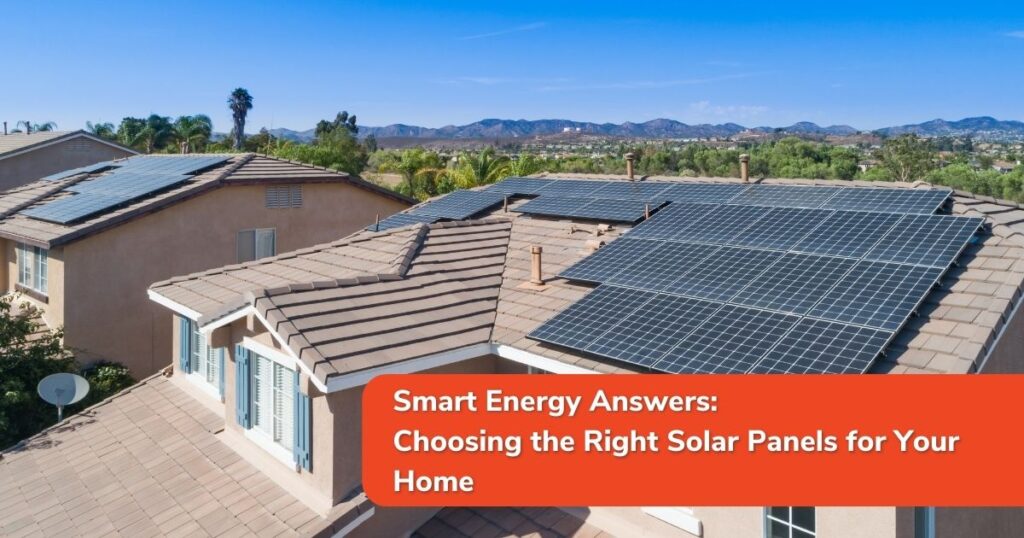
Choosing the Right Solar Panels for Your Home Smart Energy Answers June 3, 2026 Discover How to Select the Best Solar Panels for Your Home to Maximise Energy Efficiency and Savings Unveiling Solar Panel Diversity When it comes to solar panels for your home, there is a wide range of options available. Solar panel diversity is an important factor to consider when choosing the right panels for your specific needs. Different panels have different specifications, sizes, and materials, so it’s essential to understand the variety of options out there. One key aspect of panel diversity is the type of solar technology used. There are three main types: monocrystalline, polycrystalline, and thin-film. Each type has its own advantages and disadvantages, so it’s important to research and compare them to determine which one is best suited for your home. Additionally, solar panels come in different sizes and wattage capacities. The size of the panel will depend on the available space on your roof and the amount of electricity you want to generate. It’s crucial to assess your energy needs and the available space to ensure you choose the right size of solar panels for optimal performance. By unveiling the diversity of solar panels, you can make an informed decision and select the panels that best meet your energy requirements and budget. The Power of Panel Selection Selecting the right solar panels for your home is a powerful decision that can significantly impact your energy efficiency and savings. The quality and performance of the panels you choose will determine how much electricity they can generate and how long they will last. When selecting solar panels, it’s important to consider factors such as efficiency, durability, aesthetics, certifications, and cost. These aspects will ensure you make an informed decision and maximise the benefits of solar energy. By carefully evaluating and comparing different panel options, you can harness the power of panel selection and choose the ones that align with your goals and priorities. Efficiency Matters Efficiency is a crucial aspect to consider when choosing solar panels for your home. The efficiency of a solar panel refers to how effectively it converts sunlight into usable electricity. Higher efficiency panels can generate more electricity with the same amount of sunlight, allowing you to maximise your energy production and savings. When evaluating the efficiency of solar panels, look for their efficiency rating, typically expressed as a percentage. The higher the percentage, the more efficient the panel is. It’s important to strike a balance between efficiency and cost to ensure you get the best value for your investment. Choosing highly efficient solar panels will not only help you save money on your energy bills but also reduce your carbon footprint by generating more clean energy. Durability for Long-Term Performance Durability is another essential factor to consider when selecting solar panels for your home. Solar panels are designed to withstand various weather conditions, including rain, wind, and snow. Therefore, it’s important to choose panels that are built to last and can withstand the elements in your area. Look for panels with high-quality materials and a solid construction that can withstand potential wear and tear over time. Additionally, consider the warranty offered by the manufacturer, as it reflects their confidence in the panel’s durability and long-term performance. Investing in durable solar panels will ensure that your system operates efficiently for many years, providing you with a reliable source of clean energy. Aesthetics: More Than Meets the Eye While the primary function of solar panels is to generate electricity, their aesthetics also play a role in the overall appearance of your home. The design and look of solar panels can vary, so it’s important to choose panels that complement your home’s architecture and blend seamlessly with the roof. Some solar panels have a sleek and low-profile design, while others have a more traditional and visible appearance. Consider your personal preferences and the visual impact you want to achieve when selecting solar panels. Remember, solar panels can enhance the curb appeal of your home while harnessing the power of the sun, making them a practical and visually appealing addition. Calculating Cost and Return on Investment When choosing solar panels, it’s important to calculate the cost and assess the return on investment, or ROI. Solar panels can be a significant upfront investment, but they offer long-term savings on your energy bills and potential financial incentives. Consider the cost of the panels, installation, and maintenance, as well as any available government rebates or incentives. Calculate the payback period, which is the time it takes for your energy savings to cover the initial investment. Additionally, evaluate the potential increase in your home’s value with the addition of solar panels. By carefully analysing the cost and ROI, you can make an informed decision and determine the financial benefits of installing solar panels on your home. Certifications and Standards When selecting solar panels, it’s essential to consider certifications and standards. These certifications ensure that the panels meet specific quality and safety requirements. Look for panels that have been certified by reputable organisations such as the Clean Energy Council (CEC) or the International Electrotechnical Commission (IEC). These certifications guarantee that the panels have undergone rigorous testing and comply with industry standards. Choosing certified solar panels will give you peace of mind knowing that you’re investing in high-quality and reliable products for your home. Installation and Maintenance Considerations Installing solar panels requires careful planning and consideration. It’s important to consult with a professional solar installer to ensure the panels are properly installed and connected to your home’s electrical system. Consider factors such as the orientation and tilt of your roof, shading from nearby trees or structures, and the available space for the panels. A professional installer will assess these factors and design a system that maximises energy production. Additionally, solar panels require regular maintenance to ensure optimal performance. This includes cleaning the panels, checking for any damage or debris, and monitoring the system’s performance. Regular maintenance can prolong the
Sustainable Land Use Practices: Harnessing Solar Energy for a Greener Future
Sustainable Land Use Practices: Harnessing Solar Energy for a Greener Future Smart Energy Answers March 1, 2024 Discover how the integration of solar energy into sustainable land use practices can pave the way for a more environmentally friendly future. The Intersection of Sustainable Land Use and Solar Energy Sustainable land use practices and solar energy are two important aspects of creating a greener future. By combining these two elements, we can maximize the benefits for both the environment and society. Sustainable land use involves managing land resources in a way that meets the needs of the present generation without compromising the ability of future generations to meet their own needs. Solar energy, on the other hand, is a renewable and clean source of power that can help reduce our reliance on fossil fuels and mitigate climate change. The intersection of sustainable land use and solar energy offers numerous opportunities for innovation and sustainability. By harnessing solar energy on sustainable land, we can generate clean electricity while minimizing the environmental impact. This integration can contribute to a more sustainable and resilient energy system that supports the transition to a greener future. Understanding the Potential of Solar Energy in Land Use Planning Solar energy has immense potential when it comes to land use planning. Understanding this potential is crucial for developing effective strategies to harness solar power while maintaining sustainable land use practices. Solar energy can be harnessed through various methods, such as photovoltaic (PV) panels and solar thermal systems. These technologies can be integrated into buildings, infrastructure, and open spaces to generate clean electricity and heat. In land use planning, it is important to identify suitable sites for solar installations. Factors such as solar resource availability, land suitability, and proximity to electricity infrastructure play a crucial role in determining the feasibility of solar projects. By understanding the potential of solar energy and considering these factors, we can optimize the placement of solar installations to maximize energy generation and minimize environmental impacts. Identifying Suitable Sites for Solar Installations Identifying suitable sites for solar installations is a key step in integrating solar energy into sustainable land use practices. Several factors need to be considered during site selection, including solar resource availability, land characteristics, and environmental considerations. Solar resource availability refers to the amount of sunlight a site receives throughout the year. Sites with high solar resource availability are ideal for solar installations as they can generate more electricity. Land characteristics, such as slope, orientation, and shading, also play a role in determining the suitability of a site for solar installations. Flat and unshaded areas are generally more favorable for solar projects. Environmental considerations are crucial in order to minimize the impact of solar installations on natural ecosystems. It is important to avoid sensitive areas such as protected habitats, wetlands, and prime agricultural land. By identifying suitable sites that have high solar resource availability, favorable land characteristics, and minimal environmental impact, we can ensure the effective integration of solar energy into sustainable land use practices. Maximising Solar Energy Generation on Different Types of Land Solar energy generation can be maximized on different types of land by adopting appropriate strategies and technologies. The suitability of land for solar installations depends on its characteristics and existing land use. Here are some approaches to maximize solar energy generation on different types of land: Rooftop Solar: Installing solar panels on rooftops of buildings can utilize underutilized space and generate clean electricity without occupying additional land. Brownfield Solar: Converting brownfield sites, such as abandoned industrial areas, into solar power plants can repurpose underutilized land for renewable energy generation. Floating Solar: Installing solar panels on bodies of water, such as lakes and reservoirs, can maximize land use efficiency and reduce water evaporation. Agrivoltaics: Integrating solar panels with agricultural activities can optimize land use by utilizing the same area for both solar energy generation and crop cultivation. By adopting these approaches and technologies, we can maximize solar energy generation on different types of land while minimizing the use of additional land resources. Balancing Solar Development with Environmental Conservation Balancing solar development with environmental conservation is crucial to ensure the long-term sustainability of solar energy projects. While solar energy offers numerous environmental benefits, it is important to minimize any potential negative impacts on ecosystems and biodiversity. To achieve this balance, it is important to conduct thorough environmental assessments before initiating solar projects. These assessments can help identify potential risks and develop appropriate mitigation measures. Additionally, incorporating nature-friendly design features into solar installations can help minimize impacts on wildlife and their habitats. Collaboration between solar developers, environmental organizations, and local communities is key to achieving a balance between solar development and environmental conservation. By working together, we can ensure that solar energy projects contribute to a greener future without compromising the integrity of our natural ecosystems. Integrating Solar Energy into Agricultural and Rural Landscapes Integrating solar energy into agricultural and rural landscapes offers numerous benefits for farmers, landowners, and the environment. Solar installations can be strategically placed in agricultural areas to generate clean electricity while allowing for continued farming activities. Agrivoltaics, which combines solar energy generation and crop cultivation, is a promising approach to integrate solar energy into agricultural landscapes. By utilizing the same land for both solar panels and crops, agrivoltaics optimizes land use efficiency and provides additional income streams for farmers. In rural landscapes, solar installations can provide decentralized and renewable energy sources, reducing reliance on centralized power grids. This can lead to increased energy independence and resilience in rural communities. By integrating solar energy into agricultural and rural landscapes, we can promote sustainable land use practices while contributing to the development of a cleaner and more resilient energy system. Benefits of Solar Land Use Agreements for Landowners and Communities Solar land use agreements offer several benefits for landowners and communities. These agreements provide opportunities for landowners to generate income from their land while contributing to the transition to renewable energy. For landowners, solar land use agreements can provide long-term
The Visual Elegance of Solar Panels
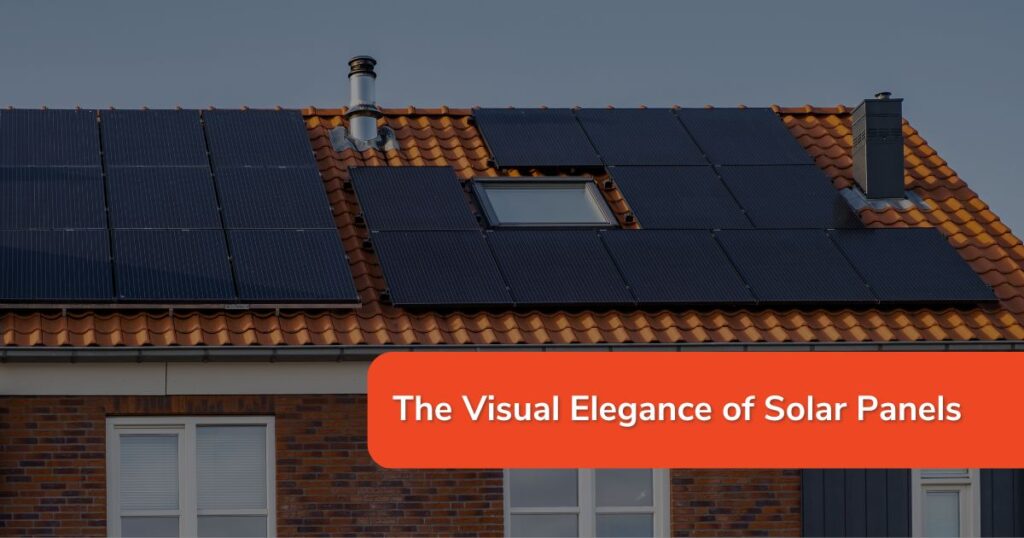
The Visual Elegance of Solar Panels Smart Energy Answers June 3, 2026 As the saving grace in our battle against climate change, solar panels are more than just the blueprints of a greener future. They’re becoming the architectural statements of today’s homes. This post dives into how solar panels can blend seamlessly into your residential aesthetics while championing sustainability and decorative finesse. The Rise of Solar Elegance on Residential Facades The world is at the cusp of an ecological revolution, and Australia is no exception. With the ceaseless advance of solar technology, the question is no longer whether to welcome it into our homes, but how to do so tastefully. The visual impact of solar panels is an irrefutable facet of their integration into residential properties. In this piece, we explore the interplay between photovoltaics and aesthetics, aiming to arm homeowners, green energy enthusiasts, and property developers with the knowledge to make their solar transition a visually appealing success. Assessing the Aesthetics of Solar Integration The visual allure of solar panels hinges on several factors, each as crucial as the next. When considering the installation of solar photovoltaics, or PV, placement and orientation are the first in a sequence of important design decisions. Seeking the right path for sun exposure ensures an efficient energy yield, while also affecting the overall look. Additionally, the design and colour of the panels, often underappreciated, can contribute either a discordant splinter in your visual composition or a harmonious blend into the roofing canvas. Moreover, the design of existing structures matters. Ensuring the new solar system complements the home’s character can foster a sense of continuity and tasteful integration. As Australia’s leading solar company, Smart Energy Answers is at the forefront of this dialogue, offering solar solutions that are aesthetically sensitive and effective. Harvesting Beauty: The Visual Benefits of Solar Elegance A home adorned with visually pleasing solar panels is more than just a haven for renewable energy. It’s an investment in curb appeal. Smartly installed solar technology can enhance the visual narrative of a property, adding a modern allure that states unequivocally, “This home belongs to the future.” There’s a psychological component at play, too. A house sporting solar panels evokes a narrative of environmental stewardship and forward-thinking, qualities universally admired. This not only increases the home’s desirability but also contributes to the broader aesthetic quality of your neighbourhood. Demystifying the Visual Perils of Solar Panels Dispelling the myth that solar panels detract from home aesthetics is crucial. The fear of having unsightly, bulky add-ons to one’s pristine roofline can be a significant barrier to embracing solar energy. In reality, the technology has advanced by leaps and bounds, and numerous installations now serve as testaments to both efficacy and elegance. Smart Energy Answers is dedicated to busting these preconceived notions by showcasing real-life examples where solar panels augment the look of homes. Furthermore, their team is experienced in integrating solar systems into Australian dwellings, ensuring that beauty and function go hand in hand. Showcasing Seamlessness: Case Studies in Solar Design Case studies are invaluable, offering concrete proof of the coexistence between solar power and visually pleasing design. By touring homes with striking yet discreetly integrated PV systems, prospective adopters can witness the positive impact such installations can have on a property’s overall charm. In this section, we delve into specific examples, presenting side-by-side images of homes before and after solar panel installation. It’s a testament to the transformative role solar panels can play, turning static dwellings into active contributors to the environment, aesthetically and ecologically. Designing Your Solar Palette: Tips for Aesthetic Harmony For those looking to adorn their homes with the hues of solar technology, a harmonious blend is the key to success. Wielding colour palettes, patterns, and placement tactics that shield your home with elegance and efficacy is not a pursuit reserved for architects and designers alone. Here, we outline tangible steps to ensure your solar journey is one of visual gratification. Engaging with professional installers who understand the local design vernacular is non-negotiable. Opting for sleek, low-profile panels that mimic the texture of your roofing material or choosing monochrome options to let nature provide the colour contrast are strategic decisions that Smart Energy Answers walks its customers through. Leading the Solar Aesthetic Charge Smart Energy Answers is more than a solar company. It’s a curator of residential narratives that champion visual sustainability. Their commitment to integrating solar panels seamlessly into the Australian home is evident in the array of products they offer and the design-centric ethos that permeates their installations. By bridging the gap between sustainable technology and aesthetic sensibility, Smart Energy Answers is leading the charge. Through long-lasting partnerships with brands like HT Smart Solar Panels and SolarEdge, they ensure that every solar palette they create is a masterpiece in harmony and efficiency. Conclusion: Solar Panels, The New Aesthetic Norm The story of solar panels on residential properties is transitioning from a tale of environmental responsibility to one of visual elegance. Smart Energy Answers exemplifies how smart energy choices need not be visually disruptive. Rather, they can become the cornerstone of a home’s narrative, signalling a commitment to the Earth and aesthetics alike. For homeowners and developers seeking to elevate their properties while reducing their carbon footprint, the call to action is clear: solar technology isn’t just the shading of the future. It’s the signature look of today’s responsible and stylish homes. Embrace the solar horizon, and let your property shine.
Solar Panel Design Trends for Modern Homes
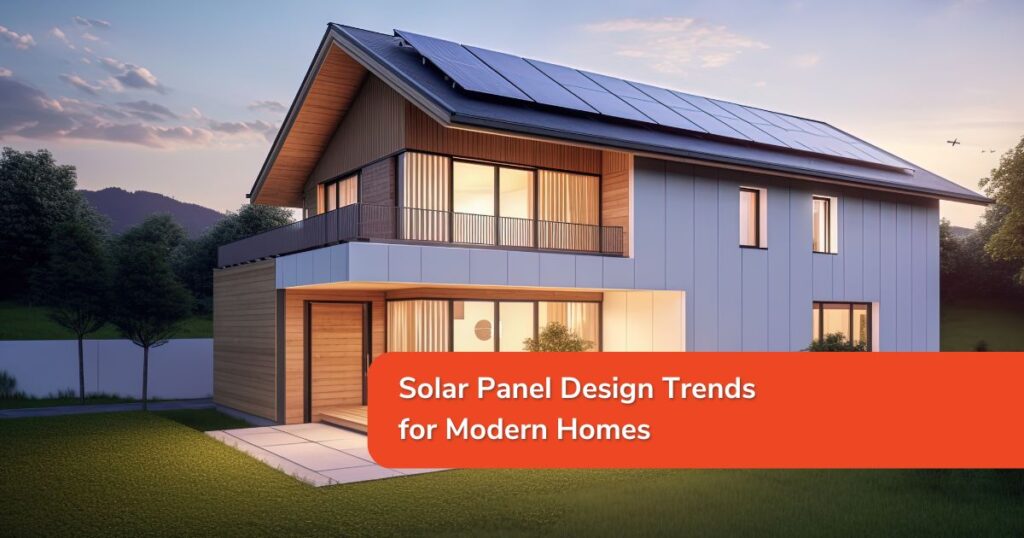
Solar Panel Design Trends for Modern Homes Smart Energy Answers June 3, 2026 The era of harnessing the sun’s abundant energy to power our homes is not just a possibility. It’s a growing necessity. Solar power technology has advanced significantly, and its integration into modern home design is not only for sustainability enthusiasts but for any homeowner looking to reduce their carbon footprint and energy bills. In this comprehensive guide, we dive into the solar panel design trends shaping the eco-conscious homes of tomorrow, with a focus on Australia’s unique landscape. The renewable energy revolution is well underway, and Smart Energy Answers is at the forefront, helping Australians make the switch to solar. Our commitment to quality and innovation has resulted in a tailor-made fusion of cutting-edge products and customer-centric services that have not only garnered us multiple accolades but also boosted the nation towards a greener, renewable future. Crafting a Sun-Powered Sanctuary: A Look at Australian Solar Trends The smart solar industry in Australia is brimming with innovation, driving design trends that align not only with environmental objectives but also aesthetic and operational ones. Smart Energy Answers bridges the gap between the consumer and these progressive solar trends, ensuring our customers are always a step ahead when it comes to solar panel design. Let’s explore the trends transforming modern home solar solutions in Australia. Cutting-Edge Solar Modules: Tomorrow’s Panels Today The heart of any solar PV system lies in its solar modules, and the advancements in this area are particularly exhilarating. Today’s high-efficiency solar panels not only produce more power per square metre but also boast improved aesthetics, coming in sleek all-black designs that seamlessly blend with any roofing material. These modules are also becoming smarter, featuring integrated tech such as power optimisers and microinverters that enhance overall system performance. At Smart Energy Answers, we lead the pack with next-generation solar panels like the HT Smart series, designed for longevity with warranties that cover an exceptional 30 years. Home Battery Solutions: The Dawn of Energy Storage Energy security is a growing concern, and home battery systems like the SolarEdge Home Battery and the Tesla Powerwall are revolutionising how solar homes manage their energy. These intelligent storage solutions are not just for off-grid properties but are essential components for smart homes looking to maximise their solar consumption and reduce reliance on the grid. As grid independence becomes more desired, Smart Energy Answers’ partnerships with Nectr facilitate accessible home battery installations, allowing homeowners to enjoy the switch to solar and storage at a fixed monthly cost. This solution is paving the way for a more sustainable lifestyle without the hefty initial outlay. Innovations in System Monitoring and Control As the solar market matures, monitoring and control technologies are rapidly evolving, offering homeowners unprecedented visibility and command over their energy usage. Smart inverters and energy monitoring apps provide real-time data, enabling users to optimise their solar system’s performance and track their energy savings. We understand the importance of data-driven decisions, which is why our team integrates the latest monitoring solutions like the SolarEdge Energy Monitoring Platform and Enphase Enlighten into our installations. It ensures that our customers remain empowered, not just with clean energy but with a clear picture of their solar system’s efficiency too. The Road Ahead in Solar Panel Aesthetics and Integration Sleek designs and smart technology are reshaping the way solar panels fit into a home’s architectural vision. No longer an eyesore, solar panels are transitioning into design elements that contribute to a home’s visual appeal. Solar Panels and Home Aesthetics With a push towards visual integration, solar panels are now offered in a variety of colours and configurations, enabling architects and homeowners to customise the look of their solar arrays. The Smart Solar Panels from Smart Energy Answers come in elegant all-black designs, ensuring a homogenous appearance and maintaining the design integrity of any rooftop. Architectural Integration and Building-Integrated Photovoltaics (BIPV) Building-integrated photovoltaics, or BIPV, is a design concept that seamlessly incorporates solar technology into a building’s structure. This includes solar bricks, tiles, and even windows that generate electricity while serving as conventional building materials. The trend towards BIPV is growing, and Smart Energy Answers embraces this by providing consultation and installation services that allow for the harmonious blend of solar with architectural design. Solar Panel Installation and the Home of the Future The installation process is crucial for the performance and lifespan of a solar power system. Smart Energy Answers takes a detailed approach to installation, ensuring that the custom-designed system is seamlessly integrated into the home’s infrastructure. Excellence in Installation Our team of installation experts is not only trained in the latest solar technologies but is also dedicated to meticulous craftsmanship. We pride ourselves on delivering installations that are not only functional and efficient but are also aesthetically pleasing. Focus on Durability and Efficiency As solar panel technology continues to improve, we emphasise the durability and efficiency of our installations. Our meticulous approach to array layout, wiring, and connection means that our systems are not only built to last but also perform at their peak for years to come. The Sun-Powered Lifestyle: Marketing and Indulgent Eco-Consciousness Consumer interest in sustainability is at an all-time high, and marketers are leveraging this trend to position solar technology as the ultimate luxury: a lifestyle of indulgent eco-consciousness. The Role of Solar in Green Branding Solar power is not just about energy. It’s a statement about a brand’s commitment to sustainability. Whether it’s for a product launch, a company headquarters, or a luxury home, solar photovoltaics are an integral part of green branding, and Smart Energy Answers is at the vanguard of these initiatives, providing solar installations that are as good for the environment as they are for the brand image. Embracing a Sustainable Lifestyle An increasing number of Australians are seeing solar installation as a gateway to a sustainable lifestyle. Beyond the financial benefits, solar power evokes a sense of pride and fulfilment in contributing to a sustainable
Sustainable Materials in Solar Panel Manufacturing
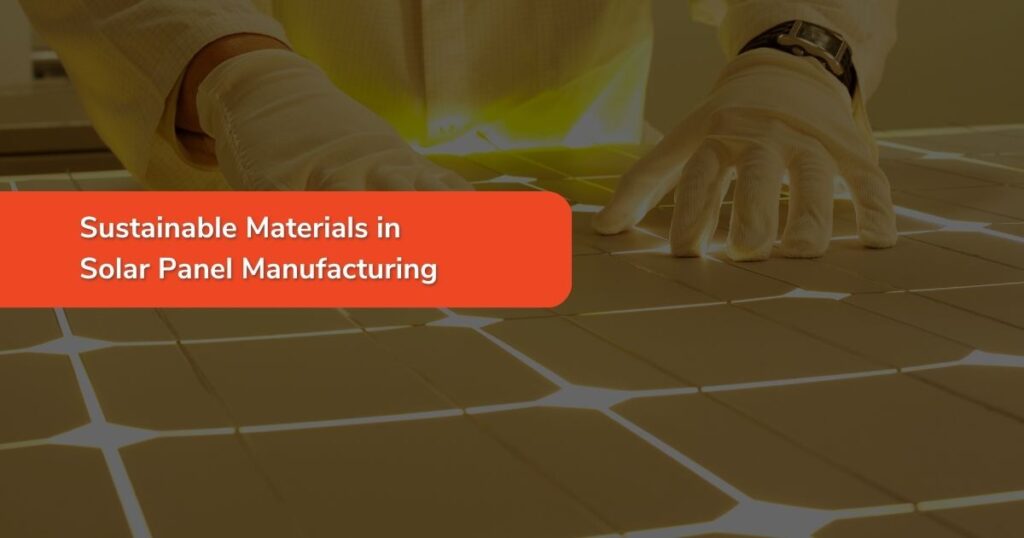
Sustainable Materials in Solar Panel Manufacturing Smart Energy Answers June 3, 2026 As the sun continues to be our most potent source of renewable energy, solar technology’s rapid evolution is expanding the power and potential to create a more sustainable future. Yet, the path to sustainability is more than harnessing that bright, boundless energy. It’s about the materials we use to capture it. With a growing interest in environmental responsibility, the demand for solar panels made of sustainable materials is soaring. In this blog post, we’re diving into the importance of choosing eco-friendly materials in solar technology for homeowners eager to reduce their carbon footprint, and for the tech-savvy enthusiasts exploring renewable energy innovations. Here’s a comprehensive guide on how sustainable materials in solar panel manufacturing contribute to a greener planet and brighter energy solutions for your home. Benefits of Sustainable Materials in Solar Panels The use of sustainable materials in solar panels provides multifaceted advantages. As we shift from fossil fuels to renewable energy sources, materials that are environmentally friendly play a pivotal role in: Reducing environmental impact: Sustainable materials lower the carbon footprint of solar panel production, addressing concerns related to greenhouse gas emissions and resource depletion. Increasing energy efficiency: Enhanced performance from sustainable materials means more energy production per square metre of panel space. Extending the lifespan of solar panels: Durable, eco-friendly elements translate to longer-lasting panels, reducing waste over time. Key Materials in Solar Panel Manufacturing As the solar industry marches towards greater sustainability, innovations in the materials used are gaining traction. Silicon Silicon remains the cornerstone of most solar cells, but there’s an increasing emphasis on utilising recycled silicon to diminish the environmental impact tied to mining and refining processes. Additionally, the emergence of perovskite solar cells offers an alternative that can be produced at a lower cost and energy input than traditional silicon cells, promising a more sustainable and accessible solar future. Glass The use of recycled glass in solar panel production helps reduce waste and energy use, contributing to a circular economy. Moreover, advancements in anti-reflective coatings applied to glass surfaces improve light absorption and enhance overall solar panel efficiency. Aluminium The adoption of responsibly sourced aluminium for solar panel frames is crucial since aluminium production can be energy-intensive and ecologically taxing. Alongside this, research is pioneering lightweight alternatives to decrease transportation emissions and make installation easier and more cost-effective. Other Materials In the realm of solar panel components, there is continuous progress toward sustainable encapsulants and backsheets. Eco-friendly alternatives such as bio-based or recyclable materials are being incorporated into new designs to reduce the reliance on petroleum-based products and to support the end-of-life recyclability of solar panels. These transformative steps not only advance solar technology but also safeguard our environment. Challenges and Innovations in Sustainable Solar Panel Manufacturing While sustainable options offer tremendous promise, they are not without obstacles: Cost Considerations: Historically, sustainable panels have been more expensive to produce. However, advancements in processes and scale are rapidly driving down costs. Recycling and Waste Management: Ensuring end-of-life sustainability and minimising waste are critical areas that industry leaders are working on to support the entire life cycle of solar products. Emerging Sustainable Materials: The field is continually advancing with new materials such as perovskite, which promise even greater efficiencies with a reduced environmental impact. How to Choose Sustainable Solar Panels for Your Home Selecting solar panels for your home is a significant step in embracing sustainability. Consider these factors: Research and Certifications: Look for manufacturers with a proven commitment to using and promoting sustainable materials. Comparing Environmental Footprints: Manufacturers often offer Environmental Product Declarations, or EPDs, that you can compare. Financial Incentives and Rebates: The broader benefits of switching to sustainable solar technology often include government incentives and rebates that can offset the initial costs. Conclusion: Let the Sun Shine on Sustainable Energy By opting for solar panels made from sustainable materials, you’re not just investing in cleaner energy for your home. You’re contributing to a green economy, protecting the environment, and creating a legacy of responsible energy use for future generations. As technology advances and consumer awareness grows, the adoption of solar-powered solutions underscores a collective commitment to a sustainable vision. Whether you’re driven by environmental stewardship or financial savings, the time to transition to sustainable solar technology is now, and the future is as bright as the sun itself.
Maximizing Solar Efficiency in Overcast Conditions
Maximizing Solar Efficiency in Overcast Conditions Smart Energy Answers June 3, 2026 The potential of solar energy is undeniable, but the practical reality often clashes with the ideal image of endless sunny days powering our grids. The truth is, many regions regularly experience overcast skies, which can significantly reduce solar panel efficiency. Yet, leveraging solar power under cloudy conditions is not only feasible but increasingly critical in the global shift towards renewable energy. Understanding the Cloudy Conundrum Solar panels work by converting absorbed sunlight into electricity, a process more complex than a simple exposure to light. When clouds roll in, various factors come into play that diminish the solar energy reaching the panels. The diffuse sunlight that makes its way through the clouds is less intense, and the temperature also tends to drop, affecting the panel’s performance. For traditional solar cells, this can result in a substantial reduction in power production. Analysing Solar Cell Performance The two main factors contributing to overcast-induced inefficiencies are the reduction in direct sunlight and the uneven distribution of light wavelengths. Direct Sunlight Reduction During clear days, direct sunlight is the most significant contributor to solar energy production, as it offers the highest energy-carrying photons. Cloud cover scatters this light, reducing its intensity and thus, the number of high-energy photons reaching the solar cells. Wavelength Disparity Different types of solar cells are optimised to capture different parts of the sunlight spectrum. Clouds can create a mismatch between the solar cell’s design and the actual sunlight reaching it, leading to suboptimal conversion rates. Overcoming the Limits of Luminosity Innovation and strategic planning can help mitigate the overcast challenges. Emerging technology in both hardware and software can compensate for the loss in efficiency, making solar power a viable option even when the skies are less than sunny. Cloud-Tracking Systems Cloud prediction and tracking tools, both on the macro and micro scales, can anticipate the cloud movements and adjust solar panel alignment or storage usage accordingly. Artificial Intelligence, or AI, is being increasingly utilised to make split-second decisions on optimising solar systems for incoming sunshine. Optimised Panel Design New panel designs, such as bifacial panels that can capture light from both sides, and concentrating solar power, or CSP, systems that use lenses or mirrors to focus light onto a small area, are proving more effective in cloudy conditions by maximising the use of available light energy. Storage Solutions for Sunny Day Supply Energy storage is a crucial component in the equation of solar performance. By storing surplus energy produced on sunny days, systems can tap into these reserves during overcast periods, smoothing out erratic supply challenges. Battery Advances Lithium-ion technology and other advanced battery systems are becoming more affordable and efficient, enabling the storing of larger quantities of solar energy for use whenever needed. Hydrogen and Other Alternatives Beyond batteries, alternative energy storage solutions such as hydrogen production through electrolysis or thermal energy storage could help capture and preserve solar energy during peak conditions. Policy and Investment: The Bright Forecast Government policies and financial investments play an integral role in supporting the adaptation and growth of solar technologies in overcast-prone areas. Incentives for Innovation By offering incentives for research and development, governments can spur the creation of technology specifically designed to improve solar efficiency in cloudy conditions. Subsidies and Support Financing models like subsidies or feed-in tariffs can make solar installations more financially attractive, encouraging broader adoption and, consequently, more investment in adaptive technology. Climbing the Overcast Mountain As the world’s dependency on fossil fuels wanes, overcoming the overcast hurdle is imperative in maximising the potential of solar energy. Innovations aimed at enhancing performance under cloudy skies are not just a scientific novelty but a strategic necessity in the transition towards a clean energy future. Collaborative Efforts Collaboration across different sectors, from physics to AI, from energy storage to meteorology, will lead to more robust solutions that can withstand the meteorological whims of our planet. The Path Ahead The path to consistent solar energy production in overcast regions is one of continuous improvement and adaptation. It is a journey that requires a multi-faceted approach, involving technology, public policy, and financial strategies. However, the destination is clear: a sustainable energy paradigm powered by the sun, regardless of weather, for generations to come. Conclusion In conclusion, the potential of solar energy is not to be overshadowed by clouds. It shines bright with innovation and vision, even on the darkest of days.
Designing with Sunlight: Considerations for Home Solar
Designing with Sunlight: Considerations for Home Solar Smart Energy Answers June 3, 2026 In the evolving landscape of residential architecture, sustainability is not merely a trend. It’s an imperative. Home solar systems are a cornerstone of this evolution, casting a golden ray of potential over homes seeking a balance between aesthetic appeal and environmental conscientiousness. The Rising Sun: Solar Panels as the New Dawn of Design As the awareness of climate change mounts, homeowners and architects are increasingly turning to solar technology as a way to reduce the ecological impact of their lifestyles and projects. Solar panels are no longer just functional energy converters. They are becoming integral to the visual narrative of a building’s design. When Smart Energy Answers first started, we realised that for solar technology to be widely adopted, we must integrate aesthetics with efficiency. Leading the Australian solar industry, we introduced sleek, high-quality panels, working with top-tier products such as HT Smart Solar Panels that boast a remarkable 30-year warranty. But these panels are not just amazing in function. Their all-black design looks sophisticated on rooftops. Unlike most solar installations you will see, our panels are completely black with black frames, unlike the not-so-good-looking aluminium-coloured frames of competitors. The racking system we use is also all black, giving an elegant look to your solar installation. A Palette of Power: Blending Solar with Style For residential design to harmonise with solar technology, integration is key. This harmony can be achieved by aligning solar system installations with the site’s architecture and, crucially, the homeowner’s aesthetic preferences. Our approach at Smart Energy Answers is about blending in while standing out. We have championed installations that become a seamless part of the roof’s profile, shedding the stereotype of bulky, obtrusive panels. We offer a range of products that are not only efficient but also elegant in design. Our SolarEdge Home Battery breaks the mould with its compact and modular form, whilst the ubiquitous Tesla Powerwall is a statement in minimalism. Casting Shadows: Design Elements to Enhance Solar’s Role Home solar systems can be more than just a utilitarian addition to the house. They can encapsulate an array of design elements that enhance the look and feel of the home. At Smart Energy Answers, we encourage homeowners to think beyond the panel. It’s the supporting design features, from the canopy structure where panels sit, to the landscaping that can accentuate the solar pathways of the sun and shadows, embedding energy production into the very fabric of the home’s story. Our Enphase Microinverters or SolarEdge Power Optimisers do not only optimise efficiency but also enable creative and flexible placements of solar panels, turning what was once a limitation into an opportunity. Luminous Integration: Lighting Design and Solar Synergy Interior and exterior design can also be aligned with solar energy. Modern lighting fixtures and internal configurations can work in concert with the sun’s energy, casting a warm light on the house’s sustainable narrative. When the sun sets, our SolarEdge Inverters ensure that the power stored in the batteries continues to keep the green glow of sustainability alight. Exterior lights that harness solar energy during the day to illuminate the path at night are an artistic and practical application of solar synergy. The Dawn of a New Day: Conclusion and the Path Forward As we stand on the threshold of a sustainable architectural renaissance, solar panels take their deserved centre stage. They are the dual lighthouses of design and function, guiding the way towards a brighter, cleaner future. For those looking to embrace solar technology and make it a part of their home’s visual identity, Smart Energy Answers is a beacon of expertise and innovation. With a sterling array of products and a commitment to both excellence and beauty, we assure our customers that solar integration is not just a statement of sustainability, but an art form in itself. In closing, we invite you to not just install solar technology, but to design with it. Let it be a part of your journey in creating a home that not only meets your energy needs but also leaves a lasting, beautiful mark on the earth. Remember, as the Australian leader in solar solutions, our mission is not just about installing panels. It’s about illuminating the path for a greener, more aesthetic future. For further insights, consultation, or to take the first step toward your solar design journey, reach out to Smart Energy Answers. Our team of specialists are equipped to guide you through the process, offering the finest solar solutions that seamlessly fuse form with function. Let’s embark on this design journey together, harnessing the power of the sun to illuminate your home in more ways than one.
The 5 Biggest Myths of Solar Energy: Debunking Misconceptions
The 5 Biggest Myths of Solar Energy: Debunking Misconceptions Smart Energy Answers February 7, 2023 Debunking 5 Common Solar Energy Myths The solar industry has grown rapidly in recent years. With that growth has come a number of misconceptions and myths about how solar energy works and the benefits it can provide. Here are the five biggest myths in the solar industry, along with the facts that debunk them. Myth 1: Solar Panels Only Work in Sunny Locations Fact: Solar panels are actually quite efficient at converting sunlight into electricity, even on cloudy days. In fact, some studies have shown that solar panels can produce up to 25% of their rated capacity on a cloudy day. So, even if you live in a location with less-than-ideal weather, you can still benefit from solar energy. Myth 2: Solar Energy Is Too Expensive Fact: The cost of solar energy has dropped significantly in recent years, making it a more affordable option for homeowners and businesses. In addition, many government incentives and rebates are available for installing solar panels, which can help offset the initial cost. With the savings on monthly energy bills, a solar energy system can pay for itself over time. Myth 3: Solar Panels Will Ruin the Appearance of Your Home Fact: Solar panels are available in a variety of styles and sizes to suit the appearance of different homes. Many homeowners find that adding solar panels can increase the value of their property while also giving the home a more eco-friendly look, depending on the design. Solar panels can also be installed on the roof or on the ground, allowing you to choose the location that works best for your home. Myth 4: Solar Energy Is Unreliable During a Power Outage Fact: Solar energy systems are reliable and can provide a steady supply of electricity to your home during normal operation. For power outages, many solar systems can be paired with battery backup solutions to keep essential appliances and devices running. With the right solar and battery setup, you can have greater peace of mind knowing you may still have access to stored electricity during an emergency. Image: CHOICE Australia has chosen Smart Energy Answers as their preferred solar energy provider, helping customers achieve more than $1 million in lifetime savings. Myth 5: Solar Energy Is Only for Homeowners, Not Businesses Fact: Solar energy can be a great option for businesses as well as homeowners. Many businesses are turning to solar energy to reduce their energy costs and improve their sustainability. As of 2023, more than 7,000 businesses have switched to solar, with IBISWorld showing 8.1% annualised growth in businesses adopting solar energy. With various incentives and rebates available for commercial solar installations, solar can be a cost-effective choice for businesses of all sizes. Conclusion Overall, solar energy is a clean, renewable, and affordable option for powering your home or business. Do not be fooled by the myths. The facts about solar energy speak for themselves.
5 Tips to Maximise Your Solar Energy and Save Money
5 Tips to Maximise Your Solar Energy and Save Money Smart Energy Answers November 23, 2022 You’ve Got Solar, Now What? It is time to get the most out of it. Solar panels are a great way to reduce your carbon footprint, save money on your energy bills, and power your home in a more sustainable way. The amount of energy your solar panels produce can be maximised by using them alongside other energy-saving measures. With these tips, you can make the most of your solar energy and run your home more efficiently. It is important to have an idea of how much electricity each appliance and device in your home uses. This can help you plan your electricity usage more effectively and make better use of the solar energy your system produces. 1. Take Advantage of Daytime Get the most out of your solar system when the sun is out. Use appliances that require a lot of electricity during the daytime, when your solar panels are generating the most power. 2. Stagger Your Use of High-Energy Appliances Avoid using high-energy appliances and devices all at once, as this can increase your electricity demand and cause you to draw power from the grid. This includes appliances such as washing machines, dishwashers, and tumble dryers. By staggering their use throughout the day, you can make better use of the solar energy your system is generating. 3. Maintain and Monitor Your Solar System Regularly It is important to keep your solar panels clean and free of debris so they can operate at maximum efficiency. Regularly check your panels and arrange cleaning when needed to help ensure your system is working properly. You should also monitor your solar system’s performance so you can quickly identify any issues and keep your energy production on track. 4. Invest in a Solar Battery Another way to get the most out of your solar panels is to store unused energy in a solar battery. Solar batteries allow you to keep excess energy generated by your solar panels and use it when needed, such as at night or during periods with less sunlight. This can help reduce your dependence on the grid and may help you save more on your energy bills over time. 5. Get a Heat Pump One way to optimise your solar panels is to install a heat pump hot water system. Heat pump hot water systems use a heat exchange process that absorbs heat from the surrounding air and uses it to heat your water. These electric water heaters can provide hot water very efficiently in most climates. Compared with a standard resistive element heater, a heat pump hot water system can help reduce energy use and may save up to 78% on hot water running costs. Conclusion Solar panels are a great way to help power your home and save on energy costs. By following these tips, you can maximise the amount of energy your solar panels produce and make your investment in solar power work even harder for you. Best of all, using solar energy helps create a better and more sustainable world for everyone.
SEA To Feature In Channel 9’s Renovate Or Rebuild

SEA To Feature In Channel 9’s Renovate Or Rebuild Smart Energy Answers June 4, 2026 Smart Energy Answers Teams Up With Channel 9’s Renovate or Rebuild for Sustainable Home Makeovers Smart Energy Answers features in the exciting new Channel 9 series Renovate or Rebuild, a 60-minute lifestyle programme with a strong sustainability focus. The show is hosted by James Treble and features popular characters from The Block, including Andy and Deb, Carlene and Michael, Jimmy and Tam, Jesse and Mel, Bec and George, and Norm and Jess. Each episode sees two teams compete to convince a family that they have the best plan to increase the space and comfort of their house while reducing their energy bills. One team provides plans to retrofit the property, while the other offers a new residential design concept. The episodes are filmed in different locations across New South Wales, Victoria, and Queensland and will appeal to a broad cross-section of viewers. The programme offers compelling viewing as the design teams balance the family’s brief and budget while creating a unique and memorable design that will lead to a beautiful, modern, efficient, and sustainable home. Team Renovate Team Renovate needs to bring the best renovation ideas to the table while coming up with a plan to suit the family. Their plan needs to cover bathroom and kitchen design, additional home improvements, and how to make use of existing building materials in order to create a home that’s warm and inviting yet modern, energy efficient, and thoroughly sustainable. Their goal will be to use solar power and home battery power storage to meet all energy requirements. Team Rebuild Team Rebuild will be suggesting that the best move to create the ultimate energy-efficient home will be to knock down the existing structure and start from scratch. Their brand-new design will take into account the orientation of the home, passive solar design, and the selection of energy-efficient appliances. Team Rebuild will also be planning a design for a home that can be powered solely through solar power and home battery power storage. Sustainable Design Residential sustainable design is the primary focus of the show. Residential housing remains a significant contributor to Australia’s greenhouse gas emissions, partially due to poorly planned property design leading to high electricity bills. The series aims to shine a light on the possibilities opened up by smart property design and to encourage Australian viewers and homeowners to make better choices leading to healthier, more energy-efficient homes. The highly watchable reality TV format is key to spreading the sustainable housing message to a broader audience. It’s expected that the show will attract a minimum audience reach of 2.8 million. The first episode of the eight-week series premiered at 9pm on October 4. Be sure to tune in from 8:30pm each Monday evening from October 11 on 9Life to catch the rest of the season. Solar Donation Smart Energy Answers is teaming up with manufacturers LONGi and FIMER to donate a free solar panel and battery installation for a demountable home in the Blue Mountains. The installation is for a family that tragically lost their home in the 2019 and 2020 bushfires. See how much you can save on your next electricity bill with the Savings Calculator. Know your savings based on your unit. Discover what rebates and incentives are available with SEA’s Solar Rebate Calculator.