
How Much Battery Storage Do I Need? Sizing Tips for Your Home
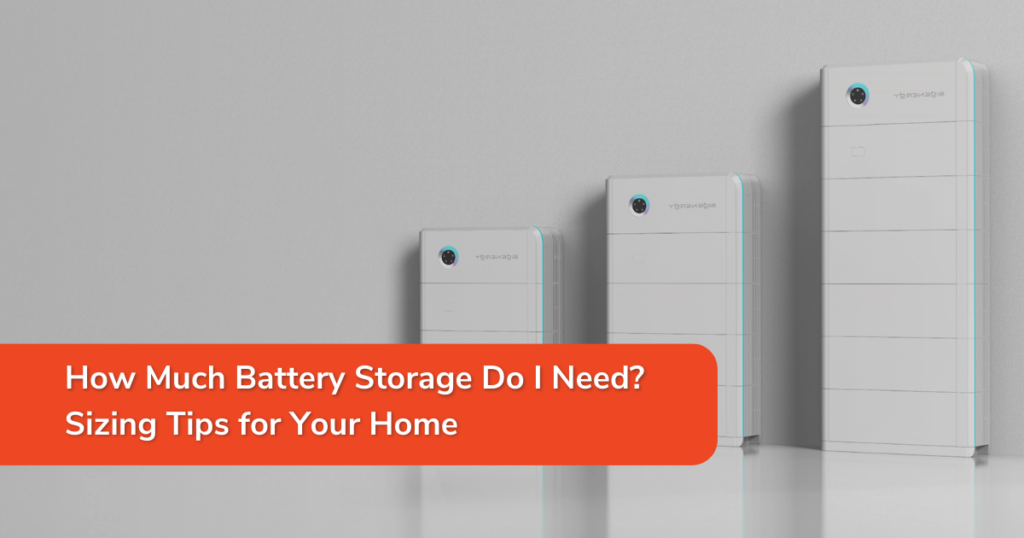
How Much Battery Storage Do I Need? Sizing Tips for Your Home Smart Energy Answers June 3, 2026 As solar adoption continues to rise, more homeowners are considering solar batteries to store their excess energy and gain greater energy independence. But how much battery storage do you actually need? The answer depends on a few key factors, your daily electricity usage, your solar system size, and how you plan to use your stored energy. 1. Understand Your Daily Energy Usage To accurately size your solar battery, start by reviewing your electricity bill and noting both your average daily usage and seasonal variations. The average Australian home uses between 15–25 kWh per day, but this can vary widely based on several factors. Larger families or homes with multiple high-consumption appliances, like electric water heaters, air conditioning, or pool pumps, may use more energy. Additionally, if you work from home or spend more time indoors during the day, your daytime consumption will be higher. Understanding your energy patterns across weekdays, weekends, and seasons is crucial for sizing a battery that truly meets your needs. 2. Consider Your Solar Panel Output If you already have solar panels, take a close look at how much energy your system generates on average each day. This will be key in determining the right battery size. Ideally, your battery should be large enough to store the surplus energy your panels produce after your daytime consumption needs are met. For example, a standard 6.6kW solar system might generate around 25 kWh per day. If your household uses about 10 kWh during daylight hours, that leaves approximately 15 kWh available for storage. Having a battery that can store this excess allows you to use your own solar energy at night, reducing reliance on the grid and maximising your return on investment. Seasonal production and orientation of panels can also impact this figure, so monitoring your solar generation over time helps inform a more precise battery sizing. 3. Think About How You’ll Use the Battery For Night-time Use Only A battery with 10–15 kWh capacity is often enough to power most homes through the evening and early morning. For Backup Power During Outages Consider a larger battery, such as a 13.5 kWh Tesla Powerwall or 24 kWh Sigenergy system, to run essential appliances during blackouts. For Going Off-Grid You’ll need significant battery capacity, often 30–50 kWh or more, especially with limited grid access. For VPP Use If you’re planning to connect your battery to a Virtual Power Plant (VPP) in order to maximise your return on investment (ROI), then it is advisable to consider a larger battery, typically 5–10 kWh extra. 4. Factor in Battery Efficiency and Depth of Discharge (DoD) Most lithium batteries don’t use 100% of their rated capacity. For example, a 10 kWh battery with a 90% DoD will deliver around 9 kWh of usable energy. Always check usable capacity when comparing systems, as this figure determines how much power you’ll actually be able to draw. Also consider the round-trip efficiency, which reflects energy losses during charging and discharging. Most modern batteries offer around 90–95% efficiency. 5. Plan for Future Usage If you’re planning to buy an EV, add new appliances like a pool pump or ducted air conditioning, or expand your household, it’s wise to oversize your battery slightly now to future-proof your investment. Batteries can last 10+ years, so planning ahead ensures you won’t need a costly upgrade later. Final Thoughts There’s no one-size-fits-all solution when it comes to battery storage. The right capacity for your home depends on your goals, usage patterns, and how self-sufficient you want to be. Our experts at Smart Energy Answers can help design a battery solution tailored to your energy needs. As the Federal Battery Rebate has just been announced, this is the perfect time to get a solar battery. Need help sizing your home battery? Contact us today for a free energy consultation and personalised quote.
The Role of Smart Energy Management in Commercial Solar Systems
The Role of Smart Energy Management in Commercial Solar Systems Smart Energy Answers June 3, 2026 As more businesses make the switch to solar power, the focus is shifting from not just generating clean energy, but managing it intelligently. Smart energy management is revolutionising the way commercial solar systems operate, enabling businesses to optimise energy usage, reduce costs, and increase overall efficiency. In this blog post, we explore the role of smart energy management in commercial solar setups and how it can transform your business’s approach to energy. What Is Smart Energy Management? Smart energy management refers to the use of advanced software, sensors, and automation technologies to monitor, control, and optimise energy usage within a facility. When integrated with a commercial solar system, it provides real-time insights into energy production, consumption, and storage, allowing businesses to make data-driven decisions that maximise savings and performance. Key Benefits for Businesses Enhanced Energy Efficiency Smart energy systems monitor energy flows in real time, helping businesses identify inefficiencies, peak usage times, and areas where energy consumption can be reduced. This enables precise control over energy usage, aligning it with solar generation and reducing dependency on grid power. Cost Reduction and Load Shifting By analysing consumption patterns, smart energy systems can schedule high-energy activities during periods of peak solar generation or lower electricity rates. This form of load shifting helps minimise demand charges and lowers overall electricity costs. Improved Battery Storage Utilisation When paired with commercial battery storage, smart energy management optimises when to store and when to discharge energy. It ensures that batteries are used strategically to maximise self-consumption and reduce grid reliance. Systems like the Tesla Powerwall, Sungrow SBR, and SolarEdge Battery integrate seamlessly with smart platforms to deliver optimal results. Predictive Maintenance and Monitoring Smart systems can identify equipment issues before they lead to failures, reducing downtime and maintenance costs. Advanced diagnostics and automated alerts ensure that solar installations perform at peak levels year-round. Support for Sustainability and ESG Goals Tracking and reporting energy metrics in real time helps businesses measure their environmental impact, which is essential for ESG reporting. Smart energy management provides the data needed to show progress toward carbon reduction and renewable energy adoption. Integration with Virtual Power Plants (VPPs) One of the most promising aspects of smart energy management is the ability to participate in Virtual Power Plant (VPP) programs. VPPs aggregate stored energy from multiple businesses and feed it into the grid, creating a decentralised energy network. Smart systems automate participation, allowing businesses to generate additional revenue while supporting grid stability. Choosing the Right System When selecting a smart energy management solution, businesses should consider: Compatibility with existing solar and battery systems Real-time data analytics and remote monitoring Integration with VPPs and energy trading platforms Scalability to match future growth User-friendly interface and automated controls Conclusion Smart energy management is a game-changer for businesses looking to maximise the benefits of commercial solar systems. From improving efficiency and reducing costs to enabling participation in energy markets, these systems empower businesses to take full control of their energy strategy. If you’re ready to upgrade your solar setup with intelligent energy management, Smart Energy Answers is here to guide you through the transition. Contact us today to learn how we can design a smart solar solution tailored to your business goals.
Breaking News: Federal Battery Rebate Just Announced!
Breaking News: Federal Battery Rebate Just Announced! Smart Energy Answers June 3, 2026 The Australian Federal Labor government has just made a groundbreaking announcement that’s set to change the way we think about energy storage. As part of their election strategy, the government unveiled the “Cheaper Home Batteries Program”, a $2.3 billion initiative designed to slash the cost of home battery systems by 30%. This is a game-changer for homeowners and small businesses looking to reduce their energy bills and improve their energy independence. Disclaimer: It’s important to note that this new battery incentive is subject to the Labor Government being re-elected during the Federal Elections this April 2025. What Does the Federal Battery Rebate Mean for You? The Cheaper Home Batteries Program offers a substantial rebate for the installation of Virtual Power Plant (VPP)-ready batteries, which must be installed alongside new or existing solar panels. These batteries, with capacities between 5 kWh and 50 kWh, can dramatically reduce your electricity costs while improving the stability of Australia’s power grid. Starting in July this year, eligible households, small businesses, and community facilities can apply for this rebate, making residential energy storage a reality for many Australians who may have previously been priced out due to high upfront costs. How Does the Rebate Work? Delivered under the Small-scale Renewable Energy Scheme (SRES), this rebate will offer up to $372 per kilowatt-hour of usable capacity, depending on system size. Additionally, the subsidy will work in tandem with state-level programs, meaning you can stack the rebates for even greater savings! For existing solar system owners, this is a huge opportunity to add a battery to your setup and start storing energy more efficiently. How Much Could You Save? On a typical 13.5 kWh battery, you could claim up to $5,000 in rebates, making this an incredibly cost-effective way to install a home battery system. With annual savings of up to $1,680 from a 13.5 kWh battery system, this rebate will make it easier than ever to enjoy the benefits of solar energy storage. For homeowners with solar systems, participating in a Virtual Power Plant (VPP) could further increase your savings by allowing you to sell excess energy back to the grid, providing you with additional income and helping to stabilise the national grid. Why Home Batteries Are the Future? This new program doesn’t just benefit individual households. It’s part of a broader strategy to enhance grid stability, reduce peak electricity demand, and contribute to Australia’s renewable energy goals. Home batteries play a crucial role in storing solar energy, ensuring it’s available for use when you need it most, especially during times of high demand. Smart Energy Answers: Your Partner in Home Battery Solutions At Smart Energy Answers, we offer premium home battery systems from trusted brands like Tesla Powerwall and Sigenergy, designed to maximise your energy savings. Our team is dedicated to helping you navigate government incentives like the “Cheaper Home Batteries Program” and ensuring your home is powered by the latest energy-efficient technologies. Ready to Take Advantage of the Federal Battery Rebate? If you’re interested in reducing your energy costs and benefiting from the “Cheaper Home Batteries Program”, contact Smart Energy Answers today. Our experts will help you design the best energy storage solution to suit your needs and maximise your savings.
SEA Analysis: Amber Acquires Charge HQ to Evolve EV Charging in Australia

SEA Analysis: Amber Acquires Charge HQ to Evolve EV Charging in Australia Smart Energy Answers February 17, 2025 Amber’s Acquisition of Charge HQ: What It Means for EV Charging in Australia Amber’s recent acquisition of Charge HQ marks a significant milestone in the electric vehicle, or EV, charging industry in Australia. This strategic move has the potential to revolutionise the way EV owners manage their charging costs and optimise their use of renewable energy. As a leading provider of smart energy solutions, Smart Energy Answers has conducted an in-depth analysis of this development to provide valuable insights for our readers. Smart Energy Answers has also partnered with Amber Electric, sharing a common mission to help shift Australia to 100% renewable energy. This collaboration aims to empower solar and battery customers to earn greater rewards for their excess solar energy and accelerate their payback period. With fully automated systems, customers can store energy and sell it back to the grid at peak times, generating extra income. The Significance of the Acquisition Amber’s primary objective is to seamlessly integrate Charge HQ’s advanced smart charging technology into its existing energy retail model. By combining Charge HQ’s cloud-based platform with Amber’s real-time wholesale pricing, EV owners will be able to: Optimise their charging schedules based on electricity prices, leading to significant cost savings. Charge their vehicles directly from their rooftop solar or during off-peak hours when renewable energy is more readily available on the grid. Enjoy automated convenience through the set-and-forget functionality, eliminating the need for constant manual intervention. Compatibility and User-Centric Features One of the key strengths of Charge HQ’s platform is its broad compatibility with Open Charge Point Protocol, or OCPP, EV chargers, which are widely used across Australia. This ensures that a large majority of EV owners can benefit from the integrated solution without additional hardware investments. Furthermore, as Amber continues to refine the platform, users can expect: Expanded compatibility with additional EV models. Introduction of new demand-side management features aimed at further increasing cost savings and efficiency. A user-friendly and intuitive interface that simplifies the management of charging needs. In addition to EV charging, Amber offers attractive solutions for solar and battery customers. With Amber, these customers can earn greater rewards for their excess solar energy and turbocharge their payback period through a fully automated system that stores energy and sells it back to the grid during peak price periods. Amber for Batteries Amber’s battery programme accelerates the payback time for battery investments through wholesale rates, smart automation, and enhanced control via the Amber app. This offering caters to various customer segments: New to Solar and Batteries Energy independence with solar and batteries allows customers to reduce or eliminate power bills, earn extra money by generating, storing, and selling their own energy, and rely less on the grid while using clean, renewable energy. Considering Adding a Battery to Existing Solar Adding a battery with Amber to a current solar system can enhance return on investment by accessing feed-in tariffs, or FiTs, that can reach $15/kWh. Customers can store energy for self-use when it is worth more or send it to the grid when a premium can be earned. Already Have Solar and Batteries Amber for Batteries offers a tailored battery plan that gets the battery working smarter for the customer, not the energy retailer. It eliminates falling fixed-rate FiTs, provides access to wholesale rates, and offers more control with no lock-in, manual charge and discharge controls, and the ability to turn battery automation on or off. Amber for EV Charging Amber for EVs is a software-based intelligent EV charging solution that connects to the car remotely, optimising charging to automatically take advantage of the lowest-cost and lowest-emission times. For those with solar, or solar and a battery, Amber is the first energy retailer to deliver the added benefit of charging the car from any excess solar energy the system might be producing without requiring additional hardware. This holistic solution makes the most of the home energy setup. With Amber for EV Charging, customers can: Charge when it is best for both them and the grid, taking advantage of excess renewable energy and getting paid to charge when the grid has too much supply. Unlock free kilometres by using solar energy to power the car instead of selling it for less. Enjoy smart, price-aware EV charging that automatically ensures charging at the lowest-cost and lowest-emission times. Benefit from effortless, set-and-forget functionality with easy access to excess solar charging for EV owners with solar, with no additional hardware needed. Track costs and impacts, allowing them to see and share the EV’s effects on their bottom line and the planet. Complementing Amber’s Existing Services The integration of Charge HQ is set to complement and enhance the functionality of Amber’s existing Amber for EVs platform, rather than replacing it. Charge HQ’s features, such as FiT-aware solar charging and refined demand window management, will likely be incorporated into Amber’s ecosystem, providing users with a more comprehensive and efficient charging solution. For existing Amber customers, this means: No longer needing to manually track wholesale electricity prices or adjust charging schedules. The integrated platform will intelligently optimise charging sessions on their behalf. A simplified user experience that seamlessly combines home energy management with EV charging. The Future Outlook for Smart EV Charging As the adoption of EVs continues to rise in Australia, the demand for smart and efficient charging solutions will only continue to grow. Amber’s acquisition of Charge HQ positions them at the forefront of this rapidly evolving industry, setting a new standard for smart EV charging that aligns financial savings with sustainable energy practices. Amber’s offerings, such as SmartShift and Amber for Batteries, contribute to a more sustainable and cost-effective future for EV owners while helping accelerate the transition to renewable energy. By enabling customers to optimise their energy usage, maximise the value of their solar and battery investments, and charge their EVs with clean, low-cost electricity, Amber is driving the shift towards a
Turn Your Home into a Cash-Generating Powerhouse with Smart Battery Systems
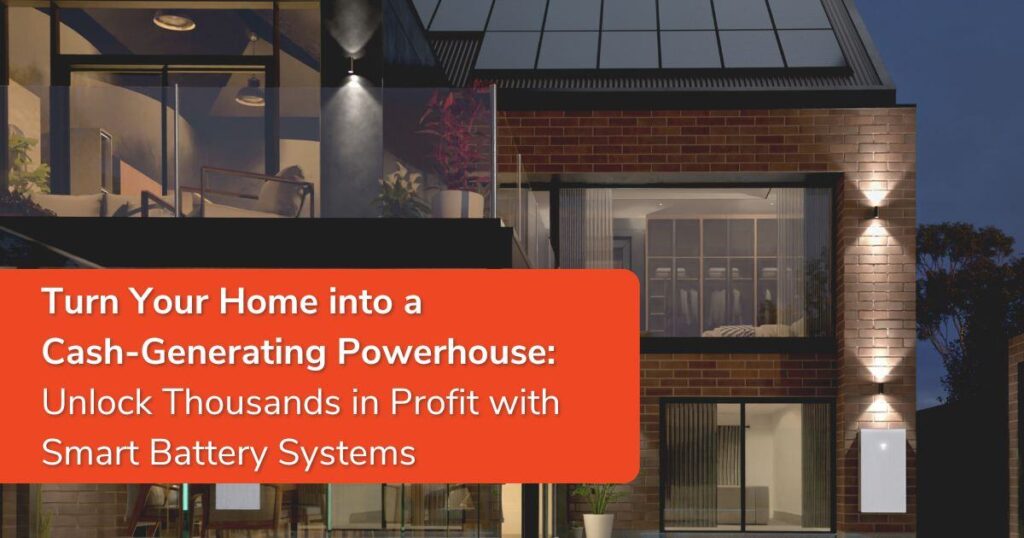
Turn Your Home into a Cash-Generating Powerhouse with Smart Battery Systems Smart Energy Answers September 13, 2024 Your Path to Energy Wealth Starts Here Discover how savvy Aussie homeowners are slashing bills and earning steady income with cutting-edge energy technology. In the sun-drenched landscapes of Australia, a quiet revolution is taking place. Solar power has long been our ally in the fight against rising energy costs, but now battery storage is changing the game entirely. It’s not just about keeping the lights on anymore. It’s about turning your home into a money-making powerhouse. This guide will show you how to join the ranks of forward-thinking Aussies who are not just saving on their electricity bills, but actually profiting from their energy systems. Slash Your Bills and Pad Your Wallet The Current State of Energy in Australia The Australian energy market is ripe for disruption, and homeowners are perfectly positioned to reap the rewards. Electricity prices continue to surge, with some states seeing increases of up to 20% in recent years. The national grid is under increasing strain, creating opportunities for homeowners to step in and provide valuable services. Government initiatives like the NSW Solar Battery Rebates 2024 are making it more affordable than ever to invest in battery technology. By taking control of your energy production and storage, you’re not just insulating yourself from these market forces. You’re positioning yourself to profit from them. Maximise Your Earnings: Smart Home Solutions for the Connected Aussie To truly capitalise on the potential of your battery system, you need to embrace the power of smart home technology. Here’s how a connected approach can boost your bottom line: Smart meters: These little wonders provide real-time data on your energy usage and production. By understanding your patterns, you can make informed decisions about when to use, store, or sell your energy for maximum profit. Energy management systems: Think of these as the brains of your operation. They automatically adjust your energy usage based on factors like time-of-use pricing and weather forecasts, ensuring you’re always getting the best deal. Smart appliances: From washing machines to air conditioners, these devices can be programmed to run when energy is cheapest or when your solar panels are producing excess power, maximising your savings and potential earnings. Financial Freedom Through Energy: Your Path to Independence and Profit Achieving energy independence isn’t just about going off-grid. It’s about having the flexibility to choose how and when you interact with the grid to maximise your financial benefits. Here’s your roadmap to energy autonomy and profitability: Invest in quality solar panels: The foundation of your energy system starts with a robust solar setup. Consider products from reputable manufacturers like Aiko Solar for optimal performance and longevity. Right-size your battery storage: Work with experts to determine the ideal battery capacity for your household’s needs and energy goals. The right size means maximum efficiency and stronger profit potential. Implement energy efficiency measures: Reduce your overall consumption through initiatives like LED lighting and improved insulation. Every kilowatt-hour saved is money in your pocket. Monitor and adjust: Regularly review your energy production and consumption patterns to fine-tune your system for maximum efficiency and profitability. Turn Your Battery Into a Money-Making Machine: The Power of Virtual Power Plants Virtual Power Plants, or VPPs, are revolutionising the way homeowners can benefit financially from their battery systems. By joining a VPP, you’re not just a consumer. You become an active participant in the energy market. Here’s how VPPs can help boost your return: Sell excess energy: When demand is high, sell your stored energy back to the grid at premium prices. It’s like having a mini power station in your home. Participate in demand response: Earn credits or cash by reducing your grid consumption during critical times. You’re getting rewarded for being energy-smart. Contribute to grid stability: By allowing your battery to help balance the grid, you can earn additional incentives from energy providers. It’s a win-win for you and your community. Automatic optimisation: VPP systems continuously analyse market conditions to help ensure you’re getting the best value from your stored energy. Pro tip: Look for VPP programmes that offer transparent pricing and flexible participation options to maximise your earnings potential. Some VPPs even offer guaranteed minimum earnings, providing a steady income stream from your battery investment. Real Numbers, Real Profits: What You Can Actually Earn While earnings can vary based on factors like location, system size, and energy usage patterns, here are some real-world examples of what Australians are achieving with their battery systems: Average annual savings: Many households report saving $800 to $1,500 per year on their electricity bills after installing a solar and battery system, depending on the battery size and VPP partner. VPP earnings: Participants in VPP programmes have reported additional earnings of $100 to $300 per year, with some high-performing systems earning up to $2,000 annually depending on spike events. Feed-in tariffs: While rates vary by state and provider, selling excess energy back to the grid can earn anywhere from 5c to 15c per kilowatt-hour. Long-term ROI: With proper maintenance, a well-designed solar and battery system can pay for itself in five to seven years, after which the savings continue to build. Last April 2024, it was reported that 2,900 NSW smart homeowners collectively made $525,424 in a single day while making their homes more efficient and sustainable, with some earning almost $1,000 each, just like Matt. Smart Energy Answers: Your Partner in Profitable Power At Smart Energy Answers, we’re committed to helping you maximise the financial benefits of your energy system. Our team of experts can: Design a customised solar and battery system tailored to your home and financial goals. Navigate the complexities of rebates and incentives, including the NSW Solar Battery Rebate 2024 and STCs. Integrate your system with smart home technologies for optimal performance and profitability. Connect you with reputable VPP programmes to maximise your earning potential. Provide ongoing support and optimisation to ensure your system continues to perform at its
8 Key Benefits of Using a Virtual Power Plant with Your Home Battery Storage
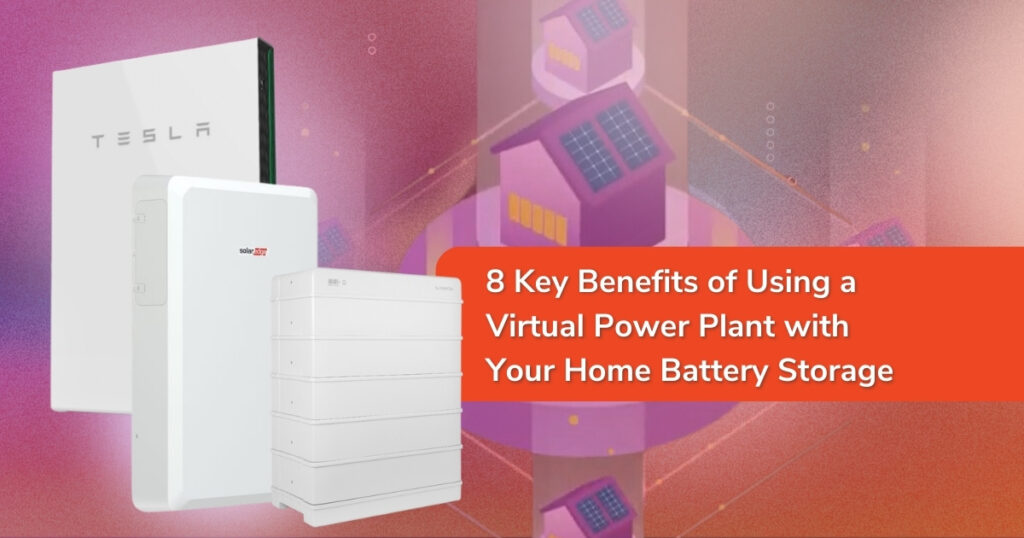
8 Key Benefits of Using a Virtual Power Plant with Your Home Battery Storage Smart Energy Answers June 7, 2024 As a homeowner, you are constantly looking for ways to reduce costs and improve efficiency in your household. With electricity prices expected to rise significantly year on year, now is the perfect time to consider integrating your home with a battery storage system and a Virtual Power Plant, or VPP. Transforming your house with a smart home upgrade using solar panels, home battery storage, and a VPP can be a game-changer. It can help you save money while speeding up the payback period of your system. A smart home upgrade also provides numerous other benefits. Here are eight key advantages of using a VPP with your home battery storage. 1. Earn Money From Your Electricity Retailer One of the most attractive benefits of using a VPP is the potential to earn money. By joining a VPP, your home battery storage system can contribute excess energy to the grid during peak demand periods. Electricity retailers pay for this energy, providing you with a new revenue stream. Essentially, you become a small-scale energy provider, selling surplus electricity from your solar panels and battery back to the grid. Reducing or even eliminating electricity bills is one thing, but is it possible to earn credits from your retailer and cash those credits out? Welcome to the next level of smart energy management. Take Matt’s experience as an example. He earned nearly $1,000 in a single day with Amber Electric’s VPP. Similarly, at Smart Energy Answers, our 99 kW system at our headquarters ensures that we no longer receive electricity bills. Instead, we receive cheques. 2. Reduce Your Electricity Bills With a VPP, your home battery storage system can optimise the way you use your energy. You can significantly reduce your electricity bills by strategically managing when you draw electricity from the grid and when you use stored energy. During times of peak electricity prices, the VPP can draw energy from your home battery rather than the grid, reducing the amount of expensive electricity you purchase. Electricity prices often vary throughout the day, with higher rates during peak demand periods. A VPP can shift your energy consumption to times when electricity prices are lower. For example, it can charge your battery during off-peak hours when electricity is cheaper and use this stored energy during peak hours, effectively lowering your overall energy costs. By leveraging these programmes, a VPP ensures you make the most of your stored energy and minimise your dependence on expensive grid electricity. Over time, these savings can add up to a substantial amount. Example Energy Usage Scenario Scenario Energy Source Battery Action Morning – Low Demand Solar + Grid Charge battery Noon – Mid Demand Solar Charge battery from solar and export excess energy Night – High Demand Grid + Battery Use battery 3. Increased Energy Independence A VPP reduces your reliance on the traditional power grid. By integrating your home battery storage system with a VPP, you can generate, store, and manage your own energy, making you less dependent on external electricity providers. This increased energy independence is especially beneficial during power outages or grid instability. It helps ensure your home remains powered even when the grid goes down. It also means you are less affected by fluctuations in energy prices. 4. Environmental Benefits Participating in a VPP contributes to a greener environment. By storing excess energy generated from renewable sources, such as solar panels, and feeding it back into the grid, you help reduce reliance on fossil fuels. VPPs effectively integrate renewable energy into the grid. This not only decreases your carbon footprint but also supports the transition to a more sustainable energy system. 5. Enhanced Grid Stability VPPs aggregate power from many home battery storage systems to provide a reliable source of energy to the grid. This helps stabilise the grid, especially during periods of high demand or unexpected power plant outages. By participating in a VPP, you play your role in enhancing overall grid stability and reliability. A notable example of this occurred in early May. According to the Australian Energy Market Operator, or AEMO, several major generation units in New South Wales went offline while transmission line maintenance was underway, leading to high demand for energy. During this critical period, VPPs played an important role in stabilising the grid. By drawing power from the distributed network of home battery storage systems, VPPs were able to supply much-needed electricity and reduce the impact of a power shortage. In fact, around 2,900 VPP participants in New South Wales collectively earned a staggering $525,424 in a single day because of their solar exports through their VPP. This win-win situation showcases the advantages of integrating home battery storage systems with VPPs. Homeowners earned income, enhanced their individual energy independence, and supported overall grid stability. 6. Access to Real-Time Energy Data Many VPP platforms provide homeowners with access to real-time data about their energy usage and production. This information can help you make informed decisions about your energy consumption, identify opportunities for further savings, and gain a better understanding of your household’s energy needs. This real-time data can also offer better bill transparency, allowing you to track and understand your energy billing charges more accurately. Additionally, it can support preventive maintenance by continuously monitoring system performance and identifying potential issues. This helps ensure your energy system operates efficiently and reliably. 7. Optimised Battery Usage A VPP can optimise the usage of your home battery storage system. Advanced AI-driven algorithms manage the charging and discharging of your battery to maximise efficiency and lifespan. This means you get the most out of your battery storage investment. The VPP helps ensure your battery performs at an optimal level for a longer period. 8. Support for Renewable Energy Integration The integration of your home battery storage system with a VPP supports the broader adoption of renewable energy sources. VPPs help manage the intermittent nature of
Amber Electric’s SmartShift Easily Turns Stored Battery Energy into Cash
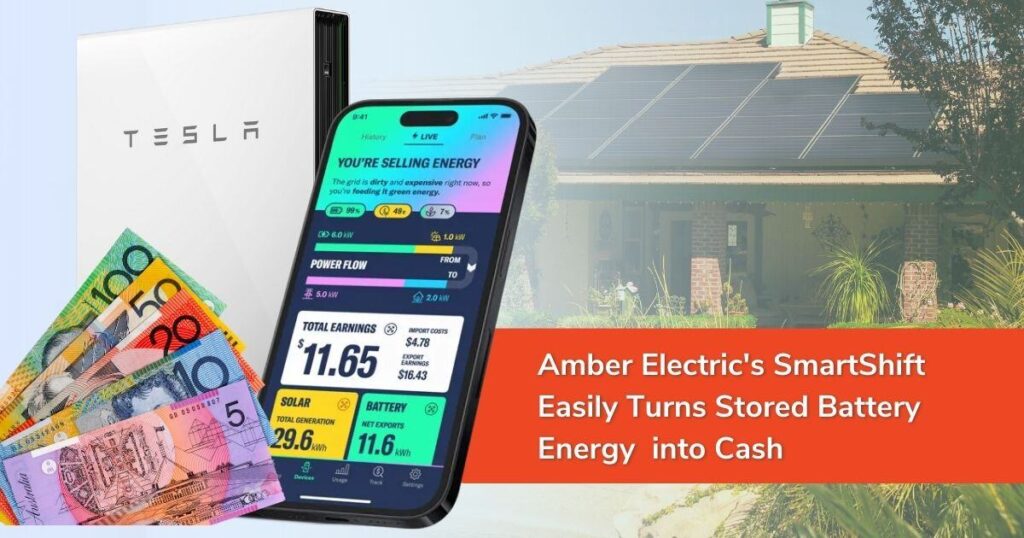
Amber Electric’s SmartShift Easily Turns Stored Battery Energy into Cash Smart Energy Answers May 30, 2024 Recently, electricity prices in New South Wales spiked dramatically, creating a unique earning opportunity for savvy solar and battery owners who chose Amber as their electricity retailer. Amber Electric’s SmartShift programme allows these customers to take advantage of market surges through wholesale feed-in tariff, or FiT, prices. This can turn smart home energy solutions into money-making systems. In a remarkable display of smart energy management, 2,900 Amber SmartShift customers in New South Wales collectively earned a staggering $525,424 in a single day. On this day, many participants reported earnings of more than $1,000. Let’s explore how this works and how you can maximise your earnings. Electricity Market Spikes In early May, the electricity market in New South Wales experienced an unprecedented price spike. Several major power generation units went offline, and scheduled maintenance on transmission lines further strained the system. As a result, wholesale electricity prices soared. According to SolarQuotes, during peak times on 8 May, prices hit $5.06 per kilowatt-hour, or kWh. The Australian Energy Market Operator, or AEMO, had to step in, capping prices at $600 per MWh to stabilise the market. What Is SmartShift? SmartShift is a Virtual Power Plant, or VPP, programme by Amber Electric that leverages real-time electricity pricing to benefit customers with a solar and battery solution. This type of setup is also known as a smart home upgrade. SmartShift automatically allows you to sell stored energy from your battery back to the grid at a premium. This can result in substantial earnings, especially during price spikes like the one recently seen in New South Wales. One of Our Customers Earned Nearly $1,000 in a Single Day Customers have shared success stories of significant earnings, with many making over $1,000 in just one day. Across 2,900 Amber SmartShift customers in New South Wales, they collectively earned $525,424 within a 24-hour period. Many Smart Energy Answers customers using SmartShift also benefited from this opportunity. This includes Matt, who exported 66 kWh on that day and earned $868 in one day from his smart home upgrade. With the uptake of EVs and the continued electrification of our busy modern lives, price spikes like the one experienced on 8 May may become more common. However, customers participating in Amber Electric’s SmartShift programme can significantly offset the impact of monthly energy expenses. With SmartShift, you can accumulate substantial credits that offset or even cover your entire monthly energy bill. SmartShift not only accelerates the payback period of your investment in a smart home upgrade, but also opens the door to potential profits. SmartShift can turn your energy system into a real-time, cash-generating asset. How to Maximise Earnings With SmartShift To fully benefit from SmartShift, it is essential that your premises undergo a smart home upgrade and that your solar panel system is paired with a high-quality smart battery. By generating power from the sun, solar panels reduce your reliance on the grid. A battery system allows you to store this clean solar energy for your own use or sell that stored energy during peak price periods. This smart home upgrade transforms your home into a mini power station, giving you greater energy independence and profit potential. Know and Monitor Your Energy Usage Understanding when and how you use electricity is crucial. Shifting your energy usage so it aligns with low-price periods or high solar generation can help you save money and maximise your profits. You can gain additional benefits by automating home appliances to run during off-peak hours or by using power-hungry appliances when your solar panels are generating the most energy from the sun. Utilise the SmartShift App Effectively The SmartShift app is your gateway to maximising earnings. It provides real-time data and price signals, helping you make informed decisions. By regularly monitoring the app, you can adjust your settings and stay proactive. The app’s features allow you to optimise your stored energy and decide when to sell it back to the grid. Respond to Price Signals Pay close attention to price signals from the app. When prices are high, it is the perfect time to discharge your battery and sell your energy back to the grid. During low-price periods, you can charge your battery from the grid if needed. By strategically responding to these signals, you can significantly reduce your energy charges and boost your earnings. Engage in Active Participation To learn the VPP game faster, stay informed about market trends and developments. Joining VPP forums and groups with other SmartShift participants can help you learn from shared experiences and strategies. Like anything in life, learning from others can provide valuable insights that help refine your energy-earning strategy and maximise your profits. Conclusion A smart home upgrade combined with Amber Electric’s SmartShift offers an exciting opportunity to turn your solar and battery system into a profit-generating asset through a Virtual Power Plant, or VPP. To maximise SmartShift benefits, active participants monitor their energy usage and respond to price signals, creating more opportunities to increase their earnings. Interested in boosting your solar and battery payback? Learn more about Amber SmartShift and Virtual Power Plants, or speak with our energy solutions consultant today.
Tesla Powerwall 2 Price Drops Again: Time to Add Home Batteries
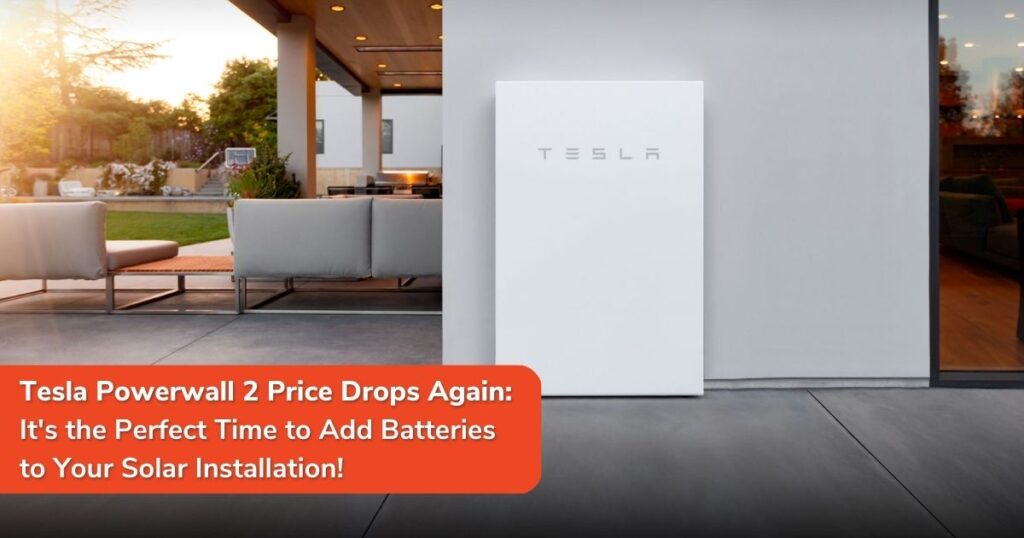
Tesla Powerwall 2 Price Drops Again: Time to Add Home Batteries Smart Energy Answers April 18, 2023 Tesla Powerwall 2 Price Drops Again: Upgrade Your Solar Installation with Battery Storage Now Are you considering adding batteries to your solar installation? Or maybe you are thinking about getting a new solar installation with batteries? We have some fantastic news for you. Tesla has announced another price reduction for the Powerwall 2. As a Tesla Premium Installer in 2023, Smart Energy Answers is here to share all the details with you. Tesla has reduced the price of the Powerwall 2 by a significant $1,699, effective from 12 April. This comes on top of the earlier price drop in February, which means the Powerwall 2 has now dropped in price by a total of $3,330 this year alone. This presents an incredible opportunity for battery buyers in the market right now. This opportunity becomes even more attractive when combined with our Amber Battery Program offer. The Amber Battery Program is an AI-driven energy trading system that allows customers to earn from their battery by using the extra stored energy in their Tesla Powerwall 2. It can sell stored energy when electricity prices are high and buy energy when prices are low. This means you do not have to worry about a thing; you can simply sit back and watch the credits roll in. As an example, one of our members, Adam, was able to generate $700 in credits within 2 months of installing his Tesla Powerwall and joining Amber’s battery programme. This is especially important as electricity prices across Australia are set to increase by up to 22% from 1 July, as permitted by the Australian Energy Regulator. By installing your battery now and joining the Amber Battery Program, you can help protect yourself as much as possible from future uncertainty in the energy market. For both small and large households, as well as small and medium-sized enterprises, the Tesla Powerwall 2 is a robust battery solution. If your business operates until 8 pm or late into the night, the Powerwall 2 can help offset electricity demand charges and save you even more on your energy bills. It is a smart investment that not only helps you save money but also contributes to a more sustainable future. As a Tesla Premium Installer for the past 3 years, Smart Energy Answers has been a trusted partner in delivering leading Tesla installations in the market. We have a proven track record of delivering high-quality solar installations with batteries, and our team of experts is ready to help you make the most of this incredible offer. Do not miss out on the opportunity to add batteries to your solar installation or get a new solar installation with batteries at a discounted price. Contact us today to learn more and take advantage of this amazing deal. Conclusion With the recent price drops of the Tesla Powerwall 2, combined with our Amber Battery Program, now is an incredible time to invest in a solar installation with batteries. You can enjoy savings on your energy bills, protect yourself from rising electricity prices, and contribute to a greener future. Do not wait until electricity prices go up on 1 July. Secure the best investment for your home or business now with Smart Energy Answers, a trusted Tesla Premium Installer. Contact us today to claim your quote and your $3,330 in savings.
Scaled-Back Plans to Charge Solar Households for Exporting Energy
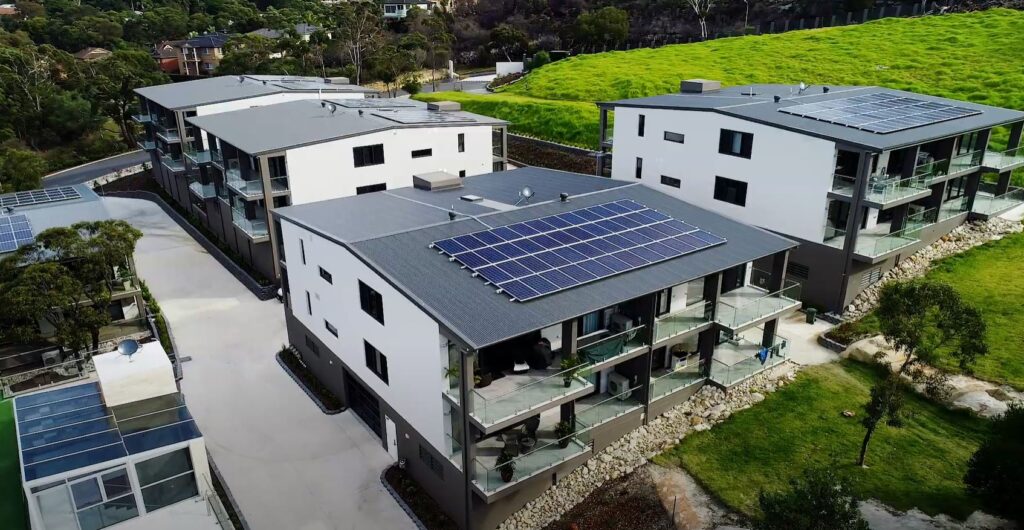
Scaled-Back Plans to Charge Solar Households for Exporting Energy Smart Energy Answers June 4, 2026 Securing Solar Futures: Revised Approach to Charging Solar Households for Energy Export Controversial plans by the Australian Energy Market Commission, or AEMC, to charge households using rooftop solar panel systems for exporting energy back into the power grid have been scaled back in order to protect the investments of current and future solar system owners. Plans to reduce the impact of the proposed reforms on solar users came in an announcement from the commission in August. The AEMC’s initial plans were outlined in a draft declaration back in March, with the goal of determining how to integrate more small-scale solar and other new energy technologies, such as batteries, into the electricity grid. In the draft declaration, AEMC Chief Executive Ben Barr claimed, “We can decarbonise the electricity sector faster and cheaper if we connect more small solar customers and make it worthwhile for them to install batteries. But to do that we need to make some changes to the power system.” The draft determination addressed the issue of traffic jams on the network, when energy was being exported back onto the grid during busy times. It included a package of reforms designed to change distribution networks’ existing incentives to help households send power back into the grid. This would allow networks to offer two-way pricing, rewarding solar households for sending power back to the grid when it was needed and charging for sending power back when the system was too busy. Solar Reforms Finalised In a statement released in August, the AEMC released the finalised details of the reforms. According to the statement, “the reforms will put tough new obligations on power network companies to make their networks smarter.” “They will now be accountable for getting their businesses solar- and battery-friendly so everyone benefits. A key part of the changes is removing the companies’ ability to put blanket bans on customers sending solar energy back to the grid.” The reform package means that power networks can offer solar households a range of options, including a free basic service, in order to encourage users to limit solar waste and save money while benefiting the grid. AEMC Chair Anna Collyer claimed, “These new measures to drive smart solar are fundamental to enabling a modern electricity grid that delivers out to 2030 and beyond.” “They represent a profound change to the way poles and wires businesses must think about how they manage their network and turn the current one-way street delivering power to people’s homes into a two-way superhighway where energy flows in both directions.” “Power network companies will need to deliver services to support solar, and they’ll be judged on their performance on how much solar exports they allow into the grid.” The reforms acknowledge the fact that Australia has the fastest uptake rate of household solar power systems in the world. They also address concerns from users requesting more certainty on what the changes will mean for current and future solar investments. “We’ve listened to the feedback we have received and have tightened protections for consumers to increase certainty,” said AEMC Chief Executive Benn Barr. “This means networks will have to offer a free basic service alongside any paid solar export plans, so people won’t have to pay if they don’t want to.” Solar Batteries Are Becoming the New Normal While the AEMC scaling back the severity of the reforms protects the interests of current solar users, the fact remains that the Australian renewable energy sector has progressed in leaps and bounds in recent years. While simple, small-scale solar panel systems were sufficient for the needs of many households through the early years of Australia’s solar power revolution, it’s clear that going forward, fully integrated solar power systems equipped with batteries will be a much more profitable option. Any residential or commercial users considering installing a solar system should do their research and consider having a battery installed at the same time. This can help pay off the investment as quickly as possible and maximise profits. Virtual Power Plants Are the Future Virtual power plants function as a collective of separate solar batteries that are networked together in a sophisticated system. This allows them to function individually while also working together to store energy and efficiently trade or sell it to the grid. A virtual power plant, or VPP, is software that connects a collection of batteries localised in a community and allows them to function as a local virtual power plant. Individual solar households can band together to pool their power generation and storage capacities. This can benefit each other and reduce reliance on purchasing expensive traditionally generated power from the grid. The Smart Community Program VPP Smart Energy Answers has launched The Smart Community Program, a virtual power plant designed to help empower solar households. The programme turns individual systems into potent energy generators, reducing household costs while adding extra credit to users’ power bills. During times of high power demand, the energy provider can access the excess storage capacity of the individual batteries within the VPP and feed the power back into the network. Moving to virtual power plants allows individual households and their communities to benefit by cutting costs, utilising locally sourced power, avoiding power outages altogether, and enjoying high feed-in tariffs of up to 45c. Interested in joining the Smart Community Program or want more information? Call us on 1300 948 619.