Discover the latest advancements in Internet of Things, or IoT, technology and how they are revolutionising smart metering in Australia.
The Internet of Things, or IoT, has brought about significant advancements in the field of smart metering systems.
IoT technology enables the seamless integration of various devices, sensors, and networks, allowing for efficient monitoring and management of energy consumption.
By connecting smart meters to the internet, utility providers and consumers can access real-time data on energy usage, enabling them to make informed decisions and optimise energy consumption.
This guide aims to explore the various IoT applications in the realm of smart metering and shed light on their potential benefits.
It will delve into the role of IoT in enabling real-time monitoring, proactive maintenance, and demand response programs.
By providing an overview of IoT-enabled interfaces and interoperability between different devices and platforms, this guide aims to showcase the vast potential of IoT technology in revolutionising the field of smart metering.
Smart metering systems play a crucial role in tracking energy consumption. These systems utilise advanced technologies to measure and record energy usage at regular intervals.
By collecting accurate and real-time data, smart meters enable utility providers and consumers to gain insights into their energy consumption patterns.
This information can then be used to identify areas of improvement and implement energy-saving measures.
Integrating IoT sensors, devices, and networks into smart metering infrastructure is of utmost importance.
These IoT components enable seamless communication and data exchange between smart meters and other devices, creating a connected ecosystem.
By integrating IoT technology, smart metering systems can achieve greater accuracy, efficiency, and reliability in monitoring and managing energy consumption.
Real-time monitoring is vital for proactive energy management and optimisation.
With IoT-enabled smart metering systems, utility providers and consumers can access real-time data on energy consumption.
This allows for immediate identification of abnormal energy usage patterns or potential issues, enabling proactive measures to be taken.
Real-time monitoring also empowers consumers to make informed decisions regarding their energy usage, leading to optimised energy consumption and cost savings.
One of the key benefits of IoT-enabled smart metering systems is the ability to monitor energy usage and performance from anywhere.
Through connected interfaces and mobile applications, utility providers and consumers can access real-time data on energy consumption, even when they are not physically present at the premises.
This remote monitoring capability provides convenience, flexibility, and greater control over energy management.
Proactive maintenance plays a crucial role in ensuring the reliability and longevity of smart metering systems.
By leveraging IoT technology, smart meters can be continuously monitored for performance and potential issues.
This allows for timely maintenance and repairs, reducing the risk of system failures and ensuring uninterrupted energy monitoring.
Proactive maintenance also contributes to the overall reliability and efficiency of smart metering infrastructure.
IoT-enabled smart meters enable the implementation of demand response programs, which are crucial for balancing energy supply and demand.
By integrating IoT technology, utility providers can communicate with smart meters to manage and control energy consumption during peak demand periods.
This helps to alleviate strain on the electrical grid and prevent blackouts.
Demand response programs also empower consumers to actively participate in energy conservation efforts.
IoT-enabled interfaces provide customers with access to detailed energy usage information.
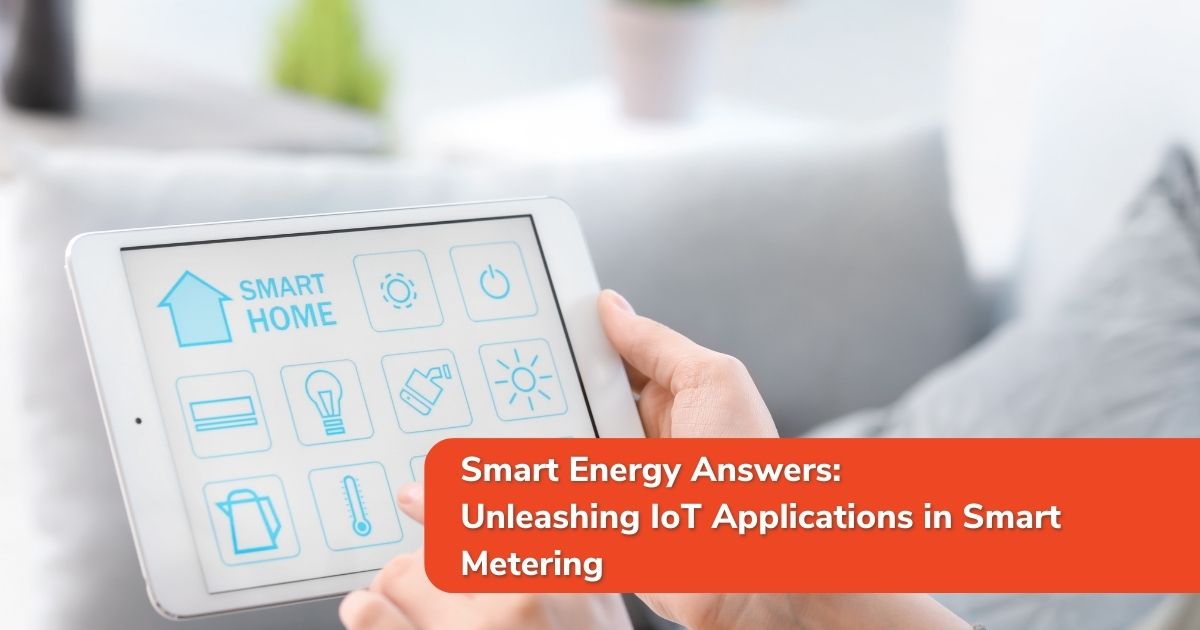
Through user-friendly interfaces and mobile applications, consumers can view real-time data on their energy consumption, allowing for better understanding and control of their energy usage.
This transparency promotes energy conservation and empowers consumers to make informed decisions regarding their energy consumption habits.
Ensuring interoperability between different IoT devices, protocols, and platforms is crucial for seamless integration in smart metering systems.
By standardising communication protocols and promoting compatibility between devices and platforms, the full potential of IoT technology in the field of smart metering can be realised.
This calls for collaboration and cooperation among stakeholders to establish common standards and ensure interoperability.
IoT technology is transforming smart metering by making energy monitoring more connected, accurate, and actionable.
With real-time insights, remote access, proactive maintenance, demand response capabilities, and seamless integration between devices, smart metering systems can help utilities and consumers manage energy more efficiently.
As Australia continues to modernise its energy infrastructure, IoT-enabled smart metering will play an important role in creating a more reliable, transparent, and sustainable energy future.