
Sigenergy vs Alpha ESS: The Best Solar Battery Choice for Aussie Homes in 2025
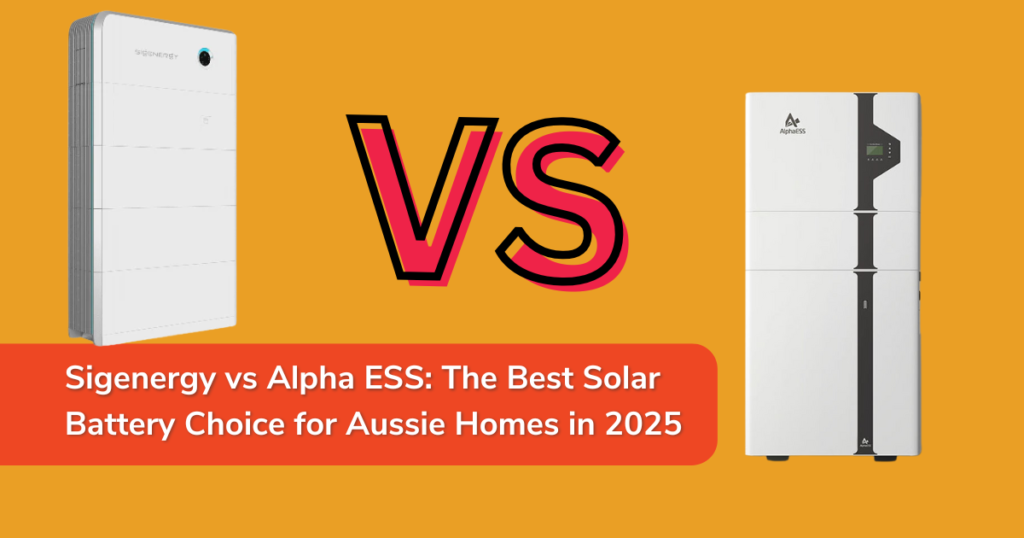
Sigenergy vs Alpha ESS: The Best Solar Battery Choice for Aussie Homes in 2025 Smart Energy Answers June 3, 2026 With electricity prices rising and energy independence becoming a top priority, more Australian homeowners and businesses are turning to solar batteries. Whether you’re trying to reduce your reliance on the grid, protect your home during blackouts, or simply get the most out of your solar system, choosing the right battery is crucial. Among the many options available today, two standout choices are the Sigenergy battery and the Alpha ESS battery. In this guide, we’ll dive deep into both to help you decide which one might be the best solar battery in Australia for your home or commercial property. Sigenergy Battery: A Premium but Affordable Smart Storage Solution Sigenergy is quickly emerging as a leader in Australia’s solar battery market, known for its cutting-edge technology and intelligent, all-in-one modular design. Its sleek tower structure combines a battery, hybrid inverter, EV charger, backup module, and advanced energy management, making it a true 5-in-1 energy storage solution. Key Features of Sigenergy All-in-One Modular System: Combines major energy components in one neat unit, reducing installation complexity and maximising space efficiency. Expandable Capacity: Start at 5kWh and scale up to 48kWh, ideal for growing households and commercial properties. AI-Driven Management: The Sigenergy app offers advanced monitoring and optimisation tools, using real-time data and predictive AI to reduce energy bills. Superior Efficiency: With over 97% round-trip efficiency, Sigenergy ensures you get the most out of every kilowatt-hour stored. Unrivalled Safety: Features built-in temperature sensors, AI-driven thermal regulation, aerogel insulation, and even an internal fire extinguisher, making it one of the safest solar batteries on the market. Thanks to its intelligent features, modular scalability, and market-leading safety, Sigenergy is now considered one of the best solar batteries in Australia, particularly for tech-savvy users and EV owners looking for a next-gen home energy solution. Alpha ESS Battery: Proven, Reliable & Budget-Friendly Alpha ESS has become a well-known name in Australia’s energy storage landscape, offering reliable, cost-effective battery systems for homes and small businesses. With storage capacities ranging from 5kWh to 30kWh+, Alpha ESS provides flexibility at a competitive price point. Key Features of Alpha ESS Flexible Compatibility: Works with a wide range of solar panel systems and hybrid inverters. Affordable Entry Point: Alpha ESS battery prices are generally lower than premium brands, making them a strong option for budget-conscious buyers. NSW Battery Rebate Eligible: Residents can access the solar battery rebate NSW, bringing down upfront costs significantly. Solid Warranty: 10-year warranty on most models provides peace of mind. Things to Consider Customer Support: Some users have reported difficulties with warranty claims and delayed responses from customer service. Basic Safety Design: While Alpha ESS uses Lithium Iron Phosphate (LFP) chemistry and meets standard safety regulations, it lacks some of the advanced safety technologies offered by newer premium systems like Sigenergy. App Experience: Monitoring features are available, but the interface and insights may not be as intuitive or robust as newer competitors. Alpha ESS is a practical option for those prioritising affordability and basic reliability. However, for homeowners seeking smart technology, enhanced safety, or long-term flexibility, it may be worth investing in a more advanced solution like Sigenergy. Sigenergy vs Alpha ESS: At a Glance Feature Sigenergy Alpha ESS Capacity Range 5kWh – 48kWh modular tower 5kWh – 30kWh+ modular wall unit Design Sleek, all-in-one stackable system Standard modular cabinet design Backup Capability Yes, instant switch during outage Yes, depending on model Efficiency 97%+ Around 90–95% Smart App & AI Yes Varies by model Warranty 10 years 10 years Pricing Mid-range / affordable Mid-range / affordable Rebate Eligibility Federal + NSW Rebates Federal + NSW Rebates Safety Advanced safety with internal fire extinguisher, 7 sensors, AI thermal control, and aerogel insulation Standard safety with stable LFP chemistry and UL9540A compliance Market Share & Popularity As of March 2025, Sigenergy has emerged as the leading battery manufacturer in Australia, capturing a 17.4% market share based on kilowatt-hours (kWh) blended capacity. This positions Sigenergy ahead of competitors like Sungrow at 17.1% and Alpha ESS at 15.2%. Alpha ESS, while slightly trailing in recent monthly data, has a strong track record in the Australian energy storage market. In 2022, Alpha ESS held a commanding 23% market share, ranking No. 1 in Australia’s energy storage installations. Which Is the Better Choice for You? Go with Sigenergy if: You’re looking for a future-ready system with premium features like EV integration, modular expansion, and smart AI optimisation. You want top-tier safety with advanced fire protection and real-time thermal monitoring. You prefer a sleek, all-in-one design that supports both on-grid and off-grid functionality. Choose Alpha ESS if: You’re on a tighter budget and need a reliable battery for basic energy storage needs. You’re eligible for the NSW Battery Rebate and want a system that helps lower upfront costs. You don’t need advanced features like AI-driven monitoring, EV charging, or scalable capacity. While Alpha ESS offers dependable performance at a more accessible price point, Sigenergy stands out as the smarter long-term investment, especially for homeowners seeking safety, advanced control, and future-ready flexibility. If you’re planning to grow your energy needs or integrate with an EV, Sigenergy delivers unmatched value among the best solar batteries in Australia. Federal and NSW Rebates: Lower the Cost of the Best Solar Batteries in Australia Both Sigenergy and Alpha ESS are eligible under the Federal Battery Rebate Australia, also known as The Cheaper Home Batteries Program, with homeowners and businesses able to claim up to $17,500 depending on the battery size and configuration. In New South Wales, additional incentives through the solar battery rebate NSW can reduce costs even further, making this a prime time to invest in clean, reliable energy storage. Final Thoughts Whether you prioritise smart features and sleek design or affordability and reliability, both Sigenergy and Alpha ESS offer compelling options among the best solar batteries in Australia. Your choice depends on your energy goals, budget, and whether you
Solar Batteries vs. Generators: What’s Better for Backup Power?
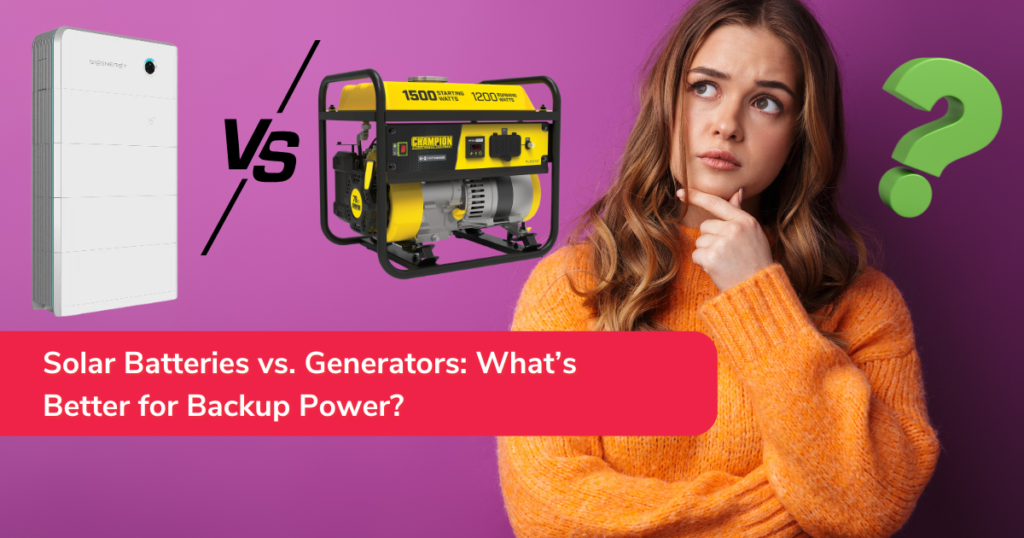
Solar Batteries vs. Generators: What’s Better for Backup Power? Smart Energy Answers June 3, 2026 As climate change accelerates and grid instability becomes more common, Australian homeowners are thinking seriously about energy resilience. Having a reliable backup power source is no longer a luxury, it’s a necessity. When the grid goes down, the two most popular options are solar batteries and generators. But which is better for your home: the clean, quiet technology of a solar battery, or the tried-and-tested generator? This blog will help you understand the differences between the two, comparing reliability, cost, efficiency, and environmental impact, so you can make a smart decision that suits your lifestyle and future energy needs. How They Work Solar batteries, like the Tesla Powerwall 3 or Sigenergy battery, store excess energy generated by your solar panels. During the day, your panels collect solar energy, and the battery stores the unused portion. When there’s an outage or at night, your home draws from this stored energy automatically and seamlessly. Generators, in contrast, use fuel, usually petrol, diesel, or gas, to power your home during an outage. They don’t require solar panels and are often standalone systems. Some advanced models can start automatically during a blackout, but many still require manual activation, less convenient if you’re not home when the power fails. Reliability and Performance When it comes to reliability, solar batteries offer instant backup power with virtually no interruption. Once installed, a battery like the Tesla Powerwall 3 Australia can detect an outage and begin powering your essential circuits in under a second. And because there’s no need to refuel or turn anything on, you’re always covered, day or night. Generators are effective, especially in prolonged outages, but have drawbacks. Many models require a manual start, and even automatic ones can take several seconds to activate. More importantly, they rely entirely on your ability to store and access fuel, which may not always be feasible or safe, especially during extreme weather events. Environmental Impact One of the biggest benefits of solar batteries is that they’re emission-free. The best solar batteries in Australia, such as Sigenergy or Tesla, are completely silent and non-polluting, making them ideal for urban households or environmentally conscious families. When paired with rooftop solar, they contribute to a cleaner grid and lower carbon footprint. In contrast, generators are noisy, smelly, and emit harmful greenhouse gases. They’re not only disruptive to your home environment but also contribute to air pollution. If sustainability is a factor in your energy decisions, solar batteries are the clear winner. Cost and Government Incentives While solar batteries have a higher upfront cost, typically ranging from $8,000 to $15,000, Australian homeowners can offset this with generous government incentives. The Federal Battery Rebate Australia, along with state-based programs like the solar battery rebate in NSW, significantly reduce installation costs. These rebates make long-term ownership far more affordable and help you recoup your investment faster through energy savings. On the other hand, generators are less expensive to purchase initially, often costing under $2,000. However, they incur ongoing fuel and maintenance costs, which can quickly add up. In the long term, the cost of running a generator, especially during frequent outages, can exceed that of a battery system. Maintenance and Convenience One of the most attractive aspects of solar batteries is their low maintenance. Modern systems like the Sigenergy battery or Tesla Powerwall 3 are designed for long-term, worry-free operation. There are no moving parts, no fuel to refill, and no regular servicing required. Generators, however, demand more upkeep. From changing oil and checking fuel lines to ensuring the generator is stored and operated safely, maintenance can be time-consuming. And if you forget to refuel or the fuel goes stale, your generator may fail right when you need it most. Which Option is Right for You? If you already have a solar system or are planning to install one, adding a battery makes perfect sense, especially with rebates like the solar battery rebate NSW or the Federal Battery Rebate Australia. You’ll enjoy clean, automatic backup power, lower energy bills, and a reduced carbon footprint. You’re also investing in energy independence and shielding yourself from rising electricity prices. If your needs are temporary, or you live in a rural area where solar access or battery installation isn’t practical, a generator may serve as a short-term backup solution. Just be prepared for the fuel, noise, and maintenance that come with it. Final Thoughts Between the two, solar batteries clearly offer the smarter, cleaner, and more future-proof solution. With options like the Tesla Powerwall 3 Australia, Sigenergy, and other top-performing brands, Australians have access to some of the best solar batteries in Australia. And thanks to state and federal solar battery rebates, these systems are now more accessible than ever before. If you’re ready to explore your backup power options, talk to the experts at Smart Energy Answers. We’ll guide you through available rebates, battery selection, and installation, helping you find the right system for your needs.
How Much Battery Storage Do I Need? Sizing Tips for Your Home
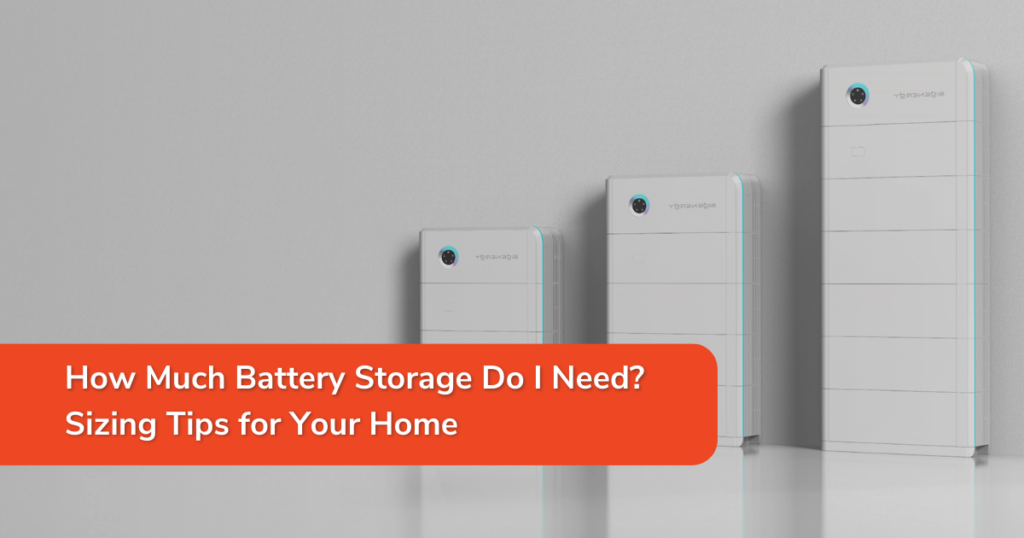
How Much Battery Storage Do I Need? Sizing Tips for Your Home Smart Energy Answers June 3, 2026 As solar adoption continues to rise, more homeowners are considering solar batteries to store their excess energy and gain greater energy independence. But how much battery storage do you actually need? The answer depends on a few key factors, your daily electricity usage, your solar system size, and how you plan to use your stored energy. 1. Understand Your Daily Energy Usage To accurately size your solar battery, start by reviewing your electricity bill and noting both your average daily usage and seasonal variations. The average Australian home uses between 15–25 kWh per day, but this can vary widely based on several factors. Larger families or homes with multiple high-consumption appliances, like electric water heaters, air conditioning, or pool pumps, may use more energy. Additionally, if you work from home or spend more time indoors during the day, your daytime consumption will be higher. Understanding your energy patterns across weekdays, weekends, and seasons is crucial for sizing a battery that truly meets your needs. 2. Consider Your Solar Panel Output If you already have solar panels, take a close look at how much energy your system generates on average each day. This will be key in determining the right battery size. Ideally, your battery should be large enough to store the surplus energy your panels produce after your daytime consumption needs are met. For example, a standard 6.6kW solar system might generate around 25 kWh per day. If your household uses about 10 kWh during daylight hours, that leaves approximately 15 kWh available for storage. Having a battery that can store this excess allows you to use your own solar energy at night, reducing reliance on the grid and maximising your return on investment. Seasonal production and orientation of panels can also impact this figure, so monitoring your solar generation over time helps inform a more precise battery sizing. 3. Think About How You’ll Use the Battery For Night-time Use Only A battery with 10–15 kWh capacity is often enough to power most homes through the evening and early morning. For Backup Power During Outages Consider a larger battery, such as a 13.5 kWh Tesla Powerwall or 24 kWh Sigenergy system, to run essential appliances during blackouts. For Going Off-Grid You’ll need significant battery capacity, often 30–50 kWh or more, especially with limited grid access. For VPP Use If you’re planning to connect your battery to a Virtual Power Plant (VPP) in order to maximise your return on investment (ROI), then it is advisable to consider a larger battery, typically 5–10 kWh extra. 4. Factor in Battery Efficiency and Depth of Discharge (DoD) Most lithium batteries don’t use 100% of their rated capacity. For example, a 10 kWh battery with a 90% DoD will deliver around 9 kWh of usable energy. Always check usable capacity when comparing systems, as this figure determines how much power you’ll actually be able to draw. Also consider the round-trip efficiency, which reflects energy losses during charging and discharging. Most modern batteries offer around 90–95% efficiency. 5. Plan for Future Usage If you’re planning to buy an EV, add new appliances like a pool pump or ducted air conditioning, or expand your household, it’s wise to oversize your battery slightly now to future-proof your investment. Batteries can last 10+ years, so planning ahead ensures you won’t need a costly upgrade later. Final Thoughts There’s no one-size-fits-all solution when it comes to battery storage. The right capacity for your home depends on your goals, usage patterns, and how self-sufficient you want to be. Our experts at Smart Energy Answers can help design a battery solution tailored to your energy needs. As the Federal Battery Rebate has just been announced, this is the perfect time to get a solar battery. Need help sizing your home battery? Contact us today for a free energy consultation and personalised quote.
The Role of Smart Energy Management in Commercial Solar Systems
The Role of Smart Energy Management in Commercial Solar Systems Smart Energy Answers June 3, 2026 As more businesses make the switch to solar power, the focus is shifting from not just generating clean energy, but managing it intelligently. Smart energy management is revolutionising the way commercial solar systems operate, enabling businesses to optimise energy usage, reduce costs, and increase overall efficiency. In this blog post, we explore the role of smart energy management in commercial solar setups and how it can transform your business’s approach to energy. What Is Smart Energy Management? Smart energy management refers to the use of advanced software, sensors, and automation technologies to monitor, control, and optimise energy usage within a facility. When integrated with a commercial solar system, it provides real-time insights into energy production, consumption, and storage, allowing businesses to make data-driven decisions that maximise savings and performance. Key Benefits for Businesses Enhanced Energy Efficiency Smart energy systems monitor energy flows in real time, helping businesses identify inefficiencies, peak usage times, and areas where energy consumption can be reduced. This enables precise control over energy usage, aligning it with solar generation and reducing dependency on grid power. Cost Reduction and Load Shifting By analysing consumption patterns, smart energy systems can schedule high-energy activities during periods of peak solar generation or lower electricity rates. This form of load shifting helps minimise demand charges and lowers overall electricity costs. Improved Battery Storage Utilisation When paired with commercial battery storage, smart energy management optimises when to store and when to discharge energy. It ensures that batteries are used strategically to maximise self-consumption and reduce grid reliance. Systems like the Tesla Powerwall, Sungrow SBR, and SolarEdge Battery integrate seamlessly with smart platforms to deliver optimal results. Predictive Maintenance and Monitoring Smart systems can identify equipment issues before they lead to failures, reducing downtime and maintenance costs. Advanced diagnostics and automated alerts ensure that solar installations perform at peak levels year-round. Support for Sustainability and ESG Goals Tracking and reporting energy metrics in real time helps businesses measure their environmental impact, which is essential for ESG reporting. Smart energy management provides the data needed to show progress toward carbon reduction and renewable energy adoption. Integration with Virtual Power Plants (VPPs) One of the most promising aspects of smart energy management is the ability to participate in Virtual Power Plant (VPP) programs. VPPs aggregate stored energy from multiple businesses and feed it into the grid, creating a decentralised energy network. Smart systems automate participation, allowing businesses to generate additional revenue while supporting grid stability. Choosing the Right System When selecting a smart energy management solution, businesses should consider: Compatibility with existing solar and battery systems Real-time data analytics and remote monitoring Integration with VPPs and energy trading platforms Scalability to match future growth User-friendly interface and automated controls Conclusion Smart energy management is a game-changer for businesses looking to maximise the benefits of commercial solar systems. From improving efficiency and reducing costs to enabling participation in energy markets, these systems empower businesses to take full control of their energy strategy. If you’re ready to upgrade your solar setup with intelligent energy management, Smart Energy Answers is here to guide you through the transition. Contact us today to learn how we can design a smart solar solution tailored to your business goals.
Breaking News: Federal Battery Rebate Just Announced!
Breaking News: Federal Battery Rebate Just Announced! Smart Energy Answers June 3, 2026 The Australian Federal Labor government has just made a groundbreaking announcement that’s set to change the way we think about energy storage. As part of their election strategy, the government unveiled the “Cheaper Home Batteries Program”, a $2.3 billion initiative designed to slash the cost of home battery systems by 30%. This is a game-changer for homeowners and small businesses looking to reduce their energy bills and improve their energy independence. Disclaimer: It’s important to note that this new battery incentive is subject to the Labor Government being re-elected during the Federal Elections this April 2025. What Does the Federal Battery Rebate Mean for You? The Cheaper Home Batteries Program offers a substantial rebate for the installation of Virtual Power Plant (VPP)-ready batteries, which must be installed alongside new or existing solar panels. These batteries, with capacities between 5 kWh and 50 kWh, can dramatically reduce your electricity costs while improving the stability of Australia’s power grid. Starting in July this year, eligible households, small businesses, and community facilities can apply for this rebate, making residential energy storage a reality for many Australians who may have previously been priced out due to high upfront costs. How Does the Rebate Work? Delivered under the Small-scale Renewable Energy Scheme (SRES), this rebate will offer up to $372 per kilowatt-hour of usable capacity, depending on system size. Additionally, the subsidy will work in tandem with state-level programs, meaning you can stack the rebates for even greater savings! For existing solar system owners, this is a huge opportunity to add a battery to your setup and start storing energy more efficiently. How Much Could You Save? On a typical 13.5 kWh battery, you could claim up to $5,000 in rebates, making this an incredibly cost-effective way to install a home battery system. With annual savings of up to $1,680 from a 13.5 kWh battery system, this rebate will make it easier than ever to enjoy the benefits of solar energy storage. For homeowners with solar systems, participating in a Virtual Power Plant (VPP) could further increase your savings by allowing you to sell excess energy back to the grid, providing you with additional income and helping to stabilise the national grid. Why Home Batteries Are the Future? This new program doesn’t just benefit individual households. It’s part of a broader strategy to enhance grid stability, reduce peak electricity demand, and contribute to Australia’s renewable energy goals. Home batteries play a crucial role in storing solar energy, ensuring it’s available for use when you need it most, especially during times of high demand. Smart Energy Answers: Your Partner in Home Battery Solutions At Smart Energy Answers, we offer premium home battery systems from trusted brands like Tesla Powerwall and Sigenergy, designed to maximise your energy savings. Our team is dedicated to helping you navigate government incentives like the “Cheaper Home Batteries Program” and ensuring your home is powered by the latest energy-efficient technologies. Ready to Take Advantage of the Federal Battery Rebate? If you’re interested in reducing your energy costs and benefiting from the “Cheaper Home Batteries Program”, contact Smart Energy Answers today. Our experts will help you design the best energy storage solution to suit your needs and maximise your savings.
The Benefits of Solar Power for Reducing Your Electricity Bill
The Benefits of Solar Power for Reducing Your Electricity Bill Smart Energy Answers June 3, 2026 Discover How Solar Power Can Help You Save Money on Your Electricity Bill and Reduce Your Carbon Footprint Introduction: The Rising Costs of Electricity Electricity costs have been steadily increasing over the years, putting a strain on household budgets. As the demand for electricity continues to rise, so does its price. This upward trend in electricity costs has led many homeowners to explore alternative energy sources that can help reduce their dependence on the grid and save money in the long run. One such alternative is solar power. Solar energy is a renewable and abundant source of power that harnesses the sun’s rays to generate electricity. By installing solar panels on your roof, you can generate your own clean and sustainable energy, reducing your reliance on traditional fossil fuel-based power. In this blog post, we will explore the benefits of solar power and how it can help you lower your electricity bill while also contributing to a greener and more sustainable future. Understanding Solar Power Basics Before we delve into the benefits of solar power, it’s important to understand the basics of how solar energy works. Solar panels are made up of photovoltaic cells that convert sunlight into electricity through the photovoltaic effect. When sunlight hits these cells, it excites the electrons, creating an electric current that can be used to power your home. Solar power systems also include inverters, which convert the direct current (DC) generated by the solar panels into alternating current (AC) that can be used to power your appliances and electronics. Excess electricity generated by your solar panels can be stored in batteries or fed back into the grid through a process called net metering. Lowering Energy Costs with Solar Power One of the biggest advantages of solar power is its ability to lower your energy costs. By generating your own electricity, you can significantly reduce or even eliminate your monthly electricity bill. The amount of money you can save depends on several factors, including the size of your solar system, your energy consumption, and the amount of sunlight your location receives. In addition to saving money on your electricity bill, solar power can also protect you from future electricity price hikes. As electricity costs continue to rise, your solar power system will continue to produce free energy from the sun, shielding you from the impact of increasing rates. Furthermore, some states and territories offer feed-in tariffs, which allow you to earn credits for the excess electricity you feed back into the grid. These credits can further offset your electricity costs, making solar power an even more financially attractive option. Exploring Net Metering and Energy Credits Net metering is a billing arrangement that allows homeowners with solar power systems to receive credits for the excess electricity they generate and feed back into the grid. This means that when your solar panels produce more electricity than your home consumes, the excess energy is sent back to the grid, and you receive credits for it. These credits can then be used to offset the electricity you consume from the grid when your solar panels are not generating enough power, such as during nighttime or cloudy days. Net metering effectively allows you to use the grid as a virtual battery, storing the excess energy you generate during the day for use when you need it. In addition to net metering, some states and territories also offer feed-in tariffs, where you can earn a fixed amount for every kilowatt-hour of excess electricity you feed back into the grid. This can provide an additional financial incentive for installing solar panels and further reduce your electricity costs. Long-Term Savings: Solar as an Investment Investing in solar power is not only a smart financial decision but also a long-term investment. While the upfront cost of installing a solar power system may seem high, the savings you can achieve over its lifetime can far outweigh the initial investment. Solar panels have an average lifespan of 25 to 30 years, during which they can generate a significant amount of electricity. By taking advantage of the sun’s free energy, you can reduce your reliance on the grid and protect yourself from future electricity price hikes. Moreover, installing solar panels can increase the value of your home. Studies have shown that homes with solar power systems tend to sell faster and at higher prices compared to homes without solar. This means that not only can you enjoy the benefits of solar power while you live in your home, but you can also potentially recoup your investment when you decide to sell. Environmental Benefits of Solar Energy In addition to the financial advantages, solar power also offers significant environmental benefits. Traditional electricity generation relies heavily on fossil fuels such as coal, oil, and natural gas, which release harmful greenhouse gases into the atmosphere when burned. Solar energy, on the other hand, is clean and renewable. By harnessing the power of the sun, we can reduce our dependence on fossil fuels and mitigate the negative impacts of climate change. Switching to solar power can help reduce carbon emissions, air pollution, and water usage associated with traditional electricity generation. By going solar, you can make a positive impact on the environment and contribute to a more sustainable future for generations to come. Financial Incentives for Solar Installation To encourage the adoption of solar power, various financial incentives are available to homeowners. These incentives can help offset the upfront cost of installing a solar power system and make it more affordable for households. One of the most common financial incentives is the solar rebate or incentive provided by the government. These rebates can significantly reduce the cost of purchasing and installing solar panels. Additionally, some states and territories offer low-interest loans or grants for solar installations. It’s important to research and understand the financial incentives available in your area to maximise the benefits of
Uninterrupted Power: Solar Energy Storage Solutions
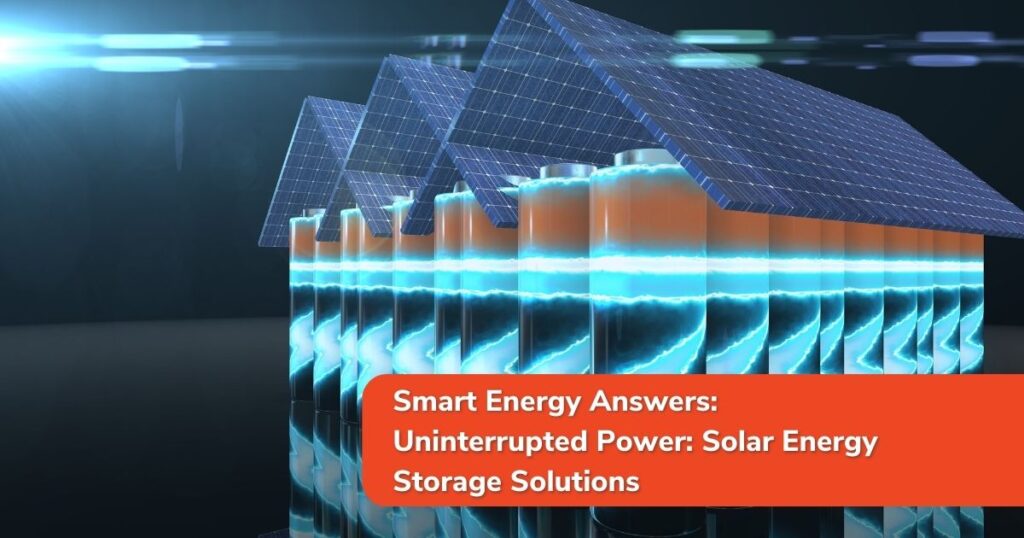
Uninterrupted Power: Solar Energy Storage Solutions Smart Energy Answers June 3, 2026 Discover How Solar Energy Storage Solutions Can Provide Uninterrupted Power for Your Home or Business The Need for Reliable Energy Storage Reliable energy storage is crucial for ensuring uninterrupted power supply. As the demand for electricity continues to rise, it is essential to have a reliable backup system in place to prevent power outages. Solar energy storage solutions play a vital role in meeting this need, as they allow for the capture and storage of excess solar energy generated during the day for use during times of high demand or when sunlight is not available. By storing energy from renewable sources like solar power, we can reduce our reliance on traditional energy sources and promote a more sustainable and resilient energy system. Furthermore, reliable energy storage is particularly important in areas prone to natural disasters or grid failures. In these situations, having a backup power supply can be a lifeline for homes, businesses, and critical infrastructure. Solar energy storage solutions provide a reliable and independent source of power that can keep the lights on and essential services running even during challenging times. In summary, the need for reliable energy storage is evident in our increasingly energy-dependent world. Solar energy storage solutions offer a sustainable and resilient solution to meet this need, providing uninterrupted power supply and ensuring the lights stay on when we need them the most. Understanding the Importance of Solar Energy Storage Solar energy storage is a critical component of a sustainable energy system. While solar panels can generate electricity during the day, the energy produced is not always consumed immediately. Without an energy storage system, this excess energy goes to waste. Solar energy storage solutions allow us to capture and store the surplus energy for later use, maximising the utilisation of solar power and reducing reliance on the grid. One of the key advantages of solar energy storage is its ability to provide power during periods of low or no sunlight. By storing excess energy generated during the day, solar storage systems can ensure a continuous power supply even when the sun is not shining. This is especially beneficial for off-grid locations or areas with unreliable grid connectivity, as it provides a reliable and independent source of electricity. Moreover, solar energy storage contributes to the stability and resilience of the overall energy grid. By storing energy locally, we can reduce the strain on the grid during peak demand periods and mitigate the risk of blackouts or brownouts. This decentralised energy storage system enhances the reliability and efficiency of the entire energy network. In conclusion, understanding the importance of solar energy storage is crucial for transitioning to a sustainable and resilient energy future. By harnessing the power of the sun and storing excess energy, we can ensure uninterrupted power supply, maximise solar energy utilisation, and contribute to a more stable and reliable energy grid. Exploring Battery Storage Technologies Battery storage technologies play a key role in solar energy storage solutions. These technologies enable the efficient and effective storage of excess energy generated by solar panels for later use. There are several types of battery storage technologies commonly used in solar energy systems, including lithium-ion batteries, lead-acid batteries, and flow batteries. Lithium-ion batteries are the most widely used battery technology for solar energy storage. They offer high energy density, longer lifespan, and faster charging capabilities compared to other battery types. These batteries are commonly used in residential and commercial solar storage systems due to their compact size and reliability. Lead-acid batteries are another type of battery technology used in solar energy storage. They are known for their low cost and long lifespan. However, lead-acid batteries have lower energy density and slower charging capabilities compared to lithium-ion batteries. They are commonly used in off-grid solar systems or for backup power. Flow batteries are a newer type of battery technology that shows promise for large-scale solar energy storage. They use liquid electrolytes stored in external tanks, allowing for flexible scalability and longer lifespan. Flow batteries are particularly suitable for grid-scale applications where high energy capacity is required. Overall, exploring battery storage technologies is essential for designing efficient and reliable solar energy storage systems. By selecting the appropriate battery technology based on factors such as energy capacity, lifespan, and cost, we can maximise the effectiveness of solar energy storage solutions and ensure uninterrupted power supply. Maximising Solar Energy Utilisation with Storage Systems Solar energy storage systems play a crucial role in maximising the utilisation of solar power. While solar panels generate electricity during the day, the energy produced is not always consumed immediately. Without an efficient storage system, this excess energy goes to waste. Solar energy storage solutions allow us to capture and store the surplus energy for later use, ensuring that no solar energy is wasted. By maximising solar energy utilisation, we can reduce our dependence on the grid and promote a more sustainable energy system. Solar storage systems enable us to use solar power during peak demand periods or when sunlight is not available, ensuring a continuous power supply. This reduces the need to draw electricity from the grid, which is often generated from non-renewable sources. Moreover, solar energy storage systems can help optimise energy consumption patterns. By storing excess energy generated during the day, we can use it during periods of high electricity demand, such as evenings or cloudy days. This reduces the strain on the grid and helps balance the overall energy supply and demand. In summary, maximising solar energy utilisation with storage systems is key to harnessing the full potential of solar power. By capturing and storing excess energy, we can ensure a continuous power supply, reduce reliance on the grid, and promote a more sustainable and efficient energy system. Off-Grid Living: Solar Storage for Independence Solar storage solutions offer a reliable and independent source of power for off-grid living. In remote areas or locations with unreliable grid connectivity, accessing electricity can be a
Real-Time Energy Monitoring: The Future of Solar
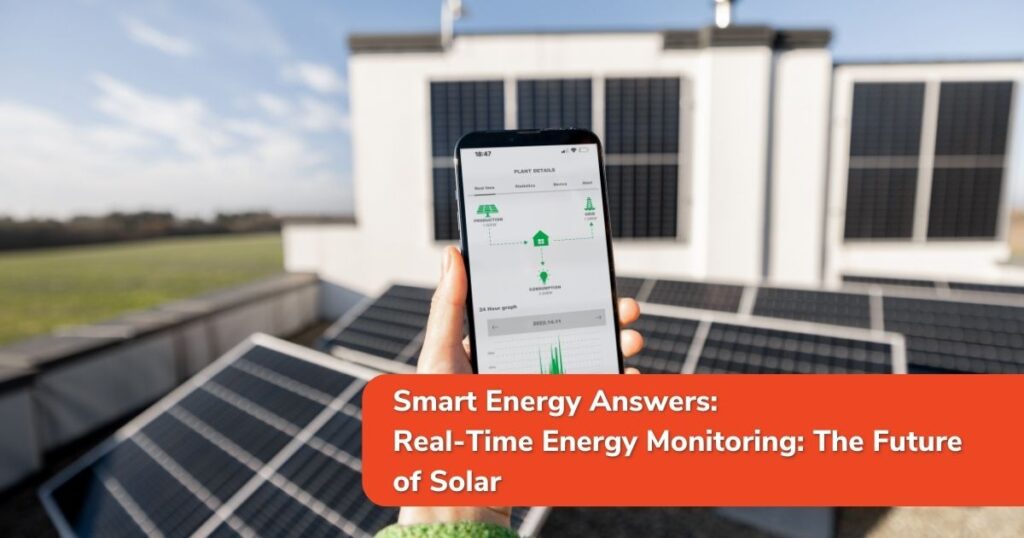
Real-Time Energy Monitoring: The Future of Solar Smart Energy Answers June 3, 2026 Discover How Real-Time Energy Monitoring Systems Are Revolutionising the Solar Industry and Shaping the Future of Renewable Energy Significance of Real-Time Energy Monitoring in Optimising Solar Energy Usage Real-time energy monitoring plays a crucial role in optimising solar energy usage. By continuously monitoring the energy production and consumption in real time, solar system owners can identify areas of inefficiency and make necessary adjustments to maximise energy generation and utilisation. This ensures that the solar panels are operating at their full potential, allowing for the most efficient use of solar energy. Moreover, real-time energy monitoring provides valuable insights into the performance of the solar system, allowing users to track the effectiveness of their energy-saving measures and make informed decisions to optimise energy consumption. With real-time data, solar system owners can identify patterns and trends in energy usage, enabling them to implement strategies to reduce energy waste and increase overall efficiency. Overall, real-time energy monitoring is essential for ensuring the optimal use of solar energy, reducing reliance on traditional power sources, and maximising the benefits of solar technology. Data-Driven Insights for Maximising Solar Efficiency and Performance Real-time energy monitoring systems provide data-driven insights that are instrumental in maximising solar efficiency and performance. By analysing real-time data on energy production and consumption, solar system owners can gain a deep understanding of how their system is performing and identify opportunities for improvement. These insights allow users to identify the most productive times for energy generation and consumption, enabling them to adjust their energy usage habits accordingly. By aligning energy usage with peak production periods, solar system owners can optimise their energy consumption and minimise reliance on the grid. Furthermore, data-driven insights enable users to identify potential issues or inefficiencies in their solar system. By monitoring key performance indicators, such as energy generation efficiency and system uptime, solar system owners can proactively address any issues and ensure that their system is operating at its highest capacity. In summary, data-driven insights provided by real-time energy monitoring systems empower solar system owners to make informed decisions, optimise energy usage, and maximise the efficiency and performance of their solar systems. Overview of Monitoring Devices, Sensors, and Technologies Used in Real-Time Energy Monitoring Real-time energy monitoring relies on a range of monitoring devices, sensors, and technologies to accurately measure and track energy production and consumption. These devices and sensors are designed to provide precise and reliable data for effective monitoring and control of solar energy systems. One commonly used device in real-time energy monitoring is the smart meter. Smart meters are advanced energy meters that record energy consumption data at regular intervals and transmit it to the energy provider in real time. They provide accurate and up-to-date information on energy usage, allowing users to monitor and manage their energy consumption effectively. In addition to smart meters, real-time energy monitoring systems often incorporate sensors that measure solar irradiance, ambient temperature, and other environmental factors that can affect energy generation. These sensors provide valuable data for assessing the performance of solar panels and optimising energy production. Furthermore, real-time energy monitoring systems rely on connectivity technologies, such as Internet of Things, or IoT, devices and wireless communication protocols, to transmit data between the monitoring devices and the central monitoring system. This ensures that the data is accessible in real time and facilitates remote monitoring and control of solar energy systems. Overall, real-time energy monitoring systems leverage a combination of monitoring devices, sensors, and technologies to provide accurate and timely data for effective monitoring and control of solar energy systems. Immediate Visibility into Solar Energy Production and Usage Patterns One of the key advantages of real-time energy monitoring systems is the immediate visibility they provide into solar energy production and usage patterns. By monitoring energy production in real time, solar system owners can quickly identify any issues or deviations from expected performance. For example, if the energy production suddenly drops, it could indicate a malfunctioning solar panel or a problem with the system. With real-time visibility, users can promptly address the issue and prevent any further loss of energy generation. Similarly, real-time energy monitoring systems provide immediate visibility into energy usage patterns. Users can track their energy consumption in real time and identify areas of high usage or wastage. This allows for timely adjustments to energy usage habits and the implementation of energy-saving measures. Immediate visibility into solar energy production and usage patterns enables solar system owners to take proactive measures to optimise energy generation and consumption, ensuring the most efficient use of solar energy. Compatibility with Smart Home Automation Systems for Seamless Integration Real-time energy monitoring systems are designed to be compatible with smart home automation systems, enabling seamless integration and enhanced control over energy usage. By integrating real-time energy monitoring with smart home automation systems, users can automate energy-saving measures and optimise energy consumption based on real-time data. For example, the system can automatically adjust the temperature settings of the HVAC system based on energy production and usage patterns, ensuring optimal comfort while minimising energy waste. Furthermore, the integration of real-time energy monitoring with smart home automation systems allows for remote monitoring and control of energy usage. Users can access real-time energy data and control energy-consuming devices from their smartphones or other connected devices, providing convenience and flexibility in managing energy consumption. The compatibility of real-time energy monitoring systems with smart home automation systems offers users greater control and flexibility in optimising energy usage, leading to increased energy efficiency and cost savings. Leveraging IoT Devices and Connectivity for Real-Time Monitoring and Control Real-time energy monitoring systems leverage Internet of Things, or IoT, devices and connectivity to enable real-time monitoring and control of solar energy systems. IoT devices, such as smart meters and sensors, are interconnected through wireless communication protocols, allowing for seamless data transmission between the devices and the central monitoring system. This enables real-time monitoring of energy production, consumption, and other key performance indicators. The connectivity
Unleashing IoT Applications in Smart Metering
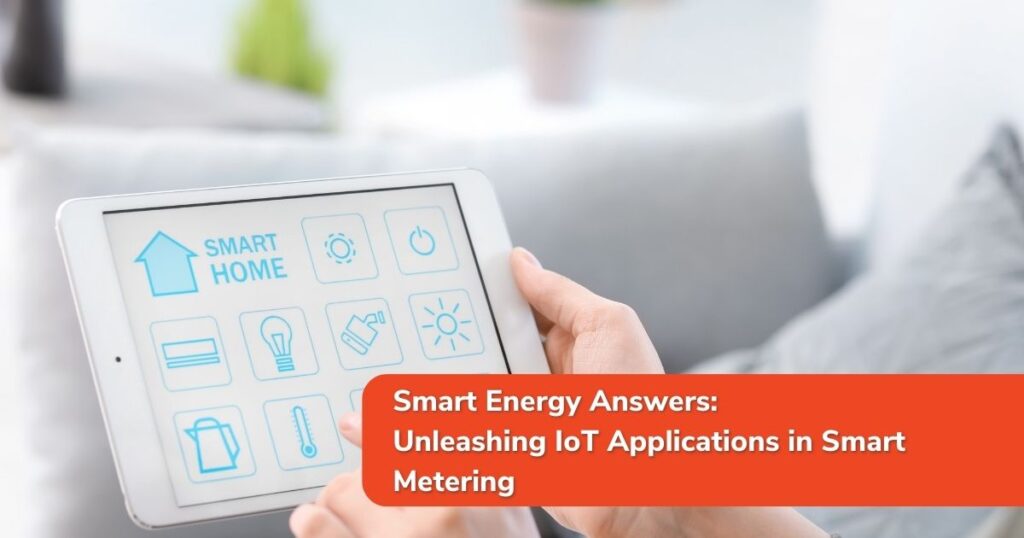
Unleashing IoT Applications in Smart Metering Smart Energy Answers June 3, 2026 Discover the latest advancements in Internet of Things, or IoT, technology and how they are revolutionising smart metering in Australia. Significance of Internet of Things, IoT, in Revolutionising Smart Metering Systems The Internet of Things, or IoT, has brought about significant advancements in the field of smart metering systems. IoT technology enables the seamless integration of various devices, sensors, and networks, allowing for efficient monitoring and management of energy consumption. By connecting smart meters to the internet, utility providers and consumers can access real-time data on energy usage, enabling them to make informed decisions and optimise energy consumption. Overview of the Guide’s Focus on Unleashing IoT Applications in the Realm of Smart Metering This guide aims to explore the various IoT applications in the realm of smart metering and shed light on their potential benefits. It will delve into the role of IoT in enabling real-time monitoring, proactive maintenance, and demand response programs. By providing an overview of IoT-enabled interfaces and interoperability between different devices and platforms, this guide aims to showcase the vast potential of IoT technology in revolutionising the field of smart metering. Explanation of Smart Metering Systems and Their Role in Tracking Energy Consumption Smart metering systems play a crucial role in tracking energy consumption. These systems utilise advanced technologies to measure and record energy usage at regular intervals. By collecting accurate and real-time data, smart meters enable utility providers and consumers to gain insights into their energy consumption patterns. This information can then be used to identify areas of improvement and implement energy-saving measures. Importance of Integrating IoT Sensors, Devices, and Networks into Smart Metering Infrastructure Integrating IoT sensors, devices, and networks into smart metering infrastructure is of utmost importance. These IoT components enable seamless communication and data exchange between smart meters and other devices, creating a connected ecosystem. By integrating IoT technology, smart metering systems can achieve greater accuracy, efficiency, and reliability in monitoring and managing energy consumption. Importance of Real-Time Monitoring for Proactive Energy Management and Optimisation Real-time monitoring is vital for proactive energy management and optimisation. With IoT-enabled smart metering systems, utility providers and consumers can access real-time data on energy consumption. This allows for immediate identification of abnormal energy usage patterns or potential issues, enabling proactive measures to be taken. Real-time monitoring also empowers consumers to make informed decisions regarding their energy usage, leading to optimised energy consumption and cost savings. Allowing Utility Providers and Consumers to Monitor Energy Usage and Performance from Anywhere One of the key benefits of IoT-enabled smart metering systems is the ability to monitor energy usage and performance from anywhere. Through connected interfaces and mobile applications, utility providers and consumers can access real-time data on energy consumption, even when they are not physically present at the premises. This remote monitoring capability provides convenience, flexibility, and greater control over energy management. Importance of Proactive Maintenance in Ensuring the Reliability and Longevity of Smart Metering Systems Proactive maintenance plays a crucial role in ensuring the reliability and longevity of smart metering systems. By leveraging IoT technology, smart meters can be continuously monitored for performance and potential issues. This allows for timely maintenance and repairs, reducing the risk of system failures and ensuring uninterrupted energy monitoring. Proactive maintenance also contributes to the overall reliability and efficiency of smart metering infrastructure. Implementing Demand Response Programs Facilitated by IoT-Enabled Smart Meters IoT-enabled smart meters enable the implementation of demand response programs, which are crucial for balancing energy supply and demand. By integrating IoT technology, utility providers can communicate with smart meters to manage and control energy consumption during peak demand periods. This helps to alleviate strain on the electrical grid and prevent blackouts. Demand response programs also empower consumers to actively participate in energy conservation efforts. Providing Customers with Access to Detailed Energy Usage Information Through IoT-Enabled Interfaces IoT-enabled interfaces provide customers with access to detailed energy usage information. Through user-friendly interfaces and mobile applications, consumers can view real-time data on their energy consumption, allowing for better understanding and control of their energy usage. This transparency promotes energy conservation and empowers consumers to make informed decisions regarding their energy consumption habits. Ensuring Interoperability Between Different IoT Devices, Protocols, and Platforms for Seamless Integration Ensuring interoperability between different IoT devices, protocols, and platforms is crucial for seamless integration in smart metering systems. By standardising communication protocols and promoting compatibility between devices and platforms, the full potential of IoT technology in the field of smart metering can be realised. This calls for collaboration and cooperation among stakeholders to establish common standards and ensure interoperability. Conclusion IoT technology is transforming smart metering by making energy monitoring more connected, accurate, and actionable. With real-time insights, remote access, proactive maintenance, demand response capabilities, and seamless integration between devices, smart metering systems can help utilities and consumers manage energy more efficiently. As Australia continues to modernise its energy infrastructure, IoT-enabled smart metering will play an important role in creating a more reliable, transparent, and sustainable energy future.
Improving Efficiency of Home Solar Systems
Improving Efficiency of Home Solar Systems Smart Energy Answers June 3, 2026 Discover How to Maximise the Efficiency of Your Home Solar System with Battery Storage Increasing Prevalence of Smart Home Technologies and Solar Energy Systems With the increasing prevalence of smart home technologies and solar energy systems, more and more homeowners are harnessing the power of the sun to meet their energy needs. Smart home technologies, such as solar panels and battery storage, allow homeowners to generate their own clean energy and reduce their reliance on the grid. One of the key benefits of smart home technologies is their ability to provide sustainable and cost-effective energy solutions. By utilising solar energy systems with battery storage, homeowners can maximise their energy efficiency and save on electricity costs. As the demand for renewable energy sources continues to grow, the integration of smart home technologies and solar energy systems is becoming increasingly common. It is important for homeowners to understand the benefits and potential of these systems in order to make informed decisions and take advantage of the available opportunities. Importance of Efficient Management for Cost Savings and Sustainability Efficient management of home solar systems with battery storage is crucial for both cost savings and sustainability. By effectively managing the energy output of your solar system, you can optimise its performance and reduce waste. One of the main advantages of efficient management is the ability to maximise cost savings. By tracking and analysing energy production in real time, homeowners can identify areas where energy can be saved and adjust their energy settings and schedules accordingly. This not only helps reduce electricity bills, but also contributes to a more sustainable future by minimising energy waste. In addition to cost savings, efficient management also plays a key role in sustainability. By utilising energy storage systems to store excess solar energy for later use, homeowners can reduce their reliance on the grid and promote the use of clean, renewable energy sources. Furthermore, by leveraging grid interaction features, homeowners can even sell excess energy back to the grid, further enhancing their cost savings and sustainability efforts. Therefore, efficient management of home solar systems is not only beneficial for homeowners in terms of cost savings, but also for the environment in terms of reducing carbon emissions and promoting a greener future. Utilising Smart Monitoring Systems to Track Solar Energy Production in Real Time Smart monitoring systems play a crucial role in optimising the performance of home solar systems. By tracking solar energy production in real time, homeowners can gain valuable insights into the efficiency and output of their system. These smart monitoring systems provide homeowners with detailed information about key performance metrics such as kilowatt-hour, or kWh, production and system efficiency. By understanding these metrics, homeowners can identify any issues or inefficiencies in their system and take appropriate actions to address them. Real-time tracking of solar energy production also allows homeowners to make data-driven decisions regarding their energy usage. By monitoring energy production throughout the day, homeowners can adjust their energy settings and schedules on the go to optimise solar energy output. This ensures that the maximum amount of solar energy is generated and utilised, resulting in greater cost savings and sustainability. Understanding Key Performance Metrics To effectively manage and optimise your home solar system, it is important to understand key performance metrics such as kilowatt-hour production and system efficiency. Kilowatt-hour production refers to the amount of energy generated by your solar system over a specific period of time. By tracking kWh production, homeowners can determine how much energy their system is producing and compare it to their energy consumption. System efficiency, on the other hand, measures how effectively your solar system converts sunlight into usable electricity. Higher system efficiency means more energy is being generated from the same amount of sunlight, resulting in greater cost savings and sustainability. By regularly monitoring and analysing these key performance metrics, homeowners can identify any underperforming areas in their system and take appropriate actions to improve its efficiency. This can include cleaning the solar panels, optimising their tilt and orientation, or even upgrading to more efficient technologies. Understanding and acting upon these key performance metrics is essential for maximising the efficiency and effectiveness of your home solar system. Utilising Energy Storage Systems to Store Excess Solar Energy One of the key advantages of home solar systems with battery storage is the ability to store excess solar energy for later use. By utilising energy storage systems, homeowners can maximise their energy efficiency and reduce their reliance on the grid. During periods of high solar energy production, when the energy generated exceeds the immediate energy needs of the home, the excess energy can be stored in the battery storage system instead of being wasted. This stored energy can then be used during periods of low solar energy production or high energy demand, ensuring a continuous and reliable power supply. By storing excess solar energy for later use, homeowners can significantly reduce their dependence on the grid and promote the use of clean, renewable energy sources. This not only helps reduce electricity bills but also contributes to a more sustainable and environmentally friendly future. Energy storage systems also provide homeowners with greater energy resilience, as they can continue to power their homes during grid outages or emergencies. This added peace of mind is another benefit of utilising energy storage systems in conjunction with home solar systems. Therefore, by incorporating energy storage systems into home solar systems, homeowners can maximise their energy efficiency, reduce their reliance on the grid, and contribute to a more sustainable future. Leveraging Grid Interaction Features to Sell Excess Energy Back to the Grid Home solar systems with battery storage not only allow homeowners to store excess solar energy for later use but also provide the opportunity to sell excess energy back to the grid. By leveraging grid interaction features, homeowners can participate in net metering programmes or feed-in tariffs, depending on their location and local regulations. Net metering
Smart Plug Energy Monitoring: A Guide to Efficient Usage
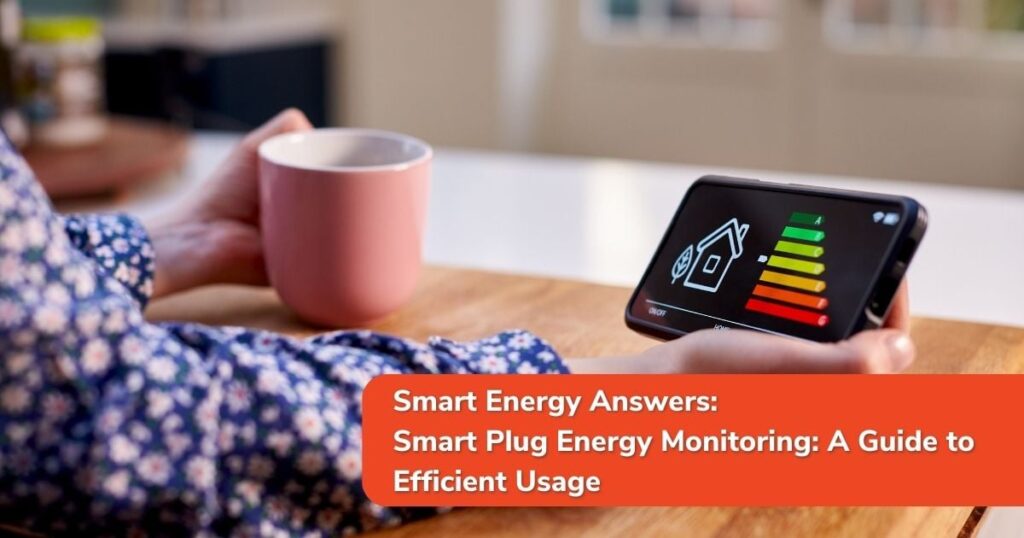
Smart Plug Energy Monitoring: A Guide to Efficient Usage Smart Energy Answers June 3, 2026 Discover How Smart Plugs with Energy Monitoring Features Can Help You Track and Optimise Your Energy Usage Significance of Energy Monitoring in Optimising Electricity Usage Energy monitoring plays a significant role in optimising electricity usage. By keeping track of your energy consumption, you can identify areas where you can reduce energy waste and make more efficient choices. Understanding how much energy your devices and appliances are using allows you to adjust your usage habits accordingly, resulting in potential cost savings and a more sustainable lifestyle. Another important aspect of energy monitoring is the ability to identify energy-intensive devices. By monitoring the energy consumption of individual devices, you can pinpoint which ones contribute the most to your overall energy usage. Armed with this knowledge, you can make informed decisions about adjusting your usage habits or even upgrading to more energy-efficient alternatives. Regular monitoring and adjustment are essential for continuous optimisation. By regularly reviewing your energy consumption data and making necessary adjustments, you can ensure that you are consistently optimising your electricity usage. This ongoing effort will not only help you save on energy costs but also contribute to a greener environment. Overview of Available Smart Plug Technologies and Features Smart plugs with energy monitoring capabilities offer a range of technologies and features to help you monitor and control your energy usage. These smart plugs can be easily connected to your existing electrical outlets and provide real-time insights into the energy consumption of individual devices and appliances. One of the key features of smart plugs with energy monitoring is the ability to track and analyse energy usage data. This data can be accessed through a mobile app or a web interface, allowing you to view detailed information about the energy consumption of your connected devices. Some smart plugs even provide historical data and trends, giving you a comprehensive overview of your energy usage over time. In addition to energy monitoring, smart plugs often offer remote control and scheduling capabilities. This means you can turn your devices on or off remotely, even when you’re not at home. You can also create schedules to automate the usage of your devices, ensuring they are only active when needed and saving energy in the process. Furthermore, interoperability and ecosystem compatibility are crucial factors to consider when choosing a smart plug. Ensuring that your smart plug integrates seamlessly with your existing smart home ecosystem allows for a more connected and streamlined experience. It enables you to control and monitor your energy usage alongside other smart devices in your home, providing a holistic approach to energy management. Real-Time Insights into Energy Consumption of Individual Devices and Appliances Smart plugs with energy monitoring capabilities provide real-time insights into the energy consumption of individual devices and appliances. This means that you can see exactly how much energy each device is using at any given moment. By having this real-time data at your fingertips, you can make informed decisions about which devices to turn off or unplug when they are not in use. For example, you may discover that leaving your computer on standby mode consumes a significant amount of energy. With the real-time data, you can easily turn it off completely when you’re not using it, saving energy and reducing your electricity bills. In addition, real-time insights into energy consumption allow you to identify any unusual or unexpected spikes in energy usage. This can be an indication of a faulty device or appliance that may be consuming excessive energy. By identifying and addressing such issues promptly, you can prevent energy waste and potentially avoid costly repairs or replacements. Remote Control and Scheduling of Connected Devices for Optimised Usage Smart plugs with energy monitoring capabilities offer the convenience of remote control and scheduling for your connected devices. Through a mobile app or a web interface, you can easily turn devices on or off from anywhere, at any time. Remote control allows you to ensure that devices are not left on unnecessarily when you’re away from home. For example, you can turn off lights, appliances, or electronics that may have been accidentally left on while you’re at work or on vacation. This helps to reduce energy waste and saves you money on your electricity bill. Scheduling is another useful feature that enables you to optimise the usage of your devices. You can create schedules to automatically turn devices on or off at specific times of the day or week. This can be particularly beneficial for devices that have a set usage pattern, such as lights or heating systems. By scheduling their usage, you can ensure they are only active when needed, further maximising energy efficiency. Importance of Interoperability and Ecosystem Compatibility Interoperability and ecosystem compatibility are essential considerations when choosing a smart plug with energy monitoring capabilities. Ensuring that your smart plug integrates seamlessly with your existing smart home ecosystem allows for a more connected and streamlined experience. When your smart plug is compatible with other smart devices in your home, you can create automation routines and scenarios that optimise energy usage. For example, you can set up a routine that turns off all lights and appliances when you leave the house, or schedule your heating system to adjust based on your daily routine. Furthermore, interoperability allows for centralised control and monitoring of your energy usage. Instead of managing each device individually, you can access and control all connected devices through a single interface. This simplifies the management of your smart home and enhances the overall user experience. By choosing a smart plug that is interoperable and compatible with your existing smart home ecosystem, you can unlock the full potential of energy monitoring and optimisation. Installation and Setup Process for Smart Plugs with Energy Monitoring Capabilities Installing and setting up smart plugs with energy monitoring capabilities is a straightforward process. Here’s a general guide to help you get started: Choose the right smart plug: Consider factors
Solar Batteries Decoded : Top FAQs & Insights for Savvy Consumers
Solar Batteries Decoded : Top FAQs & Insights for Savvy Consumers Smart Energy Answers September 6, 2023 Understanding Solar Batteries In an era where sustainability meets innovation, the demand for solar with batteries has increased significantly. More families in Australia want to use cleaner energy and take greater control of their power, which is why solar batteries are becoming increasingly popular. At Smart Energy Answers, we are excited to explain solar batteries in this blog. We are also here to share some of our customers’ top questions to help you make informed decisions about your energy future. Solar Battery FAQs FAQ 1: How Can Solar Batteries Save Me Money on Electricity Bills? Solar batteries offer potential savings on electricity bills by capturing surplus energy produced by your solar panels during sunny periods. This stored energy becomes available during less sunny hours, including nights, rainy days, and cloudy weather. By reducing reliance on grid power during peak periods, you can cut down on costly electricity expenses and move closer to energy independence. With a properly sized solar and battery system, some customers can aim for $0 electricity bills. FAQ 2: Do Solar Batteries Qualify for Incentives or Rebates in Australia? Yes, incentives are available in different states across Australia. In addition, some of our partners also offer special Virtual Power Plant, or VPP, rebates for specific networks and territories. FAQ 3: What Size Solar Battery Do I Need for My Home? The size of the solar battery you need for your home in Australia depends on several factors, including the following: Energy consumption: Understand your household’s daily energy consumption. Review your past electricity bills to see how much energy you use on average. A larger battery may be suitable if you have higher energy needs. Solar panel system size: The capacity of your solar panel system matters. A larger system can produce more surplus energy, which can then be stored in the battery. Usage patterns: Consider when you use the most electricity. If you typically consume more energy in the evening, a larger battery can help you rely less on grid power during those times. Grid connectivity: If you are aiming for energy independence and want to reduce grid reliance, a larger battery may be beneficial. Smaller batteries are often used for backup power during outages. Budget: Larger batteries tend to be more expensive. Balance your energy needs with your budget to find the right size that offers the best value. Future expansion: If you plan to expand your household or increase energy usage in the future, factor in potential changes when selecting the battery size. It is recommended to consult with a solar energy expert to determine the optimal battery size that aligns with your household’s needs and usage patterns. FAQ 4: What Factors Should I Consider When Selecting a Solar Battery for My Home? Capacity: Choose a battery with sufficient capacity to meet your energy needs. Efficiency: Look at how efficiently the battery stores and releases energy. Higher-efficiency batteries can save more of the energy generated by your solar panels. Installation and compatibility: Ensure the battery is compatible with your existing solar panel system and inverter. Consider installation requirements, space, and placement options. Scalability: If you plan to expand your solar system in the future, choose a battery that can be easily integrated with additional panels. Warranty and support: Research the manufacturer’s reputation, warranty terms, and customer support. A reliable warranty can provide peace of mind. Cost and value: Balance the upfront cost of the battery with the potential savings it can offer over its lifetime. Consider any available government incentives or rebates. Safety: Battery safety features are crucial. Look for batteries with built-in protection against overcharging, overheating, and other potential risks. Smart features: Some batteries come with smart management systems that optimise energy usage and enable remote monitoring and control, with the potential for additional revenue through VPPs. Brand and installer reputation: Choose well-established brands and installers known for quality and reliability. Check customer product and service reviews from reputable websites. FAQ 5: Are Lithium-Ion Batteries the Best Choice for Residential Solar Systems in Australia? Yes, lithium-ion batteries are often considered one of the best choices for residential solar systems in Australia due to their high energy density, efficiency, long lifespan, and compact size. FAQ 6: How Long Do Solar Batteries Typically Last in the Australian Climate? Solar batteries typically last around 15 to 25 years in the Australian climate. Factors such as battery chemistry, usage patterns, maintenance, and manufacturer quality can influence their lifespan. Regular maintenance and proper usage can help extend the life of solar batteries. In addition, manufacturers typically offer warranties of up to 15 years. FAQ 7: Is It Necessary to Have an Existing Solar Panel System to Install Solar Batteries in Australia? No, it is not always necessary to have an existing solar panel system to install solar batteries in Australia. While many people choose to combine solar panels with batteries to maximise energy self-sufficiency, you can also install a solar battery system on its own. However, without solar panels, the battery will primarily charge from the grid, and its effectiveness in reducing electricity bills may be limited compared to when it is paired with solar panels. It is recommended to consult with experts to determine the most suitable setup based on your energy needs and goals. FAQ 8: What Are the Installation Requirements and Costs Associated with Solar Batteries in Australia? The costs and installation requirements for solar batteries in Australia can vary based on factors such as available space, inverter compatibility, electrical upgrades, permits, and ventilation needs. The expenses typically include the battery unit cost, installation labour, potential inverter upgrades, additional components, permits, and maintenance. The total cost can range from several thousand to tens of thousands of dollars, with government incentives and financing options available to help offset expenses. It is advisable to seek quotes from professional installers for accurate cost estimates based on your specific circumstances. FAQ 9:
Reduce Energy Consumption: Key Steps Before Going Solar
Reduce Energy Consumption: Key Steps Before Going Solar Smart Energy Answers April 6, 2023 Before Going Solar: Key Steps to Reduce Energy Consumption As families and businesses seek to reduce their carbon footprint and lower energy costs, many are considering the installation of solar panels as a practical solution. While solar power can provide a significant reduction in energy costs and carbon emissions, it is important to note that it should not always be the first step in reducing energy consumption. Before you start considering solar as an option, it is important to ensure that you have taken steps to reduce your energy consumption as much as possible. This can be achieved through a number of simple changes, including improving air conditioning efficiency, replacing lights with LED bulbs, and improving insulation. By reducing energy consumption, you will not only lower your carbon footprint but also save money on energy costs. This can make the investment in solar panels and batteries even more financially viable. Improve Air Conditioning Efficiency Improving air conditioning efficiency is an easy way to reduce energy consumption. By regularly servicing your air conditioning system, you can help ensure it runs efficiently and does not waste energy. You may also want to consider installing programmable thermostats. These can automatically adjust the temperature of your home or building based on occupancy patterns, helping save energy when the space is unoccupied. Replace Traditional Light Bulbs with LED Bulbs Replacing traditional light bulbs with LED bulbs is another easy way to reduce energy consumption. LED bulbs use significantly less energy than traditional bulbs and last much longer, making them a cost-effective investment in the long run. In addition to replacing bulbs, consider installing motion sensors or timers to automatically turn off lights in areas that are not frequently used. Improve Insulation Improving insulation is also an important step in reducing energy consumption. By ensuring that your home or building is well insulated, you can help prevent energy from escaping through cracks and gaps in your walls and roof. This not only reduces energy consumption but also makes the space more comfortable for employees, customers, and occupants. Consider Solar and Batteries After Reducing Energy Use Once you have taken steps to reduce your energy consumption, it is time to consider solar and batteries as viable options. Solar panels can provide a significant reduction in energy costs and carbon emissions. Batteries allow you to store excess solar energy generated during the day and use it at night or during periods of low solar generation. You may also potentially generate additional income from your battery by selling excess energy back to the grid. Solar and battery systems can provide greater energy independence and help reduce your reliance on the grid. However, it is important to note that they require a significant upfront investment. By reducing your energy consumption first, you can help ensure that your investment in solar panels and batteries is as cost-effective as possible. Happily tearing his electricity bill. Conclusion Solar power and batteries can be a great way for your home or business to reduce energy costs and carbon emissions. However, it is important to note that they should be considered after taking steps to reduce energy consumption first. Before investing in solar and batteries, homes and businesses should consider improving air conditioning efficiency, replacing lights with LED bulbs, and improving insulation. By reducing energy consumption first, you can help ensure that your investment in solar panels and batteries is as cost-effective as possible should you decide to proceed.
Don’t Miss Out: Time Running Out for Solar Tax Break for Businesses
Don’t Miss Out: Time Running Out for Solar Tax Break for Businesses Smart Energy Answers April 4, 2023 Instant Asset Write-Off for Australian Businesses If you are a business owner in Australia, you may have heard about the instant asset write-off programme. This programme allows businesses to claim an immediate deduction for the business portion of the cost of an asset in the year the asset is first used or installed and ready for use. It has been particularly useful for businesses looking to invest in renewable energy solutions, such as solar power. However, the instant asset write-off is set to end on 30 June 2023. This means businesses looking to take advantage of the programme must act quickly. Investing in solar power can be expensive, but the instant asset write-off programme can help businesses save a significant amount of money. By installing solar power before the end of the financial year, businesses may be able to write off the full cost of the installation in the same year, helping reduce their tax bill. Solar power is an excellent way for businesses to reduce their energy costs. With electricity prices continuing to increase, businesses that invest in solar power can achieve significant savings on their electricity bills. Furthermore, solar power is a sustainable energy source that can help businesses reduce their carbon footprint and demonstrate their commitment to sustainability. Solar Rebates for Businesses In addition to the instant asset write-off programme, the government also offers solar rebates for businesses. These incentives, such as Small-scale Technology Certificates, or STCs, can help businesses save even more on their solar installation costs. STCs are tradeable, meaning businesses can sell them to generate additional value from their solar investment. If you are considering investing in solar power for your business, working with a reputable solar installer who can guide you through the installation process is essential. A good installer can advise you on the best system for your business, help you apply for government incentives, and ensure that your system is installed to the highest standard. Many of our clients have claimed up to $60,000 immediately upon installing a solar solution by leveraging government incentives such as the instant asset write-off and STCs. We encourage all business owners to speak with a tax accountant or financial advisor to fully understand the potential savings. You can also book a consultation with one of our energy experts to explore the best solar options for your business. Conclusion The instant asset write-off programme for businesses installing solar power in Australia is coming to an end soon. Business owners who have yet to invest in solar power should act fast to take advantage of this programme before it is too late. With additional solar rebates offered by the government and continuously increasing electricity prices, investing in solar power is an excellent opportunity for businesses to save money on energy bills while contributing to a more sustainable future. Do not wait any longer. Take advantage of this opportunity today.
7 Key Benefits of EV Chargers for Aussie Homes and Businesses
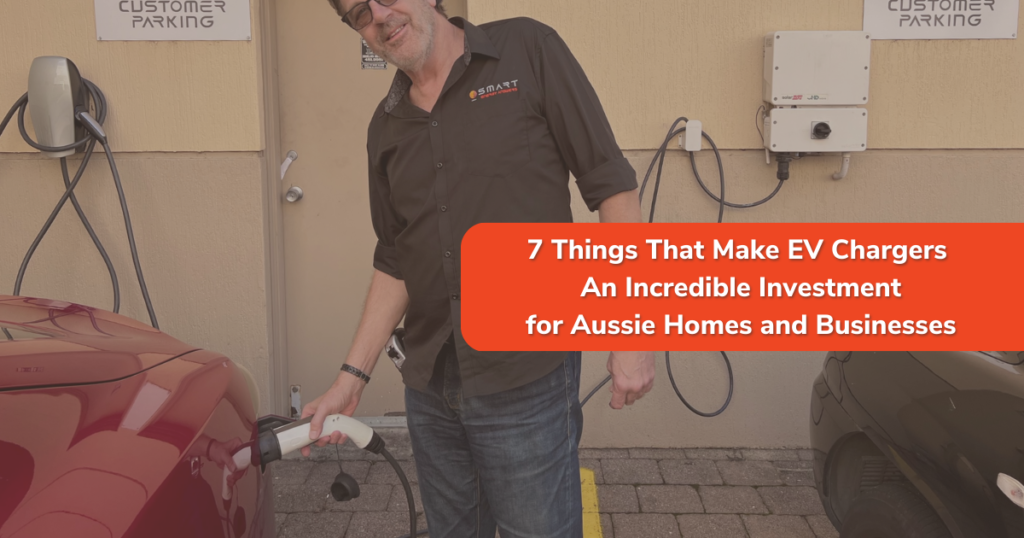
7 Key Benefits of EV Chargers for Aussie Homes and Businesses Smart Energy Answers March 21, 2023 7 Biggest Advantages of EV Chargers As the use of electric vehicles, or EVs, continues to grow, the demand for EV charging infrastructure is also increasing. EV chargers offer many advantages over traditional petrol stations, making them a convenient and eco-friendly option for charging your vehicle. Here are the seven biggest advantages of EV chargers. 1. Convenience One of the biggest advantages of having an EV charger at your home or business is convenience. Instead of searching for charging locations at shopping centres, grocery stores, or petrol stations while you are out and about, you can charge your EV from a location that works best for you. 2. Faster Charging Most EV chargers can charge an electric vehicle battery much faster than a standard household power outlet. This means you can spend less time waiting and get back on the road faster. 3. Variety of Charging Options EV chargers come in different sizes and styles, allowing you to choose the option that best fits your needs. Some chargers are designed for home use, while others are built for public or commercial charging locations. 4. Environmentally Friendly Electric vehicles produce zero tailpipe emissions, and using an EV charger to power your vehicle can help reduce your carbon footprint. By switching to EV charging, you can support cleaner transport and help protect the environment. 5. Cost Savings Although the initial cost of installing an EV charger may require an upfront investment, EV charging can offer lower operating costs over time. Many utility providers and government programmes may also offer rebates or incentives for installing an EV charger. These savings can help make EV charging a cost-effective option for homes and businesses. 6. Improved Customer Reputation for Businesses Providing an EV charging option for your team or customers demonstrates your commitment to sustainability. It also helps meet the growing demand for eco-friendly charging solutions. This can help attract customers who own electric vehicles, boost your business reputation, and increase customer loyalty. 7. Future-Proof As the use of electric vehicles continues to grow, having an EV charger at your home or business will become increasingly important. EV chargers offer many benefits and provide a convenient, eco-friendly way to charge your electric vehicle. Investing in an EV charger now helps ensure you are ready for the future of transport while supporting a cleaner and more sustainable planet. Conclusion Installing an EV charger at your home or business is a smart move towards a more sustainable future. With the increasing popularity of electric vehicles, offering EV charging options can enhance your reputation as an environmentally conscious homeowner, business, or organisation. It can also provide a convenient and valuable service to the growing number of EV owners, helping increase satisfaction, loyalty, and long-term value. Whether you are a homeowner or a business owner, investing in an EV charger is a valuable and forward-thinking decision.
The 5 Biggest Myths of Solar Energy: Debunking Misconceptions
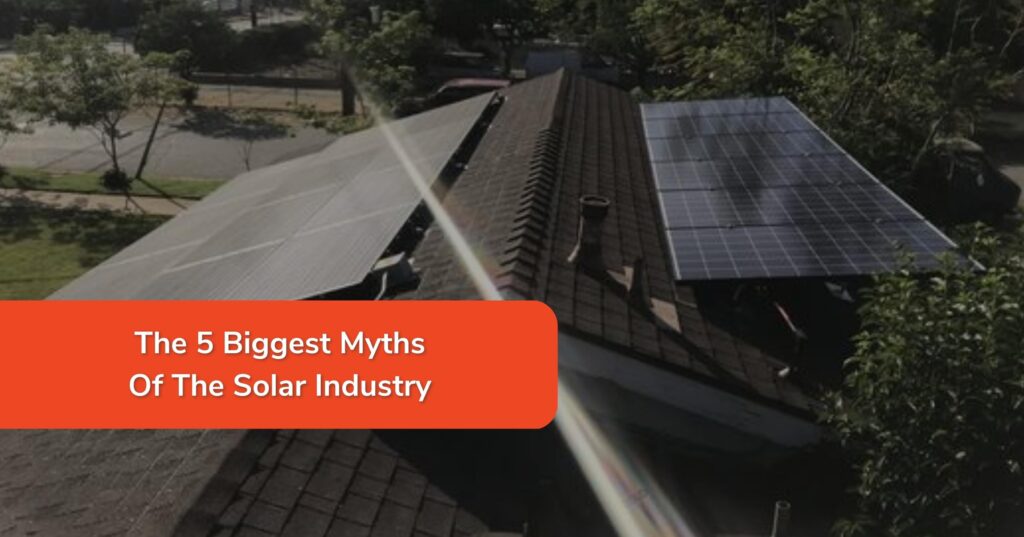
The 5 Biggest Myths of Solar Energy: Debunking Misconceptions Smart Energy Answers February 7, 2023 Debunking 5 Common Solar Energy Myths The solar industry has grown rapidly in recent years. With that growth has come a number of misconceptions and myths about how solar energy works and the benefits it can provide. Here are the five biggest myths in the solar industry, along with the facts that debunk them. Myth 1: Solar Panels Only Work in Sunny Locations Fact: Solar panels are actually quite efficient at converting sunlight into electricity, even on cloudy days. In fact, some studies have shown that solar panels can produce up to 25% of their rated capacity on a cloudy day. So, even if you live in a location with less-than-ideal weather, you can still benefit from solar energy. Myth 2: Solar Energy Is Too Expensive Fact: The cost of solar energy has dropped significantly in recent years, making it a more affordable option for homeowners and businesses. In addition, many government incentives and rebates are available for installing solar panels, which can help offset the initial cost. With the savings on monthly energy bills, a solar energy system can pay for itself over time. Myth 3: Solar Panels Will Ruin the Appearance of Your Home Fact: Solar panels are available in a variety of styles and sizes to suit the appearance of different homes. Many homeowners find that adding solar panels can increase the value of their property while also giving the home a more eco-friendly look, depending on the design. Solar panels can also be installed on the roof or on the ground, allowing you to choose the location that works best for your home. Myth 4: Solar Energy Is Unreliable During a Power Outage Fact: Solar energy systems are reliable and can provide a steady supply of electricity to your home during normal operation. For power outages, many solar systems can be paired with battery backup solutions to keep essential appliances and devices running. With the right solar and battery setup, you can have greater peace of mind knowing you may still have access to stored electricity during an emergency. Image: CHOICE Australia has chosen Smart Energy Answers as their preferred solar energy provider, helping customers achieve more than $1 million in lifetime savings. Myth 5: Solar Energy Is Only for Homeowners, Not Businesses Fact: Solar energy can be a great option for businesses as well as homeowners. Many businesses are turning to solar energy to reduce their energy costs and improve their sustainability. As of 2023, more than 7,000 businesses have switched to solar, with IBISWorld showing 8.1% annualised growth in businesses adopting solar energy. With various incentives and rebates available for commercial solar installations, solar can be a cost-effective choice for businesses of all sizes. Conclusion Overall, solar energy is a clean, renewable, and affordable option for powering your home or business. Do not be fooled by the myths. The facts about solar energy speak for themselves.
Smart Energy Answers: A Tesla Premium Installer for 2023
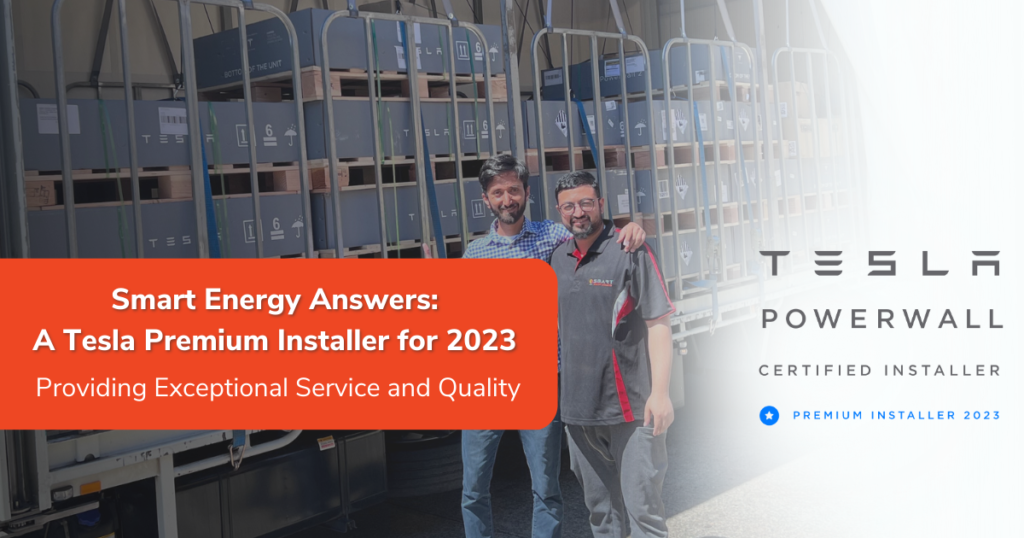
Smart Energy Answers: A Tesla Premium Installer for 2023 Smart Energy Answers January 24, 2023 Smart Energy Answers: Your Trusted Tesla Powerwall Premium Installer for 2023 We are thrilled to announce that Smart Energy Answers will continue to be a Tesla Powerwall Premium Installer for 2023. This certification is a testament to our commitment to providing customers with outstanding service, exceptional installation quality, and extensive product knowledge. As a Tesla Powerwall Premium Installer, we have the honour of working with some of the most advanced technology in the renewable energy industry. Our team of certified installers is trained to install and maintain Tesla Powerwall battery systems for both residential and commercial properties. Our customers can trust that our dedicated team will provide a high level of customer service from start to finish. We ensure every installation is completed to the highest and safest standards, with the goal of delivering complete customer satisfaction. We are proud to continue our partnership with Tesla and are excited to help even more customers make the switch to clean energy in 2023. Choosing Smart Energy Answers as your Tesla Powerwall Premium Installer means you can expect high-quality service, expert product knowledge, and a professional installation completed to industry-leading standards. We take pride in helping our clients reduce their carbon footprint and increase their energy independence by providing efficient and reliable Tesla Powerwall systems. Talk to our energy expert today to learn more about Tesla Powerwall and how it can support your home or business energy needs.
5 Tips to Maximise Your Solar Energy and Save Money

5 Tips to Maximise Your Solar Energy and Save Money Smart Energy Answers November 23, 2022 You’ve Got Solar, Now What? It is time to get the most out of it. Solar panels are a great way to reduce your carbon footprint, save money on your energy bills, and power your home in a more sustainable way. The amount of energy your solar panels produce can be maximised by using them alongside other energy-saving measures. With these tips, you can make the most of your solar energy and run your home more efficiently. It is important to have an idea of how much electricity each appliance and device in your home uses. This can help you plan your electricity usage more effectively and make better use of the solar energy your system produces. 1. Take Advantage of Daytime Get the most out of your solar system when the sun is out. Use appliances that require a lot of electricity during the daytime, when your solar panels are generating the most power. 2. Stagger Your Use of High-Energy Appliances Avoid using high-energy appliances and devices all at once, as this can increase your electricity demand and cause you to draw power from the grid. This includes appliances such as washing machines, dishwashers, and tumble dryers. By staggering their use throughout the day, you can make better use of the solar energy your system is generating. 3. Maintain and Monitor Your Solar System Regularly It is important to keep your solar panels clean and free of debris so they can operate at maximum efficiency. Regularly check your panels and arrange cleaning when needed to help ensure your system is working properly. You should also monitor your solar system’s performance so you can quickly identify any issues and keep your energy production on track. 4. Invest in a Solar Battery Another way to get the most out of your solar panels is to store unused energy in a solar battery. Solar batteries allow you to keep excess energy generated by your solar panels and use it when needed, such as at night or during periods with less sunlight. This can help reduce your dependence on the grid and may help you save more on your energy bills over time. 5. Get a Heat Pump One way to optimise your solar panels is to install a heat pump hot water system. Heat pump hot water systems use a heat exchange process that absorbs heat from the surrounding air and uses it to heat your water. These electric water heaters can provide hot water very efficiently in most climates. Compared with a standard resistive element heater, a heat pump hot water system can help reduce energy use and may save up to 78% on hot water running costs. Conclusion Solar panels are a great way to help power your home and save on energy costs. By following these tips, you can maximise the amount of energy your solar panels produce and make your investment in solar power work even harder for you. Best of all, using solar energy helps create a better and more sustainable world for everyone.
Choosing Between Blue, Black, or Smart Solar Panels: What You Need to Know
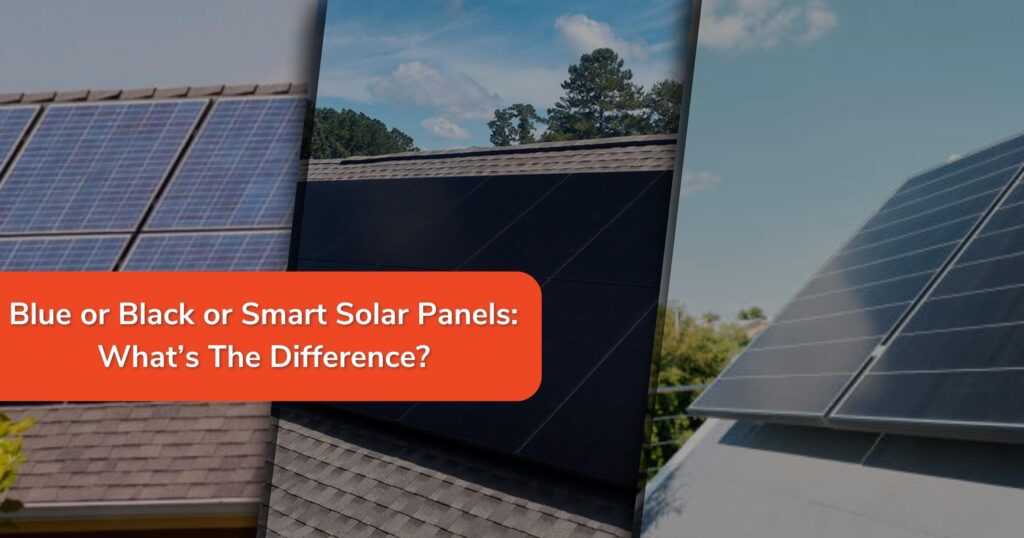
Choosing Between Blue, Black, or Smart Solar Panels: What You Need to Know Smart Energy Answers September 26, 2022 Choosing the Right Solar Panel Colour: Blue, Black, or Smart Panels For homeowners who have made the decision to switch to solar power, the benefits are clear. Clean energy, reduced grid consumption, and lower energy bills all make solar an attractive investment. However, choosing the right solar panel system is essential to getting the best long-term result. Some homes feature blue solar panels, while others use black panels, which can leave many homeowners wondering whether there is a real difference between the two. Understanding the difference between each panel starts with how they are manufactured and the materials used. Modern solar panels rely heavily on silicon because of its ability to effectively absorb sunlight and convert it into usable electricity. The colour and appearance of solar panels are influenced by the manufacturing process, including the use of anti-reflective coatings and how the panel reacts when exposed to light. The type of material used in a panel also affects its colour, giving it either a shiny blue appearance or a sleek black finish. Generally speaking, blue solar panels are often less expensive than black panels, but there can be trade-offs between heat performance and efficiency. Black panels tend to perform better in low-light conditions and warmer temperatures. Recent advancements in design and manufacturing have also led to the development of PERC monocrystalline smart panels. What Are Smart Panels? The latest energy research and innovation have used technology and connectivity to develop a new generation of smart all-black solar panels. These panels bring distinct advantages, combining a sleek and modern appearance with high efficiency and robust performance. Each panel is designed to deliver a more aesthetic look while remaining strong, reliable, and efficient. Constructed with PERC monocrystalline technology and aerospace-grade components, these high-spec panels are designed to withstand extreme weather conditions, including high winds. Their all-black finish also helps them blend seamlessly into almost any roof design. As a top performer for reliability, PERC panels are rigorously tested for strength and lasting durability. Longevity is a key consideration for homeowners, and with a 25-year full replacement warranty, PERC panels can offer greater peace of mind. Which Panels Are Better for Homes? One of the questions homeowners often ask is which type of solar panel is better for a home solar system. Due to their light-absorbing properties and efficient performance, many homeowners prefer black panels. In a typical installation, fewer black panels may be needed compared with blue panels, helping reduce the amount of roof space required. Although black panels can be more expensive upfront, they may deliver better long-term value through improved efficiency and performance. However, if cost is the main factor and the installation needs to stay within a limited budget, blue panels can require less upfront investment. While they may not be as efficient as black panels, blue panels can still be suitable for home solar systems and smaller commercial applications. What to Consider When Selecting Solar Panels When selecting solar panels, it is useful to have some key information at hand, such as: Which direction the sun travels over your home and when the peak sunlight hours occur. How much energy your household consumes. Whether efficiency and clean energy are key priorities. Whether your main goal is a lower upfront investment or stronger long-term savings. No matter which panels are chosen, some performance degradation will still occur over time due to weather, use, and environmental factors. This means solar panels may generate slightly less power as they age. However, most solar panels are designed to last for 25 years or more, and many can continue performing well beyond that period. Start Your Solar Journey Today Our expert consultants can help you make an informed decision based on your household needs, energy goals, and budget.
The Power of Big Data: Revolutionising Solar Energy

The Power of Big Data: Revolutionising Solar Energy Smart Energy Answers June 4, 2026 Change is coming, whether we like it or not. As awareness of climate change intensifies, one thing has become remarkably clear: using energy generated by renewable sources is essential to reducing destructive greenhouse gas emissions and improving the carbon footprint. While energy sources like wind and solar are increasingly valuable in this effort, they can also be unpredictable and irregular. For example, how much energy can any single panel or solar plant contribute to the grid on any specific day? The answer to that question has previously been complicated. To further rely on the sun and the wind and make the energy they create a bigger part of the grid, we must be able to understand how much power will be available, what the demand for it is, and then use this energy to meet consumer needs as efficiently as possible. This is where Big Data comes in. Through a brilliant combination of weather data, satellite feeds, predictive analytics, and machine learning, we’re entering a future where renewable power can reach the grid on a consistent basis. In fact, the latest forecasting technology may be the missing puzzle piece in the extensive adoption of solar energy. For example, using cloud-imaging technology and sky-facing cameras to predict the weather up to a month in advance can increase the renewable power stored or delivered to the grid by up to 10%, enough to power 14,000 homes. Big Data Analytics can also be used to detect underperformance and identify when inefficiencies happen without needing someone on site. This involves accumulating ground-level sunlight intensity data to signal when panels aren’t performing at expected rates and sending an alert when repairs or maintenance are needed. This kind of analysis can even be used to study whole communities and suggest where solar panels could be the most effective based on sun exposure and weather patterns. South Australia, for example, in a collaboration with Tesla, has built the world’s largest virtual power plant, connecting 50,000 Tesla batteries with panels and reducing costs associated with stabilising the energy grid by $28.9 million. It’s a collaboration that could eventually power the entire state. Related: How Virtual Power Plants Are Changing the Future of Electricity The better we can analyse these energy supply and demand models, the more a community’s backup energy needs can be accounted for as well. When energy demands are consistently met by renewable sources, companies can reduce their safety margins, which are usually made up of costly and environmentally damaging fossil fuels. This translates to cheaper, more efficient power for both companies and consumers. Big Data and machine learning have already begun to transform many industries, and now they are changing the way we think about and use solar energy. Energy companies, consumers, and investors who have all heard the plea for change finally have an answer for how they can harness technological advances to become less a part of the problem and more a part of the solution. For more information or to join our Smart Community Program, call us on 1300 948 619 today to start your innovative solar journey.