
From Engineer to Changemaker: Daniel Lanzetta Sparks Innovation at Macquarie University
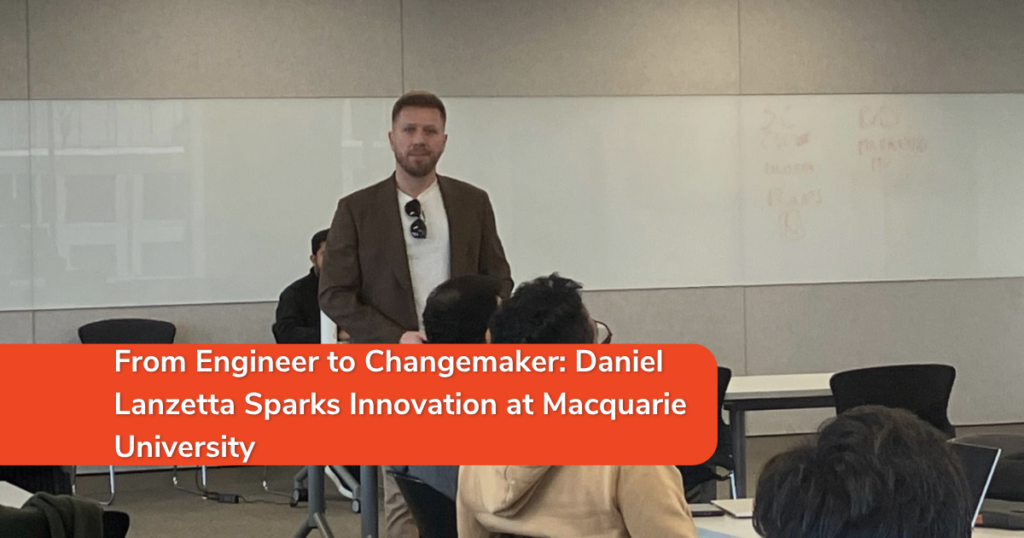
From Engineer to Changemaker: Daniel Lanzetta Sparks Innovation at Macquarie University Smart Energy Answers June 19, 2025 In a lecture hall filled with future leaders and wide-eyed entrepreneurs, Daniel Lanzetta, CEO of Smart Energy Answers, returned to Macquarie University in 2025, not as a guest, but as a force. Back for his fourth keynote, Daniel didn’t just deliver another business talk. He rewired the conversation around leadership, climate resilience, and the real meaning of impact. The audience was a new generation of MBA students diving headfirst into the chaos and potential of building something that matters. Daniel’s journey reads like a startup blueprint: a young engineer lands in Sydney, stumbles into solar, hustles through an evolving energy market, and builds one of the most trusted renewable energy companies in Australia. But that’s not what he came to talk about. Instead, he laid bare the unseen story: long nights, uncertain pivots, values questioned, and values redefined. Leadership, he said, isn’t about having all the answers. It’s about staying in the room when the answers are unclear. In a world where AI is outpacing textbooks and climate data gets more urgent by the hour, Daniel pushed students to rethink the frameworks they’re being taught. He challenged them to ask: Are you building for growth or for good? Can your business scale and sustain? Will you be proud of this in ten years? The room shifted from note-taking to soul-searching. Innovation With Purpose Daniel brought his industry insights to life, showing how technologies like solar batteries and Virtual Power Plants, or VPPs, are rewriting the rules of energy. But more importantly, he explained how embracing innovation with purpose is where true advantage lies. This wasn’t about panels and power. It was about designing business models that don’t just survive the future, but help shape it. Despite leading an award-winning company recognised as Australia’s Best Solar Retailer four years in a row, Daniel shared that he still considers himself a learner. He attends as Australia’s Best Solar Retailer four years in a row, Daniel shared that he still considers himself a learner. He attends workshops. He reads obsessively. He admits when he’s wrong. That vulnerability struck a chord. The room wasn’t just listening. They were connecting. Redefining Success Daniel wrapped up by reframing the definition of success. It’s not the exit. It’s the impact you leave behind. And with that, the conversation turned. Students weren’t just asking questions about market share or funding. They were asking about integrity. About ethics. About how to build things that don’t just make money, but make sense. A Shift in the Conversation Daniel Lanzetta’s return to Macquarie University wasn’t just a visit. It was a shift. A reminder that in the chaos of growth, the smartest leaders stay grounded in why they started. At Smart Energy Answers, we don’t just install solar. We power stories like this. Stories about resilience, innovation, and the courage to lead with values in a world that needs it more than ever.
Empowering Tomorrow’s Leaders: Daniel Lanzetta’s 2024 Keynote Address at Macquarie University
Empowering Tomorrow’s Leaders: Daniel Lanzetta’s 2024 Keynote Address at Macquarie University Smart Energy Answers May 1, 2024 Daniel Lanzetta Returns to Macquarie University Daniel Lanzetta, CEO of Smart Energy Answers, or SEA, recently returned to Macquarie University for the third time. This marked yet another milestone in his mission to inspire the next generation of leaders and entrepreneurs. On 13 April 2024, Daniel met with MBA students from the New Enterprise Management class. With a focus on entrepreneurship and the transformative potential of solar energy, his keynote address captivated students and provided valuable insights and practical advice for aspiring innovators. Daniel’s Journey to Leadership Daniel’s journey to leadership is a testament to perseverance and dedication. Born in Italy, he began a new chapter in his life when he moved to Sydney in 2011 as a young engineer. Driven by ambition and a desire to make a difference, Daniel entered the renewable energy sector and soon became an authority in solar energy. He eventually founded his own company and assumed the role of CEO. Today, Smart Energy Answers is recognised as the best solar energy retailer in Australia by ProductReview.com for four consecutive years. The company has also been awarded by SunWiz as a Top Solar Company from 2022 to 2023. This recognition highlights Daniel and his team’s contributions to the renewable energy sector and their ongoing commitment to excellence. Lessons Shared at Macquarie University During his address at Macquarie University, Daniel shared his personal experiences and the lessons he learned along the way. Drawing from his own journey, he emphasised the importance of resilience, adaptability, and continuous learning in the pursuit of entrepreneurial endeavours. Daniel is dedicated to lifelong learning and self-improvement. He constantly attends conferences, seminars, and workshops to continue growing as a person and as a leader. He also spoke passionately about the need for responsible entrepreneurship. Daniel highlighted the vital role that sustainable practices play in shaping a brighter future for generations to come. Inspiring Future Entrepreneurs and Leaders Dan conveyed to the class that tens of thousands of new enterprises are established annually across the globe. Many fail within a few years, while many others succeed, either continuing as small to medium businesses or growing into major corporations operating nationally or globally. Google, Dell, Dick Smith Electronics, The Body Shop, Qantas, Facebook, and Bakers Delight all grew from small beginnings due to the drive and passion of entrepreneurs committed to creating something valuable. With this insight, Daniel aimed to spark the aspirations of this group of future entrepreneurs and leaders, igniting their passion for innovation and success. Through his engaging presentations, he imparts invaluable knowledge and skills, equipping students with the tools they need to navigate the complexities of the business world. From understanding market dynamics to harnessing the potential of renewable energy technologies, his mentorship serves as a guiding light for aspiring entrepreneurs. Moreover, Daniel’s commitment to fostering sustainable practices resonates deeply with the environmentally conscious student body at Macquarie University. By championing renewable solar energy, he not only inspires students but also instils a sense of responsibility to create positive change in their communities. His visionary leadership serves as a catalyst for innovation, driving forward-thinking solutions to address pressing environmental challenges. Conclusion Daniel’s journey inspires us all. As he shares his knowledge and insights with future leaders and entrepreneurs, it reinforces Smart Energy Answers’ commitment to social awareness and sustainability. At Smart Energy Answers, we’re more than just a company. We’re a multicultural team dedicated to making a positive social and environmental impact. Through our efforts, we strive to educate our customers and the wider community about the importance of sustainability, helping create a brighter future for generations to come.
Best Solar Panel Placement Tips
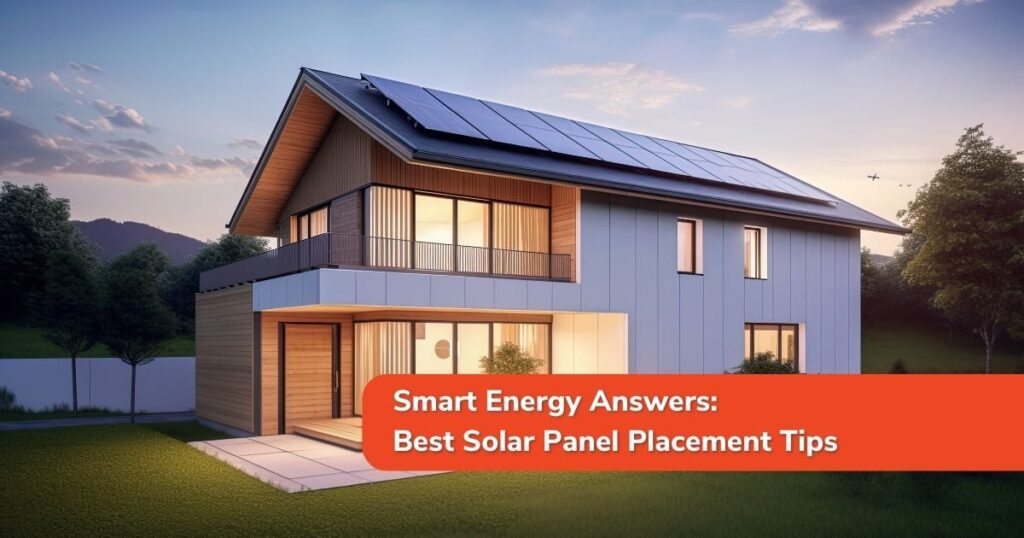
Best Solar Panel Placement Tips Smart Energy Answers June 3, 2026 Discover the Key Tips for Optimal Solar Panel Placement to Maximise Energy Efficiency and Savings Maximising Solar Efficiency through Proper Placement Proper placement is crucial for maximising the efficiency of solar panels. By positioning the panels in the right location, you can ensure that they receive the maximum amount of sunlight throughout the day. This will result in higher energy generation and greater savings on your electricity bills. When determining the placement of your solar panels, there are a few factors to consider. These include the orientation of your roof, potential shading obstacles, and the tilt and angle adjustment of the panels. Understanding Sun Exposure and Angle One important aspect of proper placement is understanding the sun exposure and angle. Solar panels should ideally be placed in an area where they receive direct sunlight for the majority of the day. This means avoiding locations that are heavily shaded by trees or buildings. By maximising sun exposure, you can optimise the energy generation of your solar panels. Evaluating Roof Orientation for Optimal Sunlight Capture Another factor to consider is the evaluation of roof orientation for optimal sunlight capture. The direction your roof faces can significantly impact the amount of sunlight your panels receive. In general, a south-facing roof is considered the best option for solar panel installation. This orientation allows the panels to capture the maximum amount of sunlight throughout the day. However, east and west-facing roofs can also be viable options, depending on the specific circumstances of your property. Assessing Potential Shading Obstacles Assessing potential shading obstacles is also crucial for proper solar panel placement. Shading can greatly reduce the efficiency of your panels, as it limits the amount of sunlight they receive. Before installing your solar panels, carefully evaluate the surrounding environment for any objects that may cast shadows on the panels, such as nearby buildings, trees, or even chimneys. If shading is unavoidable, consider implementing shading mitigation techniques, such as trimming trees or adjusting the panel positioning. Considerations for Tilt and Angle Adjustment Considerations for tilt and angle adjustment are another important aspect of solar panel placement. The tilt and angle of your panels can affect their energy generation. In general, the optimal tilt angle for solar panels in Australia is equal to the latitude of your location. However, adjusting the tilt angle based on the season can further maximise energy generation. For example, tilting the panels more upright during winter can help capture more sunlight during shorter days. Ground-Mounted Solar Panel Options Ground-mounted solar panel options are worth exploring, especially if your roof is not suitable for installation. Ground-mounted panels can be positioned in an optimal location on your property to maximise sun exposure. This option also provides flexibility in terms of panel orientation and tilt angle adjustment. Optimising Solar Panel Placement for Seasonal Variations Optimising solar panel placement for seasonal variations is another important consideration. As the angle of the sun changes throughout the year, adjusting the tilt angle of your panels can help capture the maximum amount of sunlight. This can be done manually or through the use of solar tracking systems that automatically adjust the panel position based on the sun’s movement. Incorporating Solar Tracking Systems Incorporating solar tracking systems can further enhance the efficiency of your solar panels. These systems use sensors to track the movement of the sun and adjust the panel position accordingly. By continuously optimising the panel’s angle towards the sun, solar tracking systems can significantly increase energy generation. Compliance and Planning Permission When planning for solar panel placement, it is important to consider compliance and planning permission. Depending on your location and the regulations in place, you may need to obtain permits or adhere to specific guidelines. Research the local regulations and consult with professionals to ensure that your solar panel installation complies with all requirements. Conclusion In conclusion, implementing effective solar panel placement is crucial for maximising energy generation and savings. By considering factors such as proper orientation, shading obstacles, tilt and angle adjustment, and the use of solar tracking systems, you can optimise the efficiency of your panels. Additionally, ensure compliance with local regulations to avoid any legal issues. With the right placement, you can harness the power of the sun and enjoy the benefits of renewable energy.
Solar Energy: Powering Sustainable Cities
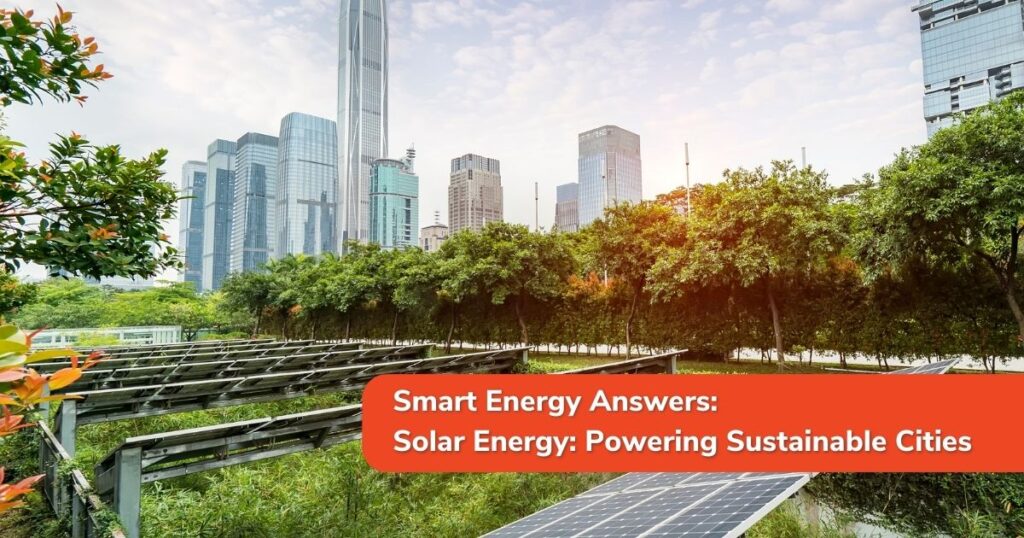
Solar Energy: Powering Sustainable Cities Smart Energy Answers June 3, 2026 Discover the Role of Solar Energy in Creating Sustainable Cities and Promoting Environmental Conservation The Role of Solar Energy in Urban Sustainability Solar energy plays a crucial role in achieving urban sustainability by providing a clean and renewable source of power. As cities continue to grow and expand, the demand for energy increases, leading to higher greenhouse gas emissions and environmental degradation. Solar power offers a sustainable solution to this problem, as it harnesses the energy from the sun and converts it into electricity without producing harmful emissions or depleting finite resources. By utilising solar energy, cities can reduce their carbon footprint and mitigate the negative impacts of traditional energy sources. Solar power systems can be installed on rooftops, open spaces, and even integrated into urban infrastructure such as buildings and transportation systems. This decentralised approach to energy production reduces the reliance on centralised power plants and transmission lines, improving the overall resilience of the city’s energy grid. Furthermore, solar energy promotes energy independence and security for cities. By generating electricity locally, cities can reduce their dependence on external sources of power and mitigate the risk of disruptions caused by natural disasters or geopolitical tensions. This self-sufficiency not only ensures a stable energy supply but also empowers cities to take control of their energy future and reduce their vulnerability to external factors. In addition to its environmental and energy security benefits, solar energy also has positive social and economic impacts. The installation and maintenance of solar power systems create job opportunities and stimulate local economies. Moreover, solar energy can be harnessed to power public spaces and facilities, providing clean and reliable electricity for parks, streetlights, and community centres. This improves the quality of life for citizens and enhances the overall livability of the city. Overall, solar energy is a key component of sustainable urban development. By harnessing the power of the sun, cities can reduce their environmental footprint, enhance energy security, and promote social and economic well-being. The integration of solar power into urban environments is a crucial step towards creating sustainable cities for future generations. Understanding the Potential of Solar Power in Urban Environments Solar power has immense potential in urban environments, offering a sustainable and reliable source of electricity. However, to fully leverage this potential, it is important to understand the unique characteristics and challenges of urban settings. One of the key advantages of solar power in urban environments is its scalability. Solar panels can be installed on various surfaces, including rooftops, parking lots, and facades of buildings, maximising the use of available space. Additionally, advancements in solar technology have made it possible to integrate solar panels into windows, roads, and other urban infrastructure, further expanding their potential. Another important aspect to consider is the intermittent nature of solar energy. To ensure a stable electricity supply, energy storage systems such as batteries can be utilised to store excess energy generated during sunny periods and provide power during cloudy or nighttime conditions. This enables cities to make the most of solar power and reduce their reliance on the traditional energy grid. However, there are also challenges to overcome when implementing solar projects in urban areas. Limited space, shading from tall buildings, and the need to preserve the aesthetic appeal of the city can pose obstacles to the widespread adoption of solar power. Innovative solutions such as floating solar panels on water bodies and utilising vertical surfaces for solar installations can help overcome these challenges and maximise the potential of solar energy in urban environments. In conclusion, understanding the potential of solar power in urban environments is essential for creating sustainable and resilient cities. By leveraging its scalability and addressing the challenges, cities can harness the full benefits of solar energy and pave the way towards a greener and more sustainable future. Harnessing Solar Energy for City-Wide Electricity Needs As cities strive to reduce their carbon footprint and transition to sustainable energy sources, harnessing solar energy for city-wide electricity needs is a promising solution. By utilising the abundant energy from the sun, cities can meet a significant portion of their electricity demands in a clean and renewable manner. To harness solar energy for city-wide electricity needs, large-scale solar power plants can be established on the outskirts of the city. These solar farms consist of numerous solar panels that convert sunlight into electricity on a utility scale. The generated electricity can then be distributed through the existing power grid to meet the needs of residential, commercial, and industrial sectors. In addition to solar farms, rooftop solar installations play a crucial role in meeting city-wide electricity needs. By incentivising and promoting the installation of solar panels on rooftops, cities can tap into the vast potential of unused space and generate clean electricity closer to the point of consumption. This decentralised approach reduces transmission losses and enhances the overall efficiency of the electricity supply. Moreover, the integration of smart grid technologies enables cities to effectively manage and optimise the use of solar energy. By leveraging advanced monitoring and control systems, cities can balance the supply and demand of electricity, store excess solar energy in batteries, and ensure a reliable and stable power supply throughout the day. Harnessing solar energy for city-wide electricity needs not only reduces greenhouse gas emissions and dependency on fossil fuels but also provides long-term cost savings. Solar power is a renewable resource, and once the initial investment is recovered, the electricity generated is essentially free. This can result in significant savings for both the city and its residents, promoting economic growth and sustainability. In conclusion, by harnessing solar energy for city-wide electricity needs, cities can achieve significant environmental, economic, and social benefits. The transition to solar power not only reduces greenhouse gas emissions and promotes energy independence but also stimulates job creation, reduces energy costs, and enhances the overall quality of life for citizens. Integrating Solar Panels into Urban Infrastructure One of the key strategies for promoting
Uninterrupted Power: Solar Energy Storage Solutions
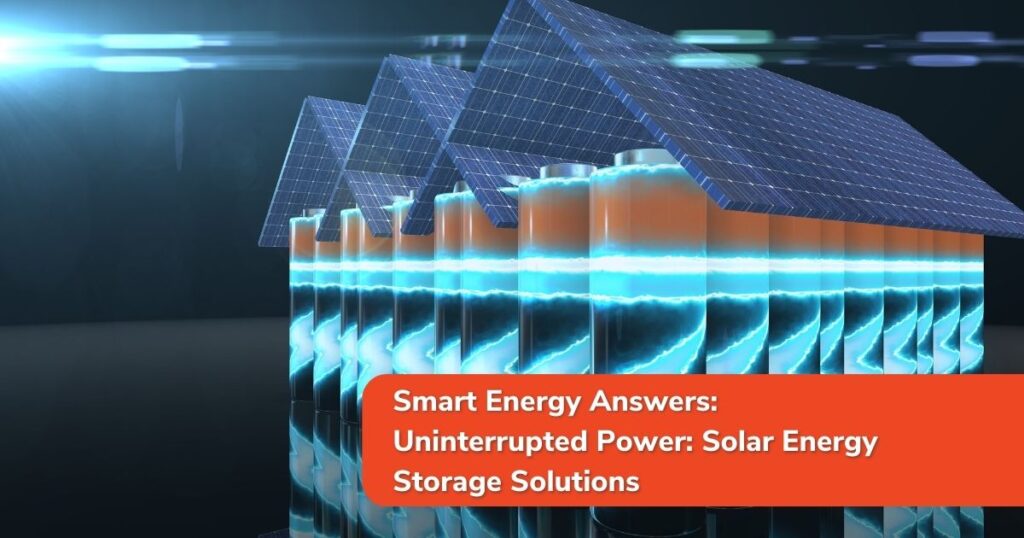
Uninterrupted Power: Solar Energy Storage Solutions Smart Energy Answers June 3, 2026 Discover How Solar Energy Storage Solutions Can Provide Uninterrupted Power for Your Home or Business The Need for Reliable Energy Storage Reliable energy storage is crucial for ensuring uninterrupted power supply. As the demand for electricity continues to rise, it is essential to have a reliable backup system in place to prevent power outages. Solar energy storage solutions play a vital role in meeting this need, as they allow for the capture and storage of excess solar energy generated during the day for use during times of high demand or when sunlight is not available. By storing energy from renewable sources like solar power, we can reduce our reliance on traditional energy sources and promote a more sustainable and resilient energy system. Furthermore, reliable energy storage is particularly important in areas prone to natural disasters or grid failures. In these situations, having a backup power supply can be a lifeline for homes, businesses, and critical infrastructure. Solar energy storage solutions provide a reliable and independent source of power that can keep the lights on and essential services running even during challenging times. In summary, the need for reliable energy storage is evident in our increasingly energy-dependent world. Solar energy storage solutions offer a sustainable and resilient solution to meet this need, providing uninterrupted power supply and ensuring the lights stay on when we need them the most. Understanding the Importance of Solar Energy Storage Solar energy storage is a critical component of a sustainable energy system. While solar panels can generate electricity during the day, the energy produced is not always consumed immediately. Without an energy storage system, this excess energy goes to waste. Solar energy storage solutions allow us to capture and store the surplus energy for later use, maximising the utilisation of solar power and reducing reliance on the grid. One of the key advantages of solar energy storage is its ability to provide power during periods of low or no sunlight. By storing excess energy generated during the day, solar storage systems can ensure a continuous power supply even when the sun is not shining. This is especially beneficial for off-grid locations or areas with unreliable grid connectivity, as it provides a reliable and independent source of electricity. Moreover, solar energy storage contributes to the stability and resilience of the overall energy grid. By storing energy locally, we can reduce the strain on the grid during peak demand periods and mitigate the risk of blackouts or brownouts. This decentralised energy storage system enhances the reliability and efficiency of the entire energy network. In conclusion, understanding the importance of solar energy storage is crucial for transitioning to a sustainable and resilient energy future. By harnessing the power of the sun and storing excess energy, we can ensure uninterrupted power supply, maximise solar energy utilisation, and contribute to a more stable and reliable energy grid. Exploring Battery Storage Technologies Battery storage technologies play a key role in solar energy storage solutions. These technologies enable the efficient and effective storage of excess energy generated by solar panels for later use. There are several types of battery storage technologies commonly used in solar energy systems, including lithium-ion batteries, lead-acid batteries, and flow batteries. Lithium-ion batteries are the most widely used battery technology for solar energy storage. They offer high energy density, longer lifespan, and faster charging capabilities compared to other battery types. These batteries are commonly used in residential and commercial solar storage systems due to their compact size and reliability. Lead-acid batteries are another type of battery technology used in solar energy storage. They are known for their low cost and long lifespan. However, lead-acid batteries have lower energy density and slower charging capabilities compared to lithium-ion batteries. They are commonly used in off-grid solar systems or for backup power. Flow batteries are a newer type of battery technology that shows promise for large-scale solar energy storage. They use liquid electrolytes stored in external tanks, allowing for flexible scalability and longer lifespan. Flow batteries are particularly suitable for grid-scale applications where high energy capacity is required. Overall, exploring battery storage technologies is essential for designing efficient and reliable solar energy storage systems. By selecting the appropriate battery technology based on factors such as energy capacity, lifespan, and cost, we can maximise the effectiveness of solar energy storage solutions and ensure uninterrupted power supply. Maximising Solar Energy Utilisation with Storage Systems Solar energy storage systems play a crucial role in maximising the utilisation of solar power. While solar panels generate electricity during the day, the energy produced is not always consumed immediately. Without an efficient storage system, this excess energy goes to waste. Solar energy storage solutions allow us to capture and store the surplus energy for later use, ensuring that no solar energy is wasted. By maximising solar energy utilisation, we can reduce our dependence on the grid and promote a more sustainable energy system. Solar storage systems enable us to use solar power during peak demand periods or when sunlight is not available, ensuring a continuous power supply. This reduces the need to draw electricity from the grid, which is often generated from non-renewable sources. Moreover, solar energy storage systems can help optimise energy consumption patterns. By storing excess energy generated during the day, we can use it during periods of high electricity demand, such as evenings or cloudy days. This reduces the strain on the grid and helps balance the overall energy supply and demand. In summary, maximising solar energy utilisation with storage systems is key to harnessing the full potential of solar power. By capturing and storing excess energy, we can ensure a continuous power supply, reduce reliance on the grid, and promote a more sustainable and efficient energy system. Off-Grid Living: Solar Storage for Independence Solar storage solutions offer a reliable and independent source of power for off-grid living. In remote areas or locations with unreliable grid connectivity, accessing electricity can be a
Real-Time Energy Monitoring: The Future of Solar
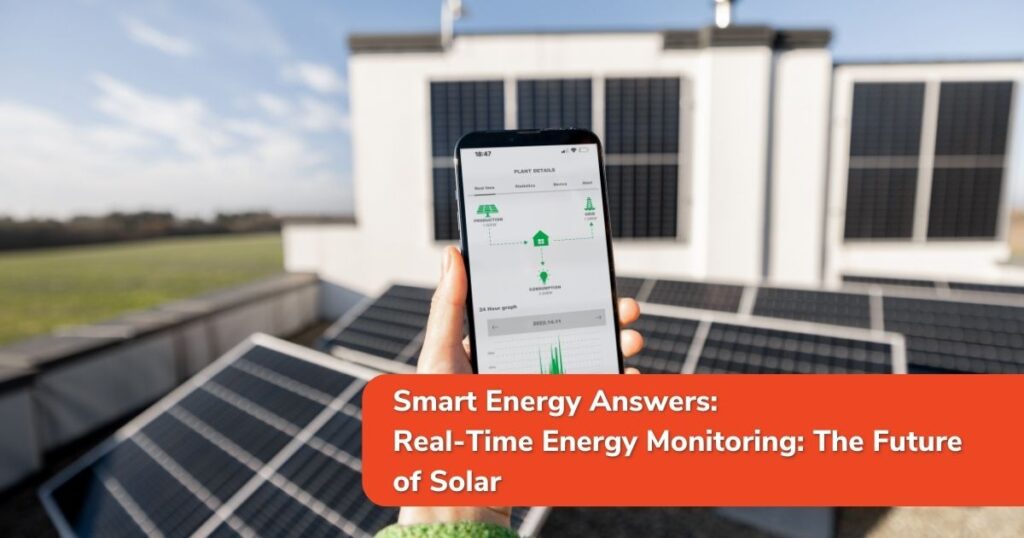
Real-Time Energy Monitoring: The Future of Solar Smart Energy Answers June 3, 2026 Discover How Real-Time Energy Monitoring Systems Are Revolutionising the Solar Industry and Shaping the Future of Renewable Energy Significance of Real-Time Energy Monitoring in Optimising Solar Energy Usage Real-time energy monitoring plays a crucial role in optimising solar energy usage. By continuously monitoring the energy production and consumption in real time, solar system owners can identify areas of inefficiency and make necessary adjustments to maximise energy generation and utilisation. This ensures that the solar panels are operating at their full potential, allowing for the most efficient use of solar energy. Moreover, real-time energy monitoring provides valuable insights into the performance of the solar system, allowing users to track the effectiveness of their energy-saving measures and make informed decisions to optimise energy consumption. With real-time data, solar system owners can identify patterns and trends in energy usage, enabling them to implement strategies to reduce energy waste and increase overall efficiency. Overall, real-time energy monitoring is essential for ensuring the optimal use of solar energy, reducing reliance on traditional power sources, and maximising the benefits of solar technology. Data-Driven Insights for Maximising Solar Efficiency and Performance Real-time energy monitoring systems provide data-driven insights that are instrumental in maximising solar efficiency and performance. By analysing real-time data on energy production and consumption, solar system owners can gain a deep understanding of how their system is performing and identify opportunities for improvement. These insights allow users to identify the most productive times for energy generation and consumption, enabling them to adjust their energy usage habits accordingly. By aligning energy usage with peak production periods, solar system owners can optimise their energy consumption and minimise reliance on the grid. Furthermore, data-driven insights enable users to identify potential issues or inefficiencies in their solar system. By monitoring key performance indicators, such as energy generation efficiency and system uptime, solar system owners can proactively address any issues and ensure that their system is operating at its highest capacity. In summary, data-driven insights provided by real-time energy monitoring systems empower solar system owners to make informed decisions, optimise energy usage, and maximise the efficiency and performance of their solar systems. Overview of Monitoring Devices, Sensors, and Technologies Used in Real-Time Energy Monitoring Real-time energy monitoring relies on a range of monitoring devices, sensors, and technologies to accurately measure and track energy production and consumption. These devices and sensors are designed to provide precise and reliable data for effective monitoring and control of solar energy systems. One commonly used device in real-time energy monitoring is the smart meter. Smart meters are advanced energy meters that record energy consumption data at regular intervals and transmit it to the energy provider in real time. They provide accurate and up-to-date information on energy usage, allowing users to monitor and manage their energy consumption effectively. In addition to smart meters, real-time energy monitoring systems often incorporate sensors that measure solar irradiance, ambient temperature, and other environmental factors that can affect energy generation. These sensors provide valuable data for assessing the performance of solar panels and optimising energy production. Furthermore, real-time energy monitoring systems rely on connectivity technologies, such as Internet of Things, or IoT, devices and wireless communication protocols, to transmit data between the monitoring devices and the central monitoring system. This ensures that the data is accessible in real time and facilitates remote monitoring and control of solar energy systems. Overall, real-time energy monitoring systems leverage a combination of monitoring devices, sensors, and technologies to provide accurate and timely data for effective monitoring and control of solar energy systems. Immediate Visibility into Solar Energy Production and Usage Patterns One of the key advantages of real-time energy monitoring systems is the immediate visibility they provide into solar energy production and usage patterns. By monitoring energy production in real time, solar system owners can quickly identify any issues or deviations from expected performance. For example, if the energy production suddenly drops, it could indicate a malfunctioning solar panel or a problem with the system. With real-time visibility, users can promptly address the issue and prevent any further loss of energy generation. Similarly, real-time energy monitoring systems provide immediate visibility into energy usage patterns. Users can track their energy consumption in real time and identify areas of high usage or wastage. This allows for timely adjustments to energy usage habits and the implementation of energy-saving measures. Immediate visibility into solar energy production and usage patterns enables solar system owners to take proactive measures to optimise energy generation and consumption, ensuring the most efficient use of solar energy. Compatibility with Smart Home Automation Systems for Seamless Integration Real-time energy monitoring systems are designed to be compatible with smart home automation systems, enabling seamless integration and enhanced control over energy usage. By integrating real-time energy monitoring with smart home automation systems, users can automate energy-saving measures and optimise energy consumption based on real-time data. For example, the system can automatically adjust the temperature settings of the HVAC system based on energy production and usage patterns, ensuring optimal comfort while minimising energy waste. Furthermore, the integration of real-time energy monitoring with smart home automation systems allows for remote monitoring and control of energy usage. Users can access real-time energy data and control energy-consuming devices from their smartphones or other connected devices, providing convenience and flexibility in managing energy consumption. The compatibility of real-time energy monitoring systems with smart home automation systems offers users greater control and flexibility in optimising energy usage, leading to increased energy efficiency and cost savings. Leveraging IoT Devices and Connectivity for Real-Time Monitoring and Control Real-time energy monitoring systems leverage Internet of Things, or IoT, devices and connectivity to enable real-time monitoring and control of solar energy systems. IoT devices, such as smart meters and sensors, are interconnected through wireless communication protocols, allowing for seamless data transmission between the devices and the central monitoring system. This enables real-time monitoring of energy production, consumption, and other key performance indicators. The connectivity
Going Green: Promoting Eco-Friendly Transportation Methods in Communities
Going Green: Promoting Eco-Friendly Transportation Methods in Communities Smart Energy Answers June 3, 2026 Discover the Importance of Promoting Eco-Friendly Transportation Methods in Communities Discover the importance of promoting eco-friendly transportation methods in communities and how collaborative efforts can make a difference. Significance of Promoting Sustainable Transportation Methods in Communities Promoting sustainable transportation methods in communities is of great significance to address the environmental challenges we face today. By encouraging the use of eco-friendly transportation options, we can reduce air pollution, decrease traffic congestion, and minimise our carbon footprint. Sustainable transportation not only benefits the environment but also enhances the overall quality of life in communities by promoting healthier lifestyles and improving public health. It is crucial for communities to actively promote and adopt sustainable transportation methods to create a cleaner and more sustainable future. Importance of Promoting a Diverse Range of Sustainable Transportation Options In order to effectively promote sustainable transportation in communities, it is important to recognise and cater to the diverse needs of community members. Different individuals have different transportation preferences and requirements, and promoting a diverse range of sustainable transportation options can ensure that everyone has access to convenient and eco-friendly transportation. This may include options such as walking and cycling infrastructure, public transit systems, carpooling programmes, and electric vehicle, or EV, charging stations. By providing a variety of sustainable transportation options, communities can meet the unique needs of their residents and encourage widespread adoption of eco-friendly transportation methods. Understanding the Benefits of Widespread EV Charging Infrastructure for Communities One of the key components of promoting sustainable transportation in communities is the development of widespread EV charging infrastructure. Electric vehicles are a promising solution to reduce greenhouse gas emissions and dependence on fossil fuels. By having a comprehensive network of EV charging stations in public spaces, workplaces, and residential areas, communities can encourage the transition to electric transportation. This not only supports the adoption of EVs but also enhances the overall convenience and accessibility of sustainable transportation options. Widespread EV charging infrastructure helps address range anxiety and ensures that EV owners have the necessary resources to travel and commute efficiently. Understanding Community Needs, Preferences, and Barriers To effectively promote sustainable transportation methods within a community, it is crucial to understand the needs, preferences, and barriers that individuals may face. Conducting surveys, focus groups, and community forums can provide valuable insights into the transportation challenges and requirements of community members. By identifying and addressing these needs and preferences, communities can develop transportation initiatives that are tailored to their specific circumstances. Additionally, it is important to identify and overcome the barriers that may hinder the adoption of sustainable transportation methods, such as lack of infrastructure, affordability issues, or lack of awareness. By understanding and addressing these factors, communities can create an environment where sustainable transportation becomes the preferred choice for residents. Designing Educational Materials and Awareness Campaigns Raising awareness about eco-friendly transportation options and their associated benefits is essential for promoting sustainable transportation in communities. Designing educational materials, such as brochures, pamphlets, and online resources, can provide valuable information about the various transportation options available and their positive impacts on the environment and community. Additionally, campaigns can be organised to engage community members and encourage them to adopt sustainable transportation methods. These campaigns can highlight the advantages of walking, cycling, using public transit, and driving electric vehicles. By effectively communicating the benefits and feasibility of eco-friendly transportation, communities can inspire individuals to make sustainable choices. Advocating for EV Charging Infrastructure Development Advocacy plays a crucial role in promoting sustainable transportation in communities, particularly in terms of EV adoption. It is vital for community members and organisations to advocate for the development of EV charging infrastructure in public spaces, workplaces, and residential areas. By engaging with local authorities, businesses, and community leaders, communities can emphasise the need for EV charging stations and the benefits they bring. This advocacy can help secure funding for infrastructure development and create partnerships to accelerate the expansion of charging networks. By actively advocating for the integration of EV charging infrastructure, communities can facilitate the transition to electric transportation and contribute to a greener future. Implementing Incentives and Rewards Programmes To encourage EV adoption and usage, communities can implement incentives and rewards programmes that make electric transportation more attractive and accessible. These programmes can include financial incentives such as tax credits or rebates for purchasing EVs, discounted charging rates, or free parking for electric vehicles. Additionally, rewards programmes can be designed to recognise and appreciate individuals who actively choose eco-friendly transportation methods. By providing incentives and rewards, communities can motivate residents to switch to electric vehicles and embrace sustainable transportation options. Facilitating Community Forums, Focus Groups, and Advisory Committees Involving community members in the decision-making process is essential for the successful promotion of sustainable transportation. By facilitating community forums, focus groups, and advisory committees, communities can gather input and feedback on transportation initiatives. These platforms provide opportunities for residents to voice their opinions, share their ideas, and contribute to the development of transportation strategies. By actively involving the community, decision-makers can ensure that transportation initiatives align with the needs and aspirations of the residents. This collaborative approach fosters a sense of ownership and empowers community members to actively participate in creating a sustainable transportation system. Using Data and Feedback to Improve Transportation Initiatives Data and feedback play a crucial role in refining and improving promotion strategies and initiatives related to sustainable transportation. By analysing data on transportation patterns, usage, and preferences, communities can gain valuable insights into the effectiveness of their existing initiatives and identify areas for improvement. Feedback from community members, collected through surveys or public consultations, can provide valuable perspectives and suggestions for enhancing transportation programmes. This iterative process of using data and feedback helps communities continuously refine their strategies and ensure that promotion efforts are well-targeted and impactful. Call to Action for Collective Efforts Achieving widespread adoption of eco-friendly transportation methods requires collective efforts from individuals, communities, and organisations. A call
Driving Towards Tomorrow: Solar Battery-Powered Transportation

Driving Towards Tomorrow: Solar Battery-Powered Transportation Smart Energy Answers June 3, 2026 Explore the Innovative Use of Solar Batteries in Revolutionising Transportation Towards a More Sustainable Future Importance of Sustainable Energy Solutions in Mitigating Environmental Impact and Promoting Energy Independence Sustainable energy solutions play a crucial role in mitigating the environmental impact of transportation and promoting energy independence. By harnessing renewable energy sources such as solar power, we can significantly reduce greenhouse gas emissions and dependence on fossil fuels. Using solar batteries to power electric vehicles, or EVs, is a prime example of a sustainable energy solution. Solar energy is clean, abundant, and can be harnessed with minimal environmental impact. By utilising solar batteries, EVs can operate without relying solely on the electricity grid, reducing carbon emissions and promoting energy independence. How Solar Batteries Power Vehicles and Extend Their Range Solar batteries power vehicles by converting sunlight into electricity. Photovoltaic cells within the solar panels absorb photons from sunlight, which then generate an electric current. This current is stored in the solar battery, which can be used to power the EV’s motor and other electrical components. Solar batteries also have the capability to extend the range of electric vehicles. By continuously charging the battery during daylight hours, EVs can operate for longer periods without needing to rely on grid electricity. This extended range makes EVs more practical and convenient for daily commuting and long-distance travel. Importance of Reliable Energy Storage for Enhancing the Efficiency and Sustainability of Transportation Systems Reliable energy storage is crucial for enhancing the efficiency and sustainability of transportation systems. Solar batteries provide a reliable and efficient means of storing solar energy for later use. By storing excess energy generated during daylight hours, solar batteries ensure a continuous power supply for EVs even during periods of low sunlight or at night. This reliable energy storage system not only increases the overall efficiency of transportation systems but also reduces reliance on the electricity grid. By utilising solar batteries, EVs can operate independently, reducing strain on the grid and enhancing the overall sustainability of transportation. Advancements in Solar Panel Efficiency and Vehicle Integration Advancements in solar panel efficiency have significantly contributed to the integration of solar power in vehicles. Over the years, the efficiency of solar panels has greatly improved, allowing for the generation of more electricity from a smaller surface area. This increased efficiency has enabled the integration of solar panels into various parts of electric vehicles, such as the roof, hood, or even the body. By maximising the surface area available for solar panels, EVs can generate more solar energy and increase their overall range and efficiency. Overview of Solar-Assisted Charging Systems for Electric Vehicles Solar-assisted charging systems for electric vehicles utilise solar energy to supplement grid electricity for charging. These systems typically consist of solar panels installed on charging stations or carports, which generate electricity to charge the EV’s battery. By incorporating solar-assisted charging systems, EV owners can reduce their reliance on the electricity grid and further decrease their carbon footprint. Additionally, these systems provide an opportunity for EV owners to utilise clean, renewable energy for charging, regardless of the availability of grid electricity. Pilot Projects and Initiatives Implementing Solar-Powered Public Transportation Pilot projects and initiatives implementing solar-powered public transportation have shown promising results in terms of reducing carbon emissions and promoting sustainable mobility. Many cities around the world have introduced solar-powered buses and trams, utilising solar panels installed on the vehicle’s roof to generate electricity for propulsion and other systems. These initiatives not only reduce the environmental impact of public transportation but also showcase the feasibility and benefits of solar-powered transportation. By analysing the success and challenges of these pilot projects, we can gain valuable insights into the implementation and scalability of solar-powered public transportation systems. Importance of Solar-Powered Commercial Vehicles in Reducing Operating Costs and Carbon Emissions for Businesses Solar-powered commercial vehicles offer significant benefits to businesses, including reduced operating costs and carbon emissions. By integrating solar panels on the roofs of delivery trucks, vans, or other commercial vehicles, businesses can generate electricity to power the vehicle’s operations. This solar power not only reduces the reliance on fossil fuels but also lowers operating costs by decreasing the need for grid electricity or fuel. Additionally, solar-powered commercial vehicles contribute to a greener brand image, attracting environmentally conscious customers. Scaling Up Infrastructure for Solar-Powered Transportation To fully realise the potential of solar-powered transportation, it is essential to scale up the infrastructure, including charging stations and energy storage systems. Increasing the number of charging stations equipped with solar panels enables more EV owners to access clean and renewable energy for charging. Furthermore, expanding the capacity of energy storage systems ensures a reliable and continuous supply of solar power for transportation. By investing in the infrastructure required for solar-powered transportation, we can accelerate the transition to a more sustainable and efficient mobility system. Market Trends and Consumer Demand for Solar-Powered Transportation Solutions Market trends and consumer demand play a crucial role in shaping the future of solar-powered transportation. As awareness of climate change and environmental issues grows, there is an increasing demand for sustainable transportation solutions. Assessing market trends and consumer demand helps identify the potential for growth in solar-powered transportation and enables stakeholders to tailor their offerings to meet the needs of consumers. By understanding the market dynamics, we can foster innovation and collaboration to drive the adoption of solar-powered transportation solutions. The Transformative Potential of Solar Battery Technology Solar battery technology has the transformative potential to drive the transition to a cleaner and more sustainable transportation future. By harnessing the power of the sun, we can reduce our dependence on fossil fuels, mitigate climate change, and improve air quality. To fully realise this potential, it is crucial for governments, businesses, and individuals to take action. Governments can incentivise the adoption of solar-powered transportation through policies and regulations. Businesses can invest in solar infrastructure and integrate solar-powered vehicles into their fleets. Individuals can choose solar-powered transportation
Automating Smart Homes for Maximum Solar Energy Utilisation
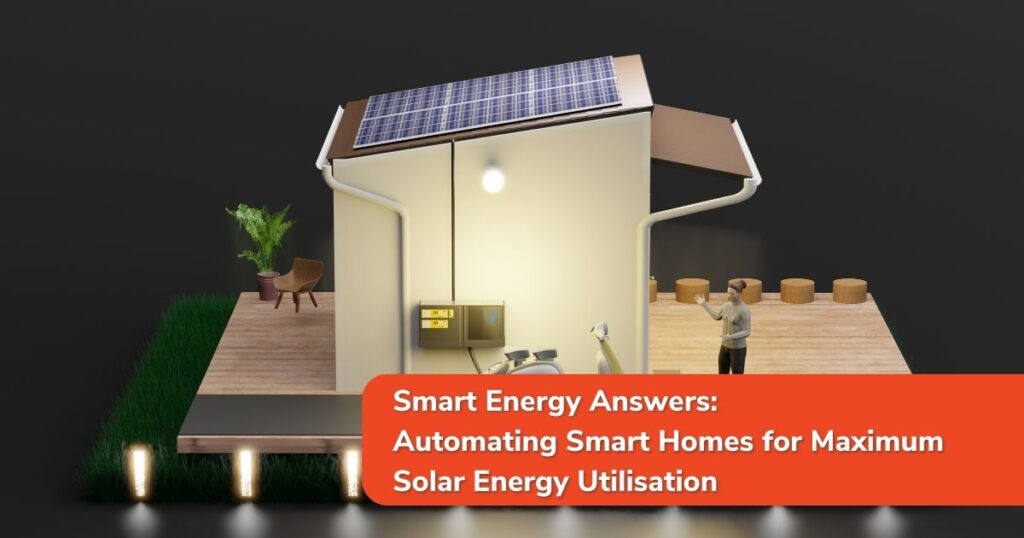
Automating Smart Homes for Maximum Solar Energy Utilisation Smart Energy Answers June 3, 2026 Discover How to Efficiently Automate Smart Homes to Make the Most Out of Solar Energy Utilisation Significance of Energy Monitoring in Optimising Solar Usage Energy monitoring plays a crucial role in optimising solar usage in smart homes. By constantly tracking and analysing energy consumption patterns, homeowners can gain valuable insights into their solar energy utilisation. This information allows them to make informed decisions and adjustments to maximise the efficiency of their solar energy systems. With energy monitoring, homeowners can identify areas where energy is being wasted or under-utilised, enabling them to take appropriate steps to optimise their solar usage. How Smart Energy Monitors Track Solar Usage Smart energy monitors are sophisticated devices that track and measure solar energy usage in smart homes. These monitors are connected to the solar energy system and provide real-time data on the amount of energy being generated and consumed. They use advanced algorithms to analyse the data and provide insights into solar energy usage patterns. Smart energy monitors can track the energy generated by the solar panels, energy consumed by different appliances, and overall energy usage trends. This information helps homeowners understand how their solar energy system is performing and identify opportunities for optimisation. Identifying Opportunities for Optimising Energy Usage and Efficiency By monitoring and analysing energy usage data, homeowners can identify opportunities for optimising energy usage and improving efficiency. They can identify appliances or devices that consume excessive energy and take steps to reduce their usage or replace them with more energy-efficient alternatives. Homeowners can also adjust their energy usage patterns based on solar energy availability to make the most out of the free energy generated by their solar panels. By identifying and implementing these optimisation opportunities, homeowners can significantly increase their solar energy utilisation and reduce their reliance on grid power. Monitoring Household Energy Usage and Appliance Consumption Smart energy monitoring systems enable homeowners to monitor their household energy usage and track the consumption of individual appliances. This information provides valuable insights into energy consumption patterns and helps homeowners identify energy-intensive appliances or devices. By monitoring appliance consumption, homeowners can make informed decisions about their energy usage and identify opportunities for energy-saving measures. They can also identify malfunctioning appliances or devices that may be consuming excessive energy and take corrective actions. Importance of Interoperability and Open Communication Standards Interoperability and open communication standards are crucial for the efficient automation of smart homes for solar energy utilisation. These standards ensure that different smart devices and systems can seamlessly communicate and exchange data. By adopting interoperable devices and systems, homeowners can integrate their smart energy monitoring systems with other smart devices, such as smart thermostats and smart lighting systems. This integration allows for better coordination and control of energy usage, leading to optimised solar energy utilisation. Adjusting Energy Settings and Schedules from Anywhere for Optimal Usage One of the key benefits of smart energy monitoring systems is the ability to adjust energy settings and schedules from anywhere for optimal usage. Homeowners can remotely control their smart devices and appliances based on solar energy availability and their energy usage preferences. For example, they can schedule their appliances to run during peak solar energy production hours, thereby maximising the utilisation of solar energy. This flexibility and control enable homeowners to make the most out of their solar energy systems and optimise their energy usage. Empowering Users to Implement Energy-Saving Measures for Long-Term Benefits Smart energy monitoring systems empower users to implement energy-saving measures for long-term benefits. By providing real-time energy usage data and insights, these systems enable homeowners to monitor their energy consumption and identify areas for improvement. Homeowners can make informed decisions about their energy usage and implement energy-saving measures, such as adjusting thermostat settings, using energy-efficient appliances, or installing energy-saving features. By adopting these measures, homeowners can not only maximise their solar energy utilisation but also enjoy long-term energy cost savings and reduce their environmental impact. Importance of Historical Data for Evaluating System Performance Historical data plays a crucial role in evaluating the performance of the smart energy monitoring system and identifying areas for improvement. By analysing historical energy usage data, homeowners can identify trends, patterns, and anomalies in their energy consumption. This information helps them evaluate the effectiveness of their solar energy system and identify areas where further optimisation is required. Historical data also enables homeowners to track the impact of their energy-saving measures and make data-driven decisions for continuous improvement. Compliance with Data Protection Regulations and Standards Compliance with data protection regulations and standards is essential when implementing smart energy monitoring systems. Homeowners must ensure that their data is protected and handled in accordance with relevant privacy laws and regulations. This includes implementing robust security measures to safeguard the data collected by the monitoring system. By complying with data protection regulations and standards, homeowners can have peace of mind knowing that their energy usage data is secure and their privacy is protected. Recap of the Benefits and Features of Smart Energy Monitoring for Solar Usage In summary, smart energy monitoring systems offer numerous benefits and features for optimising solar usage in smart homes. They provide real-time energy usage data and insights, enable remote control of energy settings, empower users to implement energy-saving measures, and facilitate the evaluation of system performance. By maximising solar energy utilisation, homeowners can reduce their reliance on grid power, save on energy costs, and contribute to a more sustainable future. Take the first step towards efficient solar energy utilisation by implementing a smart energy monitoring system in your smart home today.
Harnessing Renewable Energy Storage through Solar Batteries
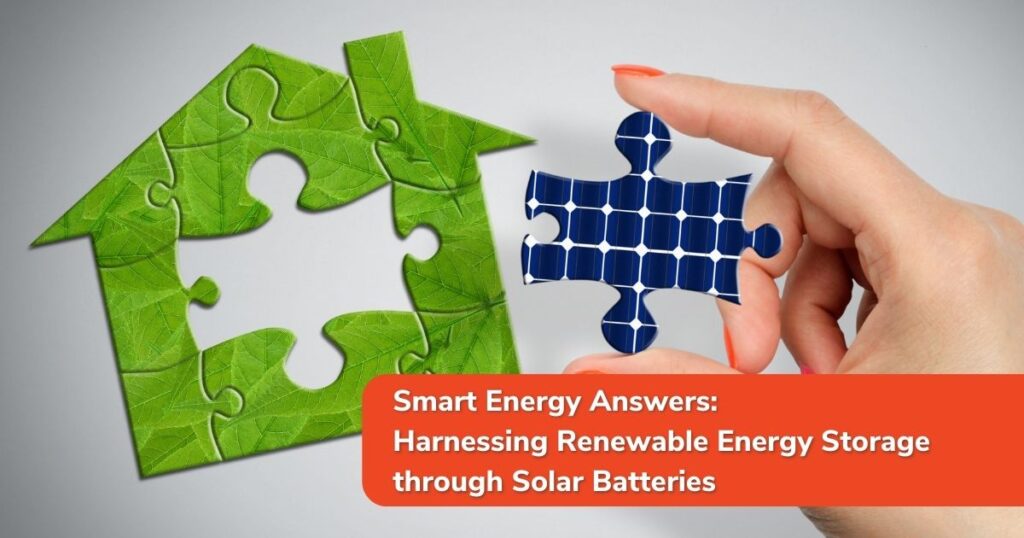
Harnessing Renewable Energy Storage through Solar Batteries Smart Energy Answers June 3, 2026 Discover How Solar Batteries Are Revolutionising Renewable Energy Storage Discover how solar batteries are revolutionising renewable energy storage and paving the way for energy independence. Significance of Solar Batteries in Achieving Energy Independence Solar batteries play a crucial role in achieving energy independence by allowing us to rely on renewable energy sources. As we transition away from fossil fuels and towards renewable energy, it becomes essential to find effective ways to store and utilise the energy generated from sources like solar power. Solar batteries provide the backbone of energy independence by storing excess energy produced during periods of high sunlight and making it available for use during low sunlight periods or when demand exceeds supply. This ability to store and distribute renewable energy is a game-changer in our journey towards a sustainable future. Furthermore, solar batteries help to reduce our dependence on the traditional electrical grid. By storing energy locally, we can provide electricity to areas without access to grid infrastructure, such as remote communities or disaster-stricken regions. This decentralisation of energy production and distribution not only enhances energy independence but also improves the resilience and reliability of our energy systems. In addition, solar batteries support load-shifting strategies, allowing us to align our energy usage with solar production. This means we can prioritise using stored solar energy when the sun is not shining, reducing our reliance on non-renewable energy sources during peak demand times. By implementing load-shifting strategies, we can optimise our energy consumption and minimise our carbon footprint. Overall, the significance of solar batteries in achieving energy independence cannot be overstated. They enable us to harness the power of renewable energy sources like solar power, store excess energy, and distribute it when needed. Solar batteries are the key to unlocking the full potential of renewable energy and paving the way towards a sustainable and independent energy future. Overview of Different Types of Solar Batteries Solar batteries come in various types, each with its own set of advantages and characteristics. Two commonly used types of solar batteries are lithium-ion batteries and lead-acid batteries. Lithium-Ion Batteries Lithium-ion batteries are known for their high energy density, long lifespan, and fast charging capabilities. They are commonly used in portable electronic devices and electric vehicles. When it comes to solar energy storage, lithium-ion batteries are preferred for their efficiency in storing and releasing energy. They are also lightweight and require minimal maintenance. Lead-Acid Batteries Lead-acid batteries have been used for decades and are known for their reliability and affordability. They are suitable for applications that require deep cycling, such as solar energy storage. While lead-acid batteries have a lower energy density compared to lithium-ion batteries, they make up for it with their lower cost and wide availability. It’s important to consider the specific requirements of your solar energy system when choosing between different types of solar batteries. Factors such as energy storage capacity, lifespan, cost, and maintenance requirements should be taken into account to ensure optimal performance and longevity of your solar battery system. Ability to Store Excess Solar Energy for Low Sunlight Periods One of the key advantages of solar batteries is their ability to store excess solar energy for use during periods of low sunlight. Solar power generation is dependent on sunlight availability, which can vary throughout the day and across seasons. During times of high solar power generation, such as sunny days, the excess energy can be stored in solar batteries instead of being wasted. When sunlight is limited or not available, such as during nighttime or cloudy days, the stored solar energy can be utilised to power homes and businesses. This ensures a consistent and reliable energy supply, even when direct solar power generation is insufficient. By storing excess solar energy, solar batteries help to maximise the utilisation of renewable energy and reduce reliance on non-renewable energy sources. Additionally, solar batteries enable homeowners and businesses to become more self-sufficient by reducing their dependence on the electrical grid. With a properly sized solar battery system, it is possible to meet a significant portion of energy needs through stored solar power, reducing electricity bills and providing energy security. Implementing Load-Shifting Strategies Load-shifting strategies involve adjusting energy usage patterns to align with solar production. By shifting energy-intensive activities to times when solar power generation is high, we can maximise the utilisation of solar energy and reduce reliance on non-renewable energy sources. For example, using appliances such as washing machines, dishwashers, or charging electric vehicles during daytime hours when solar power generation is at its peak can help to optimise energy consumption. By utilising solar energy directly, rather than relying on grid electricity, we can reduce our carbon footprint and lower energy costs. Load-shifting strategies can be implemented through smart energy management systems that monitor solar power generation and adjust energy usage accordingly. These systems can prioritise using stored solar energy and automatically switch to grid electricity only when necessary. By implementing load-shifting strategies, we can make the most of our solar energy production and contribute to a more sustainable and efficient energy system. Providing Electricity in Areas Without Traditional Grid Infrastructure One of the significant benefits of solar batteries is their ability to provide electricity in areas without access to traditional grid infrastructure. Remote communities, off-grid locations, and disaster-stricken regions often face challenges in accessing reliable electricity sources. Solar batteries offer a solution by storing solar energy and providing a consistent power supply even in the absence of grid connections. By installing solar panels and batteries, these communities can generate their own electricity and become self-sufficient. Solar power systems combined with batteries can power essential appliances, such as lights, refrigeration, and communication devices, improving the quality of life and enabling economic activities. Additionally, solar batteries can serve as a backup power source during emergencies, ensuring critical services such as healthcare facilities, schools, and community centres remain operational. The ability of solar batteries to provide electricity in areas without access
Promoting Sustainable Practices: EV Charging Station Awareness
Promoting Sustainable Practices: EV Charging Station Awareness Smart Energy Answers June 3, 2026 Explore Innovative Ways to Raise Awareness About Electric Vehicle Charging Stations Explore innovative ways to raise awareness about electric vehicle charging stations and promote sustainable practices. Importance of EV Charging Infrastructure in Supporting Electric Vehicle Adoption Electric vehicle charging infrastructure plays a crucial role in supporting the adoption of electric vehicles, or EVs. Without a robust network of charging stations, the transition to electric mobility would be hindered. EV charging infrastructure provides the necessary support for EV owners to conveniently charge their vehicles, thereby alleviating range anxiety and encouraging more people to switch to electric vehicles. Moreover, the presence of charging stations is essential for the growth of the EV market. It instils confidence in potential buyers, knowing that they will have access to charging facilities wherever they go. This infrastructure is vital in expanding the reach of EVs, making them a viable option for long-distance travel and ensuring their widespread adoption. How EV Charging Stations Facilitate EV Charging and Adoption EV charging stations serve as the backbone of electric vehicle charging infrastructure. These stations are equipped with charging points that allow EV owners to recharge their vehicles’ batteries. They come in different types, including Level 1, Level 2, and DC fast chargers, offering varying charging speeds and capabilities. By providing a convenient and accessible means of charging, EV charging stations facilitate the adoption of electric vehicles. They eliminate the need for EV owners to rely solely on home charging, as they can charge their vehicles while on the go. This accessibility boosts the confidence of potential EV buyers, knowing that they can easily find charging stations when needed. Contributing to Reductions in Greenhouse Gas Emissions and Air Pollution One of the significant benefits of EV charging infrastructure is its contribution to reducing greenhouse gas emissions and air pollution. As electric vehicles produce zero tailpipe emissions, the more EVs on the road, the cleaner the air we breathe. By promoting the adoption of electric vehicles through the availability of charging stations, we can accelerate the transition to a greener and more sustainable transportation system. Additionally, EV charging infrastructure encourages the use of renewable energy sources for charging. By integrating renewable energy into the grid and utilising it for charging EVs, we can further reduce greenhouse gas emissions and dependence on fossil fuels. This synergy between EVs and renewable energy is crucial for achieving a carbon-neutral future. Educating the Public About the Availability and Benefits of EV Charging Infrastructure Raising public awareness about the availability and benefits of EV charging infrastructure is essential for driving its adoption. Many people may not be aware of the extensive network of charging stations already in place, which can deter them from considering an electric vehicle. Therefore, it is crucial to educate the public about the convenience and accessibility of EV charging stations. By highlighting the benefits of EV charging infrastructure, such as cost savings, reduced environmental impact, and increased convenience, we can encourage more people to make the switch to electric vehicles. Public outreach campaigns, informational materials, and targeted advertising can all play a role in spreading awareness and dispelling any misconceptions about EV charging infrastructure. Educating Drivers and Consumers About the Convenience and Affordability of EV Charging Educating drivers and consumers about the convenience and affordability of EV charging is key to increasing EV adoption. Many people may be hesitant to switch to electric vehicles due to concerns about charging time and cost. However, by showcasing the advancements in charging technology and the decreasing costs of EV charging, we can address these concerns and encourage more people to embrace electric mobility. EV charging has become increasingly convenient with the introduction of fast charging technologies and the growing network of charging stations. Additionally, the cost of charging an electric vehicle is typically lower than the cost of refuelling a petrol-powered car. By emphasising these advantages, we can overcome barriers to EV adoption and promote the widespread use of electric vehicles. Creating Informational Materials About EV Charging Station Locations and Features Creating informational materials about EV charging station locations and features is crucial for helping EV owners and potential buyers navigate the charging infrastructure. These materials can include maps or mobile applications that provide real-time information about the nearest charging stations, their availability, and the types of chargers they offer. By making this information easily accessible, EV owners can plan their routes and charging stops more efficiently, ensuring they have access to charging facilities throughout their journey. Furthermore, highlighting the features of different charging stations, such as fast charging capabilities or the availability of renewable energy sources, can help users make informed decisions and choose the stations that best suit their needs. Offering Training and Support for Businesses and Organisations To further promote the adoption of EV charging infrastructure, offering training and support for businesses and organisations interested in installing charging stations is crucial. Many companies may be interested in providing charging facilities for their employees or customers but may face challenges in understanding the installation process, requirements, and potential benefits. By offering comprehensive training and support, we can simplify the process of installing charging infrastructure and provide guidance on selecting the most suitable charging solutions for different needs. This support can include information on available incentives, technical assistance, and guidance on maintenance and operation. By empowering businesses and organisations to install charging stations, we can expand the network of EV charging infrastructure and promote its accessibility. Collaborating with Utility Companies to Provide Discounted Electricity Rates Collaborating with utility companies to provide discounted electricity rates for EV charging can incentivise the use of electric vehicles and support the growth of EV charging infrastructure. By offering lower electricity rates during off-peak hours or specific charging programmes, utility companies can encourage EV owners to charge their vehicles when the demand for electricity is lower, optimising the use of the grid. These discounted rates make EV charging more affordable for consumers and reduce the
Maximising Benefits of Solar Inverter Technology
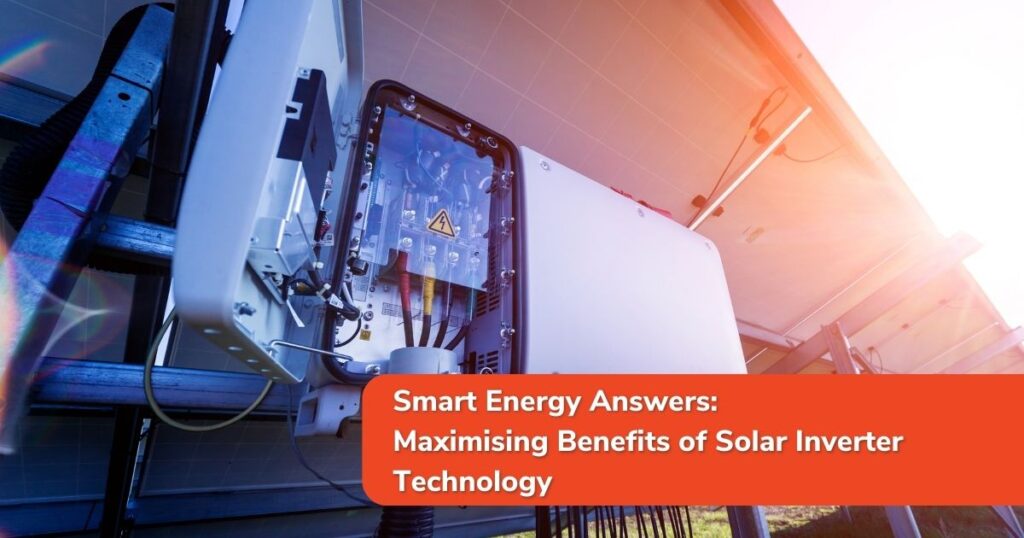
Maximising Benefits of Solar Inverter Technology Smart Energy Answers June 3, 2026 Learn How Solar Inverter Technology Can Enhance Your Solar Energy System Learn about how solar inverter technology can enhance the efficiency and effectiveness of your solar energy system. Importance of Solar Inverters in Photovoltaic Systems Solar inverters play a crucial role in photovoltaic systems by converting the direct current, or DC, generated by solar panels into alternating current, or AC, that can be used to power homes and businesses. Without inverters, the electricity produced by solar panels would be unusable. In addition to converting DC to AC, solar inverters also optimise the power output of solar panels, ensuring maximum efficiency and performance. Furthermore, solar inverters enable the integration of solar energy systems with the electrical grid, allowing for the export of excess energy and the import of electricity when solar generation is insufficient. This seamless connection to the grid ensures a reliable and continuous power supply, making solar energy a viable alternative to traditional fossil fuel-based electricity. What Solar Inverters Do Solar inverters are responsible for converting the DC electricity generated by solar panels into AC electricity that can be used to power homes and businesses. They act as the bridge between the solar panels and the electrical grid, ensuring a smooth and efficient transfer of energy. Without solar inverters, the electricity produced by solar panels would be incompatible with the appliances and devices we use every day. In addition to their role in converting DC to AC, solar inverters also perform other important functions in solar energy generation. They monitor the performance of solar panels, ensuring they are operating at their maximum capacity. They also provide safety features and protection mechanisms, such as overvoltage and overcurrent protection, to safeguard the system from potential damage. Overall, solar inverters are essential components of solar energy systems, enabling the efficient and reliable generation of clean and renewable electricity. The DC to AC Conversion Process The DC to AC conversion process is at the heart of solar inverter technology. When sunlight hits the solar panels, it generates DC electricity. However, most of our electrical appliances and devices run on AC electricity. This is where solar inverters come in. They convert the DC electricity from the solar panels into AC electricity that can be used to power our homes and businesses. The DC to AC conversion process involves several stages. First, the solar inverter receives the DC electricity from the solar panels. It then uses electronic circuitry to convert the DC electricity into AC electricity with the desired voltage and frequency. This AC electricity is then fed into the electrical grid or used to power local loads. It is important to note that the efficiency of the DC to AC conversion process can vary depending on the type and quality of the solar inverter. Choosing a high-quality inverter can maximise the energy output of your solar panels and improve the overall performance of your solar energy system. Grid-Tied, Off-Grid, and Hybrid Inverter Systems Solar inverters come in different types to suit various solar energy system configurations. The three main types of solar inverters are grid-tied, off-grid, and hybrid inverters. Grid-Tied Inverters Grid-tied inverters are the most common type and are designed to work in conjunction with the electrical grid. They allow for the seamless integration of solar energy systems with the grid, enabling the export of excess energy and the import of electricity when solar generation is insufficient. Grid-tied inverters ensure a stable power supply and often come with monitoring capabilities to track energy production and consumption. Off-Grid Inverters Off-grid inverters are used in standalone solar energy systems that are not connected to the electrical grid. These systems are typically found in remote locations where access to the grid is limited or nonexistent. Off-grid inverters are responsible for converting DC electricity from solar panels into AC electricity for immediate use or storage in batteries. They often feature built-in charge controllers and battery management systems to optimise energy storage and utilisation. Hybrid Inverters Hybrid inverters combine the functionalities of both grid-tied and off-grid inverters. They are designed for solar energy systems that are connected to the grid but also have battery storage capabilities. Hybrid inverters allow for the use of solar energy during the day and the storage of excess energy for use during the night or in case of a power outage. They offer the flexibility of grid-tied systems with the added benefit of backup power. Choosing the right type of inverter for your solar energy system depends on your specific needs and requirements. It is important to consult with a qualified solar installer to determine the best inverter solution for your situation. Microinverters: Advantages, Limitations, and Installation Considerations Microinverters are a type of solar inverter that are installed on each individual solar panel instead of being connected to a central inverter. This decentralised design offers several advantages over traditional string inverters. One of the main advantages of microinverters is that they optimise the performance of each individual solar panel. Unlike string inverters, which are affected by shading or malfunctions in one panel, microinverters allow each panel to operate independently. This means that even if one panel is underperforming, the rest of the system can still generate electricity at its maximum capacity. Microinverters also offer improved monitoring capabilities. Since each panel has its own microinverter, it is easier to track the performance of individual panels and identify any issues or malfunctions. This allows for faster troubleshooting and maintenance. However, microinverters also have some limitations. They tend to be more expensive than string inverters, as each panel requires its own microinverter. They also require more complex installation, as each microinverter needs to be mounted on the back of each panel. This can increase installation time and cost. When considering the use of microinverters, it is important to assess the specific requirements of your solar energy system and weigh the advantages against the limitations. Consulting with a qualified solar installer can help you
Eco-Friendly Homes: The Impact of Solar Power
Eco-Friendly Homes: The Impact of Solar Power Smart Energy Answers June 3, 2026 Discover How Solar Power Is Revolutionising Household Energy Consumption Discover how solar power is revolutionising household energy consumption and its positive impact on the environment. Overview of the Growing Popularity of Solar Energy for Homes Solar power has become increasingly popular among homeowners as a sustainable and cost-effective energy solution. As more people recognise the benefits of harnessing the sun’s energy, residential solar power installations have seen a significant increase. This growing popularity can be attributed to various factors, including advancements in technology, government incentives, and a greater awareness of the environmental impact of traditional energy sources. By installing solar panels on rooftops or in open areas, homeowners can generate electricity for their own consumption. The excess energy produced can also be fed back into the grid, allowing homeowners to earn credits or receive compensation from utility companies. This has led to a shift in the way households consume and produce energy, making solar power an attractive option for many. Cost Savings Through Reduced Electricity Bills and Net Metering One of the most significant advantages of residential solar power is the potential for cost savings. By generating their own electricity, homeowners can reduce their reliance on traditional energy sources and save on monthly electricity bills. Additionally, through a process known as net metering, homeowners can earn credits for the excess energy they produce and feed back into the grid. These credits can then be used to offset future electricity bills, resulting in even greater savings. The cost savings associated with solar power are especially beneficial in the long term. While the initial investment may seem significant, the return on investment over time can be substantial. As electricity prices continue to rise, homeowners with solar power installations can enjoy stable and predictable energy costs. Potential for Increased Property Value An additional benefit of residential solar power is the potential for increased property value. Homes equipped with solar panels are often seen as more desirable by potential buyers, particularly those who prioritise energy efficiency and sustainability. The presence of solar power installations not only demonstrates the homeowner’s commitment to reducing their carbon footprint but also offers long-term energy savings, making the property more attractive in the real estate market. As environmental consciousness grows, more and more buyers are actively seeking homes with sustainable features, including solar power. By investing in solar energy, homeowners can not only enjoy the benefits of reduced electricity bills but also increase the value of their property. Empowering Homeowners to Generate Their Own Clean Energy One of the key advantages of residential solar power is the empowerment it provides to homeowners. By installing solar panels, individuals can take control of their energy consumption and reduce their reliance on traditional energy sources. This shift towards self-sufficiency allows homeowners to generate their own clean energy, contributing to a more sustainable future. Solar power installations enable homeowners to become active participants in the fight against climate change. By harnessing the sun’s energy, individuals can reduce their carbon footprint and make a positive impact on the environment. This sense of empowerment not only benefits homeowners on an individual level but also contributes to the collective effort of transitioning to a greener and more sustainable society. Integration of Smart Home Technologies The integration of smart home technologies with residential solar power systems offers numerous benefits for homeowners. Smart home devices, such as energy monitoring systems and smart thermostats, allow for optimised energy usage and management. These technologies enable homeowners to track their energy consumption in real time, identify areas of inefficiency, and make adjustments to maximise energy savings. By combining solar power with smart home technologies, homeowners can further enhance the efficiency and effectiveness of their energy systems. For example, smart thermostats can adjust temperature settings based on the availability of solar energy, ensuring optimal energy usage. This integration ultimately leads to greater energy savings and a more sustainable lifestyle. Rooftop Versus Ground-Mounted Installations When it comes to residential solar power installations, homeowners have the option to choose between rooftop and ground-mounted systems. Each option has its own advantages and considerations that should be taken into account. Rooftop installations are the most common choice for residential solar power. They utilise existing roof space, making them a convenient and space-efficient option. However, factors such as roof orientation, shading, and structural integrity need to be considered to ensure optimal energy production. On the other hand, ground-mounted installations offer greater flexibility in terms of orientation and positioning. They can be placed in areas with maximum sunlight exposure, regardless of roof conditions. However, ground-mounted systems require additional space and may involve more complex installation processes. Ultimately, the choice between rooftop and ground-mounted installations depends on various factors, including available space, structural considerations, and personal preferences. Navigating Utility Interconnection and Net Metering Policies Before installing a residential solar power system, homeowners need to navigate utility interconnection processes and understand net metering policies. These processes and policies vary depending on the location and utility company, so it is important to research and comply with the specific requirements. Utility interconnection processes involve the technical and administrative procedures of connecting a solar power system to the electrical grid. These processes ensure the safe and efficient integration of residential solar power with the existing utility infrastructure. Net metering policies determine how homeowners can earn credits for the excess energy they produce and feed back into the grid. Understanding these policies allows homeowners to maximise the financial benefits of their solar power systems. By familiarising themselves with utility interconnection processes and net metering policies, homeowners can ensure a smooth transition to solar power and fully capitalise on the advantages it offers. Practical Insights for Residential Solar Adoption For those considering the adoption of residential solar power, it is essential to gather inspiration and practical insights. Learning from the experiences of others who have already made the transition can provide valuable information and guidance. There are numerous resources available, including
Old String Inverters versus Micro Inverters & DC optimisers
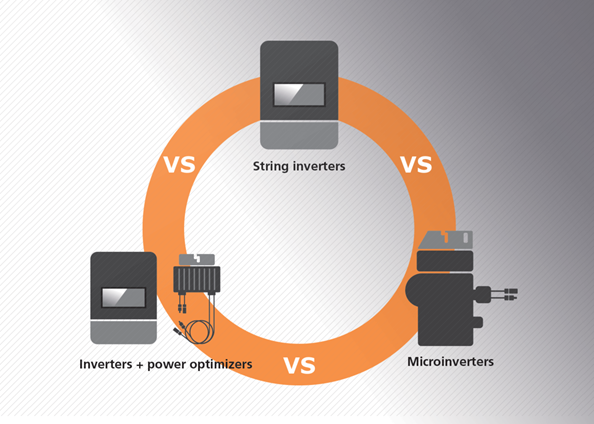
Old String Inverters versus Micro Inverters & DC optimisers Smart Energy Answers February 8, 2024 Types of Solar Inverters There are three main types of inverters currently available for your solar energy system: string inverters, power optimiser systems, and microinverters. Power optimiser systems are also known as string inverters with power optimisers. Power optimisers and microinverters are often collectively referred to as Module-Level Power Electronics, or MLPEs. String inverters are by far the most commonly deployed inverter option globally and make up the majority of the world’s inverter market. However, MLPE technologies have gained market share over the last five years as their costs have come down. String Inverters String inverters are the most cost-effective inverter option available. Traditionally, a solar installation company would propose a string inverter for your system if your roof had limited shading throughout the day and did not face multiple directions, such as a gabled roof. However, thanks to recent hardware and software updates from major string inverter companies, string inverters are now suitable for a wider range of circumstances. How String Inverters Work Your solar panels are arranged into groups connected by strings, which is where the name comes from. You can connect multiple strings of panels to a single centralised inverter, which transforms the DC electricity produced by the panels into usable AC electricity for your home or business. Power Optimisers Power optimiser systems offer many of the same benefits as microinverters. They are often considered a compromise between microinverters and standard string inverters. How Power Optimiser Systems Work Like microinverters, systems with power optimisers have an individual optimiser component located at each panel. However, instead of converting DC electricity to AC electricity at the panel, they condition the DC electricity and send it to a string inverter for conversion. If your roof experiences shade during the day, the panel-level optimisation provided by power optimisers often results in higher system efficiency than using a string inverter alone. Like microinverters, power optimisers not only reduce the impact of panel shading on system performance, but also offer panel-level performance monitoring. Microinverters Microinverters, another form of MLPE, are rapidly gaining popularity, particularly for residential solar panel systems. How Microinverters Work Systems with microinverters typically have an individual microinverter installed on the back of each solar panel. They convert the DC electricity from your solar panels into AC electricity directly on your roof, with no need for a separate string inverter. In most cases, installers mount the microinverters onto the back of the solar panel itself. They can also be placed next to the panel on your solar racking system. Microinverters take Module-Level Power Electronics, or MLPE, to the logical conclusion. While power optimisers aggregate the electricity from your panels and send it to a string inverter for DC to AC conversion, microinverters complete the DC to AC conversion directly at each individual solar panel. As a result, just like power optimiser systems, microinverters also allow you to monitor the performance of individual solar panels. Smart Modules Many microinverter and power optimiser companies are partnering with solar panel manufacturers to create smart modules. Simply put, a smart module is a solar panel with a piece of Module-Level Power Electronics, or MLPE, equipment already integrated into it. This simplifies installation and can help reduce labour costs for installers. Many of the world’s biggest panel manufacturers now have smart module options available.
Smart Energy Answers: Top Brand PV Installer 2023 Award, EUPD Research
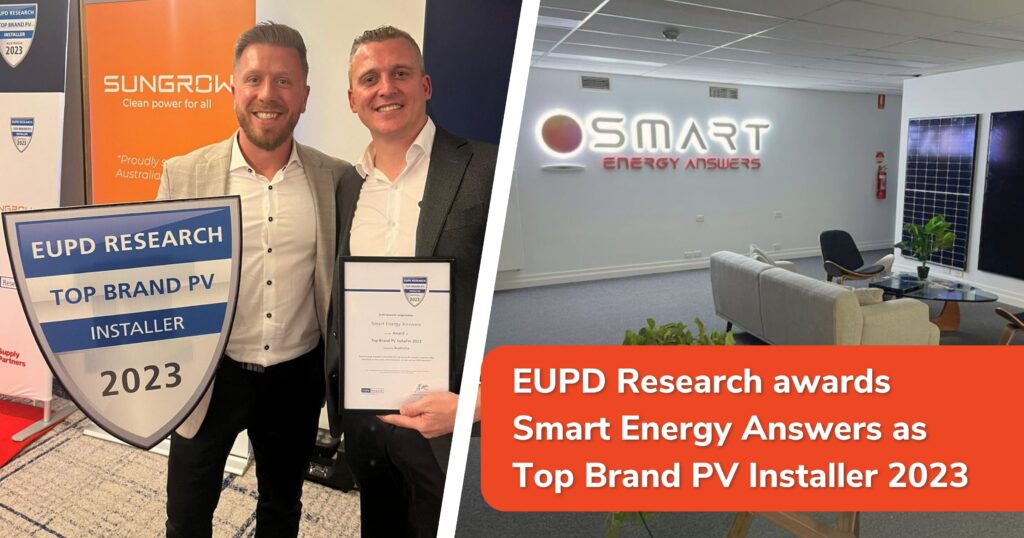
Smart Energy Answers: Top Brand PV Installer 2023 Award, EUPD Research Smart Energy Answers October 26, 2023 Smart Energy Answers Wins Top Brand PV Installer 2023 Award in Australia Smart Energy Answers is thrilled to announce that we have received the prestigious EUPD Research Top Brand PV Installer 2023 award in Australia, marking a significant milestone in the renewable energy landscape. This award, launched at All Energy in Melbourne, represents the first-ever Australian Installer Awards by EUPD Research. More than just an accolade, this certification project recognises the real energy transition drivers across the country. It reaffirms our dedication to shaping a greener and more sustainable future. The Significance of the EUPD Research Top Brand PV Installer 2023 Award EUPD Research is a renowned authority in the renewable energy industry, and the Top Brand PV Installer award is a highly esteemed recognition in the field. The award acknowledges exceptional solar companies making a significant impact at both national and European levels. This award is not given lightly. It is reserved for the top 1% of companies in the distributed generation sector, determined by criteria such as deployment volumes, installations, and overall growth. It underscores the exceptional standards upheld by Smart Energy Answers in providing high-quality solar solutions. The Smart Energy Answers Difference Smart Energy Answers has been a trailblazer in the solar industry since our inception. Our commitment to sustainability, quality, and innovation has been the driving force behind our success. We have always strived to provide the best for our customers, and this award reaffirms our dedication. Our team’s dedication and investment in cutting-edge technology set us apart, helping ensure top-quality solar installations. We place our customers at the heart of our journey, continually improving our services based on feedback and testimonials. Sustainability is also central to our mission, with eco-friendly practices benefiting not only our clients but also the environment. These efforts help reduce carbon footprints and decrease reliance on non-renewable energy sources. Furthermore, at Smart Energy Answers, we extend our commitment to the community by actively participating in local projects. These include bringing solar solutions to remote schools in the Pacific and contributing to the rehabilitation of Australia’s parks and wildlife. Future Goals and Sustainability Commitments As we look ahead, our vision remains clear. We aim to continue accelerating the transition to 100% renewable energy. We are thrilled to contribute to Australia’s renewable energy landscape, helping shape a future where clean energy is more accessible and affordable. Receiving the EUPD Research Top Brand PV Installer 2023 award is a tremendous honour for Smart Energy Answers. We are incredibly thankful for your support and trust in our solar solutions. If you are considering making the switch to solar energy, we invite you to explore what Smart Energy Answers can offer. Our award-winning team is ready to help you take the first step towards a more sustainable and energy-efficient future. Together, we can make a significant impact on the environment while helping you save on energy costs. Thank you for being part of our journey, and here’s to a brighter, greener future.
Smart Energy Answers CEO Returns to Macquarie University: Solar Power
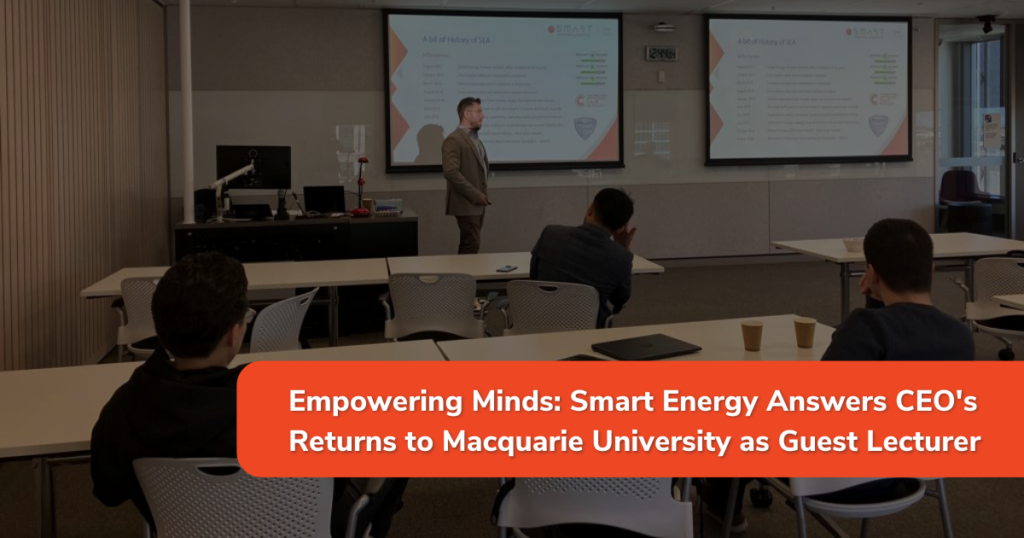
Smart Energy Answers CEO Returns to Macquarie University: Solar Power Smart Energy Answers September 5, 2023 Smart Energy Answers CEO Inspires Macquarie University Students with Sustainable Future Vision Smart Energy Answers is excited to share that our CEO, Daniel Lanzetta, returned to Macquarie University as a guest lecturer for the second year in a row. Addressing MBA students, Daniel shared the remarkable journey of Smart Energy Answers and its pivotal role in the transition to 100% renewable energy. Drawing from over a decade of industry experience, Daniel led the students through the impressive journey of Smart Energy Answers, highlighting both the wins and challenges the company has faced over the last few years. From modest beginnings to becoming one of Australia’s premier solar providers, his narrative highlighted the power of vision and perseverance in driving success. The company’s growth story is a testament to innovation and a strong commitment to delivering a delightful customer experience. The students were captivated by the real-world examples of Smart Energy Answers’ impact. They learned how the company’s innovative solutions have not only reduced carbon footprints but also translated into tangible financial benefits for businesses and homeowners alike. Daniel’s insights underscored the reality that sustainability and profitability can go hand in hand. Throughout the lecture, Daniel passionately spoke about the importance of adopting renewable energy solutions to combat climate change and reduce dependence on coal and fossil fuel resources. With each project undertaken, the company is not only providing clean energy but also contributing to social development. Smart Energy Answers commits part of its profits to charitable donations in support of It’s Time Foundation and the Foundation for National Parks & Wildlife. The lecture was not a one-way street; it was a dynamic exchange of ideas. As Daniel shared his insights, students actively participated, contributing questions and perspectives that added depth to the discussion. Their inquiries ranged from the company’s market innovations to its role in shaping a more sustainable future. The lecture left MBA students invigorated and eager to contribute to a brighter future. Through his wisdom and real-world examples, Daniel ignited a spark of inspiration. His commitment to sharing knowledge mirrors Smart Energy Answers’ dedication to education, sustainability, and innovation. It was truly a proud moment for everyone at Smart Energy Answers as our CEO led by example in empowering people with knowledge. We look forward to the next university talk.
6 Years Solar Excellence: Smart Energy Answers’ Journey of Innovation
6 Years Solar Excellence: Smart Energy Answers’ Journey of Innovation Smart Energy Answers August 18, 2023 6 Years of Solar Excellence: Innovating and Impacting the Solar Industry We are thrilled to mark a significant moment in our journey: Smart Energy Answers’ 6th anniversary. Join us as we take you through our remarkable journey of evolution, significant accomplishments, and the bright path we have paved in the solar industry. From humble beginnings to becoming an industry leader, our story has been one of continuous transformation. Our journey saw us achieve significant milestones, including our first sales in Sydney back in October 2017. In 2019, we reached a major point of industry recognition by securing the esteemed Approved Solar Retailer status. Our commitment and exceptional standards also earned us the distinguished LG Electronics Best Commercial Installation award for an impressive 500 kW project. Emerging as the No. 1 installer on respected platforms such as SolarQuotes and ProductReview laid the groundwork for a series of subsequent industry accolades. Our commitment to sustainability lies at the heart of everything we do. We are not just installing solar panels; we are championing a cleaner and greener future for Australian households and businesses. By harnessing solar energy, we actively combat climate change and help reduce carbon emissions. Our collaborations with It’s Time Foundation and the Foundation for National Parks & Wildlife also amplify our impact in Australia and beyond. These partnerships underscore our dedication to creating a world where nature thrives. In the words of our customers, we find the true essence of our journey. Their glowing reviews reflect the transformative power of solar energy. These reviews remind us that every installation is more than just technology; it is about improving lives and protecting the planet. Our vision extends beyond our 6th anniversary. Our commitment to innovation and making a positive impact remains unwavering, propelling us towards an even brighter future. Through continuous innovation and meaningful partnerships, we have introduced cutting-edge products and solutions. This progress has not only enhanced efficiency but also made solar energy more accessible, affordable, and convenient for everyone. To our customers, partners, and dedicated team, we extend our heartfelt gratitude. Your support and belief in our mission have been instrumental in our success. It is your trust that has driven us forward, and it is your stories that continue to keep us inspired. At Smart Energy Answers, we pride ourselves on our ability to understand and cater to our customers’ ever-changing needs. We work tirelessly to provide the right solutions and ensure customer satisfaction. Our four-year streak in the ProductReview award as the best solar retailer is a testament to that commitment. However, we could not have achieved this without our incredible team. Our People Are Our Greatest Strength At Smart Energy Answers, we firmly believe that our people are our greatest strength. We are incredibly proud to have a team of dedicated professionals who have been with us for more than five and a half years. We are also proud of individuals who have progressed from sales consultants to management positions, as well as support staff who have transitioned into specialised areas such as design. Our team is made up of talented individuals who bring a wealth of expertise and experience to the table. We are committed to supporting their growth and development within our organisation. Through our investment in our team members, we have earned a strong reputation in the industry. We are determined to become an employer of choice in the solar sector. By creating a supportive, inclusive, and rewarding workplace culture, we are confident that we can attract and retain the very best talent. This allows us to continue driving innovation and excellence in everything we do. We recognise that our success is directly tied to the dedication and hard work of our team. We are proud to have each and every one of them as part of the Smart Energy Answers family. A Big Thank You to Our Staff and Customers A big thank you to all our staff and customers for being part of our journey. Six years ago, we embarked on this journey, and today, we celebrate the brilliance of solar energy and the profound change it can bring. Smart Energy Answers’ commitment to sustainable progress remains unshakeable, and we invite you to continue this journey with us. Curious to know more about our solar solutions and innovations? Explore our website for insights into how Smart Energy Answers can brighten your life with sustainable energy, or speak with one of our energy experts today.
Solar Powerhouse: Take A Peek Into Our Fun & Energetic Sales Team
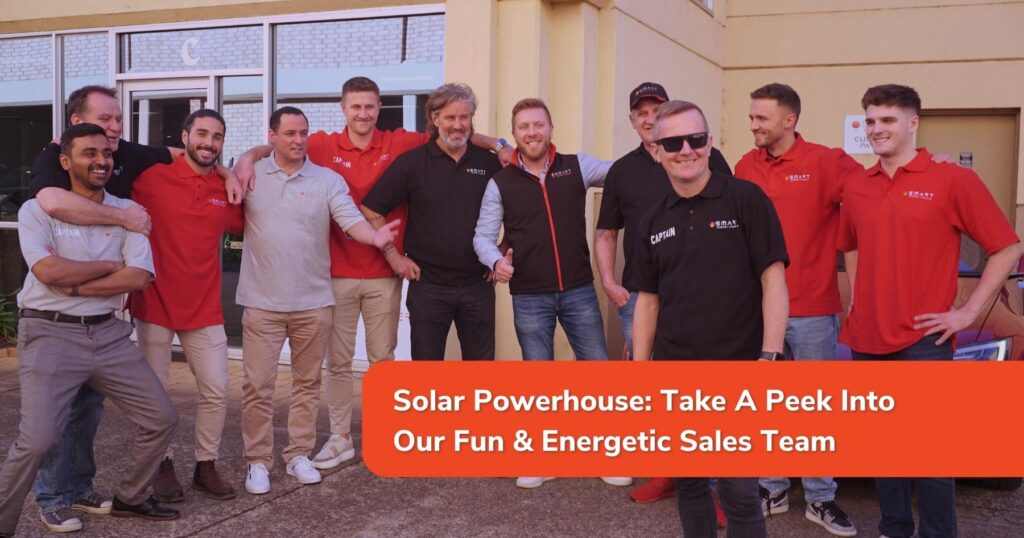
Solar Powerhouse: Take A Peek Into Our Fun & Energetic Sales Team Smart Energy Answers August 10, 2023 As our passion for solar energy and sustainable solutions continues to drive us forward, our sales teams and their captains recently geared up for the ultimate sales showdown. Picture this: our teams donned their brand-new, vibrant team shirts, ready to bring their A-game to the playing field. But it was not all business and numbers at the meeting. We also made sure to have some fun along the way. Our cameras were flashing as we engaged in a playful photoshoot, capturing moments of camaraderie and team spirit that embody our core values. After all, teamwork is at the heart of our success. And what is a meeting without a little challenge and some fantastic rewards? Our sales showdown reached a whole new level of excitement with a thrilling game of Wheel of Fortune. Excitement filled the room as our team members spun the wheel, eagerly anticipating the chance to win exclusive Smart Energy Answers merchandise and other fabulous prizes. At Smart Energy Answers, we believe that a motivated and united team can achieve remarkable things, and this meeting served as a testament to that spirit. As we continue to empower our customers with cutting-edge solar solutions, we also strive to create a work environment where passion, dedication, and enjoyment go hand in hand. The energy in the room was electrifying, and it is clear that our teams are ready to make a significant impact in the solar industry. With renewed enthusiasm and a collective drive, we cannot wait to see our sales team lead the charge towards a greener and more sustainable future for all. Book a meeting with our energy experts and start your journey towards energy independence. Stay tuned for more updates from our energetic team. When it comes to solar energy, Smart Energy Answers has you covered.
Its Time Foundation Partnership: Solar Power to Pacific Island Schools

Its Time Foundation Partnership: Solar Power to Pacific Island Schools Smart Energy Answers August 7, 2023 At Smart Energy Answers, we believe in harnessing the power of the sun to create a brighter and more sustainable future. That is why we are proud of our partnership with It’s Time Foundation, an organisation dedicated to bringing solar energy to remote schools in the Pacific Islands. For every successful solar system installation by Smart Energy Answers, our customers can choose to make a donation to It’s Time Foundation. These donations help provide solar panels and clean energy solutions to schools and communities across the Pacific region. Empowering Pacific Schools The recent update from It’s Time Foundation showcases the incredible impact of our partnership. During the second quarter of this year, they successfully commissioned 8 new school solar systems, bringing clean and reliable electricity to these educational institutions. These solar installations not only enhance the learning environment for students but also reduce the schools’ reliance on costly and polluting fossil fuels. Brightening Lives Through the generosity of our customers and the hard work of It’s Time Foundation, 7 of the schools have been fully wired, allowing for efficient distribution of solar energy to power classrooms and facilities. Additionally, the wiring of 6 boarding hostels and 41 teachers’ homes means that the benefits of solar energy extend beyond the school premises. This positively impacts the lives of both students and educators. Embracing Sustainable Technology To ensure a sustainable and efficient energy storage system, It’s Time Foundation replaced old battery technology in 6 early installations with new batteries. This upgrade significantly improves energy storage capacity, enabling schools to harness solar energy even during overcast days or nighttime. Embracing advanced technology helps ensure that these institutions have a reliable and continuous power supply. This fosters an ideal environment for learning and growth. Raffle for Solar Additionally, we are excited to share that It’s Time Foundation is running an exclusive raffle promotion. By purchasing a raffle ticket, you not only get the chance to win an incredible vacation in the Fiji Islands but also contribute to a truly meaningful cause. The funds raised through the raffle will directly support the installation of solar systems in the Pacific Islands, furthering the mission to bring sustainable energy to schools and communities in need. It is a win-win opportunity to experience paradise while making a positive impact on the environment and the lives of others. Click here to join this unique initiative and be part of creating a brighter and more sustainable future for everyone. Gratitude and Commitment We extend our heartfelt gratitude to all our customers and partners who have chosen to go solar with Smart Energy Answers. Every solar system installation not only benefits Australian households but also contributes to a noble cause in the Pacific Islands. By choosing renewable energy, our customers are actively participating in the mission to make a real difference in the lives of those who need it most. Smart Energy Answers is more than just a solar company; we are committed to making a positive impact on a global scale. https://vimeo.com/848257295 Our partnership with It’s Time Foundation allows us to extend the benefits of solar energy beyond Australian borders and brighten the future for schools and communities in the Pacific Islands. Together, we are creating a cleaner, greener, and more sustainable world, one solar panel at a time. Thank you for being part of this journey towards a brighter and more promising future.
Exploring the Future of Solar Energy at SNEC Expo 2023
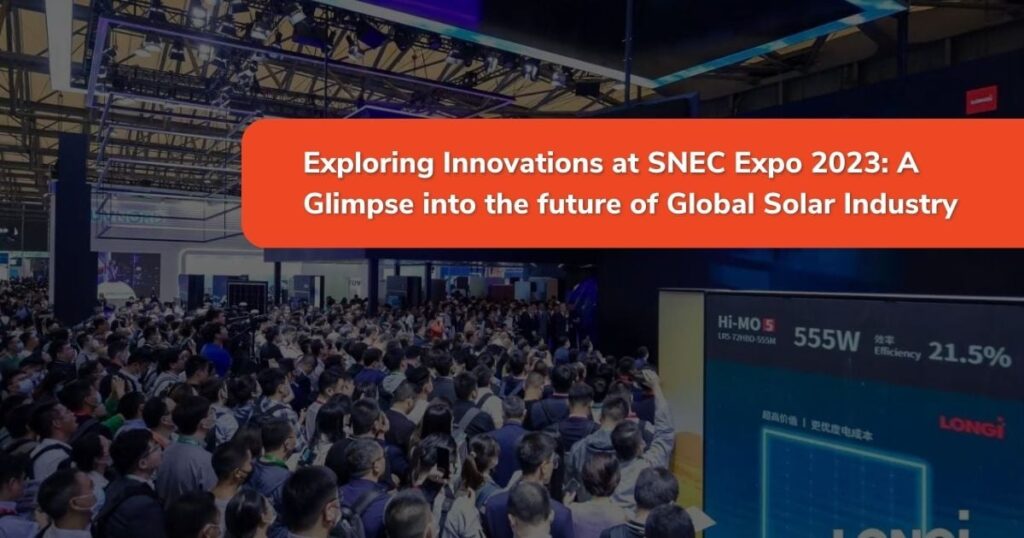
Exploring the Future of Solar Energy at SNEC Expo 2023 Smart Energy Answers June 6, 2023 Exploring the Future of Solar Energy: Highlights from SNEC Expo 2023 Smart Energy Answers is excited to share that we had the privilege of attending the 16th SNEC International Photovoltaic Power Generation and Smart Energy Conference & Exhibition in Shanghai, China. The event took place from 24 May to 26 May. We were honoured to receive an invitation from LONGi, a leading solar photovoltaic, or PV, brand, to participate in this renowned event. The SNEC conference and exhibition is a significant platform for the global solar industry, attracting professionals and industry leaders from around the world. With remarkable growth since its inception in 2007, SNEC has established itself as the largest international photovoltaic tradeshow. It provides a comprehensive showcase of the entire PV industry chain, covering manufacturing facilities, materials, PV cells, application products and modules, PV projects and systems, energy storage, and mobile energy technologies. During our visit to the exhibition, we also had the opportunity to explore LONGi’s facility. LONGi is a renowned brand in the solar PV industry, known for its commitment to innovation and high-quality products. The facility tour gave us an exclusive glimpse into their operations and provided valuable insights into their manufacturing processes. It also gave us a deeper understanding of technological advancements in the solar industry. However, strict protocols were in place during the facility tour to protect the company’s intellectual property and maintain a secure environment. Cameras were not allowed inside the facility, and we were required to wear protective gear to ensure safety and adherence to their guidelines. These measures highlighted the company’s dedication to maintaining the highest standards in its operations. Embracing Innovation and Staying Ahead Attending conferences like SNEC is crucial for us at Smart Energy Answers, as it enables us to stay updated with the latest innovations and advancements in the industry. It allows us to assess emerging technologies, explore market trends, and connect with experts and thought leaders. By participating in such events, we ensure that we are well equipped to provide our customers with the most cutting-edge solutions and stay ahead of the curve in the ever-evolving smart energy landscape. We are committed to providing our customers with the technology of tomorrow so we can all be future-ready. By joining conferences and events like SNEC, we actively engage in knowledge-sharing, idea exchange, and collaboration, which are vital for driving progress in the smart energy sector. This enables us to adapt and incorporate the latest innovations into our offerings, ensuring that our customers receive the best solutions to meet their evolving energy needs. We are incredibly grateful to LONGi for inviting us to this prestigious event and for their gracious facility tour. The experience deepened our understanding of the industry and reaffirmed our dedication to delivering exceptional smart energy solutions to our valued customers. As we continue on our journey, we remain committed to staying at the forefront of the industry, embracing advancements, and providing innovative solutions that contribute to a sustainable and energy-efficient future.
Solar Victoria Moves From Rebates to Interest-Free Loans For Batteries
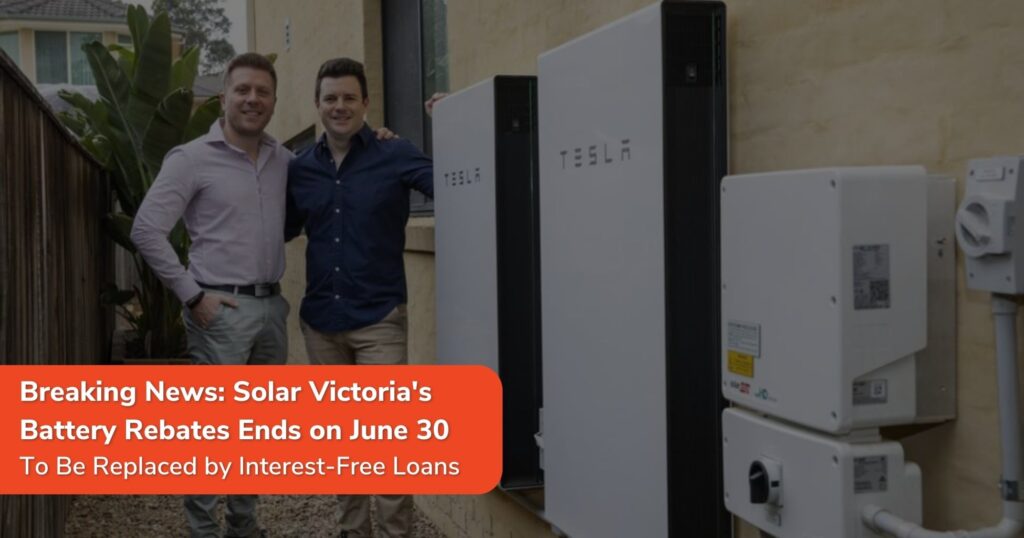
Solar Victoria Moves From Rebates to Interest-Free Loans For Batteries Smart Energy Answers May 29, 2023 Solar Victoria’s Transition: From Rebates to Interest-Free Loans for Home Batteries Solar Victoria is ushering in a significant change to its incentive programme. By 30 June, the battery rebate worth up to $2,950 will come to an end, making way for interest-free loans of up to $8,800 starting from 1 July. This new Solar Homes Program is only open to the first 4,500 Victorian households. With the shift from the battery rebate to interest-free loans, Solar Victoria aims to enhance the affordability and accessibility of renewable energy storage systems. While the rebate offered a grant or discount on battery purchases, the interest-free loan opens the door to a larger funding option. This means homeowners can now explore more high-quality battery choices and overcome the upfront cost barrier. The Solar Homes Program remains focused on making renewable energy accessible to Victorians. Whether through the rebate or the interest-free loan, the goal is to enable individuals to harness the power of battery storage. By utilising battery storage, consumers can reduce their energy bills and protect themselves against rising electricity prices. Battery systems can also provide reliable backup during power outages, helping ensure an uninterrupted energy supply. Additionally, households can sell excess power back to the grid and earn credits or money from it. Solar Victoria’s incentive programme plays a crucial role in promoting sustainable energy practices. By encouraging the adoption of battery storage, the programme aims to reduce reliance on fossil fuel-based power generation, decrease greenhouse gas emissions, and help protect our planet. Conclusion Solar Victoria’s upcoming transition from the battery rebate to interest-free loans presents an exciting opportunity for Victorian households. To receive the state government grant, it is essential to act fast. The battery rebate worth $2,950 will only be available until 30 June. After that, interest-free loans of up to $8,800 will take effect from 1 July. Do not miss out on securing your preferred choice through this progressive initiative that promotes renewable energy adoption and empowers you to create a greener, more sustainable future. Talk to our energy experts today to get a personalised quote and guidance on the available battery storage systems. Our team can help you navigate the options available and choose the right solution for your home.
Cheap Solar & Battery Installation: Worth the Risk?
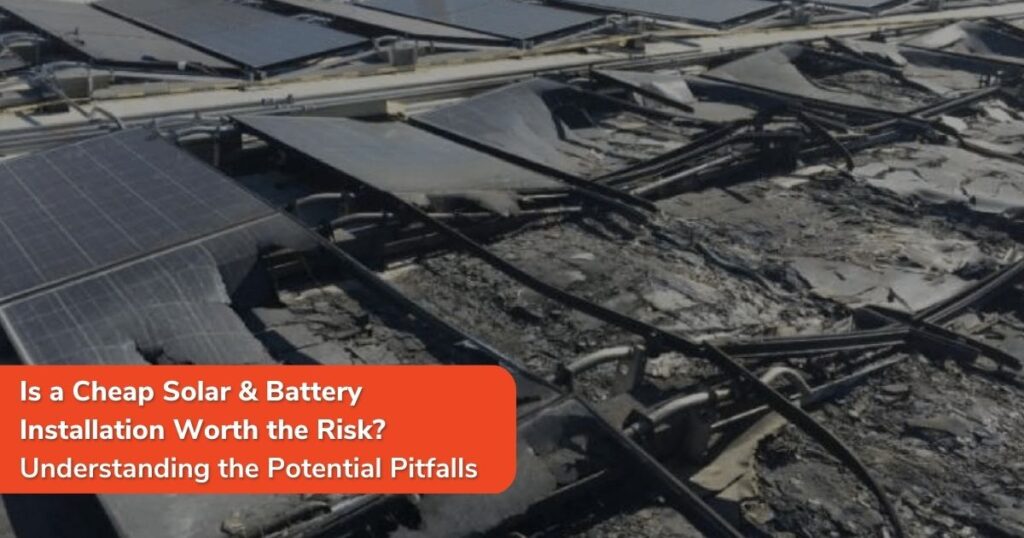
Cheap Solar & Battery Installation: Worth the Risk? Smart Energy Answers April 13, 2023 Understanding Solar and Battery System Costs Are you considering investing in a solar and battery system for your home? While going solar can be a smart choice for many homeowners, it is important to understand why some systems can be expensive and why others can be dramatically cheaper. It is also important to consider whether there are hidden costs or risks involved. Here is what you need to know. When it comes to investing in a solar power system, there can be a significant range in upfront costs. On the lower end of the spectrum, some companies may offer solar systems for as little as $3,000. However, it is important to consider the potential risks and drawbacks of choosing a cheap installation. Here are some key considerations about cheaper systems that you should keep in mind: Poor quality components: Cheap solar and battery installations may use low-quality components, resulting in lower energy savings and a shorter lifespan for your solar panels. Inexperienced installers: Cheap solar and battery installations may be carried out by inexperienced or unlicensed installers who may not follow safety standards or properly install your solar panels. This can lead to safety hazards, fire risks, property damage, and reduced efficiency of your solar power system. Lack of warranties and support: Some cheap solar and battery installations may not come with proper warranties or adequate support, leaving you with little to no recourse if something goes wrong with your system. Hidden costs: Some cheap solar and battery installations may come with hidden costs, such as additional installation fees or ongoing maintenance charges. Be sure to carefully read the fine print before choosing a cheap solar and battery installation. Battery fire and explosion risks: Improper batteries in a solar power system can pose a significant risk of fire hazards and, in severe cases, explosions. The house fire in Adelaide in February 2022 was a tragic incident that highlights the importance of ensuring solar power systems are installed by qualified and experienced electricians who prioritise safety and quality workmanship. Unfortunately, this is a common concern in the solar industry, where inexperienced electricians or unqualified tradespeople may cut corners to complete a job quickly and cheaply. To minimise the risk of fire hazards and ensure the safety and reliability of your solar power system, it is essential to invest in high-quality components and hire qualified, experienced professionals to install and maintain the system. The Benefits of High-Quality Solar and Battery Systems On the other hand, high-end solar and battery power systems can cost $15,000 or more, but they come with several important benefits. High-quality solar and battery systems use premium components that are designed to last longer and perform better than cheaper alternatives. In addition, experienced and licensed installers ensure that your solar panels are installed safely and efficiently, minimising the risk of hazards or damage to your property. Return on Investment While the upfront costs can seem daunting, an average solar power system can pay for itself over time, usually within 4 to 5 years through energy savings. The return on investment, or ROI, for a solar and battery power system can vary depending on factors such as the cost of electricity in your area, the size of your system, and the amount of energy you consume. Financing Options There are various financing options available for solar power systems, such as Pay As You Save plans, interest-free loans, generous government rebates, or leasing agreements for commercial projects. These options can help make upfront costs more manageable and may offer additional savings through available incentives and rebates. Maintenance Costs While solar and battery power systems are generally low maintenance, there may be some ongoing costs associated with system maintenance and panel cleaning over the years. Regular maintenance helps keep your panels working at their highest capacity. Be sure to factor these costs into your overall investment calculations. Potential Savings By generating your own electricity, you can save money on your monthly electricity bills. You may also potentially earn money through feed-in tariffs if your system generates more electricity than you use. While the upfront costs of a high-end solar and battery power system may seem daunting, it is important to remember that these systems can pay for themselves over time through energy savings. By generating your own electricity, you can save money on your monthly electricity bills. You may also potentially earn money through feed-in tariffs if your system generates more electricity than you use. Choose a Quality Solar and Battery System Investing in a solar and battery power system can be a significant decision for homeowners. It is important to carefully consider the costs and potential risks involved. While a cheap solar and battery installation may seem like a good deal initially, it can ultimately cost you a lot more in the long run. At Smart Energy Answers, we believe in providing high-quality solar and battery systems that are designed to meet your energy needs and budget. Our team of experienced installers and engineers uses only the best components and adheres to the highest safety standards. This helps ensure that your solar and battery system is safe, reliable, and efficient. Contact us today to learn more about our high-quality solar and battery solutions.
Reduce Energy Consumption: Key Steps Before Going Solar
Reduce Energy Consumption: Key Steps Before Going Solar Smart Energy Answers April 6, 2023 Before Going Solar: Key Steps to Reduce Energy Consumption As families and businesses seek to reduce their carbon footprint and lower energy costs, many are considering the installation of solar panels as a practical solution. While solar power can provide a significant reduction in energy costs and carbon emissions, it is important to note that it should not always be the first step in reducing energy consumption. Before you start considering solar as an option, it is important to ensure that you have taken steps to reduce your energy consumption as much as possible. This can be achieved through a number of simple changes, including improving air conditioning efficiency, replacing lights with LED bulbs, and improving insulation. By reducing energy consumption, you will not only lower your carbon footprint but also save money on energy costs. This can make the investment in solar panels and batteries even more financially viable. Improve Air Conditioning Efficiency Improving air conditioning efficiency is an easy way to reduce energy consumption. By regularly servicing your air conditioning system, you can help ensure it runs efficiently and does not waste energy. You may also want to consider installing programmable thermostats. These can automatically adjust the temperature of your home or building based on occupancy patterns, helping save energy when the space is unoccupied. Replace Traditional Light Bulbs with LED Bulbs Replacing traditional light bulbs with LED bulbs is another easy way to reduce energy consumption. LED bulbs use significantly less energy than traditional bulbs and last much longer, making them a cost-effective investment in the long run. In addition to replacing bulbs, consider installing motion sensors or timers to automatically turn off lights in areas that are not frequently used. Improve Insulation Improving insulation is also an important step in reducing energy consumption. By ensuring that your home or building is well insulated, you can help prevent energy from escaping through cracks and gaps in your walls and roof. This not only reduces energy consumption but also makes the space more comfortable for employees, customers, and occupants. Consider Solar and Batteries After Reducing Energy Use Once you have taken steps to reduce your energy consumption, it is time to consider solar and batteries as viable options. Solar panels can provide a significant reduction in energy costs and carbon emissions. Batteries allow you to store excess solar energy generated during the day and use it at night or during periods of low solar generation. You may also potentially generate additional income from your battery by selling excess energy back to the grid. Solar and battery systems can provide greater energy independence and help reduce your reliance on the grid. However, it is important to note that they require a significant upfront investment. By reducing your energy consumption first, you can help ensure that your investment in solar panels and batteries is as cost-effective as possible. Happily tearing his electricity bill. Conclusion Solar power and batteries can be a great way for your home or business to reduce energy costs and carbon emissions. However, it is important to note that they should be considered after taking steps to reduce energy consumption first. Before investing in solar and batteries, homes and businesses should consider improving air conditioning efficiency, replacing lights with LED bulbs, and improving insulation. By reducing energy consumption first, you can help ensure that your investment in solar panels and batteries is as cost-effective as possible should you decide to proceed.
Don’t Miss Out: Time Running Out for Solar Tax Break for Businesses

Don’t Miss Out: Time Running Out for Solar Tax Break for Businesses Smart Energy Answers April 4, 2023 Instant Asset Write-Off for Australian Businesses If you are a business owner in Australia, you may have heard about the instant asset write-off programme. This programme allows businesses to claim an immediate deduction for the business portion of the cost of an asset in the year the asset is first used or installed and ready for use. It has been particularly useful for businesses looking to invest in renewable energy solutions, such as solar power. However, the instant asset write-off is set to end on 30 June 2023. This means businesses looking to take advantage of the programme must act quickly. Investing in solar power can be expensive, but the instant asset write-off programme can help businesses save a significant amount of money. By installing solar power before the end of the financial year, businesses may be able to write off the full cost of the installation in the same year, helping reduce their tax bill. Solar power is an excellent way for businesses to reduce their energy costs. With electricity prices continuing to increase, businesses that invest in solar power can achieve significant savings on their electricity bills. Furthermore, solar power is a sustainable energy source that can help businesses reduce their carbon footprint and demonstrate their commitment to sustainability. Solar Rebates for Businesses In addition to the instant asset write-off programme, the government also offers solar rebates for businesses. These incentives, such as Small-scale Technology Certificates, or STCs, can help businesses save even more on their solar installation costs. STCs are tradeable, meaning businesses can sell them to generate additional value from their solar investment. If you are considering investing in solar power for your business, working with a reputable solar installer who can guide you through the installation process is essential. A good installer can advise you on the best system for your business, help you apply for government incentives, and ensure that your system is installed to the highest standard. Many of our clients have claimed up to $60,000 immediately upon installing a solar solution by leveraging government incentives such as the instant asset write-off and STCs. We encourage all business owners to speak with a tax accountant or financial advisor to fully understand the potential savings. You can also book a consultation with one of our energy experts to explore the best solar options for your business. Conclusion The instant asset write-off programme for businesses installing solar power in Australia is coming to an end soon. Business owners who have yet to invest in solar power should act fast to take advantage of this programme before it is too late. With additional solar rebates offered by the government and continuously increasing electricity prices, investing in solar power is an excellent opportunity for businesses to save money on energy bills while contributing to a more sustainable future. Do not wait any longer. Take advantage of this opportunity today.
The Power of In-House Solar Installers: Ensuring Quality and Efficiency
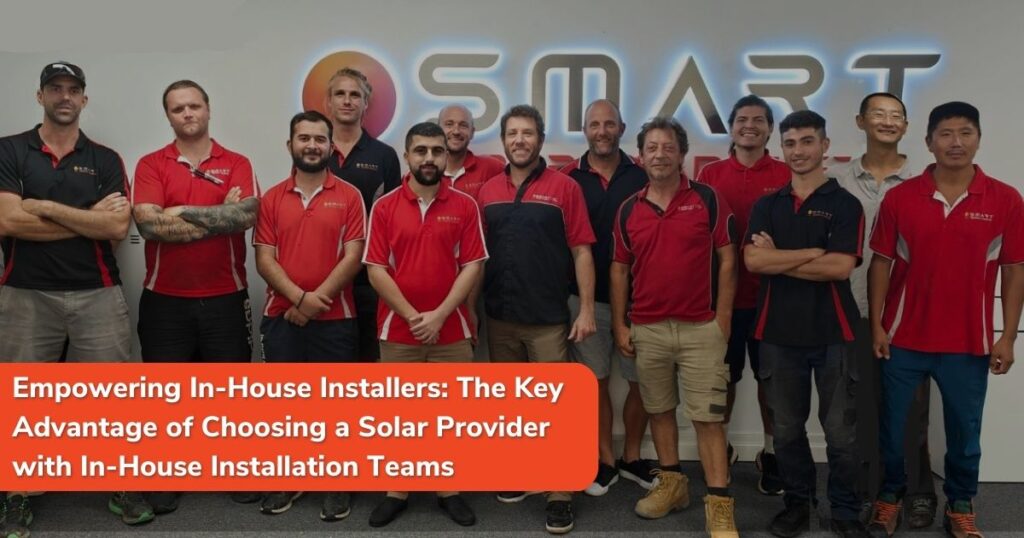
The Power of In-House Solar Installers: Ensuring Quality and Efficiency Smart Energy Answers April 4, 2023 The Importance of In-House Solar Installers: Ensuring Quality and Efficiency At Smart Energy Answers, we are committed to providing quality service to our clients by continuously improving the skills and knowledge of our in-house installers. One way we achieve this is through training and development programmes that equip our installers with the latest techniques and technologies to ensure quality installations. Having in-house installers is crucial when choosing a solar energy provider. It gives customers peace of mind, knowing that their solar installation is in the hands of professionals who are familiar with our company’s standards and processes. At Smart Energy Answers, we are proud to have a team of in-house installers who work exclusively on our projects. This allows us to ensure that every installation is completed to the highest standards of quality and safety. This approach also enables us to maintain better control over project timelines, allowing us to deliver our services in a timely and efficient manner. That is why we invest significant time and resources into training our in-house installers. Recently, we organised a training day for our in-house installers. The day started early at our Castle Hill headquarters with a session led by one of our key partners from Enphase Microinverters, Aylmer Ambu. The session covered Enphase’s best-practice installation techniques and provided our installers with valuable insights into the latest methods for optimising the performance of Enphase Microinverters. This was followed by an introduction to Smart Energy Answers’ new solar panel mounting system from Germany’s Schletter. The session was presented by Schletter’s Australia Managing Director, Dale Wilson. We are very proud to be partnered with Schletter, the world’s leading manufacturer of solar mounting systems. This partnership aligns with Smart Energy Answers’ commitment to delivering quality and reliable solar solutions to our clients. The training day ended with an afternoon session at the Qcells training facility in Alexandria. Our installers received hands-on training in installing Q.HOME batteries, an exciting energy storage solution that we offer. This training provided our installers with the knowledge and skills needed to ensure a seamless installation process for clients who choose Q.HOME batteries as part of their energy storage solution. Smart Energy Answers’ commitment to training and development ensures that our in-house installers are equipped with up-to-date methods and technologies to provide quality installations for our clients. By partnering with world-renowned brands and investing in our staff, Smart Energy Answers continues to deliver on our promise of providing quality, reliable, and innovative solar energy solutions.
New Energy Tech Consumer Code : Solar Industry Consumer Protection
New Energy Tech Consumer Code : Solar Industry Consumer Protection Smart Energy Answers March 22, 2023 Raising the Bar for Consumer Protection in Solar and Energy Tech The New Energy Tech Consumer Code, or NETCC, has been introduced in Australia, replacing the Clean Energy Council’s Approved Solar Retailer programme. The NETCC aims to regulate the sales and marketing practices of new energy technology companies and protect consumers from misleading or deceptive practices. This code plays a key role in promoting transparency and building confidence in the new energy technology industry. Smart Energy Answers is an approved seller under the NETCC. Smart Energy Answers continues to lead by example as an approved seller under the NETCC. This recognition confirms our commitment to adhering to the highest sales and marketing standards and providing our customers with accurate information about our products and services. As an approved seller, Smart Energy Answers is committed to: Providing clear, accurate, and relevant information to help you make informed choices. Encouraging you to be aware of your rights under the law and the NETCC. Ensuring that our sales practices are responsible. Ensuring that products, systems, services, and documentation provided under the NETCC are suitable and fit for purpose. Supporting staff training and work processes that ensure we comply with the law and the NETCC. Ensuring that we are responsive to your needs and take prompt, appropriate action if you make a complaint. The introduction of the NETCC is a positive step for Australia’s new energy technology industry. It demonstrates the government’s commitment to promoting growth, transparency, and sustainability across the sector. Consumers are encouraged to look for the NETCC logo when making purchases. This helps ensure they are protected by the code’s standards and are dealing with reputable companies.
The 5 Biggest Myths of Solar Energy: Debunking Misconceptions
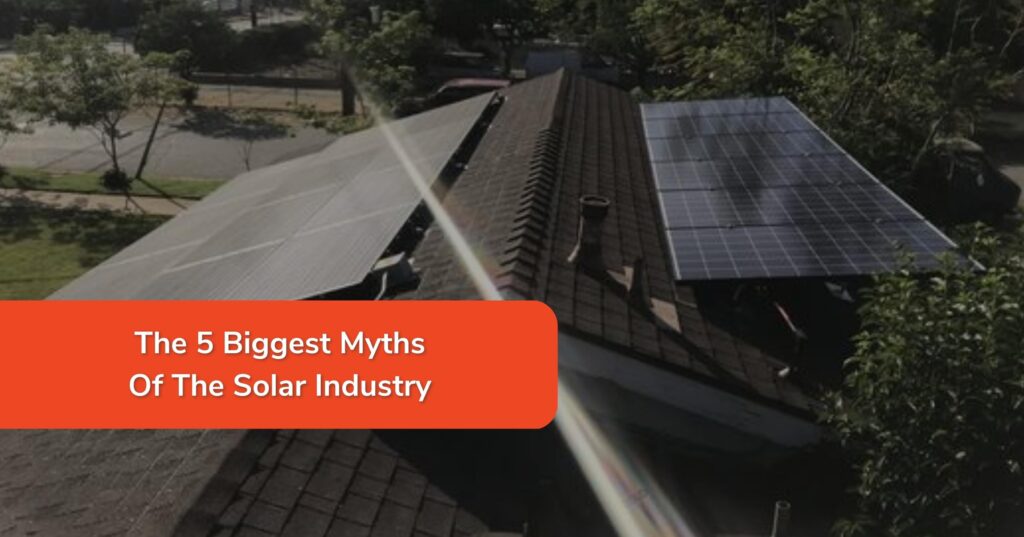
The 5 Biggest Myths of Solar Energy: Debunking Misconceptions Smart Energy Answers February 7, 2023 Debunking 5 Common Solar Energy Myths The solar industry has grown rapidly in recent years. With that growth has come a number of misconceptions and myths about how solar energy works and the benefits it can provide. Here are the five biggest myths in the solar industry, along with the facts that debunk them. Myth 1: Solar Panels Only Work in Sunny Locations Fact: Solar panels are actually quite efficient at converting sunlight into electricity, even on cloudy days. In fact, some studies have shown that solar panels can produce up to 25% of their rated capacity on a cloudy day. So, even if you live in a location with less-than-ideal weather, you can still benefit from solar energy. Myth 2: Solar Energy Is Too Expensive Fact: The cost of solar energy has dropped significantly in recent years, making it a more affordable option for homeowners and businesses. In addition, many government incentives and rebates are available for installing solar panels, which can help offset the initial cost. With the savings on monthly energy bills, a solar energy system can pay for itself over time. Myth 3: Solar Panels Will Ruin the Appearance of Your Home Fact: Solar panels are available in a variety of styles and sizes to suit the appearance of different homes. Many homeowners find that adding solar panels can increase the value of their property while also giving the home a more eco-friendly look, depending on the design. Solar panels can also be installed on the roof or on the ground, allowing you to choose the location that works best for your home. Myth 4: Solar Energy Is Unreliable During a Power Outage Fact: Solar energy systems are reliable and can provide a steady supply of electricity to your home during normal operation. For power outages, many solar systems can be paired with battery backup solutions to keep essential appliances and devices running. With the right solar and battery setup, you can have greater peace of mind knowing you may still have access to stored electricity during an emergency. Image: CHOICE Australia has chosen Smart Energy Answers as their preferred solar energy provider, helping customers achieve more than $1 million in lifetime savings. Myth 5: Solar Energy Is Only for Homeowners, Not Businesses Fact: Solar energy can be a great option for businesses as well as homeowners. Many businesses are turning to solar energy to reduce their energy costs and improve their sustainability. As of 2023, more than 7,000 businesses have switched to solar, with IBISWorld showing 8.1% annualised growth in businesses adopting solar energy. With various incentives and rebates available for commercial solar installations, solar can be a cost-effective choice for businesses of all sizes. Conclusion Overall, solar energy is a clean, renewable, and affordable option for powering your home or business. Do not be fooled by the myths. The facts about solar energy speak for themselves.
Smart Energy Answers: A Tesla Premium Installer for 2023
Smart Energy Answers: A Tesla Premium Installer for 2023 Smart Energy Answers January 24, 2023 Smart Energy Answers: Your Trusted Tesla Powerwall Premium Installer for 2023 We are thrilled to announce that Smart Energy Answers will continue to be a Tesla Powerwall Premium Installer for 2023. This certification is a testament to our commitment to providing customers with outstanding service, exceptional installation quality, and extensive product knowledge. As a Tesla Powerwall Premium Installer, we have the honour of working with some of the most advanced technology in the renewable energy industry. Our team of certified installers is trained to install and maintain Tesla Powerwall battery systems for both residential and commercial properties. Our customers can trust that our dedicated team will provide a high level of customer service from start to finish. We ensure every installation is completed to the highest and safest standards, with the goal of delivering complete customer satisfaction. We are proud to continue our partnership with Tesla and are excited to help even more customers make the switch to clean energy in 2023. Choosing Smart Energy Answers as your Tesla Powerwall Premium Installer means you can expect high-quality service, expert product knowledge, and a professional installation completed to industry-leading standards. We take pride in helping our clients reduce their carbon footprint and increase their energy independence by providing efficient and reliable Tesla Powerwall systems. Talk to our energy expert today to learn more about Tesla Powerwall and how it can support your home or business energy needs.
3 Key Considerations for Installing Solar Panels
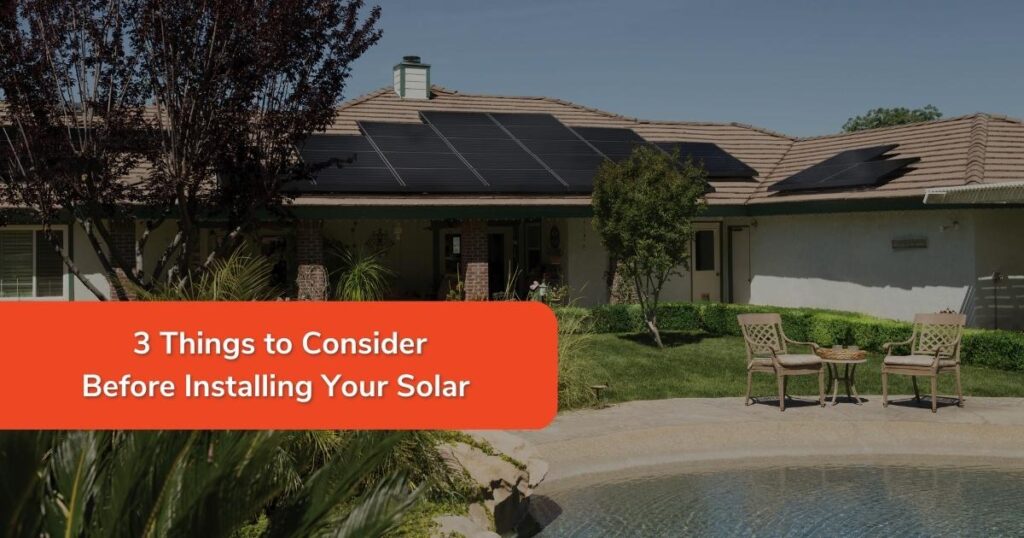
3 Key Considerations for Installing Solar Pane Smart Energy Answers January 19, 2023 3 Things to Keep in Mind When Installing Solar Installing solar panels on your property is a smart way to save on energy costs and reduce your carbon footprint. However, before making the investment, it is essential to consider a few key factors to ensure you are getting the most out of your solar panels. In this blog post, we will discuss three important things to keep in mind when installing solar: shading and performance, tilting and orientation, and the size of the system. Shading & Performance The electricity generated by your solar system is impacted by the amount of sunlight your panels receive. The more your panels are covered by shade, the less energy your system will generate. The effectiveness of your solar system also depends on where you live and how much sunlight your property receives throughout the year. If your property receives a decent amount of sun for most of the year, it is worth getting an assessment from a solar provider. A qualified solar provider should be able to estimate how much energy your system could produce and how much shading may affect its performance. Tip: Using microinverters or power optimisers on the panels, instead of relying on a single string inverter, can help reduce the impact of shading issues. Speak with your solar provider to see whether this could be a suitable solution for your solar system if you are concerned about shade. Tilting & Orientation For properties in the southern hemisphere, a north-facing roof is generally optimal for solar production. This orientation helps maximise the amount of usable sunlight your solar panels can receive throughout the day. Tilt frames may cost a little extra, depending on how many panels are included in the system and how the installer prices the labour and parts required. In most cases, panels are installed at the existing angle of the roof unless the roof is completely flat. For flat roofs, panels should usually be installed with a tilt to help improve performance and allow rain to wash away dust and debris more effectively. Flat installation is possible; however, dust and debris are less likely to be washed off when the panels are not tilted. Solar System Size Guide There are several factors to consider when deciding on the size of your solar system, including your budget, roof space, energy consumption patterns, and future plans. If you are looking to expand your system in the future, consider choosing a solar solution with expansion capability for batteries and electric vehicles. This can give you greater flexibility as your energy needs change over time. It is not always easy to calculate the exact capacity you will need for your solar panels. While the guide below can provide a rough starting point, it is still best to speak with a solar provider for a proper assessment tailored to your property and energy usage. Conclusion By considering these three factors, you can make an informed decision about whether to install solar and how to set up your system for the best possible performance. You can also reach out to our friendly energy experts to get customised solar solutions designed for your exact needs.
Smart Energy Answers Wins ProductReview Award 4th Year in a Row
Smart Energy Answers Wins ProductReview Award 4th Year in a Row Smart Energy Answers December 1, 2022 Smart Energy Answers Celebrates 4th Consecutive Year as Best Solar Retailer in Australia Recognising exceptional customer service and commitment for the fourth year in a row, ProductReview.com.au has presented Smart Energy Answers with the 2023 Best Solar Retailer Award. This is a momentous occasion, especially as ProductReview.com.au is one of Australia’s most comprehensive consumer opinion sites. Its annual awards are recognised as a valuable guide to some of the best businesses from a customer viewpoint. Winning a ProductReview.com.au award carries a level of prestige that is highly respected by Australian companies. When presented with the award, Smart Energy Answers CEO Daniel Lanzetta expressed his gratitude for the acknowledgement of the high level of service the company provides. “We are truly proud of this achievement and, more importantly, immensely thankful for the numerous 5-star reviews from our happy customers. To win this award for four years straight means we must be doing things right,” he said. Sales Manager Rodrigo Candi also shared his excitement over the news. “We are extremely happy, as we work hard every day to surpass customer expectations, and this award is a true reward for our efforts as a team.” Looking back over the past 12 months, Operations Manager Basit Ali recalled how the team maintained motivation after winning the third award in 2021. “We stayed customer-focused, striving to provide that seamless customer experience. Even though we had grown substantially over the years, we never compromised on our quality and integrity.” Daniel summarised it best when asked what the future holds. “Going the extra mile to keep winning this award has become a matter of personal pride amongst our team members. Positive customer feedback is rewarding and infectious, and it drives our enthusiasm for what we do. If we continue to give our customers a delightful experience, they will continue to vote for us as the very best in the solar industry.” Sharing the Happiness The customer experience is at the core of this success. To celebrate, we are kicking off a 5-star solar journey for our next 50 customers with a $500 cashback offer starting today. Contact us now to speak with one of our energy experts.