
Aiko’s Neostar 480W: The Solar Panel That Just Made Your Roof Obsolete
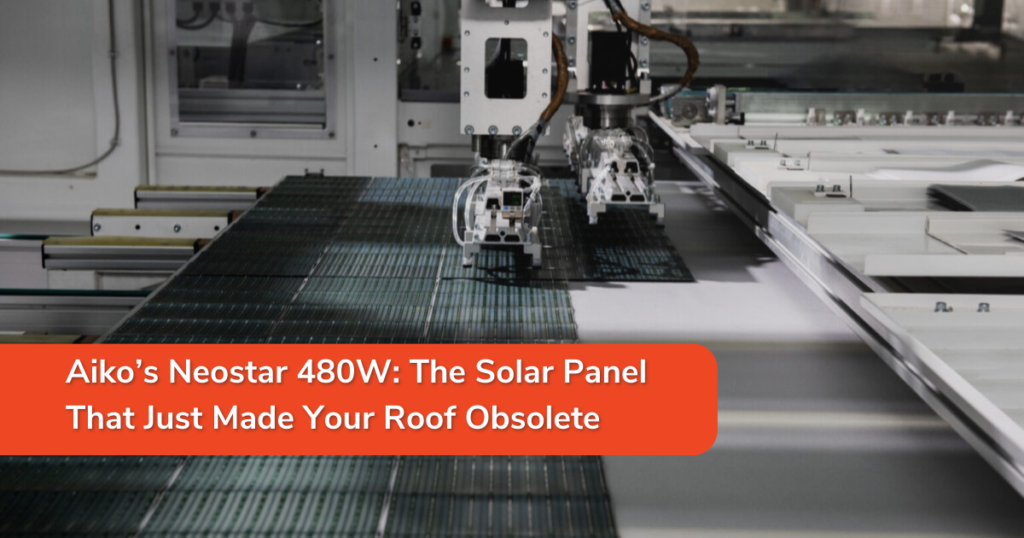
Aiko’s Neostar 480W: The Solar Panel That Just Made Your Roof Obsolete Smart Energy Answers June 3, 2026 Aiko Solar has just made a significant breakthrough with the release of the Neostar 480W panel. At Smart Energy Answers, we are excited to introduce this game-changing technology to our customers. Boasting an impressive 24.1% module efficiency, this panel sets a new record for residential solar technology. However, when considering investing in solar panels, efficiency is just one piece of the puzzle. As your trusted solar energy partner, Smart Energy Answers is here to help you understand other critical factors such as warranty, degradation rate, shading performance, and availability. In this in-depth article, we’ll explore each of these aspects in detail and compare Aiko’s latest innovation with other leading solar panels on the market. By the end, you’ll have a clear understanding of the Neostar 480W’s strengths, weaknesses, and how it stacks up against the competition. Let’s dive in! Understanding Warranty and Performance Degradation At Smart Energy Answers, we know that one of the most important considerations when investing in solar panels is their durability and long-term performance. After all, you want your investment to continue generating clean, efficient energy for decades to come. This is where warranty and performance degradation come into play. Aiko offers industry-leading warranty terms for the Neostar 480W panel: 25-year product warranty: This covers any defects in materials or workmanship, giving you peace of mind that your panels are built to last. 30-year performance warranty: Aiko guarantees that the Neostar 480W will retain at least 88.85% of its efficiency after three decades of use. This means that even after 30 years, your panels will still be operating at a high level of performance. To put this into perspective, let’s compare the Neostar 480W’s degradation rate with other leading solar panels: Panel Annual Degradation Rate Aiko Neostar 480W 0.35% Jinko Tiger Neo N-type 440W 0.4% Trina Solar Vertex S+ 440W 0.4% Longi Hi-MO X6 0.45% As you can see, while Aiko’s degradation rate isn’t the lowest, it’s still very competitive. Additionally, Aiko’s use of N-type ABC solar cells provides higher purity and reduced energy loss, contributing to greater long-term reliability. Now, let’s take a closer look at why Aiko’s N-type ABC solar cells are such a game-changer for long-term performance and reliability. Traditional solar cells are made from P-type silicon, which has a positive charge due to the presence of boron impurities. While P-type cells have been the standard for decades, they have some inherent limitations. One of the main issues is that the boron impurities can react with oxygen, forming defects that reduce the cell’s efficiency over time. This is a major contributor to performance degradation in standard solar panels. In contrast, Aiko’s N-type cells use phosphorus impurities, which have a negative charge. This difference in charge might seem small, but it has a massive impact on the cell’s long-term stability. N-type cells are far less susceptible to the oxygen-related defects that plague P-type cells, meaning they maintain their efficiency better over the years. But Aiko takes it a step further with their Advanced Back Contact (ABC) technology. In a standard solar cell, the metal contacts that collect the generated electricity are on the front of the cell, blocking some of the incoming sunlight. Aiko’s ABC design moves all the contacts to the back of the cell, allowing more sunlight to hit the active surface. This boost in light absorption translates to higher overall efficiency. So, how does this all tie into degradation rates? By combining the inherent stability of N-type cells with the enhanced light absorption of the ABC design, Aiko has created a solar panel that not only starts with high efficiency but also maintains that efficiency better over time. It’s like having a car that not only gets great mileage from the start but also has a slower rate of wear and tear on its engine. Of course, degradation rates aren’t the only factor in long-term performance. As we’ve seen, Aiko’s industry-leading warranty terms provide an extra layer of assurance. Think of it like an extended warranty on a car, even if something does go wrong, you’re covered. At Smart Energy Answers, we are excited to offer Aiko’s Neostar 480W panels to our customers. We believe that Aiko’s use of N-type ABC cells and their strong warranty terms combine to create a solar panel that’s built to last, maintaining high efficiency even as the years go by. It’s this dedication to long-term performance that sets the Neostar 480W apart from the competition. Shading Performance: How Well Does the Neostar 480W Handle Shade? Another crucial factor to consider is how well a solar panel performs in less-than-ideal conditions, particularly in the presence of shade. At Smart Energy Answers, we know that shading can significantly impact a panel’s efficiency, but we are impressed by the steps Aiko has taken to mitigate these losses with their Partial Shading Optimisation (PSO) technology. PSO includes several key features: Multi-Busbar (MBB) Cell Design: This design enhances current flow and reduces internal resistance, helping to minimise the impact of shading. Split Cell Architecture: By allowing the panel’s halves to operate independently, this architecture prevents total power loss when only part of the panel is shaded. Advanced Bypass Diodes: These diodes help to minimise energy loss by ensuring that shaded cells don’t reduce the overall performance of the panel. According to Aiko, “the Neostar 480W experiences a mere 1.85% power loss per shaded cell. In other words, even with minor shading, the panel still operates at an impressive 98.15% efficiency.” While some competitors, such as SunPower Maxeon, offer slightly better shading performance, Smart Energy Answers believes that Aiko remains highly competitive in this regard. Availability and Global Distribution When investing in solar panels, it’s important to consider not only the product itself but also its availability and ease of installation. At Smart Energy Answers, we are pleased to see that Aiko has made significant strides in expanding its global footprint, ensuring
Solar Power 101: What is kW, kWh, and Solar Energy Key Terms
Solar Power 101: What is kW, kWh, and Solar Energy Key Terms Smart Energy Answers December 12, 2024 Understanding Solar Energy Terms: kW vs kWh As solar energy becomes increasingly popular for homes and businesses, understanding its terminology is crucial. One common area of confusion is differentiating between kilowatts, or kW, and kilowatt-hours, or kWh. But that’s not all. There are several other important terms to know. Let’s dive in to help you navigate solar energy with confidence and make informed decisions. Kilowatts, or kW: Power Rating A kilowatt, or kW, is a measurement unit of power that indicates the rate at which energy is generated or consumed at any given moment. For example: A 5kW solar panel system can produce 5 kilowatts of instant power under optimal conditions. A 2kW appliance, like an air conditioner, uses 2 kilowatts of power while operating. Think of kilowatts as the capacity or strength of a system or appliance. It tells you how much energy can flow at a specific time. Kilowatt-Hours, or kWh: Energy Usage A kilowatt-hour, or kWh, measures how much energy is used or produced over time. This is what you see on your electricity bill. For example: Running a 2kW air conditioner for 3 hours consumes 6kWh, calculated as 2kW × 3 hours. A 5kW solar system operating at full capacity for 4 hours generates 20kWh, calculated as 5kW × 4 hours. While kW measures instantaneous power, kWh accounts for energy over a specific period. Choosing the Right Solar Panel System Size Confusing kilowatts, or kW, and kilowatt-hours, or kWh, can lead to costly mistakes when selecting a solar panel system. Interchanging these terms might result in purchasing a system that is either too large or too small for your needs. To determine the appropriate solar system size, start by examining your daily energy usage, measured in kWh, which can be found on your electricity bill. Once you know your average daily consumption, you can calculate the required system capacity, measured in kW, to generate enough energy to meet your needs. By understanding the relationship between kW and kWh, you can ensure you choose the right solar panel system size for your energy requirements. Choosing the Right Battery: Power vs Capacity When it comes to batteries, two specifications are critical: Energy storage capacity, or kWh: This indicates how much energy the battery can store. A larger capacity means you can power your home for longer. Power output, or kW: This measures how quickly energy can flow in or out of the battery. Higher power allows you to run more appliances simultaneously or charge the battery faster. For instance, a battery with 10kWh capacity and 5kW output can store enough energy for night-time use but has a maximum power limit of 5kW for appliances running at the same time. This battery will fully discharge within two hours if used at full power. To choose the right battery, balance storage capacity with power output to meet your household’s energy and peak power demands. Other Key Solar Energy Terms Here are additional terms to know that impact the performance and reliability of solar systems: Solar PV, or photovoltaic: Technology that converts sunlight into electricity, comprising solar panels, an inverter, and sometimes a battery. Inverter: A device that converts direct current, or DC, from solar panels into alternating current, or AC, for household use. Efficiency: The effectiveness of a solar panel in converting sunlight into electricity. High-efficiency panels are ideal for limited roof space. Peak sun hours: The amount of optimal sunlight available in a location, which determines how much energy a solar system can generate daily. MPPT, or Maximum Power Point Tracking: A technology in inverters that optimises solar panel power output for maximum efficiency. Backup power: Stored energy in a battery system used during grid outages to keep essential appliances running. Continuous output power: The maximum power a battery or inverter can deliver continuously without overheating. Net metering: A billing system where excess solar energy sent to the grid is credited, reducing your net energy costs. Feed-in tariff, or FiT: The rate energy providers pay you for exporting surplus solar energy to the grid. Why Understanding These Terms Matters Having a clear understanding of solar energy terminology is essential for anyone considering solar power. Here’s why it matters: Choosing the right solar system size: Knowing how power, or kW, and energy, or kWh, work ensures you pick a system that matches your energy needs without overspending. Evaluating energy savings: Understanding these terms helps you estimate potential savings and the efficiency of your system. Discussing options with providers: Familiarity with solar jargon allows you to ask informed questions and make confident decisions. Understanding your energy bills: Learning these terms makes it easier to track energy usage, savings, and credits on your bill. When considering solar energy, consult with trusted professionals to guide you through the process. A well-informed decision ensures your system is tailored to your energy needs, helping you achieve energy independence and long-term savings. At Smart Energy Answers, Australia’s leading, award-winning provider of smart solar solutions, we’ve helped over 7,000 customers transition to renewable energy with systems designed for optimal performance and savings. With over 700 five-star reviews, you can trust us to deliver exceptional service and expertise every step of the way. Take the first step toward a sustainable future today. Contact Smart Energy Answers for a free consultation and discover the perfect solar solution for your home or business.
Reducing Your Carbon Footprint: The Power of Solar Energy
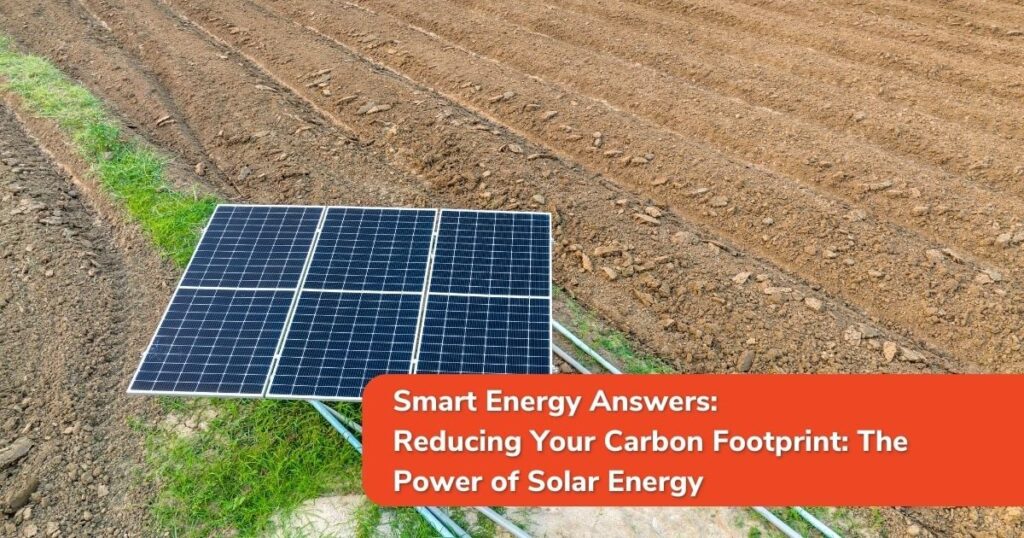
Reducing Your Carbon Footprint: The Power of Solar Energy Smart Energy Answers June 3, 2026 Discover the Impactful Ways in Which Solar Energy Can Help Reduce Your Carbon Footprint and Contribute to a More Sustainable Future The Urgency of Addressing Climate Change Through Renewable Energy Climate change is one of the most pressing challenges of our time. The Earth’s temperature is rising, leading to more frequent and severe weather events, such as hurricanes, droughts, and heatwaves. These changes have devastating impacts on ecosystems, economies, and human lives. To mitigate the effects of climate change, it is crucial to transition to renewable energy sources like solar power. Solar energy is a sustainable solution that harnesses the power of the sun to generate electricity. Unlike fossil fuels, solar power does not produce greenhouse gas emissions, which are the primary drivers of climate change. By adopting solar energy, we can reduce our reliance on fossil fuels and significantly decrease carbon emissions. Understanding Solar Energy as a Sustainable Solution Solar energy is a sustainable and renewable source of power. It harnesses the sun’s energy through the use of photovoltaic panels or solar thermal systems. Photovoltaic panels convert sunlight directly into electricity, while solar thermal systems use the sun’s heat to generate power or heat water. One of the key advantages of solar energy is its infinite supply. The sun is an abundant resource that provides us with a constant source of energy. Additionally, solar power systems have a long lifespan and require minimal maintenance. By understanding the benefits of solar energy, we can make informed choices to reduce our carbon footprint. Quantifying the Environmental Benefits of Solar Power Solar power offers numerous environmental benefits. By harnessing the sun’s energy, we can reduce our reliance on fossil fuels, which emit harmful pollutants and greenhouse gases. The use of solar energy can help decrease air pollution, improve air quality, and mitigate climate change. In addition to reducing carbon emissions, solar power also conserves water resources. Traditional energy generation methods, such as coal and natural gas power plants, require large amounts of water for cooling and steam production. Solar energy, on the other hand, does not require water for its operation, making it a more sustainable choice. Exploring the Role of Solar Energy in Reducing Carbon Emissions Solar energy plays a crucial role in reducing carbon emissions. The electricity generated from solar power is clean, renewable, and emission-free. By transitioning to solar energy, we can displace the use of fossil fuels in various sectors, including electricity generation, transportation, and heating. According to studies, widespread adoption of solar energy could lead to a significant reduction in global carbon emissions. Solar power has the potential to replace coal-fired power plants, which are major contributors to greenhouse gas emissions. By exploring the role of solar energy in decarbonising our energy systems, we can make substantial progress in combating climate change. Case Studies Demonstrating Solar’s Impact on Carbon Footprints Numerous case studies have demonstrated the positive impact of solar energy on reducing carbon footprints. For example, in countries like Germany and Australia, the rapid growth of solar power installations has resulted in a significant decrease in carbon emissions. One notable case study is the city of Adelaide in Australia, which has made significant strides in adopting solar energy. The city’s solar energy initiatives have led to a substantial reduction in carbon emissions and have positioned Adelaide as a leader in sustainable development. These case studies highlight the effectiveness of solar energy in reducing carbon footprints and provide valuable insights for other regions and communities looking to embrace renewable energy solutions. Overcoming Barriers to Solar Adoption for Carbon Reduction While solar energy offers numerous benefits for carbon reduction, there are various barriers that need to be overcome for widespread adoption. One of the main challenges is the initial cost of installing solar panels. However, with advancements in technology and government incentives, the cost of solar installations has significantly decreased in recent years. Another barrier is the availability of suitable space for solar panel installations, especially in urban areas. Innovative solutions such as rooftop solar panels and community solar projects can help overcome this challenge and make solar energy accessible to a wider range of individuals and businesses. By identifying and addressing these barriers, we can accelerate the transition to solar energy and achieve significant reductions in carbon emissions. Financial Incentives and Policy Support for Solar Transition To encourage the transition to solar energy, governments and organisations around the world provide financial incentives and policy support. These incentives include tax credits, grants, and rebates for installing solar panels. Additionally, some regions have implemented feed-in tariffs, which allow individuals and businesses to sell excess solar power back to the grid. Policy support is also essential for driving solar adoption. Governments can implement renewable energy targets, enact favourable regulations, and invest in research and development to further advance solar technology. By combining financial incentives and policy support, we can create an enabling environment for a successful solar transition. Community Engagement and Collective Action in Solar Initiatives Community engagement and collective action play a vital role in promoting solar initiatives. By fostering collaboration between community members, businesses, and local governments, we can create a shared vision for a sustainable future powered by solar energy. Community solar projects, where multiple households or businesses collectively invest in a solar installation, are excellent examples of community engagement in solar initiatives. These projects not only reduce individual carbon footprints but also strengthen community bonds and create a sense of ownership and pride. Through community engagement and collective action, we can inspire and empower individuals and organisations to transition to solar energy and work towards a greener, low-carbon future. Tips for Individuals and Businesses to Transition to Solar Transitioning to solar energy can be a significant step towards reducing your carbon footprint. Here are some tips for individuals and businesses looking to embrace solar: Conduct a solar feasibility assessment to determine the suitability of your location for solar installations. Seek
Solar for Townhouses: Maximising Limited Space

Solar for Townhouses: Maximising Limited Space Smart Energy Answers June 3, 2026 As Australia’s urban landscapes evolve with increasing density, townhouses are becoming the dwelling of choice for many. With limited rooftop space, harnessing solar energy might seem like a challenge. But as renewable energy enthusiasts and eco-conscious homeowners would be glad to hear, going solar is not only possible but also incredibly beneficial, even for townhouse owners. Townhouse living presents unique opportunities and challenges for solar power, especially in an urban environment. This article aims to provide townhouse owners and renewable energy enthusiasts with a comprehensive guide on harnessing solar energy in such spaces. We will cover why investing in solar is a smart choice, the available technology options, financial incentives, and what to consider when going solar with limited space. Why Solar Makes Sense for Townhouses With rising energy costs and a growing awareness of environmental issues, Australians are increasingly turning to solar power. But why is solar particularly beneficial for townhouses? Energy Independence Solar panels provide homeowners with a reliable source of renewable energy. By generating your own electricity, you can reduce your reliance on the grid, protect yourself against energy price hikes, and ensure a stable power supply even during grid outages. Environmental Benefits Reducing your carbon footprint is easier when you’re generating your own green energy. Solar power helps to combat climate change by offsetting greenhouse gas emissions associated with traditional energy sources. Long-Term Savings Investing in solar can lead to significant long-term savings on your electricity bills. While the upfront cost may seem daunting, many homeowners find that their solar system pays for itself within just a few years. Technology Options for Townhouses Townhouse owners have several solar technology options to consider. When space is limited, choosing the right technology is critical. High-Efficiency Solar Panels With advancements in solar panel technology, high-efficiency panels can generate more power per square metre. HT Smart Solar Panels, with their 30-year warranty, are an excellent choice for those seeking durability and performance. Microinverters and Power Optimisers For shaded or oddly shaped rooftops, microinverters or power optimisers can be game-changers. These devices optimise the performance of individual solar panels, ensuring that each panel contributes its maximum power output. Home Battery Solutions To store excess energy for use when the sun isn’t shining, home battery solutions like the SolarEdge Home Battery or the Tesla Powerwall are indispensable. They enable townhouse residents to benefit from solar power day and night, increasing self-consumption rates and further reducing reliance on the grid. EV Chargers With the rise of electric vehicles, integrating an EV charger with your solar system can provide additional savings and further reduce your environmental impact. Financial Incentives and Support The financial aspect is a significant consideration for any homeowner, and townhouse dwellers are no different. Fortunately, several financial incentives and support options can make the solar investment more attainable. Government Rebates and Schemes The Australian government offers a range of rebates and schemes to support the adoption of renewable energy. Smart Energy Answers stays abreast of the latest incentives and helps customers navigate the application process to maximise their savings. Home Battery Subsidies State governments sometimes provide additional subsidies for home battery installations as part of their commitment to a sustainable energy future. Flexible Payment Solutions Smart Energy Answers offers flexible payment solutions through its partnership with Nectr, allowing homeowners to install a solar system for a low upfront cost with zero interest rates. Making the Most of Limited Space With limited roof space, every inch counts. Here’s what townhouse owners need to consider to maximise their solar potential: Strategic Panel Placement and Tilt Though you may not have much space to work with, strategic panel placement and the right tilt angle can optimise your energy generation. Even small adjustments can make a notable difference in overall performance. Choosing the Right Equipment Selecting the most space-efficient and high-performing equipment is crucial. Smart Energy Answers’ products, such as SolarEdge Inverters, have a reputation for both quality and efficiency, ensuring you get the most out of your system. Scalability Townhouse dwellers may initially opt for a smaller system due to space constraints, but it’s essential to consider the potential for system expansion. As energy needs or space availability change, the ability to add more panels or a battery will be valuable. The Installation Process An experienced and reputable solar provider is key to ensuring a smooth installation process. Consultation and Design Smart Energy Answers’ experienced consultants work closely with customers to design a system that fits their energy needs and their townhouse’s unique layout. Professional Installation The company’s team of solar experts delivers a high-quality installation tailored to the specifics of townhouse settings, ensuring both safety and performance. Ongoing Support and Monitoring After installation, Smart Energy Answers offers ongoing support and monitoring to ensure the system operates at peak performance. Regular maintenance and remote monitoring can detect issues early on, preventing costly downtime. Embracing Solar for a Sustainable Future Solar energy isn’t just for sprawling suburban homes. It’s a viable and beneficial option for townhouses as well. With the right technology, support, and strategy, even the most space-challenged properties can harness the power of the sun. Smart Energy Answers’ Commitment to Solar Excellence As a leading solar provider, Smart Energy Answers is committed to delivering excellence at every step. From initial consultation to installation and support, the company’s focus on quality and customer satisfaction ensures a positive experience for every townhouse owner. Take the Next Step Towards Solar If you’re ready to take the next step towards a sustainable and cost-effective energy solution, reach out to Smart Energy Answers. Our team will guide you through the process, addressing your specific needs and maximising the benefits of solar for your townhouse. Ready to Power Up with Solar? Contact Smart Energy Answers today for a personalised consultation. Embrace solar energy and take the first step towards a brighter, cleaner future for your townhouse.
Solar Panels 101: Understanding the Core of Smart Home Energy
Solar Panels 101: Understanding the Core of Smart Home Energy Smart Energy Answers June 3, 2026 Australia is basking in the brilliance of solar energy, and more homeowners are embracing the power of the sun to transform their homes into smart, eco-friendly havens. In this Solar Panels 101 guide, we’ll delve into the basics of solar energy, the heart of the system, solar panels, and explore how this technology integrates seamlessly into smart homes. Australia is witnessing a remarkable surge in the adoption of solar energy. As homeowners increasingly seek sustainable solutions, solar panels have emerged as the cornerstone of transforming ordinary residences into smart, energy-efficient homes. Basics of Solar Energy Solar energy, harnessed from the sun’s rays, offers a clean and renewable power source. At its essence, solar systems comprise vital components like solar panels, responsible for capturing sunlight, inverters converting it into usable electricity, and, in certain setups, battery storage ensuring surplus energy isn’t wasted. This harmonious blend transforms sunlight into a sustainable powerhouse, making solar energy an eco-conscious choice for powering homes. Solar Panels: The Heart of the System At the forefront of converting sunlight into viable energy for your home, solar panels are the pivotal starting point in the green revolution. Effective panel selection for capturing sunlight is crucial, and understanding the differences among the four main types is essential: Monocrystalline Panels: Known for high efficiency, making them ideal for limited spaces. Polycrystalline Panels: A cost-effective option that strikes a balance between cost and efficiency. Thin-Film Panels: Renowned for flexibility and versatility, suitable for various applications. PERC, Passivated Emitter Rear Cell, Panels: Maximising efficiency with enhanced light absorption, especially in low-light conditions. Choosing the right panel ensures optimal sunlight capture, setting the stage for transforming sunlight into a sustainable energy source. As the cornerstone of solar technology, these panels pave the way for a greener, eco-conscious future for your home. Benefits of Solar Energy for Australian Homeowners Aside from the obvious reduction in electricity bills, Australian homeowners can take advantage of government incentives and rebates, contribute to a greener environment, and enhance the resale value of their properties. Smart Home Integration Smart homes are the way of the future, and solar panels play a pivotal role in making homes smarter. Enabled by smart technology, homeowners can remotely monitor and control their panels, adjusting settings and receiving alerts for a connected, energy-efficient lifestyle. Smart solar panels revolutionise home energy management by constantly monitoring production and consumption, offering real-time insights for informed decision-making. Integrated with home automation, they efficiently distribute surplus energy to specific devices or store it for later use, preventing wastage. In some cases, appliances can automatically activate during peak production through smart apps connected to your solar system, therefore maximising solar-generated power. Conclusion As we wrap up our journey through Solar Panels 101, it’s evident that solar energy is not just a trend. It’s a sustainable solution that empowers homeowners. Embrace the power of the sun, and join the movement towards a brighter, greener future for Australia. Ready to make your home smarter and more eco-conscious? Explore smart solar energy options for your residence today. Talk to our energy experts at Smart Energy Answers and dive deeper into the world of sustainable living.
Going Green: Promoting Eco-Friendly Transportation Methods in Communities
Going Green: Promoting Eco-Friendly Transportation Methods in Communities Smart Energy Answers June 3, 2026 Discover the Importance of Promoting Eco-Friendly Transportation Methods in Communities Discover the importance of promoting eco-friendly transportation methods in communities and how collaborative efforts can make a difference. Significance of Promoting Sustainable Transportation Methods in Communities Promoting sustainable transportation methods in communities is of great significance to address the environmental challenges we face today. By encouraging the use of eco-friendly transportation options, we can reduce air pollution, decrease traffic congestion, and minimise our carbon footprint. Sustainable transportation not only benefits the environment but also enhances the overall quality of life in communities by promoting healthier lifestyles and improving public health. It is crucial for communities to actively promote and adopt sustainable transportation methods to create a cleaner and more sustainable future. Importance of Promoting a Diverse Range of Sustainable Transportation Options In order to effectively promote sustainable transportation in communities, it is important to recognise and cater to the diverse needs of community members. Different individuals have different transportation preferences and requirements, and promoting a diverse range of sustainable transportation options can ensure that everyone has access to convenient and eco-friendly transportation. This may include options such as walking and cycling infrastructure, public transit systems, carpooling programmes, and electric vehicle, or EV, charging stations. By providing a variety of sustainable transportation options, communities can meet the unique needs of their residents and encourage widespread adoption of eco-friendly transportation methods. Understanding the Benefits of Widespread EV Charging Infrastructure for Communities One of the key components of promoting sustainable transportation in communities is the development of widespread EV charging infrastructure. Electric vehicles are a promising solution to reduce greenhouse gas emissions and dependence on fossil fuels. By having a comprehensive network of EV charging stations in public spaces, workplaces, and residential areas, communities can encourage the transition to electric transportation. This not only supports the adoption of EVs but also enhances the overall convenience and accessibility of sustainable transportation options. Widespread EV charging infrastructure helps address range anxiety and ensures that EV owners have the necessary resources to travel and commute efficiently. Understanding Community Needs, Preferences, and Barriers To effectively promote sustainable transportation methods within a community, it is crucial to understand the needs, preferences, and barriers that individuals may face. Conducting surveys, focus groups, and community forums can provide valuable insights into the transportation challenges and requirements of community members. By identifying and addressing these needs and preferences, communities can develop transportation initiatives that are tailored to their specific circumstances. Additionally, it is important to identify and overcome the barriers that may hinder the adoption of sustainable transportation methods, such as lack of infrastructure, affordability issues, or lack of awareness. By understanding and addressing these factors, communities can create an environment where sustainable transportation becomes the preferred choice for residents. Designing Educational Materials and Awareness Campaigns Raising awareness about eco-friendly transportation options and their associated benefits is essential for promoting sustainable transportation in communities. Designing educational materials, such as brochures, pamphlets, and online resources, can provide valuable information about the various transportation options available and their positive impacts on the environment and community. Additionally, campaigns can be organised to engage community members and encourage them to adopt sustainable transportation methods. These campaigns can highlight the advantages of walking, cycling, using public transit, and driving electric vehicles. By effectively communicating the benefits and feasibility of eco-friendly transportation, communities can inspire individuals to make sustainable choices. Advocating for EV Charging Infrastructure Development Advocacy plays a crucial role in promoting sustainable transportation in communities, particularly in terms of EV adoption. It is vital for community members and organisations to advocate for the development of EV charging infrastructure in public spaces, workplaces, and residential areas. By engaging with local authorities, businesses, and community leaders, communities can emphasise the need for EV charging stations and the benefits they bring. This advocacy can help secure funding for infrastructure development and create partnerships to accelerate the expansion of charging networks. By actively advocating for the integration of EV charging infrastructure, communities can facilitate the transition to electric transportation and contribute to a greener future. Implementing Incentives and Rewards Programmes To encourage EV adoption and usage, communities can implement incentives and rewards programmes that make electric transportation more attractive and accessible. These programmes can include financial incentives such as tax credits or rebates for purchasing EVs, discounted charging rates, or free parking for electric vehicles. Additionally, rewards programmes can be designed to recognise and appreciate individuals who actively choose eco-friendly transportation methods. By providing incentives and rewards, communities can motivate residents to switch to electric vehicles and embrace sustainable transportation options. Facilitating Community Forums, Focus Groups, and Advisory Committees Involving community members in the decision-making process is essential for the successful promotion of sustainable transportation. By facilitating community forums, focus groups, and advisory committees, communities can gather input and feedback on transportation initiatives. These platforms provide opportunities for residents to voice their opinions, share their ideas, and contribute to the development of transportation strategies. By actively involving the community, decision-makers can ensure that transportation initiatives align with the needs and aspirations of the residents. This collaborative approach fosters a sense of ownership and empowers community members to actively participate in creating a sustainable transportation system. Using Data and Feedback to Improve Transportation Initiatives Data and feedback play a crucial role in refining and improving promotion strategies and initiatives related to sustainable transportation. By analysing data on transportation patterns, usage, and preferences, communities can gain valuable insights into the effectiveness of their existing initiatives and identify areas for improvement. Feedback from community members, collected through surveys or public consultations, can provide valuable perspectives and suggestions for enhancing transportation programmes. This iterative process of using data and feedback helps communities continuously refine their strategies and ensure that promotion efforts are well-targeted and impactful. Call to Action for Collective Efforts Achieving widespread adoption of eco-friendly transportation methods requires collective efforts from individuals, communities, and organisations. A call
Decoding Media Influence on Public Opinion of EVs
Decoding Media Influence on Public Opinion of EVs Smart Energy Answers June 3, 2026 Uncover the Impact of Media on How the Public Views Electric Vehicles Uncover the impact of media on how the public views electric vehicles and explore ways to navigate through biased narratives. Overview of the Guide’s Focus on Decoding Media Influence on EVs’ Public Image The guide aims to provide an in-depth analysis of how the media influences the public perception of electric vehicles, or EVs. By decoding media coverage, readers will gain a better understanding of the factors that shape the image of EVs in the minds of the public. Through this guide, readers will discover the power of the media in shaping public opinion and the importance of critically engaging with EV coverage. By examining various media outlets, including news, social media, and advertisements, readers will gain insights into how EVs are portrayed in these platforms. Furthermore, the guide will explore the influence of balanced or biased coverage on public perception of EVs. It will delve into the ways in which stakeholders such as automakers, environmental organisations, and policymakers shape the narrative around EVs. The guide will also assess public opinion trends and shifts in attitudes towards EVs over time. By understanding these trends, readers will be able to identify the factors that contribute to changing perceptions of EVs and the implications for EV adoption rates, policy decisions, and industry developments. In addition, the guide will identify common misconceptions and myths propagated by media coverage of EVs. By debunking these misconceptions, readers will be able to navigate through biased narratives and form a more informed opinion about EVs. Moreover, the guide will analyse online communities, influencers, and viral content related to EVs. It will examine the role of these platforms in shaping public perception and influencing attitudes towards EVs. Finally, the guide will call for action for media professionals, stakeholders, and the public to critically engage with EV coverage. By encouraging active participation and critical thinking, readers will be empowered to question narratives and seek out reliable information about EVs. Significance of Media in Shaping Public Perception and Attitudes Towards Electric Vehicles The media plays a significant role in shaping public perception and attitudes towards electric vehicles. Through various forms of media, such as news articles, social media posts, and advertisements, individuals are exposed to information and narratives that shape their understanding and opinion of EVs. Media coverage can influence public perception by highlighting the benefits and drawbacks of EVs, showcasing success stories, or perpetuating misconceptions. The way EVs are portrayed in the media can impact their perceived reliability, affordability, and environmental impact, among other factors. Moreover, the media has the power to shape public attitudes towards EVs by framing the narrative around these vehicles. Positive coverage can create a favourable perception and encourage adoption, while negative or biased coverage can generate scepticism and hinder adoption rates. Given the media’s significant influence, it is crucial to critically evaluate the information presented and consider the potential biases or agendas behind the narratives. By understanding the significance of media in shaping public perception, individuals can make more informed decisions about EVs and contribute to a more accurate and balanced understanding of these vehicles. How EVs Are Portrayed in Different Media Outlets Different media outlets, including news sources, social media platforms, and advertisements, play a crucial role in shaping public perception of electric vehicles. Each outlet presents EVs in a unique way, influencing how they are perceived by the public. News articles often provide detailed information about the latest developments in the EV industry, highlighting advancements in technology, government policies, and market trends. Social media platforms, on the other hand, offer a more interactive and personal approach, allowing users to share their own experiences and opinions about EVs. Advertisements, both online and offline, contribute to the public image of EVs by showcasing their features, benefits, and environmental impact. They often aim to create a positive perception and generate interest in these vehicles. Analysing how EVs are portrayed in different media outlets is crucial to understanding the various narratives surrounding these vehicles. It allows individuals to recognise potential biases, misinformation, or misconceptions, and form a more comprehensive and informed opinion about EVs. Influence of Balanced or Biased Coverage on Public Perception of EVs The balance or bias in media coverage of electric vehicles has a significant influence on public perception. Balanced coverage presents a fair and objective view of EVs, providing information about both their advantages and limitations. This allows the public to make informed decisions based on a comprehensive understanding of the technology and its implications. On the other hand, biased coverage can skew public perception by emphasising certain aspects while downplaying or omitting others. Biased coverage may stem from various factors, including commercial interests, political agendas, or preconceived notions about EVs. Biased coverage can lead to the propagation of misconceptions and myths about EVs, contributing to scepticism and hindering adoption rates. It is essential for the public to critically evaluate the balance or bias in media coverage and seek out reliable sources to ensure they are well-informed about EVs. By recognising the influence of balanced or biased coverage, individuals can avoid falling prey to misinformation and form their opinions based on accurate and trustworthy information. How Stakeholders Influence EV Coverage Stakeholders such as automakers, environmental organisations, and policymakers play a significant role in influencing the coverage of electric vehicles in the media. These stakeholders have their own interests and agendas, which can shape the narratives surrounding EVs. Automakers, for instance, may promote their EV models through advertisements and press releases, highlighting the features and benefits of their vehicles. Environmental organisations often advocate for EV adoption as a means to reduce carbon emissions and combat climate change, shaping the narrative around the environmental impact of EVs. Policymakers also have a significant influence on EV coverage through the development of regulations, incentives, and infrastructure support. Their decisions and actions can impact the public perception of EVs by
How Smart Homes Utilise Solar Energy
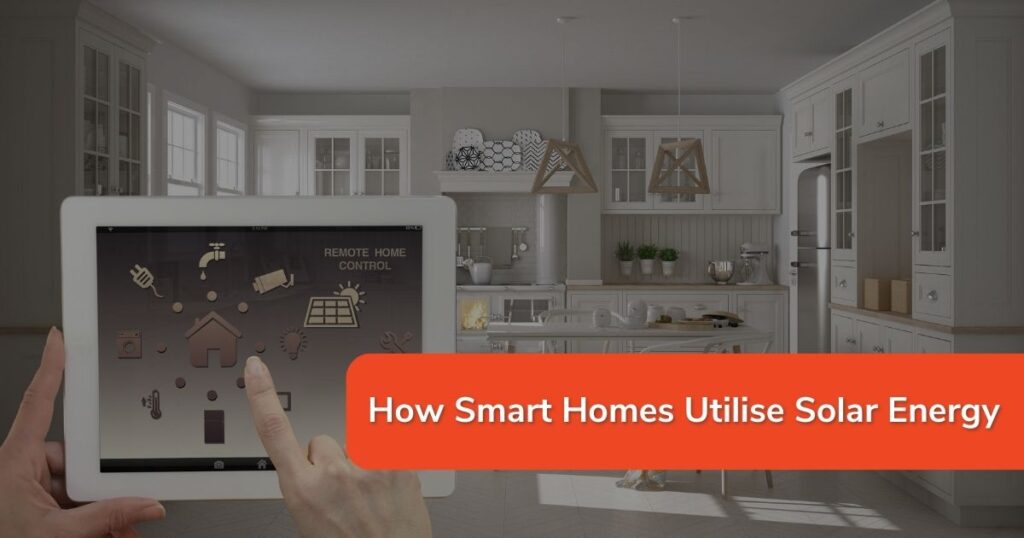
How Smart Homes Utilise Solar Energy Smart Energy Answers February 26, 2024 Smart Homes and Solar Energy in Australia Smart homes have become a cornerstone of modern living, offering residents greater control and efficiency in managing their households. In Australia, a country blessed with abundant sunlight, the integration of solar energy into smart homes has emerged as a game-changer. This article explores how smart homes in Australia leverage solar power to enhance sustainability and energy efficiency. The Integration of Solar Energy in Smart Homes Solar Panels At the heart of every solar-powered smart home are solar panels, the silent energy harvesters that convert sunlight into electricity. Australian homeowners have a variety of solar panel options, ranging from monocrystalline to polycrystalline, each with its own unique advantages. Careful consideration of factors such as efficiency and longevity guides the selection process. Equally important is the proper placement and orientation of solar panels, which helps optimise exposure to sunlight throughout the day. Smart Inverters and Energy Storage To maximise the benefits of solar energy, smart homes use sophisticated inverters that ensure the efficient conversion of direct current, or DC, from solar panels into alternating current, or AC, for household use. Additionally, energy storage solutions, such as advanced batteries, enable homeowners to store excess solar energy generated during peak sunlight hours for later use. This not only helps ensure a continuous power supply during periods of low sunlight, but also contributes to grid stability. Smart Home Automation and Solar Energy Energy-Efficient Appliances Smart homes seamlessly integrate solar energy into everyday activities through energy-efficient appliances. Smart lighting systems can adjust brightness based on natural light levels, reducing overall energy consumption. Similarly, smart thermostats can optimise heating and cooling based on solar availability. This creates a comfortable living environment while minimising energy wastage. Home Energy Management Systems Home Energy Management Systems, or HEMS, play a pivotal role in smart homes. They act as the central nervous system that monitors and controls energy consumption. These systems provide real-time data on energy production and usage, allowing homeowners to make informed decisions. Integration with solar production data enables HEMS to prioritise the use of solar-generated electricity, further reducing reliance on the grid. Advantages of Smart Homes Utilising Solar Energy Environmental Benefits The environmental advantages of solar-powered smart homes cannot be overstated. By harnessing the sun’s energy, homeowners can significantly reduce their carbon footprint and contribute to the fight against climate change. The adoption of solar energy on a large scale has the potential to transform Australia’s energy landscape, promoting cleaner and more sustainable living. Cost Savings It is also important to highlight the potential cost savings associated with solar-powered smart homes. Although the initial installation costs may seem significant, the long-term benefits can outweigh the investment. Homeowners can enjoy reduced electricity bills, while increased energy efficiency may also enhance the property’s overall value. Challenges and Solutions Initial Installation Costs One of the primary concerns for homeowners considering solar-powered smart homes is the initial installation cost. However, government incentives and rebates are available to help reduce this financial burden. These incentives are designed to encourage sustainable practices, making solar energy more accessible to a broader range of homeowners. Additionally, a thorough long-term cost analysis often reveals the economic benefits of investing in solar technology. Maintenance and Upkeep Ensuring the longevity and efficiency of solar systems requires regular maintenance. Homeowners are encouraged to schedule routine inspections and cleaning to remove dust and debris that may accumulate on solar panels. As technology advances, periodic upgrades may also be necessary to take advantage of the latest innovations in solar energy. Future Trends and Innovations Advancements in Solar Technology The solar energy landscape is continually evolving, with ongoing research leading to the development of next-generation solar panels. These panels promise higher efficiency, enhanced durability, and improved aesthetics. Homeowners can anticipate the integration of cutting-edge solar technology that maximises energy production while minimising environmental impact. Evolving Smart Home Capabilities The synergy between solar energy and smart home technologies will only deepen in the coming years. Artificial intelligence, or AI, will play a more significant role in optimising energy consumption based on user preferences and weather conditions. The Internet of Things, or IoT, will facilitate seamless communication between smart devices, creating a harmonised and energy-efficient living environment. Conclusion In conclusion, the integration of solar energy into smart homes represents a sustainable and forward-thinking approach to residential living in Australia. By leveraging the power of the sun and incorporating intelligent technologies, homeowners can reduce their environmental impact, enjoy cost savings, and contribute to a greener future. As solar technology continues to advance and smart homes become more sophisticated, the potential for creating eco-friendly, energy-efficient residences in Australia is limitless. Embracing solar-powered smart homes is not just a choice for today. It is an investment in a brighter and more sustainable tomorrow. Upgrade to a Smart Home With Solar Energy Upgrade to a smart home today with solar energy. For personalised smart solar solutions and assistance in making informed choices, get in touch with one of our energy experts. A sustainable future starts with you.
The Basics of Solar Technology in Smart Homes

The Basics of Solar Technology in Smart Homes Smart Energy Answers June 3, 2026 In the ever-evolving landscape of modern living, smart homes have emerged as a popular trend in Australia. These technologically advanced residences leverage innovative solutions to enhance convenience, security, and sustainability. One key element driving the shift towards smarter living is the integration of solar technology. This article aims to provide Australian residents with a comprehensive understanding of the basics of solar technology in smart homes. Understanding Solar Technology At the core of solar-powered smart homes are photovoltaic, or PV, panels. These panels harness the abundant sunlight in Australia to generate electricity. Through a process known as the photovoltaic effect, sunlight is converted into electrical power, offering a sustainable and clean energy source for residential use. It’s crucial for homeowners to explore the types of PV panels suitable for Australian conditions, considering factors such as efficiency and durability. Another essential component is the solar inverter, responsible for converting the direct current, or DC, generated by the PV panels into the alternating current, or AC, used in households. Inverters come in various types, including string inverters, microinverters, and power optimisers, each with its own set of applications and benefits. To enhance the efficiency of solar systems, battery storage systems play a vital role. These systems store excess energy generated during the day for use during periods of low sunlight or high energy demand. Homeowners have various battery technologies to choose from, such as lithium-ion and lead-acid batteries, each offering different performance characteristics. Integration with Smart Home Systems The synergy between solar technology and smart home systems is pivotal for maximising energy efficiency. Connecting solar systems to home automation allows for seamless control and monitoring. The integration ensures that energy consumption aligns with solar production, optimising the overall efficiency of the smart home. Smart controls enable homeowners to manage and regulate energy usage through intuitive interfaces. Whether it’s adjusting lighting levels, controlling heating and cooling systems, or monitoring appliance usage, these controls empower residents to make informed decisions for a more energy-efficient lifestyle. Advantages of Solar Technology in Australian Smart Homes The adoption of solar technology in smart homes brings forth a myriad of advantages, making it an appealing choice for Australian residents. One of the primary benefits is increased energy efficiency. By generating electricity onsite, smart homes reduce their reliance on the grid, resulting in lower electricity bills. This not only saves money in the long run but also contributes to a more sustainable and environmentally friendly lifestyle. Moreover, solar installations have been shown to increase property values. With a growing demand for eco-friendly homes in the Australian real estate market, prospective buyers are increasingly considering the long-term benefits of solar-powered residences. Australian residents can also take advantage of various government incentives and rebates aimed at promoting the adoption of solar technology. Environmental Impact The environmental impact of solar-powered smart homes extends beyond individual households. By harnessing clean energy from the sun, residential solar systems contribute significantly to reducing carbon emissions and mitigating the impact of climate change. The clean energy impact of these installations is substantial. As more homes transition to solar power, the overall carbon footprint of the residential sector decreases, aligning with global efforts to combat climate change. Additionally, adopting solar technology promotes sustainable practices among homeowners. It fosters a sense of responsibility towards the environment, encouraging individuals to make conscious choices that benefit not only their households but also the broader ecosystem. Potential Challenges and Solutions While the benefits of solar technology in smart homes are evident, it’s essential to address potential challenges that may arise. One common concern is the initial investment required for solar installations. Homeowners should be aware that, despite the upfront cost, the long-term financial benefits far outweigh the initial expenses. Together with government incentives and rebates, homeowners can now take advantage of pay-as-you-save schemes, providing a pathway to lower upfront costs and true zero-interest options. As technology advances, the cost of solar installations continues to decrease, making it a more accessible and cost-effective solution. Maintenance and durability are also key considerations. Solar systems, designed with minimal moving parts, require little maintenance. Ensuring the durability of components, especially in diverse weather conditions, involves selecting high-quality materials and arranging regular inspections. Choosing the Right Solar System for Your Home Selecting the right solar system for a home involves a thoughtful assessment of energy needs. Homeowners should determine the appropriate size of the solar system based on their energy requirements. Achieving a balance between energy production and consumption is essential for optimal results. Researching reliable installers is equally crucial. Choosing reputable solar installation companies ensures the proper setup and maintenance of the system. Checking certifications and customer reviews provides valuable insights for making an informed decision. Conclusion In conclusion, the integration of solar technology in smart homes is a transformative step towards a sustainable and energy-efficient future for Australian residents. The understanding of PV panels, inverters, battery storage systems, and their seamless integration with smart home systems empowers homeowners to make informed choices. The advantages of solar technology, from increased energy efficiency to positive environmental impact, make it a compelling option. While potential challenges exist, they can be mitigated through careful consideration and the ongoing development of solar technology. As the Australian real estate market continues to embrace eco-friendly living, solar-powered smart homes stand as a testament to the fusion of technology and sustainability. By adopting these innovations, residents not only enhance their quality of life but also contribute to a cleaner and greener future. Take the first step towards a greener tomorrow. Reach out to Smart Energy Answers now for tailored solar solutions, expert advice, and assistance in making environmentally conscious choices.
Understanding Smart Metering in Solar Systems
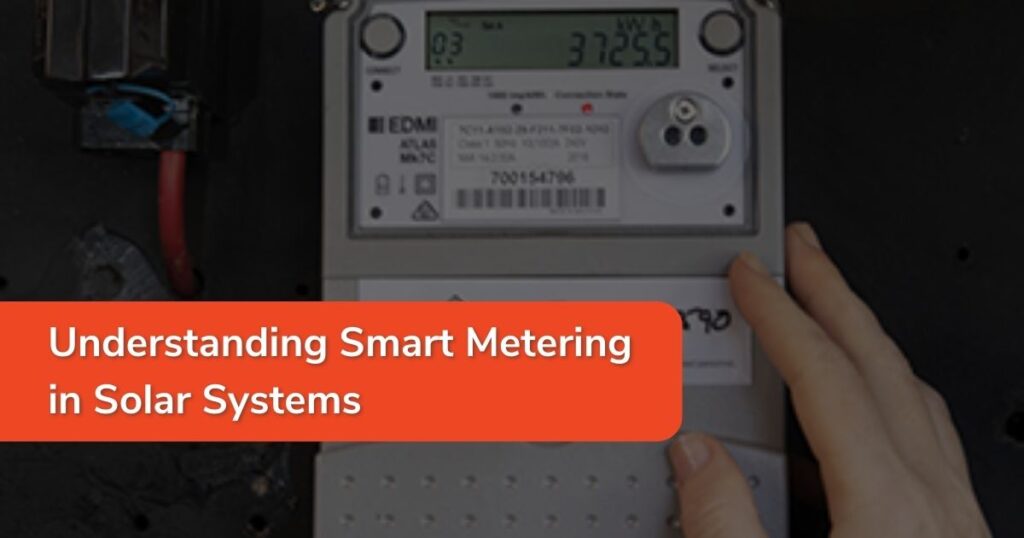
Understanding Smart Metering in Solar Systems Smart Energy Answers June 3, 2026 Australia, the land of sunshine and stunning beaches, is also embracing a brighter future with the rapid adoption of solar panels. But harnessing the sun’s power isn’t just about installing panels. It’s about understanding how you use and manage that energy. That’s where smart metering comes in, playing a crucial role in empowering homeowners like you to make informed choices and maximise the benefits of your solar investment. Unveiling the Mystery of Smart Meters Imagine a traditional meter as a silent observer, simply recording your total electricity consumption. Now, envision a smart meter as an informative companion, consistently offering insights into your energy utilisation. This digital marvel measures both the electricity you consume from the grid and the solar energy you generate, providing real-time data on a two-way street. It’s like having a transparent window into your home’s energy flow, allowing you to see where your power comes from and where it goes. Types of Smart Meters in Australia Just like smartphones come in different models, so do smart meters. In Australia, you’ll typically encounter single-phase meters for most homes and three-phase meters for larger properties. Some advanced meters offer additional functionalities like time-of-use monitoring, giving you even deeper insights into your energy habits. Whether you’re a tech enthusiast or simply value control, there’s a smart meter out there that fits your needs. How Smart Meters and Net Metering Work Together Think of net metering as a cosmic barter system. Your solar panels generate electricity, and the excess you don’t use gets sent back to the grid. Your smart meter acts as a meticulous accountant, keeping track of this surplus energy. This exported solar power is then credited to you, reducing your electricity bill. It’s a win-win situation: you save money, and the grid gets a clean energy boost. Feed-In Tariffs: Another Sunshine Bonus Some states in Australia offer feed-in tariffs, essentially paying you for every unit of solar energy you generate that gets sent back to the grid. Your smart meter becomes your personal accountant in this case, meticulously tracking your solar production and potential earnings. Think of it as a bonus thank you from the sun for embracing its clean energy. Unlocking the Benefits of Smart Metering With smart meter data at your fingertips, you gain superpowers over your energy consumption. Here’s how: Transparency and Control: See your energy usage in real time, understand peak consumption periods, and identify areas for optimisation. Cost Savings: Maximise solar self-consumption to reduce grid reliance and potentially lower your electricity bills. Smart meters help you identify opportunities to shift energy usage to off-peak hours, taking advantage of lower tariffs where available. Comfort and Convenience: Remotely monitor and manage your energy usage through apps or online platforms. Imagine turning on your washing machine when the sun is at its peak, or automatically pre-cooling your home before you arrive. Smart meters make you the master of your energy domain. Addressing Common Concerns While smart metering offers incredible benefits, some concerns might cloud your sunny outlook. Privacy is paramount, and Australian regulations ensure your data is secure and protected. You have control over what data is shared and with whom. Regarding costs, installation of basic smart meters is often covered by your energy provider. Advanced features or monitoring services might incur additional charges, but the long-term cost savings often outweigh these initial investments. Conclusion Understanding smart metering unlocks the full potential of your solar investment. It’s like having a roadmap to a brighter, more sustainable future. By harnessing the power of data and technology, you can make informed choices, optimise your energy usage, and enjoy the financial and environmental benefits of going solar. Ready to take the next step? Talk to our energy experts today. They can provide expert guidance and help you make informed decisions about smart metering and solar solutions for your home. Together, let’s turn sunshine into empowered energy choices.
Solar Energy for Beginners: A Simple Guide to Getting Started
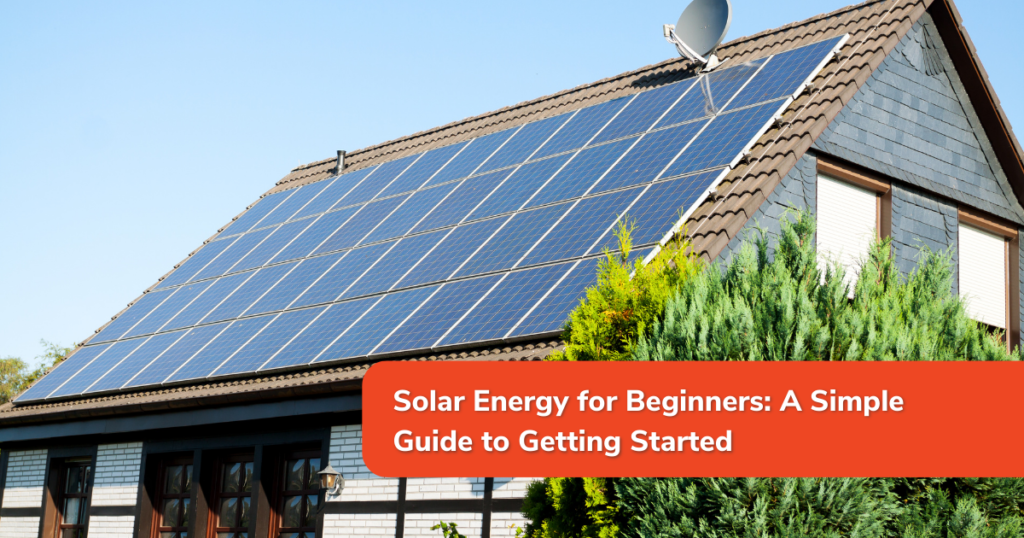
Solar Energy for Beginners: A Simple Guide to Getting Started Smart Energy Answers February 21, 2024 In the heart of Australia’s sun-drenched landscape, solar energy emerges as a beacon of sustainability and cost-efficiency for homeowners. This clean energy solution, powered by the sun’s endless rays, stands at the forefront of an eco-friendly revolution, redefining residential energy consumption. With the urgency of environmental conservation and the allure of reduced utility bills, understanding solar energy’s basics becomes indispensable for those considering a greener alternative. What is Solar Energy? Solar energy represents the pinnacle of harnessing the sun’s power, transforming sunlight into electricity through two primary methods: photovoltaics (PV) and concentrated solar power (CSP). This renewable energy source plays a critical role in curbing carbon emissions and slashing our reliance on fossil fuels. Its adoption is a step toward a sustainable future, mitigating the impacts of climate change. Benefits in Australia Australia’s unique geographical position, bathed in abundant sunshine, creates an ideal setting for solar power generation. Homeowners stand to gain substantially, with benefits including slashed electricity bills, enhanced property value, and a significant contribution to environmental preservation. The nation’s solar-friendly climate is not just a matter of convenience but a call to action for sustainable living. The Basics of Solar Power Systems For those new to the solar energy journey, grasping the fundamentals of solar power systems is essential. These systems are marvels of engineering, designed to convert sunlight into electrical power with remarkable efficiency. Components of Solar Systems A typical solar power setup comprises several key components: solar panels, an inverter, battery storage, and a monitoring system. Each element plays a pivotal role in the seamless conversion of solar energy into electricity, ensuring that homes are powered sustainably and efficiently. How Solar Power Works The process begins with solar panels capturing sunlight and converting it into direct current (DC) electricity. The inverter then transforms this DC into alternating current (AC), the form of electricity used to power homes. Surplus energy can either be stored in batteries for later use or fed back into the grid, often yielding credits on electricity bills. Evaluating Solar Potential Before taking the leap into solar, assessing your home’s solar potential is a step you cannot skip. This evaluation ensures that your investment is not only wise but tailored to your specific needs. Assessing Your Location Key factors such as roof space, orientation, and potential shading must be considered. In Australia, north-facing roofs are prime real estate for solar panels, capturing maximum sunlight throughout the year. Sunlight Availability in Australia Australia’s generous sunlight hours make it a veritable goldmine for solar energy production. Understanding the sunlight patterns specific to your region can significantly enhance the efficiency of your solar panel installation. Types of Solar Energy Systems Solar energy systems come in two main varieties, each suited to different residential needs and circumstances. Grid-Connected Systems Connected to the national electricity grid, these systems allow homeowners to feed excess energy back, often receiving a credit. This setup is ideal for those looking to reduce their energy bills while staying connected to the grid. Standalone Systems For those in remote locations or preferring complete independence from the grid, standalone or off-grid systems are the answer. These systems require battery storage to ensure a continuous power supply, regardless of sunlight availability. Financial Considerations The decision to go solar is as much a financial consideration as it is environmental. Costs and Savings Though the initial setup cost can be substantial, the long-term savings on energy bills and the added value to your property make solar systems a sound investment. Government Incentives in Australia To encourage the adoption of solar energy, the Australian government offers various incentives, including rebates and feed-in tariffs, reducing the financial burden on homeowners. Choosing the Right Solar Panels The efficiency of your solar system hinges on selecting the appropriate solar panels. Panel Types and Efficiency Solar panels come in different types, such as monocrystalline and polycrystalline, each with its efficiency levels. Choosing the right type depends on your energy needs and budget considerations. Size and Placement The efficiency of solar panels is also influenced by their size and placement. Professional assessment is recommended to ensure optimal installation, maximizing energy production. Installation Process The installation of solar panels is a critical process that should ideally be entrusted to professionals. Professional vs. DIY Installation Though the DIY route may seem appealing for its cost-saving potential, professional installation guarantees safety, efficiency, and regulatory compliance, safeguarding your investment. Permits and Regulations Navigating local regulations and obtaining the necessary permits is a crucial step in the installation process, ensuring that your solar system is legally compliant and operationally safe. Maintenance and Care The longevity and efficiency of your solar system depend on regular maintenance and care. Regular Maintenance Tips Routine cleaning of solar panels and system check-ups are vital for optimal performance, ensuring that your system operates at peak efficiency year-round. Troubleshooting Common Issues Being familiar with common issues and their solutions, or consulting a professional when necessary, can help maintain your system’s performance and longevity. Environmental Impact The environmental benefits of solar energy cannot be overstated. Reduction in Carbon Footprint By switching to solar, homeowners can significantly reduce their reliance on fossil fuels, leading to a substantial decrease in greenhouse gas emissions. Sustainable Living Solar energy is at the heart of sustainable living, offering a clean, renewable energy source that minimizes environmental impact and promotes a healthier planet. Future of Solar Energy in Australia The landscape of solar energy in Australia is rapidly evolving, promising an even brighter future. Trends and Developments Ongoing technological advancements are making solar energy more efficient and affordable, paving the way for wider adoption and innovative applications. Community Solar Projects For those unable to install individual solar systems, community solar projects offer a shared solution, democratizing access to clean energy. Case Studies Real-life success stories of residential solar energy adoption underscore the tangible benefits of going solar, from environmental impact to financial savings. Overcoming Common Concerns
Analysing Data for Enhanced Solar Performance
Analysing Data for Enhanced Solar Performance Smart Energy Answers June 4, 2026 Explore the Importance of Data Analysis in Optimising Solar Panel Performance Explore the importance of data analysis in optimising solar panel performance and maximising energy output. Benefits of Data Analysis in Solar Panel Efficiency Data analysis plays a crucial role in ensuring the optimal performance of solar panels. By analysing the data generated by solar panel monitoring systems, solar energy system operators can identify patterns, trends, and potential issues that may affect the efficiency of the panels. This proactive approach allows for timely interventions to be made, ultimately leading to improved energy output and cost savings. Furthermore, data analysis can help in identifying opportunities for system optimisation, such as adjusting panel angles or cleaning panels to maximise sunlight absorption. Overall, the benefits of data analysis in solar panel efficiency are undeniable, making it a key component of any successful solar energy system. Key Data Metrics to Monitor When monitoring solar panel performance, there are several key data metrics that should be closely monitored. These metrics include, but are not limited to, solar panel output, temperature, sunlight intensity, and system voltage. By tracking these metrics over time, operators can gain valuable insights into the health and efficiency of their solar energy systems. Additionally, monitoring data metrics such as shading analysis and inverter performance can help in identifying potential issues that may be impacting energy production. By staying on top of these key data metrics, operators can ensure that their solar panels are operating at peak performance levels. Utilising Machine Learning for Predictive Analysis Machine learning algorithms can be incredibly valuable in predicting potential issues with solar panels before they occur. By analysing historical data and patterns, machine learning models can forecast when maintenance is needed or when energy output may be compromised. This predictive analysis can help in preventing system failures and minimising downtime, ultimately leading to increased energy production and cost savings. Furthermore, machine learning can also be used to optimise energy production by adjusting panel angles or tracking sunlight patterns. By harnessing the power of machine learning for predictive analysis, solar energy system operators can take proactive steps to ensure optimal performance of their panels. Implementing Real-Time Monitoring Systems Real-time monitoring systems are essential for maintaining the efficiency and performance of solar panels. These systems provide operators with immediate access to critical data metrics, allowing them to quickly identify and address any issues that may arise. By implementing real-time monitoring systems, operators can ensure that their solar panels are operating at peak efficiency at all times. Additionally, real-time monitoring systems can provide alerts and notifications for any anomalies detected in the data, enabling operators to take swift action to rectify the situation. This proactive approach to monitoring can help in maximising energy output and prolonging the lifespan of solar panels. Case Studies: Successful Data-Driven Solar Panel Installations Several case studies have demonstrated the effectiveness of data-driven approaches in optimising solar panel performance. For example, a solar energy company implemented data analysis techniques to identify and rectify shading issues on their panels, resulting in a significant increase in energy output. Another case study showcased how machine learning algorithms were used to predict maintenance needs for solar panels, leading to reduced downtime and increased energy production. These success stories highlight the importance of data analysis in enhancing solar panel performance and achieving maximum energy efficiency.
Optimising Energy Consumption with Solar Smart Metering
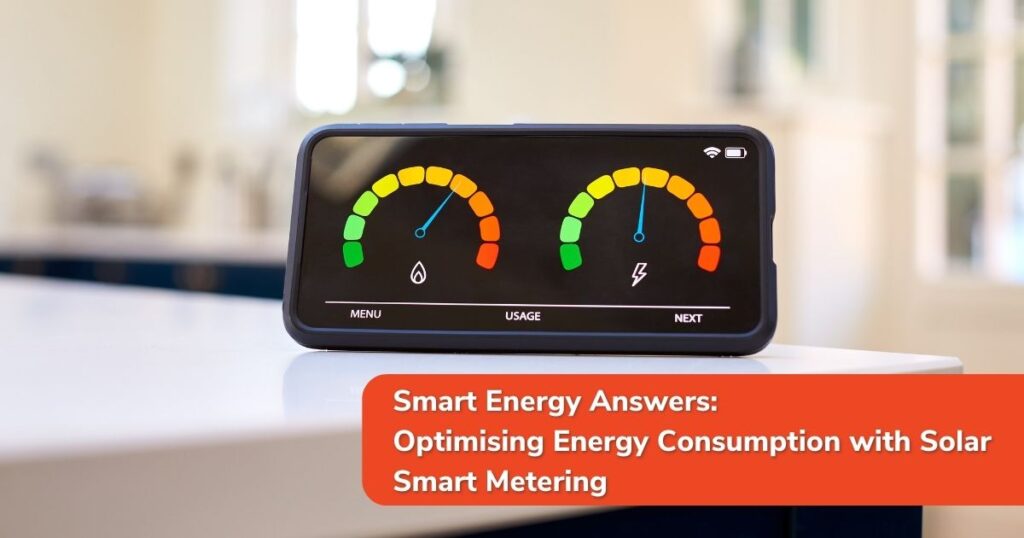
Optimising Energy Consumption with Solar Smart Metering Smart Energy Answers June 4, 2026 Discover How Solar Smart Metering Can Revolutionise Energy Consumption Discover how solar smart metering can revolutionise energy consumption and promote sustainable living. Understanding Solar Smart Metering Technology Solar smart metering technology involves the use of advanced meters that track energy consumption in real time. These meters are equipped with communication capabilities to provide detailed insights into solar energy generation and usage patterns. By understanding solar smart metering technology, users can monitor their energy consumption more efficiently, leading to better management of energy resources and cost savings. Benefits of Solar Smart Metering One of the key benefits of solar smart metering is the ability to accurately measure solar energy generation and consumption. This data helps users optimise their energy usage, reduce waste, and lower electricity bills. Additionally, solar smart metering promotes sustainability by encouraging the adoption of renewable energy sources and reducing reliance on non-renewable resources. Challenges and Solutions in Implementing Solar Smart Metering While solar smart metering offers numerous advantages, there are challenges in its implementation, such as initial costs, compatibility issues, and data security concerns. However, these challenges can be addressed through proper planning, investment in technology, and data encryption protocols. By overcoming these challenges, the implementation of solar smart metering can be smooth and beneficial for both consumers and energy providers. Case Studies on Energy Consumption Reduction with Solar Smart Metering Several case studies have shown significant reductions in energy consumption through the use of solar smart metering. For example, households and businesses that have adopted this technology have reported up to a 20% decrease in their energy bills and a more efficient use of solar-generated electricity. These real-life examples demonstrate the positive impact of solar smart metering on energy consumption and highlight its potential for widespread adoption. Future Prospects of Solar Smart Metering The future of solar smart metering looks promising, with advancements in technology and increasing awareness about energy conservation. As more countries and communities embrace renewable energy solutions, solar smart metering is expected to play a crucial role in achieving sustainable energy goals. With ongoing research and development, solar smart metering is poised to revolutionise energy consumption patterns and contribute to a greener, more environmentally friendly future.
Harnessing Solar Power: A Conversion Process
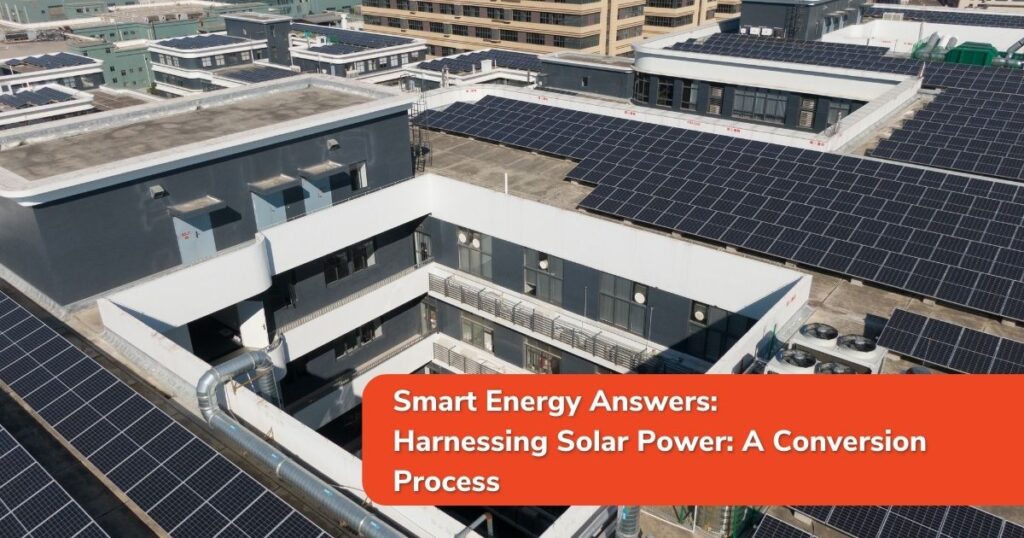
Harnessing Solar Power: A Conversion Process Smart Energy Answers June 4, 2026 Delve Into the Fascinating World of Solar Energy Conversion Delve into the fascinating world of solar energy conversion and learn how solar panels transform sunlight into usable electricity. Introduction to Solar Energy in Australia Australia, with its abundant sunshine, is a prime location for harnessing solar energy. The country has been actively adopting solar power as a renewable energy source to reduce its carbon footprint and dependence on traditional fossil fuels. The government in Australia has been promoting the use of solar energy through various incentive programmes and rebates, making it an attractive option for homeowners and businesses alike. Basics of Solar Energy Solar energy is derived from the sun’s radiation and can be converted into electricity using photovoltaic cells. These cells are typically made of silicon and generate electricity when sunlight hits them. The amount of energy produced depends on factors such as the angle of sunlight, weather conditions, and the efficiency of the solar panels. Solar Power Systems: Components and Functionality A solar power system consists of solar panels, inverters, and a mounting structure. The panels capture sunlight and convert it into electricity, which is then fed into the inverters to be converted into usable power. The mounting structure helps position the panels at an optimal angle to maximise sunlight exposure and energy production. Installation Process of Solar Panels The installation of solar panels involves assessing the roof for suitability, positioning the panels for maximum sunlight exposure, and connecting them to the electrical system of the property. Professional installers ensure that the panels are securely mounted and wired correctly to generate electricity efficiently. Government Incentives and Rebates The Australian government offers various incentives and rebates to encourage the adoption of solar energy. These can include rebates on the purchase and installation of solar panels, feed-in tariffs for excess electricity generated, and tax credits for renewable energy investments. By taking advantage of these incentives, homeowners and businesses can save money while contributing to a more sustainable future. Understanding Solar Panel Efficiency Solar panel efficiency refers to the amount of sunlight that is converted into electricity. Higher-efficiency panels can produce more power with less sunlight, making them a cost-effective choice for energy generation. Factors such as panel quality, technology, and maintenance can all impact the efficiency of solar panels. Maintenance and Care of Solar Panels Regular maintenance of solar panels is essential to ensure optimal performance and longevity. This includes cleaning the panels, checking for any damage, and monitoring energy production levels. By maintaining your solar panels properly, you can maximise their efficiency and lifespan, ultimately saving on energy costs. Impact on Property Value Installing solar panels can increase the value of your property by making it more energy-efficient and environmentally friendly. Potential buyers are often attracted to properties with solar power systems, seeing them as a long-term investment in sustainable living. Additionally, properties with solar panels may command higher resale prices and sell more quickly than those without. The Future of Solar Energy in Australia The future of solar energy in Australia looks bright, with continued advancements in technology and an increasing focus on renewable energy sources. As the cost of solar power continues to decrease and efficiency improves, more Australians are expected to adopt solar energy in the years to come. With ongoing support from the government and a growing awareness of climate change, solar power is set to play a vital role in Australia’s energy transition. Conclusion In conclusion, harnessing solar power through the conversion process offers a sustainable and reliable source of electricity for both residential and commercial properties. By understanding the basics of solar energy, the components of solar power systems, and the benefits of solar panel efficiency, individuals can make informed decisions about adopting solar energy. With the future looking promising for solar energy in Australia, now is the perfect time to consider making the switch to clean, renewable power. Take the first step towards a greener future by exploring the possibilities of solar energy for your property today.
Introduction to Smart Homes and Solar Energy
Introduction to Smart Homes and Solar Energy Smart Energy Answers June 4, 2026 The advent of smart homes and the increasing focus on sustainable living have transformed the way Australians approach residential living. In recent years, the integration of smart home technology with solar energy solutions has gained significant traction, offering residents a more efficient and environmentally conscious lifestyle. This article provides an insightful overview of these innovative technologies, emphasising their benefits and considerations for residential users in Australia. Understanding Smart Homes Smart homes, a concept steadily gaining popularity, refer to residences equipped with advanced automation systems that enhance the overall living experience. Key components include home automation, security systems, energy management, and entertainment systems. The integration of these technologies enables residents to control and monitor various aspects of their homes remotely. From adjusting the thermostat to enhancing security through smart locks, the possibilities are vast. The benefits of adopting smart home technology are manifold. Not only does it enhance convenience and security, but it also contributes to energy efficiency. Residents can automate lighting, heating, and cooling systems, ensuring optimal energy usage. Smart homes foster a more streamlined and interconnected living space, ultimately enhancing the quality of life for occupants. Solar Energy in Australia Australia, renowned for its abundant sunlight, holds immense potential for harnessing solar energy. With a climate conducive to solar power generation, residential users in Australia can tap into this renewable resource to meet their energy needs. Solar energy systems consist primarily of solar panels, which convert sunlight into electricity, and battery storage, enabling efficient energy management. The importance of embracing renewable energy sources, such as solar power, cannot be overstated. As the world grapples with the consequences of climate change, adopting sustainable energy solutions becomes imperative. Solar energy, being a clean and renewable resource, plays a crucial role in mitigating environmental impact. Integration of Smart Homes and Solar Energy The synergy between smart home technology and solar energy systems is evident in the way they complement each other. Smart home devices allow users to monitor and control their energy consumption, providing a granular understanding of usage patterns. This integration facilitates more informed decision-making, promoting efficient energy use. Solar-powered smart homes boast several advantages. By harnessing solar energy, residents can reduce their carbon footprint, contributing to a greener environment. Additionally, the integration of smart devices optimises energy consumption, leading to long-term cost savings. The ability to monitor and control energy usage empowers residents to adopt a more sustainable and economically viable lifestyle. Key Components of a Solar-Powered Smart Home The foundation of a solar-powered smart home relies on its key components, each playing a crucial role in creating an efficient and sustainable energy system. Solar panels, strategically positioned to capture sunlight, effortlessly convert solar energy into electricity. Battery storage ensures surplus energy is carefully stored for later use, providing a consistent and reliable power supply. Smart metres contribute to efficient energy management by monitoring consumption patterns, offering valuable insights for optimal usage. Additionally, module-level power electronics act as a critical component within the solar system, enhancing performance and ensuring that each solar panel operates at its maximum potential. Lastly, smart appliances further augment the system’s optimisation capabilities, collectively forming a comprehensive solution for residential users. Environmental and Cost Benefits One of the significant advantages of solar-powered smart homes is the reduction in carbon footprint. By relying on solar energy, residents contribute to a cleaner environment, decreasing dependence on traditional, non-renewable energy sources. Long-term cost savings are another compelling factor. While the initial investment may seem substantial, the reduction in energy bills over time significantly offsets these costs. Moreover, government incentives and rebates further encourage homeowners to invest in solar energy solutions. Challenges and Considerations While the benefits are clear, it’s essential to consider the challenges associated with solar-powered smart homes. Initial costs and return on investment are common concerns. However, it’s crucial to view these investments as long-term commitments with substantial environmental and financial returns over time. Maintenance and durability of solar panels also require careful consideration. Regular maintenance ensures optimal performance and longevity, addressing concerns about system sustainability. Compatibility and security concerns with smart home devices should not be overlooked. However, advancements in technology are continuously addressing these issues, making smart homes and solar energy systems more secure and user-friendly. Conclusion In conclusion, the integration of smart home technology with solar energy solutions is a transformative step towards a sustainable and efficient lifestyle for residential users in Australia. From enhanced convenience and security to substantial reductions in carbon footprint and long-term cost savings, the advantages are undeniable. As we anticipate further technological advancements in smart homes and solar energy, residents are encouraged to explore these options for a more environmentally conscious and economically viable living experience. To embark on this journey, enquire with Smart Energy Answers for personalised solutions that empower you to make informed decisions. Embrace the future of sustainable living and enjoy the benefits of smart solar energy solutions tailored to your unique needs.
Beat the Energy Game: Real Hack to Escape Rising Electricity Costs

Beat the Energy Game: Real Hack to Escape Rising Electricity Costs Smart Energy Answers February 20, 2024 Taking Control Amid Rising Energy Bills Struggling to keep the lights on amid rising bills while energy corporations like AGL report billions in profit? Adding to the frustration, there are allegations of “price gouging” within the sector, suggesting that households may be paying higher rates than businesses. While the energy giants deny any wrongdoing, the concern around fairness remains. Recent figures from the Australian Bureau of Statistics paint a sobering picture. The Consumer Price Index, or CPI, surged by 4.1% in the year leading up to December 2023, with energy costs emerging as a significant driver of this increase. It is clear that many consumers feel the current system is not designed with them in mind. We deserve better, and we have the power to demand it. Reality Check: Taking Control of Your Energy There is a way to fight back, break free from the system, and power your home on your own terms. The answer is shining bright right above you: solar panels and batteries. Before you dismiss this as just another expense, let’s talk about reality. AGL’s significant profit is not a coincidence. It is a symptom of a market where many consumers feel like pawns, paying high prices with little control. This is not just about saving money, although that is a major benefit. It is also about taking control of your energy and moving closer to independence from the grid. Imagine not having to rely on the grid anymore. Wipe out bills, not savings: No more skyrocketing costs. Generate your own clean energy from the sun and store it for later, reducing your reliance on the grid and potentially eliminating your electricity bills altogether. Blackouts? No problem: Power outages can become less stressful with battery storage, helping keep essential lights and appliances running even when the grid is down. Planet power: Go green by choosing renewable energy. Reduce your carbon footprint and become part of the solution. Yes, the upfront cost of getting solar and battery storage is a common concern. But the good news is that government rebates, zero-interest loans, and green pay-as-you-save options are making these solutions more accessible than ever. The long-term savings on energy bills can also help offset the initial investment. Outsmart the System and Earn From Energy Companies Here is the real advantage: don’t just save with solar, earn from the energy companies too. With solar panels and batteries, you can generate more energy than you use and sell that excess back to the grid. This can earn credits that further reduce your bills or even help eliminate them completely. At Smart Energy Answers, we know this firsthand. We have consistently received credits and zero balance due on our energy bills. Think about it: energy companies like AGL report major profits while many households continue to struggle with rising bills. But with solar and batteries, you can turn the tables. You can outsmart the system, take control of your energy usage, and potentially profit from it. It is time to break free from rising energy costs and take control of your energy future. Ready to Join the Solar Revolution? Here’s what to do: Explore your options: Talk to reputable local installers, compare quotes, and find the right fit for your budget and specific needs. Become an energy expert: Learn more about solar panels, batteries, and government incentives. Knowledge is power. Make the switch: Don’t wait any longer. Embrace the future and join the growing movement towards energy independence and sustainability. Remember, even small changes in your home can have a big impact. Let’s rewrite the energy narrative, one smart home at a time. Don’t just survive rising energy costs. Thrive with solar and battery power. Contact us today and let’s get you started on your journey to energy freedom. Our energy experts can provide a tailored solution specific to your needs and help you make an informed decision. Together, we can create a brighter future powered by the sun.
Step-by-Step Guide: Installing a Solar-Powered Entertainment System
Step-by-Step Guide: Installing a Solar-Powered Entertainment System Smart Energy Answers June 4, 2026 Learn How to Set Up a Solar-Powered Entertainment System for Your Home Learn how to set up a solar-powered entertainment system for your home with this step-by-step guide. Understanding Solar-Powered Entertainment Systems Understanding solar-powered entertainment systems involves knowing how they harness the sun’s energy to power your devices. These systems use photovoltaic panels to convert sunlight into electricity, which can then be used to run your entertainment equipment. By understanding the basics of how solar power works, you can make informed decisions when setting up your system. In addition to providing a sustainable energy source, solar-powered entertainment systems can also help reduce your electricity bills and lower your carbon footprint. It’s important to understand the benefits and limitations of these systems to ensure you get the most out of them. Selecting the Right Components When selecting components for your solar-powered entertainment system, it’s crucial to choose high-quality and compatible parts. Start by determining the power requirements of your entertainment devices and selecting solar panels that can generate enough electricity to meet those needs. You’ll also need a charge controller to regulate the flow of electricity from the panels to the batteries, as well as batteries to store excess energy for use when the sun isn’t shining. In addition, consider the inverter, which converts the DC electricity from the panels and batteries into AC electricity that your devices can use. Make sure all components are from reputable manufacturers and are designed to work together seamlessly. Installing Solar Panels Installing solar panels for your entertainment system involves mounting them in a location that receives ample sunlight throughout the day. This could be on your roof, in your backyard, or on a separate structure like a pergola. Ensure the panels are securely fastened and angled correctly to maximise sunlight absorption. Connect the panels to the charge controller following the manufacturer’s instructions, and test the system to ensure everything is functioning properly. Proper installation of solar panels is key to the overall performance and efficiency of your solar-powered entertainment system. Setting Up Battery Storage Battery storage is essential for storing excess energy generated by your solar panels for use during cloudy days or at night. Choose a high-capacity battery system that can meet your energy storage needs and connect it to the charge controller and inverter. Properly setting up battery storage ensures a reliable power supply for your entertainment system, even when solar energy isn’t available. Connecting and Testing Your System Once all components are in place, it’s time to connect your solar-powered entertainment system. Follow the wiring diagrams provided by the manufacturers to connect the panels, charge controller, batteries, and inverter in the correct sequence. Test the system by powering on your entertainment devices to ensure they are receiving electricity from the solar panels and batteries. Perform regular maintenance checks on your system to keep it running smoothly and efficiently. By connecting and testing your solar-powered entertainment system properly, you can enjoy sustainable and cost-effective entertainment for years to come.
Maximising Electric Vehicle Incentives for Adoption
Maximising Electric Vehicle Incentives for Adoption Smart Energy Answers June 4, 2026 Discover How to Make the Most of Electric Vehicle Incentives Discover how to make the most of electric vehicle incentives to drive adoption and sustainability. Understanding Electric Vehicle Incentives Electric vehicle incentives are financial benefits provided to encourage the adoption of electric vehicles. These incentives can come in various forms, such as tax credits, rebates, grants, or discounts on vehicle purchases. Understanding the different types of incentives available is crucial for maximising their benefits. By educating yourself on electric vehicle incentives, you can take advantage of the savings and support offered to make the switch to electric vehicles more affordable and appealing. Types of Incentives Available There are several types of incentives available for electric vehicle owners. These can include federal tax credits, state rebates, utility company discounts, and special programmes for low-income households. Each type of incentive serves a different purpose and can help offset the initial cost of purchasing an electric vehicle. By researching and understanding the various types of incentives available, you can determine which ones you qualify for and make the most of the financial benefits they offer. Maximising Federal Government Incentives Federal government incentives for electric vehicles play a significant role in promoting adoption. These incentives, such as the Federal Electric Vehicle Tax Credit, can provide substantial savings for eligible vehicle owners. By understanding the requirements and limitations of federal incentives, you can maximise the financial benefits and make electric vehicles more accessible. Consulting with a tax professional or researching the current federal incentives can help you take full advantage of the savings offered by the government. Utilising State and Local Incentives In addition to federal incentives, many states and local governments offer their own incentives for electric vehicle adoption. These can include rebates, grants, free parking, or access to HOV lanes. By researching the incentives available in your area, you can further reduce the cost of owning an electric vehicle and enjoy additional perks that make the transition more convenient. Stay informed about state and local incentive programmes to take advantage of the benefits they provide and make the most of your electric vehicle ownership experience. Incorporating Incentives Into EV Marketing Strategies For businesses and organisations promoting electric vehicle adoption, incorporating incentives into marketing strategies can help drive interest and encourage more people to make the switch. By highlighting the financial savings and benefits of incentives in promotional materials, you can attract potential customers and showcase the advantages of choosing electric vehicles. Collaborating with incentive providers and showcasing success stories of incentive recipients can further strengthen the marketing impact and inspire others to take advantage of the available benefits.
Old String Inverters versus Micro Inverters & DC optimisers
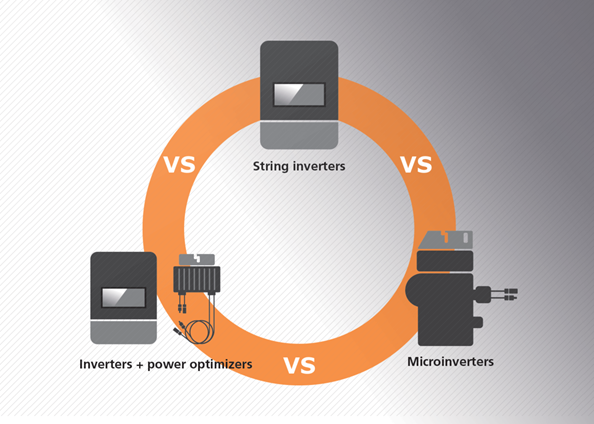
Old String Inverters versus Micro Inverters & DC optimisers Smart Energy Answers February 8, 2024 Types of Solar Inverters There are three main types of inverters currently available for your solar energy system: string inverters, power optimiser systems, and microinverters. Power optimiser systems are also known as string inverters with power optimisers. Power optimisers and microinverters are often collectively referred to as Module-Level Power Electronics, or MLPEs. String inverters are by far the most commonly deployed inverter option globally and make up the majority of the world’s inverter market. However, MLPE technologies have gained market share over the last five years as their costs have come down. String Inverters String inverters are the most cost-effective inverter option available. Traditionally, a solar installation company would propose a string inverter for your system if your roof had limited shading throughout the day and did not face multiple directions, such as a gabled roof. However, thanks to recent hardware and software updates from major string inverter companies, string inverters are now suitable for a wider range of circumstances. How String Inverters Work Your solar panels are arranged into groups connected by strings, which is where the name comes from. You can connect multiple strings of panels to a single centralised inverter, which transforms the DC electricity produced by the panels into usable AC electricity for your home or business. Power Optimisers Power optimiser systems offer many of the same benefits as microinverters. They are often considered a compromise between microinverters and standard string inverters. How Power Optimiser Systems Work Like microinverters, systems with power optimisers have an individual optimiser component located at each panel. However, instead of converting DC electricity to AC electricity at the panel, they condition the DC electricity and send it to a string inverter for conversion. If your roof experiences shade during the day, the panel-level optimisation provided by power optimisers often results in higher system efficiency than using a string inverter alone. Like microinverters, power optimisers not only reduce the impact of panel shading on system performance, but also offer panel-level performance monitoring. Microinverters Microinverters, another form of MLPE, are rapidly gaining popularity, particularly for residential solar panel systems. How Microinverters Work Systems with microinverters typically have an individual microinverter installed on the back of each solar panel. They convert the DC electricity from your solar panels into AC electricity directly on your roof, with no need for a separate string inverter. In most cases, installers mount the microinverters onto the back of the solar panel itself. They can also be placed next to the panel on your solar racking system. Microinverters take Module-Level Power Electronics, or MLPE, to the logical conclusion. While power optimisers aggregate the electricity from your panels and send it to a string inverter for DC to AC conversion, microinverters complete the DC to AC conversion directly at each individual solar panel. As a result, just like power optimiser systems, microinverters also allow you to monitor the performance of individual solar panels. Smart Modules Many microinverter and power optimiser companies are partnering with solar panel manufacturers to create smart modules. Simply put, a smart module is a solar panel with a piece of Module-Level Power Electronics, or MLPE, equipment already integrated into it. This simplifies installation and can help reduce labour costs for installers. Many of the world’s biggest panel manufacturers now have smart module options available.
Solar Energy for Beginners: A Simple Guide to Getting Started
Solar Energy for Beginners: A Simple Guide to Getting Started Smart Energy Answers June 4, 2026 In the heart of Australia’s sun-drenched landscape, solar energy emerges as a beacon of sustainability and cost efficiency for homeowners. This clean energy solution, powered by the sun’s endless rays, stands at the forefront of an eco-friendly revolution, redefining residential energy consumption. With the urgency of environmental conservation and the allure of reduced utility bills, understanding solar energy’s basics becomes indispensable for those considering a greener alternative. What Is Solar Energy? Solar energy represents the pinnacle of harnessing the sun’s power, transforming sunlight into electricity through two primary methods: photovoltaics, or PV, and concentrated solar power, or CSP. This renewable energy source plays a critical role in curbing carbon emissions and reducing our reliance on fossil fuels. Its adoption is a step toward a sustainable future, mitigating the impacts of climate change. Benefits in Australia Australia’s unique geographical position, bathed in abundant sunshine, creates an ideal setting for solar power generation. Homeowners stand to gain substantially, with benefits including reduced electricity bills, enhanced property value, and a significant contribution to environmental preservation. The nation’s solar-friendly climate is not just a matter of convenience but a call to action for sustainable living. The Basics of Solar Power Systems For those new to the solar energy journey, grasping the fundamentals of solar power systems is essential. These systems are marvels of engineering, designed to convert sunlight into electrical power with remarkable efficiency. Components of Solar Systems A typical solar power setup comprises several key components: solar panels, an inverter, battery storage, and a monitoring system. Each element plays a pivotal role in the seamless conversion of solar energy into electricity, ensuring that homes are powered sustainably and efficiently. How Solar Power Works The process begins with solar panels capturing sunlight and converting it into direct current, or DC, electricity. The inverter then transforms this DC into alternating current, or AC, the form of electricity used to power homes. Surplus energy can either be stored in batteries for later use or fed back into the grid, often yielding credits on electricity bills. Evaluating Solar Potential Before taking the leap into solar, assessing your home’s solar potential is a step you cannot skip. This evaluation ensures that your investment is not only wise but tailored to your specific needs. Assessing Your Location Key factors such as roof space, orientation, and potential shading must be considered. In Australia, north-facing roofs are prime real estate for solar panels, capturing maximum sunlight throughout the year. Sunlight Availability in Australia Australia’s generous sunlight hours make it a veritable goldmine for solar energy production. Understanding the sunlight patterns specific to your region can significantly enhance the efficiency of your solar panel installation. Types of Solar Energy Systems Solar energy systems come in two main varieties, each suited to different residential needs and circumstances. Grid-Connected Systems Connected to the national electricity grid, these systems allow homeowners to feed excess energy back, often receiving a credit. This setup is ideal for those looking to reduce their energy bills while staying connected to the grid. Standalone Systems For those in remote locations or preferring complete independence from the grid, standalone or off-grid systems are the answer. These systems require battery storage to ensure a continuous power supply, regardless of sunlight availability. Financial Considerations The decision to go solar is as much a financial consideration as it is environmental. Costs and Savings Though the initial setup cost can be substantial, the long-term savings on energy bills and the added value to your property make solar systems a sound investment. Government Incentives in Australia To encourage the adoption of solar energy, the Australian government offers various incentives, including rebates and feed-in tariffs, reducing the financial burden on homeowners. Choosing the Right Solar Panels The efficiency of your solar system hinges on selecting the appropriate solar panels. Panel Types and Efficiency Solar panels come in different types, such as monocrystalline and polycrystalline, each with its efficiency levels. Choosing the right type depends on your energy needs and budget considerations. Size and Placement The efficiency of solar panels is also influenced by their size and placement. Professional assessment is recommended to ensure optimal installation, maximising energy production. Installation Process The installation of solar panels is a critical process that should ideally be entrusted to professionals. Professional vs DIY Installation Though the DIY route may seem appealing for its cost-saving potential, professional installation guarantees safety, efficiency, and regulatory compliance, safeguarding your investment. Permits and Regulations Navigating local regulations and obtaining the necessary permits is a crucial step in the installation process, ensuring that your solar system is legally compliant and operationally safe. Maintenance and Care The longevity and efficiency of your solar system depend on regular maintenance and care. Regular Maintenance Tips Routine cleaning of solar panels and system check-ups are vital for optimal performance, ensuring that your system operates at peak efficiency year-round. Troubleshooting Common Issues Being familiar with common issues and their solutions, or consulting a professional when necessary, can help maintain your system’s performance and longevity. Environmental Impact The environmental benefits of solar energy cannot be overstated. Reduction in Carbon Footprint By switching to solar, homeowners can significantly reduce their reliance on fossil fuels, leading to a substantial decrease in greenhouse gas emissions. Sustainable Living Solar energy is at the heart of sustainable living, offering a clean, renewable energy source that minimises environmental impact and promotes a healthier planet. Future of Solar Energy in Australia The landscape of solar energy in Australia is rapidly evolving, promising an even brighter future. Trends and Developments Ongoing technological advancements are making solar energy more efficient and affordable, paving the way for wider adoption and innovative applications. Community Solar Projects For those unable to install individual solar systems, community solar projects offer a shared solution, democratising access to clean energy. Case Studies Real-life success stories of residential solar energy adoption underscore the tangible benefits of going solar, from environmental impact to
Solar Panel Maintenance: Keeping Your Home System in Top Shape
Solar Panel Maintenance: Keeping Your Home System in Top Shape Smart Energy Answers June 4, 2026 Solar energy is a beacon of sustainable energy in an era defined by environmental concerns. In Australia, the abundant sunshine presents an exceptional opportunity for homeowners to harness the power of the sun and reduce their carbon footprint. But installing solar panels is just the first step. Regular maintenance is crucial to ensure your solar system continues to perform efficiently, saving you money and supporting the green initiative. Why Solar Panel Maintenance Is a Must Solar panels are designed to be durable, but they are also constantly exposed to the elements, which can take a toll over time. Regular maintenance not only keeps your system performing optimally but also extends its lifespan, which can be around 25 years or more. Proper upkeep can also save you the headache of more expensive repairs down the line. The longevity of your solar investment hinges on how well you maintain it. Neglecting your panels can result in a noticeable drop in your energy output, which directly impacts your savings. Benefits of Proper Maintenance Increased Energy Efficiency Routine solar panel maintenance enhances your system’s energy production. By keeping your panels clean and free of obstructions, sunlight can be efficiently converted into electricity. Prolonged Lifespan Maintaining your system ensures that each component, from panels to inverters, operates within manufacturers’ specifications, minimising wear and tear and extending their life. Cost Savings The saying “prevention is better than cure” is particularly true for solar panel care. Consistent maintenance helps you avoid hefty repair costs and maximises your return on investment. Essential Maintenance Tasks Here is a rundown of what you should be doing to keep your solar system in top condition: Cleaning and Debris Removal Clean your panels regularly to prevent dirt and grime from diminishing sunlight absorption. Debris, such as leaves and bird droppings, should also be promptly removed to avoid shading. Inspection for Damage or Wear Performing a visual inspection of your panels can reveal issues like cracks or hot spots, which indicate a cell is not functioning properly. Any damage should be repaired immediately. Monitoring Performance Metrics Keep an eye on your system’s performance data. A significant decrease in energy output could signal a problem that requires attention. Inverter Maintenance The inverter is a critical component that converts the solar energy captured by panels into a usable form. Check for signs of damage, and ensure proper ventilation with no encroaching pests. Battery Maintenance If you have a solar battery system, regular checks for electrolyte levels and proper venting are essential to keep it working safely and efficiently. Seasonal Maintenance Tips Different seasons bring varying challenges and considerations for solar panel maintenance: Winter Considerations Watch for snow accumulation on panels and ensure you have a plan for clearing it. Additionally, check that any foliage shading your panels has not grown back. Summer Precautions High temperatures can increase the risk of electrical fires. Keep an eye on your system during heatwaves and make sure it’s well ventilated. Common Issues and Troubleshooting Here are some common problems with solar panels and potential solutions: Panel Malfunctions If your system is underperforming, it could be due to a panel not functioning. With advanced module-level power electronics inverters, the system can pinpoint which panel is not performing and ensure that the malfunctioning panel does not affect the others. This helps ensure that the remaining panels continue operating at optimal performance. Wiring Problems Faulty wiring can lead to short circuits or fires. Look out for exposed or damaged wires and have them repaired by a professional. Inverter Issues Inverters tend to have a shorter lifespan than solar panels. Be prepared for an eventual replacement and ensure you’re familiar with the signs of inverter failure. DIY vs Professional Maintenance The decision to handle maintenance on your own or hire a professional will depend on your comfort and skill level, as well as the complexity of the task. Here are a few things to consider: Pros and Cons of Each Approach DIY maintenance can save you money, but there’s a risk of making mistakes. Professionals have the expertise, but they can be an added cost. When to Seek Professional Help For complex issues or repairs covered by warranties, it’s always best to call in professionals to avoid voiding warranties or causing further damage. Conclusion Solar panel maintenance in Australia is not just about preserving equipment. It’s about maintaining a commitment to sustainable energy. By taking the time to ensure your system is well looked after, you’re investing in your financial future and the health of the planet. Don’t let a dirty or malfunctioning solar panel system overshadow the benefits of going solar. Stay proactive, stay vigilant, and your solar panels will shine for years to come.
Solar Panel Orientation: Maximising Sun Exposure in Australia
Solar Panel Orientation: Maximising Sun Exposure in Australia Smart Energy Answers June 3, 2026 As the demand for sustainable energy solutions grows, an increasing number of Australian homeowners are turning to solar panels to harness the power of the sun. However, a common myth often discourages potential adopters: the belief that solar panels only work when the sun is shining brightly. In this blog, we debunk this misconception, explore the optimal orientation for solar panels in Australia, and introduce advanced technologies that ensure panels operate efficiently even in less-than-ideal weather conditions. Debunking the Myth: Solar Panels and Sunlight One of the prevailing myths surrounding solar panels is that they are rendered useless on cloudy days or during overcast conditions. The truth is, solar panels can still generate power in diffuse sunlight. While direct sunlight is optimal, advancements in solar technology have made panels more efficient in converting sunlight into electricity, even in low-light situations. Real-life examples abound of solar panels continuing to produce energy on cloudy days, proving the resilience of this eco-friendly energy source. Optimal Solar Panel Orientation for Australian Homes To maximise sun exposure and energy production, homeowners must consider the optimal orientation for their solar panels. The angle and direction of panels, known as tilt and azimuth, play a crucial role in capturing sunlight efficiently. In the diverse climates across Australia, regional variations must be taken into account when determining the best orientation. Whether you reside in the sun-soaked regions of Queensland or the more temperate climates of Victoria, understanding the ideal panel orientation can significantly enhance your solar energy system’s performance. Smart Inverters: Module-Level Power Electronics To address concerns about shading or overcast conditions affecting solar panel efficiency, advanced technologies such as smart inverters with module-level power electronics have emerged. Innovations like power optimisers and microinverters optimise energy production by allowing each panel to operate independently, mitigating the impact of shading on the entire system. This means that even if part of your solar array is shaded, the unaffected panels can still generate power at their maximum potential, ensuring consistent energy output. Addressing Shading and Overcast: Case Studies Real-world examples illustrate the tangible benefits of incorporating smart inverters or module-level power electronics. Homeowners across Australia are experiencing increased energy production and efficiency despite occasional shading or overcast weather. By adopting these technologies, they not only optimise their solar panels’ performance but also contribute to a more sustainable and resilient energy infrastructure. Economic and Environmental Impact The economic advantages of investing in optimal solar panel orientation and advanced technologies are substantial. Higher energy production leads to greater savings on electricity bills, providing homeowners with a quicker return on their investment. Simultaneously, the environmental impact cannot be overstated. Harnessing more solar energy reduces reliance on conventional energy sources, lowering carbon footprints and contributing to a greener future. Tips for Eco-Conscious Homeowners For eco-conscious homeowners looking to maximise the benefits of their solar panels, a proactive approach is essential. Regular maintenance, monitoring, and consideration of advanced technologies can significantly impact overall system efficiency. By staying informed and taking advantage of innovative solutions, homeowners can ensure their solar panels operate at peak performance, even in less-than-ideal conditions. Conclusion In conclusion, with the right orientation and the incorporation of smart technologies, solar panels can operate efficiently in various weather conditions. By optimising solar panel performance, homeowners not only reap economic benefits but also contribute to a more sustainable and environmentally friendly energy landscape. Ready to maximise your solar panel’s potential and contribute to a cleaner, greener future? Contact Smart Energy Answers for personalised solutions tailored to your home. Visit our website or give us a call to start your journey towards a more efficient and sustainable energy solution today.
Best Solar Panels Australia 2024
Best Solar Panels Australia 2024 Smart Energy Answers January 8, 2024 Australia’s Transition to Renewable Energy Australia’s transition to renewable energy has gained significant traction in recent years. This shift is driven by the nation’s commitment to combat climate change and achieve a more sustainable future. With abundant sunlight and a growing awareness of the environmental and economic benefits, more households and businesses are turning to solar energy as a practical and accessible solution. The demand for the best solar panels in Australia continues to rise, with homeowners and businesses seeking cutting-edge technologies to maximise energy generation. At Smart Energy Answers, we have always been driven by our belief in providing customers with nothing but the highest quality products. We are constantly striving to stay at the forefront of the industry, offering cutting-edge solar panels and systems that surpass industry standards. Our commitment to innovation and excellence has led us to carefully select the top solar panels that we firmly believe are among the best in the market. Let’s explore our top 5 picks for the best solar panels in Australia for 2024. HT Smart All-Black 475 W N-Type Key Features 21.9% module efficiency. Bloomberg Tier 1 module manufacturer. 25-year product warranty. 25-year warranty on power output. TOPCon optimised multi-busbar technology for maximum light absorption. Double EL tested to ensure reliability and help avoid microcracks. The HT Smart solar panel stands out as one of the best in the market due to its exceptional features and reliability. With a legacy dating back to 1960, HT has a long history of driving innovation and sustainability in the solar industry. Their expertise in developing solar cells for multiple applications, including earth satellites, is reflected in the superior performance of their panels. HT Smart panels use Half-Cut PERC technology to help reduce internal power loss and increase overall component power for improved efficiency. Their aerospace-grade connections enhance durability and compactness, while the sleek all-black design adds aesthetic appeal to rooftop installations. This panel also offers strong product and power output warranty coverage, demonstrating confidence in its long-term performance. Additionally, the HT Smart solar panel is exclusively made for Smart Energy Answers. It combines quality design with a highly competitive price point, providing our customers with an affordable yet reliable solar solution. Hyundai 400 W Key Features 20.4% module efficiency. Bloomberg Tier 1 module manufacturer. 25-year product warranty. PERC shingled technology. More power generation in low light. High tolerance for hot weather. Corrosion resistant. Anti-LID, or Light Induced Degradation, protection. Hyundai Energy Solutions has tailored this panel to suit Australia’s often hot weather conditions. The standout feature of Hyundai’s panels lies in their PERC shingled technology, which significantly reduces the electrical current running through the cells compared to traditional square cells found in common panels. This reduction in current translates to lower heat generation, resulting in reduced performance degradation and enhanced tolerance for hot weather conditions. The impressive 400 W capacity of the panels means more power can be generated, even on smaller roofs. Furthermore, the all-black surface and frame contribute to the panel’s uniform aesthetic appeal while also enhancing its suitability for Australia’s hot climate. Coupled with a 25-year product warranty, Hyundai aims to provide customers with a reliable, high-performance solution that optimises their solar investment. Canadian Solar Key Features 21.5% module efficiency. Bloomberg Tier 1 module manufacturer. 12-year product warranty. 25-year power performance warranty. Monocrystalline technology. Up to 5.6% lower system cost. Heavy snow load up to 5400 Pa and wind load up to 2400 Pa. Better shading tolerance. Canadian Solar, a company originally founded in Canada, has grown to become a major player in the global solar industry. While most of its production takes place in China, Canadian Solar also operates two manufacturing facilities in Ontario, Canada. With strong manufacturing capabilities, Canadian Solar has achieved the distinction of having the fifth-largest solar panel manufacturing capacity worldwide, as recognised by Bloomberg NEF. The Canadian Solar HiKu 6 Mono PERC 550 is a high-quality solar panel that offers exceptional performance and efficiency. With its monocrystalline PERC cell technology, this panel maximises the absorption of sunlight and effectively converts it into clean electricity. Its robust design and durable construction help ensure long-lasting reliability, making it a great choice for commercial solar installations. REC Alpha Pure Series Key Features Up to 22.2% module efficiency. Bloomberg Tier 1 module manufacturer. 20-year product warranty. 25-year warranty on power output. Advanced cell connection technology reduces current congestion for improved energy flow. Heterojunction, or HJT, cell technology generates up to 16% more power on your roof compared to conventional panels. Allows extreme loads up to 7000 Pa. REC solar panels have been highly recommended in the past. Originally founded in Norway, REC made a significant impact in the solar industry with its innovative split-module design using half-cut cells. This design provided improved efficiency and performance compared to standard full-size square cells. The innovation has since become an industry standard, with many manufacturers adopting similar half-cut cell technology. However, it is worth noting that REC has undergone mergers and acquisitions. REC is now owned by Reliance New Energy Solar, with manufacturing operations based in Asia. Based in Mumbai, Reliance is the largest private sector company in India, engaging in a diverse range of activities including hydrocarbon exploration and production, petroleum refining and marketing, petrochemicals, retail, and digital services. Despite these changes, REC remains committed to providing a 20 to 25-year warranty and incorporates advanced high-efficiency PERC cell architecture in its TwinPeak panels. Although REC panels were once highly recommended, we currently do not offer them, as we believe in products that match exceptional quality with competitive pricing to ensure our customers receive the best value for their solar energy solutions. At Smart Energy Answers, we prioritise providing our customers with high-quality solar panels that offer strong value for their investment. SunPower Key Features 22.8% module efficiency. Bloomberg Tier 1 module manufacturer. 40-year product, power, and service warranty. Factory-integrated microinverter. Interdigitated Back Contact, or IBC, monocrystalline N-type technology. With a
Solar Batteries Decoded : Top FAQs & Insights for Savvy Consumers
Solar Batteries Decoded : Top FAQs & Insights for Savvy Consumers Smart Energy Answers September 6, 2023 Understanding Solar Batteries In an era where sustainability meets innovation, the demand for solar with batteries has increased significantly. More families in Australia want to use cleaner energy and take greater control of their power, which is why solar batteries are becoming increasingly popular. At Smart Energy Answers, we are excited to explain solar batteries in this blog. We are also here to share some of our customers’ top questions to help you make informed decisions about your energy future. Solar Battery FAQs FAQ 1: How Can Solar Batteries Save Me Money on Electricity Bills? Solar batteries offer potential savings on electricity bills by capturing surplus energy produced by your solar panels during sunny periods. This stored energy becomes available during less sunny hours, including nights, rainy days, and cloudy weather. By reducing reliance on grid power during peak periods, you can cut down on costly electricity expenses and move closer to energy independence. With a properly sized solar and battery system, some customers can aim for $0 electricity bills. FAQ 2: Do Solar Batteries Qualify for Incentives or Rebates in Australia? Yes, incentives are available in different states across Australia. In addition, some of our partners also offer special Virtual Power Plant, or VPP, rebates for specific networks and territories. FAQ 3: What Size Solar Battery Do I Need for My Home? The size of the solar battery you need for your home in Australia depends on several factors, including the following: Energy consumption: Understand your household’s daily energy consumption. Review your past electricity bills to see how much energy you use on average. A larger battery may be suitable if you have higher energy needs. Solar panel system size: The capacity of your solar panel system matters. A larger system can produce more surplus energy, which can then be stored in the battery. Usage patterns: Consider when you use the most electricity. If you typically consume more energy in the evening, a larger battery can help you rely less on grid power during those times. Grid connectivity: If you are aiming for energy independence and want to reduce grid reliance, a larger battery may be beneficial. Smaller batteries are often used for backup power during outages. Budget: Larger batteries tend to be more expensive. Balance your energy needs with your budget to find the right size that offers the best value. Future expansion: If you plan to expand your household or increase energy usage in the future, factor in potential changes when selecting the battery size. It is recommended to consult with a solar energy expert to determine the optimal battery size that aligns with your household’s needs and usage patterns. FAQ 4: What Factors Should I Consider When Selecting a Solar Battery for My Home? Capacity: Choose a battery with sufficient capacity to meet your energy needs. Efficiency: Look at how efficiently the battery stores and releases energy. Higher-efficiency batteries can save more of the energy generated by your solar panels. Installation and compatibility: Ensure the battery is compatible with your existing solar panel system and inverter. Consider installation requirements, space, and placement options. Scalability: If you plan to expand your solar system in the future, choose a battery that can be easily integrated with additional panels. Warranty and support: Research the manufacturer’s reputation, warranty terms, and customer support. A reliable warranty can provide peace of mind. Cost and value: Balance the upfront cost of the battery with the potential savings it can offer over its lifetime. Consider any available government incentives or rebates. Safety: Battery safety features are crucial. Look for batteries with built-in protection against overcharging, overheating, and other potential risks. Smart features: Some batteries come with smart management systems that optimise energy usage and enable remote monitoring and control, with the potential for additional revenue through VPPs. Brand and installer reputation: Choose well-established brands and installers known for quality and reliability. Check customer product and service reviews from reputable websites. FAQ 5: Are Lithium-Ion Batteries the Best Choice for Residential Solar Systems in Australia? Yes, lithium-ion batteries are often considered one of the best choices for residential solar systems in Australia due to their high energy density, efficiency, long lifespan, and compact size. FAQ 6: How Long Do Solar Batteries Typically Last in the Australian Climate? Solar batteries typically last around 15 to 25 years in the Australian climate. Factors such as battery chemistry, usage patterns, maintenance, and manufacturer quality can influence their lifespan. Regular maintenance and proper usage can help extend the life of solar batteries. In addition, manufacturers typically offer warranties of up to 15 years. FAQ 7: Is It Necessary to Have an Existing Solar Panel System to Install Solar Batteries in Australia? No, it is not always necessary to have an existing solar panel system to install solar batteries in Australia. While many people choose to combine solar panels with batteries to maximise energy self-sufficiency, you can also install a solar battery system on its own. However, without solar panels, the battery will primarily charge from the grid, and its effectiveness in reducing electricity bills may be limited compared to when it is paired with solar panels. It is recommended to consult with experts to determine the most suitable setup based on your energy needs and goals. FAQ 8: What Are the Installation Requirements and Costs Associated with Solar Batteries in Australia? The costs and installation requirements for solar batteries in Australia can vary based on factors such as available space, inverter compatibility, electrical upgrades, permits, and ventilation needs. The expenses typically include the battery unit cost, installation labour, potential inverter upgrades, additional components, permits, and maintenance. The total cost can range from several thousand to tens of thousands of dollars, with government incentives and financing options available to help offset expenses. It is advisable to seek quotes from professional installers for accurate cost estimates based on your specific circumstances. FAQ 9:
Reduce Energy Consumption: Key Steps Before Going Solar
Reduce Energy Consumption: Key Steps Before Going Solar Smart Energy Answers April 6, 2023 Before Going Solar: Key Steps to Reduce Energy Consumption As families and businesses seek to reduce their carbon footprint and lower energy costs, many are considering the installation of solar panels as a practical solution. While solar power can provide a significant reduction in energy costs and carbon emissions, it is important to note that it should not always be the first step in reducing energy consumption. Before you start considering solar as an option, it is important to ensure that you have taken steps to reduce your energy consumption as much as possible. This can be achieved through a number of simple changes, including improving air conditioning efficiency, replacing lights with LED bulbs, and improving insulation. By reducing energy consumption, you will not only lower your carbon footprint but also save money on energy costs. This can make the investment in solar panels and batteries even more financially viable. Improve Air Conditioning Efficiency Improving air conditioning efficiency is an easy way to reduce energy consumption. By regularly servicing your air conditioning system, you can help ensure it runs efficiently and does not waste energy. You may also want to consider installing programmable thermostats. These can automatically adjust the temperature of your home or building based on occupancy patterns, helping save energy when the space is unoccupied. Replace Traditional Light Bulbs with LED Bulbs Replacing traditional light bulbs with LED bulbs is another easy way to reduce energy consumption. LED bulbs use significantly less energy than traditional bulbs and last much longer, making them a cost-effective investment in the long run. In addition to replacing bulbs, consider installing motion sensors or timers to automatically turn off lights in areas that are not frequently used. Improve Insulation Improving insulation is also an important step in reducing energy consumption. By ensuring that your home or building is well insulated, you can help prevent energy from escaping through cracks and gaps in your walls and roof. This not only reduces energy consumption but also makes the space more comfortable for employees, customers, and occupants. Consider Solar and Batteries After Reducing Energy Use Once you have taken steps to reduce your energy consumption, it is time to consider solar and batteries as viable options. Solar panels can provide a significant reduction in energy costs and carbon emissions. Batteries allow you to store excess solar energy generated during the day and use it at night or during periods of low solar generation. You may also potentially generate additional income from your battery by selling excess energy back to the grid. Solar and battery systems can provide greater energy independence and help reduce your reliance on the grid. However, it is important to note that they require a significant upfront investment. By reducing your energy consumption first, you can help ensure that your investment in solar panels and batteries is as cost-effective as possible. Happily tearing his electricity bill. Conclusion Solar power and batteries can be a great way for your home or business to reduce energy costs and carbon emissions. However, it is important to note that they should be considered after taking steps to reduce energy consumption first. Before investing in solar and batteries, homes and businesses should consider improving air conditioning efficiency, replacing lights with LED bulbs, and improving insulation. By reducing energy consumption first, you can help ensure that your investment in solar panels and batteries is as cost-effective as possible should you decide to proceed.
New Energy Tech Consumer Code : Solar Industry Consumer Protection
New Energy Tech Consumer Code : Solar Industry Consumer Protection Smart Energy Answers March 22, 2023 Raising the Bar for Consumer Protection in Solar and Energy Tech The New Energy Tech Consumer Code, or NETCC, has been introduced in Australia, replacing the Clean Energy Council’s Approved Solar Retailer programme. The NETCC aims to regulate the sales and marketing practices of new energy technology companies and protect consumers from misleading or deceptive practices. This code plays a key role in promoting transparency and building confidence in the new energy technology industry. Smart Energy Answers is an approved seller under the NETCC. Smart Energy Answers continues to lead by example as an approved seller under the NETCC. This recognition confirms our commitment to adhering to the highest sales and marketing standards and providing our customers with accurate information about our products and services. As an approved seller, Smart Energy Answers is committed to: Providing clear, accurate, and relevant information to help you make informed choices. Encouraging you to be aware of your rights under the law and the NETCC. Ensuring that our sales practices are responsible. Ensuring that products, systems, services, and documentation provided under the NETCC are suitable and fit for purpose. Supporting staff training and work processes that ensure we comply with the law and the NETCC. Ensuring that we are responsive to your needs and take prompt, appropriate action if you make a complaint. The introduction of the NETCC is a positive step for Australia’s new energy technology industry. It demonstrates the government’s commitment to promoting growth, transparency, and sustainability across the sector. Consumers are encouraged to look for the NETCC logo when making purchases. This helps ensure they are protected by the code’s standards and are dealing with reputable companies.
The 5 Biggest Myths of Solar Energy: Debunking Misconceptions
The 5 Biggest Myths of Solar Energy: Debunking Misconceptions Smart Energy Answers February 7, 2023 Debunking 5 Common Solar Energy Myths The solar industry has grown rapidly in recent years. With that growth has come a number of misconceptions and myths about how solar energy works and the benefits it can provide. Here are the five biggest myths in the solar industry, along with the facts that debunk them. Myth 1: Solar Panels Only Work in Sunny Locations Fact: Solar panels are actually quite efficient at converting sunlight into electricity, even on cloudy days. In fact, some studies have shown that solar panels can produce up to 25% of their rated capacity on a cloudy day. So, even if you live in a location with less-than-ideal weather, you can still benefit from solar energy. Myth 2: Solar Energy Is Too Expensive Fact: The cost of solar energy has dropped significantly in recent years, making it a more affordable option for homeowners and businesses. In addition, many government incentives and rebates are available for installing solar panels, which can help offset the initial cost. With the savings on monthly energy bills, a solar energy system can pay for itself over time. Myth 3: Solar Panels Will Ruin the Appearance of Your Home Fact: Solar panels are available in a variety of styles and sizes to suit the appearance of different homes. Many homeowners find that adding solar panels can increase the value of their property while also giving the home a more eco-friendly look, depending on the design. Solar panels can also be installed on the roof or on the ground, allowing you to choose the location that works best for your home. Myth 4: Solar Energy Is Unreliable During a Power Outage Fact: Solar energy systems are reliable and can provide a steady supply of electricity to your home during normal operation. For power outages, many solar systems can be paired with battery backup solutions to keep essential appliances and devices running. With the right solar and battery setup, you can have greater peace of mind knowing you may still have access to stored electricity during an emergency. Image: CHOICE Australia has chosen Smart Energy Answers as their preferred solar energy provider, helping customers achieve more than $1 million in lifetime savings. Myth 5: Solar Energy Is Only for Homeowners, Not Businesses Fact: Solar energy can be a great option for businesses as well as homeowners. Many businesses are turning to solar energy to reduce their energy costs and improve their sustainability. As of 2023, more than 7,000 businesses have switched to solar, with IBISWorld showing 8.1% annualised growth in businesses adopting solar energy. With various incentives and rebates available for commercial solar installations, solar can be a cost-effective choice for businesses of all sizes. Conclusion Overall, solar energy is a clean, renewable, and affordable option for powering your home or business. Do not be fooled by the myths. The facts about solar energy speak for themselves.
Smart Energy Answers: A Tesla Premium Installer for 2023
Smart Energy Answers: A Tesla Premium Installer for 2023 Smart Energy Answers January 24, 2023 Smart Energy Answers: Your Trusted Tesla Powerwall Premium Installer for 2023 We are thrilled to announce that Smart Energy Answers will continue to be a Tesla Powerwall Premium Installer for 2023. This certification is a testament to our commitment to providing customers with outstanding service, exceptional installation quality, and extensive product knowledge. As a Tesla Powerwall Premium Installer, we have the honour of working with some of the most advanced technology in the renewable energy industry. Our team of certified installers is trained to install and maintain Tesla Powerwall battery systems for both residential and commercial properties. Our customers can trust that our dedicated team will provide a high level of customer service from start to finish. We ensure every installation is completed to the highest and safest standards, with the goal of delivering complete customer satisfaction. We are proud to continue our partnership with Tesla and are excited to help even more customers make the switch to clean energy in 2023. Choosing Smart Energy Answers as your Tesla Powerwall Premium Installer means you can expect high-quality service, expert product knowledge, and a professional installation completed to industry-leading standards. We take pride in helping our clients reduce their carbon footprint and increase their energy independence by providing efficient and reliable Tesla Powerwall systems. Talk to our energy expert today to learn more about Tesla Powerwall and how it can support your home or business energy needs.
Smart Energy Answers Wins ProductReview Award 4th Year in a Row
Smart Energy Answers Wins ProductReview Award 4th Year in a Row Smart Energy Answers December 1, 2022 Smart Energy Answers Celebrates 4th Consecutive Year as Best Solar Retailer in Australia Recognising exceptional customer service and commitment for the fourth year in a row, ProductReview.com.au has presented Smart Energy Answers with the 2023 Best Solar Retailer Award. This is a momentous occasion, especially as ProductReview.com.au is one of Australia’s most comprehensive consumer opinion sites. Its annual awards are recognised as a valuable guide to some of the best businesses from a customer viewpoint. Winning a ProductReview.com.au award carries a level of prestige that is highly respected by Australian companies. When presented with the award, Smart Energy Answers CEO Daniel Lanzetta expressed his gratitude for the acknowledgement of the high level of service the company provides. “We are truly proud of this achievement and, more importantly, immensely thankful for the numerous 5-star reviews from our happy customers. To win this award for four years straight means we must be doing things right,” he said. Sales Manager Rodrigo Candi also shared his excitement over the news. “We are extremely happy, as we work hard every day to surpass customer expectations, and this award is a true reward for our efforts as a team.” Looking back over the past 12 months, Operations Manager Basit Ali recalled how the team maintained motivation after winning the third award in 2021. “We stayed customer-focused, striving to provide that seamless customer experience. Even though we had grown substantially over the years, we never compromised on our quality and integrity.” Daniel summarised it best when asked what the future holds. “Going the extra mile to keep winning this award has become a matter of personal pride amongst our team members. Positive customer feedback is rewarding and infectious, and it drives our enthusiasm for what we do. If we continue to give our customers a delightful experience, they will continue to vote for us as the very best in the solar industry.” Sharing the Happiness The customer experience is at the core of this success. To celebrate, we are kicking off a 5-star solar journey for our next 50 customers with a $500 cashback offer starting today. Contact us now to speak with one of our energy experts.
Solar Scams Exposed: Companies Promising 2-Week Installations
Solar Scams Exposed: Companies Promising 2-Week Installations Smart Energy Answers November 30, 2022 Beware of Solar Scams: Spotting Companies Promising Unrealistic 2-Week Installations It is that time of year again when some solar companies start promising quick and easy installations just in time for the end of the year. While going solar is a great way to save money on your power bill, it is important to be careful of scams and unrealistic promises. In this blog post, we will outline a common solar scam to look out for, so you can make an informed decision before going solar. What Has Been Happening with Solar Scams? Solar scams are unfortunately becoming more common as the industry continues to grow. Some solar companies take advantage of homeowners who are not familiar with the process or who are eager to save money on their energy bills. One of the most common warning signs is a company promising a 2-week installation time frame. In most cases, this is unrealistic for a quality solar installation. A reputable solar company will usually need around 4 to 6 weeks to properly design, approve, and install a solar system. Rushing the process can result in a poor-quality installation that may not function as intended and could even create safety risks. Watch Out for Unqualified Installers Another scam to watch out for is companies that use unqualified installers. These installers may not have the proper training, certification, or experience required to install a solar system safely and correctly. This can lead to property damage, poor system performance, and even voided warranties that you thought were included with your purchase. When this happens, homeowners can be left with expensive repair bills and a solar panel system that does not work as expected. How to Avoid Solar Scams The best way to avoid getting scammed is to do your research ahead of time. Make sure you understand the solar installation process and what a quality installation should involve. Get multiple quotes from different companies before making a decision, and always read the fine print carefully. If a solar company is pressuring you to sign a contract or make a deposit for an installation scheduled only a few weeks away, that is a warning sign. Do not risk your home or your investment for a few tempting promises. How Do I Know If I’m Speaking with a High-Quality Solar Installer? Solar panels are a great way to save money on your energy bill and do your part for the environment. However, not all solar companies are created equal. To make sure you are choosing a high-quality solar installer and panel system, there are a few key things you should look for. 1. Look for an Established Company with a Good Reputation Check how many reviews the company has on Google or ProductReview.com.au. Look at what customers are saying about their experience, installation quality, communication, and after-sales support. Do not rely on just one review. Read at least a dozen to get a clearer picture of the company’s reputation. 2. Make Sure the Company Uses High-Quality Products Solar technology has evolved significantly over the years, so it is important to understand what products and system design options are being recommended for your home. Some solar companies may offer basic string inverter systems because they can be cheaper upfront. However, the cheapest option is not always the best long-term solution, especially if your property has shading, complex roof layouts, or future energy needs to consider. If a company discusses technologies such as power optimisers or microinverters, this may be a sign that they are considering a more advanced and tailored solar solution for your home. These technologies can help improve system performance, monitoring, and long-term reliability, giving you greater peace of mind. Choosing up-to-date, high-quality solar technology can help your system stand the test of time while saving you money, time, and stress in the future. 3. Check That the Company Has a Solid Warranty Policy Most reputable solar companies will provide a 25-year performance warranty on solar panels. However, warranty length is not the only thing that matters. A solar company can close down, and when that happens, the support you expected from that warranty may become difficult to access. That is why it is important to choose a solar company with long-term interests and a proven track record. If an issue occurs 10 or 15 years down the road, you want to feel confident that the company is still operating and able to support you. 4. Ask for References from Past Clients Make sure to look through the company’s social media and customer reviews before making a decision. See if you can find examples of where they have installed solar systems and how many installations they have completed. This can give you a better understanding of their experience, workmanship, and consistency. At Smart Energy Answers, we have a dedicated page for completed installations, where we collect and display examples of our solar projects. Conclusion Solar scams are becoming more common as the industry grows. With so many options available, it is important to do your research before signing any contracts or making any payments. If something sounds too good to be true, it probably is. The best way to avoid solar scams is to get multiple quotes from different companies and compare more than just pricing. Make sure you also compare the terms, reputation, installation method, product quality, and level of technology before making a decision. Be aware of common scams, such as companies promising unrealistic installation timelines. You can protect yourself by doing your research ahead of time, reading trusted resources, and asking the right questions before committing. A little bit of knowledge can go a long way in helping you avoid solar scammers and choose a reputable installer.