
5 Tips to Maximise Your Solar Energy and Save Money
5 Tips to Maximise Your Solar Energy and Save Money Smart Energy Answers November 23, 2022 You’ve Got Solar, Now What? It is time to get the most out of it. Solar panels are a great way to reduce your carbon footprint, save money on your energy bills, and power your home in a more sustainable way. The amount of energy your solar panels produce can be maximised by using them alongside other energy-saving measures. With these tips, you can make the most of your solar energy and run your home more efficiently. It is important to have an idea of how much electricity each appliance and device in your home uses. This can help you plan your electricity usage more effectively and make better use of the solar energy your system produces. 1. Take Advantage of Daytime Get the most out of your solar system when the sun is out. Use appliances that require a lot of electricity during the daytime, when your solar panels are generating the most power. 2. Stagger Your Use of High-Energy Appliances Avoid using high-energy appliances and devices all at once, as this can increase your electricity demand and cause you to draw power from the grid. This includes appliances such as washing machines, dishwashers, and tumble dryers. By staggering their use throughout the day, you can make better use of the solar energy your system is generating. 3. Maintain and Monitor Your Solar System Regularly It is important to keep your solar panels clean and free of debris so they can operate at maximum efficiency. Regularly check your panels and arrange cleaning when needed to help ensure your system is working properly. You should also monitor your solar system’s performance so you can quickly identify any issues and keep your energy production on track. 4. Invest in a Solar Battery Another way to get the most out of your solar panels is to store unused energy in a solar battery. Solar batteries allow you to keep excess energy generated by your solar panels and use it when needed, such as at night or during periods with less sunlight. This can help reduce your dependence on the grid and may help you save more on your energy bills over time. 5. Get a Heat Pump One way to optimise your solar panels is to install a heat pump hot water system. Heat pump hot water systems use a heat exchange process that absorbs heat from the surrounding air and uses it to heat your water. These electric water heaters can provide hot water very efficiently in most climates. Compared with a standard resistive element heater, a heat pump hot water system can help reduce energy use and may save up to 78% on hot water running costs. Conclusion Solar panels are a great way to help power your home and save on energy costs. By following these tips, you can maximise the amount of energy your solar panels produce and make your investment in solar power work even harder for you. Best of all, using solar energy helps create a better and more sustainable world for everyone.
Skyrocketing Electricity Costs in Australia
Skyrocketing Electricity Costs in Australia Smart Energy Answers November 20, 2022 The Soaring Costs of Electricity in Australia: A Financial Crisis for Homeowners and Businesses Electricity prices have been increasing rapidly across Australia, with the average homeowner feeling the pinch. For households across the country, the rapid rise in power costs has placed noticeable pressure on the household budget. An unprecedented combination of events has impacted the energy industry, leading to price increases that have created financial challenges for many homeowners and business owners alike. Areas such as Queensland and New South Wales have already faced energy bill increases of 12% to 18%. However, the price hikes do not stop there. Local news reports have also warned of a potential 35% jump in electricity prices as wholesale electricity costs continue to rise. There are several contributing factors driving these energy price increases, including: The Russia-Ukraine war Unplanned energy plant outages Inflation Increased network costs Retailers seeking higher profits for owners and investors Wholesale gas and electricity prices increased by 200% in 2022 compared with the previous year, while gas prices rose by approximately 250%. For the average homeowner, this can equate to electricity bills increasing by as much as $180 to $260 per month. This sharp increase has sent many property owners searching for ways to save energy through home improvements and cheaper energy providers. It is not just homeowners who have been affected by the current economic climate. Some energy retailers have been unable to cope with soaring energy and operational costs, forcing them to close down operations. Companies such as Social Energy shut their doors earlier this year, with their customers transferred to an alternative energy retailer to maintain their service. Energy Retailers Under Pressure Elysian Energy has been one of the most recent casualties of rising energy costs, with its authorisation to trade halted in September. This affected approximately 2,500 customers across Queensland, New South Wales, Victoria, Tasmania, and South Australia, with customers transferred to other retailers. While this short-term strategy keeps customers supplied with essential energy services, it can worsen the crisis for retail customers who may have to deal with unfamiliar plans and higher pricing from new providers. Inflation and Cost of Living Pressures Compounding the already difficult situation, inflation is placing even more pressure on Australians. As the cost of living rises and interest rates continue to climb, the prices of essentials such as food and household supplies are steadily increasing. This leaves many consumers digging even deeper into already stretched cash reserves. Food products such as fruit, meat, and vegetables now cost more, while higher gas prices have caused major disruptions across the supply chain. Inflation has peaked at 7%, and with so much uncertainty around the country’s economy, the worst may not yet be over. The rising cost of services and the higher cost of borrowing may also reduce spending on luxury or non-essential items and slow down major purchases such as new cars or homes. A Global Energy Crisis Australia is not the only country affected, as rising energy prices have become a global issue. Many countries are also experiencing significant increases in energy costs. With sanctions imposed on Russian exports and the ongoing invasion of Ukraine, energy costs have spiralled out of control. Even though Australia is far from the ongoing war, the impact is still being felt through the rising costs of gas, oil, and coal. Global refusals to trade with Russia have also helped drive the price spike. Russia is the third-largest coal exporter in the world, and buyers are working to protect their supplies in case sanctions remain in place throughout the conflict in Ukraine. The Role of Renewable Energy In the face of this difficult situation, it is likely that the Australian government will continue increasing renewable energy efforts through higher investment in solar and wind energy. This can help make better use of sustainable resources and reduce reliance on volatile energy markets. While this may do little to immediately ease the current state of affairs, it can be a smart long-term strategy to future-proof the country. Greater investment in renewable energy may help protect Australians and the economy from similar energy crises in the future. We are all in this together, so any energy price reductions or even price stability, such as locked-in energy rates for up to five years, can be a valuable benefit for many customers. If you would like to discuss your current energy situation and explore ways to access cheaper energy bills, please give us a call to chat things through. Related topic: 4 Home Energy Saving Tips & Tricks
Choosing Between Blue, Black, or Smart Solar Panels: What You Need to Know
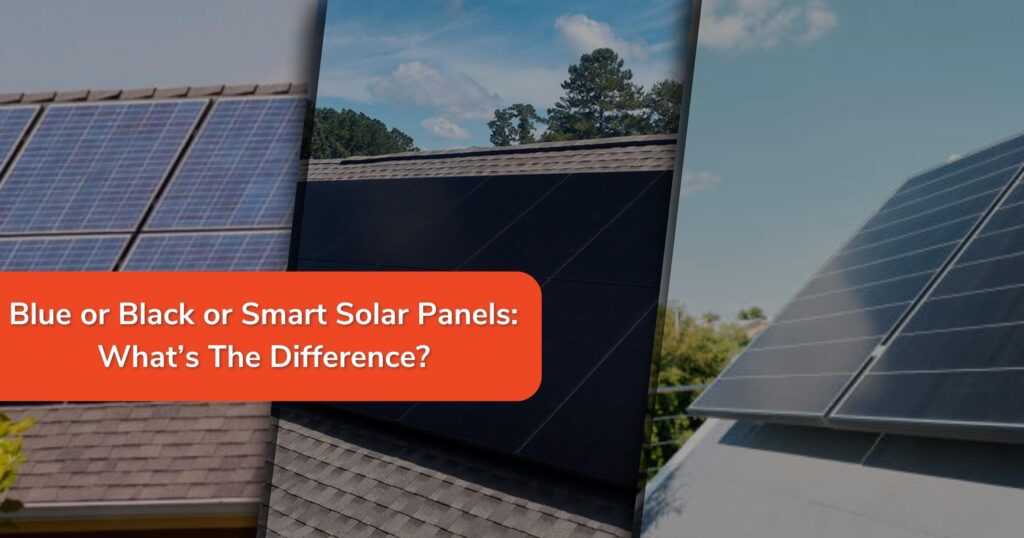
Choosing Between Blue, Black, or Smart Solar Panels: What You Need to Know Smart Energy Answers September 26, 2022 Choosing the Right Solar Panel Colour: Blue, Black, or Smart Panels For homeowners who have made the decision to switch to solar power, the benefits are clear. Clean energy, reduced grid consumption, and lower energy bills all make solar an attractive investment. However, choosing the right solar panel system is essential to getting the best long-term result. Some homes feature blue solar panels, while others use black panels, which can leave many homeowners wondering whether there is a real difference between the two. Understanding the difference between each panel starts with how they are manufactured and the materials used. Modern solar panels rely heavily on silicon because of its ability to effectively absorb sunlight and convert it into usable electricity. The colour and appearance of solar panels are influenced by the manufacturing process, including the use of anti-reflective coatings and how the panel reacts when exposed to light. The type of material used in a panel also affects its colour, giving it either a shiny blue appearance or a sleek black finish. Generally speaking, blue solar panels are often less expensive than black panels, but there can be trade-offs between heat performance and efficiency. Black panels tend to perform better in low-light conditions and warmer temperatures. Recent advancements in design and manufacturing have also led to the development of PERC monocrystalline smart panels. What Are Smart Panels? The latest energy research and innovation have used technology and connectivity to develop a new generation of smart all-black solar panels. These panels bring distinct advantages, combining a sleek and modern appearance with high efficiency and robust performance. Each panel is designed to deliver a more aesthetic look while remaining strong, reliable, and efficient. Constructed with PERC monocrystalline technology and aerospace-grade components, these high-spec panels are designed to withstand extreme weather conditions, including high winds. Their all-black finish also helps them blend seamlessly into almost any roof design. As a top performer for reliability, PERC panels are rigorously tested for strength and lasting durability. Longevity is a key consideration for homeowners, and with a 25-year full replacement warranty, PERC panels can offer greater peace of mind. Which Panels Are Better for Homes? One of the questions homeowners often ask is which type of solar panel is better for a home solar system. Due to their light-absorbing properties and efficient performance, many homeowners prefer black panels. In a typical installation, fewer black panels may be needed compared with blue panels, helping reduce the amount of roof space required. Although black panels can be more expensive upfront, they may deliver better long-term value through improved efficiency and performance. However, if cost is the main factor and the installation needs to stay within a limited budget, blue panels can require less upfront investment. While they may not be as efficient as black panels, blue panels can still be suitable for home solar systems and smaller commercial applications. What to Consider When Selecting Solar Panels When selecting solar panels, it is useful to have some key information at hand, such as: Which direction the sun travels over your home and when the peak sunlight hours occur. How much energy your household consumes. Whether efficiency and clean energy are key priorities. Whether your main goal is a lower upfront investment or stronger long-term savings. No matter which panels are chosen, some performance degradation will still occur over time due to weather, use, and environmental factors. This means solar panels may generate slightly less power as they age. However, most solar panels are designed to last for 25 years or more, and many can continue performing well beyond that period. Start Your Solar Journey Today Our expert consultants can help you make an informed decision based on your household needs, energy goals, and budget.
Prepare for a Major Power Bill Price Hike: What You Need to Know
Prepare for a Major Power Bill Price Hike: What You Need to Know Smart Energy Answers May 27, 2022 Households Face Power Bill Shock as Energy Costs Rise Households across the country are set for a power shock after the energy regulator gave providers permission to pass on soaring generation costs. From 1 July, electricity bills could rise by as much as 18.3%, or $369 per year, for some homes in New South Wales. Households in South Australia and Queensland are also in the firing line as energy providers move to protect their margins. The Australian Energy Regulator recently released its Default Market Offer, or DMO, price. The DMO outlines the maximum amount electricity retailers can charge residential customers and small businesses who have not shopped around for a better deal. Rising wholesale costs, combined with decade-high inflationary pressures, mean the news is difficult for customers on standing contract offers. This includes around 550,000 homes and 93,000 small businesses across the three affected states. Wholesale Prices to Blame The rise comes after new Treasurer Jim Chalmers acknowledged the likelihood of rising power prices, despite both major parties campaigning heavily on lowering the cost of living during the federal election campaign. The regulator said rising wholesale costs were the main cause of the increase in the DMO price. Since DMO 2021, wholesale costs for retailers have risen by 41.4% in New South Wales, 49.5% in Queensland, and 11.8% in South Australia. This is due to several factors, including reductions in thermal generation caused by unplanned outages, higher coal and gas prices, slower investment in new capacity, and increasingly peaky demand. These pressures have driven up the cost of wholesale electricity contracts for retailers. “These wholesale market conditions have persisted since the AER’s draft determination in February and have been compounded by the ongoing war in Ukraine, which has led to significant pressure on coal and gas prices globally,” the regulator said. Extreme weather in New South Wales and Queensland has also affected coal supplies and electricity demand, while further unplanned outages at multiple generators have added more pressure to the market. The Australian Energy Regulator is set to make a Default Market Offer announcement on Thursday. This government price cap outlines how much retailers can charge electricity customers on standing offers. The three biggest retailers, Origin, EnergyAustralia, and AGL, are expected to announce their price increases in mid-June, with hikes expected to be around 15%. But It’s Not All Doom and Gloom Energy experts are recommending that households consider fixing their energy rates to avoid being hit hard by price rises. 9News has also uncovered some of the top electricity deals currently available, including: OVO Energy: The One Plan at 28% below the reference price. Tango Energy: Home Select at 27% below the reference price. Nectr: 100% Clean at 24% below the reference price, with a $50 referral credit. Ready to Beat This? Smart Energy Answers has also partnered with Nectr to offer competitive energy rates and clean, affordable energy at the same time. This partnership is designed to further assist households looking for smarter ways to manage their electricity costs.
Boost Your Savings with the City of Parramatta Home Solar Rebate

Boost Your Savings with the City of Parramatta Home Solar Rebate Smart Energy Answers May 19, 2022 Elevate Your Savings: Seize the City of Parramatta Home Solar Rebate Opportunity For those living in the City of Parramatta, now could be a great time to start thinking about installing solar panels on your home. The local council is now offering an added incentive to residents. As part of the Sustainability Rebates and Small Grants programme, the council aims to boost renewable energy adoption and improve environmental outcomes in the community. The rebate is worth up to $500 for eligible residents. The programme also offers a range of financial support options to local residents, schools, and businesses. These initiatives are designed to improve environmental outcomes across areas such as waste and recycling, renewable energy, water and energy efficiency, biodiversity, food security, and sustainable transport. How Do You Apply for This Rebate? To be eligible for the rebate, your solar system will need to be greater than 3 kW and installed by a Clean Energy Council accredited installer, such as Smart Energy Answers. The property owner must also obtain pre-approval for the rebate from the council before the installation begins. Once pre-approval has been granted, the system needs to be installed within 60 days. Smart Energy Answers can assist with this process and help guide eligible customers through the rebate requirements. When Should You Apply for the Rebate? The council’s incentive is only available for a limited time and funding is limited. If you want to be included in this offer, it is important to act quickly. Smart Energy Answers can help you get started with your application and guide you through the process. Why Invest in Solar in Parramatta? Whether your application for the council’s rebate incentive is successful or not, solar panels can still be a great long-term investment. For example, a 6.6 kW solar system installed in Parramatta and supported by the Australian solar rebate may achieve a simple payback period of just over five years. With the City of Parramatta incentive added, the payback period could be even faster. The end goal of the council’s rebate initiative is to reduce community emissions by 60% and meet 50% of electricity demand with renewable energy by 2038. Currently, there is still room for growth in residential and small-scale commercial solar power across the local government area compared with many other jurisdictions. In Parramatta’s postcode area, 2150, only a few hundred small-scale systems have been installed to date. Approximately 18% of compatible dwellings across the council area have had solar installations, compared with around 27% across New South Wales. An estimated 38.4% of the population live in flats or apartments, compared with 19.9% across New South Wales. The City of Parramatta Council has also installed solar panels on several of its assets, with a collective capacity of 371 kW. Other emissions reduction efforts include a smart and LED street-lighting upgrade project, which the council states was the largest ever seen in New South Wales.
Advantages of Smart Pool Heating: Swim Year-Round, Sun-Free

Advantages of Smart Pool Heating: Swim Year-Round, Sun-Free Smart Energy Answers June 4, 2026 The Benefits of Smart Pool Heating: Swim All Year Round, Powered by the Sun Installing a backyard swimming pool is a big decision. Not only does the finished product offer a major lifestyle upgrade, but the boost to the homeowner’s property value is rarely insignificant. Sounds like a win-win, right? It can be, but it’s important to do your research and plan the project properly to maximise efficiency and keep costs down. Running inefficient pumps, filters, and heating for a pool can quickly add thousands of dollars to annual electricity bills. It doesn’t have to be this way. Smart pool heating is the way of the future. Efficient, environmentally friendly pool heating powered by the sun is the answer to the pool owner’s conundrum faced by thousands of Aussie families. If you’re putting in the effort and covering the expense of installing a pool, it only makes sense that you’d expect to use your asset for most of the year. What Are the Options? The climate of Australia’s southern states means that unheated pools are only really usable for a few months of the year. To make the most of your investment, some form of pool heating is required to extend the comfortable swimming season. Solar pool heating, gas pool and spa heating systems, and electric pool heating systems are the three main options available to homeowners. Each system uses different technology and functions differently, appealing to the needs and priorities of different types of customers. Solar Pool Heating Solar pool heating is a great concept in theory. These systems are cost-effective and appeal to customers in northern parts of the country, where the climate is warmer for much of the year and pool temperatures generally do not dip too low. These systems pump water from the pool to the roof of the house, where it is run through a network of tubes and heated before being pumped back into the pool. They function best in areas that get a lot of consistent, long sunny days. Under ideal conditions, they’re able to increase the temperature of a pool by around two degrees Celsius. While they’re energy and cost-efficient, these systems generally don’t provide enough heating power for use in southern states with cooler climates and less consistent sunshine for more than half of the year. Gas Pool and Spa Heating Gas heating systems are effective but very expensive and inefficient to run. They are popular for heating spas and outdoor hot tubs, as well as combined pool and spa setups. While gas systems can heat a pool to virtually any temperature regardless of ambient conditions, they’re costly to maintain and rely on fossil fuel energy to run. These systems are not environmentally friendly and aren’t popular with those who prefer smarter, renewable energy solutions. Smart Electric Pool Heating Electric heat pumps are the most popular pool heating option for Australian homeowners living in cooler southern climates. They’re efficient and effective and can be powered by renewable energy generated from a private solar power system. Electric heating systems work by collecting heat from the air and transferring it to the pool’s water via a heat exchanger. These systems can still effectively collect heat in cloudy conditions and even at night, making them more functional than solar heating systems in areas where warm, sunny weather is not as consistent. Madimack Pool Heating Systems Madimack is an Australian-owned company that provides excellent solutions for customers looking for efficient, affordable, and greener alternatives to heating their pool. The company offers a range of reliable and high-performance heat pumps to suit different customer needs. Their pumps are eco-friendly, requiring only a small amount of power to extract heat from the air and recycle that heat through your pool water. Madimack heat pumps are extremely energy efficient, averaging 90% free energy. They’re functional at temperatures as low as 10°C and are built tough, with an anti-corrosion casing to ensure performance season after season. The pumps are lightweight, compact, and simple to install. They also include WiFi control functionality, allowing you to adjust your pool’s temperature and timers remotely. The company offers customers peace of mind with one of the longest heat pool pump warranties on the market. Their heat pumps come with a four-year warranty on all parts, plus a 25-year warranty on the titanium heat exchanger. Madimack Eco The Eco offers efficient, powerful, and stable pool heating performance. It’s the most affordable unit in the Madimack range. Available in five models up to 24kW, Eco pumps feature a built-in flow and safety system, inverter, compressor and fan, extra-large heat sink, and an auto-defrost function. They’re built tough with a sturdy ABS casing and stainless steel screws, and include WiFi functionality and automation inputs. Madimack Elite V3 The Elite series offers additional features, including a signature diamond touch screen controller and revolutionary airflow engineered to reduce spatial requirements. The Elite pumps operate near silently, look great, and deliver the highest COP. They also include WiFi, a backwash alert feature, and a slick marine-grade aluminium alloy casing. Madimack Eclipse The Eclipse pumps are designed and engineered to meet the highest requirements for pool heating and cooling. They feature a full inverter compressor and top discharge fans for streamlined, efficient airflow. These compact units have a high power-to-low-space ratio, allowing for simpler and more discreet installations. Heat Your Pool for Free Madimack pool heating systems provide an eco-friendly solution to your pool heating needs. They’re engineered for maximum efficiency, and when paired with an appropriately sized solar PV system, they can completely neutralise your pool heating costs.
Smart EV Charging Solutions for Your Home
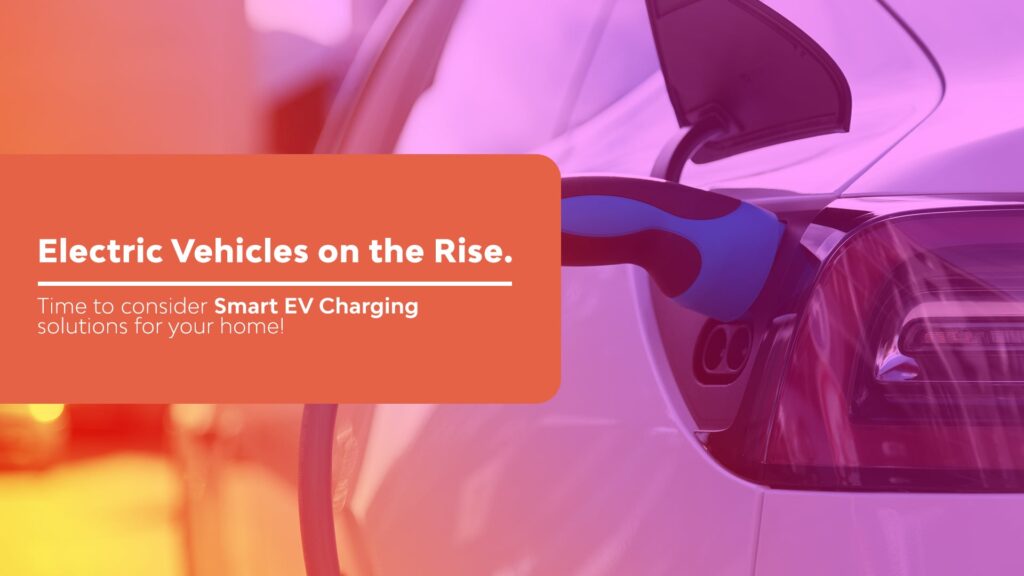
Smart EV Charging Solutions for Your Home Smart Energy Answers April 28, 2022 The Rise of Smart EV Charging Solutions for Your Home While electric vehicles, or EVs, have not quite taken over the Australian motoring landscape just yet, the shift is clearly coming. EVs took some years to gain a foothold in the Australian market, but the tide has certainly turned. More commercial and private buyers are going electric year after year. Several European countries have already set dates in the not-too-distant future to ban the sale of traditional combustion engine vehicles. Norway is leading the charge, with a stated plan to go all-electric by 2025. Toyota was the first car company to introduce Australians to the idea of EVs, with the launch of the hybrid-powered Prius back in 2001. In the two decades since, the Japanese automaker has sold well over 100,000 hybrid-powered cars to Australians. Other global car manufacturers have also pledged to move towards 100% EV manufacturing in the coming years, including Jaguar as early as 2025, followed by Volvo and Mazda in 2030. Consumers Want EVs Demand for EVs has surged in Australia in recent years, particularly due to rising fuel prices that significantly impacted motorists in 2022. Australia’s uptake of EVs accelerated rapidly in 2021. With more manufacturers catering to this growing market, battery-powered vehicles are becoming the cars of the future, giving buyers more choices in the coming years. At the start of 2022, 31 different EV models were available for purchase in Australia. A range of new EV designs from various manufacturers was also expected to reach Australian shores by the end of 2022. The number of electric models available for sale was expected to almost double by the end of the year. Solar + EVs = A Green Future EVs often appeal to the same people who embrace solar power. These are people who are willing to adapt to new technologies and support the move towards a cleaner, greener future. A big part of the appeal of owning an EV is the ability to charge it at home. For many households, a private home solar power system with battery storage, an inverter, and an EV charging station is the renewable energy dream. However, buyers need to be aware that not all EV chargers are compatible with solar power systems. In fact, a standard EV charger may still charge a car battery using fossil-fuel-generated power, even when solar-generated power is available. This can be frustrating for users who specifically purchase EVs and invest in private solar power systems to reduce their reliance on coal-based energy. SolarEdge Inverter with EV Charging SolarEdge is one of the most well-regarded manufacturers in the industry and once again demonstrated its reputation for innovation with the development of the world’s first EV charging inverter. This product is ideal for households and businesses that want to ensure their vehicles can be charged using renewable energy. The device is easy to use, charges quickly, and includes a monitoring app that provides instant and accurate information. SolarEdge EV Charging Inverters are available in 3 kW and 5 kW single-phase versions. They can also be incorporated into larger systems by coupling with one or more standard SolarEdge inverters, combining available power to charge your EV while also powering your home or business. These sleek units offer Wi-Fi communication functionality and come with a 12-year product warranty for added peace of mind. SolarEdge EV Charging Inverters can charge up to four times faster than a typical Level 1 EV charger. Installing one may also help avoid the need to upgrade your switchboard compared with installing a separate stand-alone charger. Read more: SolarEdge EV Charging Inverters. Zappi EV Charger Installing a Zappi EV Charger is an ideal solution for those looking to charge an EV at home while using energy generated from a private solar power system. Zappi EV Chargers provide users with excellent flexibility, with 7 kW single-phase and 22 kW three-phase models available. Each variant is available with either a tethered or untethered connector, and comes in black or white. There are eight total models in the range. The units have three separate charging modes: ECO, ECO+, and FAST. ECO+ mode is the most environmentally friendly charging mode. Charge power is continually adjusted in response to changes in energy generation or power consumption elsewhere in the home. Charging will pause if too much imported power is being used and will continue only when surplus free power is available. ECO mode also adjusts charge power in response to changes in generation or power consumption around the home. Charging will continue until the vehicle is fully charged, drawing power from the grid if necessary. FAST mode prioritises charging the vehicle as quickly as possible using maximum power. In this mode, the Zappi EV Charger functions like an ordinary Mode 3 charging point. Features Zappi EV Chargers are available with tethered or untethered connectors and include a range of impressive features. Set timers: Use the boost timer function to schedule charging at certain times of the day and take advantage of time-of-use energy tariffs. Remote access: Use the remote control and monitoring add-on option. The smartphone app and hub allow you to access your information, including easy-to-read visual graphs, from anywhere in the world. PIN code protected: A 5-digit PIN code is integrated as a security feature to help prevent the charger from being tampered with or used without permission. Additional features: Each charger includes a tap-operated display backlight, built-in residual current device, or RCD, protection, and an integral cable holster. Read more: Zappi EV Charger model specifications. Considering fitting a Zappi EV Charger at home, or looking for an optimised solar power system with EV charging capability?
Preparing for a future of building sustainability with ESG in Solar
Preparing for a future of building sustainability with ESG in Solar Smart Energy Answers April 14, 2022 Building a Sustainable Future with ESG in Solar There is not a day that goes by when the three letters “ESG” are not in the headlines. ESG stands for Environmental, Social, and Governance. ESG has become an important measure of corporate responsibility and a key influence on customer and shareholder trust. A growing number of Fortune 500 companies are issuing ESG reports to track how well they are performing in these areas, and investors are taking notice. The International Financial Reporting Standards, or IFRS, is expected to issue ESG standards in the coming months. This will provide guidance for ESG audits for companies worldwide. Over the past few decades, businesses “going green” and building sustainability have transformed from simple marketing ideas into full market trends. Industries across the globe, from transport to food production and even clothing, have seen companies with environmental responsibility at their centre grow dramatically in market share. Sustainability is not just popular right now. It is here to stay, and every industry will need to address its carbon footprint. As companies commit to reducing their environmental impact and set deadlines for becoming carbon neutral, commercial real estate businesses will also need to move towards more sustainable operations in the coming years. What Is Driving the Sustainability Market Trend? Even outside of regulatory requirements, companies across the globe have spent the past few years making and executing sustainability promises. In March 2021, 30 of the UK’s FTSE 100 companies committed to becoming carbon neutral by 2050, setting the stage for businesses across Europe and beyond to follow suit. Another factor driving the sustainability market trend is a shift in affordability. While technology aimed at reducing carbon emissions was once considered prohibitively expensive, the cost of monitoring energy usage has steadily decreased over the past several years. At the same time, the cost of fossil fuels has continued to rise. Green energy technologies such as solar and wind are proving to be reliable, while the price of oil continues to fluctuate. An investment in renewable energy is a direct investment in the sustainability of our planet, delivering a positive financial return along with significant environmental benefits. The renewable energy transition is already underway. Wind and solar installations are booming, supported by government programmes and growing investment across the industry. These renewable technologies are now able to produce energy more economically than coal and natural gas in many cases. Public support for the environmental movement has also continued to grow, further strengthening the shift towards cleaner energy solutions. Making a Difference with Solar Renewable energy projects offer more than just electricity. They help stimulate the economy by creating new jobs across every sector of the industry, while also producing zero greenhouse gas emissions during operation. Many companies are now seeking to include renewable electricity in their ESG efforts. This can help reduce the environmental harm associated with fossil fuels, lower greenhouse gas emissions, increase the supply of renewable energy, and support a just transition towards an ESG-driven economy. Procuring renewable energy from offsite sources, often through a local electricity utility, can help a company uphold its environmental responsibilities to people and the planet. If you are a business owner or company employee exploring sustainability options and would like to investigate solar or renewable energy solutions, contact Smart Energy Answers.
Why Experience Matters
Why Experience Matters Smart Energy Answers June 4, 2026 The Importance of Experience in Choosing a Solar Power System With Battery Storage Choosing to fit a solar power system with battery storage is one of the most important decisions a homeowner will make on the journey towards realising their dream home. Opting for solar power means choosing a smart energy future. It means making a personal investment in the future of renewable energy, moving away from fossil fuels, and seeking independence from variable, ever-increasing power bills. Once you have decided to go solar, the follow-up decisions can prove just as critical. Solar and battery systems are not plug-and-play appliances. They are complex electrical installations. It is vitally important not only to use the highest-quality components when setting up your solar system, but also to ensure that they are designed and installed meticulously and monitored adequately. Solar Tragedy Unfortunately, complaints about solar companies have more than doubled over the last few years. A survey conducted by CHOICE revealed that 30% of solar owners reported issues with their solar company. In addition to that, Australian solar safety standards are not as stringent as in other parts of the world, such as the US. The vast majority of solar systems installed in Australia create high uncontrolled DC voltages that can pose a fire and electrocution risk in the event of a fault. Solar fires are often caused by an electrical arc fault, which occurs when an electrical current jumps from one point to another, potentially sparking a fire. When adding a battery to your solar PV system, the complexity and importance of quality workmanship become even more critical. In February 2022, an Adelaide couple were lucky to escape with their lives when their house was badly damaged after a fire started due to their solar system’s faulty battery. The couple escaped the blaze, managing to save their cat and two dogs, at 3am after being alerted to the danger by a smoke alarm. Adelaide Metropolitan Fire Service, or MFS, claimed there is a growing problem with faulty and malfunctioning lithium-ion batteries across Australia. MFS Northern Operations Commander Stuart Dawes told ABC News that the fire had started in a home battery storage system in the property’s garage. He noted that lithium-ion storage systems are becoming an emerging hazard to fire services around the nation. He also stated that it is vital for batteries to be safely installed following compliance regulations. Work With an Experienced Installer Safer solar technologies reduce the risk of electrical arc faults, which in turn reduces the risk of solar-related fires and electrocution. The two main safer solar technologies available in Australia are SolarEdge DC Power Optimisers and Enphase Microinverters. Both microinverters and power optimisers, also known as Module-Level Power Electronics, or MLPE, control power generated by the solar panel at the solar panel. They also constantly monitor electrical performance for faults that may cause a fire. There is a great variety of solar products on the market and a broad selection of installers operating in different parts of the country. Figuring out which company to work with can be overwhelming at first, as there is a lot of information to take in. Choosing to work with an experienced installer that uses only high-quality components is vital to ensuring the long-term success of your solar journey. Unfortunately, some less scrupulous installers operate on the fringes of the solar industry and have presided over solar system installation disasters for some homeowners. Known as solar cowboys, these dodgy companies usually operate newly founded businesses or websites that lack a history of verified customer reviews. Once they secure the sale, they then outsource the installation to the cheapest labour available, in many cases using unskilled or unqualified technicians. Many installers setting up batteries these days do not even hold CEC Battery Accreditation. In most cases, that can mark the start of a nightmare for homeowners. As soon as poor reviews start coming in from unsatisfied customers who have had poorly functioning solar systems and batteries installed on their properties, the dodgy operators close down their business and reopen under a new name. Ultimately, customers pay the price as they are left with faulty, unsafe, and underperforming orphan systems, with no company to hold accountable for warranties and service. Close to 800 solar companies have gone out of business since 2011, leaving more than 650,000 Australians with no recourse if their systems fail. Look for Verified Customer Reviews Verified customer reviews are one of the best ways to gauge the reliability and quality of service that a solar system installer provides. Look for installers that have been in business for several years and have accumulated plenty of high-quality, detailed customer reviews. A dodgy installer might be able to add a handful of fake customer testimonials to their website, but real verified customer reviews are what you should be looking for. Check Google Reviews for any installer you are considering. A quality installer should have a good number of customer reviews spanning several years. Before working with an installer, be sure that they have received plenty of five-star reviews from customers and have an overall rating of over four stars. Be sure to read through several pages of customer reviews and keep an eye out for any inconsistencies or common complaints. ProductReview.com.au As well as Google Reviews, be sure to search for reviews on any installer you are considering working with at ProductReview.com.au. This independent website contains real, verified reviews from customers for thousands of Australian companies. ProductReview.com.au gives out annual awards to a smaller number of exceptional Australian businesses in various categories that have received overwhelmingly positive customer reviews. Smart Energy Answers was awarded the ProductReview.com.au award for the solar installer category for three years running in 2020, 2021, and again in 2022. Smart Energy Answers is also a strong advocate for safe solar in Australia, specialising in the installation of Enphase Microinverters and SolarEdge DC Power Optimisers.
SEA Announced As Tesla Energy Premium Installer For 2022
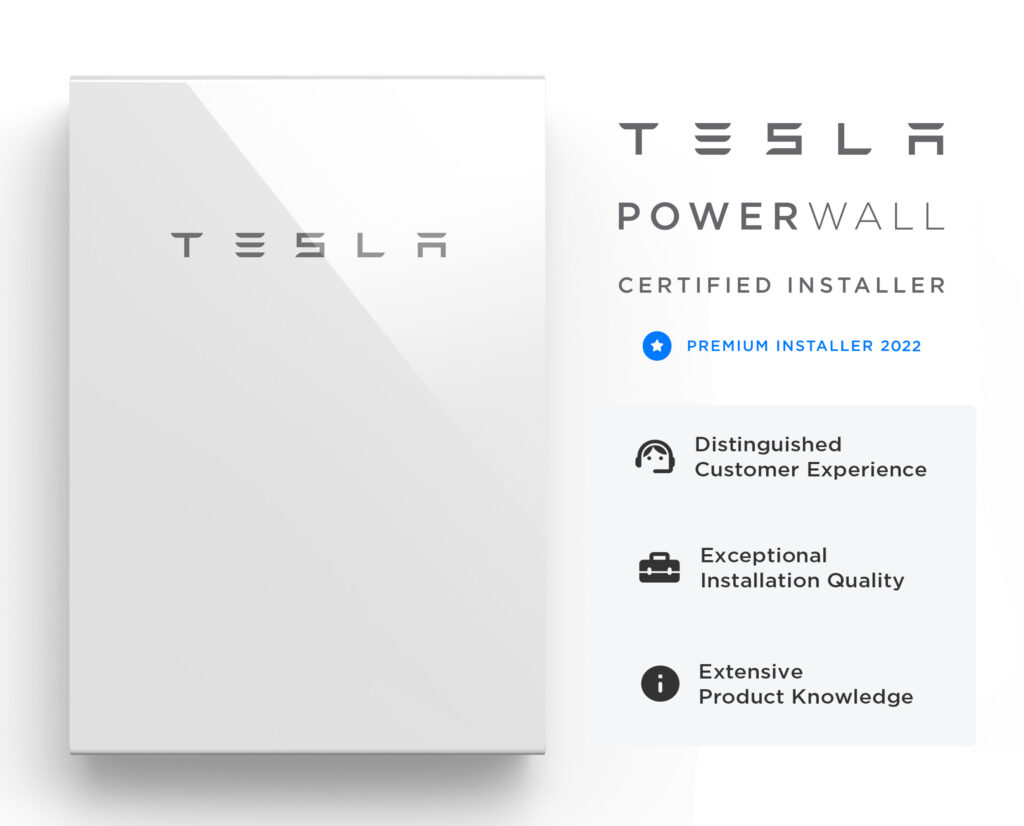
SEA Announced As Tesla Energy Premium Installer For 2022 Smart Energy Answers June 4, 2026 Smart Energy Answers: Your Premium Installer for Tesla Powerwall in 2022 Smart Energy Answers is proud to announce that once again, the company has been selected to act as a premium installer for Tesla Energy’s range of top-tier renewable energy storage products, including the best-selling Tesla Powerwall batteries, in 2022. One of the world’s most well-known, forward-thinking innovators in the renewable energy sector, Tesla Energy’s flagship product in the private solar storage space is the Powerwall battery. Powerwall batteries store energy and can detect power outages and automatically kick in to act as your home’s primary energy source if grid power is ever interrupted. Unlike noisy, old-school generators, a Powerwall battery will keep all of your home’s essential devices up and running through an emergency without any upkeep, need for fuel, or noisy operation. A Tesla Powerwall battery is an ideal solution for Aussie households looking to take the next step in their renewable energy journey. Matching a Powerwall battery to an existing solar power system allows solar energy to be stored for use at night or whenever the sun isn’t shining. Ultimate Control Fitting a Tesla Powerwall offers modern, ultra-efficient solutions to smart energy management. Owners can use the handy Tesla app to monitor their home solar power system’s energy production and consumption in real time. You can customise personal settings and adjust your preferences in order to optimise performance and savings. Users can choose to prioritise energy independence, outage protection, or optimal cost savings. Handy features, including instant alerts and remote access, allow users to control home systems from anywhere. A 24/7 connection includes useful features such as instant alerts before severe weather events. Sleek Design The Powerwall’s minimalist design aesthetic complements a wide range of modern and more traditional home design styles. The unit’s all-in-one structure is compact and features versatile mounting options for both indoor and outdoor spaces. A popular feature of the Powerwall battery design is that it is scalable for use in larger solar power systems. Up to 10 Powerwall units can be stacked to meet the needs of heavy energy users. The Powerwall units are as rugged as they are sleek, with excellent weather resistance for use in all climates and conditions. They’re also child and pet-friendly, with no exposed wires or hot vents. Specifications Capacity: The Tesla Powerwall has a 13.5kWh energy capacity, 100% depth of discharge, and 90% round-trip efficiency. Power: 7kW peak and 5kW continuous, with seamless backup transition and pure sine wave output. Size and Weight: 1150mm (L) x 753mm (W) x 147mm (D), with a 114kg weight. Installation: Suitable for floor and wall mounting, indoors or outdoors. Up to 10 Powerwall units can be used in one system. Suitable for operation in -20°C to 50°C conditions. Rated for water and dust resistance to IP67 standard. Certifications: Meets national and local safety standards and regulations. Warranty: 10 years. Ultimate Tesla Solar Bundle Smart Energy Answers has the ultimate answer for customers in the market for a sleek, elegant, and ultra-efficient solar power solution. Combine a Tesla Powerwall 2 battery with one of our Smart Energy bundles and receive up to a $3,500 VPP rebate on your Tesla Powerwall. Starting at $12,500 after rebates, fully installed.
The Smart Energy Academy: The Future Of Renewable Energy

The Smart Energy Academy: The Future Of Renewable Energy Smart Energy Answers January 28, 2022 The Smart Energy Academy: Empowering the Future of Renewable Energy The Smart Energy Academy is an intensive training programme designed and implemented by Smart Energy Answers. It was created to nurture the talent of the next generation of renewable energy professionals while upholding the highest standards in the industry. The programme, currently in its second year, provides a limited number of engineering students and recent graduates with the opportunity to expand their professional knowledge of the renewable energy sector. It also gives participants the opportunity to fast-track a career in one of Australia’s fastest-growing industries. Setting the Standard The academy was founded after identifying a significant knowledge gap in the industry. Many solar sales companies provide employees and contractors with limited training and education, while only offering customers a narrow selection of pre-defined package deals. These sales-focused companies often do not allow their representatives to offer real solutions outside of their limited range of packages. They also may not equip their staff with the training required to truly understand and meet customer needs. As a result, the actual energy needs and requirements of customers are rarely examined properly, leading to sub-par experiences that can negatively impact energy outcomes for years to come. Across Australia, there is a strong demand for well-trained experts who can provide consulting services and help implement residential renewable energy solutions. The Smart Energy Academy’s major goal is to educate the next generation of solar professionals to the highest possible standard and improve the level of service offered to future customers. The Next Generation The second cohort of Smart Energy Academy trainees commenced the rapid learning programme in January 2022. To be selected, prospective trainees needed to display enthusiasm for customer service and sales, excellent communication skills, and confidence in their abilities. Trainees receive a combination of formal and practical training, including real sales experience. Training is provided by renewable energy industry professionals, both in-house and from private industry-leading companies, with many years of experience in the sector. Beyond Education Each individual who successfully completes the academy’s training programme receives a Certificate of Completion in the following subjects: Introduction to solar and renewables Solar panels, inverters, and batteries Household energy assessment Installation site technical analysis System design tools and applications Product benefits and comparisons Customer qualification and consultation Smart Energy Answers sales process: advanced Post-sale operations and installation Post-installation technical support Stand-out participants from each cohort of academy trainees have been presented with opportunities to gain employment at Smart Energy Answers and continue their professional development. Taimoor, pictured below, was a candidate in the academy’s 2021 student intake and has since gained full-time employment with Smart Energy Answers as a sales advisor. Smart Energy Answers and the Smart Energy Academy look forward to maintaining the highest standards in the sector through future training programmes. We are also committed to continuing to identify, support, and nurture the brightest talent in the renewable energy industry. Interested in Knowing More About the Smart Energy Academy? If you are interested in learning more about the Smart Energy Academy, contact Smart Energy Answers today. Our team can provide more information about the programme, training opportunities, and how the academy helps develop the next generation of renewable energy professionals.
Solar Power & Electric Vehicle Charging
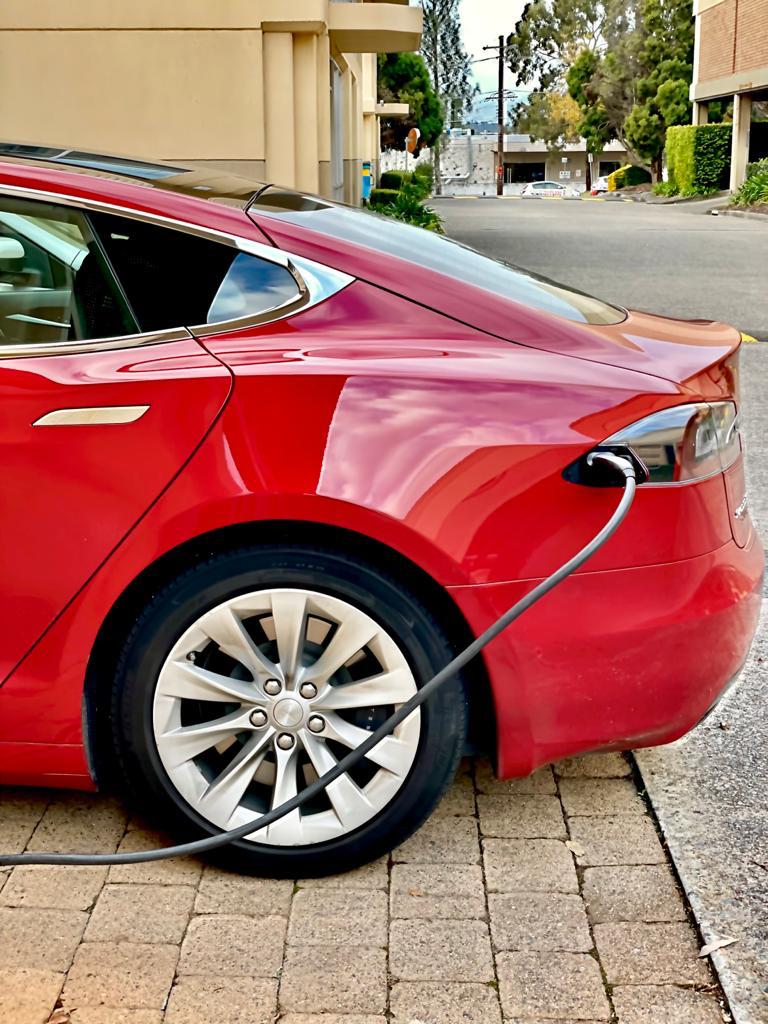
Solar Power & Electric Vehicle Charging Smart Energy Answers January 17, 2022 Can You Charge an EV with Solar Power? With Australia’s share of electric vehicles, or EVs, continuing to increase and more private rooftop solar power systems in use than ever before, it is natural that energy-conscious homeowners are starting to look at how these two technologies can work together. The transport sector is Australia’s third-largest source of greenhouse gas emissions, and these emissions have been increasing faster than any other sector. The large-scale uptake of EVs can clearly make a significant impact. EVs are a cleaner option for the environment, even when powered fully by energy from the grid. Using solar power to charge EV batteries is an even greater improvement and can help homeowners reduce reliance on traditional energy sources. CSIRO Supported One of the challenges that must be addressed for large-scale EV adoption in Australia is the need for widespread charging infrastructure. A collaboration between CSIRO, Nissan Australia, and Delta Electronics, with funding from the Victorian Government, is trialling a renewable energy system in Victoria. The system links solar photovoltaic, or PV, panels, batteries, and smart charging technology. According to CSIRO, this creates a solar-powered EV charging system that can use renewable energy to charge a vehicle at any time of day and in different weather conditions, while placing minimal impact on the electricity grid. CSIRO researchers developed and tested the system and implemented the thermal management controls. Three solar charging modules have been installed at Nissan Headquarters in Dandenong, with each module capable of charging four vehicles at a time. The modules will be evaluated over 200 days, including the peak summer period, before the project partners determine the next steps for this technology. Charging Your EV at Home As owners of private solar power systems understand, meaningful change in renewable energy adoption often begins at home. Just as it is possible to install solar panels and a storage battery at home, it is also possible to use your solar power system to charge your EV. The simplest way to charge your EV is to plug it in at home during the day while the sun is shining and solar energy is being generated. If the capacity of your home solar power system is greater than the charging input required by your EV, no additional energy from the grid may be needed. Grid power can still be used to make up any shortfall, which can be useful on cloudy days or during periods when household energy usage is particularly high. The amount of energy used to power an EV over a certain distance is known as kilowatt-hours per kilometre, or kWh per km. This rate varies between EV models, although on average, many EVs can achieve around 6 km of range from 1 kWh of energy in their battery pack. An average Australian driver is said to drive around 50 km per day, which would require approximately 8 kWh of electricity. Solar power system owners could offset the charging needs of an EV driven 50 km per day by installing an additional 2 kW of solar panels, which is roughly around eight panels depending on the panel size. EV Charger Levels 1, 2 & 3 In reality, most energy-conscious EV owners will charge their vehicles primarily at home for everyday driving needs. However, they may still rely on external charging facilities from time to time when driving longer distances. There are three different levels of EV chargers currently available, with Level 1 being the slowest and Level 3 being the fastest. Level 1 charging uses a standard power point and charges an EV battery pack at the slowest commonly available rate. On average, Level 1 chargers can add around 20 km of range per hour of charging time. This means charging an EV for 24 hours using a Level 1 charger could add around 480 km of range. Level 2 charging is achieved by installing a specialised EV charger. These chargers are around twice as powerful as basic Level 1 chargers and can add approximately 40 km of range in an hour. Over 24 hours, this could add approximately 960 km of range. The cost of installing a Level 2 charger at home can vary, but has been trending downwards in recent years. Most of the cost is usually the hardware itself, which can range from around $1,000 to $2,500. Level 3 charging refers to rapid EV charging using specialised public chargers, such as Tesla Superchargers. These high-powered chargers are capable of adding around 400 km of range per hour of charging. Level 3 chargers are ideal for drivers travelling longer distances than usual. However, users should be aware of where public Level 3 chargers are located, as the network is not yet widely distributed throughout Australia. Smart Energy Answers EV Charging Offer Smart Energy Answers has played a key role in the development and testing of the SolarEdge inverter with built-in EV charging. This unit comes with all the features of standard SolarEdge inverters, as well as a powerful EV charging feature, making it ideal for current and future EV owners. The device is plug and play, easy to use, and quick to charge. It also includes a monitoring app that provides instant and accurate system information. The inverter is available in 3 kW and 5 kW single-phase versions. It can also be combined with one or two standard SolarEdge inverters to integrate with larger solar systems. Buyers are protected with an impressive 12-year warranty on the inverter and charger, as well as a 25-year warranty on the individual power optimisers installed under each panel. Interested in This Unique Solar EV Charging Solution? If you are interested in a quote for this unique solar EV charging solution offered by Smart Energy Answers, contact our team today. Our energy experts can help assess your home, solar system, and EV charging needs to recommend the right solution for you.
Using Batteries To Increase Your Solar Earnings
Using Batteries To Increase Your Solar Earnings Smart Energy Answers December 15, 2021 Maximising Solar Earnings: The Power of Batteries in Australia’s Clean Energy Future Small-scale solar power is critical in Australia’s transition to a clean energy future. Australia already has one of the highest uptakes of rooftop solar panels globally, and renewable energy can account for up to half of the power supplied to the national energy grid during peak periods. The uptake of solar is happening at a grassroots level. Many thousands of individual households and businesses have done their research and chosen to install private solar power systems on their properties. The growth of Australia’s renewable energy industry has continued strongly, with the Clean Energy Council’s Clean Energy Australia 2021 Report indicating that in 2020, more than a quarter of Australia’s total energy generation came from renewable sources for the first time. Much of this renewable energy came from the small-scale solar sector, which added more than 3 GW of new capacity that year, marking a fourth straight record-breaking year. Energy Commission Charging Solar Households As reported in October, controversial plans by the Australian Energy Market Commission, or AEMC, to charge solar households for exporting power back into the grid were scaled back earlier in the year to help protect the investments of private solar system owners. The commission’s initial draft determination addressed the issue of “traffic jams” within the power network, which can occur during peak times when energy is being exported back to the grid. The proposed reforms were designed to change distribution network incentives and help users send power back to the grid more effectively. The reforms also introduced the idea of two-way pricing, where users could be rewarded for sending power to the grid when it is needed and charged for sending power back when the system is busy. The initial proposal received significant pushback from lobbyists and consumers. This resulted in an updated package that allowed power networks to offer private solar power users a range of options, including a free basic service, to encourage users to limit solar waste, save money, and support the grid. “We’ve listened to the feedback we have received and have tightened protections for consumers to increase certainty,” AEMC Chief Executive Ben Barr said. “This means that networks will have to offer a free basic service alongside any paid solar export plans, so people won’t have to pay if they don’t want to.” Batteries = Smart Solar While the reforms help protect solar households from being charged for exporting power back to the grid, Australia’s energy landscape has changed dramatically. In the past, small-scale rooftop solar power systems made sense for many private households on their own. However, as energy demands and costs increase, and technology continues to improve, fully integrated solar power systems with batteries are becoming the smarter long-term solution. The ability to capture as much solar energy as possible during sunny periods and then store a portion of that energy for later use when the sun is not shining is a practical and powerful advantage. Not only does adding a battery reduce reliance on the traditional power grid, it can also help users increase the value and profitability of their solar system. Smart Batteries, More Income Smart Energy Answers has partnered with selected smart energy retailers to help solar users capitalise on their investments. These solutions can help users sell solar-generated power back to the grid at the optimum time to maximise returns. Our smart batteries, together with Virtual Power Plant, or VPP, solutions, can offer users premium solar feed-in tariffs, profit sharing on energy trading, or credits for participating. With a new Tesla Powerwall installation from 1 December, eligible customers can receive a $2,000 upfront credit when signing up with one of the smart energy retailer VPPs. With an Alpha battery installation, customers may be eligible for $1,300 in credits over time. Users can monitor and manage their account and check usage data online at any time using an intuitive smartphone app. Choosing a System Choosing a battery and solar power system that perfectly matches your needs is very important. Ask for a tailored consultation to learn which solar energy solutions best suit your power consumption, budget, roof space, and savings goals.