
Skyrocketing Electricity Costs in Australia
Skyrocketing Electricity Costs in Australia Smart Energy Answers November 20, 2022 The Soaring Costs of Electricity in Australia: A Financial Crisis for Homeowners and Businesses Electricity prices have been increasing rapidly across Australia, with the average homeowner feeling the pinch. For households across the country, the rapid rise in power costs has placed noticeable pressure on the household budget. An unprecedented combination of events has impacted the energy industry, leading to price increases that have created financial challenges for many homeowners and business owners alike. Areas such as Queensland and New South Wales have already faced energy bill increases of 12% to 18%. However, the price hikes do not stop there. Local news reports have also warned of a potential 35% jump in electricity prices as wholesale electricity costs continue to rise. There are several contributing factors driving these energy price increases, including: The Russia-Ukraine war Unplanned energy plant outages Inflation Increased network costs Retailers seeking higher profits for owners and investors Wholesale gas and electricity prices increased by 200% in 2022 compared with the previous year, while gas prices rose by approximately 250%. For the average homeowner, this can equate to electricity bills increasing by as much as $180 to $260 per month. This sharp increase has sent many property owners searching for ways to save energy through home improvements and cheaper energy providers. It is not just homeowners who have been affected by the current economic climate. Some energy retailers have been unable to cope with soaring energy and operational costs, forcing them to close down operations. Companies such as Social Energy shut their doors earlier this year, with their customers transferred to an alternative energy retailer to maintain their service. Energy Retailers Under Pressure Elysian Energy has been one of the most recent casualties of rising energy costs, with its authorisation to trade halted in September. This affected approximately 2,500 customers across Queensland, New South Wales, Victoria, Tasmania, and South Australia, with customers transferred to other retailers. While this short-term strategy keeps customers supplied with essential energy services, it can worsen the crisis for retail customers who may have to deal with unfamiliar plans and higher pricing from new providers. Inflation and Cost of Living Pressures Compounding the already difficult situation, inflation is placing even more pressure on Australians. As the cost of living rises and interest rates continue to climb, the prices of essentials such as food and household supplies are steadily increasing. This leaves many consumers digging even deeper into already stretched cash reserves. Food products such as fruit, meat, and vegetables now cost more, while higher gas prices have caused major disruptions across the supply chain. Inflation has peaked at 7%, and with so much uncertainty around the country’s economy, the worst may not yet be over. The rising cost of services and the higher cost of borrowing may also reduce spending on luxury or non-essential items and slow down major purchases such as new cars or homes. A Global Energy Crisis Australia is not the only country affected, as rising energy prices have become a global issue. Many countries are also experiencing significant increases in energy costs. With sanctions imposed on Russian exports and the ongoing invasion of Ukraine, energy costs have spiralled out of control. Even though Australia is far from the ongoing war, the impact is still being felt through the rising costs of gas, oil, and coal. Global refusals to trade with Russia have also helped drive the price spike. Russia is the third-largest coal exporter in the world, and buyers are working to protect their supplies in case sanctions remain in place throughout the conflict in Ukraine. The Role of Renewable Energy In the face of this difficult situation, it is likely that the Australian government will continue increasing renewable energy efforts through higher investment in solar and wind energy. This can help make better use of sustainable resources and reduce reliance on volatile energy markets. While this may do little to immediately ease the current state of affairs, it can be a smart long-term strategy to future-proof the country. Greater investment in renewable energy may help protect Australians and the economy from similar energy crises in the future. We are all in this together, so any energy price reductions or even price stability, such as locked-in energy rates for up to five years, can be a valuable benefit for many customers. If you would like to discuss your current energy situation and explore ways to access cheaper energy bills, please give us a call to chat things through. Related topic: 4 Home Energy Saving Tips & Tricks
Choosing Between Blue, Black, or Smart Solar Panels: What You Need to Know
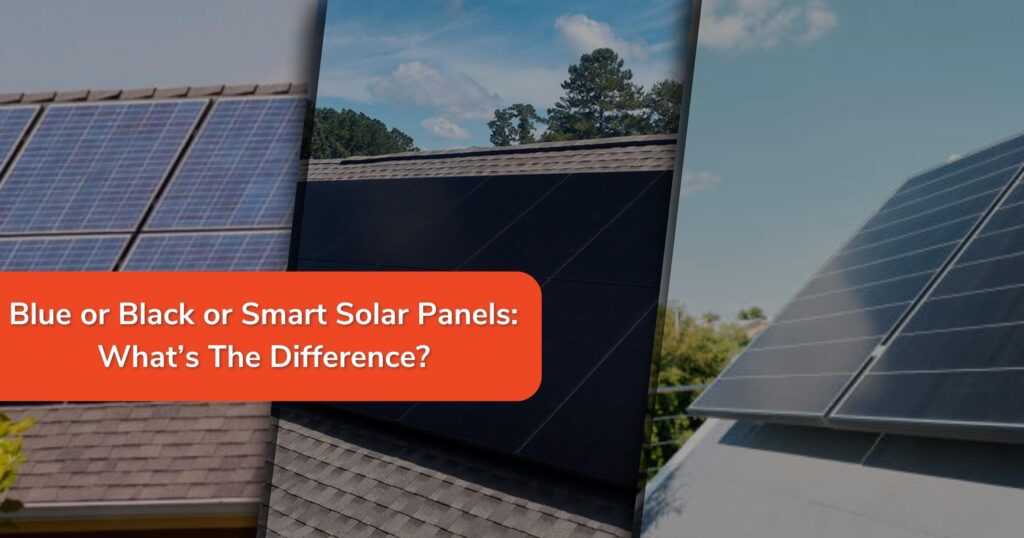
Choosing Between Blue, Black, or Smart Solar Panels: What You Need to Know Smart Energy Answers September 26, 2022 Choosing the Right Solar Panel Colour: Blue, Black, or Smart Panels For homeowners who have made the decision to switch to solar power, the benefits are clear. Clean energy, reduced grid consumption, and lower energy bills all make solar an attractive investment. However, choosing the right solar panel system is essential to getting the best long-term result. Some homes feature blue solar panels, while others use black panels, which can leave many homeowners wondering whether there is a real difference between the two. Understanding the difference between each panel starts with how they are manufactured and the materials used. Modern solar panels rely heavily on silicon because of its ability to effectively absorb sunlight and convert it into usable electricity. The colour and appearance of solar panels are influenced by the manufacturing process, including the use of anti-reflective coatings and how the panel reacts when exposed to light. The type of material used in a panel also affects its colour, giving it either a shiny blue appearance or a sleek black finish. Generally speaking, blue solar panels are often less expensive than black panels, but there can be trade-offs between heat performance and efficiency. Black panels tend to perform better in low-light conditions and warmer temperatures. Recent advancements in design and manufacturing have also led to the development of PERC monocrystalline smart panels. What Are Smart Panels? The latest energy research and innovation have used technology and connectivity to develop a new generation of smart all-black solar panels. These panels bring distinct advantages, combining a sleek and modern appearance with high efficiency and robust performance. Each panel is designed to deliver a more aesthetic look while remaining strong, reliable, and efficient. Constructed with PERC monocrystalline technology and aerospace-grade components, these high-spec panels are designed to withstand extreme weather conditions, including high winds. Their all-black finish also helps them blend seamlessly into almost any roof design. As a top performer for reliability, PERC panels are rigorously tested for strength and lasting durability. Longevity is a key consideration for homeowners, and with a 25-year full replacement warranty, PERC panels can offer greater peace of mind. Which Panels Are Better for Homes? One of the questions homeowners often ask is which type of solar panel is better for a home solar system. Due to their light-absorbing properties and efficient performance, many homeowners prefer black panels. In a typical installation, fewer black panels may be needed compared with blue panels, helping reduce the amount of roof space required. Although black panels can be more expensive upfront, they may deliver better long-term value through improved efficiency and performance. However, if cost is the main factor and the installation needs to stay within a limited budget, blue panels can require less upfront investment. While they may not be as efficient as black panels, blue panels can still be suitable for home solar systems and smaller commercial applications. What to Consider When Selecting Solar Panels When selecting solar panels, it is useful to have some key information at hand, such as: Which direction the sun travels over your home and when the peak sunlight hours occur. How much energy your household consumes. Whether efficiency and clean energy are key priorities. Whether your main goal is a lower upfront investment or stronger long-term savings. No matter which panels are chosen, some performance degradation will still occur over time due to weather, use, and environmental factors. This means solar panels may generate slightly less power as they age. However, most solar panels are designed to last for 25 years or more, and many can continue performing well beyond that period. Start Your Solar Journey Today Our expert consultants can help you make an informed decision based on your household needs, energy goals, and budget.
New Charges for Homes with Solar: Impact on Australia’s Grid
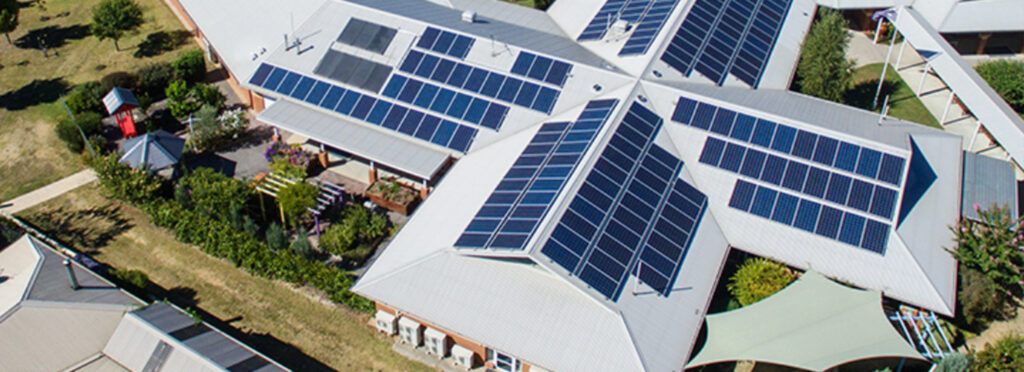
New Charges for Homes with Solar: Impact on Australia’s Grid Smart Energy Answers May 17, 2021 The Impact of New Charges on Homes with Solar: Navigating Australia’s Electricity Grid With the increase in solar installations across Australia, the electricity grid is starting to feel the pressure of a changing energy landscape. More solar energy is being generated than ever before, and in some areas, excess solar electricity generation is creating “traffic jams” in the grid. In Australia, an average of 20% of all customers now partly meet their electricity needs through rooftop solar power generation. This is a significant increase from just 0.2% in 2007. Currently, households sell their excess solar power back into the grid, placing increasing pressure on the electricity network. Power is no longer only being distributed to homes. It is now also being exported from homes back into the grid. The result is network congestion, or “traffic jams”, that can increasingly force power companies to limit or stop households from exporting solar energy back into the grid during high-congestion periods. As a result, the Australian Energy Market Commission, or AEMC, has considered changes that could allow charges for rooftop solar exports in certain situations. For a medium-sized solar system, this could mean an estimated annual return of around $900, with a possible reduction of about $70. For households with larger rooftop solar systems earning more than $1,200 per year, benefits could be reduced by about $100. For smaller systems between 2 kW and 4 kW, which are common for many households with rooftop solar, the reduction could be around $30 per year. Another possibility is that households may be charged a fee if they export solar energy when there is congestion on the network. Grid congestion is something worth preparing for, especially as more households continue to install solar systems across Australia. Getting ahead of these changes can help reduce the risk of network strain, export limits, and future fees. Read more on this here. So, What Can You Do Now? So, what can you do now to help avoid the changes coming as the grid adapts to increasing solar traffic? Smart Energy Answers has the solution. The VPP Virtual Power Plants, or VPPs, are a network of individual solar batteries working together to sell, store, and trade electricity with the grid. A VPP uses software to connect a household battery to a collection of local batteries within a community. Together, these connected batteries can function like a local power plant. By using locally generated energy, such as rooftop solar combined with battery storage, a VPP can help reduce overall network costs and congestion. It can also help defer expensive infrastructure upgrades and reduce the need to purchase expensive power directly from power companies or government sources. Introducing the Smart Community Package VPP Smart Energy Answers has launched the Smart Community Program, a Virtual Power Plant, or VPP, designed to help turn individual solar battery systems into connected energy generators. The programme can help households reduce energy costs while adding extra credit to their power bills. During times of high demand, your energy provider may be able to access excess power from individual batteries and feed that power back into the grid. This effectively means each individual battery is combined with others to create one large energy storage system. The move to Virtual Power Plants means you and your community can benefit from lower energy costs, locally generated power, reduced blackout risk, and higher feed-in tariff opportunities of up to 45 cents on the network. For more information or to join the Smart Community Program, call Smart Energy Answers on 1300 948 619. You can also click here to get a quote today and start your innovative solar journey.
How Our Partnership with SolarEdge Works for You!
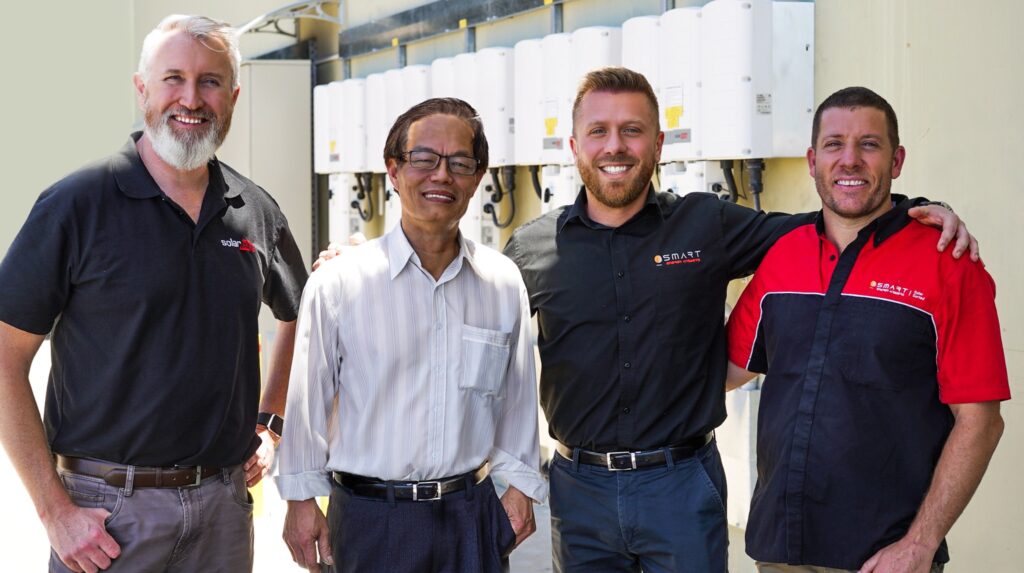
How Our Partnership with SolarEdge Works for You! Smart Energy Answers June 4, 2026 How Our SolarEdge Partnership Benefits You SolarEdge hardly needs an introduction. They have been one of the most innovative companies in the industry, with patented individual panel optimisation and monitoring, as well as unique safety features such as panel-level shutdown. SolarEdge offers a large portfolio of solar power system components, including power optimisers, inverters, and a web platform for module-level monitoring. With over 1 million products shipped worldwide and installations in 130 countries, SolarEdge is leading the solar market. Smart Energy Answers has worked with SolarEdge on several successful projects, each time with a great result. Interested in getting the same outcome? Give us a call on 1300 948 619.
A Comprehensive Guide to Choosing a Reliable Solar Company
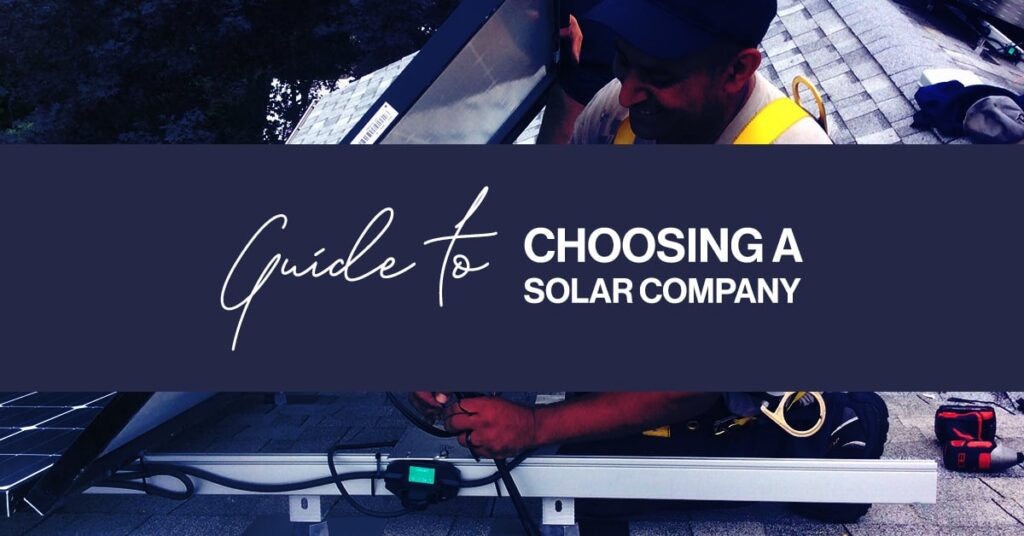
A Comprehensive Guide to Choosing a Reliable Solar Company Smart Energy Answers October 22, 2019 Choosing a Reliable Solar Company: A Comprehensive Guide Complaints about the solar industry have increased significantly over the last few years. According to CHOICE, 30% of solar owners reported having issues with their solar company. With many solar companies entering the market and a wide range of products available, choosing the right solar provider can feel overwhelming. Here, we discuss the key things to look for before choosing a solar company. Is the Company Well Established? It is generally safer to choose a well-established company with a proven history of operating in Australia. According to Fair Trading NSW, complaints have been received about solar companies that have gone out of business, leaving customers with worthless warranties and no clear support pathway. To check the status of a company, you can do an ACN, ABN, or business name search on the ASIC website or by calling 1300 300 630. Do They Have a Good Reputation? Finding testimonials from real customers can help you identify a reputable solar company and understand what they have to offer. Look for a solar company that appears caring, knowledgeable, and responsive. To find verified customer reviews, you can visit ProductReview.com.au and SolarQuotes.com.au. Does the Offer Suit Your Energy Needs and Budget? Make sure the offer is tailored to your energy needs and property requirements. Avoid companies that use a one-size-fits-all approach or apply high-pressure sales tactics. It is also important to have realistic price expectations, as choosing the cheapest option may result in poor-quality equipment or installation work. Make sure all components, including the solar panels, inverter, and battery, are clearly quoted by make, size, and model. Without clear product details, components may be switched with cheaper alternatives. Are They an Approved Solar Retailer? The Clean Energy Council, or CEC, Solar Retailer Code of Conduct is an industry code designed to ensure retailers follow ethical sales and marketing practices. It was created to lift standards above minimum regulatory requirements and support better service across the solar industry. Once approved, businesses agree to follow a strict Code of Conduct covering pre-sale and post-sale activities, documents, and business practices. Purchasing a solar power system can be a complicated process. Buying from an approved retailer can reduce your chances of being taken advantage of and provide greater peace of mind that you are working with a company you can trust. Some government rebates may also require the system to be installed by a CEC Approved Solar Retailer. While there are thousands of solar installers across Australia, only a small percentage are approved. You can check the CEC website to verify whether a supplier is approved. Do Your Research Before Investing Buying a solar power system is a substantial long-term investment. That is why it is important to do your research and choose a reputable company that can provide the best service possible. Otherwise, you could end up with unsafe installation work, poor system performance, or additional costs in the long run. Keep in mind that solar photovoltaic, or PV, systems are not “plug and play” appliances. They are complex electrical installations and a worthwhile long-term investment for your family home or business. Buying well-known brand panels or inverters alone does not guarantee installation quality. It is important to purchase from approved installers to help ensure expected system performance, long-term savings, and fewer issues over time. Poor-quality installation work can lead to a range of problems, including: Roof leaks Exposed conduits Unsecured cabling Panels becoming loose or falling from the roof Voltage issues that may affect appliances Increased fire risk Buy Quality. Buy Once with Smart Energy Answers. Smart Energy Answers is one of Australia’s leading solar energy solutions providers. We have achieved this standard through our dedication to providing energy-saving solutions that benefit our customers and support a more sustainable world. Smart Energy Answers is proud to be a certified installer of Tesla Powerwall, SolarEdge Home Battery, and Alpha ESS battery storage solutions. As a Clean Energy Council, or CEC, Approved Solar Retailer, we are fully committed to providing customers with high-end products, tailored solutions, quality installations, and outstanding customer service. To get started on your solar journey, contact Smart Energy Answers today on 1300 948 619. *August 2019: SolarQuotes #1 National Installer — All Time Highest-ranked solar installer in Australia on ProductReview.com.au
Top 3 Energy Saving Tips to Slash Your Power Bills
Top 3 Energy Saving Tips to Slash Your Power Bills Smart Energy Answers June 4, 2026 Top 3 Energy Saving Tips for Lower Power Bills in Australia With the cost of power continuing to rise in Australia, we need all the energy-saving tips we can find to help cut down on these bills. If you have noticed that your power bills are getting out of control, it’s time to take a look at your usage and make some serious changes. The biggest part of most people’s power bills is usually their heating and cooling needs. Next, it’s hot water, followed by appliances, lights, and cooking. More than 50% to 60% of your bill can be due simply to heating, cooling, and hot water usage. Here are three very useful energy-saving tips for Australian homes. 1. Heating During winter, if you need to turn on the heating, don’t set it too high or it will send your bills skyrocketing. Instead, set it around 18°C to 20°C, as each degree above 20°C uses 10% more energy and can increase your bill by 10%. On really cold winter days, don’t turn the heating up or use a portable heater. Instead, snuggle under an electric blanket and save yourself up to $280 a year extra on your bills. 2. Cooling During summer, don’t set the air conditioner any lower than 24°C, as every degree lower can increase your bill by 5%. Even better, install fans in your home and save yourself up to $340 a year by only using the air conditioner when the temperature is over 30°C. 3. Hot Water While it might be difficult to do everything in a four-minute shower, even though it saves water, could you manage it if you knew it could save you up to $650 a year? How about saving an additional $700 a year by changing over to a 3-star rated showerhead? These are just a few tips to help you save energy in your home. For more energy-saving tips, call Smart Energy Answers on 1300 948 619 or send us an email.
Beginner’s Guide: Harnessing Solar Power for Greener Future
Beginner’s Guide: Harnessing Solar Power for Greener Future Smart Energy Answers September 3, 2018 Solar energy is an environmentally friendly way to generate renewable energy. Currently, approximately 25% of Australian households have a solar system installed, allowing them to generate their own electricity and significantly reduce power bills. As technology continues to advance, the cost of solar installations continues to reduce, making solar energy increasingly accessible to more households. If you want to move closer to going off-grid, you may also need to install a solar battery system alongside your solar panels. The cost of solar battery storage is also reducing over time, making it a more practical option for many homeowners. How Do Solar Panels Generate Electricity? The photovoltaic, or PV, cells inside the solar panels on your roof absorb sunlight and convert it into direct current, or DC, electricity. However, DC electricity cannot be used directly by most household appliances. This means it must be converted into alternating current, or AC, electricity by an inverter. Once converted, the electricity can be used to power your home, including appliances, televisions, computers, and other everyday devices. If your solar system generates more electricity than your home uses during the day, the excess electricity can be exported back into the power grid. In return, your electricity retailer may provide a credit for this exported power through a feed-in tariff. However, this benefit can be offset by the cost of electricity drawn from the grid at night when your solar system is not generating power. On the other hand, if you install a solar battery storage system, the battery can store excess electricity generated during the day. This stored energy can then be used at night, helping reduce your need to draw power from the main grid. How Much Electricity Can You Generate? The amount of electricity you can generate at home depends on the size of your solar installation. Many homeowners install 3 kW or 5 kW systems, although larger 10 kW systems are becoming increasingly popular. An average household may use around 21 kWh of electricity each day to power everyday appliances and home energy needs. If you install a 3 kW solar system in Sydney, you may be able to generate around 11.7 kWh per day. This is less than the average household may need over a 24-hour period, meaning you may still need to draw some electricity from the grid. A 5 kW solar system in Sydney may generate around 19.5 kWh per day, which is still slightly below the average daily household usage. A 10 kW solar system may generate around 39 kWh per day, which could be more than the average household needs. If you add a solar battery to your system, you can store excess electricity generated during the day and use it later when your solar panels are not producing energy. This can help reduce your reliance on the grid and move your home closer to energy independence. For more information on installing solar systems in your Sydney home, call Smart Energy Answers on 1300 948 619 or send us an email.
The Advantages of Solar Power
The Advantages of Solar Power Smart Energy Answers May 19, 2018 The Benefits of Solar Power: Free Energy, Government Rebates, and Increased Home Value Solar Power in a Nutshell Solar power is energy harnessed from the sun, one of the most powerful natural energy sources available. One of the biggest advantages of solar power is that, once you install a system in your home, you have the potential to generate clean energy for many years to come. This can help reduce your reliance on the electricity grid and lower your power bills over time. Government Rebates One of the major advantages of solar power in Australia is that government incentives may help reduce the cost of installing a system in your home. These rebates can contribute towards the total cost of purchasing and installing your solar system. The government may provide financial support through available solar rebate programmes, helping make solar more accessible for eligible households. You may be able to have an entry-level solar system installed in Sydney from as little as $3,900, depending on system size, eligibility, and installation requirements. Check out this website for more information. Return on Your Investment Another major advantage of solar power is the financial return it can provide through long-term electricity bill savings. Depending on your system size, usage, location, and energy rates, solar may deliver a strong annual return on investment. Your solar system could pay for itself in around three to six years, depending on the size and complexity of your system and where your property is located. Increase the Value of Your Home Energy-efficient homes often have stronger appeal than homes without energy-saving features. Imagine being able to promote your home as energy efficient, with the potential for reduced electricity bills through solar and battery storage. With rising electricity prices, buyers are increasingly considering energy efficiency when choosing which home to purchase. Building energy ratings can also affect resale value and future rental returns. The more energy efficient a building is, the more attractive it may be to buyers and tenants. Research in the ACT has shown that increasing a building’s energy rating by just one star can increase resale value by around 3%. Creating a Sustainable Future One of the most rewarding advantages of solar power is that it allows you to harness free energy from the sun. This helps reduce your reliance on electricity from the grid and lowers the need for fossil fuel-based energy sources such as coal. By reducing carbon pollution, solar power can help support a cleaner and more sustainable future. Maximising the Advantages of Solar Power To reduce your payback period and increase your investment return, you can make your household more energy efficient. Small lifestyle changes can help reduce electricity consumption and increase the value you get from your solar system. There are several things you can do around your home to save energy: Use electricity during the day when your solar system is producing power. Turn off appliances at the wall to reduce standby power usage. Purchase energy-efficient appliances. Turn down your hot water system where suitable. Turn off air conditioners and heaters when you are out. Use heating and cooling only in the rooms you are occupying. Install energy-efficient light globes, such as compact fluorescent globes or LED lighting. Shade east and west-facing windows from the sun to reduce heat gain and air conditioning use. When designing your solar power system, Smart Energy Answers will consider your electricity consumption patterns. Where possible, we tailor the system to maximise the in-house use of your solar production and improve long-term savings. To find out how affordable a solar power system could be for your home or business, contact Smart Energy Answers today for a free, no-obligation quote or call 1300 948 619. We service Sydney, Melbourne, the Central Coast, Wollongong, and Newcastle.
Solar Power Savings
Solar Power Savings Smart Energy Answers June 4, 2026 Maximising Solar Efficiency: The Power of Microinverters and Optimisers Watch the video below to learn more about maximising solar efficiency with microinverters and optimisers. You can also watch the video directly here: https://www.youtube.com/watch?v=ZOV31ddnsRs