
Solar Power 101: What is kW, kWh, and Solar Energy Key Terms
Solar Power 101: What is kW, kWh, and Solar Energy Key Terms Smart Energy Answers December 12, 2024 Understanding Solar Energy Terms: kW vs kWh As solar energy becomes increasingly popular for homes and businesses, understanding its terminology is crucial. One common area of confusion is differentiating between kilowatts, or kW, and kilowatt-hours, or kWh. But that’s not all. There are several other important terms to know. Let’s dive in to help you navigate solar energy with confidence and make informed decisions. Kilowatts, or kW: Power Rating A kilowatt, or kW, is a measurement unit of power that indicates the rate at which energy is generated or consumed at any given moment. For example: A 5kW solar panel system can produce 5 kilowatts of instant power under optimal conditions. A 2kW appliance, like an air conditioner, uses 2 kilowatts of power while operating. Think of kilowatts as the capacity or strength of a system or appliance. It tells you how much energy can flow at a specific time. Kilowatt-Hours, or kWh: Energy Usage A kilowatt-hour, or kWh, measures how much energy is used or produced over time. This is what you see on your electricity bill. For example: Running a 2kW air conditioner for 3 hours consumes 6kWh, calculated as 2kW × 3 hours. A 5kW solar system operating at full capacity for 4 hours generates 20kWh, calculated as 5kW × 4 hours. While kW measures instantaneous power, kWh accounts for energy over a specific period. Choosing the Right Solar Panel System Size Confusing kilowatts, or kW, and kilowatt-hours, or kWh, can lead to costly mistakes when selecting a solar panel system. Interchanging these terms might result in purchasing a system that is either too large or too small for your needs. To determine the appropriate solar system size, start by examining your daily energy usage, measured in kWh, which can be found on your electricity bill. Once you know your average daily consumption, you can calculate the required system capacity, measured in kW, to generate enough energy to meet your needs. By understanding the relationship between kW and kWh, you can ensure you choose the right solar panel system size for your energy requirements. Choosing the Right Battery: Power vs Capacity When it comes to batteries, two specifications are critical: Energy storage capacity, or kWh: This indicates how much energy the battery can store. A larger capacity means you can power your home for longer. Power output, or kW: This measures how quickly energy can flow in or out of the battery. Higher power allows you to run more appliances simultaneously or charge the battery faster. For instance, a battery with 10kWh capacity and 5kW output can store enough energy for night-time use but has a maximum power limit of 5kW for appliances running at the same time. This battery will fully discharge within two hours if used at full power. To choose the right battery, balance storage capacity with power output to meet your household’s energy and peak power demands. Other Key Solar Energy Terms Here are additional terms to know that impact the performance and reliability of solar systems: Solar PV, or photovoltaic: Technology that converts sunlight into electricity, comprising solar panels, an inverter, and sometimes a battery. Inverter: A device that converts direct current, or DC, from solar panels into alternating current, or AC, for household use. Efficiency: The effectiveness of a solar panel in converting sunlight into electricity. High-efficiency panels are ideal for limited roof space. Peak sun hours: The amount of optimal sunlight available in a location, which determines how much energy a solar system can generate daily. MPPT, or Maximum Power Point Tracking: A technology in inverters that optimises solar panel power output for maximum efficiency. Backup power: Stored energy in a battery system used during grid outages to keep essential appliances running. Continuous output power: The maximum power a battery or inverter can deliver continuously without overheating. Net metering: A billing system where excess solar energy sent to the grid is credited, reducing your net energy costs. Feed-in tariff, or FiT: The rate energy providers pay you for exporting surplus solar energy to the grid. Why Understanding These Terms Matters Having a clear understanding of solar energy terminology is essential for anyone considering solar power. Here’s why it matters: Choosing the right solar system size: Knowing how power, or kW, and energy, or kWh, work ensures you pick a system that matches your energy needs without overspending. Evaluating energy savings: Understanding these terms helps you estimate potential savings and the efficiency of your system. Discussing options with providers: Familiarity with solar jargon allows you to ask informed questions and make confident decisions. Understanding your energy bills: Learning these terms makes it easier to track energy usage, savings, and credits on your bill. When considering solar energy, consult with trusted professionals to guide you through the process. A well-informed decision ensures your system is tailored to your energy needs, helping you achieve energy independence and long-term savings. At Smart Energy Answers, Australia’s leading, award-winning provider of smart solar solutions, we’ve helped over 7,000 customers transition to renewable energy with systems designed for optimal performance and savings. With over 700 five-star reviews, you can trust us to deliver exceptional service and expertise every step of the way. Take the first step toward a sustainable future today. Contact Smart Energy Answers for a free consultation and discover the perfect solar solution for your home or business.
Solar Energy: Powering Sustainable Cities
Solar Energy: Powering Sustainable Cities Smart Energy Answers June 3, 2026 Discover the Role of Solar Energy in Creating Sustainable Cities and Promoting Environmental Conservation The Role of Solar Energy in Urban Sustainability Solar energy plays a crucial role in achieving urban sustainability by providing a clean and renewable source of power. As cities continue to grow and expand, the demand for energy increases, leading to higher greenhouse gas emissions and environmental degradation. Solar power offers a sustainable solution to this problem, as it harnesses the energy from the sun and converts it into electricity without producing harmful emissions or depleting finite resources. By utilising solar energy, cities can reduce their carbon footprint and mitigate the negative impacts of traditional energy sources. Solar power systems can be installed on rooftops, open spaces, and even integrated into urban infrastructure such as buildings and transportation systems. This decentralised approach to energy production reduces the reliance on centralised power plants and transmission lines, improving the overall resilience of the city’s energy grid. Furthermore, solar energy promotes energy independence and security for cities. By generating electricity locally, cities can reduce their dependence on external sources of power and mitigate the risk of disruptions caused by natural disasters or geopolitical tensions. This self-sufficiency not only ensures a stable energy supply but also empowers cities to take control of their energy future and reduce their vulnerability to external factors. In addition to its environmental and energy security benefits, solar energy also has positive social and economic impacts. The installation and maintenance of solar power systems create job opportunities and stimulate local economies. Moreover, solar energy can be harnessed to power public spaces and facilities, providing clean and reliable electricity for parks, streetlights, and community centres. This improves the quality of life for citizens and enhances the overall livability of the city. Overall, solar energy is a key component of sustainable urban development. By harnessing the power of the sun, cities can reduce their environmental footprint, enhance energy security, and promote social and economic well-being. The integration of solar power into urban environments is a crucial step towards creating sustainable cities for future generations. Understanding the Potential of Solar Power in Urban Environments Solar power has immense potential in urban environments, offering a sustainable and reliable source of electricity. However, to fully leverage this potential, it is important to understand the unique characteristics and challenges of urban settings. One of the key advantages of solar power in urban environments is its scalability. Solar panels can be installed on various surfaces, including rooftops, parking lots, and facades of buildings, maximising the use of available space. Additionally, advancements in solar technology have made it possible to integrate solar panels into windows, roads, and other urban infrastructure, further expanding their potential. Another important aspect to consider is the intermittent nature of solar energy. To ensure a stable electricity supply, energy storage systems such as batteries can be utilised to store excess energy generated during sunny periods and provide power during cloudy or nighttime conditions. This enables cities to make the most of solar power and reduce their reliance on the traditional energy grid. However, there are also challenges to overcome when implementing solar projects in urban areas. Limited space, shading from tall buildings, and the need to preserve the aesthetic appeal of the city can pose obstacles to the widespread adoption of solar power. Innovative solutions such as floating solar panels on water bodies and utilising vertical surfaces for solar installations can help overcome these challenges and maximise the potential of solar energy in urban environments. In conclusion, understanding the potential of solar power in urban environments is essential for creating sustainable and resilient cities. By leveraging its scalability and addressing the challenges, cities can harness the full benefits of solar energy and pave the way towards a greener and more sustainable future. Harnessing Solar Energy for City-Wide Electricity Needs As cities strive to reduce their carbon footprint and transition to sustainable energy sources, harnessing solar energy for city-wide electricity needs is a promising solution. By utilising the abundant energy from the sun, cities can meet a significant portion of their electricity demands in a clean and renewable manner. To harness solar energy for city-wide electricity needs, large-scale solar power plants can be established on the outskirts of the city. These solar farms consist of numerous solar panels that convert sunlight into electricity on a utility scale. The generated electricity can then be distributed through the existing power grid to meet the needs of residential, commercial, and industrial sectors. In addition to solar farms, rooftop solar installations play a crucial role in meeting city-wide electricity needs. By incentivising and promoting the installation of solar panels on rooftops, cities can tap into the vast potential of unused space and generate clean electricity closer to the point of consumption. This decentralised approach reduces transmission losses and enhances the overall efficiency of the electricity supply. Moreover, the integration of smart grid technologies enables cities to effectively manage and optimise the use of solar energy. By leveraging advanced monitoring and control systems, cities can balance the supply and demand of electricity, store excess solar energy in batteries, and ensure a reliable and stable power supply throughout the day. Harnessing solar energy for city-wide electricity needs not only reduces greenhouse gas emissions and dependency on fossil fuels but also provides long-term cost savings. Solar power is a renewable resource, and once the initial investment is recovered, the electricity generated is essentially free. This can result in significant savings for both the city and its residents, promoting economic growth and sustainability. In conclusion, by harnessing solar energy for city-wide electricity needs, cities can achieve significant environmental, economic, and social benefits. The transition to solar power not only reduces greenhouse gas emissions and promotes energy independence but also stimulates job creation, reduces energy costs, and enhances the overall quality of life for citizens. Integrating Solar Panels into Urban Infrastructure One of the key strategies for promoting
Reducing Your Carbon Footprint: The Power of Solar Energy
Reducing Your Carbon Footprint: The Power of Solar Energy Smart Energy Answers June 3, 2026 Discover the Impactful Ways in Which Solar Energy Can Help Reduce Your Carbon Footprint and Contribute to a More Sustainable Future The Urgency of Addressing Climate Change Through Renewable Energy Climate change is one of the most pressing challenges of our time. The Earth’s temperature is rising, leading to more frequent and severe weather events, such as hurricanes, droughts, and heatwaves. These changes have devastating impacts on ecosystems, economies, and human lives. To mitigate the effects of climate change, it is crucial to transition to renewable energy sources like solar power. Solar energy is a sustainable solution that harnesses the power of the sun to generate electricity. Unlike fossil fuels, solar power does not produce greenhouse gas emissions, which are the primary drivers of climate change. By adopting solar energy, we can reduce our reliance on fossil fuels and significantly decrease carbon emissions. Understanding Solar Energy as a Sustainable Solution Solar energy is a sustainable and renewable source of power. It harnesses the sun’s energy through the use of photovoltaic panels or solar thermal systems. Photovoltaic panels convert sunlight directly into electricity, while solar thermal systems use the sun’s heat to generate power or heat water. One of the key advantages of solar energy is its infinite supply. The sun is an abundant resource that provides us with a constant source of energy. Additionally, solar power systems have a long lifespan and require minimal maintenance. By understanding the benefits of solar energy, we can make informed choices to reduce our carbon footprint. Quantifying the Environmental Benefits of Solar Power Solar power offers numerous environmental benefits. By harnessing the sun’s energy, we can reduce our reliance on fossil fuels, which emit harmful pollutants and greenhouse gases. The use of solar energy can help decrease air pollution, improve air quality, and mitigate climate change. In addition to reducing carbon emissions, solar power also conserves water resources. Traditional energy generation methods, such as coal and natural gas power plants, require large amounts of water for cooling and steam production. Solar energy, on the other hand, does not require water for its operation, making it a more sustainable choice. Exploring the Role of Solar Energy in Reducing Carbon Emissions Solar energy plays a crucial role in reducing carbon emissions. The electricity generated from solar power is clean, renewable, and emission-free. By transitioning to solar energy, we can displace the use of fossil fuels in various sectors, including electricity generation, transportation, and heating. According to studies, widespread adoption of solar energy could lead to a significant reduction in global carbon emissions. Solar power has the potential to replace coal-fired power plants, which are major contributors to greenhouse gas emissions. By exploring the role of solar energy in decarbonising our energy systems, we can make substantial progress in combating climate change. Case Studies Demonstrating Solar’s Impact on Carbon Footprints Numerous case studies have demonstrated the positive impact of solar energy on reducing carbon footprints. For example, in countries like Germany and Australia, the rapid growth of solar power installations has resulted in a significant decrease in carbon emissions. One notable case study is the city of Adelaide in Australia, which has made significant strides in adopting solar energy. The city’s solar energy initiatives have led to a substantial reduction in carbon emissions and have positioned Adelaide as a leader in sustainable development. These case studies highlight the effectiveness of solar energy in reducing carbon footprints and provide valuable insights for other regions and communities looking to embrace renewable energy solutions. Overcoming Barriers to Solar Adoption for Carbon Reduction While solar energy offers numerous benefits for carbon reduction, there are various barriers that need to be overcome for widespread adoption. One of the main challenges is the initial cost of installing solar panels. However, with advancements in technology and government incentives, the cost of solar installations has significantly decreased in recent years. Another barrier is the availability of suitable space for solar panel installations, especially in urban areas. Innovative solutions such as rooftop solar panels and community solar projects can help overcome this challenge and make solar energy accessible to a wider range of individuals and businesses. By identifying and addressing these barriers, we can accelerate the transition to solar energy and achieve significant reductions in carbon emissions. Financial Incentives and Policy Support for Solar Transition To encourage the transition to solar energy, governments and organisations around the world provide financial incentives and policy support. These incentives include tax credits, grants, and rebates for installing solar panels. Additionally, some regions have implemented feed-in tariffs, which allow individuals and businesses to sell excess solar power back to the grid. Policy support is also essential for driving solar adoption. Governments can implement renewable energy targets, enact favourable regulations, and invest in research and development to further advance solar technology. By combining financial incentives and policy support, we can create an enabling environment for a successful solar transition. Community Engagement and Collective Action in Solar Initiatives Community engagement and collective action play a vital role in promoting solar initiatives. By fostering collaboration between community members, businesses, and local governments, we can create a shared vision for a sustainable future powered by solar energy. Community solar projects, where multiple households or businesses collectively invest in a solar installation, are excellent examples of community engagement in solar initiatives. These projects not only reduce individual carbon footprints but also strengthen community bonds and create a sense of ownership and pride. Through community engagement and collective action, we can inspire and empower individuals and organisations to transition to solar energy and work towards a greener, low-carbon future. Tips for Individuals and Businesses to Transition to Solar Transitioning to solar energy can be a significant step towards reducing your carbon footprint. Here are some tips for individuals and businesses looking to embrace solar: Conduct a solar feasibility assessment to determine the suitability of your location for solar installations. Seek
Uninterrupted Power: Solar Energy Storage Solutions
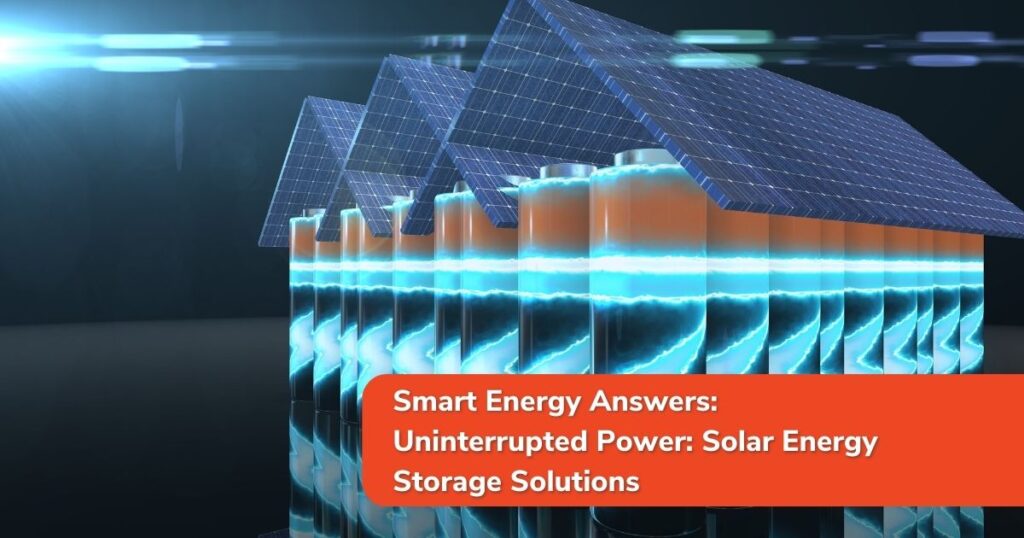
Uninterrupted Power: Solar Energy Storage Solutions Smart Energy Answers June 3, 2026 Discover How Solar Energy Storage Solutions Can Provide Uninterrupted Power for Your Home or Business The Need for Reliable Energy Storage Reliable energy storage is crucial for ensuring uninterrupted power supply. As the demand for electricity continues to rise, it is essential to have a reliable backup system in place to prevent power outages. Solar energy storage solutions play a vital role in meeting this need, as they allow for the capture and storage of excess solar energy generated during the day for use during times of high demand or when sunlight is not available. By storing energy from renewable sources like solar power, we can reduce our reliance on traditional energy sources and promote a more sustainable and resilient energy system. Furthermore, reliable energy storage is particularly important in areas prone to natural disasters or grid failures. In these situations, having a backup power supply can be a lifeline for homes, businesses, and critical infrastructure. Solar energy storage solutions provide a reliable and independent source of power that can keep the lights on and essential services running even during challenging times. In summary, the need for reliable energy storage is evident in our increasingly energy-dependent world. Solar energy storage solutions offer a sustainable and resilient solution to meet this need, providing uninterrupted power supply and ensuring the lights stay on when we need them the most. Understanding the Importance of Solar Energy Storage Solar energy storage is a critical component of a sustainable energy system. While solar panels can generate electricity during the day, the energy produced is not always consumed immediately. Without an energy storage system, this excess energy goes to waste. Solar energy storage solutions allow us to capture and store the surplus energy for later use, maximising the utilisation of solar power and reducing reliance on the grid. One of the key advantages of solar energy storage is its ability to provide power during periods of low or no sunlight. By storing excess energy generated during the day, solar storage systems can ensure a continuous power supply even when the sun is not shining. This is especially beneficial for off-grid locations or areas with unreliable grid connectivity, as it provides a reliable and independent source of electricity. Moreover, solar energy storage contributes to the stability and resilience of the overall energy grid. By storing energy locally, we can reduce the strain on the grid during peak demand periods and mitigate the risk of blackouts or brownouts. This decentralised energy storage system enhances the reliability and efficiency of the entire energy network. In conclusion, understanding the importance of solar energy storage is crucial for transitioning to a sustainable and resilient energy future. By harnessing the power of the sun and storing excess energy, we can ensure uninterrupted power supply, maximise solar energy utilisation, and contribute to a more stable and reliable energy grid. Exploring Battery Storage Technologies Battery storage technologies play a key role in solar energy storage solutions. These technologies enable the efficient and effective storage of excess energy generated by solar panels for later use. There are several types of battery storage technologies commonly used in solar energy systems, including lithium-ion batteries, lead-acid batteries, and flow batteries. Lithium-ion batteries are the most widely used battery technology for solar energy storage. They offer high energy density, longer lifespan, and faster charging capabilities compared to other battery types. These batteries are commonly used in residential and commercial solar storage systems due to their compact size and reliability. Lead-acid batteries are another type of battery technology used in solar energy storage. They are known for their low cost and long lifespan. However, lead-acid batteries have lower energy density and slower charging capabilities compared to lithium-ion batteries. They are commonly used in off-grid solar systems or for backup power. Flow batteries are a newer type of battery technology that shows promise for large-scale solar energy storage. They use liquid electrolytes stored in external tanks, allowing for flexible scalability and longer lifespan. Flow batteries are particularly suitable for grid-scale applications where high energy capacity is required. Overall, exploring battery storage technologies is essential for designing efficient and reliable solar energy storage systems. By selecting the appropriate battery technology based on factors such as energy capacity, lifespan, and cost, we can maximise the effectiveness of solar energy storage solutions and ensure uninterrupted power supply. Maximising Solar Energy Utilisation with Storage Systems Solar energy storage systems play a crucial role in maximising the utilisation of solar power. While solar panels generate electricity during the day, the energy produced is not always consumed immediately. Without an efficient storage system, this excess energy goes to waste. Solar energy storage solutions allow us to capture and store the surplus energy for later use, ensuring that no solar energy is wasted. By maximising solar energy utilisation, we can reduce our dependence on the grid and promote a more sustainable energy system. Solar storage systems enable us to use solar power during peak demand periods or when sunlight is not available, ensuring a continuous power supply. This reduces the need to draw electricity from the grid, which is often generated from non-renewable sources. Moreover, solar energy storage systems can help optimise energy consumption patterns. By storing excess energy generated during the day, we can use it during periods of high electricity demand, such as evenings or cloudy days. This reduces the strain on the grid and helps balance the overall energy supply and demand. In summary, maximising solar energy utilisation with storage systems is key to harnessing the full potential of solar power. By capturing and storing excess energy, we can ensure a continuous power supply, reduce reliance on the grid, and promote a more sustainable and efficient energy system. Off-Grid Living: Solar Storage for Independence Solar storage solutions offer a reliable and independent source of power for off-grid living. In remote areas or locations with unreliable grid connectivity, accessing electricity can be a
Maximizing Solar Panel Efficiency in Winter
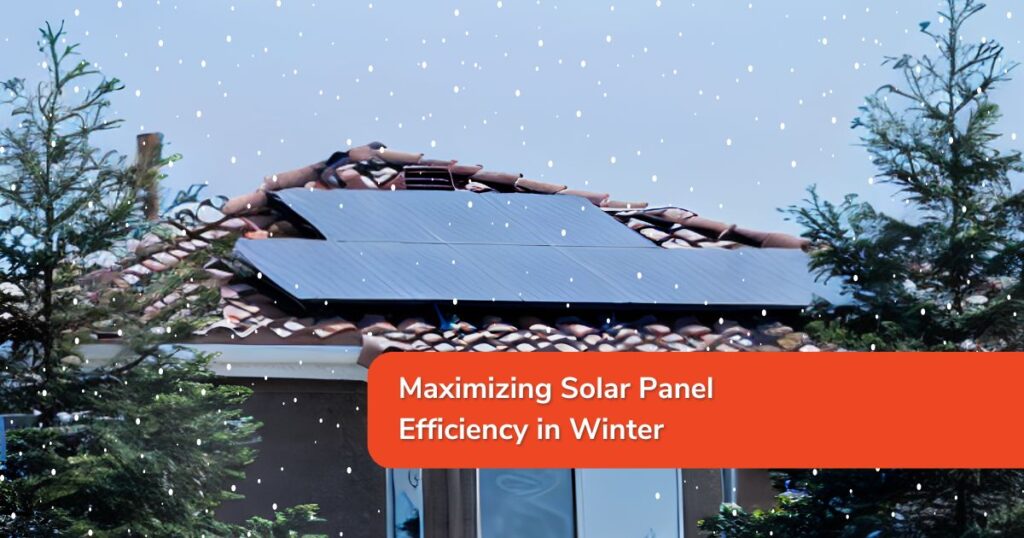
Maximizing Solar Panel Efficiency in Winter Smart Energy Answers June 3, 2026 For many of us, solar technology conjures images of sun-soaked arrays, harvesting rays during the long, hot days of summer. But what about winter? As the mercury drops and clouds loom, solar panels face their greatest challenge, yet perhaps the most important question for homeowners becomes: How can we optimise our solar performance when we need it most? It’s a vital consideration for those who’ve taken the leap into green energy and a valuable opportunity for those contemplating the shift. In this comprehensive guide, we will explore actionable strategies to keep your solar panels churning out energy even in the darkest, coldest days of the year. Understanding the Seasonal Solar Slump The cold reality of winter is that sunshine hours dwindle just as energy consumption peaks. The implications for solar panel performance are significant. Winter weather, particularly in non-equatorial climates, often means fewer daylight hours, lower solar intensities, and increased cloud cover, a triple threat to your photovoltaic, or PV, system’s productivity. Not only does it limit the total energy influx, but it can also cause issues with energy production and system maintenance. Consequently, well-devised winter strategies are instrumental for maintaining, and even improving, solar efficacy. Seasonal Optimisation: Preparation is Key Assess Your Energy Needs Begin by conducting an energy audit. Understand the seasonal variances in your energy consumption patterns. Heating, for example, is a major energy draw in winter. This knowledge will inform not only how much energy your system needs to produce but also when you need it most. The Snow Offense Winter months often mean snow, and snow means an interruption of your solar harvest. Regular removal can be necessary but warrants caution. Manual clearing with a soft brush, for example, is an effective and safe technique, while harsh methods can lead to damage. Technology can also come to your aid with snow-removal systems designed to melt or slide snow off panels automatically. Check and Clean Your Panels A solar panel is only as good as its clarity. In winter, dirt and, of course, snow can accumulate on panels and reduce their efficiency. Regular cleaning, tailored to your environment, will ensure your panels are operating at peak performance. The approach might be as simple as hosing them down, or as comprehensive as investing in automated cleaning solutions. Strategic Investment: Enhancing Winter Performance Opt For Cold-Weather-Ready Systems When installing new panels, choosing those designed for colder climates ensures a system that’s optimised to operate in lower temperatures. Technologies like cold-weather coatings on glass or optimisers that mitigate temperature effects can significantly improve winter performance. Power Optimisers and Microinverters Devices like power optimisers or microinverters can help if your system is partially shaded or experiences uneven light conditions in winter. By maximising the power point tracking of each panel individually, these technologies can enhance your system’s overall productivity. Battery Backup Systems Batteries aren’t just for off-grid aficionados anymore. A battery backup system, like a Tesla Powerwall or SolarEdge Home Battery, can store surplus energy for when the sun isn’t shining. In winter, this can prove to be your most essential tool, ensuring a steady energy supply during extended lulls in daylight. Monitoring and Maintenance: The Hands-On Approach Regular Inspections Schedule regular check-ups for your system. This includes inspecting electronics, cleaning panels, and ensuring all connections are secure. Winter conditions can exacerbate any pre-existing issues, and proactive maintenance can prevent small problems from snowballing into substantial downtimes. Software and Smart Solutions Leverage the power of smart technology. Many systems offer monitoring software or even AI-driven solutions that can predict, identify, and address performance issues before they affect your daily output. Embracing these tools empowers you with the knowledge and control necessary to keep your system running smoothly year-round. Solar Panel Tilt and Orientation The orientation and tilt of your panels dictate how effectively they capture sunlight. While summer-optimised configurations may be tilted for maximum sun during equinoxes, tweaking their angle slightly in winter can increase performance during low-level, direct light conditions. The Human Factor: Educating and Energising Homeowners Community Solar Initiatives Engage with community solar initiatives or local power projects that allow you to pool resources for energy storage or alternative sources. Not only does this collaborative approach amplify your winter energy options, but it fosters a sense of shared responsibility and achievement in the green energy movement. Educational Outreach Smart Energy Answers is more than just a solar provider. It’s a partner in your renewable energy journey. By continually promoting and providing resources for users, you can ensure that your customers are equipped with the latest knowledge and practices to optimise their solar systems. Promoting a Holistic Approach Remind homeowners that their solar panels are just one part of an interconnected energy ecosystem. Proper insulation, energy-efficient appliances, and conscious energy habits all play vital roles in a comprehensive energy strategy, particularly during the challenges of winter. Conclusion: Shining through the Winter Blues Optimising your solar panel performance in winter is about more than just squeezing kilowatts from the sky on dark days. It’s a testament to the adaptability and resilience of renewable energy. By implementing the strategies outlined above, you can weather any winter storm, secure in the knowledge that your solar system is operating at its very best. The cold months may pose a stark contrast to the summer glow, but with the right approach, you can ensure your solar investment continues to pay dividends all year long.
Debunking Common Myths About Home Solar Power
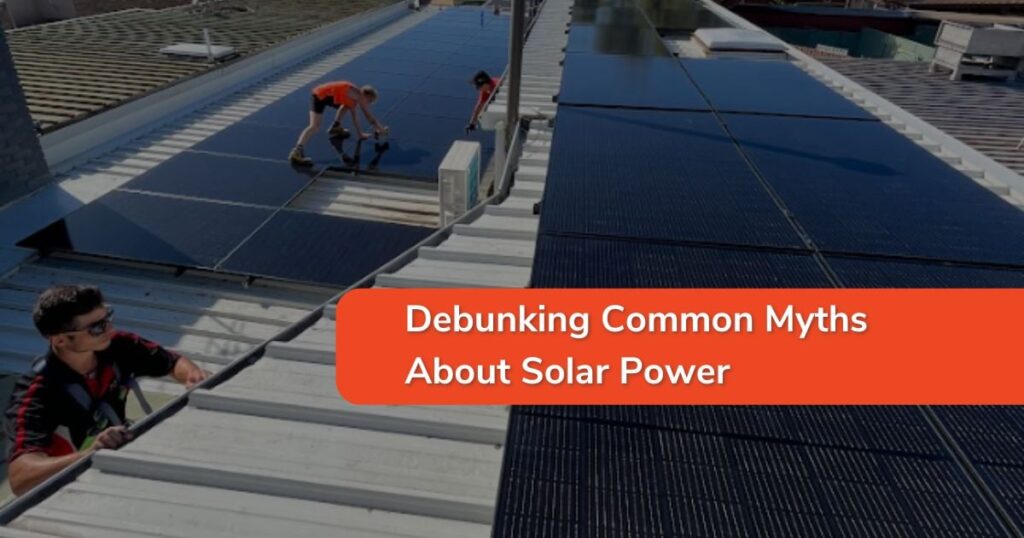
Debunking Common Myths About Home Solar Power Smart Energy Answers February 29, 2024 Smart Energy Answers prides itself on delivering the truth about solar power. As a top solar company in Australia, our goal is to eliminate the misunderstandings that can cloud the judgement of homeowners seeking to adopt sustainable energy solutions. In a market filled with both legitimate information and common myths, we understand that clarity is the key to making a well-informed solar investment. Here, we tackle common myths and draw on credible sources to shed light on the true potential and practicalities of household solar power for Australians. Myth 1: Solar Panels Are Unreliable and Require Excessive Maintenance The Reality: Solar Panels Are Robust and Low Maintenance Contrary to popular belief, modern solar panels are engineered for longevity and can withstand harsh weather conditions. They are typically constructed with tempered glass and are proven to last well beyond their warranty period, which can reach up to 30 years for some products. Maintaining solar panels is simple. A quick clean to remove dirt and the occasional system check are usually all that is needed to keep them running smoothly. With Smart Energy Answers, our dedication to excellence means we provide end-to-end support, ensuring your solar investment operates at peak performance for years to come. Myth 2: Solar Power Is Inconsistent and Unpredictable The Reality: Solar Power Is a Viable Energy Source, Even in Australia Doubts about solar power’s reliability often stem from misconceptions about its dependency on weather patterns. Australia, with its abundant sunlight, is one of the best places to harness solar energy. Even on cloudy or overcast days, solar panels can still generate energy and contribute to sustainable living in Australia. With advancements in solar technology, such as microinverters and power optimisers, along with storage solutions like the Tesla Powerwall, homeowners can now enjoy a steady supply of renewable energy, even during less sunny periods or at night. By leveraging solar for local energy production, you can reduce your dependence on the grid. This can also help cut down your exposure to grid-related power outages and electricity price fluctuations. Myth 3: Solar and Batteries Are Not Cost-Effective The Reality: Solar With Batteries Is a Smart Financial Choice The initial cost of installing solar with batteries can be a significant investment. However, with government incentives such as solar rebate programmes, feed-in tariffs, and the decreasing cost of solar technology, the financial benefits of going solar are undeniable. At Smart Energy Answers, we also offer transparent, no-surprise pricing alongside interest-free payment plans, making solar more accessible to everyone. Moreover, the long-term savings on electricity bills can quickly offset the installation cost. By maximising your solar energy with time-of-use optimisation, you can not only reduce your energy bills but also earn credits for excess energy produced. With the rise of smart meters and advanced monitoring systems, it is now easier than ever to track your energy usage patterns and adjust your solar energy production accordingly. By taking advantage of peak sun hours and storing excess energy in batteries, you can truly unlock the full potential of solar power. Myth 4: Solar Panels Are an Eyesore and Decrease Property Value The Reality: Solar Panels Can Enhance Your Property and Its Value Outdated perceptions of solar panels as unsightly additions to a property no longer hold true. Innovations in solar panel design and the growing cultural shift towards green living mean that solar systems can actually add value to your home. According to a study conducted by the US Department of Energy’s Lawrence Berkeley National Laboratory, home buyers were willing to pay a premium for properties with solar installations. A Domain article also emphasises the additional value solar can bring to your property, with some homes seeing up to $125,000 more in value. The key is in the system’s aesthetics and professional installation. This is an area where Smart Energy Answers excels, ensuring your solar system complements your property’s look and feel. Myth 5: Solar Power Systems Are Inaccessible to Renters The Reality: Solar Power Is Accessible to All, Including Renters Owning a home is not a prerequisite for benefiting from solar energy. In Australia, there are options such as community solar, Power Purchase Agreements, or PPAs, and solar leasing that enable renters to enjoy the advantages of solar power. These agreements can result in savings for both the tenant and the landlord, making solar a flexible and inclusive energy solution. Final Thoughts: Making Informed Decisions The decision to bring solar power into your home is an important one, with far-reaching impacts. By dispelling the myths and embracing the benefits that solar energy offers, homeowners can contribute to a cleaner and more sustainable future. They can also enjoy the advantages of reduced energy bills and increased property value. At Smart Energy Answers, our expert team is here to guide you through the process with confidence. We champion transparency and education, giving our customers the knowledge they need to make smarter and more sustainable energy choices. Let’s debunk the myths and work together to ensure solar power’s shining potential is realised by all Australians.
Real-Time Energy Monitoring: The Future of Solar
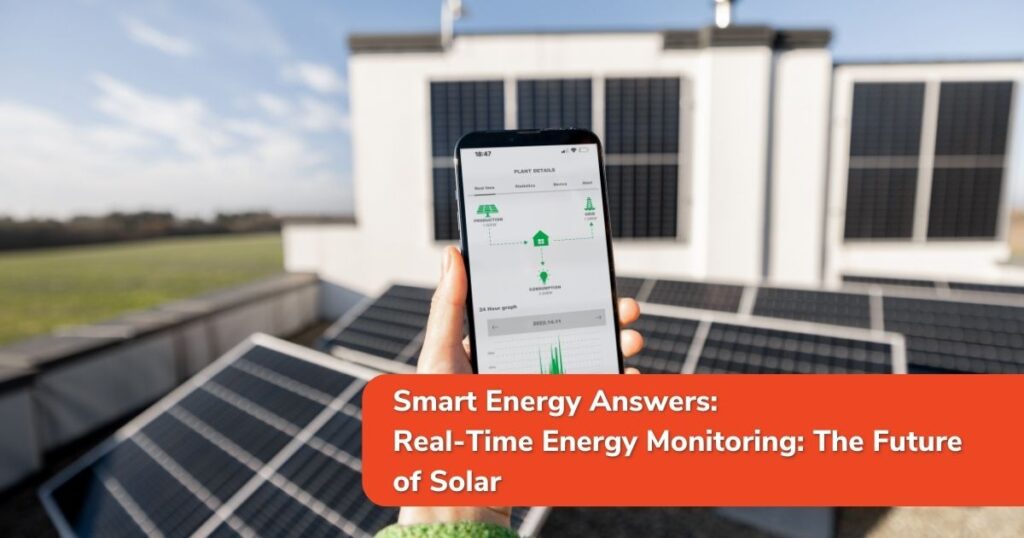
Real-Time Energy Monitoring: The Future of Solar Smart Energy Answers June 3, 2026 Discover How Real-Time Energy Monitoring Systems Are Revolutionising the Solar Industry and Shaping the Future of Renewable Energy Significance of Real-Time Energy Monitoring in Optimising Solar Energy Usage Real-time energy monitoring plays a crucial role in optimising solar energy usage. By continuously monitoring the energy production and consumption in real time, solar system owners can identify areas of inefficiency and make necessary adjustments to maximise energy generation and utilisation. This ensures that the solar panels are operating at their full potential, allowing for the most efficient use of solar energy. Moreover, real-time energy monitoring provides valuable insights into the performance of the solar system, allowing users to track the effectiveness of their energy-saving measures and make informed decisions to optimise energy consumption. With real-time data, solar system owners can identify patterns and trends in energy usage, enabling them to implement strategies to reduce energy waste and increase overall efficiency. Overall, real-time energy monitoring is essential for ensuring the optimal use of solar energy, reducing reliance on traditional power sources, and maximising the benefits of solar technology. Data-Driven Insights for Maximising Solar Efficiency and Performance Real-time energy monitoring systems provide data-driven insights that are instrumental in maximising solar efficiency and performance. By analysing real-time data on energy production and consumption, solar system owners can gain a deep understanding of how their system is performing and identify opportunities for improvement. These insights allow users to identify the most productive times for energy generation and consumption, enabling them to adjust their energy usage habits accordingly. By aligning energy usage with peak production periods, solar system owners can optimise their energy consumption and minimise reliance on the grid. Furthermore, data-driven insights enable users to identify potential issues or inefficiencies in their solar system. By monitoring key performance indicators, such as energy generation efficiency and system uptime, solar system owners can proactively address any issues and ensure that their system is operating at its highest capacity. In summary, data-driven insights provided by real-time energy monitoring systems empower solar system owners to make informed decisions, optimise energy usage, and maximise the efficiency and performance of their solar systems. Overview of Monitoring Devices, Sensors, and Technologies Used in Real-Time Energy Monitoring Real-time energy monitoring relies on a range of monitoring devices, sensors, and technologies to accurately measure and track energy production and consumption. These devices and sensors are designed to provide precise and reliable data for effective monitoring and control of solar energy systems. One commonly used device in real-time energy monitoring is the smart meter. Smart meters are advanced energy meters that record energy consumption data at regular intervals and transmit it to the energy provider in real time. They provide accurate and up-to-date information on energy usage, allowing users to monitor and manage their energy consumption effectively. In addition to smart meters, real-time energy monitoring systems often incorporate sensors that measure solar irradiance, ambient temperature, and other environmental factors that can affect energy generation. These sensors provide valuable data for assessing the performance of solar panels and optimising energy production. Furthermore, real-time energy monitoring systems rely on connectivity technologies, such as Internet of Things, or IoT, devices and wireless communication protocols, to transmit data between the monitoring devices and the central monitoring system. This ensures that the data is accessible in real time and facilitates remote monitoring and control of solar energy systems. Overall, real-time energy monitoring systems leverage a combination of monitoring devices, sensors, and technologies to provide accurate and timely data for effective monitoring and control of solar energy systems. Immediate Visibility into Solar Energy Production and Usage Patterns One of the key advantages of real-time energy monitoring systems is the immediate visibility they provide into solar energy production and usage patterns. By monitoring energy production in real time, solar system owners can quickly identify any issues or deviations from expected performance. For example, if the energy production suddenly drops, it could indicate a malfunctioning solar panel or a problem with the system. With real-time visibility, users can promptly address the issue and prevent any further loss of energy generation. Similarly, real-time energy monitoring systems provide immediate visibility into energy usage patterns. Users can track their energy consumption in real time and identify areas of high usage or wastage. This allows for timely adjustments to energy usage habits and the implementation of energy-saving measures. Immediate visibility into solar energy production and usage patterns enables solar system owners to take proactive measures to optimise energy generation and consumption, ensuring the most efficient use of solar energy. Compatibility with Smart Home Automation Systems for Seamless Integration Real-time energy monitoring systems are designed to be compatible with smart home automation systems, enabling seamless integration and enhanced control over energy usage. By integrating real-time energy monitoring with smart home automation systems, users can automate energy-saving measures and optimise energy consumption based on real-time data. For example, the system can automatically adjust the temperature settings of the HVAC system based on energy production and usage patterns, ensuring optimal comfort while minimising energy waste. Furthermore, the integration of real-time energy monitoring with smart home automation systems allows for remote monitoring and control of energy usage. Users can access real-time energy data and control energy-consuming devices from their smartphones or other connected devices, providing convenience and flexibility in managing energy consumption. The compatibility of real-time energy monitoring systems with smart home automation systems offers users greater control and flexibility in optimising energy usage, leading to increased energy efficiency and cost savings. Leveraging IoT Devices and Connectivity for Real-Time Monitoring and Control Real-time energy monitoring systems leverage Internet of Things, or IoT, devices and connectivity to enable real-time monitoring and control of solar energy systems. IoT devices, such as smart meters and sensors, are interconnected through wireless communication protocols, allowing for seamless data transmission between the devices and the central monitoring system. This enables real-time monitoring of energy production, consumption, and other key performance indicators. The connectivity
Going Green: Promoting Eco-Friendly Transportation Methods in Communities
Going Green: Promoting Eco-Friendly Transportation Methods in Communities Smart Energy Answers June 3, 2026 Discover the Importance of Promoting Eco-Friendly Transportation Methods in Communities Discover the importance of promoting eco-friendly transportation methods in communities and how collaborative efforts can make a difference. Significance of Promoting Sustainable Transportation Methods in Communities Promoting sustainable transportation methods in communities is of great significance to address the environmental challenges we face today. By encouraging the use of eco-friendly transportation options, we can reduce air pollution, decrease traffic congestion, and minimise our carbon footprint. Sustainable transportation not only benefits the environment but also enhances the overall quality of life in communities by promoting healthier lifestyles and improving public health. It is crucial for communities to actively promote and adopt sustainable transportation methods to create a cleaner and more sustainable future. Importance of Promoting a Diverse Range of Sustainable Transportation Options In order to effectively promote sustainable transportation in communities, it is important to recognise and cater to the diverse needs of community members. Different individuals have different transportation preferences and requirements, and promoting a diverse range of sustainable transportation options can ensure that everyone has access to convenient and eco-friendly transportation. This may include options such as walking and cycling infrastructure, public transit systems, carpooling programmes, and electric vehicle, or EV, charging stations. By providing a variety of sustainable transportation options, communities can meet the unique needs of their residents and encourage widespread adoption of eco-friendly transportation methods. Understanding the Benefits of Widespread EV Charging Infrastructure for Communities One of the key components of promoting sustainable transportation in communities is the development of widespread EV charging infrastructure. Electric vehicles are a promising solution to reduce greenhouse gas emissions and dependence on fossil fuels. By having a comprehensive network of EV charging stations in public spaces, workplaces, and residential areas, communities can encourage the transition to electric transportation. This not only supports the adoption of EVs but also enhances the overall convenience and accessibility of sustainable transportation options. Widespread EV charging infrastructure helps address range anxiety and ensures that EV owners have the necessary resources to travel and commute efficiently. Understanding Community Needs, Preferences, and Barriers To effectively promote sustainable transportation methods within a community, it is crucial to understand the needs, preferences, and barriers that individuals may face. Conducting surveys, focus groups, and community forums can provide valuable insights into the transportation challenges and requirements of community members. By identifying and addressing these needs and preferences, communities can develop transportation initiatives that are tailored to their specific circumstances. Additionally, it is important to identify and overcome the barriers that may hinder the adoption of sustainable transportation methods, such as lack of infrastructure, affordability issues, or lack of awareness. By understanding and addressing these factors, communities can create an environment where sustainable transportation becomes the preferred choice for residents. Designing Educational Materials and Awareness Campaigns Raising awareness about eco-friendly transportation options and their associated benefits is essential for promoting sustainable transportation in communities. Designing educational materials, such as brochures, pamphlets, and online resources, can provide valuable information about the various transportation options available and their positive impacts on the environment and community. Additionally, campaigns can be organised to engage community members and encourage them to adopt sustainable transportation methods. These campaigns can highlight the advantages of walking, cycling, using public transit, and driving electric vehicles. By effectively communicating the benefits and feasibility of eco-friendly transportation, communities can inspire individuals to make sustainable choices. Advocating for EV Charging Infrastructure Development Advocacy plays a crucial role in promoting sustainable transportation in communities, particularly in terms of EV adoption. It is vital for community members and organisations to advocate for the development of EV charging infrastructure in public spaces, workplaces, and residential areas. By engaging with local authorities, businesses, and community leaders, communities can emphasise the need for EV charging stations and the benefits they bring. This advocacy can help secure funding for infrastructure development and create partnerships to accelerate the expansion of charging networks. By actively advocating for the integration of EV charging infrastructure, communities can facilitate the transition to electric transportation and contribute to a greener future. Implementing Incentives and Rewards Programmes To encourage EV adoption and usage, communities can implement incentives and rewards programmes that make electric transportation more attractive and accessible. These programmes can include financial incentives such as tax credits or rebates for purchasing EVs, discounted charging rates, or free parking for electric vehicles. Additionally, rewards programmes can be designed to recognise and appreciate individuals who actively choose eco-friendly transportation methods. By providing incentives and rewards, communities can motivate residents to switch to electric vehicles and embrace sustainable transportation options. Facilitating Community Forums, Focus Groups, and Advisory Committees Involving community members in the decision-making process is essential for the successful promotion of sustainable transportation. By facilitating community forums, focus groups, and advisory committees, communities can gather input and feedback on transportation initiatives. These platforms provide opportunities for residents to voice their opinions, share their ideas, and contribute to the development of transportation strategies. By actively involving the community, decision-makers can ensure that transportation initiatives align with the needs and aspirations of the residents. This collaborative approach fosters a sense of ownership and empowers community members to actively participate in creating a sustainable transportation system. Using Data and Feedback to Improve Transportation Initiatives Data and feedback play a crucial role in refining and improving promotion strategies and initiatives related to sustainable transportation. By analysing data on transportation patterns, usage, and preferences, communities can gain valuable insights into the effectiveness of their existing initiatives and identify areas for improvement. Feedback from community members, collected through surveys or public consultations, can provide valuable perspectives and suggestions for enhancing transportation programmes. This iterative process of using data and feedback helps communities continuously refine their strategies and ensure that promotion efforts are well-targeted and impactful. Call to Action for Collective Efforts Achieving widespread adoption of eco-friendly transportation methods requires collective efforts from individuals, communities, and organisations. A call
Harnessing Solar Power: Innovative Battery Solutions
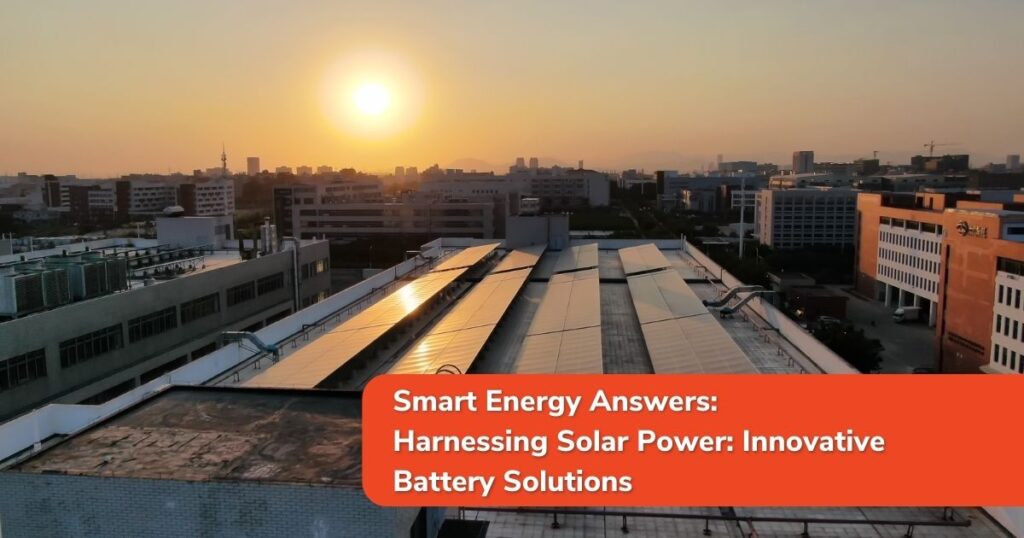
Harnessing Solar Power: Innovative Battery Solutions Smart Energy Answers June 3, 2026 Discover the Latest Advancements in Solar Battery Solutions for Sustainable Energy Usage Significance of Battery Storage in Maximising the Efficiency of Solar Power Systems Battery storage plays a significant role in maximising the efficiency of solar power systems. By storing excess energy generated during the day, batteries provide a reliable source of power during periods of low sunlight or high energy demand. This helps to ensure a consistent and uninterrupted supply of electricity, reducing reliance on the grid and promoting energy independence. Additionally, batteries allow for the optimisation of solar power systems by enabling the capture and utilisation of excess energy that would otherwise go to waste. This improves the overall efficiency of the system and maximises the return on investment for solar panel installations. How Solar Power Batteries Store and Distribute Energy Solar power batteries store and distribute energy through a process known as charge and discharge. During periods of excess solar energy production, the batteries absorb and store the energy for later use. This stored energy can then be discharged when the demand for electricity exceeds the supply from the solar panels. The charging process involves converting the solar energy into chemical energy, which is stored in the battery cells. This chemical energy is then converted back into electrical energy when needed. The distribution of energy from the battery to the electrical system is facilitated through an inverter, which converts the direct current, or DC, stored in the battery into alternating current, or AC, that can be used to power household appliances and devices. High-Capacity and High-Efficiency Lithium-Ion Batteries for Solar Applications Lithium-ion batteries have emerged as a popular choice for solar applications due to their high capacity and efficiency. These batteries offer a greater energy density, allowing for more energy storage in a smaller physical footprint. This is particularly beneficial for residential solar installations where space is limited. Furthermore, lithium-ion batteries have a longer lifespan compared to other battery technologies, making them a reliable and cost-effective solution for long-term energy storage. Their ability to handle high charge and discharge rates also contributes to their suitability for solar applications, as they can efficiently handle the fluctuating energy demands of a solar power system. Advancements in Flow Battery Technology Flow battery technology has seen significant advancements in recent years, offering improved efficiency and lifespan for solar applications. Flow batteries utilise two electrolyte solutions that flow through separate chambers and are separated by a membrane. This design allows for the independent scaling of energy storage capacity and power output. The advancements in flow battery technology have led to increased energy efficiency, with higher round-trip efficiency rates and reduced energy losses during the charging and discharging process. Additionally, the lifespan of flow batteries has improved, enabling longer-term and more reliable energy storage solutions for solar power systems. Introduction to Solid-State Battery Technology Solid-state battery technology is an emerging innovation in the field of energy storage and holds great potential for solar applications. Unlike traditional lithium-ion batteries, solid-state batteries replace the liquid or gel electrolyte with a solid material, which enhances their performance and safety. The use of solid-state electrolytes in batteries offers several benefits for solar storage. Higher energy density: Solid-state batteries allow for increased energy storage capacity in a smaller size. Improved safety: The solid electrolyte is less prone to leakage or thermal runaway. Longer cycle life: Solid-state batteries offer greater longevity and durability for solar power systems. Importance of Solid-State Batteries for Solar Applications Solid-state batteries are of significant importance in the realm of solar applications due to their enhanced safety, energy density, and longevity. The use of solid-state electrolytes eliminates the risk of leakage or combustion associated with traditional liquid electrolytes, ensuring a safer energy storage solution for both residential and commercial solar installations. Furthermore, solid-state batteries offer a higher energy density, allowing for greater energy storage capacity in a smaller physical footprint. This is particularly advantageous for applications where space is limited, such as rooftop solar systems. Additionally, the longer cycle life of solid-state batteries ensures a more durable and sustainable energy storage solution for solar power systems. Integration of Multiple Battery Technologies into Hybrid Energy Storage Systems The integration of multiple battery technologies into hybrid energy storage systems offers a comprehensive solution for solar applications. By combining different types of batteries, such as lithium-ion and flow batteries, hybrid energy storage systems can leverage the unique advantages of each technology and optimise their performance. For example, lithium-ion batteries can provide high-power output and handle rapid charge and discharge rates, while flow batteries can offer long-duration energy storage and high energy capacity. This combination allows for a more flexible and efficient energy storage solution that can adapt to varying energy demands and maximise the utilisation of solar power. Hybrid Energy Storage Systems in Optimising Performance, Reliability, and Cost-Effectiveness Hybrid energy storage systems play a crucial role in optimising the performance, reliability, and cost-effectiveness of solar power systems. By integrating multiple battery technologies, these systems can achieve a balance between power output, energy capacity, and longevity. The combination of different battery technologies allows for better load management, ensuring a stable and reliable power supply even during periods of high energy demand. This enhances the overall performance of the solar power system and reduces the reliance on the grid. Moreover, hybrid energy storage systems can contribute to cost-effectiveness by maximising the utilisation of renewable energy sources. By storing excess solar energy and utilising it during peak demand periods, homeowners can reduce their reliance on grid electricity and potentially lower their energy bills. Current Market Landscape for Innovative Solar Power Battery Solutions The current market landscape for innovative solar power battery solutions is rapidly evolving, driven by the increasing demand for sustainable energy storage options. Various companies and manufacturers are developing and introducing new battery technologies that offer improved performance, efficiency, and safety. The market is witnessing advancements in lithium-ion batteries, flow batteries, and solid-state batteries, each offering
Unleashing IoT Applications in Smart Metering
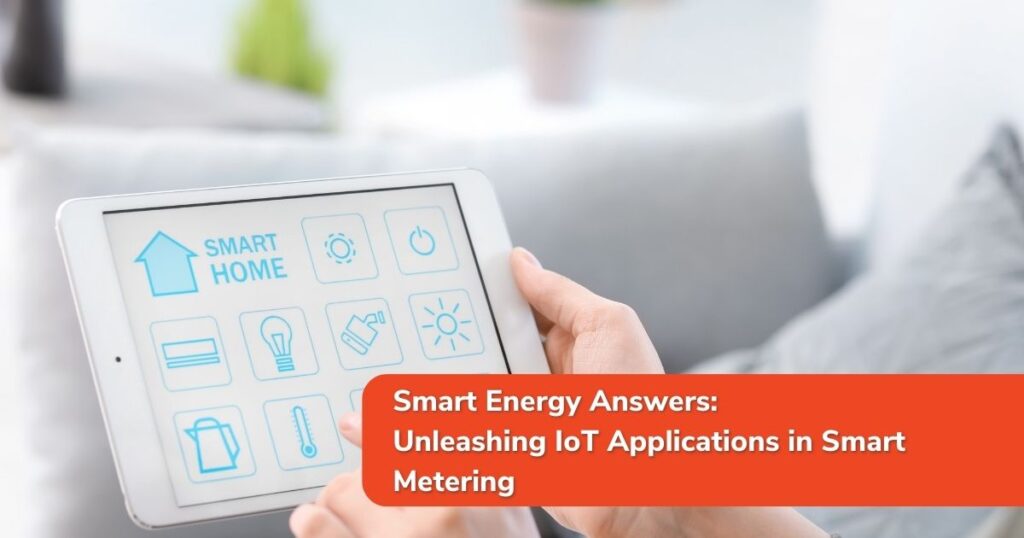
Unleashing IoT Applications in Smart Metering Smart Energy Answers June 3, 2026 Discover the latest advancements in Internet of Things, or IoT, technology and how they are revolutionising smart metering in Australia. Significance of Internet of Things, IoT, in Revolutionising Smart Metering Systems The Internet of Things, or IoT, has brought about significant advancements in the field of smart metering systems. IoT technology enables the seamless integration of various devices, sensors, and networks, allowing for efficient monitoring and management of energy consumption. By connecting smart meters to the internet, utility providers and consumers can access real-time data on energy usage, enabling them to make informed decisions and optimise energy consumption. Overview of the Guide’s Focus on Unleashing IoT Applications in the Realm of Smart Metering This guide aims to explore the various IoT applications in the realm of smart metering and shed light on their potential benefits. It will delve into the role of IoT in enabling real-time monitoring, proactive maintenance, and demand response programs. By providing an overview of IoT-enabled interfaces and interoperability between different devices and platforms, this guide aims to showcase the vast potential of IoT technology in revolutionising the field of smart metering. Explanation of Smart Metering Systems and Their Role in Tracking Energy Consumption Smart metering systems play a crucial role in tracking energy consumption. These systems utilise advanced technologies to measure and record energy usage at regular intervals. By collecting accurate and real-time data, smart meters enable utility providers and consumers to gain insights into their energy consumption patterns. This information can then be used to identify areas of improvement and implement energy-saving measures. Importance of Integrating IoT Sensors, Devices, and Networks into Smart Metering Infrastructure Integrating IoT sensors, devices, and networks into smart metering infrastructure is of utmost importance. These IoT components enable seamless communication and data exchange between smart meters and other devices, creating a connected ecosystem. By integrating IoT technology, smart metering systems can achieve greater accuracy, efficiency, and reliability in monitoring and managing energy consumption. Importance of Real-Time Monitoring for Proactive Energy Management and Optimisation Real-time monitoring is vital for proactive energy management and optimisation. With IoT-enabled smart metering systems, utility providers and consumers can access real-time data on energy consumption. This allows for immediate identification of abnormal energy usage patterns or potential issues, enabling proactive measures to be taken. Real-time monitoring also empowers consumers to make informed decisions regarding their energy usage, leading to optimised energy consumption and cost savings. Allowing Utility Providers and Consumers to Monitor Energy Usage and Performance from Anywhere One of the key benefits of IoT-enabled smart metering systems is the ability to monitor energy usage and performance from anywhere. Through connected interfaces and mobile applications, utility providers and consumers can access real-time data on energy consumption, even when they are not physically present at the premises. This remote monitoring capability provides convenience, flexibility, and greater control over energy management. Importance of Proactive Maintenance in Ensuring the Reliability and Longevity of Smart Metering Systems Proactive maintenance plays a crucial role in ensuring the reliability and longevity of smart metering systems. By leveraging IoT technology, smart meters can be continuously monitored for performance and potential issues. This allows for timely maintenance and repairs, reducing the risk of system failures and ensuring uninterrupted energy monitoring. Proactive maintenance also contributes to the overall reliability and efficiency of smart metering infrastructure. Implementing Demand Response Programs Facilitated by IoT-Enabled Smart Meters IoT-enabled smart meters enable the implementation of demand response programs, which are crucial for balancing energy supply and demand. By integrating IoT technology, utility providers can communicate with smart meters to manage and control energy consumption during peak demand periods. This helps to alleviate strain on the electrical grid and prevent blackouts. Demand response programs also empower consumers to actively participate in energy conservation efforts. Providing Customers with Access to Detailed Energy Usage Information Through IoT-Enabled Interfaces IoT-enabled interfaces provide customers with access to detailed energy usage information. Through user-friendly interfaces and mobile applications, consumers can view real-time data on their energy consumption, allowing for better understanding and control of their energy usage. This transparency promotes energy conservation and empowers consumers to make informed decisions regarding their energy consumption habits. Ensuring Interoperability Between Different IoT Devices, Protocols, and Platforms for Seamless Integration Ensuring interoperability between different IoT devices, protocols, and platforms is crucial for seamless integration in smart metering systems. By standardising communication protocols and promoting compatibility between devices and platforms, the full potential of IoT technology in the field of smart metering can be realised. This calls for collaboration and cooperation among stakeholders to establish common standards and ensure interoperability. Conclusion IoT technology is transforming smart metering by making energy monitoring more connected, accurate, and actionable. With real-time insights, remote access, proactive maintenance, demand response capabilities, and seamless integration between devices, smart metering systems can help utilities and consumers manage energy more efficiently. As Australia continues to modernise its energy infrastructure, IoT-enabled smart metering will play an important role in creating a more reliable, transparent, and sustainable energy future.
Automating Smart Homes for Maximum Solar Energy Utilisation
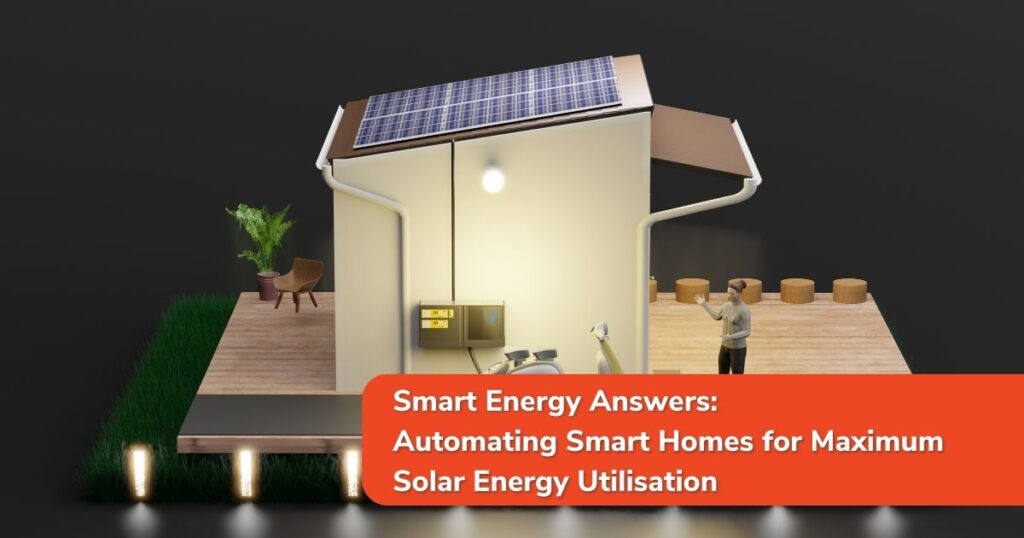
Automating Smart Homes for Maximum Solar Energy Utilisation Smart Energy Answers June 3, 2026 Discover How to Efficiently Automate Smart Homes to Make the Most Out of Solar Energy Utilisation Significance of Energy Monitoring in Optimising Solar Usage Energy monitoring plays a crucial role in optimising solar usage in smart homes. By constantly tracking and analysing energy consumption patterns, homeowners can gain valuable insights into their solar energy utilisation. This information allows them to make informed decisions and adjustments to maximise the efficiency of their solar energy systems. With energy monitoring, homeowners can identify areas where energy is being wasted or under-utilised, enabling them to take appropriate steps to optimise their solar usage. How Smart Energy Monitors Track Solar Usage Smart energy monitors are sophisticated devices that track and measure solar energy usage in smart homes. These monitors are connected to the solar energy system and provide real-time data on the amount of energy being generated and consumed. They use advanced algorithms to analyse the data and provide insights into solar energy usage patterns. Smart energy monitors can track the energy generated by the solar panels, energy consumed by different appliances, and overall energy usage trends. This information helps homeowners understand how their solar energy system is performing and identify opportunities for optimisation. Identifying Opportunities for Optimising Energy Usage and Efficiency By monitoring and analysing energy usage data, homeowners can identify opportunities for optimising energy usage and improving efficiency. They can identify appliances or devices that consume excessive energy and take steps to reduce their usage or replace them with more energy-efficient alternatives. Homeowners can also adjust their energy usage patterns based on solar energy availability to make the most out of the free energy generated by their solar panels. By identifying and implementing these optimisation opportunities, homeowners can significantly increase their solar energy utilisation and reduce their reliance on grid power. Monitoring Household Energy Usage and Appliance Consumption Smart energy monitoring systems enable homeowners to monitor their household energy usage and track the consumption of individual appliances. This information provides valuable insights into energy consumption patterns and helps homeowners identify energy-intensive appliances or devices. By monitoring appliance consumption, homeowners can make informed decisions about their energy usage and identify opportunities for energy-saving measures. They can also identify malfunctioning appliances or devices that may be consuming excessive energy and take corrective actions. Importance of Interoperability and Open Communication Standards Interoperability and open communication standards are crucial for the efficient automation of smart homes for solar energy utilisation. These standards ensure that different smart devices and systems can seamlessly communicate and exchange data. By adopting interoperable devices and systems, homeowners can integrate their smart energy monitoring systems with other smart devices, such as smart thermostats and smart lighting systems. This integration allows for better coordination and control of energy usage, leading to optimised solar energy utilisation. Adjusting Energy Settings and Schedules from Anywhere for Optimal Usage One of the key benefits of smart energy monitoring systems is the ability to adjust energy settings and schedules from anywhere for optimal usage. Homeowners can remotely control their smart devices and appliances based on solar energy availability and their energy usage preferences. For example, they can schedule their appliances to run during peak solar energy production hours, thereby maximising the utilisation of solar energy. This flexibility and control enable homeowners to make the most out of their solar energy systems and optimise their energy usage. Empowering Users to Implement Energy-Saving Measures for Long-Term Benefits Smart energy monitoring systems empower users to implement energy-saving measures for long-term benefits. By providing real-time energy usage data and insights, these systems enable homeowners to monitor their energy consumption and identify areas for improvement. Homeowners can make informed decisions about their energy usage and implement energy-saving measures, such as adjusting thermostat settings, using energy-efficient appliances, or installing energy-saving features. By adopting these measures, homeowners can not only maximise their solar energy utilisation but also enjoy long-term energy cost savings and reduce their environmental impact. Importance of Historical Data for Evaluating System Performance Historical data plays a crucial role in evaluating the performance of the smart energy monitoring system and identifying areas for improvement. By analysing historical energy usage data, homeowners can identify trends, patterns, and anomalies in their energy consumption. This information helps them evaluate the effectiveness of their solar energy system and identify areas where further optimisation is required. Historical data also enables homeowners to track the impact of their energy-saving measures and make data-driven decisions for continuous improvement. Compliance with Data Protection Regulations and Standards Compliance with data protection regulations and standards is essential when implementing smart energy monitoring systems. Homeowners must ensure that their data is protected and handled in accordance with relevant privacy laws and regulations. This includes implementing robust security measures to safeguard the data collected by the monitoring system. By complying with data protection regulations and standards, homeowners can have peace of mind knowing that their energy usage data is secure and their privacy is protected. Recap of the Benefits and Features of Smart Energy Monitoring for Solar Usage In summary, smart energy monitoring systems offer numerous benefits and features for optimising solar usage in smart homes. They provide real-time energy usage data and insights, enable remote control of energy settings, empower users to implement energy-saving measures, and facilitate the evaluation of system performance. By maximising solar energy utilisation, homeowners can reduce their reliance on grid power, save on energy costs, and contribute to a more sustainable future. Take the first step towards efficient solar energy utilisation by implementing a smart energy monitoring system in your smart home today.
Smart Plug Energy Monitoring: A Guide to Efficient Usage
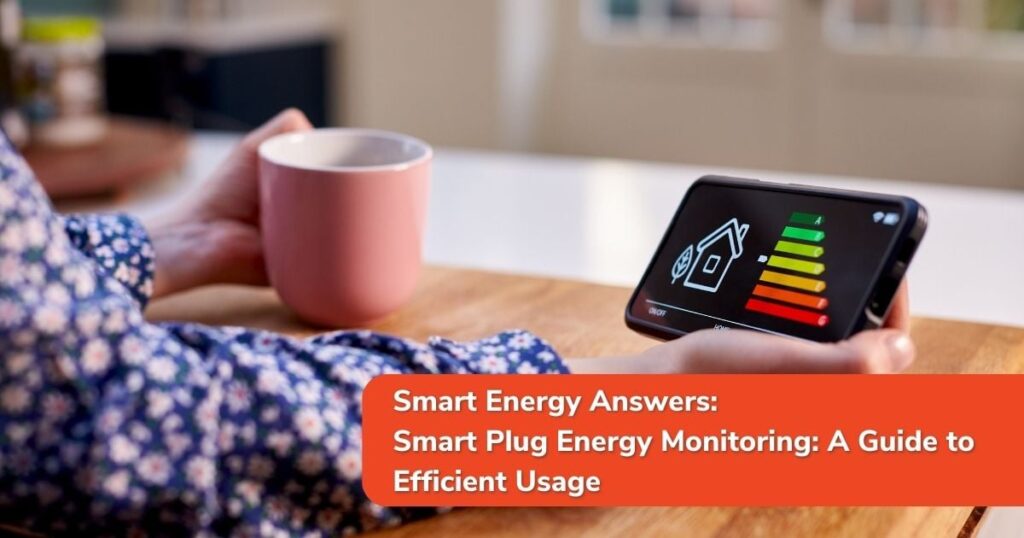
Smart Plug Energy Monitoring: A Guide to Efficient Usage Smart Energy Answers June 3, 2026 Discover How Smart Plugs with Energy Monitoring Features Can Help You Track and Optimise Your Energy Usage Significance of Energy Monitoring in Optimising Electricity Usage Energy monitoring plays a significant role in optimising electricity usage. By keeping track of your energy consumption, you can identify areas where you can reduce energy waste and make more efficient choices. Understanding how much energy your devices and appliances are using allows you to adjust your usage habits accordingly, resulting in potential cost savings and a more sustainable lifestyle. Another important aspect of energy monitoring is the ability to identify energy-intensive devices. By monitoring the energy consumption of individual devices, you can pinpoint which ones contribute the most to your overall energy usage. Armed with this knowledge, you can make informed decisions about adjusting your usage habits or even upgrading to more energy-efficient alternatives. Regular monitoring and adjustment are essential for continuous optimisation. By regularly reviewing your energy consumption data and making necessary adjustments, you can ensure that you are consistently optimising your electricity usage. This ongoing effort will not only help you save on energy costs but also contribute to a greener environment. Overview of Available Smart Plug Technologies and Features Smart plugs with energy monitoring capabilities offer a range of technologies and features to help you monitor and control your energy usage. These smart plugs can be easily connected to your existing electrical outlets and provide real-time insights into the energy consumption of individual devices and appliances. One of the key features of smart plugs with energy monitoring is the ability to track and analyse energy usage data. This data can be accessed through a mobile app or a web interface, allowing you to view detailed information about the energy consumption of your connected devices. Some smart plugs even provide historical data and trends, giving you a comprehensive overview of your energy usage over time. In addition to energy monitoring, smart plugs often offer remote control and scheduling capabilities. This means you can turn your devices on or off remotely, even when you’re not at home. You can also create schedules to automate the usage of your devices, ensuring they are only active when needed and saving energy in the process. Furthermore, interoperability and ecosystem compatibility are crucial factors to consider when choosing a smart plug. Ensuring that your smart plug integrates seamlessly with your existing smart home ecosystem allows for a more connected and streamlined experience. It enables you to control and monitor your energy usage alongside other smart devices in your home, providing a holistic approach to energy management. Real-Time Insights into Energy Consumption of Individual Devices and Appliances Smart plugs with energy monitoring capabilities provide real-time insights into the energy consumption of individual devices and appliances. This means that you can see exactly how much energy each device is using at any given moment. By having this real-time data at your fingertips, you can make informed decisions about which devices to turn off or unplug when they are not in use. For example, you may discover that leaving your computer on standby mode consumes a significant amount of energy. With the real-time data, you can easily turn it off completely when you’re not using it, saving energy and reducing your electricity bills. In addition, real-time insights into energy consumption allow you to identify any unusual or unexpected spikes in energy usage. This can be an indication of a faulty device or appliance that may be consuming excessive energy. By identifying and addressing such issues promptly, you can prevent energy waste and potentially avoid costly repairs or replacements. Remote Control and Scheduling of Connected Devices for Optimised Usage Smart plugs with energy monitoring capabilities offer the convenience of remote control and scheduling for your connected devices. Through a mobile app or a web interface, you can easily turn devices on or off from anywhere, at any time. Remote control allows you to ensure that devices are not left on unnecessarily when you’re away from home. For example, you can turn off lights, appliances, or electronics that may have been accidentally left on while you’re at work or on vacation. This helps to reduce energy waste and saves you money on your electricity bill. Scheduling is another useful feature that enables you to optimise the usage of your devices. You can create schedules to automatically turn devices on or off at specific times of the day or week. This can be particularly beneficial for devices that have a set usage pattern, such as lights or heating systems. By scheduling their usage, you can ensure they are only active when needed, further maximising energy efficiency. Importance of Interoperability and Ecosystem Compatibility Interoperability and ecosystem compatibility are essential considerations when choosing a smart plug with energy monitoring capabilities. Ensuring that your smart plug integrates seamlessly with your existing smart home ecosystem allows for a more connected and streamlined experience. When your smart plug is compatible with other smart devices in your home, you can create automation routines and scenarios that optimise energy usage. For example, you can set up a routine that turns off all lights and appliances when you leave the house, or schedule your heating system to adjust based on your daily routine. Furthermore, interoperability allows for centralised control and monitoring of your energy usage. Instead of managing each device individually, you can access and control all connected devices through a single interface. This simplifies the management of your smart home and enhances the overall user experience. By choosing a smart plug that is interoperable and compatible with your existing smart home ecosystem, you can unlock the full potential of energy monitoring and optimisation. Installation and Setup Process for Smart Plugs with Energy Monitoring Capabilities Installing and setting up smart plugs with energy monitoring capabilities is a straightforward process. Here’s a general guide to help you get started: Choose the right smart plug: Consider factors
Promoting Sustainable Practices: EV Charging Station Awareness
Promoting Sustainable Practices: EV Charging Station Awareness Smart Energy Answers June 3, 2026 Explore Innovative Ways to Raise Awareness About Electric Vehicle Charging Stations Explore innovative ways to raise awareness about electric vehicle charging stations and promote sustainable practices. Importance of EV Charging Infrastructure in Supporting Electric Vehicle Adoption Electric vehicle charging infrastructure plays a crucial role in supporting the adoption of electric vehicles, or EVs. Without a robust network of charging stations, the transition to electric mobility would be hindered. EV charging infrastructure provides the necessary support for EV owners to conveniently charge their vehicles, thereby alleviating range anxiety and encouraging more people to switch to electric vehicles. Moreover, the presence of charging stations is essential for the growth of the EV market. It instils confidence in potential buyers, knowing that they will have access to charging facilities wherever they go. This infrastructure is vital in expanding the reach of EVs, making them a viable option for long-distance travel and ensuring their widespread adoption. How EV Charging Stations Facilitate EV Charging and Adoption EV charging stations serve as the backbone of electric vehicle charging infrastructure. These stations are equipped with charging points that allow EV owners to recharge their vehicles’ batteries. They come in different types, including Level 1, Level 2, and DC fast chargers, offering varying charging speeds and capabilities. By providing a convenient and accessible means of charging, EV charging stations facilitate the adoption of electric vehicles. They eliminate the need for EV owners to rely solely on home charging, as they can charge their vehicles while on the go. This accessibility boosts the confidence of potential EV buyers, knowing that they can easily find charging stations when needed. Contributing to Reductions in Greenhouse Gas Emissions and Air Pollution One of the significant benefits of EV charging infrastructure is its contribution to reducing greenhouse gas emissions and air pollution. As electric vehicles produce zero tailpipe emissions, the more EVs on the road, the cleaner the air we breathe. By promoting the adoption of electric vehicles through the availability of charging stations, we can accelerate the transition to a greener and more sustainable transportation system. Additionally, EV charging infrastructure encourages the use of renewable energy sources for charging. By integrating renewable energy into the grid and utilising it for charging EVs, we can further reduce greenhouse gas emissions and dependence on fossil fuels. This synergy between EVs and renewable energy is crucial for achieving a carbon-neutral future. Educating the Public About the Availability and Benefits of EV Charging Infrastructure Raising public awareness about the availability and benefits of EV charging infrastructure is essential for driving its adoption. Many people may not be aware of the extensive network of charging stations already in place, which can deter them from considering an electric vehicle. Therefore, it is crucial to educate the public about the convenience and accessibility of EV charging stations. By highlighting the benefits of EV charging infrastructure, such as cost savings, reduced environmental impact, and increased convenience, we can encourage more people to make the switch to electric vehicles. Public outreach campaigns, informational materials, and targeted advertising can all play a role in spreading awareness and dispelling any misconceptions about EV charging infrastructure. Educating Drivers and Consumers About the Convenience and Affordability of EV Charging Educating drivers and consumers about the convenience and affordability of EV charging is key to increasing EV adoption. Many people may be hesitant to switch to electric vehicles due to concerns about charging time and cost. However, by showcasing the advancements in charging technology and the decreasing costs of EV charging, we can address these concerns and encourage more people to embrace electric mobility. EV charging has become increasingly convenient with the introduction of fast charging technologies and the growing network of charging stations. Additionally, the cost of charging an electric vehicle is typically lower than the cost of refuelling a petrol-powered car. By emphasising these advantages, we can overcome barriers to EV adoption and promote the widespread use of electric vehicles. Creating Informational Materials About EV Charging Station Locations and Features Creating informational materials about EV charging station locations and features is crucial for helping EV owners and potential buyers navigate the charging infrastructure. These materials can include maps or mobile applications that provide real-time information about the nearest charging stations, their availability, and the types of chargers they offer. By making this information easily accessible, EV owners can plan their routes and charging stops more efficiently, ensuring they have access to charging facilities throughout their journey. Furthermore, highlighting the features of different charging stations, such as fast charging capabilities or the availability of renewable energy sources, can help users make informed decisions and choose the stations that best suit their needs. Offering Training and Support for Businesses and Organisations To further promote the adoption of EV charging infrastructure, offering training and support for businesses and organisations interested in installing charging stations is crucial. Many companies may be interested in providing charging facilities for their employees or customers but may face challenges in understanding the installation process, requirements, and potential benefits. By offering comprehensive training and support, we can simplify the process of installing charging infrastructure and provide guidance on selecting the most suitable charging solutions for different needs. This support can include information on available incentives, technical assistance, and guidance on maintenance and operation. By empowering businesses and organisations to install charging stations, we can expand the network of EV charging infrastructure and promote its accessibility. Collaborating with Utility Companies to Provide Discounted Electricity Rates Collaborating with utility companies to provide discounted electricity rates for EV charging can incentivise the use of electric vehicles and support the growth of EV charging infrastructure. By offering lower electricity rates during off-peak hours or specific charging programmes, utility companies can encourage EV owners to charge their vehicles when the demand for electricity is lower, optimising the use of the grid. These discounted rates make EV charging more affordable for consumers and reduce the
Economic Advantages of EV Charging Stations
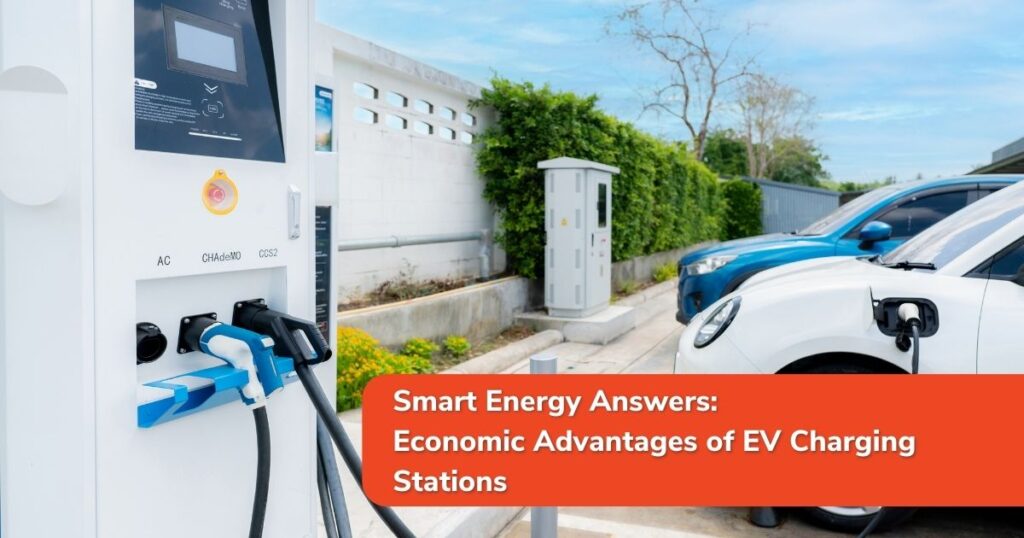
Economic Advantages of EV Charging Stations Smart Energy Answers June 3, 2026 Explore the Economic Benefits That EV Charging Stations Bring to the Table Significance of EV Charging Stations in the Transition to Electric Vehicles EV charging stations play a crucial role in the transition to electric vehicles, or EVs. As the demand for EVs continues to rise, the availability of charging infrastructure becomes essential. Charging stations provide a convenient and reliable source of power for EV owners, allowing them to travel longer distances without worrying about running out of battery. By investing in charging stations, we can encourage more people to switch to EVs and contribute to a greener and more sustainable future. Attracting EV Drivers to Local Businesses and Commercial Areas Having EV charging stations in local businesses and commercial areas can be a significant advantage. EV drivers often look for places where they can charge their vehicles while they shop, dine, or attend to other activities. By offering charging services, businesses can attract a new customer base and increase foot traffic. This presents an opportunity for local businesses to boost sales and revenue. Moreover, it promotes the growth of sustainable transportation options and showcases the commitment of businesses towards environmental responsibility. Creating Job Opportunities in the EV Industry The rise of EV charging stations creates various job opportunities in the EV industry. From the installation of charging infrastructure to its maintenance and support services, there is a growing demand for skilled workers. Electricians, technicians, and engineers are needed to ensure the smooth operation of charging stations. This not only creates employment opportunities but also contributes to the growth of the local economy. By investing in EV charging infrastructure, we can support job creation and foster the development of a skilled workforce. Offering Charging Services as a Source of Revenue EV charging stations can serve as a source of revenue for businesses and property owners. By offering charging services, they can generate income from EV drivers who require a place to charge their vehicles. This additional revenue stream can contribute to the financial sustainability of businesses and property owners. Furthermore, it incentivises the installation of charging stations and encourages more establishments to provide charging facilities. By capitalising on the growing market of EVs, businesses and property owners can tap into a new source of income. Increasing Property Value with EV Charging Amenities Commercial and residential properties with EV charging amenities have a competitive edge in the real estate market. As the demand for EVs rises, so does the demand for convenient and accessible charging infrastructure. Properties that offer EV charging facilities become more attractive to potential buyers or tenants who own or plan to own EVs. This increases the property value and can lead to higher rental or selling prices. By incorporating EV charging amenities, property owners can enhance their property’s appeal and attract a wider range of prospective customers. Optimising Fleet Operations and Logistics For businesses that operate fleets of electric vehicles, efficient charging infrastructure management is crucial. EV charging stations enable businesses to optimise their fleet operations and logistics. By strategically locating charging stations and implementing smart charging technologies, businesses can minimise downtime and maximise the utilisation of their EV fleet. This results in improved productivity, cost savings, and a more streamlined operation. Investing in robust charging infrastructure is essential for businesses that rely on electric vehicles for their daily operations. Establishing Partnerships to Promote Sustainable Transportation Collaboration and partnerships between local businesses and organisations are key to promoting sustainable transportation solutions. By joining forces, they can advocate for the adoption of EVs and the expansion of charging infrastructure. This can involve initiatives such as offering incentives for EV owners, organising events to raise awareness, and collaborating on the installation of charging stations. By working together, businesses and organisations can create a supportive ecosystem that encourages the transition to cleaner and greener transportation options. Fostering Innovation and Research The deployment of EV charging stations fosters innovation and research in renewable energy, battery technology, and smart grid integration. As the demand for EVs and charging infrastructure grows, there is a need for advancements in renewable energy sources to power these stations. Additionally, research and development in battery technology are essential to improve charging speed, capacity, and efficiency. Furthermore, integrating charging infrastructure with smart grids enables better management of energy resources and promotes energy efficiency. By investing in EV charging stations, we can drive innovation and contribute to the development of sustainable energy solutions. Promoting Public Health and Quality of Life Improvements EV charging stations play a significant role in promoting public health and improving the quality of life in our communities. By encouraging the adoption of EVs, we can reduce air pollution caused by traditional combustion vehicles. EVs produce zero tailpipe emissions, resulting in cleaner air and a healthier environment. Additionally, EVs are quieter than internal combustion engine vehicles, reducing noise pollution in our cities. By embracing EV charging infrastructure, we can create cleaner and quieter communities, leading to a better quality of life for everyone. Conclusion It is crucial for businesses, property owners, and communities to invest in EV infrastructure. By installing EV charging stations, they can contribute to the growth of the EV market and support sustainable transportation options. Businesses can attract more customers, generate additional revenue, and showcase their commitment to environmental responsibility. Property owners can increase the value of their properties and appeal to a wider range of prospective buyers or tenants. Communities can create a cleaner and greener environment, improving public health and quality of life. Let us join hands and invest in EV infrastructure to shape a sustainable future for generations to come.
Decoding Media Influence on Public Opinion of EVs
Decoding Media Influence on Public Opinion of EVs Smart Energy Answers June 3, 2026 Uncover the Impact of Media on How the Public Views Electric Vehicles Uncover the impact of media on how the public views electric vehicles and explore ways to navigate through biased narratives. Overview of the Guide’s Focus on Decoding Media Influence on EVs’ Public Image The guide aims to provide an in-depth analysis of how the media influences the public perception of electric vehicles, or EVs. By decoding media coverage, readers will gain a better understanding of the factors that shape the image of EVs in the minds of the public. Through this guide, readers will discover the power of the media in shaping public opinion and the importance of critically engaging with EV coverage. By examining various media outlets, including news, social media, and advertisements, readers will gain insights into how EVs are portrayed in these platforms. Furthermore, the guide will explore the influence of balanced or biased coverage on public perception of EVs. It will delve into the ways in which stakeholders such as automakers, environmental organisations, and policymakers shape the narrative around EVs. The guide will also assess public opinion trends and shifts in attitudes towards EVs over time. By understanding these trends, readers will be able to identify the factors that contribute to changing perceptions of EVs and the implications for EV adoption rates, policy decisions, and industry developments. In addition, the guide will identify common misconceptions and myths propagated by media coverage of EVs. By debunking these misconceptions, readers will be able to navigate through biased narratives and form a more informed opinion about EVs. Moreover, the guide will analyse online communities, influencers, and viral content related to EVs. It will examine the role of these platforms in shaping public perception and influencing attitudes towards EVs. Finally, the guide will call for action for media professionals, stakeholders, and the public to critically engage with EV coverage. By encouraging active participation and critical thinking, readers will be empowered to question narratives and seek out reliable information about EVs. Significance of Media in Shaping Public Perception and Attitudes Towards Electric Vehicles The media plays a significant role in shaping public perception and attitudes towards electric vehicles. Through various forms of media, such as news articles, social media posts, and advertisements, individuals are exposed to information and narratives that shape their understanding and opinion of EVs. Media coverage can influence public perception by highlighting the benefits and drawbacks of EVs, showcasing success stories, or perpetuating misconceptions. The way EVs are portrayed in the media can impact their perceived reliability, affordability, and environmental impact, among other factors. Moreover, the media has the power to shape public attitudes towards EVs by framing the narrative around these vehicles. Positive coverage can create a favourable perception and encourage adoption, while negative or biased coverage can generate scepticism and hinder adoption rates. Given the media’s significant influence, it is crucial to critically evaluate the information presented and consider the potential biases or agendas behind the narratives. By understanding the significance of media in shaping public perception, individuals can make more informed decisions about EVs and contribute to a more accurate and balanced understanding of these vehicles. How EVs Are Portrayed in Different Media Outlets Different media outlets, including news sources, social media platforms, and advertisements, play a crucial role in shaping public perception of electric vehicles. Each outlet presents EVs in a unique way, influencing how they are perceived by the public. News articles often provide detailed information about the latest developments in the EV industry, highlighting advancements in technology, government policies, and market trends. Social media platforms, on the other hand, offer a more interactive and personal approach, allowing users to share their own experiences and opinions about EVs. Advertisements, both online and offline, contribute to the public image of EVs by showcasing their features, benefits, and environmental impact. They often aim to create a positive perception and generate interest in these vehicles. Analysing how EVs are portrayed in different media outlets is crucial to understanding the various narratives surrounding these vehicles. It allows individuals to recognise potential biases, misinformation, or misconceptions, and form a more comprehensive and informed opinion about EVs. Influence of Balanced or Biased Coverage on Public Perception of EVs The balance or bias in media coverage of electric vehicles has a significant influence on public perception. Balanced coverage presents a fair and objective view of EVs, providing information about both their advantages and limitations. This allows the public to make informed decisions based on a comprehensive understanding of the technology and its implications. On the other hand, biased coverage can skew public perception by emphasising certain aspects while downplaying or omitting others. Biased coverage may stem from various factors, including commercial interests, political agendas, or preconceived notions about EVs. Biased coverage can lead to the propagation of misconceptions and myths about EVs, contributing to scepticism and hindering adoption rates. It is essential for the public to critically evaluate the balance or bias in media coverage and seek out reliable sources to ensure they are well-informed about EVs. By recognising the influence of balanced or biased coverage, individuals can avoid falling prey to misinformation and form their opinions based on accurate and trustworthy information. How Stakeholders Influence EV Coverage Stakeholders such as automakers, environmental organisations, and policymakers play a significant role in influencing the coverage of electric vehicles in the media. These stakeholders have their own interests and agendas, which can shape the narratives surrounding EVs. Automakers, for instance, may promote their EV models through advertisements and press releases, highlighting the features and benefits of their vehicles. Environmental organisations often advocate for EV adoption as a means to reduce carbon emissions and combat climate change, shaping the narrative around the environmental impact of EVs. Policymakers also have a significant influence on EV coverage through the development of regulations, incentives, and infrastructure support. Their decisions and actions can impact the public perception of EVs by
Exploring Battery Backup Solutions for Smart Homes
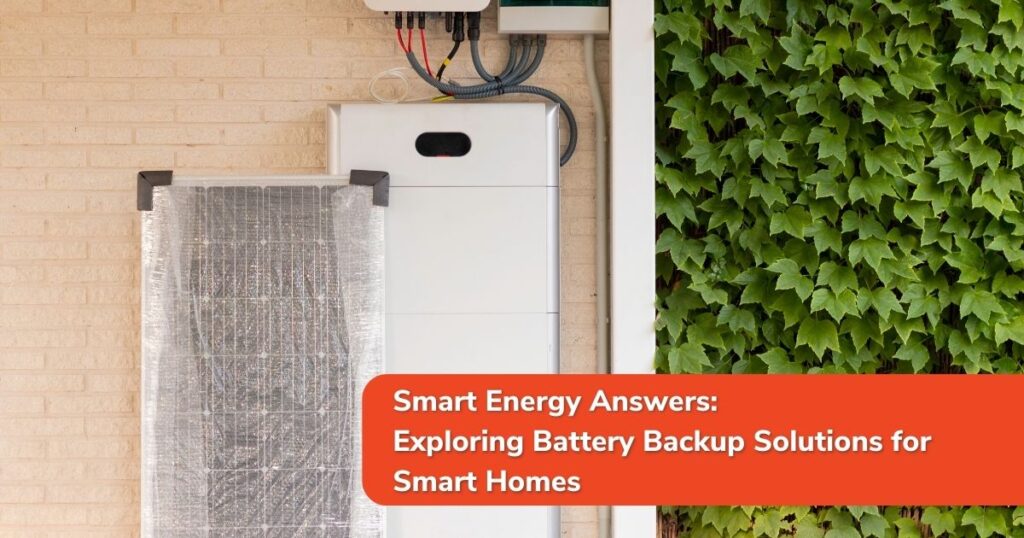
Exploring Battery Backup Solutions for Smart Homes Smart Energy Answers June 3, 2026 Discover the Latest Trends and Innovations in Battery Backup Solutions for Smart Homes Growing Importance of Energy Storage in Smart Home Systems Energy storage is becoming increasingly important in smart home systems. With the rise of renewable energy sources like solar power, there is a need to store excess energy for later use. Battery backup solutions provide a reliable and efficient way to store this energy, ensuring that homeowners have a constant and uninterrupted power supply. In addition to storing energy, battery backup solutions also help in managing electricity usage. They can be used to shift energy consumption to off-peak hours, when electricity rates are lower. This not only helps homeowners save money on their energy bills but also reduces the strain on the grid during peak hours. Furthermore, battery backup solutions contribute to a more sustainable and resilient energy infrastructure. By storing excess energy during times of low demand, they help reduce the need for additional power generation during peak hours. This, in turn, reduces the reliance on fossil fuel power plants and decreases greenhouse gas emissions. Overall, the growing importance of energy storage in smart home systems highlights the need for efficient and sustainable battery backup solutions. These solutions not only provide reliable backup power during grid outages but also contribute to a more efficient and sustainable energy future. How Solar Energy Storage Complements Photovoltaic Systems Solar energy storage plays a crucial role in complementing photovoltaic, or PV, systems. PV systems generate electricity from sunlight using solar panels, but this electricity is only available when the sun is shining. By integrating battery backup solutions with PV systems, homeowners can store excess solar energy during the day and use it at night or during cloudy periods. This combination of solar energy storage and PV systems provides homeowners with a reliable and uninterrupted power supply. It allows them to become less dependent on the grid and reduce their electricity bills by utilising their stored solar energy. Additionally, it enables homeowners to take advantage of renewable energy sources and reduce their carbon footprint. Solar energy storage also helps in achieving energy independence. With a properly sized battery storage system, homeowners can rely on their own generated solar energy for their electricity needs, even during grid outages. This provides peace of mind and ensures that critical appliances and devices continue to function during emergencies. In summary, solar energy storage complements photovoltaic systems by providing a reliable and sustainable energy solution. It allows homeowners to maximise their use of solar energy, reduce their reliance on the grid, and achieve energy independence. Importance of Efficient Energy Management and Smart Home Integration Efficient energy management and integration with smart home systems are essential for maximising the benefits of battery backup solutions. Smart home systems enable homeowners to monitor and control their energy usage, optimising the performance of their battery storage systems. By integrating battery backup solutions with smart home systems, homeowners can automate energy management processes. This includes scheduling charging and discharging cycles based on energy demand and electricity rates. It also allows for the implementation of demand response strategies, where the battery system can respond to signals from the utility company to reduce energy consumption during peak hours. Furthermore, smart home systems provide real-time monitoring of battery performance, ensuring that the system is operating optimally. Regular inspections and maintenance can be scheduled based on the system’s performance data, ensuring its longevity and reliability. Overall, efficient energy management and integration with smart home systems enhance the performance and benefits of battery backup solutions. They enable homeowners to optimise their energy usage, reduce costs, and contribute to a more sustainable energy future. Determining the Right Size and Capacity for Individual Homes Determining the appropriate size and capacity of storage systems for individual homes is crucial for maximising the benefits of battery backup solutions. Each home has unique energy requirements and usage patterns, and the storage system should be sized accordingly. Factors to consider when determining the size and capacity of storage systems include the home’s energy consumption, the number of occupants, and the availability of renewable energy sources such as solar power. It is important to accurately assess the energy needs of the home to ensure that the storage system can meet the demand. Additionally, the storage system should be scalable to accommodate future energy needs. As the home’s energy consumption or renewable energy generation increases, the storage system should be able to expand accordingly. This ensures that the system remains efficient and cost-effective in the long term. Professional consultation and assessment can help homeowners determine the appropriate size and capacity of storage systems for their individual homes. By investing in the right-sized storage system, homeowners can maximise the benefits of battery backup solutions and optimise their energy usage. Implementing Demand Response Strategies Implementing demand response strategies is crucial for maximising energy efficiency with battery backup solutions. Demand response refers to the ability of the battery system to adjust its energy usage based on signals from the utility company. By participating in demand response programmes, homeowners can contribute to a more efficient and stable energy grid. During times of high demand, the utility company can send signals to the battery system, requesting a reduction in energy consumption. This helps alleviate strain on the grid and reduces the need for additional power generation. Implementing demand response strategies also benefits homeowners by reducing their energy costs. By shifting energy consumption to off-peak hours, homeowners can take advantage of lower electricity rates. This helps in optimising the use of stored energy and maximising cost savings. To implement demand response strategies, homeowners need to ensure that their battery backup system is compatible with the utility company’s signals and requirements. This may involve installing additional equipment or software to enable communication between the battery system and the utility company. In conclusion, implementing demand response strategies is crucial for maximising energy efficiency with battery backup solutions. It benefits
Solar Energy for Beginners: A Simple Guide to Getting Started
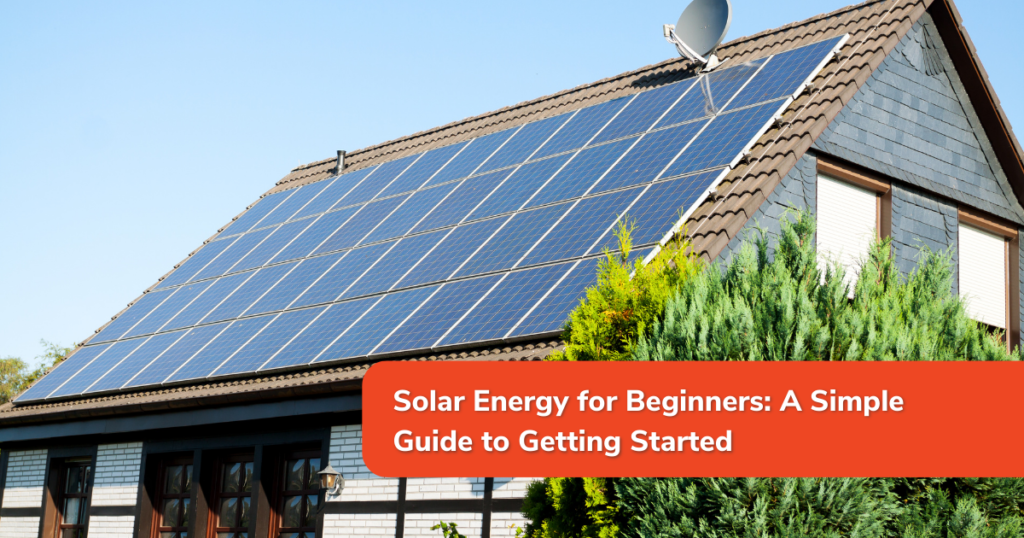
Solar Energy for Beginners: A Simple Guide to Getting Started Smart Energy Answers February 21, 2024 In the heart of Australia’s sun-drenched landscape, solar energy emerges as a beacon of sustainability and cost-efficiency for homeowners. This clean energy solution, powered by the sun’s endless rays, stands at the forefront of an eco-friendly revolution, redefining residential energy consumption. With the urgency of environmental conservation and the allure of reduced utility bills, understanding solar energy’s basics becomes indispensable for those considering a greener alternative. What is Solar Energy? Solar energy represents the pinnacle of harnessing the sun’s power, transforming sunlight into electricity through two primary methods: photovoltaics (PV) and concentrated solar power (CSP). This renewable energy source plays a critical role in curbing carbon emissions and slashing our reliance on fossil fuels. Its adoption is a step toward a sustainable future, mitigating the impacts of climate change. Benefits in Australia Australia’s unique geographical position, bathed in abundant sunshine, creates an ideal setting for solar power generation. Homeowners stand to gain substantially, with benefits including slashed electricity bills, enhanced property value, and a significant contribution to environmental preservation. The nation’s solar-friendly climate is not just a matter of convenience but a call to action for sustainable living. The Basics of Solar Power Systems For those new to the solar energy journey, grasping the fundamentals of solar power systems is essential. These systems are marvels of engineering, designed to convert sunlight into electrical power with remarkable efficiency. Components of Solar Systems A typical solar power setup comprises several key components: solar panels, an inverter, battery storage, and a monitoring system. Each element plays a pivotal role in the seamless conversion of solar energy into electricity, ensuring that homes are powered sustainably and efficiently. How Solar Power Works The process begins with solar panels capturing sunlight and converting it into direct current (DC) electricity. The inverter then transforms this DC into alternating current (AC), the form of electricity used to power homes. Surplus energy can either be stored in batteries for later use or fed back into the grid, often yielding credits on electricity bills. Evaluating Solar Potential Before taking the leap into solar, assessing your home’s solar potential is a step you cannot skip. This evaluation ensures that your investment is not only wise but tailored to your specific needs. Assessing Your Location Key factors such as roof space, orientation, and potential shading must be considered. In Australia, north-facing roofs are prime real estate for solar panels, capturing maximum sunlight throughout the year. Sunlight Availability in Australia Australia’s generous sunlight hours make it a veritable goldmine for solar energy production. Understanding the sunlight patterns specific to your region can significantly enhance the efficiency of your solar panel installation. Types of Solar Energy Systems Solar energy systems come in two main varieties, each suited to different residential needs and circumstances. Grid-Connected Systems Connected to the national electricity grid, these systems allow homeowners to feed excess energy back, often receiving a credit. This setup is ideal for those looking to reduce their energy bills while staying connected to the grid. Standalone Systems For those in remote locations or preferring complete independence from the grid, standalone or off-grid systems are the answer. These systems require battery storage to ensure a continuous power supply, regardless of sunlight availability. Financial Considerations The decision to go solar is as much a financial consideration as it is environmental. Costs and Savings Though the initial setup cost can be substantial, the long-term savings on energy bills and the added value to your property make solar systems a sound investment. Government Incentives in Australia To encourage the adoption of solar energy, the Australian government offers various incentives, including rebates and feed-in tariffs, reducing the financial burden on homeowners. Choosing the Right Solar Panels The efficiency of your solar system hinges on selecting the appropriate solar panels. Panel Types and Efficiency Solar panels come in different types, such as monocrystalline and polycrystalline, each with its efficiency levels. Choosing the right type depends on your energy needs and budget considerations. Size and Placement The efficiency of solar panels is also influenced by their size and placement. Professional assessment is recommended to ensure optimal installation, maximizing energy production. Installation Process The installation of solar panels is a critical process that should ideally be entrusted to professionals. Professional vs. DIY Installation Though the DIY route may seem appealing for its cost-saving potential, professional installation guarantees safety, efficiency, and regulatory compliance, safeguarding your investment. Permits and Regulations Navigating local regulations and obtaining the necessary permits is a crucial step in the installation process, ensuring that your solar system is legally compliant and operationally safe. Maintenance and Care The longevity and efficiency of your solar system depend on regular maintenance and care. Regular Maintenance Tips Routine cleaning of solar panels and system check-ups are vital for optimal performance, ensuring that your system operates at peak efficiency year-round. Troubleshooting Common Issues Being familiar with common issues and their solutions, or consulting a professional when necessary, can help maintain your system’s performance and longevity. Environmental Impact The environmental benefits of solar energy cannot be overstated. Reduction in Carbon Footprint By switching to solar, homeowners can significantly reduce their reliance on fossil fuels, leading to a substantial decrease in greenhouse gas emissions. Sustainable Living Solar energy is at the heart of sustainable living, offering a clean, renewable energy source that minimizes environmental impact and promotes a healthier planet. Future of Solar Energy in Australia The landscape of solar energy in Australia is rapidly evolving, promising an even brighter future. Trends and Developments Ongoing technological advancements are making solar energy more efficient and affordable, paving the way for wider adoption and innovative applications. Community Solar Projects For those unable to install individual solar systems, community solar projects offer a shared solution, democratizing access to clean energy. Case Studies Real-life success stories of residential solar energy adoption underscore the tangible benefits of going solar, from environmental impact to financial savings. Overcoming Common Concerns
The Science of Solar: How Photovoltaic Cells Work
The Science of Solar: How Photovoltaic Cells Work Smart Energy Answers June 4, 2026 Australia, blessed with abundant sunshine, has seen a significant rise in the adoption of solar energy, particularly among residential users. This surge is driven by the desire to reduce electricity bills and contribute to a greener environment. Solar power, harnessing energy from the sun, provides a sustainable and cost-effective solution for homeowners. Understanding Photovoltaic Cells The heart of solar technology lies in photovoltaic, or PV, cells. These cells are responsible for converting sunlight into electrical energy. Comprising mainly of semiconductor materials like silicon, PV cells activate upon exposure to sunlight, creating an electrical current. The Science Behind Solar Cells When sunlight hits a solar cell, it knocks electrons loose in the silicon, creating a flow of electricity. This process, known as the photovoltaic effect, is the cornerstone of solar cell technology. The efficiency of this conversion is a key factor in the overall performance of a solar panel. Types of Photovoltaic Cells There are three primary types of solar cells: monocrystalline, polycrystalline, and thin-film. Each type has its own advantages and suitability depending on the application and location. Monocrystalline cells, known for their high efficiency, are ideal for areas with limited space. Solar Panels for Residential Use Choosing the right solar panels for your home involves considering factors like roof space, orientation, and local climate conditions. The installation process should be handled by professional installers to ensure safety and optimal performance. Maximising Efficiency of Solar Panels The efficiency of solar panels can be maximised by proper positioning and regular maintenance. Panels should be placed at an angle that captures the maximum amount of sunlight and kept clean to prevent any reduction in efficiency. Energy Storage Solutions For times when the sun isn’t shining, battery storage systems can store excess energy generated by solar panels. Additionally, grid connection allows for the selling of surplus electricity, often at a profit for the homeowner. Cost-Benefit Analysis of Solar Energy in Australia While the initial investment in solar technology can be significant, the long-term savings on electricity bills and the availability of government rebates make it a financially viable option for many Australians. Environmental Impact and Sustainability Adopting solar energy significantly reduces your carbon footprint and contributes to a more sustainable future. It’s a clean, renewable source of energy that lessens reliance on fossil fuels. Advancements in Solar Technology The field of solar technology is rapidly evolving, with new advancements increasing the efficiency and reducing the cost of solar cells. These innovations promise an even brighter future for solar energy in Australia. Common Myths and Misconceptions Despite its popularity, there are still many myths surrounding solar energy. It’s important to distinguish fact from fiction to understand the true capabilities and limitations of solar power. Case Studies: Successful Solar Implementations Numerous Australian households have successfully adopted solar power, demonstrating its effectiveness and benefits. These real-life examples serve as a testament to the potential of solar energy in residential settings. Choosing a Solar Provider Selecting the right solar provider is crucial. Factors such as experience, reputation, and customer service should be considered to ensure a smooth and successful solar installation. Solar Energy in the Australian Climate The effectiveness of solar panels can vary across different regions in Australia. Understanding how local climate conditions affect solar efficiency is essential for optimising the performance of your solar system. Government Policies and Regulations Federal and state governments in Australia have various policies and regulations in place to promote the adoption of solar energy. These policies not only incentivise solar installations but also ensure safe and compliant practices. Financing Solar Installations There are various financing options available for solar installations, making it accessible to a wider range of households. Understanding these options and the potential return on investment is key to making an informed decision. Future Trends in Solar Energy The future of solar energy in Australia looks promising, with ongoing research and development paving the way for more efficient and affordable solar solutions. Conclusion and Call to Action The transition to solar energy is not just a step towards reducing electricity bills. It’s a move towards a more sustainable and environmentally friendly future. Now is the time to embrace solar power and make a positive impact.
Efficiency Boost: Best Practices for Integrating Solar Power in Business
Efficiency Boost: Best Practices for Integrating Solar Power in Business Smart Energy Answers June 4, 2026 Discover the Top Strategies for Incorporating Solar Power Into Your Business Operations Discover the top strategies for seamlessly incorporating solar power into your business operations and maximising efficiency. Significance of Solar Power Adoption for Businesses Solar power adoption holds significant benefits for businesses looking to reduce their carbon footprint and lower energy costs. By harnessing solar energy, businesses can contribute to a cleaner environment while also cutting down on electricity expenses. This move towards sustainability can enhance a company’s reputation and attract environmentally conscious customers. Embracing solar power demonstrates a commitment to renewable energy and showcases forward-thinking leadership within the industry. Understanding the Specific Needs and Constraints of Businesses Before integrating solar power into business operations, it is crucial to understand the specific needs and constraints of each individual company. Factors such as available space for solar panels, energy consumption patterns, budgetary considerations, and regulatory requirements must be carefully assessed. Tailoring the solar power system to meet the unique requirements of the business ensures optimal performance and maximum benefits. Exploring On-Site Versus Off-Site Solar Options Businesses have the option to install solar panels on-site or participate in off-site solar projects through virtual net metering or community solar programmes. On-site solar installations provide direct access to solar energy and potential cost savings, while off-site options offer flexibility and scalability for businesses with limited space or resources. Understanding the pros and cons of each approach is essential for making an informed decision that aligns with the business goals. Calculating Return on Investment and Payback Periods for Solar Projects Assessing the financial viability of solar projects involves calculating the return on investment, or ROI, and determining the payback period. By analysing the upfront costs, energy savings, available incentives, and tax benefits, businesses can make informed decisions about the economic feasibility of solar power adoption. Understanding the financial implications helps businesses evaluate the long-term benefits and make strategic investments in renewable energy. Navigating Utility Interconnection Processes and Net Metering Policies Connecting a solar power system to the utility grid requires navigating complex interconnection processes and understanding net metering policies. Businesses must comply with regulations, obtain permits, and establish agreements with utility companies to ensure seamless integration of solar energy. By staying informed about interconnection requirements and incentive programmes, businesses can streamline the process and maximise the benefits of solar power generation. Overseeing Installation to Minimise Disruption to Business Operations Installing solar panels may require temporary disruptions to business operations, such as roof access and equipment installation. By planning the installation process carefully and coordinating with experienced solar contractors, businesses can minimise downtime and ensure a smooth transition to solar energy. Proper project management and communication are essential for overseeing the installation without impacting daily business activities. Establishing a Maintenance Schedule to Ensure System Longevity and Efficiency Regular maintenance and monitoring are essential for ensuring the longevity and efficiency of a solar power system. Establishing a maintenance schedule that includes inspections, cleaning, and performance checks helps prevent potential issues and maximise energy production. By investing in proactive maintenance, businesses can protect their solar investment and enjoy reliable performance for years to come. Staying Informed About Changes in Incentive Programmes and Eligibility Criteria Incentive programmes and eligibility criteria for solar power adoption are subject to change, making it essential for businesses to stay informed about updates and opportunities. By keeping abreast of new incentives, rebates, and tax credits, businesses can take advantage of cost-saving measures and maximise their return on investment. Regularly reviewing incentive programmes ensures that businesses make the most of available benefits and remain competitive in the renewable energy landscape. Highlighting Cost Savings, Environmental Benefits, and Other Positive Outcomes Emphasising the cost savings, environmental benefits, and positive outcomes of solar power adoption can help businesses communicate the value of renewable energy investments. By showcasing the financial advantages, environmental impact, and sustainability initiatives associated with solar energy, businesses can attract customers, investors, and employees who align with their values. Highlighting the holistic benefits of solar power reinforces the business case for sustainable practices and sets a positive example for the industry. The Transformative Potential of Solar Energy in Business Operations Solar energy has the transformative potential to revolutionise business operations and drive sustainability in various industries. By embracing solar power, businesses can reduce reliance on fossil fuels, decrease greenhouse gas emissions, and contribute to a greener future. The integration of solar energy into business operations not only improves efficiency and cost-effectiveness but also positions companies as leaders in environmental stewardship and innovation. Emphasising the transformative power of solar energy inspires positive change and propels businesses towards a more sustainable future.
Step-by-Step Guide: Installing a Solar-Powered Entertainment System
Step-by-Step Guide: Installing a Solar-Powered Entertainment System Smart Energy Answers June 4, 2026 Learn How to Set Up a Solar-Powered Entertainment System for Your Home Learn how to set up a solar-powered entertainment system for your home with this step-by-step guide. Understanding Solar-Powered Entertainment Systems Understanding solar-powered entertainment systems involves knowing how they harness the sun’s energy to power your devices. These systems use photovoltaic panels to convert sunlight into electricity, which can then be used to run your entertainment equipment. By understanding the basics of how solar power works, you can make informed decisions when setting up your system. In addition to providing a sustainable energy source, solar-powered entertainment systems can also help reduce your electricity bills and lower your carbon footprint. It’s important to understand the benefits and limitations of these systems to ensure you get the most out of them. Selecting the Right Components When selecting components for your solar-powered entertainment system, it’s crucial to choose high-quality and compatible parts. Start by determining the power requirements of your entertainment devices and selecting solar panels that can generate enough electricity to meet those needs. You’ll also need a charge controller to regulate the flow of electricity from the panels to the batteries, as well as batteries to store excess energy for use when the sun isn’t shining. In addition, consider the inverter, which converts the DC electricity from the panels and batteries into AC electricity that your devices can use. Make sure all components are from reputable manufacturers and are designed to work together seamlessly. Installing Solar Panels Installing solar panels for your entertainment system involves mounting them in a location that receives ample sunlight throughout the day. This could be on your roof, in your backyard, or on a separate structure like a pergola. Ensure the panels are securely fastened and angled correctly to maximise sunlight absorption. Connect the panels to the charge controller following the manufacturer’s instructions, and test the system to ensure everything is functioning properly. Proper installation of solar panels is key to the overall performance and efficiency of your solar-powered entertainment system. Setting Up Battery Storage Battery storage is essential for storing excess energy generated by your solar panels for use during cloudy days or at night. Choose a high-capacity battery system that can meet your energy storage needs and connect it to the charge controller and inverter. Properly setting up battery storage ensures a reliable power supply for your entertainment system, even when solar energy isn’t available. Connecting and Testing Your System Once all components are in place, it’s time to connect your solar-powered entertainment system. Follow the wiring diagrams provided by the manufacturers to connect the panels, charge controller, batteries, and inverter in the correct sequence. Test the system by powering on your entertainment devices to ensure they are receiving electricity from the solar panels and batteries. Perform regular maintenance checks on your system to keep it running smoothly and efficiently. By connecting and testing your solar-powered entertainment system properly, you can enjoy sustainable and cost-effective entertainment for years to come.
Solar Energy for Beginners: A Simple Guide to Getting Started
Solar Energy for Beginners: A Simple Guide to Getting Started Smart Energy Answers June 4, 2026 In the heart of Australia’s sun-drenched landscape, solar energy emerges as a beacon of sustainability and cost efficiency for homeowners. This clean energy solution, powered by the sun’s endless rays, stands at the forefront of an eco-friendly revolution, redefining residential energy consumption. With the urgency of environmental conservation and the allure of reduced utility bills, understanding solar energy’s basics becomes indispensable for those considering a greener alternative. What Is Solar Energy? Solar energy represents the pinnacle of harnessing the sun’s power, transforming sunlight into electricity through two primary methods: photovoltaics, or PV, and concentrated solar power, or CSP. This renewable energy source plays a critical role in curbing carbon emissions and reducing our reliance on fossil fuels. Its adoption is a step toward a sustainable future, mitigating the impacts of climate change. Benefits in Australia Australia’s unique geographical position, bathed in abundant sunshine, creates an ideal setting for solar power generation. Homeowners stand to gain substantially, with benefits including reduced electricity bills, enhanced property value, and a significant contribution to environmental preservation. The nation’s solar-friendly climate is not just a matter of convenience but a call to action for sustainable living. The Basics of Solar Power Systems For those new to the solar energy journey, grasping the fundamentals of solar power systems is essential. These systems are marvels of engineering, designed to convert sunlight into electrical power with remarkable efficiency. Components of Solar Systems A typical solar power setup comprises several key components: solar panels, an inverter, battery storage, and a monitoring system. Each element plays a pivotal role in the seamless conversion of solar energy into electricity, ensuring that homes are powered sustainably and efficiently. How Solar Power Works The process begins with solar panels capturing sunlight and converting it into direct current, or DC, electricity. The inverter then transforms this DC into alternating current, or AC, the form of electricity used to power homes. Surplus energy can either be stored in batteries for later use or fed back into the grid, often yielding credits on electricity bills. Evaluating Solar Potential Before taking the leap into solar, assessing your home’s solar potential is a step you cannot skip. This evaluation ensures that your investment is not only wise but tailored to your specific needs. Assessing Your Location Key factors such as roof space, orientation, and potential shading must be considered. In Australia, north-facing roofs are prime real estate for solar panels, capturing maximum sunlight throughout the year. Sunlight Availability in Australia Australia’s generous sunlight hours make it a veritable goldmine for solar energy production. Understanding the sunlight patterns specific to your region can significantly enhance the efficiency of your solar panel installation. Types of Solar Energy Systems Solar energy systems come in two main varieties, each suited to different residential needs and circumstances. Grid-Connected Systems Connected to the national electricity grid, these systems allow homeowners to feed excess energy back, often receiving a credit. This setup is ideal for those looking to reduce their energy bills while staying connected to the grid. Standalone Systems For those in remote locations or preferring complete independence from the grid, standalone or off-grid systems are the answer. These systems require battery storage to ensure a continuous power supply, regardless of sunlight availability. Financial Considerations The decision to go solar is as much a financial consideration as it is environmental. Costs and Savings Though the initial setup cost can be substantial, the long-term savings on energy bills and the added value to your property make solar systems a sound investment. Government Incentives in Australia To encourage the adoption of solar energy, the Australian government offers various incentives, including rebates and feed-in tariffs, reducing the financial burden on homeowners. Choosing the Right Solar Panels The efficiency of your solar system hinges on selecting the appropriate solar panels. Panel Types and Efficiency Solar panels come in different types, such as monocrystalline and polycrystalline, each with its efficiency levels. Choosing the right type depends on your energy needs and budget considerations. Size and Placement The efficiency of solar panels is also influenced by their size and placement. Professional assessment is recommended to ensure optimal installation, maximising energy production. Installation Process The installation of solar panels is a critical process that should ideally be entrusted to professionals. Professional vs DIY Installation Though the DIY route may seem appealing for its cost-saving potential, professional installation guarantees safety, efficiency, and regulatory compliance, safeguarding your investment. Permits and Regulations Navigating local regulations and obtaining the necessary permits is a crucial step in the installation process, ensuring that your solar system is legally compliant and operationally safe. Maintenance and Care The longevity and efficiency of your solar system depend on regular maintenance and care. Regular Maintenance Tips Routine cleaning of solar panels and system check-ups are vital for optimal performance, ensuring that your system operates at peak efficiency year-round. Troubleshooting Common Issues Being familiar with common issues and their solutions, or consulting a professional when necessary, can help maintain your system’s performance and longevity. Environmental Impact The environmental benefits of solar energy cannot be overstated. Reduction in Carbon Footprint By switching to solar, homeowners can significantly reduce their reliance on fossil fuels, leading to a substantial decrease in greenhouse gas emissions. Sustainable Living Solar energy is at the heart of sustainable living, offering a clean, renewable energy source that minimises environmental impact and promotes a healthier planet. Future of Solar Energy in Australia The landscape of solar energy in Australia is rapidly evolving, promising an even brighter future. Trends and Developments Ongoing technological advancements are making solar energy more efficient and affordable, paving the way for wider adoption and innovative applications. Community Solar Projects For those unable to install individual solar systems, community solar projects offer a shared solution, democratising access to clean energy. Case Studies Real-life success stories of residential solar energy adoption underscore the tangible benefits of going solar, from environmental impact to
Navigating Summer Challenges: Harnessing the Power of Solar Energy

Navigating Summer Challenges: Harnessing the Power of Solar Energy Smart Energy Answers November 23, 2023 Stay Powered This Summer with Solar Energy and Batteries As the scorching Australian summer approaches, so do the challenges that come with it. Rising temperatures can place strain on power grids, while the looming threat of bushfires can increase the risk of potential outages. However, there is a shining solution on the horizon: solar energy and batteries. With the potential to keep your home powered when the grid goes dark, solar energy is not only an eco-friendly alternative but also a reliable source of power during the sweltering summer months. Join us as we explore the transformative potential of solar energy and discover how it can keep you powered when you need it most. The Impact of Summer on Power Distribution During the summer season in Australia, electricity demand can skyrocket due to the increased use of cooling systems, air conditioners running continuously, and reliance on power-intensive appliances. This puts tremendous strain on the power grid, which can lead to widespread blackouts and expose the limitations of traditional power sources during peak summer periods. The risk of power outages is further amplified by Australia’s susceptibility to bushfires, which can damage transmission lines and substations, causing prolonged power disruptions. To address these challenges effectively, it is crucial to take proactive measures that provide immediate relief while contributing to a sustainable, long-term energy strategy. The Importance of Solar Power and Battery Systems to Be Ready for Summer You can now say goodbye to power outages during the summer months with the help of solar energy and storage. Solar panels capitalise on the abundance of sunlight to deliver a steady stream of power, helping reduce the impact of grid disruptions. No longer will you need to endure sweaty discomfort during outages, and worries about food spoilage can become a thing of the past. By choosing solar and batteries, you gain greater energy independence from the traditional grid while demonstrating a commitment to cleaner, more sustainable energy sources. This aligns with a future-focused vision for reliable, efficient, and environmentally responsible energy use. In Australia, solar and battery prices are now more accessible and affordable, supported by government rebates, incentives, and innovative Pay As You Save options. Homeowners can offset a significant portion of the initial installation costs by taking advantage of these programmes. Moreover, the option to sell excess electricity generated by solar panels back to the grid enhances the financial advantages of going solar. This makes solar energy an attractive investment for homeowners seeking cost-effective and reliable power solutions. One notable advantage of embracing solar power is the substantial electricity cost savings it can offer. Solar energy with storage not only benefits your wallet but also helps provide a seamless and uninterrupted power supply when the traditional grid faces challenges. Additional Tips to Be Energy Efficient in Summer Beyond embracing solar energy and batteries, here are other practical steps you can take to prepare for the summer months. Air conditioning maintenance: Schedule regular maintenance for your air conditioning units to ensure they operate efficiently. Clean or replace filters, check for any issues, and consider upgrading to energy-efficient models. Sealing and insulation: Ensure your home is well insulated and sealed to prevent cool air from escaping. Seal gaps around windows and doors, and consider adding insulation to your attic if needed. Natural ventilation: Take advantage of cool evening breezes by strategically opening windows to promote cross-ventilation. This can help cool your home without relying solely on air conditioning. Energy-efficient appliances: Upgrade to energy-efficient appliances, especially those that generate heat, such as refrigerators and stoves. Look for appliances with high energy star ratings to reduce overall energy consumption. Shading solutions: Use blinds, curtains, or shades to block out the sun during the hottest parts of the day. This can significantly reduce the heat entering your home and lessen the load on your cooling systems. Hydration and health precautions: Stay hydrated and take necessary health precautions during heatwaves. Make sure your family understands the importance of staying cool and hydrated, especially vulnerable individuals such as the elderly and young children. Smart home technology: Invest in smart home technology that allows you to remotely control and monitor your home’s energy usage. Smart thermostats, for example, enable you to adjust temperatures based on your schedule, optimising energy consumption. Conclusion In the face of summer’s energy challenges, the choice is clear: embrace the power of the sun to secure a reliable and sustainable energy future. From reducing dependence on the grid and saving on electricity costs to mitigating the impact of bushfires, solar energy emerges as a resilient solution. By taking practical steps and adopting solar technology, you not only prepare for the summer months but also contribute to a cleaner, greener, and more energy-efficient Australia. Take the proactive step towards energy independence and a cleaner future. Contact us today for a consultation and discover how solar solutions can transform your summer experience.
Solar Batteries Decoded : Top FAQs & Insights for Savvy Consumers
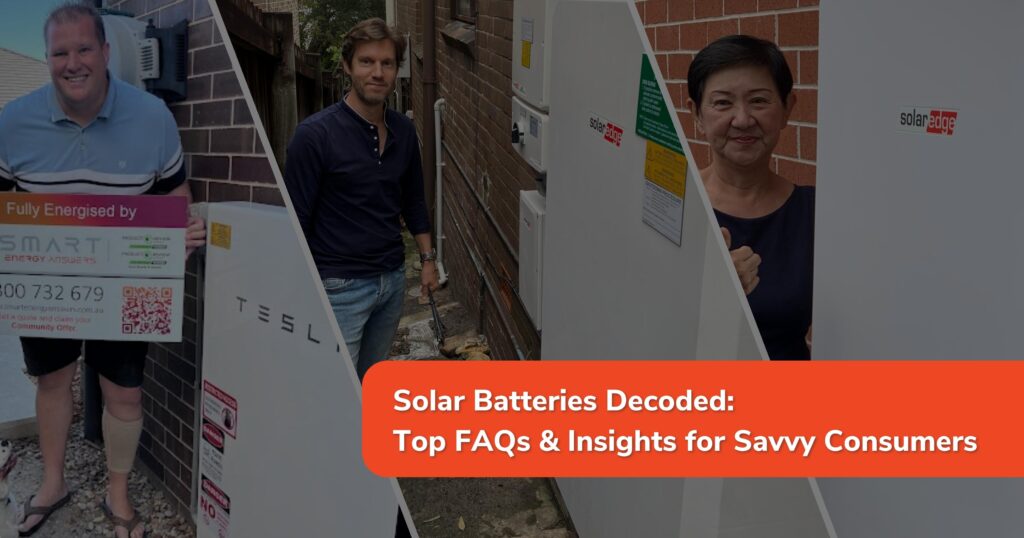
Solar Batteries Decoded : Top FAQs & Insights for Savvy Consumers Smart Energy Answers September 6, 2023 Understanding Solar Batteries In an era where sustainability meets innovation, the demand for solar with batteries has increased significantly. More families in Australia want to use cleaner energy and take greater control of their power, which is why solar batteries are becoming increasingly popular. At Smart Energy Answers, we are excited to explain solar batteries in this blog. We are also here to share some of our customers’ top questions to help you make informed decisions about your energy future. Solar Battery FAQs FAQ 1: How Can Solar Batteries Save Me Money on Electricity Bills? Solar batteries offer potential savings on electricity bills by capturing surplus energy produced by your solar panels during sunny periods. This stored energy becomes available during less sunny hours, including nights, rainy days, and cloudy weather. By reducing reliance on grid power during peak periods, you can cut down on costly electricity expenses and move closer to energy independence. With a properly sized solar and battery system, some customers can aim for $0 electricity bills. FAQ 2: Do Solar Batteries Qualify for Incentives or Rebates in Australia? Yes, incentives are available in different states across Australia. In addition, some of our partners also offer special Virtual Power Plant, or VPP, rebates for specific networks and territories. FAQ 3: What Size Solar Battery Do I Need for My Home? The size of the solar battery you need for your home in Australia depends on several factors, including the following: Energy consumption: Understand your household’s daily energy consumption. Review your past electricity bills to see how much energy you use on average. A larger battery may be suitable if you have higher energy needs. Solar panel system size: The capacity of your solar panel system matters. A larger system can produce more surplus energy, which can then be stored in the battery. Usage patterns: Consider when you use the most electricity. If you typically consume more energy in the evening, a larger battery can help you rely less on grid power during those times. Grid connectivity: If you are aiming for energy independence and want to reduce grid reliance, a larger battery may be beneficial. Smaller batteries are often used for backup power during outages. Budget: Larger batteries tend to be more expensive. Balance your energy needs with your budget to find the right size that offers the best value. Future expansion: If you plan to expand your household or increase energy usage in the future, factor in potential changes when selecting the battery size. It is recommended to consult with a solar energy expert to determine the optimal battery size that aligns with your household’s needs and usage patterns. FAQ 4: What Factors Should I Consider When Selecting a Solar Battery for My Home? Capacity: Choose a battery with sufficient capacity to meet your energy needs. Efficiency: Look at how efficiently the battery stores and releases energy. Higher-efficiency batteries can save more of the energy generated by your solar panels. Installation and compatibility: Ensure the battery is compatible with your existing solar panel system and inverter. Consider installation requirements, space, and placement options. Scalability: If you plan to expand your solar system in the future, choose a battery that can be easily integrated with additional panels. Warranty and support: Research the manufacturer’s reputation, warranty terms, and customer support. A reliable warranty can provide peace of mind. Cost and value: Balance the upfront cost of the battery with the potential savings it can offer over its lifetime. Consider any available government incentives or rebates. Safety: Battery safety features are crucial. Look for batteries with built-in protection against overcharging, overheating, and other potential risks. Smart features: Some batteries come with smart management systems that optimise energy usage and enable remote monitoring and control, with the potential for additional revenue through VPPs. Brand and installer reputation: Choose well-established brands and installers known for quality and reliability. Check customer product and service reviews from reputable websites. FAQ 5: Are Lithium-Ion Batteries the Best Choice for Residential Solar Systems in Australia? Yes, lithium-ion batteries are often considered one of the best choices for residential solar systems in Australia due to their high energy density, efficiency, long lifespan, and compact size. FAQ 6: How Long Do Solar Batteries Typically Last in the Australian Climate? Solar batteries typically last around 15 to 25 years in the Australian climate. Factors such as battery chemistry, usage patterns, maintenance, and manufacturer quality can influence their lifespan. Regular maintenance and proper usage can help extend the life of solar batteries. In addition, manufacturers typically offer warranties of up to 15 years. FAQ 7: Is It Necessary to Have an Existing Solar Panel System to Install Solar Batteries in Australia? No, it is not always necessary to have an existing solar panel system to install solar batteries in Australia. While many people choose to combine solar panels with batteries to maximise energy self-sufficiency, you can also install a solar battery system on its own. However, without solar panels, the battery will primarily charge from the grid, and its effectiveness in reducing electricity bills may be limited compared to when it is paired with solar panels. It is recommended to consult with experts to determine the most suitable setup based on your energy needs and goals. FAQ 8: What Are the Installation Requirements and Costs Associated with Solar Batteries in Australia? The costs and installation requirements for solar batteries in Australia can vary based on factors such as available space, inverter compatibility, electrical upgrades, permits, and ventilation needs. The expenses typically include the battery unit cost, installation labour, potential inverter upgrades, additional components, permits, and maintenance. The total cost can range from several thousand to tens of thousands of dollars, with government incentives and financing options available to help offset expenses. It is advisable to seek quotes from professional installers for accurate cost estimates based on your specific circumstances. FAQ 9:
Solar Power: Leading the Way to a Cleaner, Fairer Australia
Solar Power: Leading the Way to a Cleaner, Fairer Australia Smart Energy Answers July 11, 2023 Solar Power: Driving a Cleaner, Fairer Future for Australia At Smart Energy Answers, we believe that social responsibility is a fundamental part of the renewable energy industry. As the demand for solar power continues to grow in Australia, it becomes increasingly important to choose a solar provider that not only delivers reliable and efficient solutions but also upholds ethical and socially responsible practices. In this blog article, we highlight the importance of selecting a socially responsible solar provider. We also explore how Smart Energy Answers is leading the charge towards a more sustainable and socially conscious future for renewable energy in Australia. Commitment to Social Responsibility At the heart of our company’s ethos is a deep commitment to social responsibility. We understand that the choices we make as a solar provider can have a profound impact on the environment, communities, and workers involved in the manufacturing process. That is why we go the extra mile to ensure that our solar panels and smart batteries are sourced from socially responsible manufacturers and suppliers. We prioritise partnering with companies that share our values and adhere to fair labour practices, avoiding exploitative or unethical practices. Promoting Ethical Supply Chains Modern slavery and human rights violations can occur throughout the supply chain of solar products, including the sourcing of raw materials, manufacturing processes, and labour practices. Some suppliers may engage in exploitative practices, such as forced labour, unsafe working conditions, and inadequate wages. Yingli Solar has made significant efforts to uphold labour standards by actively working towards obtaining factory certifications and ensuring compliance with both local and international standards. In addition to prioritising ethical supply chains, our valued partners and suppliers go above and beyond by embracing social responsibility in various impactful ways. SolarEdge raises awareness among children about sustainability, helping educate the next generation on the importance of clean energy and environmental responsibility. Hyundai Energy Solutions also engages in meaningful community initiatives, including support for low-income communities and seniors, blood donation activities, and environmental clean-ups. These efforts reflect a shared commitment to creating positive social and environmental impact beyond the delivery of renewable energy products. At Smart Energy Answers, we combat unethical practices in the supply chain by choosing socially responsible solar suppliers and partners. We work to ensure our supply chains are free from modern slavery and human rights violations, as exemplified by our partnership with Yingli Solar. Our suppliers go beyond business functions by contributing to community well-being, sustainability, and positive social impact. Partnering with these companies allows us to provide high-quality solar solutions while supporting organisations dedicated to making a difference. Our CEO’s Visit to the LONGi Factory As the CEO of Smart Energy Answers, Daniel is a passionate advocate for social responsibility and sustainable practices. To better understand the manufacturing process and social responsibility principles of our solar panel suppliers, he recently visited the LONGi factory in China. This first-hand experience allowed him to witness the rigorous quality control measures, worker welfare initiatives, and environmental conservation efforts implemented by LONGi, one of our trusted solar panel manufacturers. Leading by Example By choosing Smart Energy Answers as your solar provider, you support a company that delivers exceptional solar solutions while prioritising the welfare of workers, communities, and the environment. Our commitment to social responsibility goes beyond manufacturing partnerships. We engage in community outreach and renewable energy initiatives while working towards a more sustainable future for Australia. Choose Socially Responsible Solar When it comes to investing in solar power, it is crucial to consider the social and environmental impact of your choices. By choosing a socially responsible solar provider like Smart Energy Answers, you can make a positive difference while enjoying the benefits of clean, renewable energy. Our transparent and ethical practices ensure that you can trust us to deliver exceptional service and reliable solar solutions that align with your values. At Smart Energy Answers, we firmly believe that social responsibility is an integral part of the renewable energy landscape. By choosing a socially responsible solar provider, you contribute to a sustainable future for Australia and support companies that uphold ethical practices. With our commitment to social responsibility, first-hand knowledge of our suppliers’ practices, and dedication to creating a better world through renewable energy, Smart Energy Answers stands as a trusted leader in the industry. Join us in making a difference and powering Australia’s future with socially responsible solar solutions. Ready to make a socially responsible choice for your solar needs? Contact Smart Energy Answers today and let us guide you towards a sustainable energy future.
Reduce Energy Consumption: Key Steps Before Going Solar
Reduce Energy Consumption: Key Steps Before Going Solar Smart Energy Answers April 6, 2023 Before Going Solar: Key Steps to Reduce Energy Consumption As families and businesses seek to reduce their carbon footprint and lower energy costs, many are considering the installation of solar panels as a practical solution. While solar power can provide a significant reduction in energy costs and carbon emissions, it is important to note that it should not always be the first step in reducing energy consumption. Before you start considering solar as an option, it is important to ensure that you have taken steps to reduce your energy consumption as much as possible. This can be achieved through a number of simple changes, including improving air conditioning efficiency, replacing lights with LED bulbs, and improving insulation. By reducing energy consumption, you will not only lower your carbon footprint but also save money on energy costs. This can make the investment in solar panels and batteries even more financially viable. Improve Air Conditioning Efficiency Improving air conditioning efficiency is an easy way to reduce energy consumption. By regularly servicing your air conditioning system, you can help ensure it runs efficiently and does not waste energy. You may also want to consider installing programmable thermostats. These can automatically adjust the temperature of your home or building based on occupancy patterns, helping save energy when the space is unoccupied. Replace Traditional Light Bulbs with LED Bulbs Replacing traditional light bulbs with LED bulbs is another easy way to reduce energy consumption. LED bulbs use significantly less energy than traditional bulbs and last much longer, making them a cost-effective investment in the long run. In addition to replacing bulbs, consider installing motion sensors or timers to automatically turn off lights in areas that are not frequently used. Improve Insulation Improving insulation is also an important step in reducing energy consumption. By ensuring that your home or building is well insulated, you can help prevent energy from escaping through cracks and gaps in your walls and roof. This not only reduces energy consumption but also makes the space more comfortable for employees, customers, and occupants. Consider Solar and Batteries After Reducing Energy Use Once you have taken steps to reduce your energy consumption, it is time to consider solar and batteries as viable options. Solar panels can provide a significant reduction in energy costs and carbon emissions. Batteries allow you to store excess solar energy generated during the day and use it at night or during periods of low solar generation. You may also potentially generate additional income from your battery by selling excess energy back to the grid. Solar and battery systems can provide greater energy independence and help reduce your reliance on the grid. However, it is important to note that they require a significant upfront investment. By reducing your energy consumption first, you can help ensure that your investment in solar panels and batteries is as cost-effective as possible. Happily tearing his electricity bill. Conclusion Solar power and batteries can be a great way for your home or business to reduce energy costs and carbon emissions. However, it is important to note that they should be considered after taking steps to reduce energy consumption first. Before investing in solar and batteries, homes and businesses should consider improving air conditioning efficiency, replacing lights with LED bulbs, and improving insulation. By reducing energy consumption first, you can help ensure that your investment in solar panels and batteries is as cost-effective as possible should you decide to proceed.
New Energy Tech Consumer Code : Solar Industry Consumer Protection
New Energy Tech Consumer Code : Solar Industry Consumer Protection Smart Energy Answers March 22, 2023 Raising the Bar for Consumer Protection in Solar and Energy Tech The New Energy Tech Consumer Code, or NETCC, has been introduced in Australia, replacing the Clean Energy Council’s Approved Solar Retailer programme. The NETCC aims to regulate the sales and marketing practices of new energy technology companies and protect consumers from misleading or deceptive practices. This code plays a key role in promoting transparency and building confidence in the new energy technology industry. Smart Energy Answers is an approved seller under the NETCC. Smart Energy Answers continues to lead by example as an approved seller under the NETCC. This recognition confirms our commitment to adhering to the highest sales and marketing standards and providing our customers with accurate information about our products and services. As an approved seller, Smart Energy Answers is committed to: Providing clear, accurate, and relevant information to help you make informed choices. Encouraging you to be aware of your rights under the law and the NETCC. Ensuring that our sales practices are responsible. Ensuring that products, systems, services, and documentation provided under the NETCC are suitable and fit for purpose. Supporting staff training and work processes that ensure we comply with the law and the NETCC. Ensuring that we are responsive to your needs and take prompt, appropriate action if you make a complaint. The introduction of the NETCC is a positive step for Australia’s new energy technology industry. It demonstrates the government’s commitment to promoting growth, transparency, and sustainability across the sector. Consumers are encouraged to look for the NETCC logo when making purchases. This helps ensure they are protected by the code’s standards and are dealing with reputable companies.
The 5 Biggest Myths of Solar Energy: Debunking Misconceptions
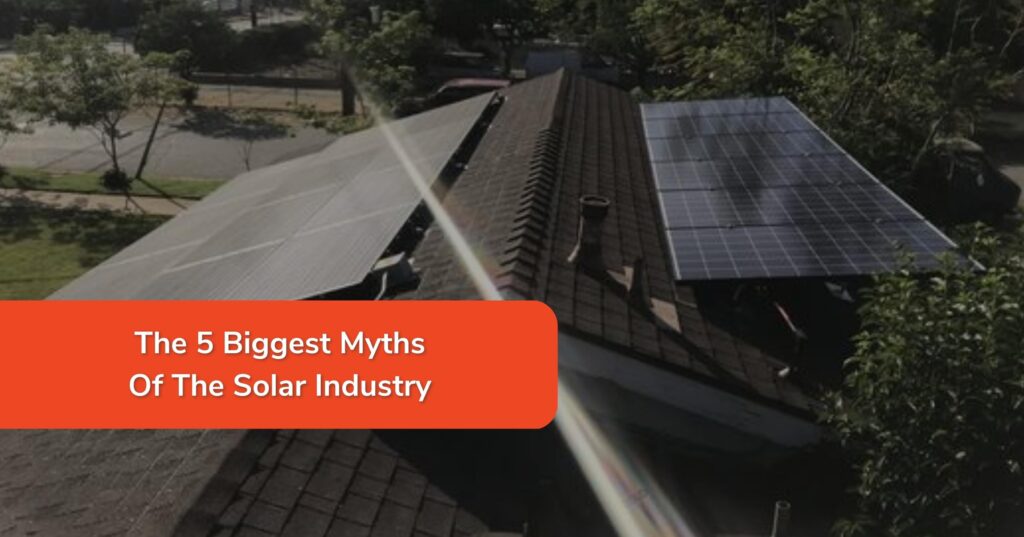
The 5 Biggest Myths of Solar Energy: Debunking Misconceptions Smart Energy Answers February 7, 2023 Debunking 5 Common Solar Energy Myths The solar industry has grown rapidly in recent years. With that growth has come a number of misconceptions and myths about how solar energy works and the benefits it can provide. Here are the five biggest myths in the solar industry, along with the facts that debunk them. Myth 1: Solar Panels Only Work in Sunny Locations Fact: Solar panels are actually quite efficient at converting sunlight into electricity, even on cloudy days. In fact, some studies have shown that solar panels can produce up to 25% of their rated capacity on a cloudy day. So, even if you live in a location with less-than-ideal weather, you can still benefit from solar energy. Myth 2: Solar Energy Is Too Expensive Fact: The cost of solar energy has dropped significantly in recent years, making it a more affordable option for homeowners and businesses. In addition, many government incentives and rebates are available for installing solar panels, which can help offset the initial cost. With the savings on monthly energy bills, a solar energy system can pay for itself over time. Myth 3: Solar Panels Will Ruin the Appearance of Your Home Fact: Solar panels are available in a variety of styles and sizes to suit the appearance of different homes. Many homeowners find that adding solar panels can increase the value of their property while also giving the home a more eco-friendly look, depending on the design. Solar panels can also be installed on the roof or on the ground, allowing you to choose the location that works best for your home. Myth 4: Solar Energy Is Unreliable During a Power Outage Fact: Solar energy systems are reliable and can provide a steady supply of electricity to your home during normal operation. For power outages, many solar systems can be paired with battery backup solutions to keep essential appliances and devices running. With the right solar and battery setup, you can have greater peace of mind knowing you may still have access to stored electricity during an emergency. Image: CHOICE Australia has chosen Smart Energy Answers as their preferred solar energy provider, helping customers achieve more than $1 million in lifetime savings. Myth 5: Solar Energy Is Only for Homeowners, Not Businesses Fact: Solar energy can be a great option for businesses as well as homeowners. Many businesses are turning to solar energy to reduce their energy costs and improve their sustainability. As of 2023, more than 7,000 businesses have switched to solar, with IBISWorld showing 8.1% annualised growth in businesses adopting solar energy. With various incentives and rebates available for commercial solar installations, solar can be a cost-effective choice for businesses of all sizes. Conclusion Overall, solar energy is a clean, renewable, and affordable option for powering your home or business. Do not be fooled by the myths. The facts about solar energy speak for themselves.
3 Key Considerations for Installing Solar Panels
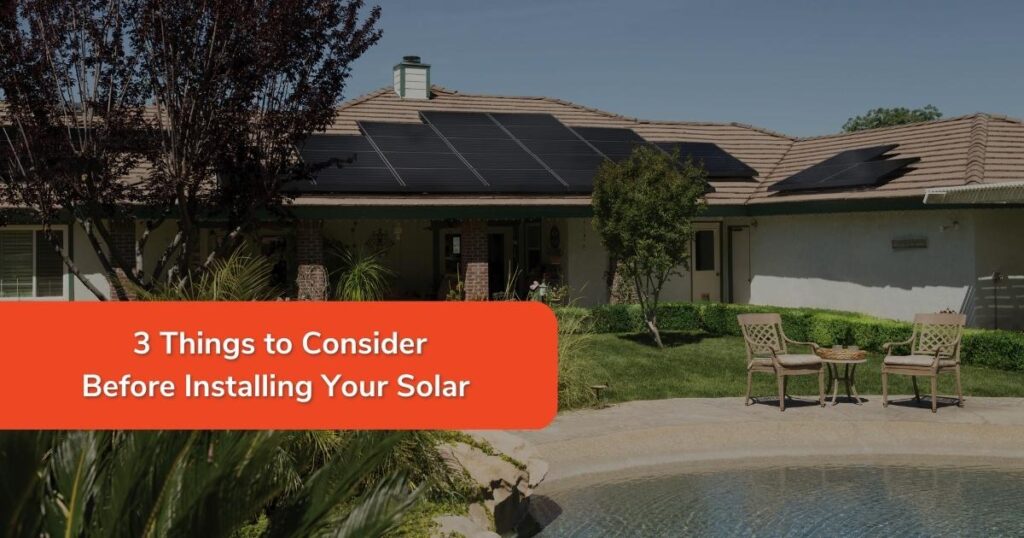
3 Key Considerations for Installing Solar Pane Smart Energy Answers January 19, 2023 3 Things to Keep in Mind When Installing Solar Installing solar panels on your property is a smart way to save on energy costs and reduce your carbon footprint. However, before making the investment, it is essential to consider a few key factors to ensure you are getting the most out of your solar panels. In this blog post, we will discuss three important things to keep in mind when installing solar: shading and performance, tilting and orientation, and the size of the system. Shading & Performance The electricity generated by your solar system is impacted by the amount of sunlight your panels receive. The more your panels are covered by shade, the less energy your system will generate. The effectiveness of your solar system also depends on where you live and how much sunlight your property receives throughout the year. If your property receives a decent amount of sun for most of the year, it is worth getting an assessment from a solar provider. A qualified solar provider should be able to estimate how much energy your system could produce and how much shading may affect its performance. Tip: Using microinverters or power optimisers on the panels, instead of relying on a single string inverter, can help reduce the impact of shading issues. Speak with your solar provider to see whether this could be a suitable solution for your solar system if you are concerned about shade. Tilting & Orientation For properties in the southern hemisphere, a north-facing roof is generally optimal for solar production. This orientation helps maximise the amount of usable sunlight your solar panels can receive throughout the day. Tilt frames may cost a little extra, depending on how many panels are included in the system and how the installer prices the labour and parts required. In most cases, panels are installed at the existing angle of the roof unless the roof is completely flat. For flat roofs, panels should usually be installed with a tilt to help improve performance and allow rain to wash away dust and debris more effectively. Flat installation is possible; however, dust and debris are less likely to be washed off when the panels are not tilted. Solar System Size Guide There are several factors to consider when deciding on the size of your solar system, including your budget, roof space, energy consumption patterns, and future plans. If you are looking to expand your system in the future, consider choosing a solar solution with expansion capability for batteries and electric vehicles. This can give you greater flexibility as your energy needs change over time. It is not always easy to calculate the exact capacity you will need for your solar panels. While the guide below can provide a rough starting point, it is still best to speak with a solar provider for a proper assessment tailored to your property and energy usage. Conclusion By considering these three factors, you can make an informed decision about whether to install solar and how to set up your system for the best possible performance. You can also reach out to our friendly energy experts to get customised solar solutions designed for your exact needs.
Solar Scams Exposed: Companies Promising 2-Week Installations

Solar Scams Exposed: Companies Promising 2-Week Installations Smart Energy Answers November 30, 2022 Beware of Solar Scams: Spotting Companies Promising Unrealistic 2-Week Installations It is that time of year again when some solar companies start promising quick and easy installations just in time for the end of the year. While going solar is a great way to save money on your power bill, it is important to be careful of scams and unrealistic promises. In this blog post, we will outline a common solar scam to look out for, so you can make an informed decision before going solar. What Has Been Happening with Solar Scams? Solar scams are unfortunately becoming more common as the industry continues to grow. Some solar companies take advantage of homeowners who are not familiar with the process or who are eager to save money on their energy bills. One of the most common warning signs is a company promising a 2-week installation time frame. In most cases, this is unrealistic for a quality solar installation. A reputable solar company will usually need around 4 to 6 weeks to properly design, approve, and install a solar system. Rushing the process can result in a poor-quality installation that may not function as intended and could even create safety risks. Watch Out for Unqualified Installers Another scam to watch out for is companies that use unqualified installers. These installers may not have the proper training, certification, or experience required to install a solar system safely and correctly. This can lead to property damage, poor system performance, and even voided warranties that you thought were included with your purchase. When this happens, homeowners can be left with expensive repair bills and a solar panel system that does not work as expected. How to Avoid Solar Scams The best way to avoid getting scammed is to do your research ahead of time. Make sure you understand the solar installation process and what a quality installation should involve. Get multiple quotes from different companies before making a decision, and always read the fine print carefully. If a solar company is pressuring you to sign a contract or make a deposit for an installation scheduled only a few weeks away, that is a warning sign. Do not risk your home or your investment for a few tempting promises. How Do I Know If I’m Speaking with a High-Quality Solar Installer? Solar panels are a great way to save money on your energy bill and do your part for the environment. However, not all solar companies are created equal. To make sure you are choosing a high-quality solar installer and panel system, there are a few key things you should look for. 1. Look for an Established Company with a Good Reputation Check how many reviews the company has on Google or ProductReview.com.au. Look at what customers are saying about their experience, installation quality, communication, and after-sales support. Do not rely on just one review. Read at least a dozen to get a clearer picture of the company’s reputation. 2. Make Sure the Company Uses High-Quality Products Solar technology has evolved significantly over the years, so it is important to understand what products and system design options are being recommended for your home. Some solar companies may offer basic string inverter systems because they can be cheaper upfront. However, the cheapest option is not always the best long-term solution, especially if your property has shading, complex roof layouts, or future energy needs to consider. If a company discusses technologies such as power optimisers or microinverters, this may be a sign that they are considering a more advanced and tailored solar solution for your home. These technologies can help improve system performance, monitoring, and long-term reliability, giving you greater peace of mind. Choosing up-to-date, high-quality solar technology can help your system stand the test of time while saving you money, time, and stress in the future. 3. Check That the Company Has a Solid Warranty Policy Most reputable solar companies will provide a 25-year performance warranty on solar panels. However, warranty length is not the only thing that matters. A solar company can close down, and when that happens, the support you expected from that warranty may become difficult to access. That is why it is important to choose a solar company with long-term interests and a proven track record. If an issue occurs 10 or 15 years down the road, you want to feel confident that the company is still operating and able to support you. 4. Ask for References from Past Clients Make sure to look through the company’s social media and customer reviews before making a decision. See if you can find examples of where they have installed solar systems and how many installations they have completed. This can give you a better understanding of their experience, workmanship, and consistency. At Smart Energy Answers, we have a dedicated page for completed installations, where we collect and display examples of our solar projects. Conclusion Solar scams are becoming more common as the industry grows. With so many options available, it is important to do your research before signing any contracts or making any payments. If something sounds too good to be true, it probably is. The best way to avoid solar scams is to get multiple quotes from different companies and compare more than just pricing. Make sure you also compare the terms, reputation, installation method, product quality, and level of technology before making a decision. Be aware of common scams, such as companies promising unrealistic installation timelines. You can protect yourself by doing your research ahead of time, reading trusted resources, and asking the right questions before committing. A little bit of knowledge can go a long way in helping you avoid solar scammers and choose a reputable installer.
5 Tips to Maximise Your Solar Energy and Save Money
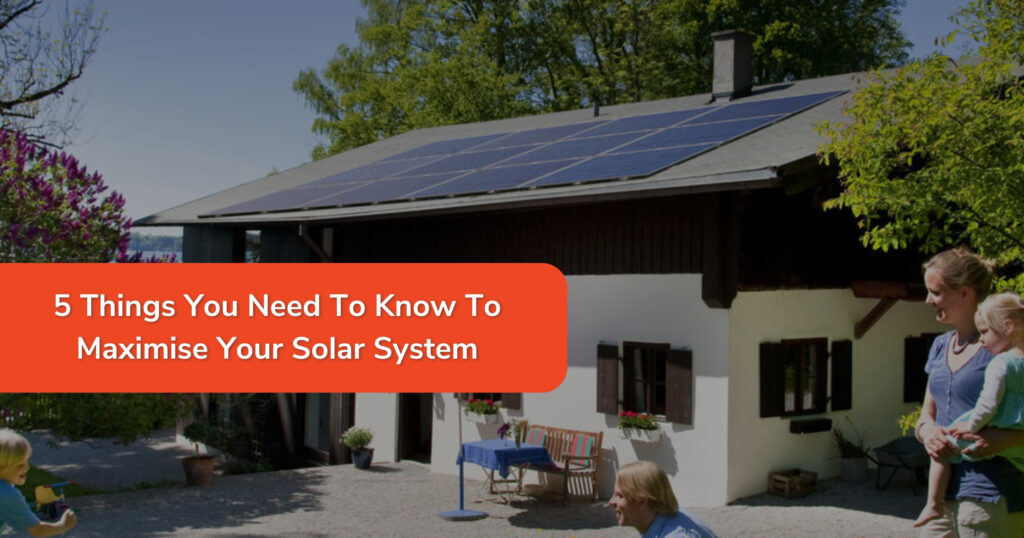
5 Tips to Maximise Your Solar Energy and Save Money Smart Energy Answers November 23, 2022 You’ve Got Solar, Now What? It is time to get the most out of it. Solar panels are a great way to reduce your carbon footprint, save money on your energy bills, and power your home in a more sustainable way. The amount of energy your solar panels produce can be maximised by using them alongside other energy-saving measures. With these tips, you can make the most of your solar energy and run your home more efficiently. It is important to have an idea of how much electricity each appliance and device in your home uses. This can help you plan your electricity usage more effectively and make better use of the solar energy your system produces. 1. Take Advantage of Daytime Get the most out of your solar system when the sun is out. Use appliances that require a lot of electricity during the daytime, when your solar panels are generating the most power. 2. Stagger Your Use of High-Energy Appliances Avoid using high-energy appliances and devices all at once, as this can increase your electricity demand and cause you to draw power from the grid. This includes appliances such as washing machines, dishwashers, and tumble dryers. By staggering their use throughout the day, you can make better use of the solar energy your system is generating. 3. Maintain and Monitor Your Solar System Regularly It is important to keep your solar panels clean and free of debris so they can operate at maximum efficiency. Regularly check your panels and arrange cleaning when needed to help ensure your system is working properly. You should also monitor your solar system’s performance so you can quickly identify any issues and keep your energy production on track. 4. Invest in a Solar Battery Another way to get the most out of your solar panels is to store unused energy in a solar battery. Solar batteries allow you to keep excess energy generated by your solar panels and use it when needed, such as at night or during periods with less sunlight. This can help reduce your dependence on the grid and may help you save more on your energy bills over time. 5. Get a Heat Pump One way to optimise your solar panels is to install a heat pump hot water system. Heat pump hot water systems use a heat exchange process that absorbs heat from the surrounding air and uses it to heat your water. These electric water heaters can provide hot water very efficiently in most climates. Compared with a standard resistive element heater, a heat pump hot water system can help reduce energy use and may save up to 78% on hot water running costs. Conclusion Solar panels are a great way to help power your home and save on energy costs. By following these tips, you can maximise the amount of energy your solar panels produce and make your investment in solar power work even harder for you. Best of all, using solar energy helps create a better and more sustainable world for everyone.