
Smart Energy Innovation Showcase Castle Hill | Solar, Batteries & EV Charging
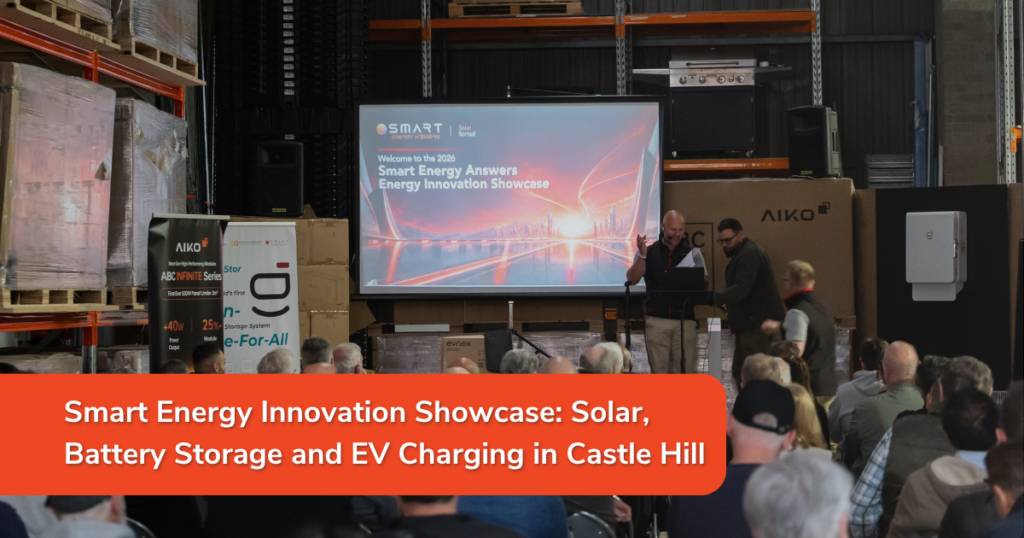
Smart Energy Innovation Showcase Castle Hill | Solar, Batteries & EV Charging Smart Energy Answers September 23, 2026 On 10 September 2026, Smart Energy Answers brought homeowners, business owners, technology partners and members of the local community together in Castle Hill for the Smart Energy Innovation Showcase. The event explored how the energy landscape is changing and what the next generation of solar, battery storage and EV charging technology could mean for Australian homes and businesses. From next-generation solar panels and intelligent battery systems to real customer experiences and a live battery demonstration, the showcase was designed to move the conversation beyond simply installing solar. It was about creating a more connected energy ecosystem. Attendees listening to a presentation at the Smart Energy Innovation Showcase in a warehouse setting. From Solar Installer to Integrated Energy Partner The event opened with Daniel Lanzetta, Chief Executive Officer of Smart Energy Answers, sharing the company’s journey from its beginnings in 2017 to supporting more than 8,000 customers. The keynote looked at the broader energy transition and how changing technology is reshaping the way Australians generate, store, use and manage electricity. For homeowners, this means solar and battery storage can play a much bigger role in creating energy independence, reducing electricity costs and improving energy resilience. For businesses, the opportunity can be even greater. Commercial solar and battery storage can help businesses take greater control of their energy consumption while potentially reducing exposure to rising electricity costs. The key message was clear: the future isn’t just about generating more solar energy. It’s about how the entire energy system works together. Smart Energy Answers CEO, Daniel, speaking alongside Vahan Verisan, owner of Highland Security Services, and a member of his team at the Smart Energy Innovation Showcase. Electric Future: Incentives and Commercial Economics Following Daniel’s keynote, Caetano from Electric Future presented on the incentives shaping Australia’s energy transition and the commercial economics behind energy investments. The session gave attendees a practical look at how available incentives and changing energy costs can influence the business case for solar, batteries and other energy solutions. For business owners in the room, the discussion provided useful context around evaluating energy investments not just from a technology perspective, but also through the lens of long-term commercial value. Next-Generation Battery Technology with Sigenergy Albert from Sigenergy then took the stage to discuss the next generation of battery technology. For homeowners considering a home battery in Sydney, the conversation around battery storage is increasingly moving beyond capacity alone. Modern energy systems can integrate solar generation, battery storage, EV charging and intelligent energy management into a connected ecosystem. The showcase gave attendees an opportunity to learn more about how these technologies can work together and how systems such as SigenStor are helping shape that future. The event also included a live SigenStor demonstration with the Sigenergy Truck, presented by Smart Energy Answers and Energy Spurt, our valued distribution partner, giving attendees a closer look at the technology in action. Live SigenStor demonstration showcasing an integrated home energy storage system, solar inverter, EV charger and energy management technology. Smart Energy Answers CEO Daniel with customers and technology partners from AIKO and Energy Spurt at the Smart Energy Innovation Showcase. Smarter Solar with AIKO Next was Ramsay from AIKO, who explored the development of next-generation solar technology. As homeowners and businesses look to make the most of available roof space, solar panel efficiency and long-term performance become increasingly important considerations. AIKO’s technology is designed to maximise energy generation while supporting the changing needs of modern solar and battery systems. For customers considering solar and battery storage in Sydney, choosing the right solar technology is about more than the number of panels on the roof. Panel efficiency, system design, available space and how the solar system integrates with battery storage all contribute to the overall outcome. Real Stories from a Local Business and Homeowner One of the most valuable parts of the showcase was hearing directly from customers. A valued local customer, Professor Francesco Chirico, and Vahan Verisan, owner of Highland Security Services, joined the stage together to discuss their experiences with their respective energy systems. Rather than focusing purely on specifications, the conversation explored what these systems actually mean in everyday life. For the business owner, energy is an important operational consideration. Commercial solar and battery storage can provide businesses with greater control over when and how they use electricity. For the homeowner, solar and battery storage can provide a different set of benefits, including greater energy independence, reduced reliance on grid electricity and greater control over household energy use. Hearing both perspectives highlighted an important point: there is no one-size-fits-all energy system. The right solution depends on how a home or business actually generates and consumes energy. EV Charging Joins the Energy Conversation EV charging was another important part of the showcase, with Evnex featured as a technology partner. As electric vehicle ownership grows, EV charging is becoming another important part of the home and business energy ecosystem. When combined with solar and battery storage, an EV charger can become more than simply a way to charge a vehicle. It can form part of a broader intelligent energy management strategy, helping customers make better use of the energy their solar system generates. The event concluded with an Evnex EV charger prize draw, giving one very happy attendee an exciting addition to their home energy setup. Evnex EV charger prize draw winner pictured with the Smart Energy Answers team at the Smart Energy Innovation Showcase. Bringing the Sydney Hills Energy Community Together The showcase wasn’t just about technology. It was also an opportunity to bring together the local energy, property and business community in the Sydney Hills. Smart Energy Answers was pleased to welcome Mark Hodges MP, Member for Castle Hill, along with Farid Zaki from the Sydney Hills Business Chamber. Their participation reflected the growing importance of energy technology to the local
Amber vs GloBird ZEROHERO: Battery & EV Plan Comparison
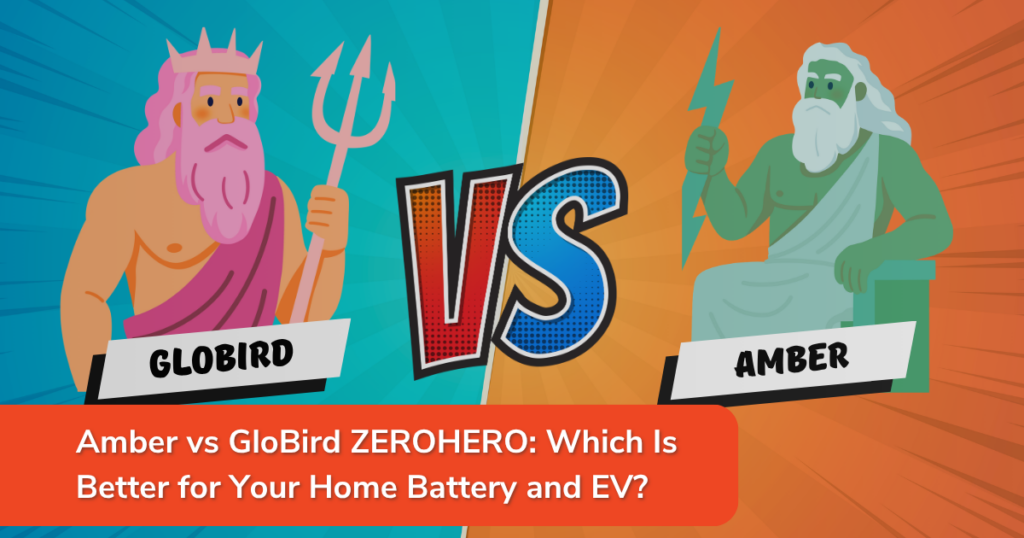
Amber vs GloBird ZEROHERO: Battery & EV Plan Comparison Smart Energy Answers September 23, 2026 SHORT ANSWER Amber is likely to suit households seeking dynamic wholesale-market optimisation, while GloBird ZEROHERO can be particularly attractive for homes with large batteries and EVs that can use its 12pm to 3pm $0/kWh window. GloBird publishes a 50kWh/day ZEROCHARGE fair-use provision based on a standard 28-day billing cycle, equivalent to approximately 1,400kWh across that reference cycle. By comparison, the regulated Solar Sharer Offer provides up to 24kWh/day, equivalent to 672kWh over 28 days. On that basis, GloBird’s published free-power allowance is a little over twice as large. Installing a home battery is only part of the energy-saving equation. Once your battery is installed, how you charge it, when you discharge it, how you use your solar, and which electricity plan or Virtual Power Plant you connect it to can significantly affect the financial return from your system. Two options attracting increasing attention from Australian battery owners are Amber Electric and GloBird ZEROHERO. Both can help battery owners shift electricity consumption away from expensive periods, but they use very different strategies. Amber provides access to wholesale electricity pricing and uses SmartShift automation to respond dynamically to changing market conditions. Amber currently charges a $25 monthly subscription and passes through wholesale electricity pricing rather than offering fixed retail usage rates. Amber subscription information. GloBird ZEROHERO takes a more structured approach, providing three hours of $0/kWh electricity each day, a potential $1 daily evening credit, a higher evening feed-in tariff, and optional additional VPP functionality for compatible batteries. GloBird ZEROHERO. There is also another major difference. GloBird’s free-power allowance is substantially larger than the allowance under the Australian Government’s standard Solar Sharer Offer. For households with large batteries, EVs and other flexible electrical loads, that can materially change the economics. So which option is better? GloBird’s published 50kWh/day fair-use provision is a little over twice the 24kWh/day allowance under the regulated Solar Sharer Offer, which is available in NSW, SA and SE QLD only. Key takeaways Amber provides direct exposure to variable wholesale electricity prices and battery optimisation through SmartShift. Amber currently charges a $25 monthly subscription. Source GloBird ZEROHERO currently provides three hours of $0/kWh electricity from 12pm to 3pm for customers joining from 1 July 2026. Source The standard Solar Sharer Offer provides up to 24kWh of free electricity per day, equivalent to 672kWh over 28 days. Source GloBird publishes a ZEROCHARGE fair-use provision of 50kWh per day averaged on a standard 28-day billing cycle, equivalent to approximately 1,400kWh across that reference cycle. This is very important as the user can go over the 50kWh limit use during certain days, as long as the total 1,400kWh threshold in the cycle is not passed. (i.e. using 90kWh one day and 10kWh the following day). On an equivalent 28-day comparison, GloBird’s published ZEROCHARGE allowance is a little over twice the standard Solar Sharer allowance. The Solar Sharer Offer is available in NSW, SA and SE QLD only. It does not apply in Victoria or the ACT. ZEROHERO customers can currently earn $1 per eligible day by effectively avoiding grid imports between 6pm and 9pm, subject to the plan’s conditions. Source GloBird also currently offers up to 10c/kWh in total for the first 15kWh exported between 6pm and 9pm each day under the applicable ZEROHERO feature. Source The core ZEROHERO features work with qualifying battery systems, while GloBird’s optional managed VPP functionality is limited to compatible battery brands. Source EV owners who have their vehicle at home between 12pm and 3pm should pay particular attention to GloBird ZEROHERO. Amber may be more attractive to customers seeking sophisticated market optimisation and the potential upside from very low, negative or high wholesale prices. There is no universal winner. Your solar production, battery capacity, EV charging habits and household load profile should determine the strategy. This difference is particularly relevant to highly electrified homes with a large battery, EV charging, electric heating and cooling, heat-pump hot water or other flexible daytime loads. Amber vs GloBird ZEROHERO: At a Glance Feature Amber GloBird ZEROHERO Core strategy Dynamic wholesale electricity optimisation Structured battery-focused energy plan Electricity pricing Variable wholesale pricing Retail tariff with defined battery incentives Subscription $25/month None Guaranteed free-power window No Yes, 12pm to 3pm Published free-power allowance No fixed allowance Up to 50kWh/day, averaged across a 28 day cycle. Equivalent 28-day free-power reference N/A Approx. 1,400kWh, based on GloBird’s published 50kWh/day provision EV charging Automated charging around favourable wholesale prices Potential $0/kWh charging from 12pm to 3pm Evening reward Market dependent Up to $1/day subject to conditions Evening export Variable wholesale export price up to 10c/kWh in total for first 15kWh from 6pm to 9pm Potential upside Can benefit strongly from wholesale price volatility More predictable recurring benefits Price certainty Lower Higher Potentially best suited to Customers comfortable with marketvariability and automation Battery and EV owners able to shiftsignificant consumption into the freeperiod Available in ACT, NSW, QLD, SA, VIC NSW, SA, QLD (Energex), VIC Plan terms, tariffs, eligibility and fair-use provisions can change. Customers should confirm the current retailer offer before switching. How Does Amber Work? Amber takes a fundamentally different approach from most traditional electricity retailers. Rather than offering conventional fixed or time-of-use retail electricity pricing, Amber provides customers with access to wholesale electricity prices. Wholesale prices change according to electricity supply and demand. Amber currently charges customers a $25 monthly subscription and passes through wholesale electricity costs rather than making its margin on electricity usage. Amber subscription information For customers with compatible batteries, Amber’s SmartShift technology can optimise when the battery charges and discharges. The objective is straightforward: buy or store energy when it is inexpensive, then use or export stored energy when electricity becomes more valuable. For customers willing to accept electricity-market variability, this can create attractive opportunities. The trade-off is that the result is less predictable. Amber does not guarantee that electricity will cost 5c, 10c or any other specific amount during a particular window.
Smart Energy Answers invests $7.1 million and expands commercial division as new battery incentives begin
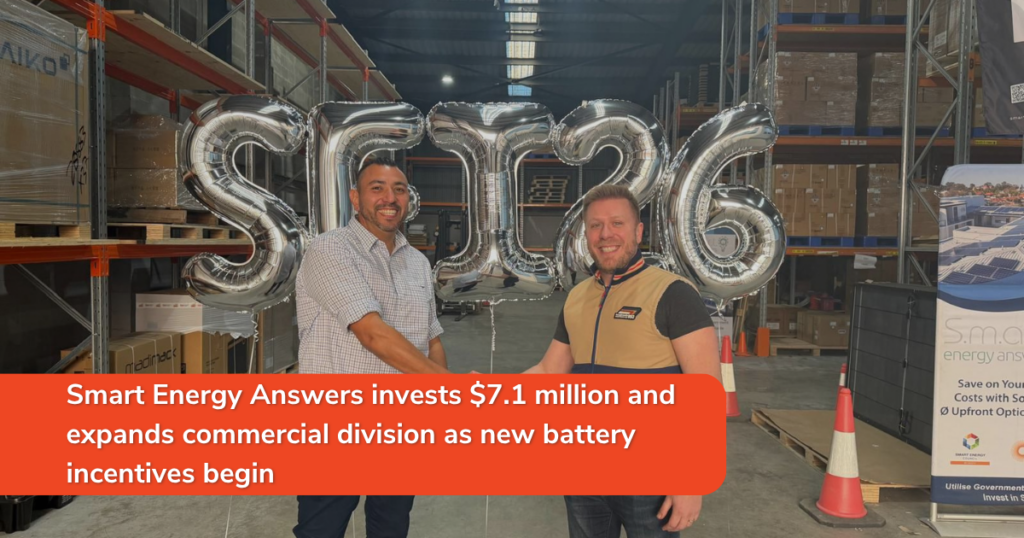
Smart Energy Answers invests $7.1 million and expands commercial division as new battery incentives begin smartenergyadmin September 14, 2026 Australian clean-energy company secures Castle Hill industrial property, integrates Bay Solar installation capability, expands SEA Commercial, strengthens quality systems and prepares to launch a new digital platform as the commercial energy market accelerates SYDNEY, AUSTRALIA — Australian renewable-energy company Smart Energy Answers (SEA) has announced a new phase of investment, combining a $7.1 million Castle Hill property acquisition, the integration of installation capability from Bay Solar & Electrical, and a significant expansion of its SEA Commercial division. The investment is designed to give SEA greater control over project delivery while positioning the company for anticipated growth in commercial solar, battery storage and intelligent energy management. It comes as three new NSW Peak Demand Reduction Scheme battery activities commence on 1 September: BESS3 for apartment buildings with usable battery capacity from 20 kWh to 200 kWh, BESS4 for small and medium businesses across the same capacity range, and BESS5 for commercial and industrial installations above 200 kWh and up to 30 MWh, with incentives calculated on the first 10,000 kWh of qualifying capacity. Notably, BESS4 and BESS5 both require new solar PV to be installed alongside the battery, with a higher incentive available where the battery is installed within 90 days of the new solar. Separately, the Australian Government has announced its intention to expand Small-scale Renewable Energy Scheme eligibility from the existing 100 kW solar threshold to systems of up to 1 MW, intended to apply to eligible installations from 1 October 2026, subject to regulations being implemented. The change is expected to reduce the upfront cost of mid-scale commercial solar by around 20 per cent. Smart Energy Answers CEO Daniel Lanzetta said the combination could represent one of the most significant changes to the commercial distributed-energy market in years. “Commercial solar has been around for a long time, but combining larger systems with sophisticated battery storage, energy management and demand-response capability completely changes the proposition,” Lanzetta said. “Businesses are no longer simply asking whether solar can reduce their electricity bill. They are looking at how they can generate, store and intelligently manage their own energy. We want Smart Energy Answers to be one of the businesses leading that transition, and that requires us to invest before the market reaches full momentum.” SEA Commercial enters major recruitment and expansion phase The central component of the expansion is SEA Commercial, a dedicated division serving commercial and industrial energy users. SEA is expanding the division’s workforce and is actively recruiting across engineering, project management and business development, alongside broader commercial project-delivery functions. The division will focus on larger solar photovoltaic systems, commercial battery energy storage, intelligent energy management and integrated energy solutions for businesses. Lanzetta said SEA did not intend simply to transfer its residential model into the commercial market. “Commercial energy is a fundamentally different discipline,” he said. “Once you move into hundreds of kilowatt-hours or megawatt-hours of storage, you need proper engineering, project management, network coordination, commercial analysis and sophisticated installation capability. That’s why we are recruiting engineers, project managers and business development professionals specifically for SEA Commercial. We aren’t adding another sales channel, we are building the capability required to design and deliver substantially larger energy projects.” Bay Solar capability integrated into dedicated installation operation SEA is also strengthening control over the installation component of its customer journey through the integration of installation capability from Bay Solar & Electrical and an additional 4 electrical crews into Smart Energy Installations, SEA’s dedicated installation operation. Bay Solar founder René Hernandez takes a leadership role as Installation Director of Smart Energy Installations. The arrangement is intended to provide greater synergy between system design, project preparation, installation, commissioning and completion, as well as elevated quality control. Hernandez said the combination was particularly relevant as projects become larger and more technically demanding. “Quality installation comes down to accountability, planning, training and having the right people in the field,” Hernandez said. “Bay Solar has built its reputation around delivery and workmanship. Combining that field experience with Smart Energy Answers’ engineering, technology and systems lets us build something at much greater scale. That matters more as we move into larger commercial projects, where installation management, engineering coordination, safety and commissioning requirements are considerably more complex.” Lanzetta said increasing control over installation delivery was a deliberate strategic decision. “Our industry has historically been fragmented. The company selling a system, the company designing it and the people installing it can sometimes all be different organisations,” he said. “The more responsibility we take for engineering, logistics, installation and commissioning, the more accountability we can take for the customer’s final outcome.” Smart Energy Answers CEO Daniel Lanzetta with René Hernandez following the integration of Bay Solar’s installation capability into Smart Energy Installations. Strengthening quality systems and customer experience As part of the broader investment in operational quality, governance and scalability, SEA has also commenced a formal ISO certification program and is working through the process of achieving relevant ISO management system certifications. The program is intended to further standardise the company’s management systems, quality controls and operating procedures as SEA expands into larger and more technically complex residential and commercial energy projects. “As we grow, quality has to become more structured, not less,” Lanzetta said. “Bringing greater installation capability under our control, strengthening our engineering and project-management teams and formalising our management systems through the ISO certification process are all part of building an organisation that can scale without compromising the standard of what we deliver.” SEA is also preparing to launch a new website in the coming week as part of a broader investment in its digital customer experience, commercial capability and technology infrastructure. The new platform is intended to better support customers researching increasingly complex solar, battery, EV charging and commercial energy solutions. $7.1 million investment secures future Castle Hill capacity To support that growth, the Smart Energy Answers group has secured Unit F, 2 Hudson Avenue, Castle
What Safety Features Are Built Into Sigenergy Batteries?
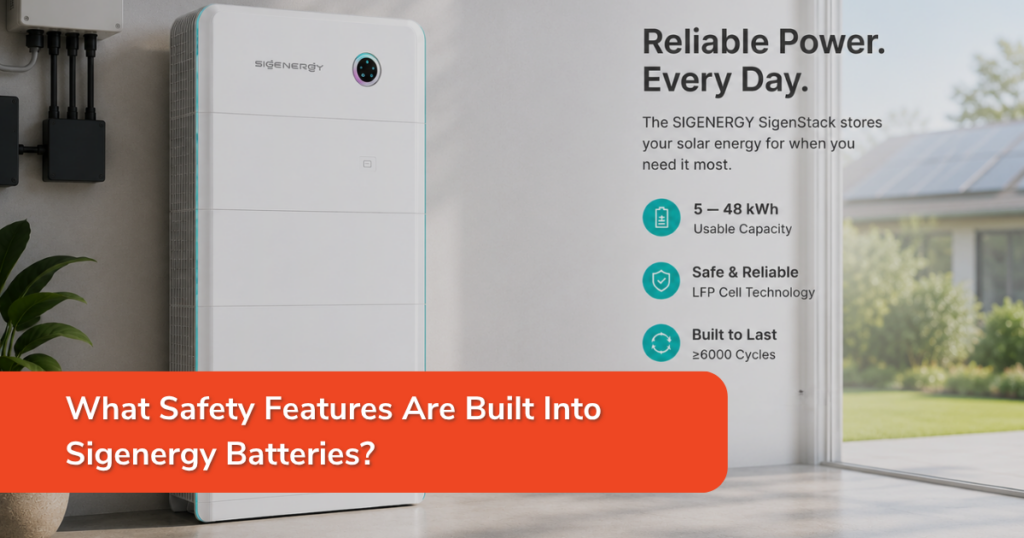
What Safety Features Are Built Into Sigenergy Batteries? smartenergyadmin September 14, 2026 When investing in a home battery system, safety is a primary consideration for most homeowners. A battery sits inside or outside your home, stores a significant amount of energy, and runs around the clock. At Smart Energy Answers, one of the reasons we are proud to offer Sigenergy batteries as part of our Smart Battery range is because of the rigorous engineering that has gone into protecting your home and your family. The key safety features are outlined below. The Foundation: A Low-Voltage Design One of the standout design decisions Sigenergy made with their SigenStor system is keeping the operating voltage below the threshold that poses a direct risk to people. The SigenStor runs on a low-voltage design of under 36 volts at the battery module level. This is a deliberate engineering choice that reduces the risk of serious electrical injury in the unlikely event of contact during installation or maintenance. This specific architectural approach is one that we value when recommending Sigenergy batteries to our customers across the Greater Sydney region and the Central Coast. Five Layers of Battery and System Protection The SigenStor is built around a comprehensive five-layer safety protection system. This is not a single failsafe but a stacked approach where each layer adds another line of defence. These layers work together to protect the system at the: Cell level Module level Battery pack level System level Cloud monitoring level This kind of layered architecture means that if something unusual happens at one level, the system does not have to rely solely on that one layer to stop a problem escalating. It is an approach that reflects the engineering standards you would expect from a company with a production record of over two gigawatt hours in battery storage across more than 34 global markets. IP66-Rated Enclosure for Real Australian Conditions Australia is not known for gentle weather. Whether you are in Brisbane dealing with summer storms, in Melbourne with its wild temperature swings, or on the coast where salt air and humidity are a fact of life, your battery needs to be able to handle it. The SigenStor carries an IP66 rating, which means it is fully protected against dust ingress and against powerful jets of water. This is a practical, real-world protection standard that matters when a battery is mounted outdoors or in a garage environment where conditions are less controlled. We install Sigenergy batteries in homes across all these environments, and the IP66 enclosure gives us and our customers genuine confidence in long-term durability. Robust 280Ah Battery Cells for Long Cycle Life Safety and longevity are closely connected. A battery that degrades quickly or develops inconsistencies in its cells over time can become unpredictable. The SigenStor uses robust 280 amp-hour battery cells, which are designed for an extended cycle life. Longer cycle life means the cells hold their performance characteristics for longer, which keeps the battery behaving as expected across years of daily use. For homeowners who are running their system hard every day to offset grid usage, this cell quality is a significant technical advantage. Zero Millisecond Switchover During a Blackout One of the safety scenarios that matters significantly in practice is what happens when the grid goes down. If a battery takes even a few seconds to switch your home over to stored power, sensitive electronics can restart and refrigerators lose their cycle. With the right SigenStor backup configuration, including the Sigen Energy Gateway, the system is designed to provide 0 ms load-side disruption to supported backup loads during a blackout. This seamless switchover is not only a comfort feature but a safety one, particularly for households that rely on continuous power for home automation or security systems.This capability offers an advantage over some older backup systems that may experience a brief delay during switchover. AI-Powered Real-Time Safety Monitoring The SigenStor features AI-powered monitoring through the mySigen app, with GPT-4o-integrated smart assistance and intelligent system diagnostics to monitor the system continuously. This real-time monitoring means the system is not just reacting to problems after they occur. It proactively analyses system data to identify potential anomalies before they develop. From the Sigenergy app, homeowners can see their system status at any time. The AI-powered service support function also delivers instant diagnostics when something needs attention, so issues get identified and addressed quickly rather than sitting unnoticed. This ongoing visibility is part of what makes owning Sigenergy batteries a reassuring experience. Ready to Install a Battery You Can Actually Trust? We are proud to be recognised as a Sigenergy Gold Installer and one of the top three Sigenergy partners in Australia. That means priority access to supply and support, and a track record of installations that speaks for itself. When you choose Sigenergy batteries through Smart Energy Answers, you get a team that knows this product inside out, backed by our industry-leading workmanship warranty and our dedicated Care and Repair service.Because real safety does not stop at the product. It carries through every stage of installation and every year of support that follows.Get in touch with our team today and take the first step towards smarter, safer energy storage for your home. Frequently Asked Questions Q: What is the five-layer safety system in Sigenergy batteries? A: It is a stacked protection approach covering cell, module, pack, system, and cloud monitoring levels. Q: Is the SigenStor safe to install indoors or in a garage? A: Installation suitability depends on manufacturer requirements, ventilation, local regulations, and installer assessment. However, its IP66 rating and low-voltage design make it suitable for a wide range of compliant indoor and outdoor environments. Q: What does zero millisecond switchover mean for my home? A: With the correct backup configuration, it means your supported home circuits transition instantly to battery power during a blackout with no interruption. Q: How does AI monitoring improve safety in Sigenergy batteries? A: It watches the system in real time and flags potential anomalies
NSW Government Solar Rebate Website: Official Links, Eligibility and Where to Apply

NSW Government Solar Rebate Website: Official Links, Eligibility and Where to Apply smartenergyadmin September 14, 2026 Key takeaways There is no single NSW Government solar rebate website. Eligible rooftop solar systems are supported through the Australian Government’s Small-scale Renewable Energy Scheme (STCs). Eligible batteries may qualify for the Cheaper Home Batteries Program. NSW homeowners may also be eligible for the Home Energy Saver Program and Virtual Power Plant (VPP) incentives. Always check eligibility using official government websites before making any purchasing decisions. If you’re searching for the NSW Government solar rebate website, it’s important to know there isn’t a single government webpage covering every solar incentive in New South Wales. Instead, solar panels, batteries and energy-efficiency programs are managed across several Australian Government and NSW Government websites. Depending on what you’re installing, different eligibility rules and application processes apply. This guide explains which official website you should use, what each incentive supports and how to determine which programs may apply to your home. NSW Solar Incentives at a Glance Support Government What It Supports Current Status* Who Handles theApplication Solar Panel STC Discount Australian Government Eligible rooftop solar Available Your accredited installer, applied in your quote Cheaper Home Batteries Program Australian Government Eligible batteries Available Your accredited installer, applied in your quote NSW Home Energy Saver Loan NSW Government Solar, batteries and other upgrades Applications Open Homeowner applies; SEA supplies the required quote and documentation NSW Virtual Power Plant (VPP) Incentive NSW Government Eligible battery connection to a VPP Available Arranged through your installer and approved VPP provider Is There an Official NSW Government Solar Rebate Website? Short answer: No. Many people search for “NSW Government solar rebate website” expecting to find one official page explaining every available incentive. In reality, different programs are administered by different government departments. For example: Solar panel incentives are administered through the Australian Government. Battery incentives are managed under separate federal programs. NSW Government programs include Home Energy Saver loans and Virtual Power Plant incentives. Because these programs operate independently, there isn’t one website that covers everything. Which Official Website Should You Use? The right website depends on what you’re looking for. If you’re looking for… Official Government Website Solar panel discount Clean Energy Regulator Battery incentive energy.gov.au (Cheaper Home Batteries Program) Home Energy Saver Program NSW Government VPP Incentive NSW Government General NSW rebates NSW Government Cost of Living Hub Always ensure you’re using official .gov.au websites when researching rebates and eligibility requirements. Or skip the tab juggling entirely. You don’t actually lodge any of these incentives yourself. As an accredited installer, Smart Energy Answers identifies every incentive your home qualifies for, including federal STCs, the battery discount and the NSW VPP incentive, and applies them directly in your itemised quote. One conversation, every rebate accounted for. Check my eligibility Is the NSW Solar Rebate State or Federal? This is one of the biggest points of confusion for homeowners. The rebate commonly referred to as the “NSW solar rebate” is generally the Australian Government’s Small-scale Renewable Energy Scheme (STCs). Eligible rooftop solar systems can generate Small-scale Technology Certificates (STCs), which are typically assigned to an installer in exchange for an upfront discount on the installation cost. Alongside this federal support, NSW homeowners may also have access to state-based initiatives such as the Home Energy Saver Program and incentives for connecting an eligible battery to a Virtual Power Plant (VPP). Although these programs can work together in some situations, they are separate schemes with different eligibility requirements. What Solar and Battery Incentives Are Available in NSW? Several programs may help reduce the upfront cost of installing or upgrading your energy system. Australian Government Solar Discount (STCs) Eligible rooftop solar systems may receive an upfront discount through the Small-scale Renewable Energy Scheme. The value varies depending on system size, location and the number of certificates available at the time of installation. Cheaper Home Batteries Program Eligible battery systems may qualify for federal support, helping reduce the upfront cost of installing battery storage. Eligibility depends on the battery, installer and installation meeting program requirements. NSW Home Energy Saver Program The NSW Home Energy Saver Program offers eligible households access to zero-interest loans for approved energy upgrades, including rooftop solar, batteries and other energy-efficient technologies. Discounts for eligible households are also being introduced separately under the program. NSW Virtual Power Plant (VPP) Incentive Eligible households may receive an incentive for connecting a compatible battery to an approved Virtual Power Plant (VPP), allowing stored energy to help support the grid during periods of high demand. From 1 July 2026, the eligibility rules were widened: batteries up to 50 kWh in capacity now qualify (the incentive is calculated on usable capacity up to 28 kWh), and rooftop solar is no longer a requirement. A battery installed without solar can now access this incentive. It can also be combined with the Australian Government’s Cheaper Home Batteries Program discount on new installations. Coming 1 September 2026: Apartments and Small Business From 1 September 2026, NSW battery incentives extend further. Apartment buildings with four or more units will be able to share a single larger battery system, and small to medium businesses will become eligible for battery incentives at commercial sites. If you’re a strata committee member or business owner, it’s worth planning ahead now, as eligibility and product requirements still apply. Can You Combine Solar and Battery Incentives? Potentially, yes. Whether incentives can be combined depends on the products you install, your eligibility and the requirements of each individual program. The table below shows some common scenarios. Your Situation Potential Support* Installing new solar Federal solar STC discount Existing solar adding a battery Federal battery incentive and potentially NSW VPP support Installing solar and battery together Separate solar and battery incentive calculations (subject to eligibility) Eligible lower-income household Home Energy Saver support (subject to eligibility and program availability) Existing battery joining a VPP NSW VPP incentive Installing a battery without solar Federal battery discount and NSW VPP incentive (solar no
Can Renters Benefit From the Solar Battery Rebate in NSW?
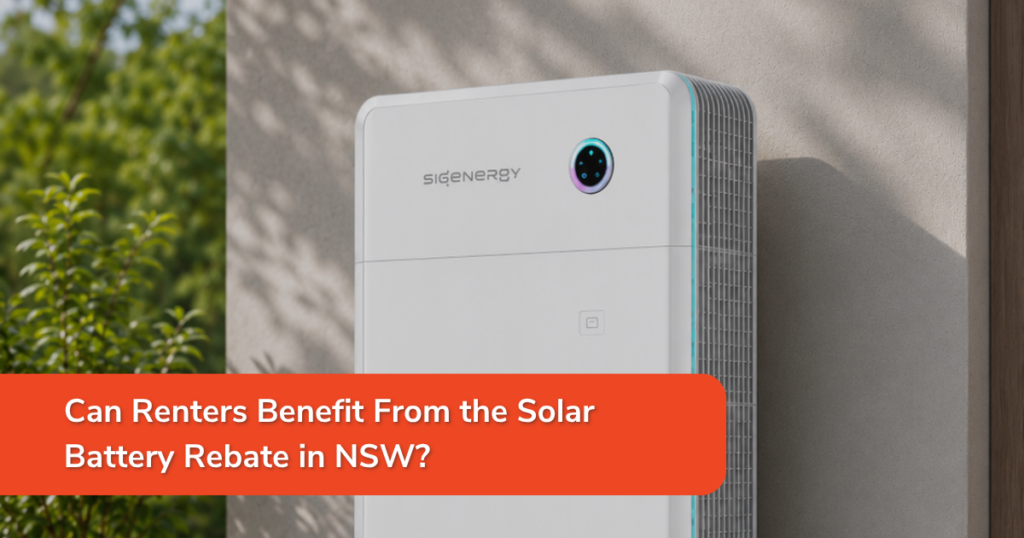
Can Renters Benefit From the Solar Battery Rebate in NSW? smartenergyadmin September 14, 2026 Electricity bills keep climbing, and renters across New South Wales are feeling the impact just as much as homeowners. The difference is that renters often feel stuck. They do not own the property, so decisions about solar panels and battery storage are usually out of their hands. However, the landscape is evolving, and understanding how renters might access the benefits of the solar battery rebate in NSW (which now operates under the federal scheme) is becoming increasingly relevant. At Smart Energy Answers, we get this question a lot, so let us break it all down clearly. What Is the Solar Battery Rebate in NSW? While often referred to locally as the solar battery rebate in NSW, the primary support now available is the Cheaper Home Batteries Program. This program provides financial incentives for eligible installations to help residents reduce the upfront cost of battery storage. Under this scheme, the installation discount is not a flat amount; rather, the figure changes based on the battery size. Additionally, there are incentives for connecting that battery to a Virtual Power Plant (VPP). It is important to note that the current NSW VPP incentive depends on the usable capacity of the battery, with larger batteries up to 28 kWh receiving a larger incentive. The actual amount can also vary depending on the VPP provider and contract. Furthermore, the VPP incentive can be claimed once per National Metering Identifier (NMI), rather than being a recurring claim every three years. These incentives are designed to make battery storage more accessible and to support broader clean energy goals. The program provides financial incentives for eligible installations, and understanding who can access it matters a lot. Can Renters Apply for This Rebate Directly? As it stands, the rebate is tied to the installation of a battery at a property. Since renters do not own the property, they generally cannot apply for the rebate themselves without landlord approval. The rebate is accessible to property owners, including landlords, subject to program eligibility criteria. So if a renter wants to benefit, the conversation really needs to start with the landlord. However, renters may still benefit indirectly. There are a few real pathways worth knowing about. How Renters Can Still Benefit Renters are not without options. Here are some practical ways the current battery rebate landscape can still work in their favour: Talk to your landlord: If a landlord installs a battery using the available federal rebate, the property becomes more energy efficient. Renters in that home can benefit from lower electricity costs as a direct result. Negotiate as part of your lease: In places like Sydney, Wollongong, and Newcastle, where rental competition is high, landlords are starting to see solar and battery systems as a selling point. It is worth having the conversation. Strata and apartment schemes: The NSW Government has also launched the Solar for Apartments Scheme. This is opening doors for renters in strata buildings who have historically had no access to rooftop solar at all. Community energy programs: Some VPP arrangements and community battery trials are exploring models that include renters directly. The Role of Aiko Solar Panels in a Complete System If a landlord does decide to invest in solar and battery storage, the quality of the solar panels matters just as much as the battery itself. At Smart Energy Answers, we install Aiko solar panels as part of our Smart Solar service. Aiko solar panels use advanced Smart ABC technology, which means they continue generating power even in partial shade or during high temperatures. For homes in Sydney’s western suburbs or coastal areas where weather varies, this kind of reliability is a real practical advantage. When Aiko solar panels are paired with a quality battery like the Tesla Powerwall 3 or a Sigenergy battery, the whole system works together to maximise energy capture and storage. This means more of the sun’s energy gets used within the home rather than going back to the grid, which translates directly to lower electricity bills for whoever is living in that property, including renters. What the Federal Battery Rebate Could Mean for Renters The primary support mechanism is the federal scheme. The Australian Labor Government has announced the Cheaper Home Batteries Program, which offers a rebate based on battery capacity for eligible installations. If landlords can access this federal incentive, the case for installing solar and battery storage becomes much stronger financially. That is good news for renters, because the lower the landlord’s upfront cost, the more likely they are to make the upgrade. Why Getting the Right Advice Matters Navigating battery rebates is not always straightforward, especially for renters trying to make a case to their landlord. At Smart Energy Answers, we have completed over seven thousand solar installations across Australia and hold multiple national retailer awards. We work with clients in Sydney, Central Coast, Newcastle, Wollongong, and across NSW to find practical solutions that suit each property. Whether you are a renter wanting to have an informed chat with your landlord, or a property owner considering the upgrade, we are here to help. The right system with quality products and a trusted battery brand can provide long-term energy cost savings, and we can walk you through every step of the process. Frequently Asked Questions Q: Can a renter apply for the solar battery rebate in NSW on their own? A: Generally, no. The rebate is for property owners, but renters can benefit through their landlord. Renters can initiate the process but require landlord approval to proceed. Q: Does adding a battery increase the rental value of a property? A: Yes. Properties with solar and battery storage are increasingly attractive to tenants because they offer significantly lower ongoing electricity costs, making them a strong selling point in competitive rental markets. Q: What is a Virtual Power Plant (VPP) and why does it matter? A: A Virtual Power Plant (VPP) is a network of
Tesla Powerwall 3 Australia: Existing Powerwall 2 Owners Can Now Expand Their Battery System
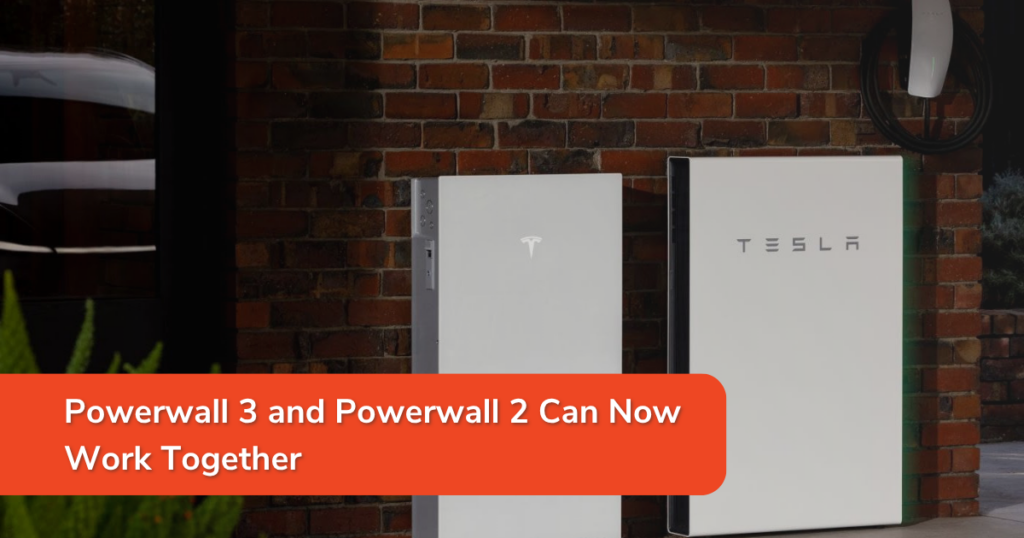
Tesla Powerwall 3 Australia: Existing Powerwall 2 Owners Can Now Expand Their Battery System Smart Energy Answers September 3, 2026 Key takeaways Tesla Powerwall 3 can now operate alongside eligible Powerwall 2 systems through Tesla’s latest firmware. Existing Powerwall 2 owners may be able to expand battery capacity without replacing their current battery. Compatibility is delivered through firmware rather than a hardware retrofit. If you’re researching Tesla Powerwall 3 in Australia, there’s good news for existing Tesla battery owners. Installation must be completed by a Tesla Certified Installer and meet Tesla’s commissioning requirements. If you’re researching Tesla Powerwall 3 Australia, Powerwall 3 Australia, or the Tesla Powerwall 3 price, there’s good news for existing Tesla battery owners. Tesla has officially introduced backwards compatibility between Powerwall 3 and Powerwall 2, allowing eligible homeowners to expand their existing battery storage without replacing their current Powerwall 2 system. The new functionality is enabled through Tesla firmware and supports approved mixed-system configurations. This is a significant step for Australian homeowners looking to increase storage capacity, improve blackout protection and future-proof their home energy system. At a Glance Product Tesla Powerwall 3 Availability Australia Backwards Compatibility Yes, with eligible Powerwall 2 systems Firmware Update Required Yes Hardware Retrofit Required No Installer Requirement Tesla Certified Installer Expansion Supported Powerwall 2 + Powerwall 3 + Powerwall 3 Expansion Units What Has Changed? On 28 July 2026, homeowners with an existing Tesla Powerwall 2 couldn’t simply add a Tesla Powerwall 3 to increase storage capacity. Tesla has now introduced backwards compatibility through a firmware update, allowing eligible mixed systems to operate together under approved configurations. Rather than replacing an existing Powerwall 2, many homeowners can now expand their storage using the latest Powerwall technology. For homeowners who installed a Powerwall several years ago, this creates a much more flexible upgrade pathway. How Does Tesla Powerwall 3 Backwards Compatibility Work? The compatibility is delivered through Tesla’s latest firmware. That means: No hardware retrofit is required for existing eligible systems. Existing Powerwall 2 installations remain supported. Powerwall 2 and Powerwall 3 can operate together within Tesla’s approved configurations. Commissioning must follow Tesla’s latest installation requirements. Because the compatibility is software-based, Tesla continues to manage and improve the system through firmware updates. Important Compatibility Note While Tesla’s new backwards compatibility opens the door for many existing Powerwall 2 owners, not every installation will be immediately compatible. Systems using Gateway 1 or a Neurio Meter are not currently supported under the new compatibility pathway and may require additional assessment or hardware upgrades before a Powerwall 3 can be added. A Tesla Certified Installer can assess your existing system and confirm the most suitable upgrade path. Supported Configurations Tesla currently supports mixed battery configurations that may include: Up to 4 × Powerwall 2 1 × Powerwall 3 Up to 3 × Powerwall 3 Expansion Units The exact configuration available depends on your existing installation, gateway, electrical infrastructure and Tesla’s commissioning requirements. Three-Phase Installations If your home has a three-phase electricity connection, it’s important to note that Powerwall 3 output is currently limited to 5 kW per unit under Tesla’s backwards compatibility pathway. Your installer can advise how this may affect your system design and backup performance. Warranty Remains Protected One of the biggest advantages of Tesla’s new compatibility pathway is that existing Powerwall 2 owners don’t lose the protection they’ve already invested in. Existing Powerwall 2 batteries continue under their original warranty. Newly installed Powerwall 3 and Powerwall 3 Expansion units include Tesla’s 10-year warranty, providing long-term confidence as you expand your system. This means homeowners can upgrade their battery capacity while maintaining warranty coverage across both existing and new components. Why This Matters for Australian Homeowners Many households installed a Powerwall 2 years ago when their electricity usage was much lower. Today, energy consumption has changed dramatically. You may now have: An electric vehicle Heat pump hot water Reverse-cycle air conditioning Pool heating Home electrification Higher evening electricity usage Instead of replacing your existing Powerwall 2, you may now be able to expand your storage and continue using the battery you’ve already invested in. Tesla Powerwall 3 Australia: Is It Worth Upgrading? For many households, adding additional battery capacity can provide several benefits. These may include: Greater energy independence More stored solar energy overnight Longer backup during blackouts Better support for growing household electricity demand A future-ready energy system The right solution depends on your existing system, electricity usage and future plans. What About Tesla Powerwall 3 Price? One of the most common searches is Tesla Powerwall 3 price. The total installed cost depends on several factors, including: Existing solar system Current battery configuration Whether you’re expanding an existing Powerwall 2 installation Switchboard requirements Backup configuration Installation complexity Available government incentives Rather than focusing on the battery price alone, it’s important to consider the complete system design to ensure it meets your home’s energy needs. SEA Expert Insight Backwards compatibility is excellent news—but choosing the right upgrade is still the most important decision. At Smart Energy Answers, we don’t simply add another battery because it’s possible. We first assess: Your current electricity usage Existing solar production Powerwall configuration Future energy requirements Backup needs Available incentives From there, we design the most suitable expansion for your home. Could You Also Be Eligible for the Federal Battery Rebate? Depending on your installation and eligibility, homeowners installing eligible battery systems may also be able to access support through the Australian Government’s Cheaper Home Batteries Program. Eligibility depends on the battery, installation and current program requirements, so it’s important to have your project assessed before proceeding. Frequently Asked Questions Q: Can I add a Tesla Powerwall 3 to my existing Powerwall 2? A: Yes. Tesla now supports eligible mixed Powerwall 2 and Powerwall 3 systems through its latest firmware and approved installation configurations. Q: Do I need to replace my existing Powerwall 2? A: In many eligible installations, no. Existing Powerwall 2 systems can remain in service while being expanded with Powerwall 3, provided Tesla’s
AIKO Neostar 3S+60: Australia’s Most Efficient Dual-Glass Panel Yet?
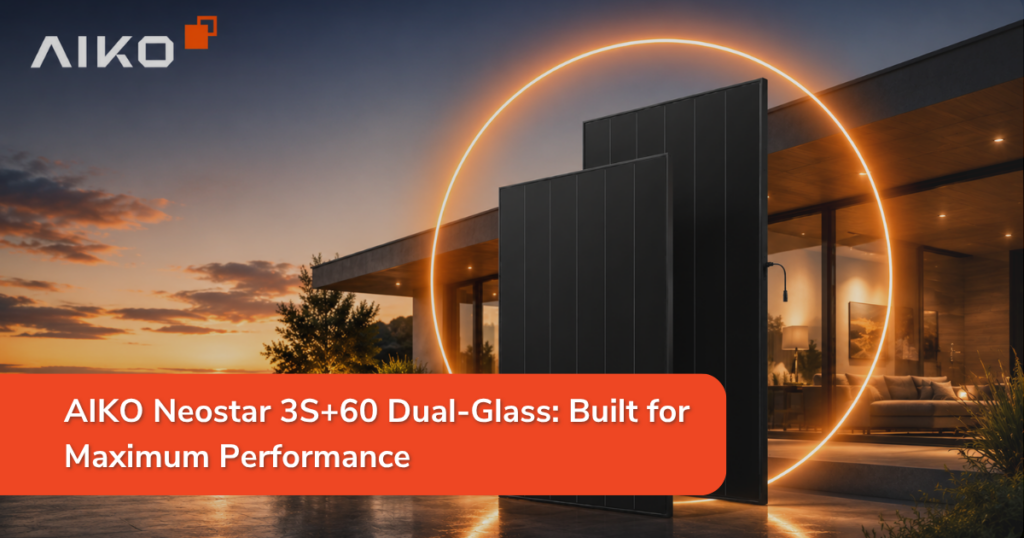
AIKO Neostar 3S+60: Australia’s Most Efficient Dual-Glass Panel Yet? Smart Energy Answers August 23, 2026 Key takeaways AIKO Neostar 3S+60 uses advanced third-generation ABC (All Back Contact) technology for higher efficiency and greater energy production. Module efficiencies of up to 24.8% help generate more power from the same roof space. Dual-glass construction improves durability and long-term performance in Australian conditions. Excellent performance in partial shade and high temperatures helps maximise energy generation year-round. A 25-year product warranty and 30-year performance warranty provide long-term peace of mind. Ideal for homeowners planning batteries, EV charging, heat pumps, and future home electrification. Professional system design is just as important as choosing premium solar panels to maximise long-term savings. A few years ago, most homeowners installed solar simply to reduce their electricity bills. Today, the conversation has changed. Many households are adding batteries, charging electric vehicles, installing heat pumps, heating swimming pools, and electrifying more of their homes. All of these upgrades require significantly more electricity. The challenge? Most rooftops haven’t grown any larger. That means homeowners need solar panels that generate more power from the same roof space, while continuing to perform reliably in Australia’s harsh climate. That’s where the new AIKO Neostar 3S+60 Dual-Glass comes in. Now available through Smart Energy Answers, this latest generation solar panel combines advanced ABC (All Back Contact) technology, dual-glass construction and industry-leading efficiency to help homeowners generate more clean energy for decades to come. What Is the AIKO Neostar 3S+60 Dual-Glass? The AIKO Neostar 3S+60 is AIKO’s latest premium residential solar panel, featuring its third-generation ABC (All Back Contact) cell technology. Unlike conventional solar panels that have electrical contacts visible on the front of the panel, ABC technology moves all electrical connections to the rear of each cell. The result is a cleaner design that allows more sunlight to reach the solar cells while reducing electrical losses. Combined with its new dual-glass construction, the Neostar 3S+60 delivers higher efficiency, improved durability and outstanding long-term performance. Why Does Higher Efficiency Matter? One of the biggest improvements is efficiency. The AIKO Neostar 3S+60 (530W–550W) delivers module efficiencies of up to 24.8%, making it one of the highest-efficiency residential solar panels currently available. But what does that actually mean? It means you can generate more electricity from the same amount of roof space. For homeowners with limited roof area, higher-efficiency panels can make a significant difference, allowing larger solar systems without requiring additional roof space. That becomes especially valuable if you’re planning to add: Battery storage Electric vehicle charging Heat pump hot water Pool heating Future home electrification What Is Dual-Glass Technology? Traditional solar panels use glass on the front and a polymer backsheet on the rear. The AIKO Neostar 3S+60 replaces the backsheet with a second layer of glass. This dual-glass design provides additional protection against moisture, environmental exposure and physical stresses over the lifetime of the panel. The result is a panel designed for excellent durability, long-term reliability and consistent energy production across decades of operation. Better Performance in Australian Conditions Australian rooftops experience high temperatures, strong UV exposure, storms, dust and changing weather throughout the year. The AIKO Neostar 3S+60 has been engineered with features designed to perform in these demanding conditions, including: Better temperature performance Excellent partial shading optimisation High-temperature resistance Improved micro-crack resistance Hail-tested construction For homeowners, this means more consistent energy production throughout the year and greater confidence in long-term system performance. Built for Long-Term Value A solar system is an investment that’s expected to perform for decades. The AIKO Neostar 3S+60 backs that investment with: 25-Year Product Warranty 30-Year Linear Performance Warranty Maximum first-year degradation of only 1% Annual degradation of no more than 0.35% from Years 2–30 Lower degradation means the panels continue producing more electricity for longer, helping maximise the return on your solar investment. AIKO NeoStar 2P vs AIKO NeoStar 3S+ Dual-Glass: What’s the Difference? Both the AIKO NeoStar 2P and the AIKO NeoStar 3S+ Dual-Glass are premium solar panels built for Australia’s demanding climate, offering exceptional efficiency, long warranties, and outstanding performance in hot weather and partial shade. However, the NeoStar 3S+ Dual-Glass introduces AIKO’s latest third-generation innovations, including higher efficiency, advanced ABC cell technology, and a more durable dual-glass design. If you’re deciding between the two, the comparison below highlights the key differences to help you choose the right panel for your home. Feature AIKO NeoStar 2P AIKO NeoStar 3S+ Dual-Glass Module Efficiency 23.8% Up to 24.8% Cell Technology ABC (All Back Contact) Technology Advanced 3rd Generation ABC Cell Technology Panel Construction Single-Glass Dual-Glass Design for Enhanced Durability Energy Production Excellent performance Higher energy production with next-generation engineering Partial Shading Performance Partial Shading Optimisation Superior Partial Shading Optimisation Temperature Coefficient -0.26%/°C -0.26%/°C Performance Warranty 30 Years 30 Years Product Warranty 25 Years 25 Years Performance Degradation ≤1% in Year 1, then ≤0.35% per year ≤1% in Year 1, then ≤0.35% per year Designed For Australian Conditions Australian Conditions Best For Premium residential solar systems Homeowners wanting AIKO’s latest technology, maximum efficiency, and enhanced long-term durability Is the AIKO Neostar 3S+60 Right for Your Home? The AIKO Neostar 3S+60 is particularly well suited for homeowners who: Want premium, high-efficiency solar panels Have limited roof space Plan to install battery storage Own or intend to buy an electric vehicle Want maximum long-term energy production Are building a future-ready smart home Choosing the right solar panel isn’t just about today’s electricity bill—it’s about ensuring your system can support your home’s energy needs for many years to come. Frequently Asked Questions Q: Is the AIKO Neostar 3S+60 better than previous AIKO panels? A: The Neostar 3S+60 introduces AIKO’s latest third-generation ABC technology along with dual-glass construction, higher efficiency and enhanced durability compared with earlier generations. Q: What is ABC technology? A: ABC (All Back Contact) technology moves all electrical contacts to the rear of each solar cell, allowing more sunlight to reach the active surface while reducing electrical losses. Q: What are the benefits of dual-glass solar panels? A: Dual-glass
Are Solar Inverter Repairs More Expensive in Remote Parts of Australia?
Are Solar Inverter Repairs More Expensive in Remote Parts of Australia? Smart Energy Answers July 10, 2026 If you live in a part of Australia that gets genuinely cold winters, like Canberra, Melbourne, or the Blue Mountains in New South Wales, you have probably wondered whether the cold affects how well your solar battery performs. It is a fair question, and one we hear from customers fairly often at Smart Energy Answers. The short answer is that cold weather does have some effect on battery performance, but it is far less damaging than most people assume, especially with a well-engineered system like Sigenergy. Let’s walk through what actually happens to battery storage in cold conditions, and whether it changes the value you get from your sigenergy battery price. How Cold Weather Affects Battery Chemistry Most modern home batteries, including the Sigenergy SigenStor, use lithium iron phosphate chemistry, commonly known as LFP. This chemistry is well regarded for its thermal stability, handling both heat and cold better than older lithium chemistries found in some competing battery types. In cold temperatures, a battery’s internal resistance increases slightly, which can temporarily reduce charging and discharging speed. However, this effect is not permanent and fully reverses once temperatures return to normal. For most Australian homes, even in colder regions like Canberra or the Victorian Alps, temperatures rarely drop low enough to cause any meaningful performance loss across the system. Does This Affect the Value of Your Sigenergy Battery Price? This is the question that really matters. When you are evaluating sigenergy battery price against what you actually get out of the system over its lifetime, cold weather performance is one part of that picture. Here is the good news. Sigenergy batteries are designed to operate across a wide temperature range. Their LFP chemistry is naturally more stable in cold conditions than older battery technologies. The AI-driven energy management system inside the SigenStor also actively monitors conditions and adjusts charging and discharging behaviour to protect the battery when temperatures shift. So while you might notice a minor reduction in output on the coldest days of the year in a place like Hobart or the Victorian Alps, it does not meaningfully change the overall return you get from your sigenergy battery price over the full lifespan of the system. How Sigenergy Compares to Other Batteries in Cold Conditions It is worth comparing how different batteries handle cold weather, particularly when looking at sigenergy battery price against tesla powerwall prices, since both are popular choices for Australian homeowners. Tesla Powerwall uses NMC lithium chemistry, which is generally considered slightly more sensitive to temperature extremes than LFP. When customers ask us to compare price of sigenergy battery against the prices of tesla powerwall, we always encourage them to look beyond upfront cost and consider seasonal performance across the full year. Sigenergy’s LFP chemistry, combined with its modular design and AI optimisation, delivers strong all-round performance whether it is a hot Perth summer or a cold Canberra winter. What Smart Energy Answers Recommends for Cold Climate Installations At Smart Energy Answers, we are a nationally recognised solar and battery company with thousands of installations completed across Australia, including in colder climate zones. When we design a system for a customer in Melbourne, Canberra, or the Southern Highlands, we take local climate conditions into account from the very beginning. Here are a few things we consider for cold climate battery installations: Battery placement: Installing your battery in a sheltered spot like a garage maintains consistent year-round performance. System sizing: We size battery capacity appropriately so your household always has enough stored energy overnight. Monitoring and management: The mySigen app gives homeowners real-time visibility into system performance on any given day. Pairing with the right solar panels: High-efficiency Aiko solar panels with ABC technology complement Sigenergy batteries effectively in cooler climates. The goal is always to make sure the price of sigenergy battery you pay translates into genuine, consistent value across every season of the year, not just the warm ones. Does Cold Weather Change Whether a Battery Is Worth It? For the vast majority of Australian homes, cold weather causes only minor seasonal variation that does not change the fundamental case for investing in battery storage. When comparing tesla powerwall prices against sigenergy battery price side by side, what truly tips the balance for most customers is long-term reliability, smart energy management, scalability, and quality after-sales support. At Smart Energy Answers, we have been recognised as one of Australia’s top solar retailers multiple years running, earning awards from ProductReview, EUPD Research, and Sunwiz. We stand behind every system we install and support you well after installation. Cold weather is never a reason to wait. Get a free quote today. Frequently Asked Questions Q1. Does cold weather permanently damage a Sigenergy battery? No, cold weather does not cause permanent damage. LFP chemistry recovers fully once temperatures return to the normal operating range. Q2. How does sigenergy battery price compare to tesla powerwall prices overall? The price of sigenergy battery is competitive and often offers strong value when you factor in its five-in-one integration, scalability, and built-in AI energy management compared to tesla powerwall prices. Q3. Where should I install my Sigenergy battery to protect it from cold weather? Installing it in a sheltered spot such as an internal wall or garage helps buffer the battery from temperature extremes and maintains consistent year-round performance. Q4. Will my solar panels still generate power during cold Australian winters? Yes. Solar panels generate electricity from sunlight, not heat. Cold, clear winter days can actually produce solid solar generation, particularly when paired with high-efficiency panels like Aiko solar panels.
What Is the Best Solar Battery in Australia for a New Build Home?
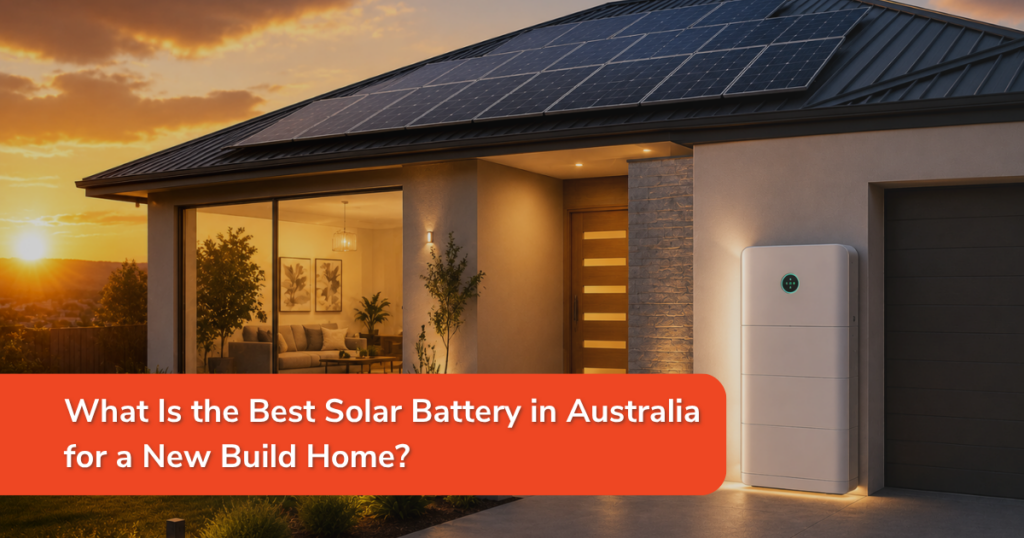
What Is the Best Solar Battery in Australia for a New Build Home? Smart Energy Answers July 10, 2026 Building a new home is one of the biggest financial decisions you will ever make. Right now, more Australians than ever are choosing to include solar and battery storage from day one rather than adding it later. At Smart Energy Answers, we work with new build homeowners across Sydney, Melbourne, Canberra, Adelaide, Brisbane, Newcastle, Wollongong, and the Central Coast. The question we hear most is simple: What is the best solar battery in Australia for a brand new home? The key considerations are outlined below. Why New Builds Are the Perfect Starting Point for Battery Storage A new build gives you something existing homeowners rarely get: a clean slate. The electrical infrastructure is being designed from scratch, which means battery storage can be planned into the system from the very beginning rather than retrofitted around existing wiring and switchboards. This matters because: The battery can be sized correctly for the home from day one. Wiring and switchboard design can accommodate the system without costly modifications. Installation is cleaner, faster, and more cost-effective during the build phase. The whole solar and battery system works together as one integrated setup. Getting this right at the build stage sets the home up for maximum performance and savings from the moment you move in. What Makes a Battery the Best Solar Battery for New Builds Not every battery suits every home. For a new build specifically, there are several key factors to consider when identifying the right solar battery for your situation. The key things to look for include: Scalability: Can the battery grow with your energy needs over time? Blackout protection: Does it switch over instantly when the grid goes down? Smart monitoring: Can you track performance and usage from your phone? Warranty length: Is the manufacturer backing the product for the long term? Safety certifications: Has it been tested and approved to Australian standards? Compatibility: Does it work with the solar panels and inverter being installed? A new build is a long-term investment. The battery you choose needs to be built to match that timeline. The Sigenergy SigenStor: Built for New Builds At Smart Energy Answers, we consistently recommend the Sigenergy SigenStor for new build homes. As a Sigenergy Gold Installer and one of the top three partners in Australia, our customers get priority access to supply and dedicated support. The SigenStor is a strong fit because: Modular design allows capacity to expand as your needs grow. Low-voltage architecture under 36 volts contributes to a safer system design. Rapid blackout switchover keeps your home powered during outages. IP66 rated for Australian weather conditions. Smart AI monitoring via the mySigen app helps users understand system performance, energy usage, and potential issues in real time. Fully compatible with our Aiko solar panels. For new build homeowners, the SigenStor ticks every practical box. Understanding the Sun Tax in Australia and Why Battery Storage Is the Answer Every new build homeowner needs to understand the sun tax in Australia before finalising their solar setup. It generally refers to proposed or implemented export tariffs that network distributors charge for exporting excess solar energy back to the grid during peak generation times. Any excess your panels generate simply goes to waste without a battery to store it. Rather than losing that energy or paying to export it, a battery captures it for use during peak evening hours when electricity rates are highest. The sun tax is not going away. Planning battery storage into your new build from the start is the smartest way to protect yourself from it. Federal Rebates Worth Knowing About The federal Cheaper Home Batteries Program applies an upfront discount through your installer at the point of sale. This incentive makes the timing for including the best solar battery in Australia in a new build genuinely excellent right now. At Smart Energy Answers, we handle all rebate paperwork and eligibility checks on behalf of our customers so nothing gets missed. Why Smart Energy Answers Is the Right Partner for Your New Build We have been operating since 2017 and have completed thousands of solar and battery installations across Australia. We hold multiple national retailer awards including the ProductReview Best Solar Retailer award won four consecutive times, and we carry over a thousand five-star reviews from verified customers. Our team works directly with builders, electricians, and homeowners during the new build phase to make sure the solar and battery system is designed correctly from the ground up. From system design and product selection through to installation, rebate management, and ongoing Care and Repair support, we are with you every step of the way. If you are building a new home and want to make sure you are installing the best solar battery in Australia for your specific situation, get in touch with our team. We will design a system that fits your home, your budget, and your long-term energy goals. Frequently Asked Questions Q1. What is the best solar battery in Australia for a new build home? The Sigenergy SigenStor is a strong choice offering modularity, safety features, smart monitoring, and blackout protection. Q2. Can I add a battery to my new build during construction rather than after? Yes. Including battery storage during the build phase is more cost-effective and results in a cleaner installation. Q3. What is the sun tax in Australia and how does it affect new builds? It refers to export tariffs for sending excess solar energy to the grid, making battery storage highly beneficial for new build homes to maximise savings. Q4. Are there rebates available for solar batteries in new build homes in Australia? Yes. The federal Cheaper Home Batteries Program applies to eligible new installations. Q4. Does Smart Energy Answers work with builders on new build solar and battery projects? Yes. We work directly with builders and electricians to design and install systems correctly from the ground up.
NSW Home Energy Saver Program Now Open: What It Means for Solar & Battery Owners
NSW Home Energy Saver Program Now Open: What It Means for Solar & Battery Owners Smart Energy Answers July 2, 2026 Key takeaways Eligible NSW households can access up to $15,000 in zero-interest finance. Loans are repayable over up to 10 years, subject to lender approval. Funding can be used for solar, batteries, EV Level 2 chargers, heat pumps, switchboard upgrades, and other energy improvements. The program is designed to work alongside eligible rebates and incentives, helping reduce upfront costs. An additional up to $4,000 upfront discount is expected to launch later in 2026 for eligible households. Smart Energy Answers can help you understand your eligibility and design the right home energy solution. For many NSW households, the biggest obstacle to installing solar panels, battery storage, and energy-efficient upgrades hasn’t been the technology. It’s been the upfront cost. That’s beginning to change. The NSW Government has officially launched the Home Energy Saver Program, giving eligible homeowners and landlords access to zero-interest loans of up to $15,000, helping make solar, batteries, and other energy-saving upgrades more affordable than ever before. The program is designed to help households lower energy bills, improve home comfort, and accelerate the transition to smarter energy solutions. What Is the NSW Home Energy Saver Program? The Home Energy Saver Program is a NSW Government initiative aimed at reducing the upfront cost of home energy upgrades. Eligible households can now apply for: ✅ Zero-interest loans of up to $15,000 ✅ Repayment terms of up to 10 years ✅ Support for a range of approved energy-saving upgrades The program is available to eligible NSW homeowners and landlords with a combined annual taxable household income of up to $210,000, subject to lender approval and responsible lending requirements. The zero-interest loan is currently available through approved finance providers, including Brighte and Plenti, with additional providers expected to join the program over time. What Upgrades Are Eligible? The program covers a wide range of energy-saving technologies, including: Rooftop Solar Systems Home Battery Storage (including systems like Tesla Powerwall 3, Sigenergy battery, and ESY Sunhome) Switchboard Upgrades Heat Pump Hot Water Systems Reverse Cycle Air Conditioning EV Level 2 Chargers Insulation, Draught Proofing & Other Efficiency Upgrades This means eligible households may be able to combine solar generation, battery storage, and home electrification upgrades into a single energy improvement plan. While many homeowners will be interested in using the program for solar and battery storage, the Home Energy Saver Program also supports a broader range of electrification and energy-efficiency improvements. This gives eligible households the flexibility to create a complete home energy solution rather than focusing on a single upgrade. Why This Matters for NSW Homeowners Energy prices remain one of the biggest household expenses facing Australian families. While solar and battery systems can significantly reduce electricity bills, the upfront investment can sometimes delay homeowners from making the switch. The Home Energy Saver Program helps remove that barrier by allowing eligible households to spread the cost of approved upgrades over time without paying interest. For many homeowners, this could mean: ✔ Lower electricity bills sooner ✔ Greater energy independence ✔ More protection from rising energy costs ✔ Better use of solar energy through battery storage ✔ A more comfortable and energy-efficient home Can It Be Combined With Other Incentives? One of the biggest advantages of the Home Energy Saver Program is that may be able to work alongside other eligible energy incentives, depending on the upgrade, product selected, installer, and the specific requirements of each program. Depending on your project, this may include: • Small-scale Technology Certificates (STCs) • The Federal Battery Rebate • Peak Demand Reduction Scheme (PDRS) • Energy Savings Scheme (ESS) incentives • Other applicable NSW programs Combining these incentives may help further reduce the remaining out-of-pocket cost of your upgrade. The Home Energy Saver Program is designed to work alongside other available energy incentives and support programs, potentially helping reduce the remaining out-of-pocket cost of an upgrade. The NSW Government has also announced a separate Home Energy Saver Discount of up to $4,000 for eligible lower-income households and concession card holders. This discount is expected to become available later in 2026 and is not currently open for applications. At the time of writing, no closing date has been announced for the Home Energy Saver Program. Funding is expected to support tens of thousands of eligible NSW households, although availability may change as program funding is allocated. Is a Battery Worth Considering? For many households, battery storage is becoming one of the most attractive upgrades available. Because battery storage is often one of the largest investments in a home energy upgrade, access to interest-free finance may make installing a battery more achievable. When combined with available rebates and incentives, homeowners may be able to significantly reduce the upfront cost. A battery allows homeowners to store excess solar energy generated during the day and use it later in the evening when electricity demand is often highest. When comparing options, many homeowners consider factors such as performance, scalability, and the Tesla Powerwall 3 price, alongside alternatives like the Sigenergy battery and ESY Sunhome systems (subject to product eligibility and installation requirements). Combined with solar panels, battery storage can help households: Increase solar self-consumption Reduce reliance on the grid Lower ongoing energy costs Improve energy resilience As battery technology continues to improve and financing options become more accessible, more Australian households are choosing to include battery storage as part of their long-term energy strategy. How Smart Energy Answers Can Help Understanding eligibility requirements, available incentives, financing pathways, and technology options can be overwhelming. That’s where Smart Energy Answers comes in. Our team can help you: ✔ Understand your eligibility ✔ Assess your home’s energy usage ✔ Explore available financing options ✔ Help you understand available rebates and stackable incentives ✔ Compare battery options including Tesla Powerwall 3, Sigenergy battery, and ESY Sunhome (subject to product eligibility and installation requirements) ✔ Design a tailored solar and battery solution ✔ Maximise available incentives and
Does cold weather reduce the value of your Sigenergy battery price?
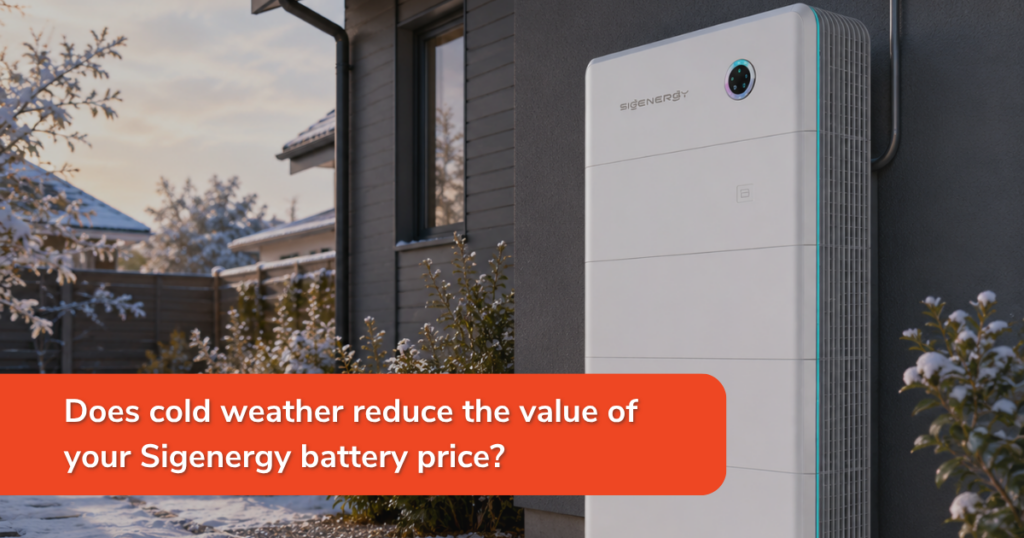
Does cold weather reduce the value of your Sigenergy battery price? Smart Energy Answers June 18, 2026 If you live in a part of Australia that gets genuinely cold winters, like Canberra, Melbourne, or the Blue Mountains in New South Wales, you have probably wondered whether the cold affects how well your solar battery performs. It is a fair question, and one we hear from customers fairly often at Smart Energy Answers. The short answer is that cold weather does have some effect on battery performance, but it is far less damaging than most people assume, especially with a well-engineered system like Sigenergy. Let’s walk through what actually happens to battery storage in cold conditions, and whether it changes the value you get from your sigenergy battery price. How Cold Weather Affects Battery Chemistry Most modern home batteries, including the Sigenergy SigenStor, use lithium iron phosphate chemistry, commonly known as LFP. This chemistry is well regarded for its thermal stability, handling both heat and cold better than older lithium chemistries found in some competing battery types. In cold temperatures, a battery’s internal resistance increases slightly, which can temporarily reduce charging and discharging speed. However, this effect is not permanent and fully reverses once temperatures return to normal. For most Australian homes, even in colder regions like Canberra or the Victorian Alps, temperatures rarely drop low enough to cause any meaningful performance loss across the system. Does This Affect the Value of Your Sigenergy Battery Price? This is the question that really matters. When you are evaluating sigenergy battery price against what you actually get out of the system over its lifetime, cold weather performance is one part of that picture. Here is the good news. Sigenergy batteries are designed to operate across a wide temperature range. Their LFP chemistry is naturally more stable in cold conditions than older battery technologies. The AI-driven energy management system inside the SigenStor also actively monitors conditions and adjusts charging and discharging behaviour to protect the battery when temperatures shift. So while you might notice a minor reduction in output on the coldest days of the year in a place like Hobart or the Victorian Alps, it does not meaningfully change the overall return you get from your sigenergy battery price over the full lifespan of the system. How Sigenergy Compares to Other Batteries in Cold Conditions It is worth comparing how different batteries handle cold weather, particularly when looking at sigenergy battery price against tesla powerwall prices, since both are popular choices for Australian homeowners. Tesla Powerwall uses NMC lithium chemistry, which is generally considered slightly more sensitive to temperature extremes than LFP. When customers ask us to compare price of sigenergy battery against the prices of tesla powerwall, we always encourage them to look beyond upfront cost and consider seasonal performance across the full year. Sigenergy’s LFP chemistry, combined with its modular design and AI optimisation, delivers strong all-round performance whether it is a hot Perth summer or a cold Canberra winter. What Smart Energy Answers Recommends for Cold Climate Installations At Smart Energy Answers, we are a nationally recognised solar and battery company with thousands of installations completed across Australia, including in colder climate zones. When we design a system for a customer in Melbourne, Canberra, or the Southern Highlands, we take local climate conditions into account from the very beginning. Here are a few things we consider for cold climate battery installations: Battery placement: Installing your battery in a sheltered spot like a garage maintains consistent year-round performance. System sizing: We size battery capacity appropriately so your household always has enough stored energy overnight. Monitoring and management: The mySigen app gives homeowners real-time visibility into system performance on any given day. Pairing with the right solar panels: High-efficiency Aiko solar panels with ABC technology complement Sigenergy batteries effectively in cooler climates. The goal is always to make sure the price of sigenergy battery you pay translates into genuine, consistent value across every season of the year, not just the warm ones. Does Cold Weather Change Whether a Battery Is Worth It? For the vast majority of Australian homes, cold weather causes only minor seasonal variation that does not change the fundamental case for investing in battery storage. When comparing tesla powerwall prices against sigenergy battery price side by side, what truly tips the balance for most customers is long-term reliability, smart energy management, scalability, and quality after-sales support. At Smart Energy Answers, we have been recognised as one of Australia’s top solar retailers multiple years running, earning awards from ProductReview, EUPD Research, and Sunwiz. We stand behind every system we install and support you well after installation. Cold weather is never a reason to wait. Get a free quote today. Frequently Asked Questions Q1. Does cold weather permanently damage a Sigenergy battery? No, cold weather does not cause permanent damage. LFP chemistry recovers fully once temperatures return to the normal operating range. Q2. How does sigenergy battery price compare to tesla powerwall prices overall? The price of sigenergy battery is competitive and often offers strong value when you factor in its five-in-one integration, scalability, and built-in AI energy management compared to tesla powerwall prices. Q3. Where should I install my Sigenergy battery to protect it from cold weather? Installing it in a sheltered spot such as an internal wall or garage helps buffer the battery from temperature extremes and maintains consistent year-round performance. Q4. Will my solar panels still generate power during cold Australian winters? Yes. Solar panels generate electricity from sunlight, not heat. Cold, clear winter days can actually produce solid solar generation, particularly when paired with high-efficiency panels like Aiko solar panels.
How Does ABC Technology in Aiko Solar Panels Manage Australia’s Intense Sun?
How Does ABC Technology in Aiko Solar Panels Manage Australia’s Intense Sun? Smart Energy Answers June 18, 2026 If you have ever wondered why some solar panels perform much better than others under the blazing Australian sun, the answer often comes down to the technology inside the panel. At Smart Energy Answers, a trusted nationwide solar company, we work with some of the most advanced panels on the market. One technology that has emerged as a strong contender is the ABC technology found in aiko solar panels. Understanding how it works helps you see exactly why it handles Australia’s intense heat effectively. What Does ABC Actually Stand For? ABC stands for All Back Contact. It refers to the way all electrical connections in the solar cell are moved to the back of the panel, rather than running across the front surface like they do in conventional panels. In a standard solar panel, metal busbars sit across the front of each cell. While they carry the electrical current, they also block a portion of incoming sunlight from ever reaching the cell. By moving every contact to the rear, aiko solar panels remove that barrier completely. The entire front surface is free to absorb sunlight, which provides a distinct performance advantage when dealing with the high levels of solar radiation typical of a summer day in cities like Perth, Brisbane, or Darwin. Why Heat Management Matters in Australia Australia’s climate can present challenging operating conditions for solar equipment. Rooftop temperatures on a hot day climb very high, and standard panels lose efficiency as heat rises. This loss is measured by the temperature coefficient, which tells you how much output drops for every degree above standard test conditions. While many conventional TOPCon panels carry a higher temperature coefficient, aiko solar panels are engineered to perform efficiently under heat thanks to their ABC cell design. That difference adds up meaningfully across a full Australian summer. The N-type silicon used also resists light-induced degradation better than older P-type cell technologies, holding performance consistently over time. How the ABC Design Captures Light Because there are no front-side busbars blocking the cell surface, the entire panel area contributes to energy generation. By reducing front-side shading losses, ABC cells are capable of absorbing a higher proportion of incoming sunlight compared to traditional cells. Aiko also uses a high-density cell layout that packs cells tightly, reducing wasted space on the panel. Their interconnection method connects cells using hidden ribbons that sit flush and do not interrupt the cell surface. This design improves mechanical strength and reduces the risk of microcracks forming over the years. Together, these features mean that aiko solar panels can deliver highly efficient power output from the available roof space. For Australian homeowners with limited roof area, this is a significant practical advantage. Shade Tolerance and Long-Term Durability One of the most common challenges for any solar system is partial shading. Whether it is a nearby tree, a chimney, or a passing cloud, shade on even a small part of a conventional panel can drag down the output of the whole string. Aiko’s ABC design addresses this by allowing current to bypass partially shaded areas more effectively, which limits the overall impact on system output. Long-term durability is also worth mentioning here. Because there are no soldered ribbons on the front face of the cell, mechanical stress across the panel is reduced. This lowers the risk of microcracking over time, which is a known issue in panels that go through repeated heating and cooling cycles during Australian seasons. Aiko backs their panels with a product warranty and a long-term performance warranty to reflect this confidence in the technology’s lifespan. Pairing Aiko Panels with Sigenergy Batteries for Full Energy Independence Getting the most out of high-performance aiko solar panels means storing the energy you generate efficiently. This is where sigenergy batteries come in. We recommend them as a strong pairing option because they work as a five-in-one system, integrating a solar inverter, battery storage, EV charging, and energy management into one unit. These batteries use lithium iron phosphate chemistry, which suits Australian conditions well due to its thermal stability and long cycle life. Their integrated energy management features learn your energy habits over time to help optimise usage. The modular design also lets you expand storage capacity whenever your needs grow. Why We Recommend This Combination at Smart Energy Answers At Smart Energy Answers, we have completed thousands of installations across Australia and have been recognised as a top solar retailer multiple years running. We conduct comprehensive site assessments to ensure we match the most appropriate technology to each customer’s specific roof profile, energy consumption patterns, and budget requirements, rather than pushing a one-size-fits-all approach. Aiko solar panels bring engineering advantages that suit the Australian climate well. Their ABC technology maximises light absorption, handles heat efficiently, and resists long-term degradation under consistent sun exposure. Paired with sigenergy batteries, they form a complete system built for genuine energy independence. If you are ready to explore whether this combination is right for your home, get in touch with our team for a free quote today. Frequently Asked Questions Q1. Are aiko solar panels suitable for all Australian climate zones? Yes, their low temperature coefficient and heat resistance make them highly suitable for all Australian climate zones. Q2. How does ABC technology differ from standard TOPCon panels? In standard TOPCon panels, metal contacts run across the front surface and block some incoming sunlight. ABC technology moves all contacts to the rear of the cell, allowing the entire front surface to absorb light and improving overall efficiency. Q3. Can sigenergy batteries be expanded after installation? Yes, sigenergy batteries use a modular stackable design that allows additional battery modules to be added anytime.
Smart Energy Answers Proudly Supported the CO.AS.IT. Italian National Ball 2026

Smart Energy Answers Proudly Supported the CO.AS.IT. Italian National Ball 2026 Smart Energy Answers June 11, 2026 At Smart Energy Answers, we believe that strong communities are built on shared values, lasting relationships, and giving back. That is why we were honoured to attend the CO.AS.IT. Italian National Ball 2026 as a Bronze Sponsor, joining hundreds of community leaders, businesses and families in celebrating the rich heritage and ongoing contributions of the Italian-Australian community. Celebrating Community and Culture The Italian National Ball is one of the most significant annual events on the Italian-Australian calendar, bringing together people from all walks of life to support the important work CO.AS.IT. continues to do across education, aged care, disability services and community programs. For Smart Energy Answers, the evening also held a personal significance, with our founder’s Italian heritage deeply aligned with the values of family, resilience, hard work and community that the event celebrates. A Partnership Built on Shared Values As a company founded on long-term relationships and genuine customer care, we understand the importance of organisations such as CO.AS.IT, which strengthen communities and create opportunities for future generations. We are proud to support initiatives that preserve culture, encourage connection, and make a positive impact across Australia. Looking Ahead The evening was a wonderful celebration of heritage, leadership, and community spirit, and we are grateful to CO.AS.IT. for hosting such an outstanding event. We would like to thank the organisers, volunteers, sponsors, and everyone involved for making the Italian National Ball 2026 such a memorable occasion. Smart Energy Answers is proud to have stood alongside the Italian-Australian community as a Bronze Sponsor, and we look forward to continuing to support initiatives that bring people together and help build stronger communities for the future.
Smart Energy Answers Recognised as ESY Sunhome’s Strategic Partner of the Year

Smart Energy Answers Recognised as ESY Sunhome’s Strategic Partner of the Year Smart Energy Answers June 5, 2026 At Smart Energy Answers, we believe strong partnerships are the foundation of delivering exceptional energy solutions to Australian homeowners and businesses. That is why we are proud to share that Smart Energy Answers has been recognised by ESY Sunhome with the Best Strategic Partner of the Year Award at Smart Energy Expo 2026. This recognition reflects the strength of our partnership, our shared commitment to innovation and our dedication to helping Australians take greater control of their energy future. A Partnership Built on Trust and Performance As one of Australia’s leading solar and battery providers, Smart Energy Answers has always focused on delivering quality solutions backed by expert advice, professional installation, and long-term customer support. ESY Sunhome acknowledged this commitment during the Smart Energy Expo 2026, highlighting the strong collaboration between our organisations and the positive impact we continue to make together across the Australian renewable energy sector. The award recognises not only the growth of our partnership but also our mutual focus on providing advanced energy storage solutions that help homeowners and businesses achieve greater energy independence. Driving Australia’s Energy Transition The Australian energy landscape continues to evolve rapidly, with battery storage playing an increasingly important role in helping customers maximise their solar investment and reduce reliance on the grid. Through our partnership with ESY Sunhome, Smart Energy Answers continues to bring innovative battery technology to Australian households, offering solutions designed to deliver: Greater energy independence Increased self-consumption of solar energy Reduced electricity costs Enhanced energy resilience Smarter energy management Together, we are helping customers prepare for a future powered by renewable energy. Recognition of Our Team Awards like this are only possible because of the incredible people behind Smart Energy Answers. From our sales consultants and system designers to our installers, project managers and customer support team, every part of the organisation plays a role in delivering exceptional outcomes for our customers. This recognition is a testament to the hard work, expertise, and dedication of our entire team. Looking Ahead We are honoured to receive ESY Sunhome’s Strategic Partner of the Year Award and grateful for the trust they have placed in us. As we continue to strengthen our partnership, we remain focused on delivering industry-leading solar, battery, EV charging, and smart energy solutions that help Australians achieve greater energy independence and long-term savings. The future of energy is brighter when strong partnerships come together with a shared vision. We look forward to continuing our journey with ESY Sunhome and helping shape the future of clean energy in Australia.
NSW Solar Battery Incentives in 2026: Cheaper Home Batteries Program, NSW VPP Incentive and Battery Rebate Updates

NSW Solar Battery Incentives in 2026: Cheaper Home Batteries Program, NSW VPP Incentive and Battery Rebate Updates Smart Energy Answers April 24, 2026 Key takeaways NSW upfront battery rebates have ended, but incentives still exist through federal and VPP pathways The Cheaper Home Batteries Program provides upfront savings but declines every six months from May 2026 The NSW VPP incentive offers ongoing financial benefits rather than upfront discounts Combining both delivers the strongest outcome VPP terms vary by provider. Always compare conditions before joining Not all battery systems are equal, system design and compatibility matter With battery adoption rising across Australia, many NSW homeowners are asking: Are there still battery rebates available in NSW? Can I combine federal support with state incentives? Is joining a Virtual Power Plant (VPP) worth it? The short answer: yes, but the structure of incentives has changed. What Battery Incentives Are Available in NSW in 2026? While NSW previously offered upfront battery rebates, these have now ended. However, two key pathways remain: 1. Australian Government’s Cheaper Home Batteries Program (via SRES) The primary national support is now delivered through the Cheaper Home Batteries Program, which operates under the Small-scale Renewable Energy Scheme (SRES). This program reduces the upfront cost of eligible battery systems, often delivering around 30% in total savings depending on system size and configuration. Important update (from 1 May 2026): The incentive declines every six months The discount is tiered based on battery size Earlier adoption typically results in higher savings This means timing now plays a key role in maximising your benefit. 2. NSW VPP Incentive (Peak Demand Reduction Scheme) While upfront rebates have ended, NSW continues to support batteries through the Peak Demand Reduction Scheme (PDRS). This is commonly accessed via Virtual Power Plant (VPP) programs, where: Your battery helps reduce grid demand during peak periods You receive financial benefits (credits or payments) This is often referred to as the NSW VPP incentive. Can You Combine Federal and NSW Incentives? Yes, but not in the traditional sense of stacking upfront rebates. Instead, homeowners can combine: ✔ Cheaper Home Batteries Program (upfront discount)✔ NSW VPP incentive (ongoing earnings or bill reductions) This combination shifts the focus from one-time savings to long-term energy value and performance. Should You Join a VPP in NSW? A Virtual Power Plant (VPP) connects your battery to a network that supports the grid during peak demand. Potential benefits: ✔ Additional income or bill credits✔ Improved system return over time✔ Contribution to grid stability What to consider: VPP participation is provider-dependent. Before joining, NSW guidance recommends reviewing: Payment structures Battery access conditions Control settings and override options Contract flexibility Some providers offer more flexibility than others, so comparing options is essential. Federal Rebate vs VPP Income: Where’s the Real Value? Think of it in two parts: Cheaper Home Batteries Program → reduces upfront cost NSW VPP incentive → provides ongoing financial return The strongest outcome comes from combining both, lowering initial investment while improving long-term savings and performance. Choosing the Right Battery System Not all battery systems are equal, especially when considering eligibility, usable capacity, and VPP compatibility. When evaluating options, homeowners should consider: System size and scalability Usable capacity vs nominal capacity Compatibility with VPP programs Integration with solar generation Common high-performance options in Australia include: Tesla Powerwall 3: known for integrated design and strong VPP compatibility, with pricing becoming more competitive Sigenergy battery systems: modular systems designed for scalability and advanced energy management Pairing these with high-efficiency panels such as AIKO solar panels can further improve system output, increasing the amount of energy available for storage or export. Is a Battery Still Worth It in NSW? Despite the end of upfront NSW rebates, batteries remain a strong investment when approached strategically. In 2026, value comes from: Reduced upfront cost through the Cheaper Home Batteries Program NSW Participation in NSW VPP incentive programs Smart system design tailored to household usage High-efficiency components working together The focus has shifted from short-term rebates to long-term savings and energy independence. Final Thoughts The NSW battery landscape in 2026 is less about one-off rebates, and more about ongoing optimisation. If your system is set up correctly, your battery can: Store more of your solar energy Reduce reliance on the grid Participate in VPP programs Deliver both savings and returns over time The key is choosing the right technology, the right setup, and the right partner. See What You Could Save (or Earn) If you’re considering a battery, the next step is understanding what you qualify for. 👉 See if your home qualifies for the Cheaper Home Batteries Program and NSW VPP incentive👉 Use our battery rebate calculator to estimate your savings👉 Explore how VPP programs could work for your system Ready to See What You Could Save? Book a consultation. Get In Touch
How Esy Sunhome Handles Peak Energy Demand
How Esy Sunhome Handles Peak Energy Demand Smart Energy Answers February 23, 2026 At Smart Energy Answers, we help Australian homeowners and businesses unlock the full potential of their solar and battery systems. One of the most common questions we receive is: How does Esy Sunhome handle peak energy demand? Understanding how battery systems perform during high-demand periods is essential to ensuring your solar investment delivers reliable power when it matters most. In this article, we explain how the Esy Sunhome system works, how peak demand affects households, and how battery storage can help reduce reliance on the grid. What Is Esy Sunhome? Esy Sunhome battery system is an advanced residential battery system designed to optimise solar energy storage and improve energy resilience. It integrates intelligent energy-management features and is built for Australian conditions. The system is engineered to operate across a range of Australian climates (model dependent) and can be configured to align with household consumption patterns. Understanding Peak Energy Demand Peak demand refers to the periods when electricity consumption is highest. For most households, this typically occurs in the early evening when families return home and use multiple appliances simultaneously — such as cooking equipment, heating or cooling systems, lighting, and entertainment devices. For businesses, peak demand may occur during operating hours when equipment and machinery loads are high. During these times: Electricity prices may increase under time-of-use tariffs Grid supply can experience greater strain during heatwaves or network events Solar generation may be low or zero (especially after sunset) Without storage, solar panels alone cannot fully offset evening peak consumption. How Esy Sunhome Responds to High Demand 1. Intelligent Energy Management Esy Sunhome includes advanced energy-management functionality that monitors real-time household consumption. Depending on battery capacity, inverter output, state of charge, and total household load, the system can help reduce reliance on the grid during peak periods by discharging stored solar energy. Performance depends on available stored energy and configuration settings. 2. Storing Solar Power for Later Use Esy Sunhome can be configured to store excess daytime solar energy so it is available later during afternoon and evening peak periods. This load-shifting capability helps: Increase self-consumption Reduce reliance on feed-in tariff exports Improve overall energy efficiency 3. Support During Grid Strain or Outages Where installed with backup capability and appropriate switchgear, the system can support continuity for selected circuits during outages. Battery systems may also help reduce disruption for sensitive electronics when grid supply fluctuates, depending on installation design and configuration. Built for Australian Conditions Esy Sunhome is designed for outdoor installation and built to withstand typical Australian conditions (enclosure specifications vary by model and configuration). Operating performance can vary with temperature; however, the system is designed to function across a wide range of Australian environments (model dependent). Financial and Environmental Benefits Managing peak demand with battery storage can provide both economic and environmental advantages. By using stored solar energy during peak pricing periods, households may reduce reliance on higher-cost grid electricity, depending on tariff structure and usage patterns. Increasing self-consumption of solar energy can also help reduce reliance on fossil-fuel-generated electricity. At Smart Energy Answers, we have helped thousands of Australian households transition to solar and battery solutions that support long-term energy efficiency and emissions reduction. Tailored System Design Every property has unique energy usage patterns. That’s why we design Esy Sunhome systems based on: Daily energy consumption Solar generation capacity Peak demand patterns Tariff structure This tailored approach ensures the system is appropriately sized and configured for real-world performance. Join the Amber Virtual Power Plant (VPP) Eligible customers may join Amber Electric’s Virtual Power Plant (VPP) to participate in grid events. Depending on market conditions and plan settings, exporting or discharging stored energy at certain times may provide credits. Participation is optional and subject to eligibility requirements. Final Thoughts Peak energy demand can place pressure on both households and the electricity grid. Battery storage systems like Esy Sunhome can help households better manage energy usage during high-demand periods by increasing self-consumption and reducing reliance on peak grid pricing, depending on system design and available stored energy. If you would like to explore how Esy Sunhome could support your energy goals, contact us for a personalised consultation.
What the Solar Battery Rebate 2026
What the Solar Battery Rebate 2026 Smart Energy Answers February 23, 2026 At Smart Energy Answers, we help Australian households optimise their clean-energy systems. Rooftop solar has transformed how homes produce electricity, and the 2026 Cheaper Home Batteries Program is an important step toward improving how households use, store, and export energy. In this article, we explain how the 2026 battery rebate will influence solar feed-in tariffs (FiTs), why it matters for homeowners, and how Smart Energy Answers helps customers maximise these changes. Understanding Solar Feed-in Tariffs and Energy Storage In Australia, excess solar energy is typically exported to the grid and credited through a feed-in tariff (FiT). This means you receive credits for the electricity you export during the day, which helps offset the power you import later. Solar feed-in tariffs have been one of the key policies supporting rooftop solar adoption across Australia. However, as electricity prices rise and FiT rates decrease, exporting energy alone may not maximise savings. This is where energy storage and the 2026 Cheaper Home Batteries Program become important. Home batteries allow you to store surplus solar energy generated during the day and use it later during peak-price periods. This shift improves self-consumption and changes the economics of solar energy. What the Solar Battery Rebate 2026 Is The federal government’s Cheaper Home Batteries Program provides financial support for installing eligible battery systems connected to new or existing rooftop solar systems. The rebate is applied to approved battery capacity installed by accredited providers under program rules. This can materially reduce upfront costs, making battery storage a practical upgrade rather than a “nice-to-have”. Why This Matters for Solar Feed-in Tariffs The 2026 battery rebate does not replace feed-in tariffs, but it changes how households interact with the grid. 1. More Self-Consumption, Less Export With a battery, households can store excess solar energy instead of exporting it. This reduces reliance on FiT credits and increases energy independence. 2. Lower Peak Demand on the Grid Battery systems allow homes to use stored energy during peak times. This reduces pressure on the network and improves grid stability. 3. New Tariff Innovation As export volumes grow, we are seeing more tariff innovation, including: Time-varying feed-in tariffs Virtual power plant (VPP) participation payments Incentives for exporting or discharging energy at higher-value times These developments reward smarter energy usage. At Smart Energy Answers, we help customers configure batteries around changing tariff structures to maximise savings. The Smart Energy Answers Perspective Since 2017, Smart Energy Answers has completed over 7,000 installs with more than 1,500 five-star reviews. We work with trusted battery partners such as Tesla Powerwall and Sigenergy to deliver reliable solar-plus-storage systems. Battery systems combined with solar not only increase energy independence but also prepare households for future smart-grid technologies like virtual power plants. How the 2026 Battery Rebate Will Boost Adoption Battery installations increased significantly in 2025, supported by federal rebates influencing household decision-making. With the 2026 Cheaper Home Batteries Program: Households can save thousands on upfront battery costs Payback periods improve as stored solar replaces expensive grid power Combining federal and state incentives improves long-term ROI This makes battery storage a practical investment for homeowners seeking energy independence. Solar Feed-in Tariffs Are Evolving — Not Ending Some people think batteries will end feed-in tariffs. That is not correct. Instead, FiTs are evolving: Batteries reduce reliance on exporting energy New pricing models reward exporting energy at peak times Virtual power plants may pay households for supporting grid stability This benefits both homeowners and the wider energy system. Final Thoughts The 2026 Cheaper Home Batteries Program is more than a rebate. It is helping Australian households use energy more efficiently, reduce electricity bills, and prepare for a smarter grid. At Smart Energy Answers, we guide customers through solar and battery decisions so they can get the best long-term value from their systems.
3-Phase Battery Storage Explained: Backup Options for Australian Homes and Businesses
3-Phase Battery Storage Explained: Backup Options for Australian Homes and Businesses Smart Energy Answers February 19, 2026 Best Three-Phase Batteries for Australian Homes Key Takeaways Three-phase batteries deliver power evenly across all phases, making them ideal for larger homes and high-load properties. They support better load balancing, smoother system performance, and more reliable whole-home backup when designed for that purpose. Sigenergy batteries are a leading premium option for true three-phase hybrid storage. ESY Sunhome systems provide a strong pathway into home battery storage, with dedicated options available for three-phase applications. Incentives such as the solar battery rebate 2026 can improve overall system value when properly planned. Choosing the best solar battery Australia offers for three-phase homes depends on capacity, output, expandability, and installer expertise. As more Australian homes adopt solar and battery storage, many homeowners are discovering that not all batteries are the same, especially when it comes to three-phase systems. For properties with higher energy demands or three-phase electrical supply, choosing the right battery setup can make a significant difference in performance, reliability, and long-term value. What Are Three-Phase Batteries? A typical home uses single-phase power. However, larger homes and properties with heavy electrical loads, electric vehicle, or EV, chargers, ducted air conditioning, or workshops often have three-phase supply. A three-phase battery is designed to: Deliver power evenly across all three phases Support high or balanced energy demand Provide reliable backup during outages when configured correctly Integrate with larger solar systems Instead of only supporting one part of your home’s wiring, three-phase batteries can help stabilise energy use and enable whole-home backup when designed that way. Many installations, however, back up selected circuits rather than the entire home. This is why three-phase batteries are becoming an important part of discussions around the best solar battery Australia homeowners can install for high-demand homes. Why This Matters for Homeowners Three-phase storage can make sense if: Your property has a three-phase connection You run large appliances across multiple circuits You have a high-capacity solar array You want whole-home backup power, where suitable and properly configured For these homes, three-phase batteries can offer better load balancing, smoother operation, and higher reliability. Best Three-Phase Batteries in the Market The market is expanding, but two systems stand out for Australian homeowners seeking performance and value. Sigenergy Batteries: Premium Three-Phase Performance For households wanting a high-performance solution, Sigenergy batteries are widely recognised for: True three-phase hybrid operation Modular capacity expansion Smart energy management integration Strong performance for heavy loads A Sigenergy battery system is built for balanced output across all three phases, making it ideal for larger homes and properties that need dependable whole-home backup capability. If you are exploring features in more detail, this guide on Sigenergy battery for home features that matter most in 2026 breaks down technology, performance, and use cases. When comparing systems, homeowners often evaluate Sigenergy battery price in the context of modular expansion, smart controls, and long-term performance, rather than upfront cost alone. ESY Sunhome: Entry-Level Three-Phase Option For homeowners seeking a more accessible entry point, ESY Sunhome battery systems provide: Modular battery sizing Straightforward monitoring Reliable day-to-day operation ESY Sunhome systems are often used in homes with three-phase supply, but the model type matters. Popular HM5 and HM6 models are single-phase battery systems and are commonly installed on three-phase homes alongside a three-phase solar inverter or suitable switchboard configuration. ESY also offers a dedicated HM Three-Phase range designed specifically for true three-phase battery operation. System design determines whether the installation functions as a single-phase battery setup or a true three-phase solution. A single-phase battery on a three-phase home may only support one phase during backup unless additional hardware and configuration are used. For a deeper breakdown, this guide explaining ESY Sunhome HM6 and HM5 systems helps clarify how these systems scale for different homes. What About Incentives and Timing? Policy changes and incentives can influence system decisions. The solar battery rebate 2026 is expected to play a key role in helping households offset battery costs, particularly when installed alongside solar. Understanding eligibility, sizing rules, and system compatibility is important when planning three-phase installations, especially for higher-capacity homes. How to Choose the Right Three-Phase Battery Consideration What to Ask Why It Matters Capacity & expansion Can you increase storage as your energy needs grow? Modular systems let you add battery capacity later without replacing the whole system, which is useful if you plan to add EV charging or increase solar generation. Output power Does the system support your largest appliances running together? Higher output helps the battery support air conditioners, ovens, pool pumps, and other large loads with fewer performance limits. Backup capability Is whole-home backup available? True three-phase systems can keep more of your home powered during outages, rather than only selected essential circuits. System integration Will it work smoothly with your solar setup and monitoring tools? Good integration improves efficiency, simplifies monitoring, and helps the system operate as one coordinated energy solution. Long-term value Are you considering performance, scalability, and warranty, not just Sigenergy battery price? A lower upfront price may not deliver the same lifespan, throughput, or expandability. Long-term value comes from durability and system flexibility. Installation Matters Three-phase systems require proper design and compliance. A qualified installer ensures: Correct phase balancing Safe wiring and protection systems Compliance with Australian standards Proper testing and commissioning Final Thoughts Three-phase batteries are becoming central to modern solar homes with higher energy demand. Whether you are considering the performance of Sigenergy batteries or the affordability of ESY Sunhome systems, purpose-built three-phase solutions can provide smoother energy flow, better load management, and greater resilience. If you are exploring the best solar battery Australia has for larger or three-phase homes, understanding your energy usage, future plans, and system compatibility is the key first step. You can explore available systems and configurations through our smart battery solutions page.
Renewables now match coal in Australia’s grid: what it means for your home
Renewables now match coal in Australia’s grid: what it means for your home Smart Energy Answers February 9, 2026 Australia’s Grid Reaches Renewable Energy Milestone: What It Means for Homeowners Key Takeaways Australia’s grid is now drawing about as much energy from renewable sources as coal, with rooftop solar playing a major part. Solar panels, especially high-output technology such as AIKO solar panels, are helping households contribute to this shift. The changing grid makes energy storage more valuable than ever, including systems that may qualify under the solar battery rebate 2026. When evaluating batteries, consider total value, whether that is Tesla Powerwall 3 price expectations or alternatives such as Sigenergy battery systems. As the grid evolves, solar and battery systems are becoming important options for long-term energy resilience. Australia’s electricity grid has reached a major milestone. For the first time in modern history, renewable energy sources, led by rooftop solar, wind farms, and utility-scale batteries, have contributed as much to the grid as coal. This shift is not just a statistic for energy experts. It affects every household that pays an electricity bill. In this post, we break down what is behind this change, what it means for Australian homes, and how you can benefit, especially if you are planning solar and battery upgrades in 2026. Australia’s Grid Has Tipped Towards Renewables In late January 2026, The Guardian reported that renewable electricity was contributing as much power to the grid as Australia’s coal plants. This signals a major structural change, one that only a decade ago seemed aspirational. It is not only large wind farms or utility-scale solar farms driving this shift. Millions of homes with rooftop solar panels are collectively reshaping how Australia gets its power. Rooftop generation now accounts for a significant portion of midday and early afternoon grid demand, reducing reliance on coal-burning generators. Why This Matters for Homeowners 1. Your Solar Power Is Part of the Grid’s Backbone Every kilowatt your panels produce is electricity that does not need to be generated by fossil fuels. With renewable output rising, households are contributing directly to cleaner energy outcomes. That is one reason panels such as AIKO solar panels, known for strong efficiency and output, are becoming a favoured choice for Australian roofs. More solar generation means more energy offset from the grid. 2. Storage Is the Next Frontier Renewable generation is variable. Sunshine peaks at midday, and wind speeds change daily. This is where batteries become valuable. They store excess solar during the day They power your home at night They help protect against grid disruptions They reduce grid imports during peak pricing This is also where policy comes into play. The solar battery rebate 2026 is designed to help homeowners add storage to their solar systems, and maximising rebate eligibility can significantly improve payback and system value. Choosing the Right Battery for Your Home With the grid evolving, homeowners are increasingly asking which battery they should choose. Here are the main considerations when exploring storage options. Best Solar Battery in Australia: What to Look For There is not a single best battery for every home, but there are features that consistently matter. Capacity and usable energy: How much stored energy you can actually use each day Efficiency and throughput: How much energy is delivered compared with what is stored Backup capability: How the battery performs during outages App and control features: How easy it is to monitor and optimise the system Rebate eligibility: An important consideration for the solar battery rebate 2026 Homeowners comparing systems should consider both cost and performance as part of the full value equation. Tesla Powerwall 3 A popular premium option, the Tesla Powerwall 3 combines smart management with reliable output. When evaluating a system, many people ask about Tesla Powerwall 3 price, which reflects both the hardware capabilities and integrated software features. Powerwall systems are known for strong energy throughput and high platform integration, making them a common choice for solar and storage setups. Sigenergy Battery Systems Another increasingly common choice is a Sigenergy battery system. These systems often offer flexible modular capacity and strong performance while presenting a different value proposition compared with premium brands. Sigenergy systems can be a practical alternative for homeowners who want scalable storage and solid day-to-day performance, especially when priced and sized correctly for the home’s solar output and energy usage patterns. More Australians Are Pairing Solar With Storage Recent market data shows that rooftop solar installations remain strong, while battery uptake continues to grow as households seek resilience and protection from peak pricing. During the middle of the day, rooftop solar alone can supply a significant share of Australia’s electricity demand. With batteries storing excess generation, households can shift power use to evening or peak periods. This trend reduces reliance on fossil fuels and helps improve overall grid stability, creating benefits for both individual energy bills and national emissions goals. What This Grid Shift Means for You If you are thinking about solar upgrades in 2026, understanding the grid’s transformation can help you make smarter decisions. Solar panels are an investment in cleaner electricity, and high-efficiency panels such as AIKO can help maximise generation. Storage unlocks more value from every solar kilowatt you produce, especially if you plan to take advantage of the solar battery rebate 2026. Battery choice is a balance between performance, cost, and lifestyle needs, whether that means premium systems such as Tesla Powerwall 3 or well-priced alternatives such as Sigenergy batteries. Even as the grid becomes greener overall, homes with solar and battery storage stand to benefit the most through lower bills, increased independence, and greater control of their energy supply. Final Thoughts Australia reaching parity between renewables and coal on the grid is not just a headline. It is a structural change that affects everyday energy use. Your household’s investment in solar and storage is not only about saving money. It is also part of a broader transition to a cleaner and more resilient energy future. If you
Solar Panel Prices in Australia 2026: What’s Really Happening and What It Means for Homeowners
Solar Panel Prices in Australia 2026: What’s Really Happening and What It Means for Homeowners Smart Energy Answers February 6, 2026 Are Solar Prices Going Up in 2026? Key Takeaways Solar panel prices are under upward pressure in 2026, but increases are expected to be modest and manageable. The solar battery rebate 2026 changes may matter more to overall system cost than panel pricing alone. Premium panels such as AIKO solar panels continue to improve output, helping offset higher upfront costs. Battery pricing varies widely, from entry-level options to premium systems such as Tesla and Sigenergy. Solar and battery systems can still offer long-term savings and energy security for Australian homes. Australia’s rooftop solar market has enjoyed years of falling prices and record-breaking adoption. But heading into 2026, many homeowners are asking a new question: are solar prices going up, and does it still make sense to invest now? The short answer is yes, some costs are increasing, but it is not a crisis. When you look at the full picture, including batteries, rebates, and system performance, solar still stacks up strongly. This article breaks down what is driving price changes in 2026, how it affects solar panels and batteries, and what it means for Australian households planning their next energy upgrade. Why Solar Panel Prices Are Moving in 2026 1. Manufacturing and Export Changes One of the biggest drivers behind 2026 pricing is changes in global manufacturing and export incentives, particularly from China. These changes affect how solar panels are priced when they arrive in Australia, but only a portion of the final installed system cost is impacted. Even with these shifts, upstream costs are only one part of the overall picture. For most households, the bigger swing factors remain battery selection, rebate treatment, and installation scope. 2. Material Costs and Panel Technology Key materials such as silver and aluminium have risen in price, which affects all panel manufacturers. At the same time, panel efficiency continues to improve. High-efficiency options such as AIKO solar panels generate more electricity per square metre, meaning many homes can achieve the same output with fewer panels. That performance gain can help balance out modest price increases at the hardware level. What This Means for Solar Battery Prices in 2026 While solar panels often grab headlines, batteries play a much bigger role in total system cost, especially in 2026. Solar Battery Rebate 2026: Why It Matters The biggest shift for homeowners is not just hardware pricing, but changes to incentives. From 1 May 2026, subject to regulations, the battery discount mechanism is expected to shift to tiered Small-scale Technology Certificates, or STCs, by battery size. This changes how the point-of-sale discount is calculated. As a result, system timing and battery selection are more important than ever. Battery Options: From Premium to Practical Homeowners comparing the best solar battery Australia options in 2026 will notice a wide spread in pricing and features. Powerwall 3: Positioned as a premium option, combining battery storage with an integrated inverter and high power output. Backup performance depends on how the site is designed and which circuits are configured for backup. Sigenergy battery systems: Gaining attention for modular design and flexibility, especially for homes planning staged upgrades or future electric vehicle, or EV, integration. Other battery systems: Available at different price points depending on capacity, backup requirements, and smart energy features. The right battery is not about choosing the most expensive option. It is about matching your household’s usage, phase configuration, and long-term energy goals. Total System Cost: Panels Are Only One Piece It is important to remember that solar pricing is not just about panels or batteries in isolation. A full residential system includes: Solar panels Inverter or hybrid inverter Battery storage, where included Installation, electrical work, and compliance Monitoring and energy management software In many cases, labour, design, and installation quality have a bigger impact on long-term performance than small changes in panel pricing. Is Solar Still Worth It in 2026? For most Australian households, the answer is still yes. Even with slightly higher panel prices and changing rebates: Electricity prices remain volatile Self-consumption delivers predictable savings Batteries provide protection against outages and peak tariffs High-efficiency panels and smarter batteries improve overall system value The key difference in 2026 is that choosing the right system matters more than chasing the cheapest price. Final Thoughts Solar prices in Australia are adjusting in 2026, but they are not collapsing or exploding. Panel costs may edge up slightly, battery rebates are evolving, and technology continues to improve. For homeowners, the smartest move is not waiting for perfect timing. It is understanding how panels, batteries, and rebates work together, then choosing a system that delivers value over the next 10 to 20 years.
ESY Sunhome HM6 & HM5 Explained: Which Battery System Is Right for Your Home?
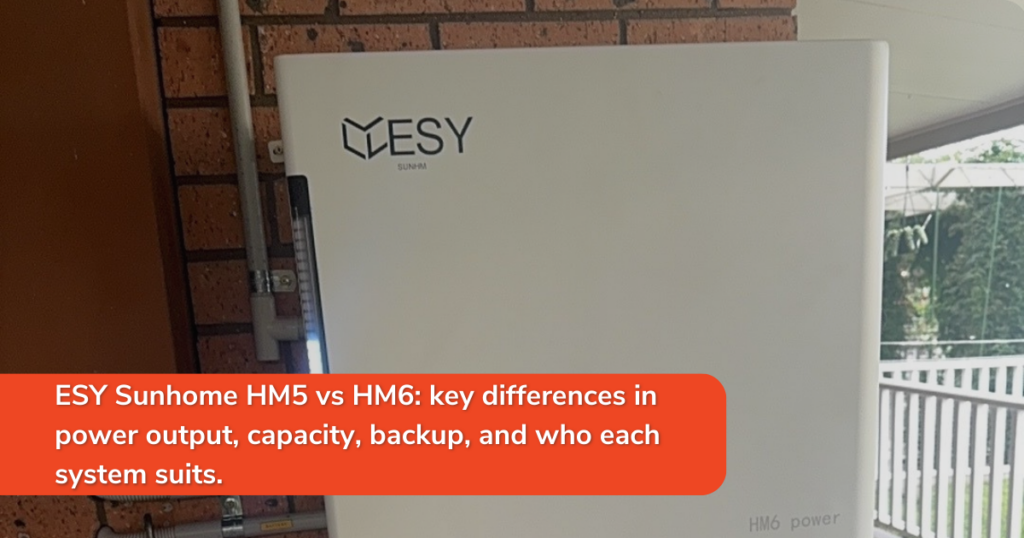
ESY Sunhome HM6 & HM5 Explained: Which Battery System Is Right for Your Home? Smart Energy Answers January 30, 2026 ESY Sunhome HM6 vs HM5: Which Battery System Is Right for Your Home? Key Takeaways ESY Sunhome HM5 and HM6 are modular home battery systems that can grow from 5.12 kWh up to 30.72 kWh. The main difference is inverter power: HM6 delivers more output, while HM5 suits standard household demand. Both systems use LiFePO₄ battery chemistry, known for safety and long life. These batteries are designed to store excess solar energy and support night-time use and backup during outages. Pairing the system with high-efficiency panels such as AIKO solar panel technology can help maximise daily solar generation. With changes coming under the solar battery rebate 2026, modular systems offer flexibility for future upgrades. ESY Sunhome is a strong option for homeowners comparing the best solar battery Australia has available in 2026. With energy prices rising and incentives changing under the solar battery rebate 2026, more Australian homeowners are looking for reliable storage solutions that offer flexibility and long-term value. ESY Sunhome’s HM6 and HM5 battery systems are designed to do exactly that, giving households a scalable way to store solar energy, reduce grid reliance, and protect against outages. 1. What Are ESY Sunhome HM6 and HM5 Systems? Both HM6 and HM5 are all-in-one residential energy storage systems that combine a hybrid inverter with scalable battery modules. This means the battery and inverter are integrated into one unit to work seamlessly with solar panels and household loads. They use Lithium Iron Phosphate, or LiFePO₄, battery chemistry, which is known for long life, safety, and thermal stability. Both systems are also built to handle everyday Australian weather conditions with an IP66 dust and water protection rating. 2. Capacity and Scalability: How They Grow With Your Needs One of the biggest advantages of both the HM5 and HM6 is their modular design. You can start with a smaller system and add more battery modules later if your energy needs grow. Modular Capacity Base unit: 5.12 kWh usable capacity Expandable up to: 30.72 kWh with six modules This range makes these systems suitable for homes with modest evening loads, larger households with significant solar production, and homeowners planning to electrify appliances or add an electric vehicle, or EV, charger later. Both systems use the same modular range, so their expansion options are identical. 3. Inverter Power: HM6 vs HM5 HM6: 6 kW maximum output HM5: 5 kW maximum output This means the HM6 can deliver slightly higher power to your home at any one time. This can be beneficial if your household has larger loads, such as air conditioning, ovens, pool pumps, or EV chargers. Both systems are single-phase and designed to handle typical Australian residential loads in combination with solar photovoltaic, or PV, systems. 4. How These Systems Work With Solar and Backup Power Both the HM6 and HM5 are designed to integrate smoothly with rooftop solar. They can: Store excess solar power generated during the day Supply stored power in the evening or at night Provide backup power during outages when configured with essential loads This means that instead of exporting all your solar energy to the grid at low feed-in tariffs, you can keep more of your energy for self-use. 5. Smart Operation Modes and Monitoring Both systems offer a range of operation modes, which can usually be managed through a mobile app. Normal mode: Standard solar and storage operation Economic mode: Prioritises stored energy during expensive grid periods Emergency mode: Keeps essential loads powered during outages Intelligent mode: Where enabled, intelligent modes can automate charging and discharging based on your settings and system conditions Real-time monitoring lets you see energy flows, battery state, solar output, and power usage, helping you optimise how you use your system. 6. Practical Differences at a Glance Feature ESY Sunhome HM5 ESY Sunhome HM6 Max output power 5 kW 6 kW Usable capacity range 5.12 kWh to 30.72 kWh 5.12 kWh to 30.72 kWh Hybrid inverter Integrated Integrated Protection rating IP66 IP66 Warranty 10 years 10 years Expandability Yes, modular Yes, modular Network requirements May be available across a broader range of network requirements May have installation limitations in some networks Both systems scale with the same modules, but the HM6 offers higher peak output, which may be useful for larger homes or households with higher instantaneous demand. 7. How to Choose Between HM6 and HM5 Here is a simple way to think about it. Choose HM6 If: You have higher instantaneous loads, such as air conditioners or pool pumps You want more power headroom from the inverter Your household uses many appliances at the same time Choose HM5 If: Your average household power demand is moderate You are focused mainly on evening and night-time battery usage You are comfortable with slightly lower peak output Because both systems support the same modular capacity range, you do not lose storage potential with HM5. You simply trade a little peak power capability compared to HM6. HM5 is also the most popular option because HM6 may have installation limitations due to some network requirements. 8. Solar Panels and Battery Pairing Both HM6 and HM5 systems perform best when paired with high-efficiency solar panels. Many homeowners are now choosing premium options such as AIKO solar panel technology, which can deliver higher output from limited roof space. More solar generation during the day means more energy can be stored for use at night, improving overall system value. Are ESY Sunhome Batteries One of the Best Options in Australia? When homeowners search for the best solar battery Australia has to offer, they are usually comparing three things: reliability, flexibility, and long-term value. ESY Sunhome stands out because: It uses safe, long-life LiFePO₄ chemistry It allows capacity expansion up to 30.72 kWh It integrates the inverter and battery in one system It offers smart modes that adapt to real usage patterns For households that want a system that can grow
Common Myths About Battery — Debunked
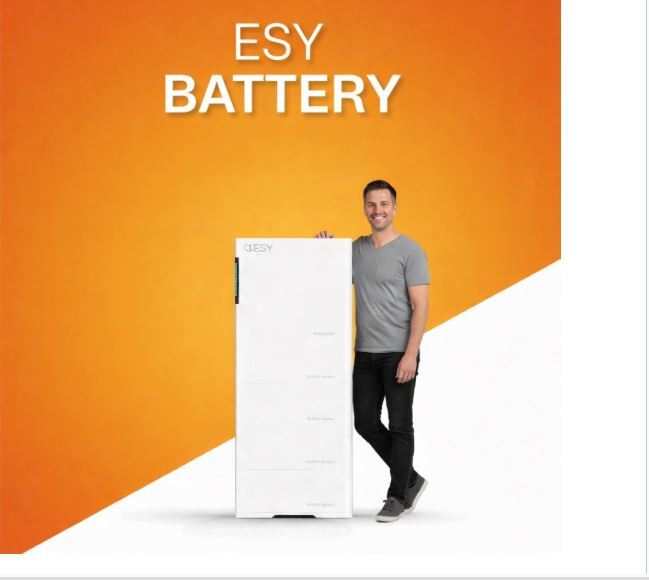
Common Myths About Battery — Debunked Smart Energy Answers January 30, 2026 Common ESY Battery Myths: What Australian Homeowners Should Know At Smart Energy Answers, we speak with thousands of Australian homeowners each year who are interested in solar energy storage, particularly ESY Battery systems such as the ESY Sunhome system, which we install across Australia. Although energy storage technology is advancing rapidly, there are still many misconceptions about home batteries. These myths can prevent homeowners from making informed choices about their future energy use. That is why we are clearing up some of the most common ESY Battery myths with practical facts, expert insight, and real-world experience. Let’s Start Myth 1: ESY Battery Does Not Work Well in Harsh Weather It is a common myth that home batteries are ineffective during extreme weather conditions, whether that is humid summer heat or cold winter nights. The ESY Battery systems we install are designed to perform reliably in a range of Australian conditions. The ESY Sunhome range is built with climate resistance in mind, including thermal management features that help maintain performance in changing temperatures. This means homeowners in cooler or warmer parts of Australia can still benefit from reliable energy storage when they need it most. In addition to temperature durability, ESY Battery systems are designed with strong weatherproofing, including an IP66 rating for protection against dust and water. This can make them suitable for outdoor placement when installed correctly and in accordance with site requirements. So, the myth that ESY systems cannot withstand harsh or unpredictable weather conditions is false. Myth 2: Batteries Like ESY Battery Are Only for Big Solar Systems Another myth we hear often is that you need a large solar array to make a battery worthwhile. The fact is that ESY Battery systems are scalable and flexible, meaning they can work with a variety of solar setups. For example, expandable ESY Sunhome models are modular, allowing you to start with a smaller storage capacity and add more modules later if your energy demand increases. This flexibility makes ESY Battery systems suitable for smaller homes, medium-energy users, and larger households. Whether your solar system is modest or high capacity, your battery system can be adjusted to suit your budget, lifestyle, and future energy goals. Myth 3: All Home Batteries Are Basically the Same Not every battery is designed the same way, and it is a mistake to assume that any battery will suit every home or situation. ESY Battery systems are different in several important ways. For example, the ESY Sunhome range includes intelligent energy management features that help optimise how stored energy is used. This means the system can help manage household energy more efficiently over time, supporting better savings and performance. Compared with older or more basic battery systems, this makes ESY more than just a home power bank. It is a smart energy solution designed to help homeowners make better use of stored solar energy. At Smart Energy Answers, we are selective about the products we install. We choose solutions such as ESY Battery because they offer real performance, reliability, and future-ready technology. Myth 4: Home Batteries Like ESY Battery Do Not Really Deliver Savings One of the most common concerns is that batteries are expensive and do not pay off over the long term. While battery storage is an investment, the value of an ESY Battery can extend beyond simple electricity bill savings. Because the system stores surplus solar energy produced during the day, you can use that power at night or during peak tariff periods. This can help reduce reliance on costly grid electricity and improve long-term savings. ESY Battery systems may help households avoid peak grid usage, smooth demand, and get more value from each kilowatt-hour of stored energy. It is not only about cutting bills. It is about using energy more intelligently. Additionally, government incentives such as the Federal Battery Rebate may help reduce upfront costs and improve return on investment where eligible. At Smart Energy Answers, we help customers understand the process and estimate the potential savings of installing a battery system. Myth 5: Batteries Are Not Safe to Install at Home Safety is understandably a major concern when it comes to energy storage, especially with stories online about battery failures or fires. However, reputable systems such as ESY Battery are designed with rigorous safety standards and protective features. High-quality battery systems commonly use lithium iron phosphate, or LiFePO₄, chemistry, which is known for strong thermal stability and safety compared with some older battery chemistries. Advanced battery management systems monitor performance continuously, while protective enclosures are designed to reduce common risks. At Smart Energy Answers, we only install products that meet strict Australian safety standards and compliance requirements. We never compromise on safety for affordability. Myth 6: You Cannot Monitor or Control Your Battery Performance Some homeowners assume that once a battery is installed, it becomes a set-and-forget device with no control or visibility. That is no longer the case with modern systems such as ESY Battery. With the ESY Sunhome app, homeowners can monitor battery performance, energy flow, charge level, and usage patterns in real time from their smartphone. This gives you visibility into how your system is working and provides insights into how you can optimise it further. This kind of access is part of what makes modern battery storage more user-friendly and efficient than older generations of technology. Final Thoughts: Clarity Helps You Make Smarter Choices At Smart Energy Answers, we want Australians to feel empowered with accurate and transparent information so they can make confident decisions about energy storage. ESY Battery systems are well-engineered, flexible, and capable options when paired with solar, and many of the myths surrounding home batteries do not stand up to closer review. If you are curious whether an ESY Battery is right for your home, our team is happy to assess your current setup and walk you through your options, from technical compatibility to rebate eligibility. Together, we
Top 8 Home Battery Trends In Australia: What Homeowners Should Know
Top 8 Home Battery Trends In Australia: What Homeowners Should Know Smart Energy Answers January 22, 2026 How Coastal Weather Affects Solar Battery Performance in Australia Life on Australia’s stunning coastline brings sun-kissed days and refreshing sea breezes. However, coastal weather can create challenges for home solar systems, especially when batteries are involved. Many people first consider battery size or cost, but to keep your solar battery working well in Australia, it is important to choose equipment that can withstand humidity, salty air, storms, and temperature shifts. At Smart Energy Answers, we help Australians set up solar and battery systems designed for long-term savings and performance. With more than 2,000 battery installations nationwide, we understand how coastal weather can impact battery performance and how the right design can help protect your investment. Why Coastal Conditions Demand Extra Attention Homes near the beach often face harsher conditions than homes located further inland. Ocean air is salty and humid, and coastal areas can also experience strong winds, high summer moisture, and noticeable temperature changes between day and night. These conditions can affect battery systems over time if they are not considered during product selection, system design, and installation. In short, what works well inland may not always suit coastal areas. You need to choose the right battery type and install it with protection in mind. Humidity: A Hidden Performance Drag Moisture levels are often higher along Australia’s coastline. This moisture can seep into equipment that is not properly sealed, which may affect: Electrical connections Internal components Thermal controls that help the battery manage heat Even when solar panels are performing well, homeowners may notice battery performance decline during moist seasons. This is often due to moisture disrupting charging efficiency and long-term reliability. To help reduce this risk, we recommend choosing the best solar battery in Australia for your location and looking for models with a high ingress protection rating, such as IP65 or higher. This helps protect internal components from moisture and corrosion. Salt Air Corrosion: The Coast’s Silent Threat Salt particles in ocean air can gradually corrode metal contacts, wiring, and circuitry over time. This is not usually a sudden issue. It develops gradually and can shorten system lifespan if the battery is not properly protected. That is why we often recommend: Installing the battery indoors where possible Using weatherproof enclosures or cabinets Adding shields that help reduce exposure to salt-laden breezes These steps help preserve performance and protect your investment over the long term. Temperature Fluctuations: Steady Performance Matters Coastal areas can experience noticeable day-to-night temperature variations. These changes can place strain on battery chemistry, particularly lithium-based systems commonly used in residential solar batteries. Ideal battery systems should: Remain stable when temperatures vary Offer consistent charging and discharging rates Reduce the risk of premature ageing At Smart Energy Answers, we consider thermal management features during system design so your battery can operate more reliably throughout the year. Storms, Winds, and Power Outages Storms and strong winds are more common in many coastal areas of Australia. These weather conditions can sometimes lead to grid outages, which is where a solar battery can provide valuable backup support. A high-quality battery with suitable backup and surge capacity can help ensure: Essential circuits continue operating during outages Your home stays powered when the grid goes down Peak demand and price spikes have less impact on your energy costs Choosing high-quality battery systems such as Tesla Powerwall, SolarEdge Home Battery, or other premium systems can provide better peace of mind when reliability, performance, and safety matter most. Installation: Where Weather Meets Workmanship No matter how advanced your battery is, poor installation can compromise long-term performance, especially in coastal environments. Our installations can include: Weather-resistant conduits Proper ventilation and airflow management Elevated or sheltered mounting locations Sealed electrical entries to reduce moisture ingress These practical measures help reduce the risk of coastal conditions causing performance issues over time. Maintenance Tips for Coastal Solar Battery Owners With a few simple checks, you can help your battery last longer and work harder. Look for early signs of rust or corrosion on the casing Check for salt and moisture build-up around terminals Ensure vents are not blocked by debris Wipe down cabinets during routine solar panel cleaning Schedule professional servicing at least annually These practices can help reduce wear and extend the life of your system. Conclusion: Coastal Life and Solar Batteries Can Go Hand in Hand Living by the coast should not mean compromising on solar battery performance. The key is choosing the right product, ensuring professional installation, and maintaining the system over time. At Smart Energy Answers, we help homeowners match their location’s conditions with the right battery, whether that is Tesla Powerwall, SolarEdge Home Battery, or another premium system backed by trusted installation and support. If you are near the coast and considering a solar battery, we are here to help every step of the way, from honest advice to complete system design and installation. Top 8 Home Battery Trends In Australia: What Homeowners Should Know Smart Energy Answers January 22, 2026 8 Energy Storage Trends Homeowners Should Watch in 2026 Key Takeaways Home battery costs are continuing to fall, improving payback for solar and storage systems. Battery installations in Australia are accelerating, with strong growth in late 2025. Average battery sizes are increasing as households aim to use more of their own solar energy. Smarter batteries are making it easier to manage energy automatically and avoid peak prices. Virtual Power Plants, or VPPs, are expanding, giving homeowners more options for future participation. Competition between battery brands is improving choice, flexibility, and long-term value. Pairing batteries with high-efficiency solar panels such as AIKO can help maximise system performance. 2026 is shaping up as a pivotal year for homeowners planning energy independence. Australia’s energy system is evolving faster than ever. Falling battery costs, changing tariffs, and growing grid pressure are reshaping how households generate, store, and use electricity. As we move through 2026, several clear energy
Tesla Powerwall 3 in Commercial Use: A Complete Guide for Australian Businesses in 2026
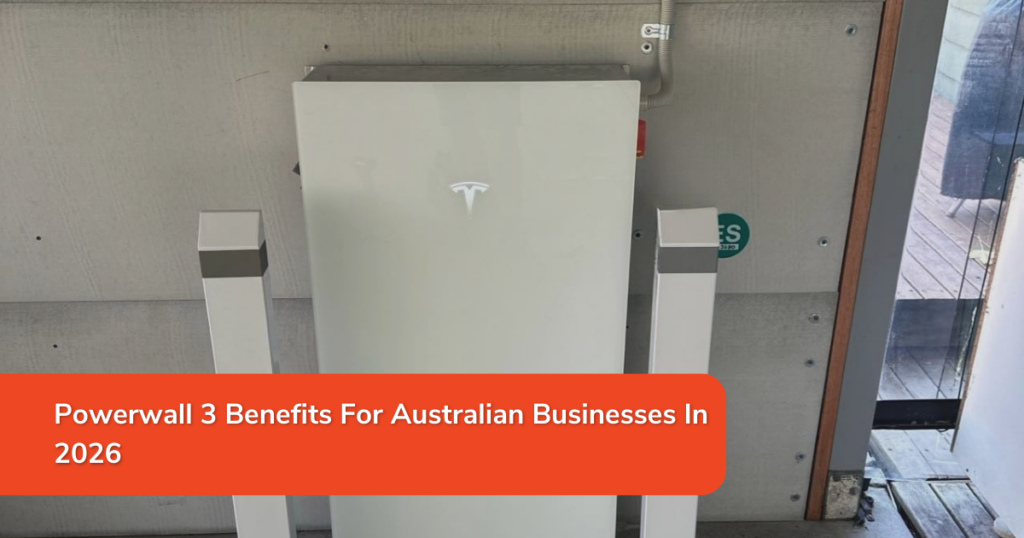
Tesla Powerwall 3 in Commercial Use: A Complete Guide for Australian Businesses in 2026 Smart Energy Answers January 19, 2026 Tesla Powerwall 3 for Commercial Energy Storage in Australia Commercial energy costs have become one of the most significant controllable expenses for Australian businesses. Between rising grid charges, volatile wholesale pricing, and growing sustainability expectations, organisations are rethinking how they generate, store, and manage power. Solar helps reduce consumption. Storage is what turns that solar into control, shifting energy to the hours when your business pays the most. One solution gaining strong momentum across Australia is Tesla Powerwall 3. In this guide, we explore how Tesla Powerwall 3 performs in commercial environments, how it integrates with solar systems, what impacts the price of a Tesla Powerwall, and why it is becoming a strategic asset for Australian businesses in 2026. What Is Tesla Powerwall 3? Tesla Powerwall 3 is the latest generation of Tesla’s energy storage technology, combining battery storage, inverter capability, and smart energy management in one streamlined unit. Powerwall is primarily designed for homes, but it can suit some small businesses and mixed-use sites, especially where loads, backup needs, and site approvals align. For businesses, this means: Storing excess solar energy generated onsite Reducing reliance on grid electricity during peak pricing Improving operational resilience during outages Gaining more control over long-term energy costs Learn more about system specifications and installation options here: Tesla Powerwall 3 Solar Storage. Why Businesses Are Adopting Tesla Powerwall 3 Australia-Wide 1. Managing Peak Demand Charges For many businesses, peak demand charges represent a major portion of electricity bills. Demand charges apply on certain business tariffs and are based on the highest level of grid usage during a billing period, even if it only occurs for a short time. Tesla Powerwall 3 can discharge stored energy during peak periods, helping businesses reduce grid demand and smooth consumption. Over time, this approach can help lower electricity costs, particularly for businesses with fluctuating or seasonal loads. 2. Maximising Solar Self-Consumption Commercial rooftops are ideal for solar generation, especially when paired with high-efficiency modules such as the Aiko solar panel, which can deliver strong output even in limited roof space. Without storage, excess solar power is often exported to the grid at low feed-in rates. With Powerwall 3, businesses can store surplus generation and use it later, increasing solar self-consumption and improving overall system return. This combination of Aiko solar panels and Tesla Powerwall 3 turns solar systems into full energy assets rather than simple generators. 3. Backup Power for Business Continuity Power outages can disrupt operations, affect safety systems, and lead to lost revenue. Tesla Powerwall 3 offers seamless backup capability when configured correctly, ensuring critical systems remain operational during grid outages. For businesses, this can mean: Keeping essential lighting, IT, and security systems online Protecting refrigeration or sensitive equipment Maintaining operations during grid instability Unlike traditional generators, Powerwall 3 provides silent, instant backup without fuel storage or manual intervention. How Tesla Powerwall 3 Fits Into Commercial Energy Designs Scalable Storage for Commercial Loads Commercial sites vary significantly in electrical configuration, particularly between single-phase and three-phase supply. Backup capability is also a system design decision, such as essential-loads backup versus wider site backup. This may require specific circuit design, switchboard work, and distributor approval. Three-phase sites may require additional design considerations around backup circuits and approvals to ensure compliance and performance. Common commercial setups include: Parallel Powerwall installations for increased capacity Integration with energy management systems for load optimisation Peak shaving and export limiting strategies This scalability makes Tesla Powerwall 3 suitable for offices, retail sites, hospitality venues, warehouses, and mixed-use buildings where the site requirements are suitable. Energy Market Participation and Future Readiness As Australia’s energy market evolves, businesses with storage assets may be better positioned to participate in: Demand response programmes Virtual Power Plants, or VPPs Grid support services Powerwall supports app-based controls, including time-based modes, and may support VPP participation where available. Participation is subject to retailer or programme eligibility and system configuration. Understanding the Tesla Powerwall 3 Price for Commercial Use One of the most common questions business owners ask is about the Tesla Powerwall 3 price and how it compares to other storage options. It is important to understand that the price of a Tesla Powerwall can vary depending on: Number of units required Installation complexity Electrical upgrades Backup configuration Integration with existing solar systems Rather than focusing purely on upfront cost, many businesses assess Powerwall 3 based on total cost of ownership. This can include: Ongoing electricity savings Reduced peak demand charges Backup power benefits System lifespan and warranty Long-term energy price protection This approach provides a clearer picture of real value over the life of the system. What to Compare When Choosing Commercial Battery Storage Evaluation Area What Commercial Buyers Should Assess Why It Matters Use case fit Peak shaving, backup power, energy arbitrage, and VPP readiness Ensures the system is sized and configured to match how the business actually uses energy. Warranty and throughput Warranty duration and total energy throughput limits Determines how well the system supports commercial cycling over its usable life. Scalability Maximum supported units and modular expansion capability Reduces risk as energy demand grows or site requirements change. Backup architecture Whole-site versus essential-load backup, changeover time, and load prioritisation Aligns backup capability with business continuity and operational risk. Safety and compliance Compliance with relevant AS/NZS standards and certifications Impacts approvals, insurance, and long-term site safety. Support and monitoring Local service availability, system monitoring, and response time expectations Minimises downtime and protects operational reliability. System integration Compatibility with inverters, energy management systems, generators, and EV chargers Enables efficient energy management and future system expansion. Total cost of ownership Installation, maintenance, degradation assumptions, and expected lifespan Provides a realistic view of long-term value beyond upfront cost. For many Australian businesses, Tesla Powerwall 3 stands out for its balance of performance, reliability, and intelligent energy management. Where Tesla Powerwall 3 Works Best Retail and Hospitality Powerwall 3 can
Sigenergy Battery for Home: Features That Matter Most in 2026
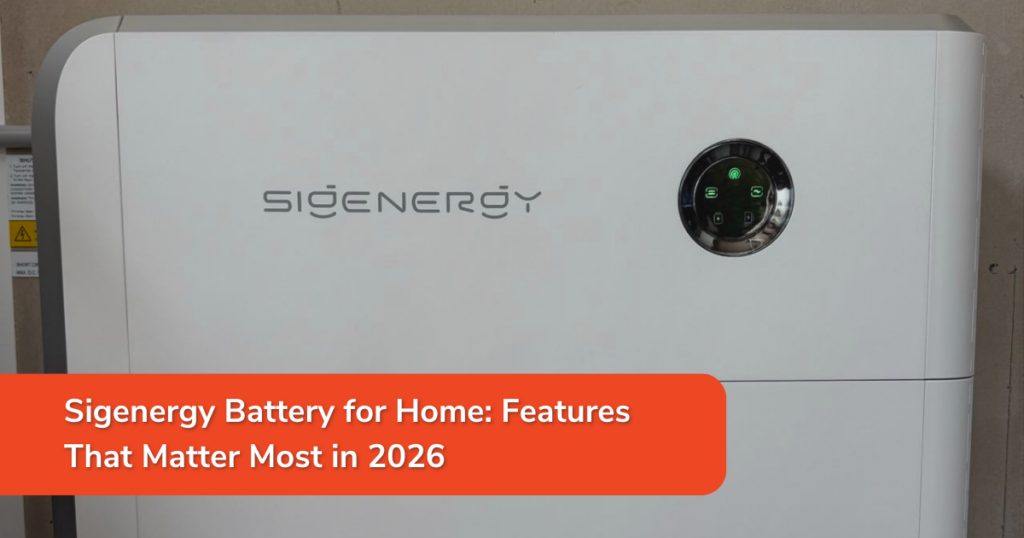
Sigenergy Battery for Home: Features That Matter Most in 2026 Smart Energy Answers January 7, 2026 Sigenergy Battery for Home: Features That Matter Most in 2026 The home energy revolution in Australia has shifted gears. In 2026, real independence is not just about generating solar power. It is about storing it, controlling it, and using it intelligently. Virtual Power Plants, or VPPs, artificial intelligence energy orchestration, and next-generation battery systems have made solar storage more powerful, safer, and more financially rewarding than ever before. Among the standout contenders in the home battery market is the Sigenergy battery, a modular, inverter-integrated storage system built for high performance, scalability, and smart home compatibility. But beyond the headlines, what features actually matter most to homeowners in 2026? If you are considering adding storage to your solar system, especially while incentives such as the solar battery rebate are still available, this guide breaks down everything you should look for, understand, and compare before making a decision. 1. True All-in-One Integration One of Sigenergy’s biggest advantages is its fully integrated architecture. Unlike older setups where the inverter and battery were separate components, Sigenergy systems combine: Hybrid inverter Battery storage modules Smart energy management software This means: Higher system efficiency Faster response to energy load changes Cleaner installation with fewer failure points Better compatibility with VPP platforms and smart home ecosystems For households wanting both savings and resilience, an all-in-one system helps ensure your solar and storage communicate in real time, without unnecessary energy conversion waste. See how Smart Energy Answers integrates smart energy systems here: Virtual Power Plant. 2. Modularity That Grows With Your Family and Lifestyle In 2026, flexibility is no longer a luxury. It is essential. Energy usage in Australian homes is climbing, driven by: Larger household sizes Work-from-home loads Smart appliances Rising electric vehicle, or EV, adoption High-demand cooling systems Sigenergy batteries are modular, meaning you can: Start with the capacity you need today Add more storage modules later without replacing the entire system This is particularly valuable for: Young families planning future expansion Homeowners adding EV charging later Houses switching from gas to electric appliances Properties with unpredictable seasonal energy demand Modular batteries help protect you from overspending upfront while ensuring your system can adapt to future energy needs. 3. Advanced Safety and Thermal Stability Designed for Australian Conditions Australia’s climate is one of the toughest proving grounds for home batteries. In summer, rooftop and outdoor installations can face extreme heat. This is where Sigenergy delivers strong differentiation with: Thermal regulation systems Smart cell protection Overcharge and over-discharge safeguards Short-circuit prevention Temperature anomaly detection Why this matters for homeowners: Longer battery life Reduced fire and degradation risk Stable performance in high ambient temperatures Peace of mind for indoor or garage installations When marketed correctly, this safety positioning is a strong trust driver for Australian homeowners who have become more educated and cautious about lithium battery safety. 4. Faster, Smarter, and More Efficient Power Delivery A modern battery should do more than store energy. It should power your home smoothly, without dips, delays, or throttling during peak usage. Sigenergy batteries are engineered for: High charge and discharge rates Low-latency load response Improved round-trip efficiency Smart prioritisation of home loads This results in: Better night-time self-consumption Fewer grid imports during peak tariff hours Improved savings even without exporting power Cleaner backup performance during outages 5. VPP-Ready Technology for Future Grid Participation VPP awareness is now part of consumer decision-making. Homeowners want to know whether their battery can create additional value in the future. Sigenergy systems are VPP-compatible and built to: Export power during grid events Support demand-response programmes Work with distributed energy aggregators Provide grid support while protecting home energy reserves This can unlock future benefits such as: Bill credits Grid rewards Wholesale energy sharing income, depending on state and provider Community energy collaboration programmes 6. Compatibility With Premium Solar Panels Such as Aiko Pairing the right battery with the right panels matters. High-efficiency solar modules such as Aiko solar panels work exceptionally well with smart storage systems because they can: Generate more power in limited roof space Increase surplus energy available for storage Improve overall system return on investment Reduce payback time when combined with batteries Support better night-time usage offsets 7. Backup Power and Blackout Protection for Homeowners Who Want Reliability Outage resilience is one of the fastest-growing motivations for battery installations in Australia. With Sigenergy, homeowners can benefit from: Reliable backup power delivery Load management during outages System intelligence that protects essential appliances Fast inverter and battery response Lower risk of total system shutdown Key backup use cases for 2026 homeowners include: Running fridges, medical devices, Wi-Fi, and lights during outages Powering night-time loads with less grid reliance Supporting peak-demand stability during heatwaves Improving emergency home energy resilience 8. Monitoring, Control, and Savings Insights That Homeowners Can Understand Battery systems are now dashboards first and hardware second. Consumers expect: Real-time energy insights Clear savings breakdowns Simple mobile access No technical confusion Smart alerts instead of fault codes Sigenergy platforms allow homeowners to: See energy flows clearly Track battery usage and savings Understand grid imports versus self-consumption Make informed lifestyle energy decisions 9. The Big Question in 2026: Is a Sigenergy Battery Worth It? For most Australian homeowners, the answer comes down to four pillars: savings, safety, future-proofing, and energy independence. What Homeowners Want What Sigenergy Delivers Lower power bills High self-consumption and smart load balancing System safety Thermal and cell protection designed for heat Future-proofing Modular expandability without full system replacement Energy independence Solar, inverter, battery integration, and monitoring Backup resilience Stable outage performance and load prioritisation Grid rewards VPP-ready architecture for future earning potential Bottom Line In 2026, home batteries must be: Safe Modular Smart Efficient VPP-capable Value-driven, not just price-driven The Sigenergy battery checks these boxes for Australian households looking to maximise solar energy and prepare for the future of distributed home power.
Can the Solar Battery Rebate 2026 Replace Diesel Generators in Rural?
Can the Solar Battery Rebate 2026 Replace Diesel Generators in Rural? Smart Energy Answers December 29, 2025 Solar Batteries vs Diesel Generators: The Future of Rural Power in Australia For decades, diesel generators have been the primary power source for many rural and remote areas in Australia. They can provide flexible power in locations where grid access is limited, but they also come with rising costs, regular maintenance, noise, emissions, and fuel delivery challenges. They can also become harder to rely on during extreme weather events or supply disruptions. As energy prices rise and climate impacts become more visible, rural homeowners and businesses are asking a new question: Is there a more sustainable and cost-effective power alternative? With the federal solar battery rebate now active and expected to change in 2026, this question is becoming financially important. Why Diesel Generators Are Losing Ground in Rural Australia Diesel generators were designed for a time when rural power needs were simpler and grid access was often limited. Modern rural properties now use more energy across irrigation systems, workshops, refrigeration, electric vehicles, internet connectivity, and modern household appliances. However, diesel is not becoming cheaper. Fuel costs are unpredictable, and delivery expenses can be high, particularly in remote areas. Generators also require regular maintenance, and failures often happen at the worst possible time, such as during storms, road disruptions, or supply chain delays. Noise, fumes, and constant upkeep make diesel less appealing for families and businesses. Rural Australians are increasingly seeing generators not as the most reliable answer, but as an expensive trade-off they would prefer to reduce or avoid. How Solar Batteries Transform the Rural Energy Equation Solar battery systems allow rural homes and businesses to generate electricity from the sun, store it, and use it when they need it most, such as at night, during peak periods, or when the grid goes out. With a well-designed solar and battery system: You are not fully dependent on fuel deliveries There is no daily fuel cost once the system is installed The system runs quietly and cleanly with minimal servicing Smart controllers and remote monitoring help maximise performance Modern battery systems offer increased usable capacity, improved charge and discharge functionality, longer life, and smart controls. This can provide reliable power even in demanding rural and off-grid conditions. Solar Batteries vs Diesel Generators in Real-World Rural Use There are three factors that are almost always important when rural customers are making energy decisions. Reliability When It Counts Diesel generators operate until fuel is depleted, which can become a vulnerable point during emergencies. Solar batteries are charged by the sun each day and, when combined with a properly sized solar array, can continue operating even when fuel deliveries are disrupted. Long-Term Cost Diesel generators can be cheaper to purchase upfront, but they are often costly to operate over time. Fuel, servicing, repairs, and maintenance can add up quickly. Solar batteries usually have a higher upfront cost, but their operating costs are much lower and more predictable over a 10 to 15-year period. Environmental and Lifestyle Impact Diesel generators produce fumes, noise, and vibration, which can affect comfort and working conditions. Solar batteries operate quietly, produce no onsite emissions during use, and can help make rural living cleaner and more comfortable. How the Solar Battery Rebate 2026 Changes Affordability One of the biggest obstacles to battery adoption has been upfront cost. The federal Cheaper Home Batteries Program helps reduce this cost by allowing eligible battery installations to generate Small-scale Technology Certificates, or STCs, which create an upfront discount on the system price. Important Update Starting on 1 May 2026, the rebate system is expected to change. Instead of a fixed approach, rebates are expected to be tiered based on battery size, and the number of STCs awarded will reduce at a faster rate over time. Under the post-May 2026 rules: 0 to 14 kWh usable capacity: Full STC rebate factor applied 14 to 28 kWh usable capacity: 60% of the rebate factor applied 28 to 50 kWh usable capacity: 15% of the rebate factor applied This means smaller and right-sized battery systems may retain stronger rebate support, while larger systems installed after May 2026 may receive a reduced effective rebate per kilowatt-hour. Installers and rural customers should understand that the rebate is not removed, but delaying installation may result in lower overall support compared with acting before 1 May 2026. Hybrid Systems: A Practical Transition Away From Diesel For many rural users, moving away from diesel completely overnight may not be realistic, particularly where heavy machinery or high peak loads are involved. That is where hybrid systems can help. In a hybrid system: Solar and battery storage cover everyday power needs Diesel is retained only for rare extended low-sun periods Diesel run hours drop dramatically Fuel use and servicing costs are reduced Hybrid systems provide a practical, gradual pathway towards greater battery reliance. The 2026 rebate can also make the battery component of that transition more cost-effective when planned correctly. Can Solar Batteries Fully Replace Diesel Generators? In many cases, yes. With battery technology advancing, prices improving, and government support available, solar and battery systems are becoming a strong long-term option for rural power. Over time, diesel may increasingly become a reserve power source rather than the main source of energy. The direction is clear: rural energy systems are moving towards solar storage and away from dependence on fossil fuels. Final Thoughts Rural Australia deserves access to reliable, sustainable, and affordable energy solutions that are not tied to unpredictable fuel markets and rising operating costs. The solar battery rebate 2026 provides an opportunity to build a stronger financial case today and design energy systems that are ready for the future. Whether the goal is to replace diesel completely or achieve substantial energy independence, solar batteries are no longer on the edge of technology. They are now a reliable and practical answer to many rural power requirements. Timing matters: before rebate values begin declining in May 2026,
How Coastal Weather Impacts the Performance of the Best Solar Battery in Australia?
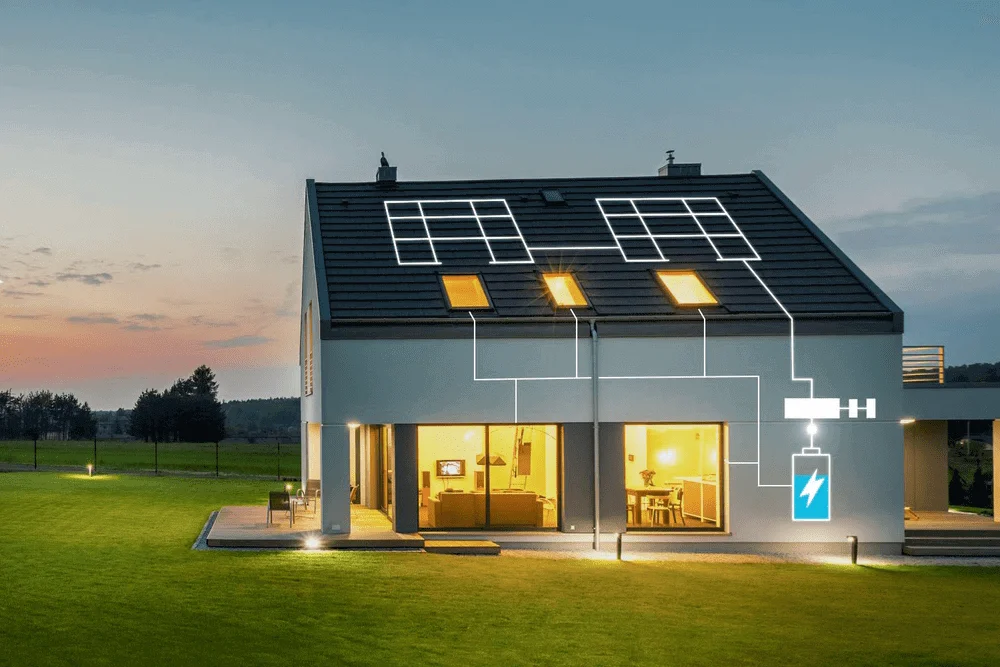
How Coastal Weather Impacts the Performance of the Best Solar Battery in Australia? Smart Energy Answers December 29, 2025 How Coastal Weather Affects Solar Battery Performance in Australia Life on Australia’s stunning coastline brings sun-kissed days and refreshing sea breezes. However, coastal weather can create challenges for home solar systems, especially when batteries are involved. Many people first consider battery size or cost, but to keep your solar battery working well in Australia, it is important to choose equipment that can withstand humidity, salty air, storms, and temperature shifts. At Smart Energy Answers, we help Australians set up solar and battery systems designed for long-term savings and performance. With more than 2,000 battery installations nationwide, we understand how coastal weather can impact battery performance and how the right design can help protect your investment. Why Coastal Conditions Demand Extra Attention Homes near the beach often face harsher conditions than homes located further inland. Ocean air is salty and humid, and coastal areas can also experience strong winds, high summer moisture, and noticeable temperature changes between day and night. These conditions can affect battery systems over time if they are not considered during product selection, system design, and installation. In short, what works well inland may not always suit coastal areas. You need to choose the right battery type and install it with protection in mind. Humidity: A Hidden Performance Drag Moisture levels are often higher along Australia’s coastline. This moisture can seep into equipment that is not properly sealed, which may affect: Electrical connections Internal components Thermal controls that help the battery manage heat Even when solar panels are performing well, homeowners may notice battery performance decline during moist seasons. This is often due to moisture disrupting charging efficiency and long-term reliability. To help reduce this risk, we recommend choosing the best solar battery in Australia for your location and looking for models with a high ingress protection rating, such as IP65 or higher. This helps protect internal components from moisture and corrosion. Salt Air Corrosion: The Coast’s Silent Threat Salt particles in ocean air can gradually corrode metal contacts, wiring, and circuitry over time. This is not usually a sudden issue. It develops gradually and can shorten system lifespan if the battery is not properly protected. That is why we often recommend: Installing the battery indoors where possible Using weatherproof enclosures or cabinets Adding shields that help reduce exposure to salt-laden breezes These steps help preserve performance and protect your investment over the long term. Temperature Fluctuations: Steady Performance Matters Coastal areas can experience noticeable day-to-night temperature variations. These changes can place strain on battery chemistry, particularly lithium-based systems commonly used in residential solar batteries. Ideal battery systems should: Remain stable when temperatures vary Offer consistent charging and discharging rates Reduce the risk of premature ageing At Smart Energy Answers, we consider thermal management features during system design so your battery can operate more reliably throughout the year. Storms, Winds, and Power Outages Storms and strong winds are more common in many coastal areas of Australia. These weather conditions can sometimes lead to grid outages, which is where a solar battery can provide valuable backup support. A high-quality battery with suitable backup and surge capacity can help ensure: Essential circuits continue operating during outages Your home stays powered when the grid goes down Peak demand and price spikes have less impact on your energy costs Choosing high-quality battery systems such as Tesla Powerwall, SolarEdge Home Battery, or other premium systems can provide better peace of mind when reliability, performance, and safety matter most. Installation: Where Weather Meets Workmanship No matter how advanced your battery is, poor installation can compromise long-term performance, especially in coastal environments. Our installations can include: Weather-resistant conduits Proper ventilation and airflow management Elevated or sheltered mounting locations Sealed electrical entries to reduce moisture ingress These practical measures help reduce the risk of coastal conditions causing performance issues over time. Maintenance Tips for Coastal Solar Battery Owners With a few simple checks, you can help your battery last longer and work harder. Look for early signs of rust or corrosion on the casing Check for salt and moisture build-up around terminals Ensure vents are not blocked by debris Wipe down cabinets during routine solar panel cleaning Schedule professional servicing at least annually These practices can help reduce wear and extend the life of your system. Conclusion: Coastal Life and Solar Batteries Can Go Hand in Hand Living by the coast should not mean compromising on solar battery performance. The key is choosing the right product, ensuring professional installation, and maintaining the system over time. At Smart Energy Answers, we help homeowners match their location’s conditions with the right battery, whether that is Tesla Powerwall, SolarEdge Home Battery, or another premium system backed by trusted installation and support. If you are near the coast and considering a solar battery, we are here to help every step of the way, from honest advice to complete system design and installation.
The Federal Battery Rebate Cuts From 1 May 2026

The Federal Battery Rebate Cuts From 1 May 2026 Smart Energy Answers December 18, 2025 There’s been a major update from the Federal Government for homeowners and businesses considering battery storage in 2026 Following the latest announcement from the Department of Climate Change, Energy, the Environment and Water (DCCEEW), the government has confirmed that current solar battery rebate levels will remain in place until the end of April 2026. This gives Australians valuable breathing room to plan, purchase, and install battery systems before scheduled changes take effect. However, from 1 May 2026, the structure of the rebate will begin to change significantly. What’s Locked In Until April 2026 The good news first. Current rebate values remain unchanged until 30 April 2026 Systems installed before this date will receive the full current STC value This applies across residential and eligible commercial battery installations For households considering systems like Tesla Powerwall, Sigenergy battery solutions, or other premium storage options, this effectively creates a clear window to lock in today’s higher rebate levels. Recent installations, including projects similar to our Amber-powered battery systems, are already being designed to maximise this opportunity. What Changes From May 1, 2026 From May 2026 onward, the rebate will taper every six months and, importantly, it will become tiered based on battery size. This tiered STC structure is designed to slow rebate overspending and discourage oversized, rebate-driven installations. New Tiered STC Structure (From May 2026) The rebate will now apply differently depending on total usable battery capacity: 0–14 kWh → 100% STC factor applied 14–28 kWh → 60% STC factor applied 28–50 kWh → 15% STC factor applied In simple terms: Smaller and right-sized batteries retain strong support Larger systems still qualify — but with progressively lower rebate value per kWh This change has direct implications for modular systems where total capacity can scale quickly, including higher-capacity configurations often discussed when comparing sigenergy battery price options. Scheduled STC Taper Timeline In addition to the tiered structure, the STC factor itself reduces over time, regardless of system size. Period Proposed STC Factor Jan–Apr 2026 8.4 May–Dec 2026 6.8 Jan–Jun 2027 5.7 Jul–Dec 2027 5.2 Jan–Jun 2028 4.6 Jul–Dec 2028 4.1 Jan–Jun 2029 3.6 Jul–Dec 2029 3.1 Jan–Jun 2030 2.6 Jul–Dec 2030 2.1 👉 The takeaway: the rebate was always designed to come down — now we know exactly when and how. Why This Matters for Homeowners Battery sizes have increased rapidly over the past 12 months. What used to be a typical 10–16 kWh system has grown closer to 25–30 kWh installs. Under the new structure: Oversizing purely for rebate maximisation becomes far less attractive Smart system design becomes critical to maximise ROI Early movers retain the strongest financial advantage For example, systems like Tesla Powerwall 3 sit neatly within the highest rebate tier, making the overall tesla powerwall 3 price significantly more compelling when installed before April 2026. Pairing batteries with high-efficiency hardware such as an Aiko solar panel further improves long-term performance and value. Even by the end of the decade, rebates won’t disappear, but today’s rebate levels are the most generous the program will ever be. The Smart Play: Right-Size, Don’t Rush The government’s direction is clear: Reward appropriate battery sizing Reduce budget blowouts Avoid an abrupt “guillotine cut” that would destabilise the industry For customers, this means the smartest strategy is: Install before May 2026 where possible Choose battery capacity based on actual energy use — not rebate chasing Work with accredited installers who understand the new rules We’re already seeing this approach applied across systems ranging from flexible Sigenergy battery configurations to value-focused solutions like the ESY Sunhome range. Bottom Line: The Window Is Open — But It Won’t Stay That Way This announcement brings certainty, not panic. The rebate is not ending tomorrow But the days of maximum incentives are numbered From May 2026, rebate values reduce and large systems attract significantly less support At Smart Energy Answers, we’re already designing systems with these changes in mind, helping customers secure today’s benefits while future-proofing their energy setup. If you’ve been considering a home battery, now you know the timeline.
Are You Overpaying for Power? How to Audit Your Energy Costs in 30 Minutes (Free Checklist + Template)

Are You Overpaying for Power? How to Audit Your Energy Costs in 30 Minutes (Free Checklist + Template) Smart Energy Answers December 4, 2025 For many Australian businesses, electricity is one of the largest—and most unpredictable—operational expenses. Yet most organisations have no idea what they’re actually paying for, what’s driving their peak costs, or where unnecessary charges are hiding. The good news? You can uncover hidden waste—and often find thousands in annual savings—with a simple 30-minute energy audit. This guide gives you: A quick, practical checklist A downloadable-style audit template The key areas where businesses routinely overspend What to do next if the numbers don’t look right Let’s get started. Step 1: Gather Your Essentials (5 Minutes) Before analysing anything, pull together your latest: Electricity bills (last 3–12 months) Meter data or usage reports (if available) Tariff schedule from your retailer Operating hours for your business List of major equipment loads (HVAC, refrigeration, machinery, lighting, servers, etc.) Tip: Even if you only have the last 3 bills, it’s enough to reveal patterns. Step 2: Identify Your Main Cost Drivers (10 Minutes) Most businesses overpay because of three key culprits: 1. Peak Demand Charges You Didn’t Know You Were Paying Demand charges are based on your highest short burst of energy use during the billing period. This means a single spike—like all machinery starting at once—can set your demand fee for the entire month. Look for: “kVA demand” or “peak demand” line items Unexplained bill spikes Equipment turning on simultaneously 2. Being on the Wrong Tariff Structure If you haven’t reviewed your tariff in over a year, you’re likely paying more than you should. Common issues: Outdated time-of-use tariffs Demand plans that don’t match your operating hours Retailers not shifting you to newer, cheaper plans 3. Equipment Running After Hours (Silent Energy Leaks) These small loads add up: HVAC left on Refrigeration not optimised Lights running after-hours Servers and IT equipment at full power Machinery on standby High overnight baseline usage A quick scan of your bills for “overnight minimum load” can reveal these leaks fast. Step 3: 30-Minute Business Energy Audit Checklist Usage & Tariffs Do you know your average monthly kWh? Are demand charges climbing? Are you on the correct tariff? Have you compared retailers in the last 12 months? Peak Demand Do usage spikes match machinery start-up? Is HVAC running at maximum during peak hours? Are EVs charging during peak periods? Operational Load Are lights & HVAC off after hours? Is refrigeration efficient? Is IT equipment scheduled for low-power mode? Is overnight usage unusually high? Infrastructure LED lighting installed? Efficient HVAC? Proper building insulation? Energy Strategy Assessed solar potential? Considered batteries for demand reduction? Tracking energy monthly? Step 4: Quick Energy Audit Template Copy/paste into your spreadsheet: 1. Monthly Snapshot Metric Value Avg. monthly usage (kWh) Avg. bill ($) Peak demand (kVA) Highest bill in last 12 months Tariff type Retailer 2. Peak Demand Analysis Highest usage time: Avoidable spikes: Yes/No Equipment causing spikes: 3. Operational Waste Area Issue? Notes HVAC Y/N Lighting Y/N Refrigeration Y/N Machinery Y/N IT Y/N Overnight baseline H/N/L 3. Opportunities Better tariff Shift equipment schedules Reduce peak loads Fix after-hours usage Add solar Add commercial battery storage Install an energy management system Estimated savings: Low / Medium / High Step 5: What If You Are Overpaying? Most Australian businesses end up paying 10–35% more than necessary due to preventable inefficiencies. Here’s where major savings come from: 1. Solar to Reduce Expensive Daytime Grid Use Solar offers predictable long-term energy costs. Pairing solar with advanced battery solutions—like the best solar battery Australia options—helps businesses cut their grid dependence further. 2. Battery Storage to Reduce Peak Demand Today’s top systems such as: Tesla Powerwall 3 Sigenergy Battery (SigenStor) ESY SunHome give businesses major demand-charge reductions, backup protection, and flexible energy management. These systems are increasingly recognised as candidates for the best solar battery Australia—especially when paired with rebates and VPP programs. 3. Take Advantage of the Federal Battery Rebates Many businesses now qualify for significant incentives that reduce payback periods dramatically. See if you’re eligible: 👉 https://www.smartenergyanswers.com.au/federal-battery-rebates-2025 4. Energy Management for Real-Time Insights Energy dashboards and IoT-enabled monitoring can: Find hidden consumption patterns Track peaks Automate load shifting Identify equipment faults early This is often the missing piece in ongoing savings. Want a Full Commercial Energy Assessment? If you’re ready to stop overspending and start taking control of your business’s energy costs, Smart Energy Answers can run a tailored commercial audit and build a high-ROI strategy using solar, batteries, and advanced energy management tools. Book a quick 15–20 minute call with our team, and we’ll help you uncover your savings potential, compare the right technologies—including Powerwall 3, Sigenergy, and ESY—and show you exactly how much your business can reduce its operating costs. Let us know a time that suits you, and we’ll gladly work around your schedule.